


















How to Manage Multiple Currencies as a Digital Nomad Without Losing Money
Discover practical strategies to manage your finances as a digital nomad and achieve lasting financial success. Read the article for essential tips!
How to Manage Money as a Digital Nomad
Why Multiple Currencies Feel Like a Boss Level
The digital nomad lifestyle sounds like freedom—new cities, new cafés, new people. But when you start moving across multiple countries, your wallet gets messy fast. Between exchange rates, ATM fees, and tax obligations, managing money can feel like a full-time job.
The Hidden Costs of Working Abroad
Living expenses pile up when you’re paying in pesos one week and euros the next. Multi currency accounts, online banks, and smarter financial planning can save you from bleeding cash. The trick? Tracking expenses before they spiral out of control.
What You’ll Learn
In this guide, you’ll find:
-
Tools to manage money as a digital nomad without the stress
-
Tips for keeping tax obligations in check
-
Smart ways to handle multiple currencies while working abroad

The Digital Nomad Money Challenge
Why Managing Finances Gets Messy Abroad
The digital nomad lifestyle is thrilling—you get to work from cafés in Lisbon, surf towns in Bali, or rooftops in Mexico City. But when you move across more countries, you quickly learn that managing finances isn’t the same as back home. Travel expenses don’t just mean flights and coffee; they also come with foreign currencies, hidden fees, and the headache of figuring out which budgeting apps can keep up with various currencies.
The Pain of Exchange Rates and Foreign Transactions
Bank fees, bad currency exchange rates, and ATM surcharges eat away at your income streams. According to a 2023 Wise survey, frequent travelers lose an average of $200–$300 a year just in unnecessary conversion fees. That’s the price of a month of coworking—or a weekend getaway—gone in the blink of an eye.
Taxes and Financial Stability Across Borders
Then comes tax season. When your income streams stretch across multiple countries, tax rules overlap, and suddenly you’re juggling obligations in two places at once. Without financial stability, this stress can easily derail your work. And let’s be honest—few things kill productivity faster than wondering if you owe money in a country you left months ago.

What to Watch Out For (Key Features That Matter)
Before you open one account or rely on your home currency, make sure you understand:
-
Currency exchange fees – small percentages that add up quickly
-
Budgeting apps – the ones that support various currencies, not just dollars or euros
-
One account vs. multiple accounts – decide what keeps you sane when managing finances on the move
The Real Silent Killer
At the end of the day, financial stress is the nomad’s silent productivity killer. You can have the best view, the fastest WiFi, and the coolest coworking spot, but if your money is bleeding out through fees and confusion, your adventure gets cut short.
Choosing the Right Bank Accounts and Cards
Why the Right Bank Matters for the Digital Nomad Lifestyle
If you work remotely and hop borders often, your bank setup can make or break your monthly budget. Many digital nomads burn through hundreds each year on hidden foreign transaction fees or bad exchange rates when dealing with foreign currencies. Picking the right bank isn’t about loyalty—it’s about survival. The key features you need are simple: multi-currency support, global ATM access, and accounts that let you receive money without extra charges.
Traditional Banks vs. Digital-First Banks
Many banks at home will happily charge you 3% every time you swipe abroad. That may not sound like much, but with world spending, it adds up fast. Digital-first banks like Revolut, Wise, or N26 are designed for borderless living. Revolut’s free plan already gives you fee-free exchanges up to €1,000 per month, while Wise lets you hold 40+ currencies in one account and send money at close to mid-market rates. A 2022 Finder survey showed 55% of travelers prefer digital banks for lower costs and transparency.
Travel Credit Cards: Good When Used Smartly
Travel credit cards can be lifesavers—especially when you need perks like lounge access, cashback on world spending, or even bundled international health insurance. But they’re not always the cheapest way to handle daily living. If your monthly budget is under €2,000, you’ll probably save more with a multi-currency debit card than by paying annual fees on a premium credit card.
Key Features to Look For
-
No foreign transaction fees – 2–3% charges eat into your travel savings fast
-
Budgeting tools – in-app spend tracking that works across currencies
-
Low ATM fees – so you’re not losing $5–$10 every time you withdraw
-
Ability to receive money – clients or employers can pay you without deductions
Local Favorites
-
Europe: N26 is popular for free Eurozone withdrawals and clean budgeting tools.
-
US Nomads Abroad: Charles Schwab debit card refunds all ATM fees worldwide.
-
Latin America: Wise often beats local banks when it comes to sending money to accounts in pesos or reais.
The right bank setup won’t just protect your cash—it gives you peace of mind so you can actually enjoy the adventure.

Digital Wallets and Payment Platforms
Why One Account Isn’t Enough
If you work remotely and get paid from multiple sources in different countries, you already know the pain of relying on just one account. International transfers from your home country can drain you with monthly fees and bad conversion rates. For digital nomad jobs, the right platform can save money, smooth out payments, and even help you build an emergency fund.
PayPal: Ubiquitous, But Costly
PayPal is the “default” in many countries. It’s accepted everywhere, but not always loved. The downside? Fees on international transfers can reach 4–5% when you factor in exchange rates. That’s not exactly minimal fees when your monthly budget is already tight.
Wise: Transparent and Multi-Currency
Wise is a favorite among digital nomads. Its unique features include holding balances in 40+ currencies, real-time conversion at the mid-market rate, and minimal fees (about 0.5% on average). If you’re moving between different countries often, this flexibility beats most traditional options.
Payoneer: For Freelancers and Digital Nomad Jobs
Payoneer is designed for digital nomads getting paid from multiple sources—Upwork, Fiverr, or direct clients. Monthly fees vary, but the platform shines with advanced features like receiving payments in USD, EUR, or GBP as if you had a local bank account in those countries.

Key Features That Matter
-
Minimal fees for international transfers
-
One account to manage multiple sources of income
-
Advanced features like invoicing or built-in budgeting
-
Ability to save money by skipping bad conversion rates
Crypto Wallets: Borderless, But Risky
Crypto wallets are tempting for borderless payments. They bypass banks and tax treaties, giving you control across different countries. But they also come with volatility and limited spending options. They work better as part of an emergency fund than as your main daily wallet.
Local Insight: What Works Where
-
In Europe, Wise and Revolut dominate for its low fees and reliable conversion.
-
In Latin America, Payoneer is often more stable than local banks for receiving USD.
-
In Asia, PayPal remains king simply because so many clients insist on it.
Getting Paid Without Losing Half to Fees
The trick is mixing platforms. Use Wise for international transfers, Payoneer for freelance platforms, and keep PayPal as a backup for clients who won’t budge. This way, you minimize monthly fees while keeping access to key features you’ll actually use.
Budgeting Across Currencies
Why Monthly Expenses Get Confusing Fast
Ask any digital nomad and they’ll tell you: monthly expenses don’t play nice when you’re juggling different currencies. One week your rent is in pesos, the next your groceries are in euros, and your coworking pass is billed in dollars. Many digital nomads underestimate how quickly cash flow slips through the cracks this way. Add in tax regulations from a foreign country and suddenly even your morning latte feels like a math problem.

Practical Tools That Actually Work
The good news is that there are plenty of apps designed for people who live globally, not locally. YNAB ($14.99/month) is powerful for long-term planning, while Mint is free but more US-focused. Monzo is a favorite in Europe with real-time spend notifications in multiple currencies. And yes, plenty of nomads keep it simple with a color-coded Google Sheet that tracks every peso, euro, and baht. A 2022 Deloitte survey found that 55% of expats say real-time budgeting tools helped them cut overspending by at least 20%.
Setting Up Base Currency Budgeting
To stay sane, pick a base currency (usually your home currency) and convert all monthly expenses into it. This helps you see the big picture even when living in a foreign country. Think of it as a translator for your wallet. It won’t fix exchange rate fluctuations, but it will give you clarity on what’s sustainable.
Avoiding Common Money Drains
Nomads lose more than they think to hidden fees. Out of network ATM withdrawals, random app subscriptions, and overlooked tax regulations quietly drain budgets. The fix is to review your statements every week and cross-check with your base currency budget.
Quick Checklist for Staying on Top of Cash Flow
-
Track monthly expenses in one base currency
-
Watch out for out of network ATM fees when withdrawing cash
-
Consult a tax professional if foreign earned income exclusion applies to your case
-
Keep receipts—some foreign country tax regulations may surprise you
Budgeting in different currencies isn’t glamorous, but it’s the foundation of sustainable travel. Without a system, your adventure quickly turns into a spreadsheet nightmare. With one, you’ll feel in control—and that’s the real luxury of the digital nomad life.
Cutting Down on Fees
Why Small Fees Kill Big Adventures

For a digital nomad, every dollar saved on fees is another coffee in Lisbon, another metro ride in Tokyo, or another coworking day in Mexico City. The truth? Spending on hidden charges adds up quickly. Whether it’s ATM withdrawals, double conversions, or the sneaky “pay in your currency” scam, these little leaks can quietly eat 5–10% of your budget. A 2022 Finder study found that travelers lose an average of $300 a year to unnecessary bank fees—money that could have gone toward better travel insurance or a weekend trip.
ATM Withdrawal Tricks That Work
Most nomads get caught by flat ATM fees of $3–$7 per withdrawal. The fix is simple: withdraw larger amounts less often, or use cards with global bank partnerships that refund fees. In Thailand, for example, ATMs often charge 220 THB (~$6 USD) no matter how much you take out. Pulling out $500 once is smarter than paying $6 every few days.
Multi-Currency Accounts for Instant Transfers
Using multi-currency accounts like Wise or Revolut means skipping double conversions entirely. You can hold euros, pesos, and yen in the same account, then move money with instant transfers when you need it. It’s cleaner, faster, and often 5x cheaper than traditional banks.
Avoiding the “Pay in Your Currency” Scam
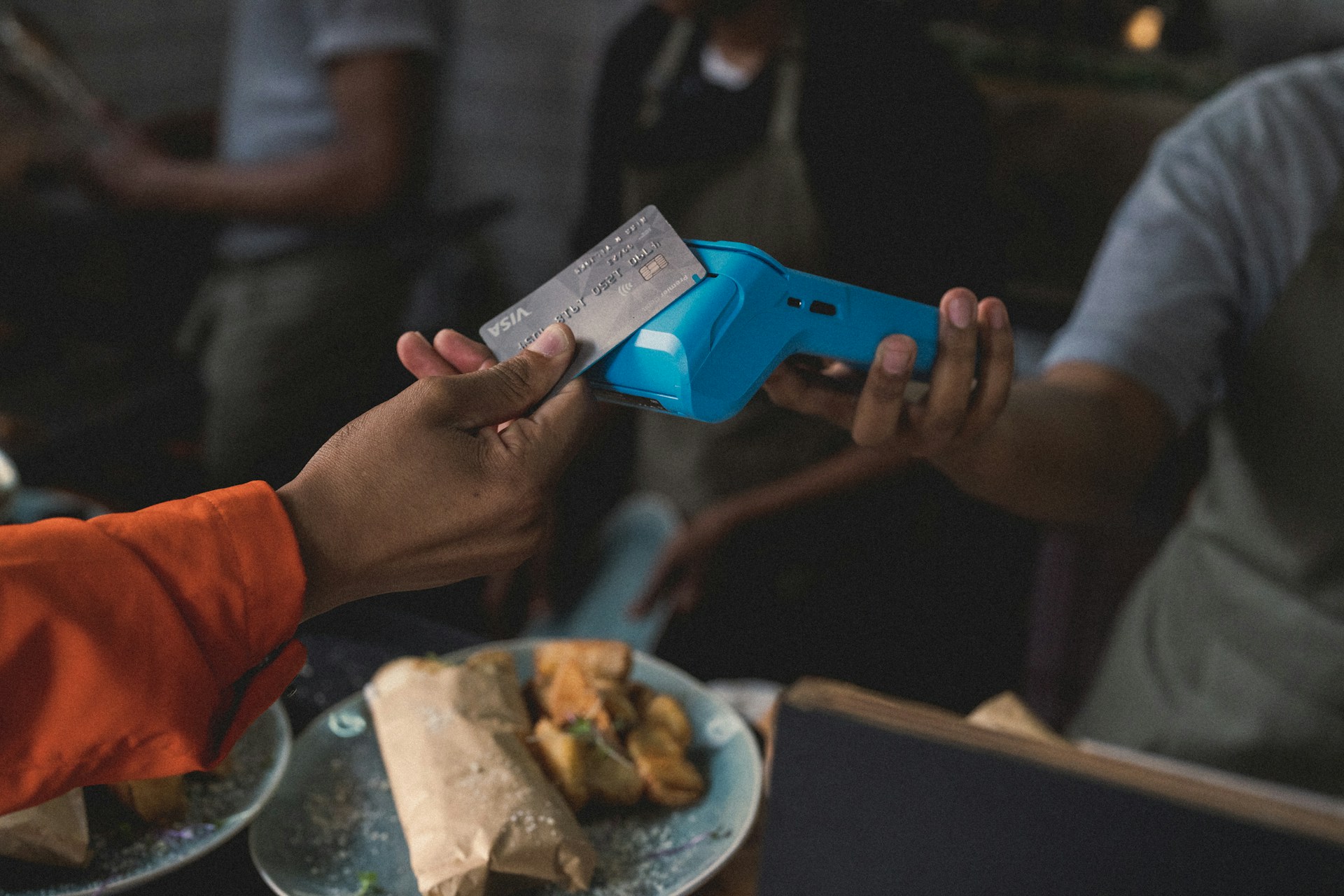
Dynamic currency conversion is one of the easiest traps for travelers. A waiter hands you the card machine and asks if you want to pay in your home currency. Always say no. That “convenience” can cost you an extra 3–5% on top of your spending.
Quick Checklist to Save Money on the Road
-
Use multi-currency accounts with instant transfers
-
Withdraw larger amounts to reduce per-transaction fees
-
Always pay in the local currency, not your home currency
-
Check if your bank refunds ATM fees as part of their travel insurance perks
Cutting down on fees doesn’t sound glamorous, but it’s one of the fastest ways to stretch your budget. The less you waste on banks, the more you can spend on the adventure itself.

Taxes: The Tricky Side of Nomad Finances
Why Taxes Are Never One-Size-Fits-All
Being a digital nomad means you can work from Lisbon one month and Bangkok the next. But tax authorities don’t care how adventurous you are—they want their cut. Whether you’re in digital marketing, graphic design, or running a portfolio of side hustles, taxes follow you. The problem? Each country has its own rules, and most don’t align neatly. Many nomads assume they’re “tax free” just because they’ve left home. Big mistake.
Tax Residency and Double Taxation Treaties
Here’s the first thing to know: most countries define tax residency by the number of days you spend there (often 183 days). Stay longer and you might owe local taxes even if you already filed in your home country. That’s where double-taxation treaties come in—they prevent you from paying twice on the same income. But not every foreign country has one.
Common Nomad Mistakes
-
Forgetting to track days spent in each location
-
Assuming professional invoices raised abroad don’t need declaring at home
-
Ignoring filing requirements in their original country
-
Believing digital nomad jobs are invisible to tax authorities
A 2022 HSBC Expat Explorer survey found that 55% of globally mobile professionals admit they don’t fully understand their tax obligations. That’s a lot of risk for something that can eat into your savings.
Filing Requirements in Your Home Country
Even if you’re out of the country, most governments still want annual tax returns. The US, for example, requires citizens to file worldwide income and only reduces liability through exclusions and credits. If you’re American, you may qualify for the Foreign Earned Income Exclusion (FEIE), but that doesn’t remove the need to file.
When It’s Worth Hiring a Tax Professional
Hiring a cross-border accountant might cost $300–$700 per year, but the peace of mind is worth it. A tax professional can navigate treaties, help set up professional invoices correctly, and keep your freelance work in digital marketing or graphic design compliant. Think of it as buying insurance against unexpected audits.
Saving and Investing on the Road
Why an Emergency Fund Isn’t Optional
Every digital nomad needs a financial cushion. Flights get canceled, laptops break, and sometimes you need to book an Airbnb in a hurry. Keeping 3–6 months of expenses in a stable currency (USD or EUR) is a lifesaver. Store it in a high-yield savings account or money market fund—you’ll thank yourself the day your card stops working in a foreign country.

Long-Term Investing for Nomads
Many nomads put off investing because it feels complicated while moving around. But ETFs and index funds are portable—you can manage them online from anywhere. Vanguard and Fidelity accounts can often be managed abroad, though check if your brokerage has restrictions for residents in certain countries. Even contributing $200 a month compounds faster than you think.
The Role of Crypto and Borderless Assets
Crypto wallets are a double-edged sword. On one hand, Bitcoin and stablecoins let you move money across borders instantly, often with lower fees than banks. On the other, volatility and uncertain tax treatment in different jurisdictions make them risky. Use crypto for part of your emergency fund or as a borderless tool, not as your only safety net.
Money Mistakes to Avoid as a Nomad
The Usual Suspects
Even seasoned travelers slip up. Watch out for these common traps:
-
Using only one bank account/card and panicking when it gets blocked
-
Ignoring small daily fees like $3 ATM charges—they add up to hundreds over a year
-
Mixing personal and business finances, making tax season a nightmare
-
Forgetting to keep copies of receipts and financial records, especially when local tax rules require them
Mistakes like these don’t just cost money—they create stress that chips away at the freedom of nomad life.
Practical Tools Every Nomad Should Know
Expense Trackers That Work Anywhere
Apps like Nomad Wallet or Trail Wallet are designed for travelers. They let you track expenses in multiple currencies and see your real cash flow at a glance.
Multi-Currency Bank Apps
Wise and Revolut remain top picks for holding, sending, and spending in multiple currencies with minimal fees. They’re not perfect, but they’re far better than the traditional alternatives many nomads still cling to.
Tax Tracking Tools
Taxfix or Nomad Tax Calculator can simplify obligations across borders. They won’t replace a tax advisor, but they’ll save you time (and stress) by helping you estimate liability before it snowballs.

Conclusion: Financial Freedom = Real Freedom
Managing money well is the difference between being a stressed traveler and a thriving nomad. From building an emergency fund to picking the right bank apps, every choice adds up to stability and freedom.
With the right tools, you can protect your income, reduce stress, and focus on what actually matters—work and adventure.
At RentRemote, we help you focus on your career by giving you work-ready apartments worldwide. Because the last thing you need to worry about is whether your WiFi—or your wallet—can keep up.
FAQs: Managing Money as a Digital Nomad
How do I budget while traveling full-time as a digital nomad?
The trick is to set a base currency (usually your home currency) and track all monthly expenses against it. Use budgeting apps like YNAB, Monzo, or even a Google Sheet. Many digital nomads also review spending weekly to avoid surprise leaks.
What are the best bank accounts and cards for digital nomads?
Multi-currency accounts like Wise and Revolut are top picks. In the US, Charles Schwab refunds global ATM fees. In Europe, N26 and Monzo are strong choices. Look for cards with no foreign transaction fees and good international support.
How can I avoid foreign transaction fees abroad?
Always pay in the local currency, not your home currency, when asked at a terminal. Use digital-first banks or credit cards that waive fees, and withdraw larger amounts to cut down on repeated charges.
Which apps help track expenses across currencies?
Popular apps include Nomad Wallet and Trail Wallet, which support multiple currencies and travel categories. Monzo and Revolut also have built-in budgeting tools.
How do digital nomads pay taxes?
It depends on your tax residency and your home country’s rules. For example, US citizens must file globally even when abroad, though the Foreign Earned Income Exclusion can reduce liability. A tax professional is worth the investment if you’re juggling multiple countries.
What’s the best way to save and invest while living abroad?
Keep an emergency fund in a stable currency (USD or EUR) for sudden expenses. For long-term investing, index funds and ETFs are reliable, portable options. Crypto can be useful as a borderless tool, but it’s best kept as a smaller slice of your portfolio due to volatility.
How do digital nomads get paid internationally without losing money on exchange rates?
Mix and match platforms. Wise lets you hold 40+ currencies and receive money with minimal fees, Payoneer is great for freelance marketplaces, and PayPal works as a backup. Using the right platform for the right client saves you 3–5% on every invoice.