














Living and Working Remotely in Lisbon: The 2026 Digital Nomad Guide
Learn more about Living and Working Remotely in Lisbon: The 2026 Digital Nomad Guide in our comprehensive guide for remote workers and digital nomads.
Lisbon has quietly become one of Europe's most popular cities for remote workers, and for good reason. The combination of affordable living (by Western European standards), reliable internet, a thriving coworking scene, and 300 days of sunshine per year makes it hard to beat. Add Portugal's D8 digital nomad visa to the mix, and you have a city that actively welcomes location independent professionals.
But Lisbon is not just one place. It is a patchwork of neighborhoods, each with a distinct personality. Picking the right one can mean the difference between a productive, enjoyable stay and three months of frustration. This guide breaks down everything you need to know about living and working remotely in Lisbon in 2026: neighborhoods, costs, coworking, transit, food, and the practical details that most guides skip.
Why Remote Workers Love Lisbon
Lisbon checks nearly every box on the remote worker wishlist. Here is what makes it stand out:
Fast, reliable internet. Portugal has some of the best fiber infrastructure in Europe. Most apartments in Lisbon come with fiber connections offering 100 to 500 Mbps. Even cafes regularly deliver 30 to 50 Mbps on WiFi. Providers like NOS, MEO, and Vodafone Portugal cover the city thoroughly. Broadband costs around €30 per month for unlimited data at 60 Mbps or higher.
Time zone flexibility. Lisbon sits in the WET/WEST time zone (UTC+0 in winter, UTC+1 in summer). That means solid overlap with both US East Coast mornings and European business hours. If you work with clients across the Atlantic, Lisbon is one of the few European cities where you can manage both without destroying your sleep schedule.
The weather. Lisbon averages around 2,800 hours of sunshine per year. Winters are mild (10 to 15°C), summers warm but not extreme (25 to 30°C). Rain concentrates between November and February, but even then, plenty of dry, sunny days show up. You will not need heavy winter gear here.
English is widely spoken. Portugal has one of the highest English proficiency rates in Southern Europe. In Lisbon specifically, most people under 40 speak conversational English. You can get through daily life, sign a lease, and order food without speaking Portuguese, though learning some basics goes a long way with locals.
Safety. Lisbon consistently ranks among the safest capital cities in Europe. Petty theft (pickpocketing on trams and in tourist areas) exists, but violent crime is rare. Most neighborhoods feel perfectly safe to walk through at any hour.
Best Neighborhoods for Digital Nomads
Choosing where to live in Lisbon is arguably the most important decision you will make. Each neighborhood has a different vibe, price point, and level of convenience for remote work.
Príncipe Real
Best for: Established remote workers with a bigger budget who want a walkable, upscale neighborhood.
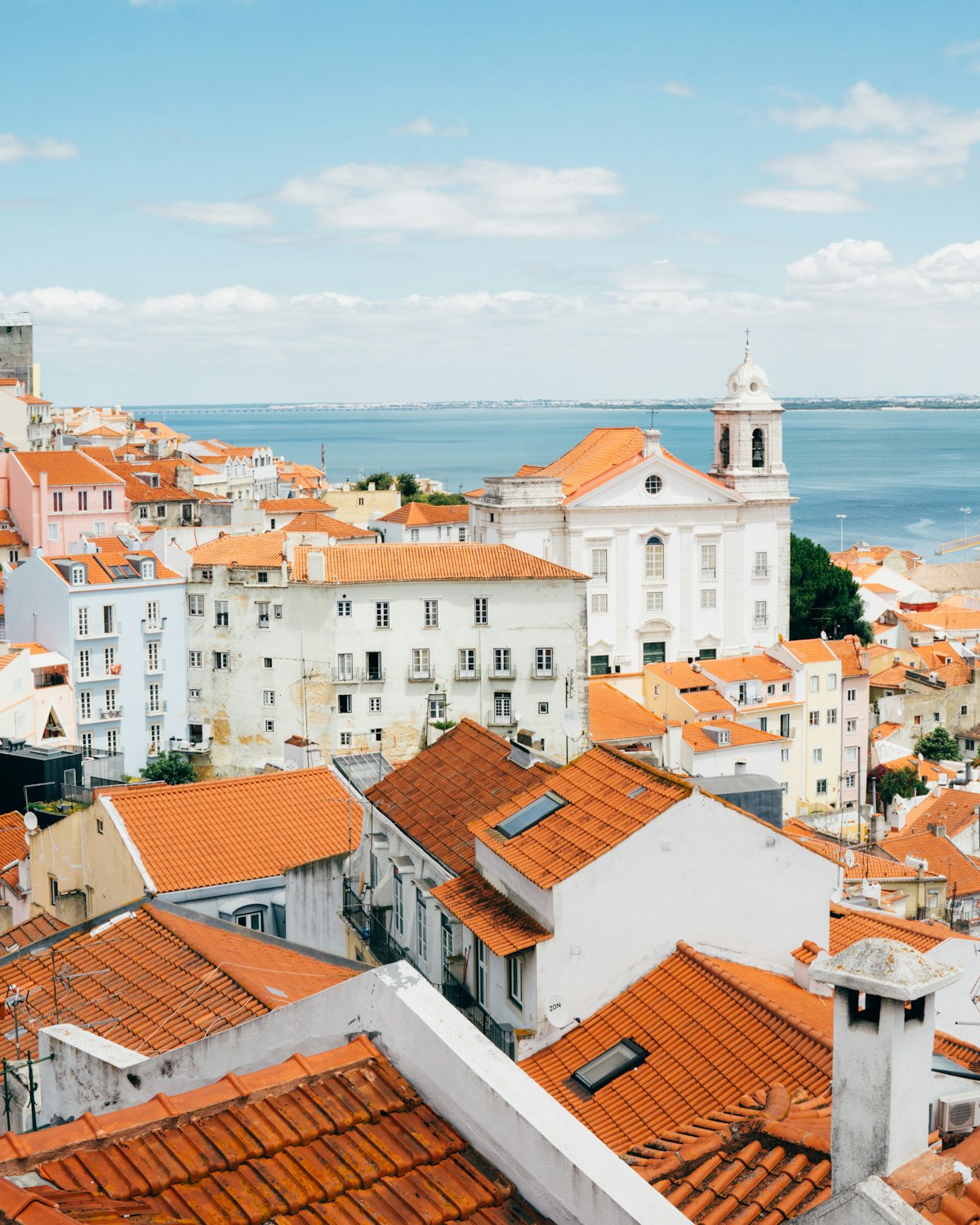
Príncipe Real is Lisbon's most refined neighborhood. Think tree lined streets, independent boutiques, excellent restaurants, and a leafy garden (Jardim do Príncipe Real) where locals gather on weekends. It sits on a hilltop above Bairro Alto, giving you easy access to nightlife without living in the middle of it.
The coworking scene here is solid. Second Home Lisbon (in the Mercado da Ribeira building nearby) is one of the city's most striking spaces. There are also several laptop friendly cafes, including Copenhagen Coffee Lab and Dear Breakfast.
Rent: A furnished one bedroom runs €1,200 to €1,800 per month. It is one of the pricier neighborhoods, but you get quality.
Transit: Well connected by bus routes 758 and 773. The Rato metro station (Yellow Line) is a 10 minute walk. Most of central Lisbon is reachable on foot from here.
Santos and Cais do Sodré
Best for: Social nomads who want nightlife, riverside vibes, and easy access to the train line.
This stretch along the river has transformed in recent years. Cais do Sodré is home to the famous Time Out Market (Mercado da Ribeira), the Pink Street bar district, and the main train station connecting to Cascais and Belém. Santos, just west, is quieter but still walkable to everything.
The area has several coworking options. Heden is a popular creative workspace in Santos. The neighborhood's flat terrain (rare in Lisbon) makes it easy to walk or bike everywhere.
Rent: €1,000 to €1,500 for a furnished one bedroom. Good value given the central location.
Transit: Cais do Sodré is a major transit hub: metro (Green Line), train to Cascais, ferries to Almada across the river, and multiple bus routes.
Graça and Mouraria
Best for: Budget conscious nomads who want authenticity over polish.
Graça and Mouraria sit on two of Lisbon's seven hills, overlooking the city. These are traditional, working class neighborhoods with incredible views, cheap tascas (local restaurants), and a genuine feel that tourist heavy areas like Alfama have largely lost.
Mouraria is also Lisbon's most multicultural neighborhood. You will find Chinese, Indian, Bangladeshi, and African restaurants alongside traditional Portuguese spots. It is messy, loud, and full of character.
Rent: €800 to €1,200 for a furnished one bedroom. Among the most affordable options in central Lisbon.
Transit: Tram 28 runs through both neighborhoods. Martim Moniz metro station (Green Line) serves the area. Be prepared for hills, though. The climbs are real.
Estrela and Campo de Ourique
Best for: Families, couples, and anyone who prefers a residential, village like feel within the city.
These adjacent neighborhoods west of the center feel like small towns. Campo de Ourique has its own covered market (Mercado de Campo de Ourique), independent shops, and tree lined streets with very little tourist traffic. Estrela has the beautiful Jardim da Estrela park and the Basílica.
This is where many Lisbon based expats end up long term. It is quiet without being boring, and centrally located enough that you are never far from the action.
Rent: €1,000 to €1,400 for a furnished one bedroom. Solid value for the quality of life.
Transit: Tram 28 passes through. Several bus routes connect to the center. The planned metro expansion will eventually serve this area, but for now, it is bus and tram territory.
Cost of Living Breakdown
Lisbon is more expensive than it was five years ago, but it remains significantly cheaper than London, Paris, Amsterdam, or Barcelona. Here is what to expect in 2026, based on current Numbeo data:
| Category | Monthly Cost |
|---|---|
| Furnished 1BR apartment (center) | €1,000 to €1,900 |
| Furnished 1BR apartment (outside center) | €750 to €1,200 |
| Groceries | €200 to €300 |
| Eating out (budget) | €200 to €350 |
| Public transport pass | €40 |
| Utilities (electricity, water, gas) | €100 to €150 |
| Broadband internet | €25 to €40 |
| Gym membership | €30 to €50 |
| Total (comfortable solo nomad) | €1,800 to €2,800 |
A meal at an inexpensive restaurant costs around €12. A beer at a bar runs €2 to €4. A cappuccino is about €2. Wine at the supermarket starts at €2 for something perfectly drinkable. Lisbon is not Southeast Asia cheap, but for a Western European capital with this quality of life, it delivers strong value.
If you want a furnished apartment in Lisbon that is ready for remote work (desk, fast WiFi, and proper equipment), expect to pay at the higher end of those rent ranges, but you will save yourself the hassle of furnishing and setting up from scratch.
Coworking Spaces Worth Checking Out
Lisbon's coworking scene has matured significantly. Here are the standouts:
Second Home Lisboa (Mercado da Ribeira, Cais do Sodré). One of the most visually striking coworking spaces in Europe. Hundreds of hanging plants, open plan desks, and a location inside the famous Time Out Market building. Day passes and monthly plans available. Hot desks start around €200 per month.
Heden (Santos). A creative focused coworking space popular with designers, developers, and startups. The interior is industrial chic with plenty of natural light. Monthly hot desk plans run around €150 to €180.
Outsite Lisbon (multiple locations). Part of the global Outsite coliving/coworking network. Combines accommodation with workspace. Good for nomads who want an all in one setup when they first arrive.
Selina Secret Garden (Alfama). Coliving and coworking in a beautifully restored building near the castle. The rooftop terrace is a highlight. More of a social/community vibe than a heads down work environment.
Café based working. Lisbon has a strong cafe culture, and many cafes tolerate (even welcome) laptop workers. Copenhagen Coffee Lab (multiple locations), Fabrica Coffee Roasters, and The Mill are all reliable spots with good WiFi and outlets. Just buy something every couple of hours and do not hog tables during the lunch rush.
Getting Around
Metro. Lisbon's metro has four lines covering the main corridors. It is clean, affordable (€1.50 per ride with a Viva Viagem card, €40 for a monthly pass), and runs from 6:30 AM to 1:00 AM. It will not reach every neighborhood, but it covers the essentials.
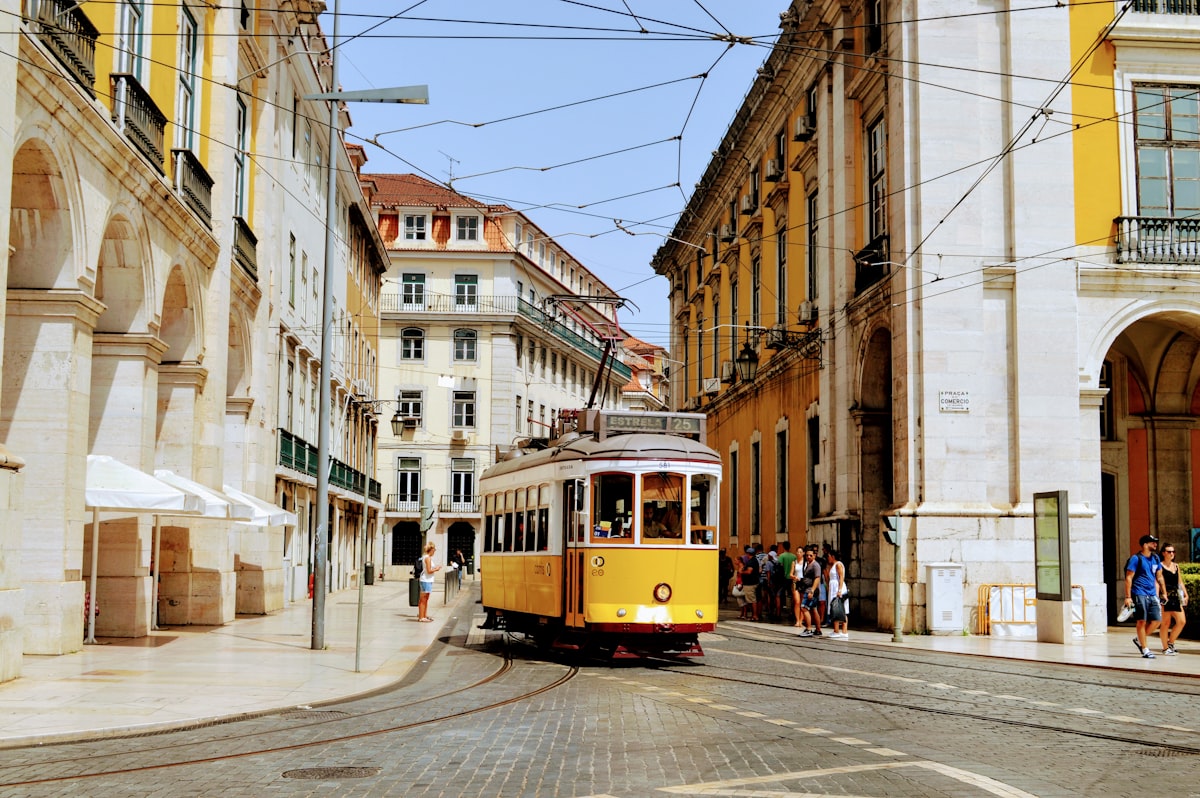
Trams. The iconic tram 28 is mostly a tourist attraction at this point (expect crowds). Tram 15E to Belém is more practical. Newer trams run on some routes and are perfectly functional.
Buses. Carris buses fill the gaps the metro does not cover. Same ticket system. The 758 route from Príncipe Real to the airport is handy.
Bolt and Uber. Both operate in Lisbon and are significantly cheaper than taxis. A ride across the city center rarely costs more than €5 to €8.
Bikes and scooters. Gira is Lisbon's bike sharing system (€25 per year). Electric scooters from Bolt, Lime, and others are everywhere. Be careful on the hills, though. Some of Lisbon's inclines are genuinely steep.
Walking. Lisbon is walkable, but those hills will catch you off guard. Comfortable shoes are essential. The flat riverside area from Cais do Sodré to Belém is great for walking and running.
The Visa Situation
If you are an EU/EEA citizen, you can live and work in Lisbon without any visa. Just show up.
For everyone else, Portugal offers the D8 Digital Nomad Visa. The key requirements:
- Minimum monthly income of four times the Portuguese minimum wage (currently around €3,040 per month in 2026)
- Proof of remote employment or freelance contracts with clients outside Portugal
- Health insurance valid in Portugal
- Clean criminal record
The D8 visa initially grants a one year temporary residence permit, renewable for up to five years. After five years, you can apply for permanent residency or Portuguese citizenship (which gives you an EU passport).
Portugal also still has its NHR (Non Habitual Resident) tax regime, though the rules have changed. New applicants in qualifying professions can benefit from a 20% flat tax rate on Portuguese sourced income for 10 years. Consult a local tax advisor for the latest details, as regulations have shifted several times since 2023.
For more on how the visa process works, check our complete Portugal D8 visa guide.

Food and Social Life
Lisbon's food scene punches well above its weight. Here is what to know:
Traditional Portuguese food. Bacalhau (salt cod) shows up in dozens of preparations. Pastéis de nata (custard tarts) are everywhere and rarely disappoint. Bifanas (pork sandwiches), sardinhas assadas (grilled sardines, especially in summer), and francesinha if you take a day trip to Porto. Tascas (small, family run restaurants) in neighborhoods like Graça and Mouraria serve full meals for €8 to €12.
International options. Mouraria has the best diversity: Indian, Chinese, Nepalese, African, and Brazilian spots. The Intendente and Martim Moniz areas are also excellent for international food at low prices.
Market shopping. Mercado da Ribeira (Time Out Market) is touristy but has genuinely good food stalls. For groceries, Pingo Doce and Continente are the main supermarket chains. Lidl is everywhere for budget shopping. Mercado de Campo de Ourique and Mercado de Arroios are local favorites without the tourist markup.
Social scene. Lisbon has one of Europe's best social scenes for nomads. Regular meetups happen through communities like Nomad List, Facebook groups (Digital Nomads Lisbon), and coworking space events. The city's warm weather means outdoor socializing happens year round. Bairro Alto and Cais do Sodré are the main nightlife areas. LX Factory, a converted industrial complex in Alcântara, hosts markets, events, and has great restaurants and bars.
Practical Tips for Your First Month
SIM cards. Pick up a prepaid SIM from MEO, NOS, or Vodafone at any phone shop or airport kiosk. Plans with 10GB+ data cost around €15 per month. Portugal is in the EU, so your Portuguese SIM works across Europe.
Banking. Wise (formerly TransferWise) and Revolut are widely used by expats in Lisbon. If you need a Portuguese bank account (useful for long term stays and receiving payments locally), ActivoBank and Moey offer free accounts with relatively painless signup processes.
Health insurance. Required for the D8 visa. SafetyWing and Genki are popular among nomads. For longer stays, Portuguese private health insurance from Médis or Multicare costs €50 to €100 per month and gives you access to the private hospital network.
Portuguese bureaucracy. This is the one area where Lisbon will test your patience. SEF (the immigration service, now called AIMA) appointments can take months. NIF (tax number) applications are straightforward but require an appointment or a fiscal representative if you do not have a Portuguese address yet. Plan for paperwork to take longer than expected.
Seasons matter. Summer (June to September) brings higher rents, bigger crowds, and intense heat in some neighborhoods. The sweet spot for most nomads is March to May or September to November: warm weather, lower prices, and a more local feel.
Is Lisbon Right for You?
Lisbon works best for remote workers who want a European base with good weather, a social scene, and reasonable costs. It is not the cheapest option in Europe (cities like Bucharest, Sofia, or Tbilisi are significantly cheaper), but the quality of life, safety, infrastructure, and access to the rest of Europe make it a compelling choice.
If you are considering Portugal, start by browsing furnished apartments in Lisbon that are ready for remote work. Having a proper desk, reliable WiFi, and a comfortable setup from day one makes the transition infinitely smoother than scrambling to furnish a bare apartment.
For other cities popular with remote workers, check out our full list of furnished apartments for digital nomads.