












The Digital Nomad in 2026: The Statistics Will Surprise You
The average digital nomad in 2026 is 37 years old, earns $85k, and is more likely to be a woman than a man. Here is what the data actually shows.
Picture a digital nomad. Chances are you imagined someone in their mid-twenties, probably male, sitting in a hammock somewhere in Southeast Asia with a MacBook and a coconut.
That image is wrong. And the data proves it.
Nomad List surveyed over 40,000 of its members in early 2026. The results challenge almost every assumption about who is actually living and working remotely. The modern digital nomad is older, wealthier, more educated, and more likely to be a woman than almost anyone expected.
Here is who is actually out there.

The Average Nomad Is 37 Years Old, and More Likely to Be a Woman
The average age across 40,064 surveyed members is 37. This is not a gap year crowd. These are professionals in the middle of established careers, people who have built skills, negotiated remote arrangements with employers, or built businesses of their own.
The gender split is even more striking. 63% of the surveyed nomads are women, with men making up just 37%. That is a historic reversal from earlier data, and it points to something real shifting in how women are choosing to structure their working lives. Location independence is not a young man's game. It never really was, but now the numbers confirm it.
The education figures reinforce this profile. 91% of respondents have completed higher education. These are people who invested years in building qualifications, then chose to use those qualifications from wherever made sense for their lives.
What They Earn
The income data is one of the most overlooked stories in the nomad conversation. The median income across the surveyed group is $85,000 per year. The average climbs to $124,881. Those figures represent roughly two and a half to three times the median salary in most countries these nomads are visiting.
This is not a community scraping by on freelance gigs. A significant portion are earning professional salaries while choosing where to live, rather than accepting wherever their employer happens to be headquartered.
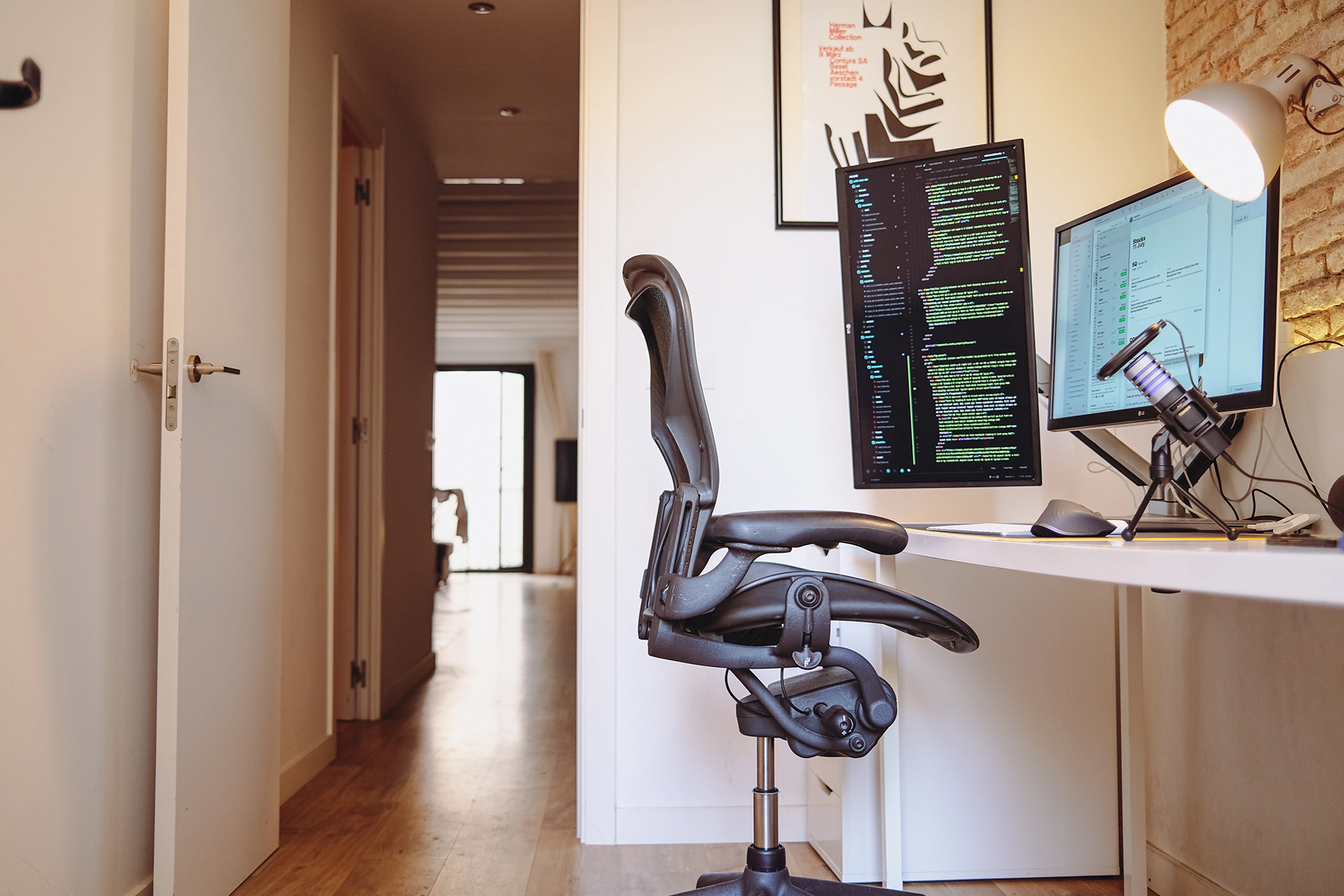
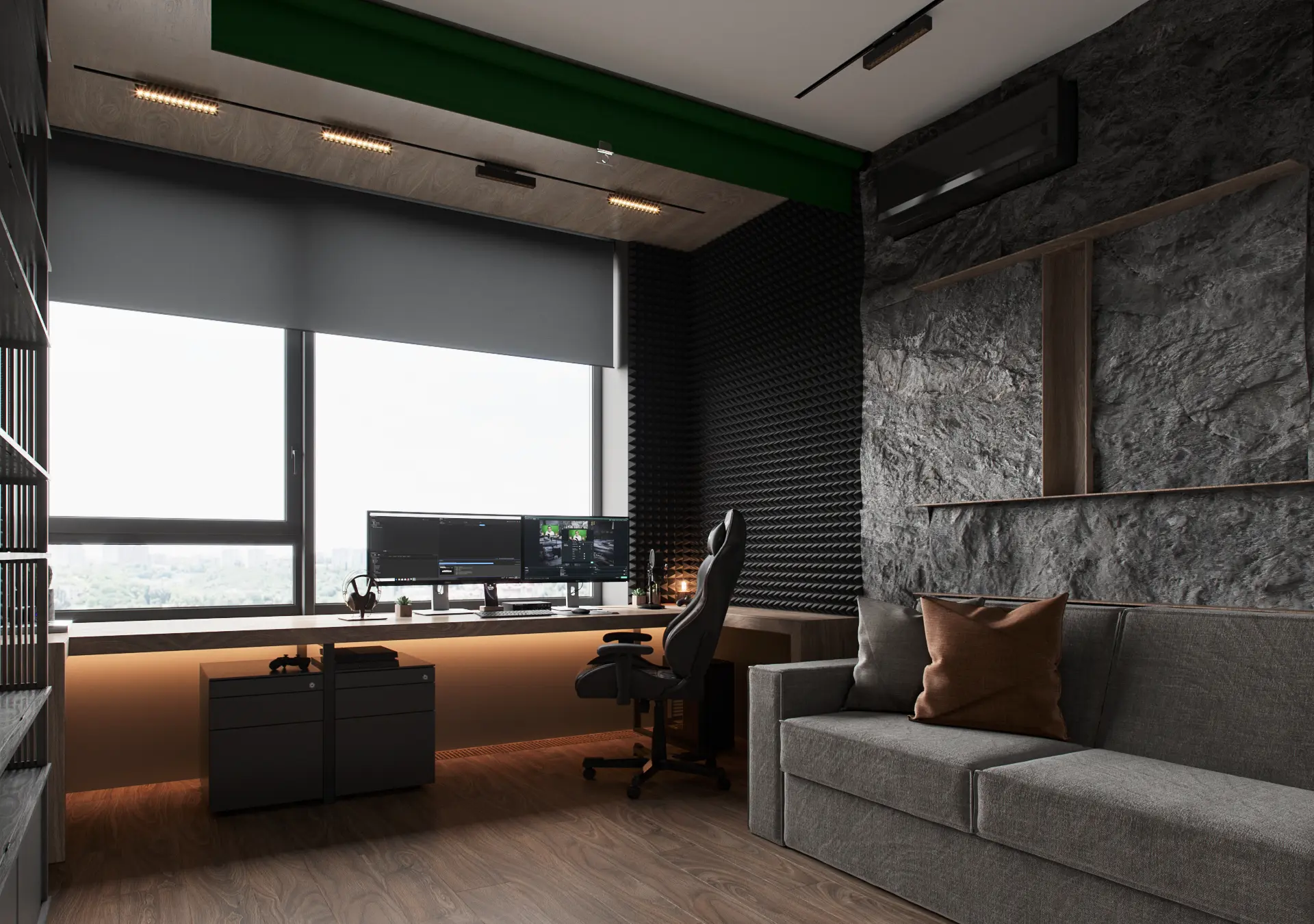
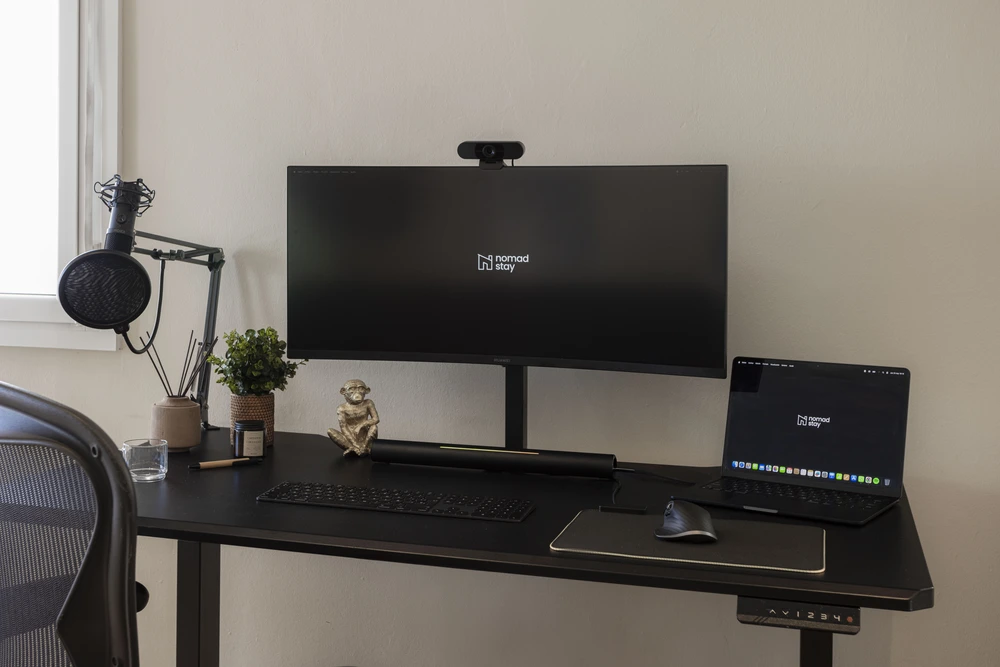
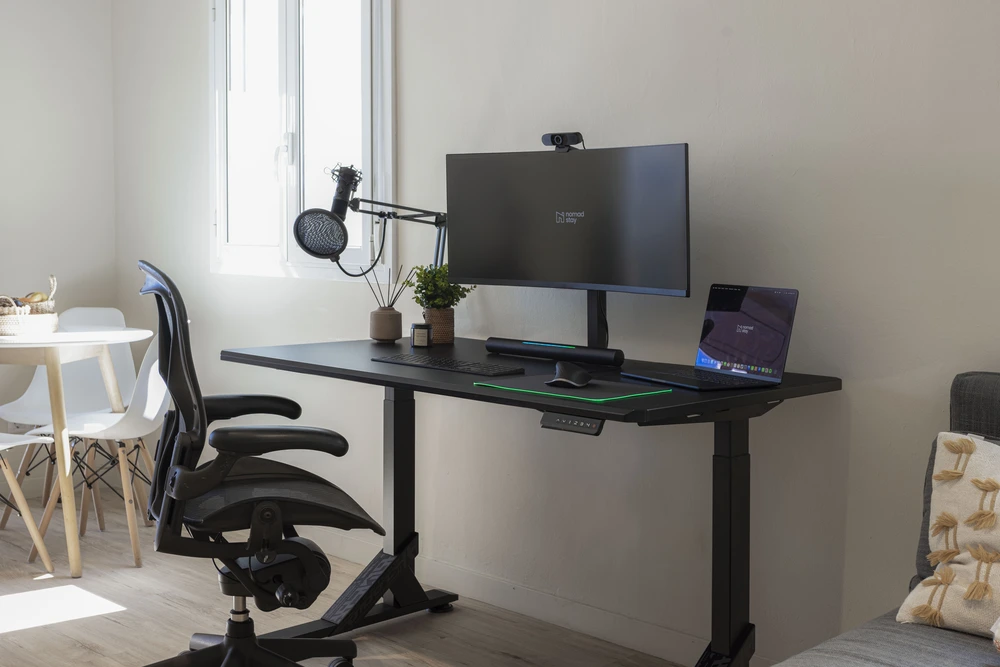
That income profile changes what accommodation needs to look like. Someone earning $85,000 a year and planning to stay somewhere for one to three months is not looking for a hostel bunk. They want a furnished apartment, reliable broadband, a proper desk, and a neighbourhood they can actually live in rather than just pass through.
Where They Come From
The United States dominates the nationality breakdown at 43%. That makes sense when you consider how many US-based tech, finance, and creative roles went permanently remote after 2020.
After the US: UK at 7%, Canada at 5%, Germany at 4%, France and Brazil each at 3%. The presence of Brazil signals this is no longer purely an Anglophone phenomenon. As remote work becomes more normalised globally, the nomad community is diversifying.
How They Actually Work
Only 18% are freelancers, which challenges the assumption that nomadic life requires trading a stable salary for gig income.
The largest single group at 38% are full-time employees of companies that allow remote work. Another 18% are startup founders, and 9% are contractors. So the majority of people in this survey are either building companies or working for them, just without a fixed office.
As for where they work day to day: 59% work from home (or wherever home currently is), 15% use coworking spaces, and 8% work from cafés. Most nomads want their own space. Which points directly to the kind of accommodation they are actually looking for.
Where They Go
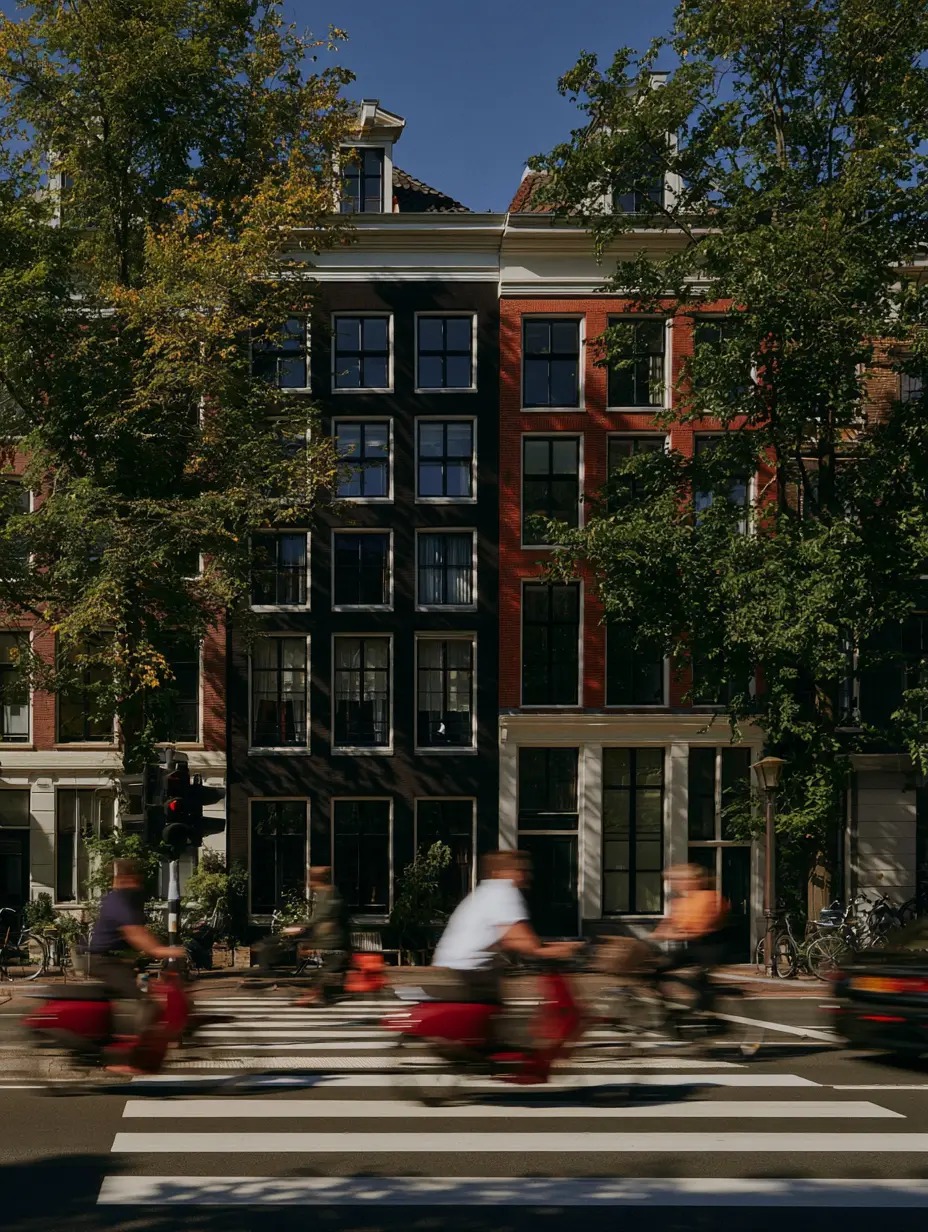
The most visited cities in the data include Bangkok, London, New York City, Barcelona, Paris, Berlin, and Lisbon. Some are obvious nomad hubs. Others are major world cities where remote professionals are choosing to base themselves because the quality of life is simply excellent.
The highest-rated city is Tokyo, scoring 4.58 out of 5. Other cities performing strongly include Mexico City, Singapore, Dubai, and Madrid.
Barcelona and Lisbon appear in both lists. Both offer the combination nomads consistently seek: European quality of life, reasonable costs compared to London or New York, excellent food and culture, and reliable connectivity. If you are weighing either city for a stay, browse furnished apartments in Barcelona or furnished apartments in Lisbon for mid-term options built around exactly this kind of stay.
What This Means for Finding Somewhere to Live
The stereotype said young men were living out of backpacks and coffee shops. The reality in 2026 is a community of educated, higher-earning professionals in their mid-to-late thirties, the majority of them women, who want to live well while they work remotely.
Short-term tourist rentals are not designed for someone working a full day from a laptop. Hotels are expensive and isolating over weeks. Long-term leases require local paperwork, credit history, and a fixed commitment that most nomads cannot or do not want to make.
Mid-term furnished rentals fill that gap. A stay of one to three months in a properly equipped apartment, in a city that has been deliberately chosen. 67% of the surveyed nomads are single. 33% are in a relationship. The community is not homogenous, but it is united by one thing: they have made a deliberate choice about how to structure their working lives, and they need places to live that are built around that choice.