












The Cheapest Digital Nomad Cities for 2025 You Haven’t Heard Of Yet
Discover the most affordable cities for digital nomads in 2025. Find budget-friendly options that fit your lifestyle and start planning your next adventure!
Cheapest Cities for Digital Nomads 2025
Not every nomad is chasing palm trees anymore.
More and more remote workers want a place that keeps their budget in check without slowing down their career. That's why we built this guide.
Think beyond Bali and Lisbon. Costs change fast, and what was affordable five years ago might be overpriced today. The new hotspots are cities with a lower cost of living, strong Wi-Fi, and plenty of character. Some even come with a rich history and food scenes worth traveling for.
Perfect Destinations to Save Money
-
Affordable apartments that feel like home
-
Local culture to dive into between calls
-
Communities built for remote working
Here’s your guide to the most affordable cities where you can save money and still live well.

The 10 Cheapest Cities for Digital Nomads in 2025
Not every digital nomad wants the same scene. Some are chasing beaches, others want cobblestone streets, a mild climate, or a vibrant culture. What ties everyone together is the hunt for affordable value without losing productivity. With rent prices climbing in hotspots like Mexico City, Lisbon, or Bali, it’s time to look at underrated digital nomad cities that offer a better balance of lifestyle, community, and costs.
According to a 2023 Nomad List survey, over 60% of nomads seeking a new base cited “affordable cost” as their top priority—beating even weather and nightlife. These are the places that deliver just that, with fast internet, good vibes, and space to grow.
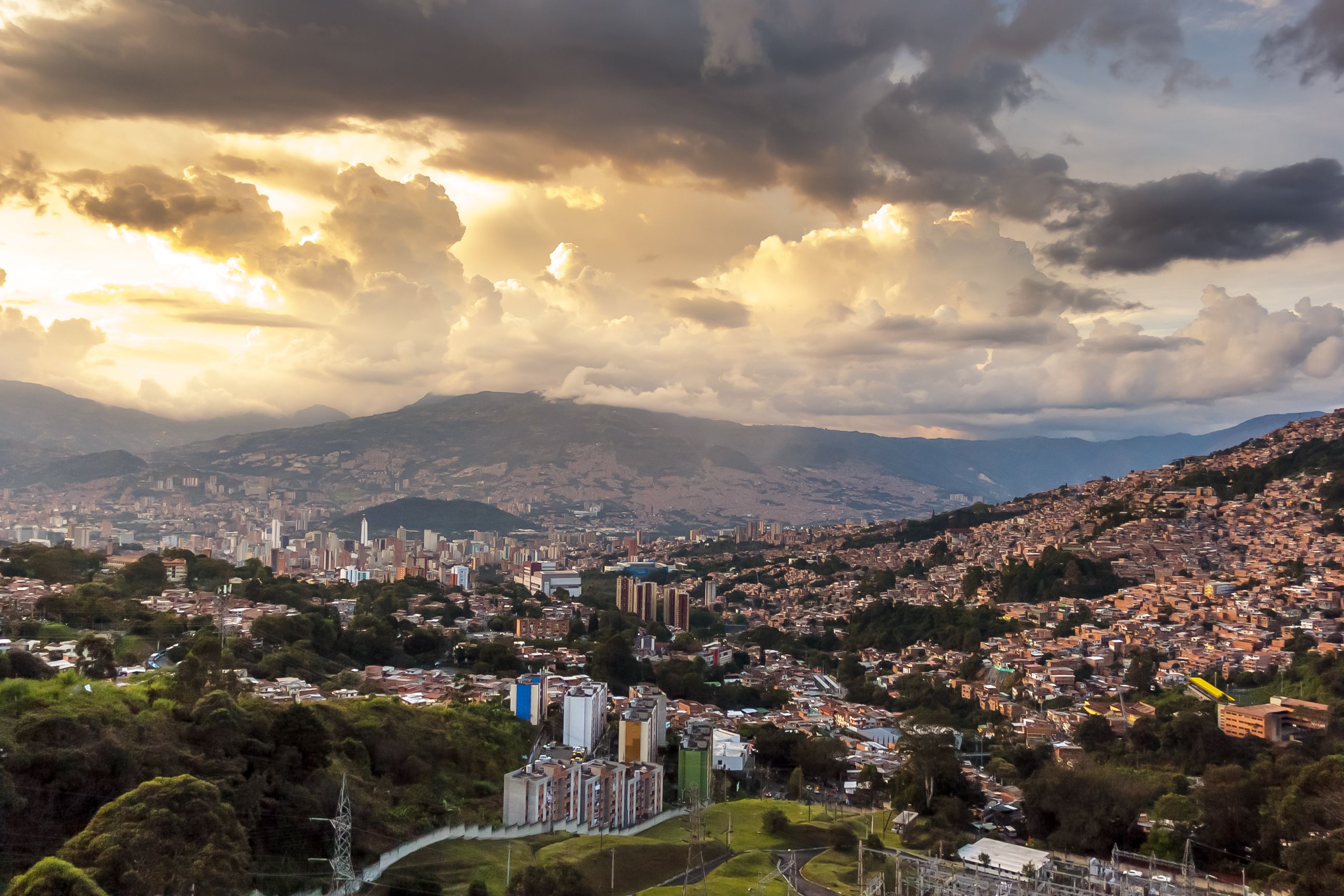
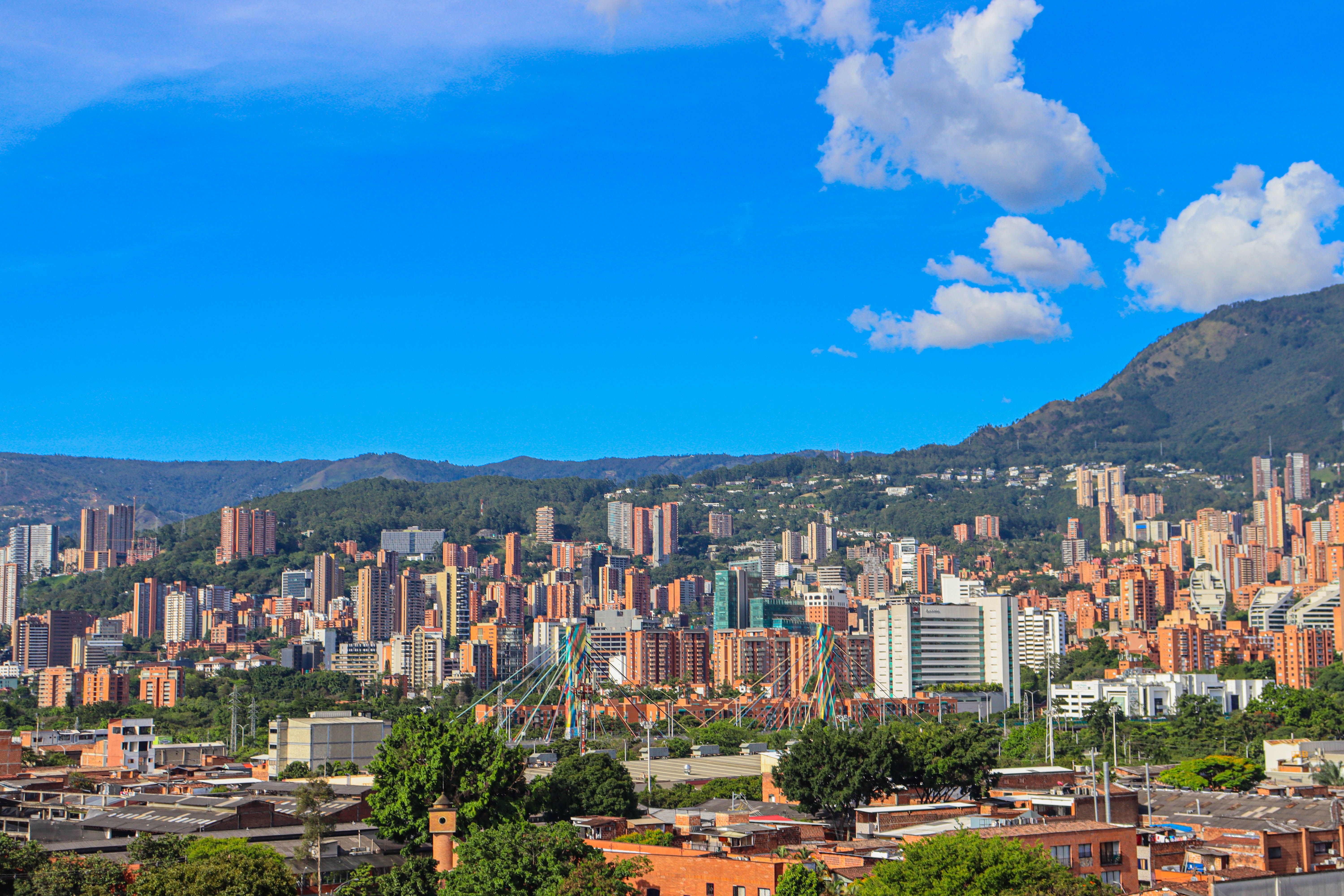
Medellín, Colombia – South America’s Spring City
-
Cost of living: $1,000–$1,400/month
-
Internet: Reliable internet with average speeds of 80 Mbps
-
Visa: Standard tourist visa up to 90 days, extendable; long-term digital nomad visa launched in 2022
-
Lifestyle: Spring-like weather all year, a strong nomad scene, and endless outdoor adventure in the mountains
-
Why it’s underrated: Once overlooked, now buzzing but still cheaper than most european cities.
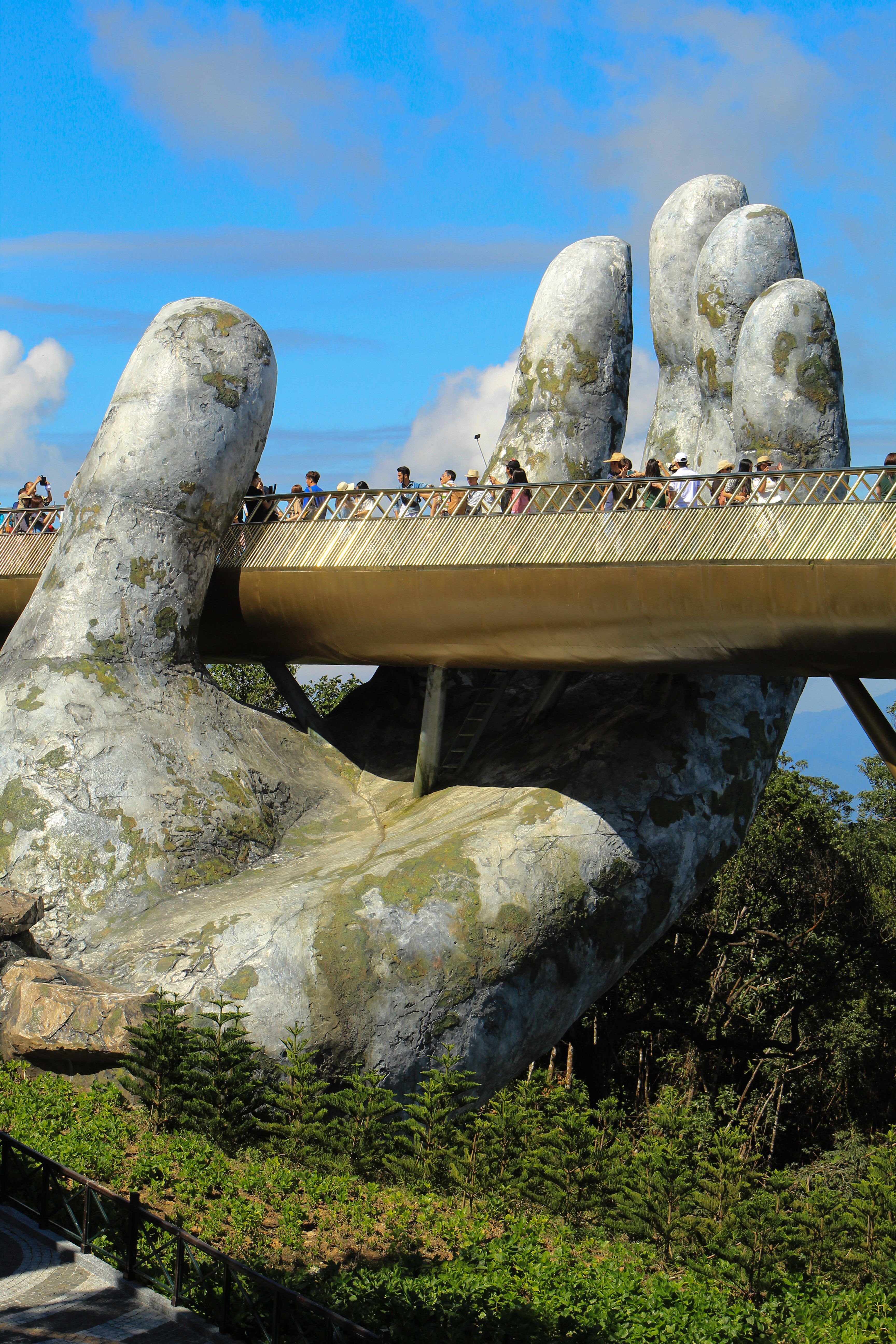
Da Nang, Vietnam – Beach Life Meets Productivity
-
Cost of living: $800–$1,200/month
-
Internet: Strong fast internet, cafés and co working spaces everywhere
-
Visa: 30-day tourist visa, with extensions available
-
Lifestyle: Affordable seafood, a laid-back vibe, and a growing expat community
-
Why it’s underrated: Many nomads stick to Bali or Chiang Mai—Da Nang gives you ocean views with lower rent prices.
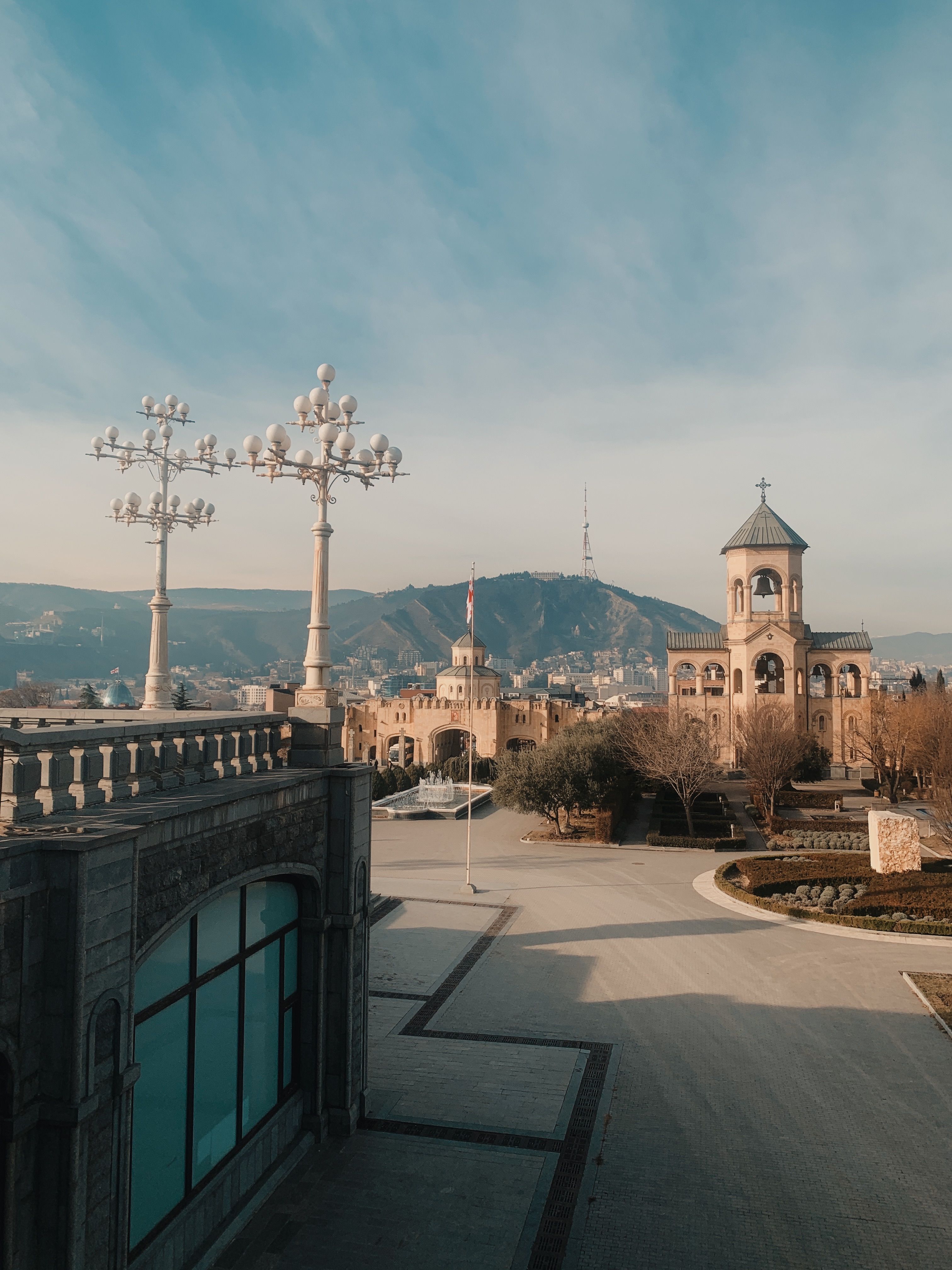
Tbilisi, Georgia – Europe Without the Price Tag
-
Cost of living: $900–$1,200/month
-
Internet: Consistently reliable internet, with coworking hubs popping up
-
Visa: Up to one year tourist visa for most nationalities, plus a popular digital nomad visa
-
Lifestyle: Café culture, wine, and cobblestones that rival Western Europe
-
Why it’s underrated: Still flying under the radar despite being one of the best digital nomads destinations.
Belgrade, Serbia – Nightlife on a Budget

-
Cost of living: $1,000–$1,300/month
-
Internet: Good speeds, plenty of coworking spaces
-
Visa: 90-day tourist visa; longer stays require a permit
-
Lifestyle: Legendary nightlife, river walks, and a growing creative scene
-
Why it’s underrated: Western Europe energy without Western Europe costs.
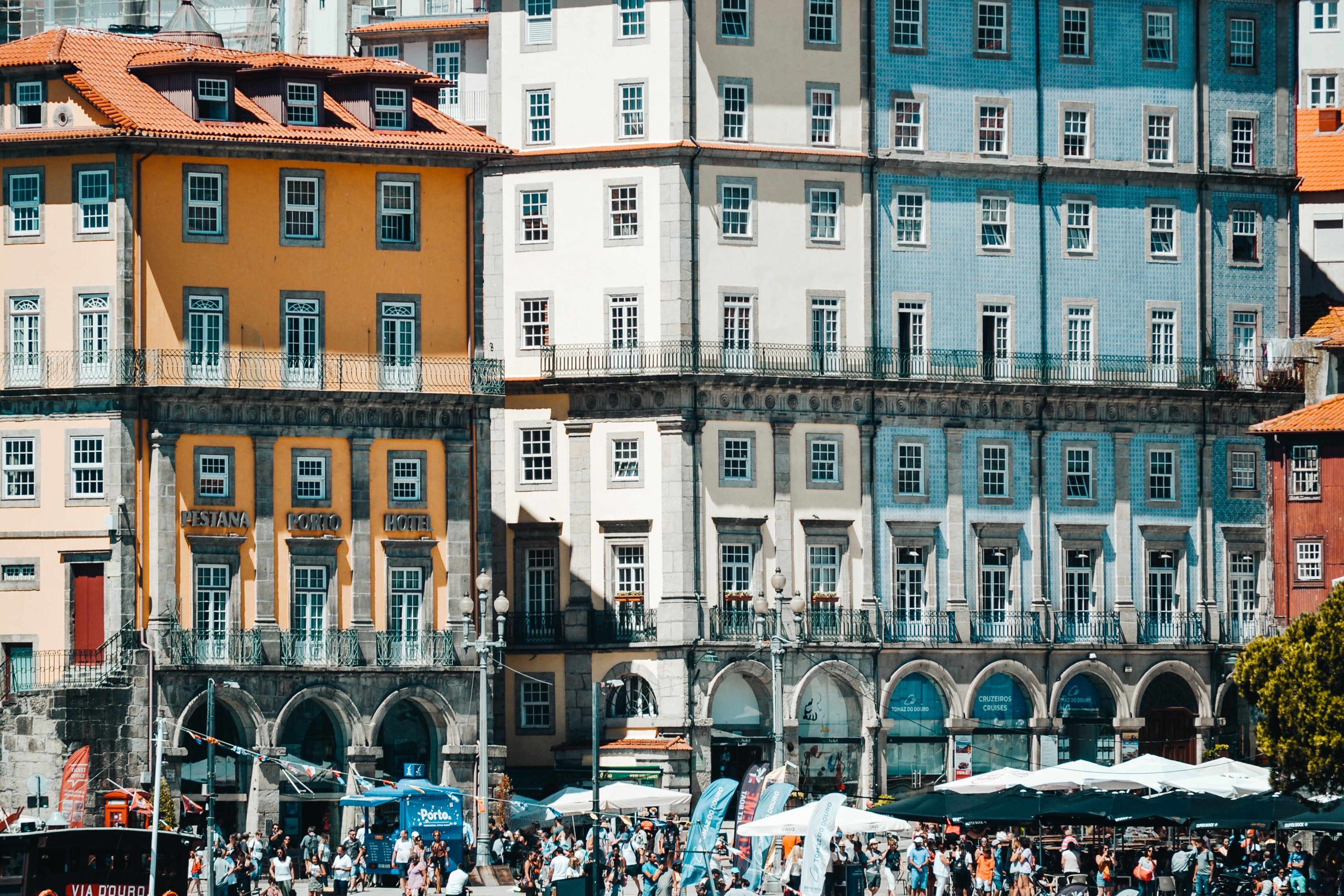
Porto, Portugal – Lisbon’s Creative Little Sister
-
Cost of living: $1,400–$1,700/month (cheaper than Lisbon)
-
Internet: Reliable internet, plenty of co working options
-
Visa: Schengen rules apply; Portugal also has a digital nomad visa
-
Lifestyle: Wine, artsy neighborhoods, and cobblestone streets at every corner
-
Why it’s underrated: Quieter than Lisbon but with the same great quality of life.
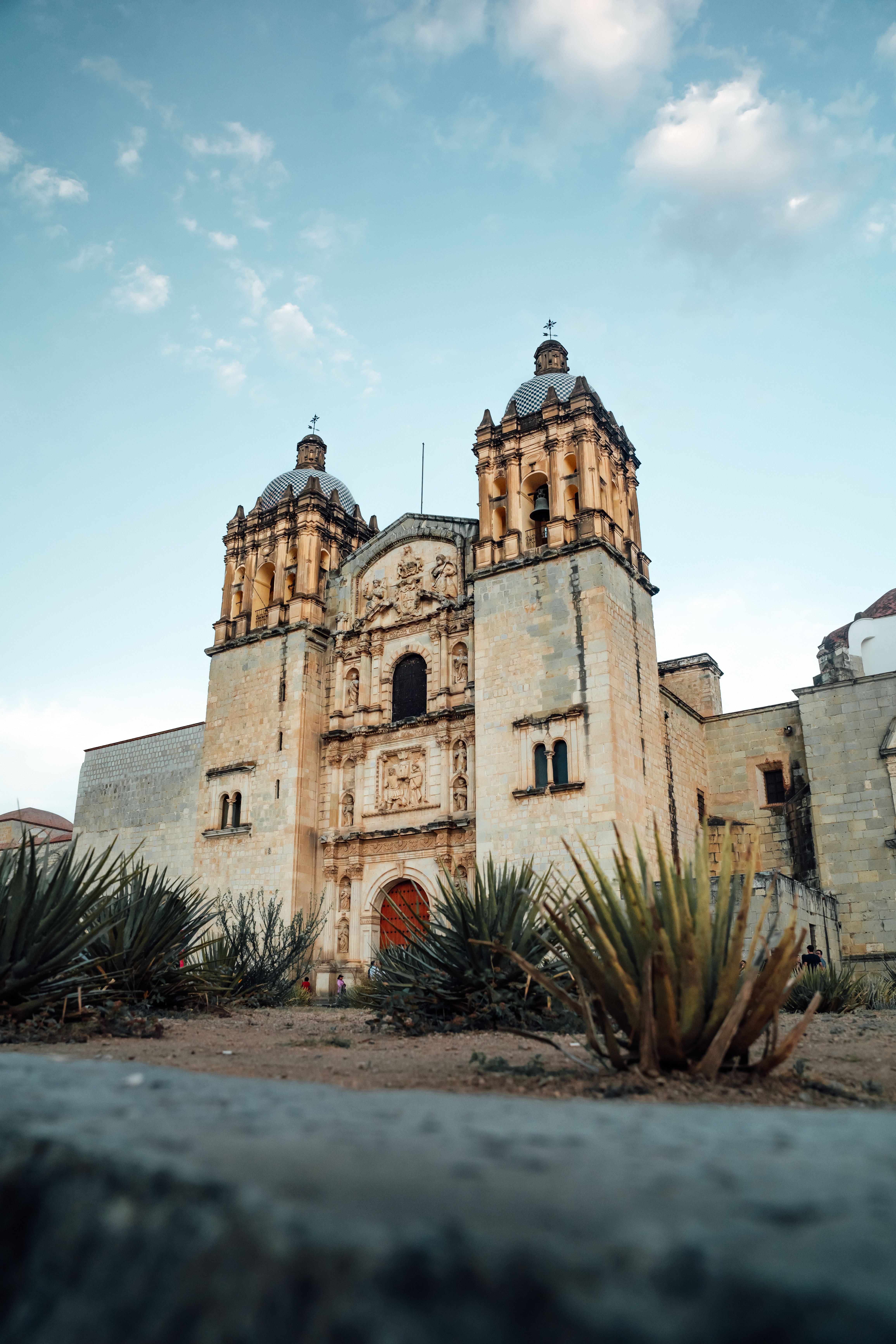
Oaxaca, Mexico – A Taste of Real Mexico
-
Cost of living: $1,000–$1,300/month
-
Internet: Decent connectivity, more reliable in city center
-
Visa: Standard tourist visa for up to 180 days
-
Lifestyle: A vibrant culture, colorful markets, and great food at every turn
-
Why it’s underrated: Nomads often flock to Playa or Mexico City, but Oaxaca offers lower rent prices and more soul.
Kraków, Poland – History at Your Doorstep

-
Cost of living: $1,200–$1,500/month
-
Internet: Fast and reliable, coworking spaces available
-
Visa: Schengen rules for EU; longer stays possible for non-EU with permits
-
Lifestyle: Medieval squares, cozy cafés, and plenty of cobblestone streets
-
Why it’s underrated: A gem in Central Europe with costs well below Western european cities.
Cape Town, South Africa – Nature Meets Nomad Life

-
Cost of living: $1,200–$1,600/month
-
Internet: Decent, though not as fast as Europe or Asia; coworking hubs are improving
-
Visa: 90-day tourist visa, government working on a digital nomad visa
-
Lifestyle: Hiking, beaches, and outdoor adventure all around
-
Why it’s underrated: Affordable by Western standards, yet with world-class scenery.
Yerevan, Armenia – Warm Hospitality, Low Costs

-
Cost of living: $900–$1,200/month
-
Internet: Reliable enough for remote working, with plenty of cafés
-
Visa: 180-day tourist visa for many countries
-
Lifestyle: A mix of Soviet architecture and cozy wine bars
-
Why it’s underrated: Few nomads talk about it, but it offers incredible affordable value.
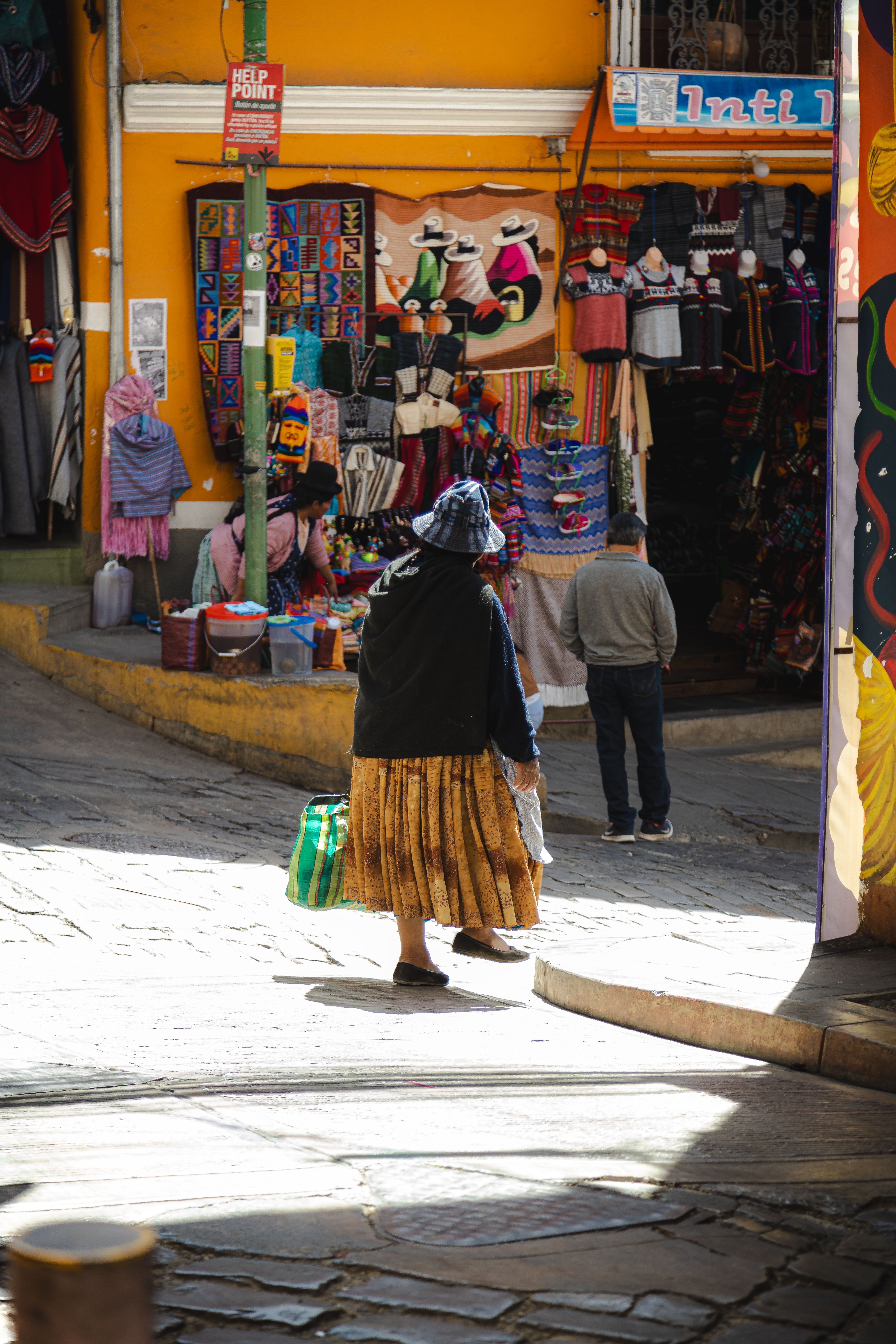
La Paz, Bolivia – High Altitude, Low Expenses
-
Cost of living: $700–$1,000/month
-
Internet: Improving but slower than most; best in coworking spots
-
Visa: 30-day tourist visa, extensions available
-
Lifestyle: Mountain views, colorful streets, and plenty of local flavor
-
Why it’s underrated: One of South America’s most affordable cities for remote workers.
What Makes These Digital Nomad Destinations Special
The best digital nomad cities aren’t just cheap. They need to offer:
-
Manageable cost of living (housing, food, co working)
-
Reliable internet and solid infrastructure
-
Safety and great quality of life
-
Easy visa options, whether a tourist visa or digital nomad visa
-
A community of like-minded nomads
Compared to the old favorites—Lisbon, Bali, or Chiang Mai, Thailand—these destinations strike a balance: better value, fewer crowds, and a lifestyle that doesn’t feel like a compromise.
Cost Comparison Table: Cheapest Cities for Digital Nomads
| City | Rent (1BR, central) | Food & Groceries | Coworking / Internet | Lifestyle (transport, leisure) | Total Monthly Cost |
|---|---|---|---|---|---|
| Medellín, Colombia | $500–$700 | $250–$350 | $120–$150 | $150–$200 | $1,000–$1,400 |
| Da Nang, Vietnam | $300–$500 | $200–$300 | $100–$120 | $200–$300 | $800–$1,200 |
| Tbilisi, Georgia | $400–$600 | $250–$300 | $100–$120 | $150–$200 | $900–$1,200 |
| Belgrade, Serbia | $450–$650 | $300–$350 | $120–$150 | $150–$200 | $1,000–$1,300 |
| Porto, Portugal | $700–$900 | $350–$450 | $150–$200 | $200–$250 | $1,400–$1,700 |
| Oaxaca, Mexico | $450–$650 | $250–$350 | $100–$150 | $200–$250 | $1,000–$1,300 |
| Kraków, Poland | $600–$800 | $300–$400 | $150–$180 | $200–$250 | $1,200–$1,500 |
| Cape Town, South Africa | $500–$700 | $250–$350 | $120–$150 | $300–$400 | $1,200–$1,600 |
| Yerevan, Armenia | $350–$500 | $200–$300 | $100–$120 | $150–$200 | $900–$1,200 |
| La Paz, Bolivia | $250–$400 | $200–$250 | $80–$100 | $150–$200 | $700–$1,000 |
 |
What Makes a City Nomad-Friendly in 2025
Every year the map shifts. Remote workers aren’t just chasing Wi-Fi—they’re chasing balance. The best digital nomad destinations in 2025 share a few things in common: manageable living costs, solid infrastructure, and a lifestyle that keeps you motivated instead of worn out. Forget the hype—many of the classic hubs are now expensive, overcrowded, or losing their edge. That’s why new digital nomad locations are stepping into the spotlight.
According to Nomad List’s 2023 report, more than 70% of nomads said affordable costs and safety mattered more than nightlife when picking their next stop. In short: people want great value for their monthly budget, without compromising their workday.
Cost of Living: The Big Decider
A nomad-friendly city doesn’t demand you stretch every dollar. From street food in Ho Chi Minh City to cozy apartments in Eastern Europe, the smartest picks let you live comfortably under $1,500 a month. For many cities, that includes rent, food, and even a seat in one of the local co working spaces.
Internet Speed & Reliability
Nothing kills productivity faster than slow Wi-Fi. That’s why remote workers often choose places with proven stunning landscapes but also fast, reliable internet. It’s no good if the beach view is perfect but your call drops every ten minutes.
Safety and Quality of Life
Being able to walk home safely at night or hop on a metro without worry matters just as much as cheap rent. Add in clean streets, health care options, and maybe a few wellness retreats, and you’ve got a city that feels less like a gamble and more like a plan.

Visa and Stay Options
The rise of the digital nomad visa means longer stays with fewer headaches. A short trip might still work on a tourist visa, but for longer stints you’ll want to check which countries—like those in Central America or Georgia—make life easier for nomads.
Community and Lifestyle Balance
A city with a vibrant city vibe is great, but not if you’re stuck working alone. The best digital nomad locations combine solid infrastructure with a ready-made community. Think weekend hikes, casual meetups, and a relaxed pace of life that lets you breathe between deadlines.
Nomad-friendly means this:
-
Manageable living costs on a realistic monthly budget
-
Plenty of co working spaces and good coffee shops
-
Incredible value beyond the rent—food, culture, and stunning landscapes
-
Visa flexibility for both a short trip and longer stays
-
A mix of community and relaxed pace to keep you grounded
Compared to the old guard—like most countries in southeast Asia—these rising stars deliver the same benefits at a fraction of the price. And that’s what makes them the true best digital nomad destinations in 2025.
How These Cities Compare to Classic Nomad Spots
For years, Bali, Lisbon, and Chiang Mai were the default choices for digital nomads. They had the hype, the beautiful beaches, and a reputation as every nomad’s dream destination. But fast-forward to 2025, and things look different. These classic hubs are still great, but they’re no longer the cheapest—or always the smartest choice for remote workers.

A recent global survey of digital nomad destinations found that 55% of nomads reported higher-than-expected living costs in Bali and Lisbon, mainly due to rising rent prices, inflated café culture, and extra tax implications for long stays. What was once a cheap cost lifestyle is now closer to Western Europe prices.
The Hidden Costs of Popular Hotspots
Choosing a famous digital nomad hotspot often means paying for the name. Hidden costs can creep up fast:
-
Tourist-driven rent spikes in Mexico City and Lisbon
-
Extra spending on modern ammenities to keep up a productive setup
-
Long-stay tax implications that add hundreds to your monthly budget
-
Overcrowding that makes “easy access to cafés” more a myth than reality
The Benefits of Rising Cities
Emerging digital nomad destinations—from Medellín to Yerevan—deliver affordable living without the trade-offs. You still get coworking hubs, communities, and culture, but at half the price. Instead of blowing your budget in Lisbon, you could split the same cash between Kraków and Da Nang, and enjoy two cities for the cost of one.
That’s the shift happening now: nomads are realizing that chasing the dream destination doesn’t always mean chasing the best deal. Sometimes the better move is looking where others aren’t.
Practical Tips for Choosing Your Next Destination
The hardest part for digital nomads isn’t packing—it’s deciding where to go. With so many popular digital nomad destinations competing for attention, it helps to strip away the hype and think about what really matters. Whether you’re drawn to stunning beaches, an old town full of history, or a city with a slower pace, the best destination for digital nomads balances budget, lifestyle, and productivity.

A 2022 survey of remote workers showed that over 65% now choose their city based on reliable WiFi first, beating both nightlife and weather. In short: no connection, no workday.
Balance Cost with Lifestyle
Don’t just pick the cheapest spot. A $700 apartment is worthless if you’re far from cafés, co working spaces, or street food markets. Cities like Oaxaca or Tbilisi are proof that you can still find modern amenities without blowing up your budget.
Check Visa Options Before Booking
Even the best deal loses its charm if you’re stuck on a 30-day tourist pass. Some countries now offer digital nomad hotspot visas, letting you stay for six months or more. Always check before you commit, and factor in any hidden costs or extensions.
Test Before You Commit
If you’re unsure, spend a few weeks in a city first. Short stints help you gauge the vibe, meet other digital nomads, and see if the setup works for you. Places like Porto or Da Nang give nomads seeking a mix of community and flexibility without locking you into a long lease.

Quick checklist for picking your spot:
-
Does it fit your monthly budget and lifestyle?
-
Is the internet truly reliable WiFi, not just in the ads?
-
Are there cafés and co working spaces nearby?
-
Do you see yourself connecting with other digital nomads here?
-
Is it a place you’d enjoy beyond the laptop—like stunning beaches or a lively old town?
Conclusion: Cheap Doesn’t Mean Compromise
The truth is simple: the cheapest cities in 2025 aren’t just about budgets—they’re about experiences. From the cobblestones of Kraków to the street food stalls of Da Nang, these places prove that affordable living and inspiring lifestyles can go hand in hand.
For digital nomads, choosing a base is no longer just about sun and surf. It’s about internet quality, safe neighborhoods, and finding co working spaces that keep you sharp while the world outside tempts you with new discoveries. Whether it’s the mountains of Medellín or the buzz of Mexico City, the right destination sets the tone for your next big project.
So here’s the reminder: working remotely doesn’t mean working less—it means working smarter. Pick cities that give you both career focus and room for digital nomad adventures.
Work hard, wander freely—and when you’re ready, explore RentRemote’s work-ready apartments to make remote working effortless no matter where you land.

FAQs: Cheapest Cities for Digital Nomads
What are the cheapest cities for digital nomads in 2025?
Some of the most affordable living spots this year include Medellín, Da Nang, Tbilisi, Oaxaca, and Yerevan. These digital nomad destinations balance low living costs with solid internet quality, vibrant communities, and plenty of culture.
How much does it cost to live as a digital nomad in these cities?
Most of the cheapest cities for digital nomads in 2025 range from $800–$1,500 USD per month. That includes rent, food, co working spaces, and lifestyle expenses. Places like La Paz or Da Nang sit at the lower end, while Porto or Kraków are a bit higher but still below Western Europe or North America.
Which of these cities have digital nomad visas?
Several of them now offer a digital nomad visa or easy long-stay options. For example, Colombia launched a nomad visa in 2022, Portugal has a popular program, and Georgia allows most travelers to stay up to a year visa-free. Always check requirements before booking.
Are these cities safe for digital nomads?
Yes—though safety varies by neighborhood. Cities like Kraków, Porto, and Tbilisi are considered very safe, while others (such as Medellín or Cape Town) require extra awareness. Most digital nomads report feeling safe once they settle into well-known areas and connect with other digital nomads.
How do these cities compare to Bali or Lisbon in terms of cost?
They’re significantly cheaper. Bali and Lisbon are now popular digital nomad destinations with rising rents, tourist-driven inflation, and hidden costs. A flat in Lisbon can cost double what you’d pay in Porto or Belgrade, while meals in Bali’s cafés often rival Western prices. The rising stars offer affordable living without sacrificing lifestyle.
What’s the best way to find housing in these cheaper destinations?
Most remote workers use a mix of local rental platforms, Facebook groups, or specialized sites built for nomads. For a smoother option, RentRemote curates apartments already equipped for working remotely, with modern amenities like ergonomic desks, strong Wi-Fi, and the privacy you won’t always get in short-term rentals.