
Maya
Culture & Exploration Editor ·
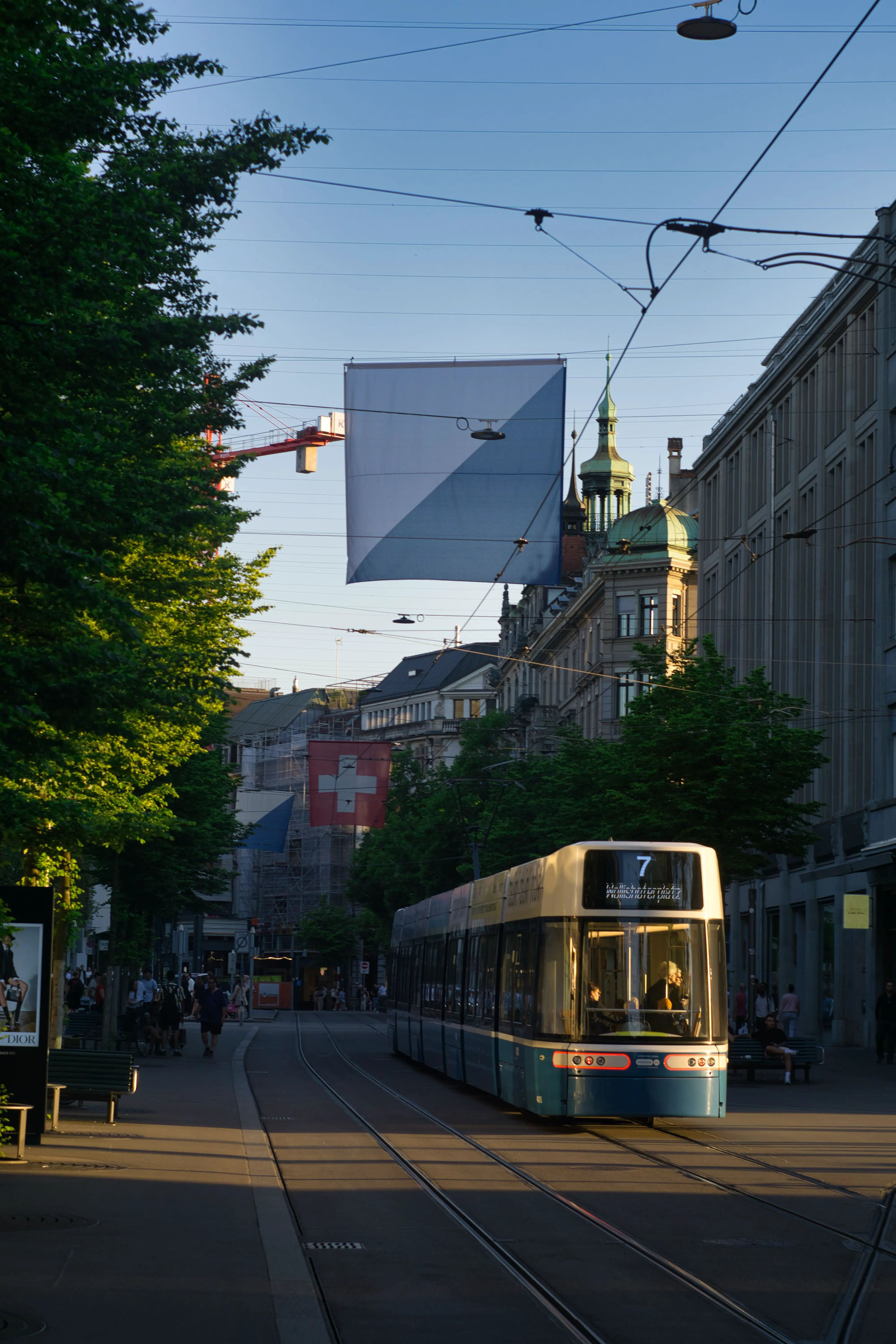
Zurich is the largest city in Switzerland and consistently ranks among the top two cities in the world for quality of life — but it will cost you. This is not a city that rewards underprepared arrivals. The rental market is punishing, the bureaucracy is real, and the cost of a coffee will recalibrate your expectations within the first afternoon. What you get in return is a city that works: clean, efficient, safe, and sitting at the front door of the Swiss Alps with Lake Zurich visible from half the tram lines.
This guide covers:
What moving to Zurich actually costs, month to month
How to navigate residence permits and work permits before you arrive
Which districts suit remote workers versus those with a confirmed job offer
How Swiss German and the local language shape daily life
The fastest path to housing in one of Europe's most competitive rental markets
What life abroad in Zurich genuinely feels like after the first month
Why Zurich Is One of the Best Cities in Europe — and Why That Comes at a Price
Zurich ranked second in Mercer's quality of life survey, and it shows — but that ranking doesn't come with a discount. This is the fifth most expensive city globally, and the gap between Zurich and other European countries is not marginal. It's the kind of gap that changes how you budget for everything.
What Makes Zurich Worth the Cost
The city earns its price tag in ways that become obvious after a few weeks, not a few days.
Zurich HB (Hauptbahnhof) — Europe's busiest rail hub, monthly public transport pass CHF 82, covers trams, buses, and S-Bahn across the city
Zurichhorn Park — free lakeside access on Lake Zurich, 10 minutes from the city center by tram
Switzerland has six times fewer murders per capita than the US — safety is not a marketing claim here, it's infrastructure
31% of Zurich's population is foreign-born, so the language barrier is softer in daily life than it sounds on paper
The city is also centrally located within Europe: Basel, Lucerne, and Bern are under an hour by train, and the Swiss Alps are less than two hours from your desk.
What the Best Cities Comparison Actually Tells You
Zurich consistently tops quality-of-life rankings, but those rankings measure infrastructure and safety — not affordability, and not ease of entry for foreigners.
Coffee averages CHF 5 — not a one-off tourist price, the standard across most cafés
Groceries run significantly higher than in the US, though high quality organic options are available at Coop and Migros without going to a specialty shop
A one-bedroom apartment averages CHF 2,339 per month — and that's the average, not the floor
Salaries compensate: average gross salaries in Zurich are significantly higher than in the US, and the banking and insurance sectors are the dominant employers
If you're arriving without a job offer, budget generously for the first three months — the city does not make concessions for people who are still figuring things out.
Most people who move to Switzerland choose Zurich over Geneva or Basel because the job market — particularly in banking, tech, and pharmaceuticals — is significantly larger and more accessible to non-French speakers.
Move to Switzerland: Visas, Work Permits, and Gainful Employment
Switzerland is not part of the EU, and that single fact governs almost everything about how you enter and stay legally. The rules differ significantly depending on where you're from, and getting the sequence wrong costs months.
EU Nationals and the Work Permit Path
EU nationals have an easier route than most, but "easier" does not mean automatic — you still need paperwork in order before entering Switzerland.
EU citizens can enter freely but need a confirmed job offer to register for a work permit valid longer than 90 days
Register at the local Einwohnerkontrolle within 14 days of arrival — this is non-negotiable
Employment contract required for the residence permit application; a verbal offer does not count
Permits are tied to gainful employment — if the job ends, the permit timeline resets
Citizens from other European countries in the EU have bilateral agreements with Switzerland that smooth the process, but the Einwohnerkontrolle appointment is the hard deadline everyone underestimates.
Non-EU Citizens and Third Country Nationals
For third country nationals — including US, UK, Canadian, and Australian citizens — the bar is higher and the timeline longer.
US citizens can stay visa-free for 90 days with a valid passport; after that, a category D visa is required for longer residency
Non-EU citizens must prove no local candidates were available for the role — this is the employer's burden, not yours, but it slows hiring significantly
Short stays under three months require no work permit; anything longer requires an employer-sponsored application before entering Switzerland
Third country nationals should expect the full permit process to take two to four months from job offer to legal work start date
If you're a freelancer or remote worker employed by a company outside Switzerland, the legal grey zone is real — get specific advice before assuming your situation is covered by the 90-day rule.
The Student Visa Option for Life Abroad
A student visa is a legitimate route into Switzerland for those pursuing a degree or language programme, with a different permit structure than employment-based routes.
Student visas allow stays up to one year with renewal options tied to programme duration
Work is permitted up to 15 hours per week during term — gainful employment beyond that requires a separate authorisation
ETH Zurich and the University of Zurich are the two main anchors; both enrol significant numbers of international students
The student visa does not automatically convert to a work permit after graduation — a new application tied to a job offer is required
For people treating life abroad in Zurich as a long-term investment rather than a short stay, the student route is slower but gives you time to build the local network that eventually produces the job offer.
A short-stay L permit covers assignments lasting up to one year, which is common for intra-company transfers or project-based roles in Zurich's finance and consulting sectors.
The Zurich Area by District: Where to Live Based on How You Work
Zurich has 34 neighbourhoods, and the differences between them matter more than most relocation guides admit. The question isn't just price — it's whether the neighbourhood suits the rhythm of how you actually spend your days.
Neighbourhood | Monthly Rent (1-bed) | Vibe | Best For | Key Advantage |
|---|---|---|---|---|
District 1 (Altstadt) | CHF 2,600–3,200 | Historic, tourist-heavy | Short stays, first arrivals | Everything walkable from day one |
District 5 (Kreisfeld) | CHF 2,100–2,600 | Creative, younger crowd | Freelancers, tech workers | Best café density for working remotely |
District 6 (Oberstrass) | CHF 2,000–2,400 | Residential, academic | Longer stays, students | Centrally located with quieter streets |
District 8 (Riesbach) | CHF 2,400–3,000 | Lakeside, cultural | Professionals, families | Lake Zurich access, green space |
Oerlikon | CHF 1,800–2,200 | Business, residential | Corporate relocations | Lower rents, good transport links |
Find fully furnished apartments in Zurich across all of these districts — filtered by lease length and permit requirements.
District 1: Zurich's Old Town and the Lake Zurich Waterfront
District 1 is where most people spend their first weekend, and where very few people can afford to spend their first year.
Café Bäckerei Vogel — CHF 5–7 for coffee, outdoor terrace with views over the old town, best before 10am when it fills with tourists
Medieval architecture throughout, but the city center rent premium is steep: one-bedroom apartments start at CHF 2,600
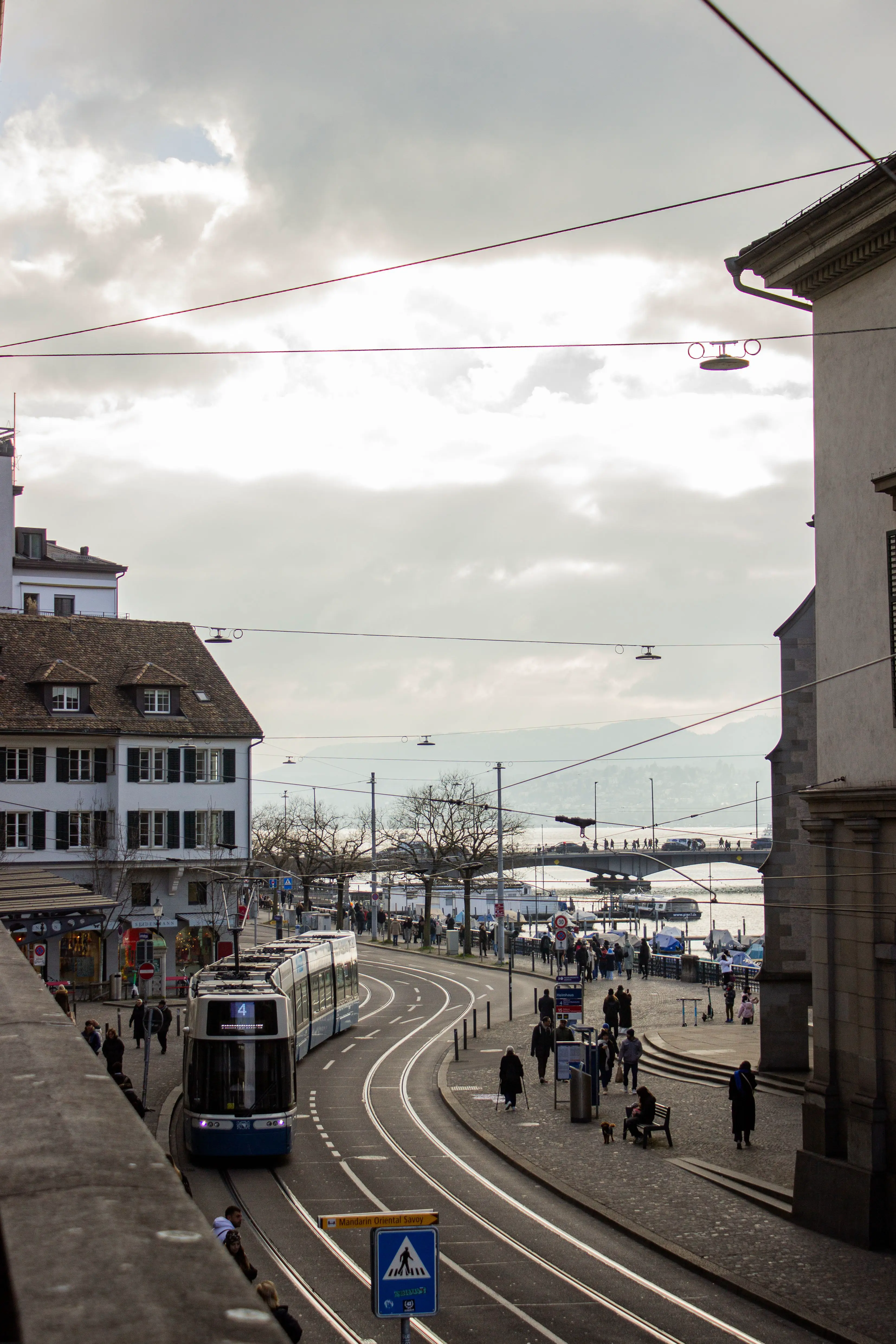
Lake Zurich is five minutes on foot from the Grossmünster — useful context for how close the water actually is to daily life here
Tram lines 4, 15, and 17 pass through the district, connecting quickly to Districts 5 and 6
District 1 is the right base for your first two weeks while you orient — it is not where you sign a 12-month lease unless cost is genuinely not a factor.
Browse Zurich homes near this area
District 5: The Creative Quarter for Remote Workers in the Zurich Area
District 5 is where Zurich's tech sector and creative industries cluster, and it has the café infrastructure to match.
Café Im Viadukt — CHF 5–6 coffee, strong WiFi, inside the repurposed railway arches on Viaduktstrasse, gets loud after noon
Impact Hub Zurich — coworking day pass from CHF 30, reliable for video calls, monthly membership from CHF 180
Startups are abundant in the tech sector here; job opportunities in this district are higher density than anywhere else in the city
Rents are lower than District 1 but the gap is narrowing: one-bedroom apartments run CHF 2,100–2,600 depending on the street
Settling in Kreis 4 or Kreis 5 makes the transition easier for new arrivals because both districts have a high concentration of English-speaking residents, international restaurants, and landlords familiar with renting to expats.
Browse Zurich homes near this area
District 8: Lake Zurich Living Without Leaving the City
District 8 is for people who want proximity to Lake Zurich as a daily feature, not a weekend destination.
Seebad Enge — seasonal lake swimming, free entry in winter, day pass CHF 8 in summer, five minutes by foot from most of the district
Cultural programming is strong: the Kunsthaus Zürich is in the adjacent District 3 and walkable from most of Riesbach
Rents reflect the location: CHF 2,400–3,000 for a one-bedroom apartment, closer to CHF 3,000 for anything with a lake view
Quieter than Districts 1 and 5 after 9pm — Swiss quiet hours are enforced here more visibly than in the creative quarter
District 8 suits people who are already settled in Zurich life — it rewards the quiet, it doesn't compensate for isolation.
Browse Zurich homes near this area
Swiss German, Standard German, and the Local Language Reality
Swiss German is not Standard German with a regional accent. It is a separate spoken dialect with its own vocabulary, rhythm, and registers — and most Swiss residents will switch to Standard German or English for you, which is both helpful and a quiet wall between you and real integration.
How the Language Barrier Actually Works Day to Day
Most Swiss residents in Zurich speak English well enough that you can function indefinitely without learning German — but "function" and "belong" are not the same thing.
English is widely spoken in the city center, in tech companies, and at Swiss banks — a language barrier in professional settings is rare
Outside the city center and in smaller towns in the canton, Swiss German is the default and the patience for English is shorter
German-speaking colleagues will often default to Swiss German with each other, and Standard German with you — you'll always know which camp you're in
Connecting with locals can be challenging for internationals; the language switch is a courtesy, not an invitation
Learning Standard German gets you to functional faster; learning Swiss German gets you to trusted.
Swiss German dialects can be a bit disorienting even for fluent Standard German speakers — Zürichdeutsch in particular drops syllables and uses vocabulary that does not appear in any textbook.
Swiss German vs Standard German: What You Actually Need to Learn
Swiss German differs significantly from Standard German in pronunciation, vocabulary, and the fact that it has no widely standardised written form.
Standard German is used in formal writing, schools, and broadcasting — it's the language to study if you're starting from zero
Swiss German is what you'll hear at the market, in cafés, and from neighbours — understanding it takes six to twelve months of immersion even with existing German skills
Migros Klubschule — German language courses from CHF 200 per semester, the most accessible entry point for new arrivals
Apps like Duolingo teach Standard German; they do not prepare you for Swiss German, which is useful to know before you feel confused on day three
Learning the local language is the single fastest way to make Swiss life feel like yours — and the one thing most short-stay expats skip, to their own cost.
What It Actually Costs to Live in Zurich Month to Month
Most people arrive knowing Zurich is expensive. Fewer arrive knowing exactly where the money goes — and which costs are fixed versus which ones you can actually control.
Rent, Utilities, and the True Cost of Housing
Finding an apartment in Zurich is competitive enough that your plan for housing needs to start before you land, not after.
A furnished studio in Wiedikon or Altstetten runs CHF 1,800–2,200/month — cheaper than the city center, still well-connected by tram
Utilities and ancillary costs (Nebenkosten) typically add CHF 150–250/month on top of rent — confirm whether they're included before you sign anything
A private room in a shared house costs CHF 900–1,400/month and is the fastest way into the market — most are listed on WG-Zimmer, the dominant flatshare platform in Switzerland
Security deposits of two to three months' rent are standard — have CHF 4,000–7,000 liquid before you apply
RentRemote offers fully furnished apartments in Zurich starting from CHF 1,500 onwards that come equipped with workstations for digital nomads
The deposit requirement alone eliminates the option of "figuring it out when you arrive" — treat housing as a financial planning exercise, not a search exercise.
Groceries, Eating Out, and the Menú del Día Equivalent
Food costs in Zurich are high, but the gap between cooking at home and eating out is wider here than in most European cities — and that gap is worth understanding before you budget.
Weekly groceries for one person: CHF 80–120 at Aldi Suisse or Lidl, the cheapest supermarket options in the city
A sit-down lunch at a local restaurant: CHF 20–35 — the Swiss equivalent of a set lunch menu rarely drops below CHF 18 anywhere central
A beer at a bar in Langstrasse: CHF 7–9 — on the expensive side by any European standard, but the pours are honest
Markthalle in the Viadukt district — weekday lunch around CHF 22, quality is consistent, reliable for a working lunch without blowing the day's food budget
Cook four nights a week and you cut your monthly food spend by roughly CHF 400 — that's not a lifestyle tip, that's just the maths.
Tax, Health Insurance, and What Expats Forget to Budget For
Switzerland's compulsory health insurance system catches most new arrivals off guard because it doesn't work the way employer-provided or national health schemes do elsewhere.
Basic health insurance (Grundversicherung) is mandatory for all residents and costs CHF 300–500/month depending on your chosen insurer and deductible — this is a fixed personal cost, not an employer benefit
Income tax in Zurich for a single person earning CHF 100,000/year sits around 22–25% combined (federal, cantonal, municipal) — lower than Germany and most Western European countries at comparable income levels
Americans face additional FBAR and FATCA reporting obligations on Swiss bank accounts — the administrative cost of compliance is real and worth factoring in before you move
Church tax is opt-in but automatically applied unless you formally deregister from a recognised church — easy to avoid, almost never explained to new arrivals
Healthcare costs in Zurich hit hard: a basic mandatory health insurance policy (Grundversicherung) runs CHF 400–500 per month for a single adult, and that is before any deductible or dental work.
Swiss taxes are lower than most Western European countries — someone earning CHF 120,000 in Zurich City pays roughly 12–15% in cantonal and federal income tax combined, noticeably less than an equivalent salary in Germany or France.
The Best Neighbourhoods in Zurich for Remote Workers and New Arrivals
Zurich is a small city — you can cross it end to end in under 40 minutes by tram — but the character of each district is distinct enough that where you live shapes your daily experience more than the commute time suggests.
Neighbourhood | Monthly Rent (1-bed) | Vibe | Best For | Key Advantage |
|---|---|---|---|---|
Kreis 4 / Langstrasse | CHF 2,000–2,600 | Gritty, mixed, genuinely alive after 10pm | People who want texture, not just cleanliness | Most diverse food options in the city |
Kreis 3 / Wiedikon | CHF 1,900–2,400 | Residential, quiet, local-feeling | Long-stay remote workers who don't need nightlife | Best value for space within tram distance |
Kreis 6 / Oberstrass | CHF 2,200–2,800 | Academic, calm, independent cafés | People who love living near the university quarter | Excellent café density for working hours |
Kreis 1 / Altstadt | CHF 2,800–4,000+ | Historic, tourist-adjacent, expensive | Short stays; not ideal for long-term value | Everything walkable, including the lake |
Kreis 7 / Fluntern | CHF 2,400–3,200 | Quiet, elevated, green | Families and people who prioritise calm over access | Tram direct to center, forest on your doorstep |
Kreis 4 (Langstrasse): The Neighbourhood That Surprises Most People
Langstrasse has a reputation — and then it has the reality, which is that it's one of the most liveable and walkable parts of the city once you're actually based there.
Brasserie Lipp on Uraniastrasse — European brasserie format, lunch around CHF 28, genuinely good for a working meal away from your desk
Independent grocers and Turkish and Sri Lankan food shops on Langstrasse itself keep weekly grocery costs lower than the major supermarkets
Apartments here are more likely to accept shorter lease terms — useful if you're still deciding whether the city is your long-term plan
The area is loud on Friday and Saturday nights — a ground-floor apartment on the main street is a different proposition than a back street on the third floor
If you want a Zurich that feels like a real city rather than a set piece, Kreis 4 is where you find it — accept the noise on weekends as the trade-off.
Browse Zurich homes near this area
Kreis 3 (Wiedikon): The Quiet Choice That Doesn't Cost You Access
Wiedikon is where a lot of expats end up after their first short-term stay — it's the neighbourhood you choose when you stop optimising for novelty and start optimising for daily quality.
Volkshaus Zürich on Stauffacherstrasse — live events, a brasserie, and a beer hall; five minutes from most of Wiedikon and a good reason to leave your apartment on a Tuesday
Tram lines 8 and 9 connect Wiedikon to the center in under 12 minutes — you basically don't notice you're not in Kreis 1
Schaufelbergerstrasse and Birmensdorferstrasse have the best concentration of independent bakeries and local restaurants in the district
Most people who love living in Zurich long-term are based in Wiedikon or somewhere like it — close enough to everything, far enough from the tourist footprint.
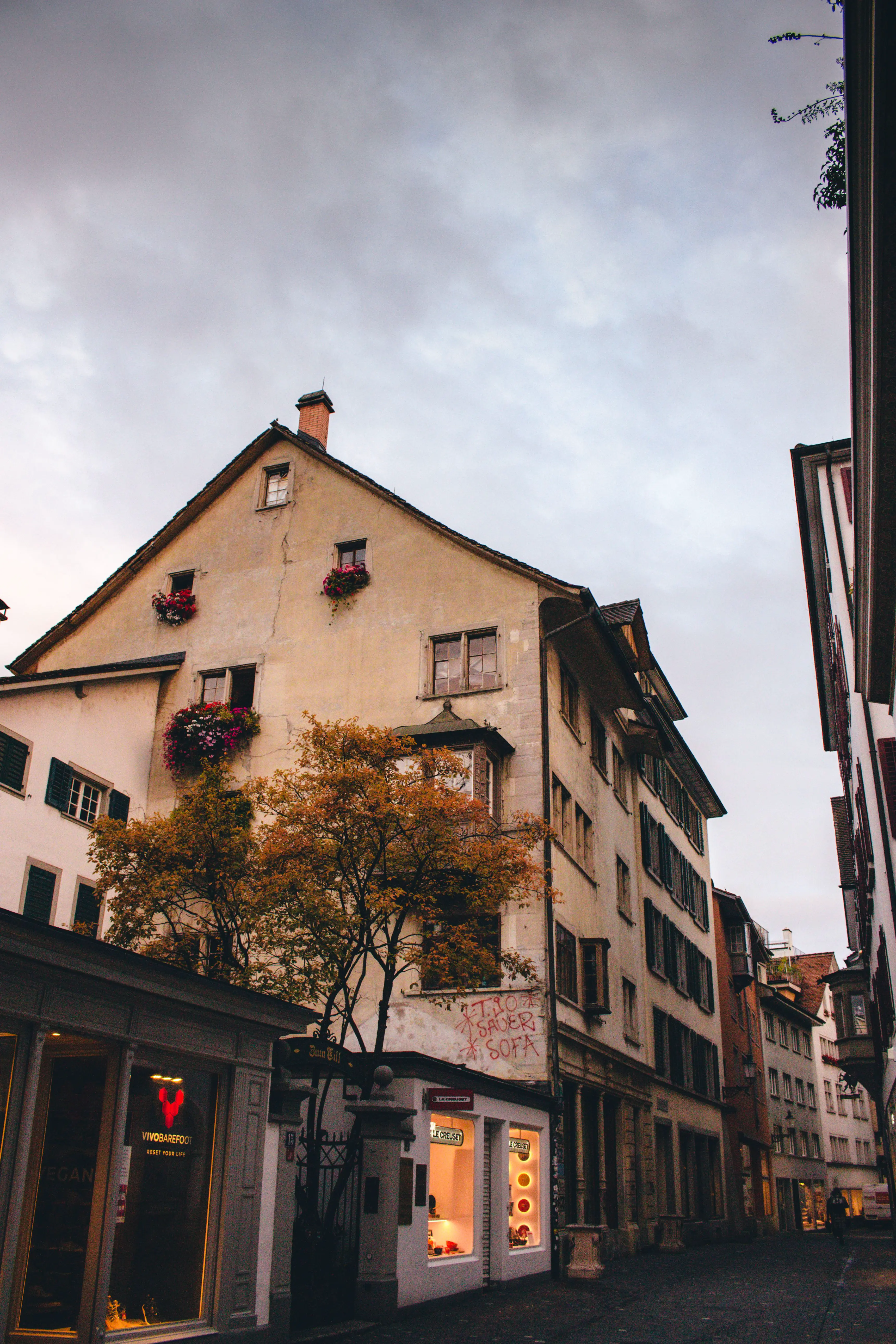
It is genuinely hard to find housing in Zurich's central districts like Kreis 1 or Kreis 6 — vacancy rates sit below 0.1%, so most newcomers start their search three to four months before their move date.
Browse Zurich homes near this area
Kreis 6 (Oberstrass): The Option Expats Often Overlook
Oberstrass sits above the university and gets overlooked because it lacks the obvious identity of Langstrasse or Altstadt — but the infrastructure for remote work is quietly excellent.
Park Platz near Rigiblick — flat white CHF 5.50, genuinely quiet on weekday mornings, the kind of café where you can work for three hours without feeling pressured
Rent here is 10–15% lower than equivalent space in Kreis 6's neighbour, Kreis 7 — you get similar calm with better tram access
The ETH Zurich campus is a 15-minute walk — the surrounding area has the café and lunch infrastructure that comes with a major university, which is exactly what you want on a remote working day
Less international than Kreis 4 — if you want to actually practice German with neighbours and at local shops, this is the right environment for it
Oberstrass is the kind of neighbourhood you discover on someone else's recommendation — and then wonder why it isn't mentioned more.
Browse Zurich homes near this area
Daily Life in Zurich: What the City Actually Feels Like to Live In
The logistical case for Zurich is easy to make. The harder question is whether the city fits your temperament — and that's worth thinking about before you commit to a six-month lease.
Social Life, Culture, and What "Quiet" Means Here
Zurich is not a city that opens itself up quickly — most expats who love living here describe the first three months as noticeably solitary before things shift.
Rote Fabrik on the lake's western shore — cultural venue with live music, cinema, and events; one of the best entry points into Zurich's independent cultural world for new arrivals
Expat communities are active and well-organised — InterNations Zurich hosts regular events and is a legitimate way to build an initial social network before you have local connections
Swiss social norms are direct and private — a neighbour who doesn't say hello in the first month is not being unfriendly, that's just the register
The city quiets down significantly after 10pm on weeknights — this is not a place where the town comes alive after midnight on a Tuesday
Give it ninety days before you decide whether the social pace suits you — most people who stay say the friendships they eventually form here have more substance than easier cities offered.
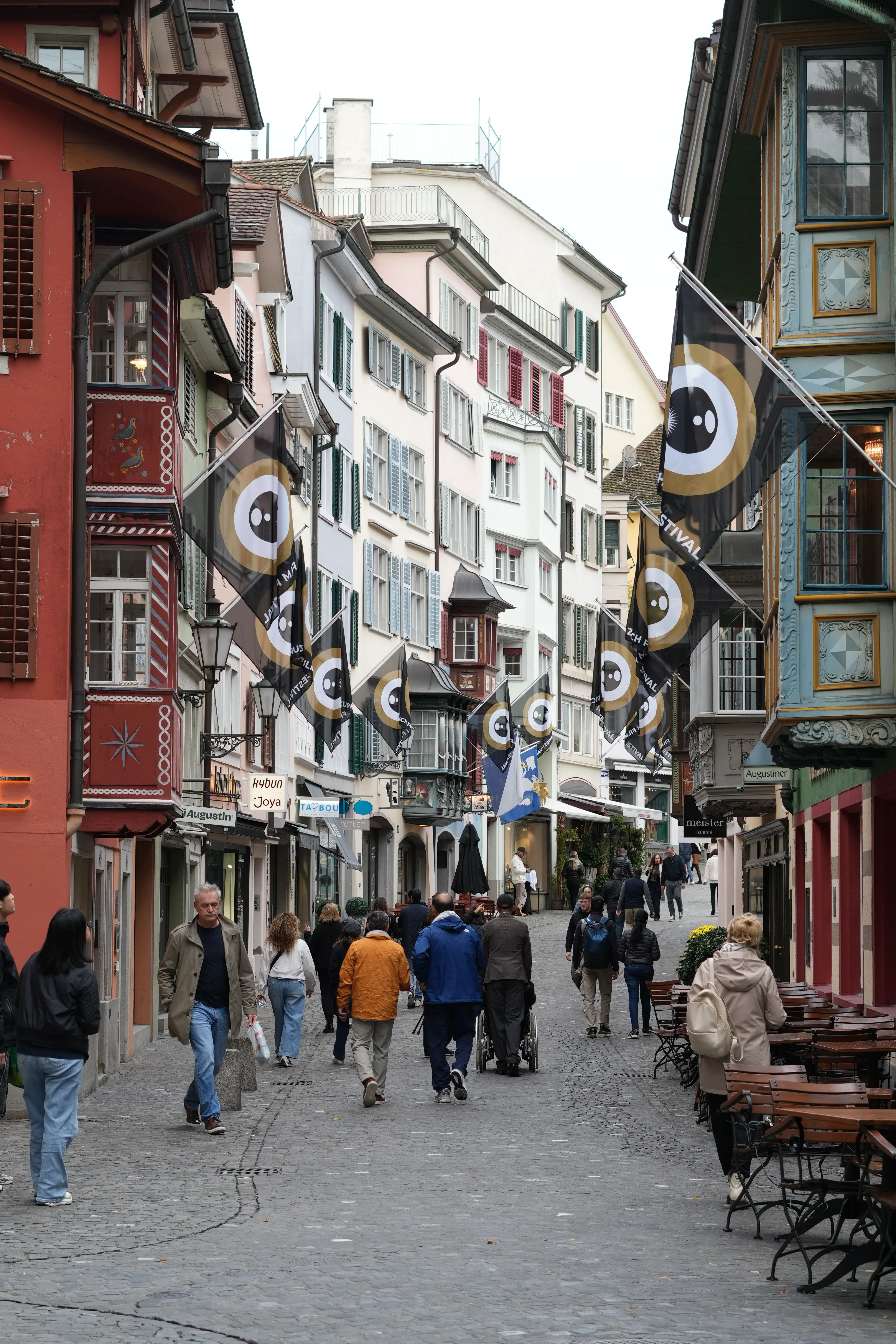
Public transportation in Zurich is coordinated under the ZVV network, and a monthly pass covering all zones costs around CHF 194 — it covers trams, buses, S-Bahn trains, and even some lake ferries.
Getting Around Without Thinking About It
Zurich's public transport is the kind of infrastructure you stop appreciating because it never fails — and you only notice how good it is when you leave.
Trams, buses, and the S-Bahn run on a single integrated ticket — one monthly pass covers the rest of the network across the city without any additional cost
Zurich Airport is 10 minutes from the main station by direct train — relevant if you travel frequently for work or plan to use Switzerland as a base for European movement
PubliBike, Zurich's bike-share system, costs CHF 3 for 30 minutes or CHF 79/year for unlimited 30-minute rides — for a flat city center, it's the fastest way to move between noon meetings
Driving is expensive and parking is genuinely difficult — most expats who arrive with a car either sell it or keep it parked outside the city for weekend trips to the alps
You will not need a car to live well in Zurich, and most people who move here from cities where they drove everywhere are surprised how quickly they stop missing it.
Is Zurich the Right Move? Who Thrives Here and Who Doesn't
The Kind of Person Who Actually Thrives in Zurich
Zurich doesn't suit everyone, and the expats who love it long-term arrived with a clear-eyed sense of what they were getting into.
They came with a job offer or a financial plan that made the cost of living workable from day one
They pushed past tourist German and made a genuine effort with the language
They found roots through a specific community — a sport, a workplace, a neighbourhood group
They gave the city time, knowing Zurich doesn't hand you belonging on arrival
If you're expecting the warmth-on-arrival of Lisbon or the social density of Berlin, Zurich will feel cold in more than the meteorological sense.
People who have chosen to live abroad before — especially in Northern Europe — tend to adapt to Zurich's pace and rule-following culture far faster than those moving directly from Southern European or North American cities.
What Zurich Demands Before It Gives Anything Back
This is a city that rewards preparation and patience, and punishes the assumption that it will meet you halfway.
Financial readiness matters more here than in almost any other European destination — the cost of living is unforgiving in the early months
Social integration takes longer than expected; joining one or two communities is the practical workaround most long-term residents rely on
Language effort beyond basic German signals commitment in a way Zurich residents genuinely notice and respond to
The city offers conditions for a good life — infrastructure, safety, natural access — but you have to actively use them
Zurich is organised and it expects you to be too; arrive chaotically and the city will simply proceed without you.
How Zurich Stacks Up Against the Rest of Europe
Measure Zurich against Germany or another European destination on ease of entry and upfront cost, and Switzerland loses almost every time — measure it on anything else, and the calculation shifts.
Infrastructure, public transport, and safety sit at a level most European cities don't come close to matching
Access to the Alps, lakes, and clean outdoor environments is built into daily life, not reserved for weekends away
Long-term life satisfaction among settled expats consistently ranks among the highest in Europe
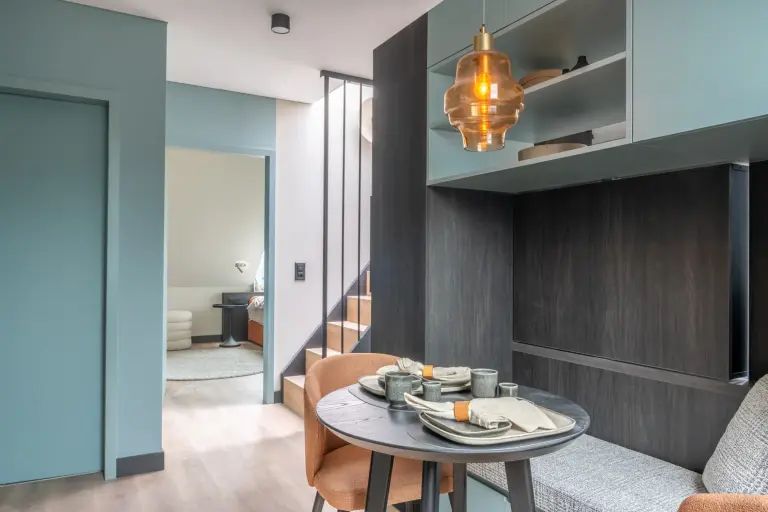
Explore fully furnished apartments in Switzerland and give yourself the time to find out which calculation applies to you
The honest read is that Zurich is a long game — the people who stayed are almost universally glad they did.