
Maya
Culture & Exploration Editor ·
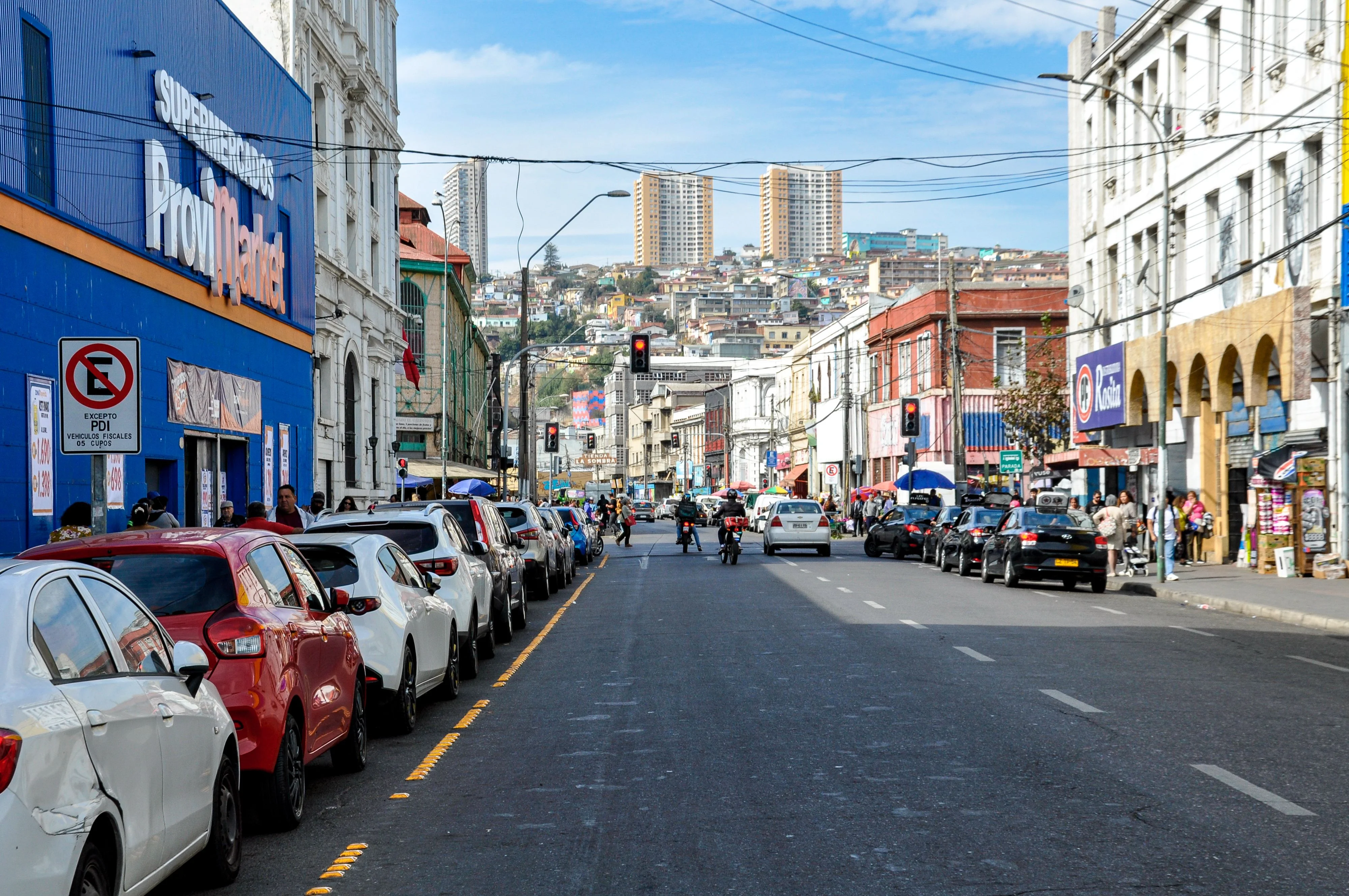
Valparaiso pulls people in on a visit and keeps them for years — but not because it's easy. The hills are steep, the bureaucracy is slow, and the city wears its contradictions openly: world-class street art on crumbling walls, a bohemian café scene two blocks from genuine poverty. If you arrive expecting a polished expat hub, you'll be confused. If you arrive ready to live like a local, you'll find one of the most genuinely interesting places to build a life in South America.
This guide covers:
What expats get wrong about Valparaiso before they arrive
Which cerro (hill) actually suits your lifestyle and budget
What rent, health insurance, and daily costs look like in real numbers
International schools and education options for families moving to Chile
How the Viña del Mar relationship changes your daily logistics
Practical steps to move to Valparaiso without losing three months to paperwork
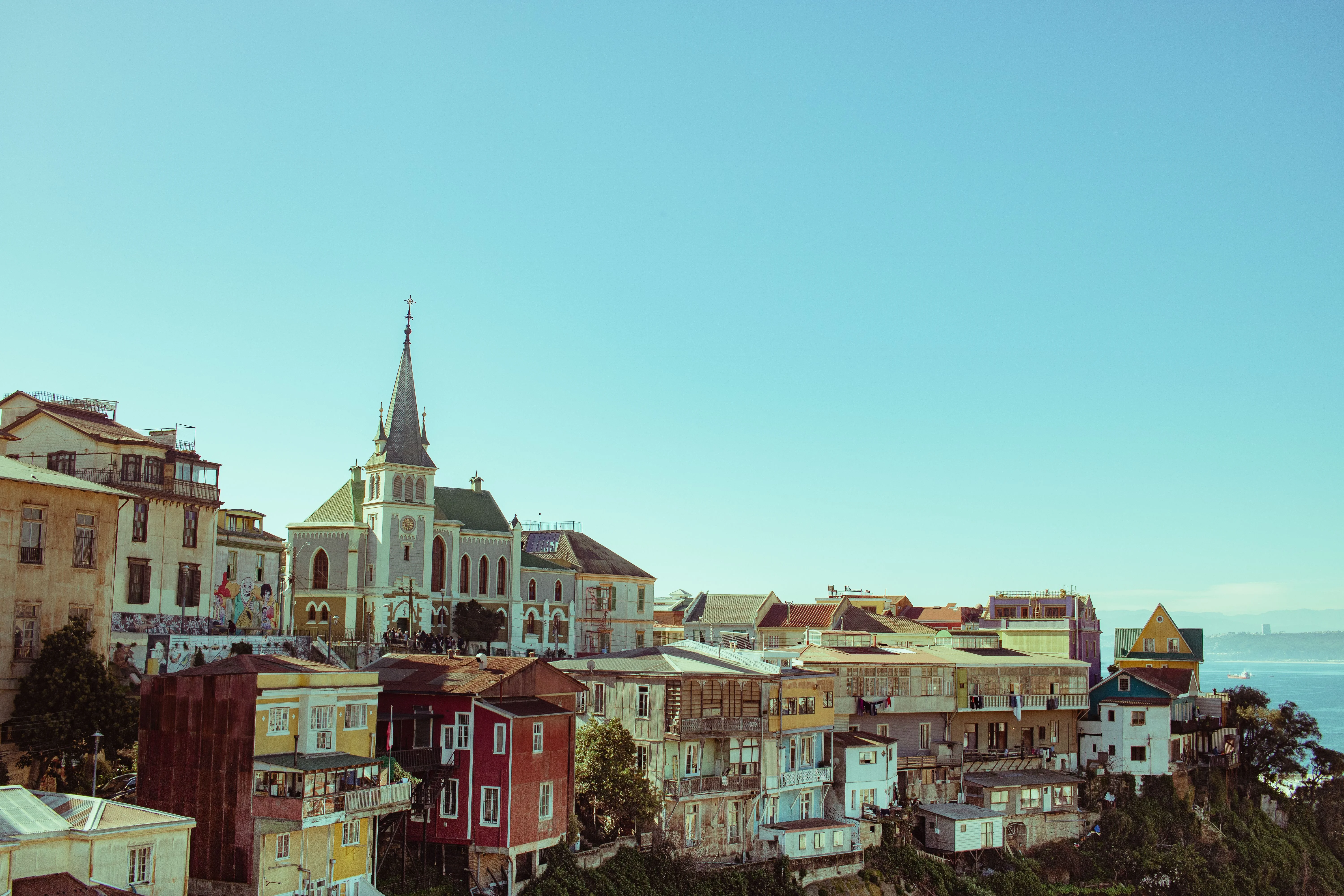
What Expat Guides Get Wrong About Valparaiso
Most guides treat Valparaiso like a coastal art town with cheap rent and good weather. Two of those three things are accurate. The city's identity is harder to summarise, and if you move here on the postcard version of it, you'll spend your first month recalibrating.
The Bohemian Appeal Is Real — and It Has Limits
Cerro Alegre and Cerro Concepción deliver the bohemian atmosphere that every travel piece promises, but those two hills cover a small fraction of the city.
Cerro Alegre's main strip — busy with tourists by 11am on weekends; locals tend to go earlier or not at all
Street art is genuinely excellent — the murals on Templeman and Rudolph streets are worth the walk
Outside Alegre and Concepción, the aesthetic shifts sharply — more industrial port city, less open-air gallery
Expat social life concentrates on two hills, which makes it easy to meet people and hard to feel like you've actually integrated
If you want Valparaiso's bohemian character without its tourist layer, live one cerro over and walk in.
The Weather Is Not What You Expect
Chile's coastal climate at this latitude means cool, foggy mornings almost year-round — the "eternal spring" reputation belongs more to Santiago than to Valparaiso.
Summer (December–February) is genuinely warm but marine fog burns off late — plan outdoor work after 10am
Winter is mild by European standards but apartments are often poorly insulated — heating costs add up
The port-side wind is real; hillside homes above 200m catch it harder
Pack for layering, not for beach living — that's what Viña del Mar is for.
Most guides sell Valparaíso as a slow, bohemian lifestyle, but if you need reliable fibre internet for remote work, you will spend your first two weeks calling Movistar and VTR to find out which buildings on which cerro actually have a stable connection.
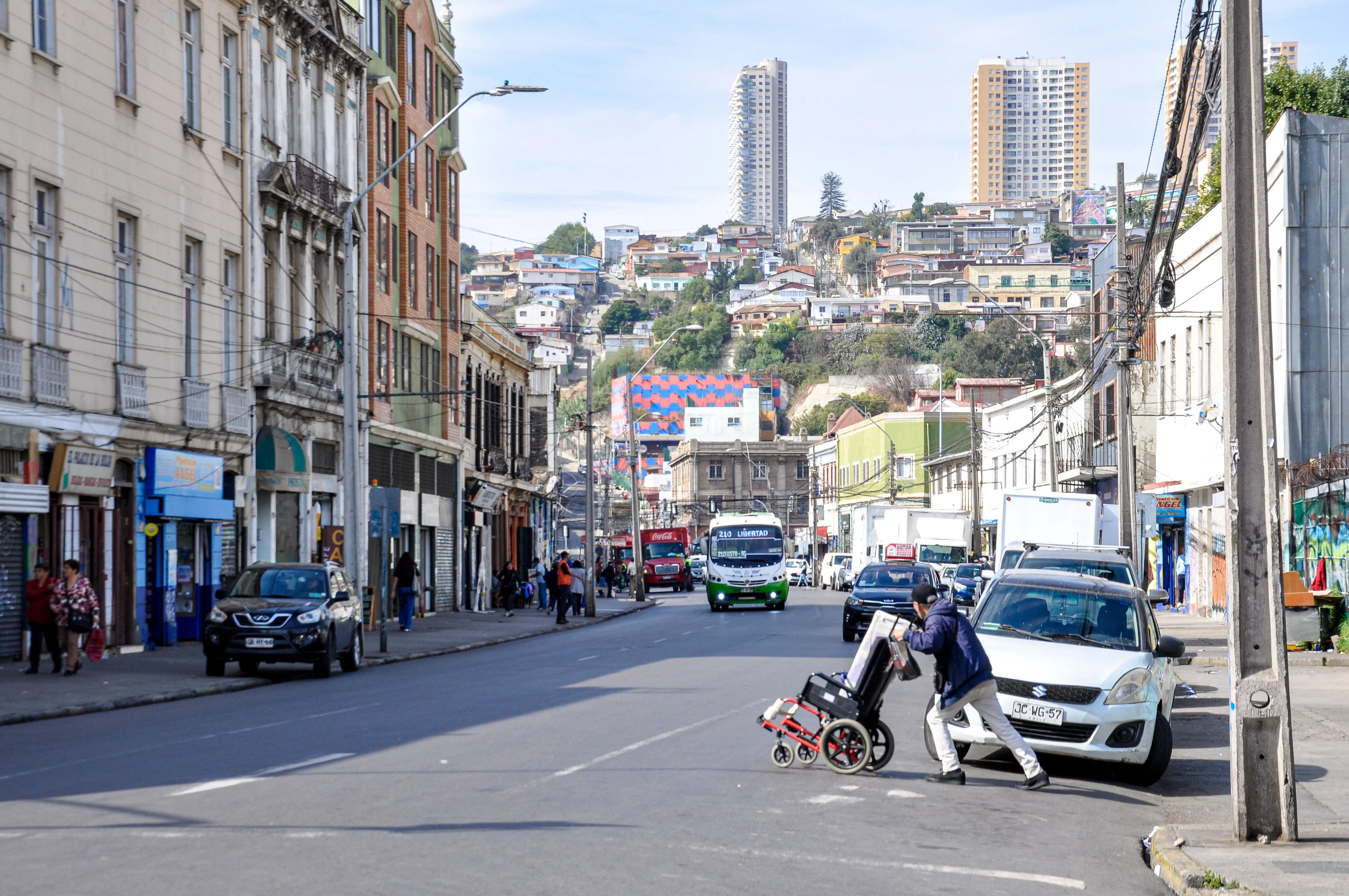
Neighbourhoods and Housing: Which Cerro Fits Your Life
Valparaiso is built across more than 40 hills, but expats settle on a much shorter list. The right cerro depends on whether you prioritise walkability, quiet, budget, or access to the flat lower city — the plan — where most services, banks, and transport hubs are.
Neighbourhood | Monthly Rent (1-bed) | Vibe | Best For | Key Advantage |
|---|---|---|---|---|
Cerro Alegre | $600–$900 USD | Bohemian, tourist-facing | Short stays, social expats | Best café and restaurant density |
Cerro Concepción | $550–$850 USD | Quieter, residential feel | Remote workers, couples | Slightly calmer than Alegre; same views |
Cerro Bellavista | $350–$550 USD | Local, less polished | Budget-conscious expats | Authentic neighbourhood life, lower rent |
Plan (lower city) | $300–$500 USD | Urban, commercial | Those needing daily practicality | Close to services, transport, markets |
Viña del Mar adjacent | $500–$800 USD | Modern, beach access | Families, professionals | Better infrastructure, flatter terrain |
Cerro Alegre and Cerro Concepción: The Expat Default
Most expats land here first — and the ones who stay long-term either love the density or move one hill over within six months.
Escalera Concepción — the staircase connects the two hills; living near it gives you access to both without committing to either
Rent on Cerro Alegre runs $600–$900 USD/month for a furnished 1-bed; Concepción is $50–$100 cheaper for equivalent space
Café Vinilo — good flat white, reliable WiFi, go before noon before the tourist lunch crowd arrives
Apartments here are often older conversions — check insulation and hot water before signing a lease
These two hills give you the best version of Valparaiso's expat life, but they do not give you a representative picture of the city.
Browse Valparaiso homes near this area
Cerro Bellavista: Better Value, Less Comfort
Bellavista is where the rent drops and the local texture goes up — it's a real neighbourhood, not a curated one.
1-bed apartments from $350 USD/month; quality varies significantly — inspect in person before committing
Museo a Cielo Abierto — open-air art museum on the hill itself; it's free and it's your front garden if you live nearby
Fewer English-speaking neighbours; Spanish at an intermediate level makes daily life noticeably smoother here
The walk to the plan takes 20–25 minutes on foot or a short micro (local bus) ride
Budget-focused expats who speak some Spanish find Bellavista offers more genuine integration than Alegre at two-thirds of the housing cost.
While Cerro Alegre commands rents of around $600–$800 USD per month for a furnished one-bedroom, you can find a comparable space on Cerro Concepción for closer to $450 if you look in February before the tourist season drives prices back up.
Browse fully furnished apartments in Valparaiso
Browse Valparaiso homes near this area
Moving to Chile: Visas, Bureaucracy, and What Actually Takes Time
Moving to Chile is more straightforward than most South American countries — but straightforward does not mean fast. The paperwork requires patience, sequential steps, and in-person appearances that no amount of planning can fully shortcut.
Which Visa to Use When You Move to Valparaiso
Chile's visa system has improved since 2022, but the right category for most expats still depends on how you earn your income.
Rentista visa — for those with demonstrable passive income or remote earnings; requires proof of $1,500+ USD/month and is the most common route for remote workers
Digital nomad visa (Visa Temporal de Trabajo a Distancia) — launched in 2023, valid for up to 12 months, requires a foreign employer or client contract
Tourist entry allows 90 days; many expats start this way while gathering documents — it's legal, but you cannot open a bank account on a tourist stamp
All long-term residency applications go through the Extranjería office in Valparaiso — expect 2–4 months processing time and book appointments early
Start the visa process before you arrive if you can — the documents required (apostilled birth certificate, criminal record, health certificate) all take time to gather from your home country.
Banking, RUT, and the Administrative Chain
Almost everything in Chile requires a RUT number (the national tax and identity number), and almost everything requires a bank account, and almost everything requires both before it will let you proceed.
A RUT is issued once you have a Chilean residency visa or temporary permit — you cannot bypass this step
[BancoEstado] on Prat Avenue is the most accessible for new residents; their CuentaRUT account requires only a RUT to open
Private banks (Santander, BCI) require proof of local employment or lease — easier after your first 3 months
Budget at least 6–8 weeks from arriving to having a functional bank account and registered address
Registering at a public notary (notaría) in Valparaíso typically costs under $10 USD per document, but the queues on Calle Condell can run 90 minutes on a Monday morning, so arrive before 9am or plan to lose half your day.
The administrative chain is sequential and mostly unavoidable — the expats who handle it best are the ones who treat the waiting as part of the cost of moving, not a problem to solve faster.
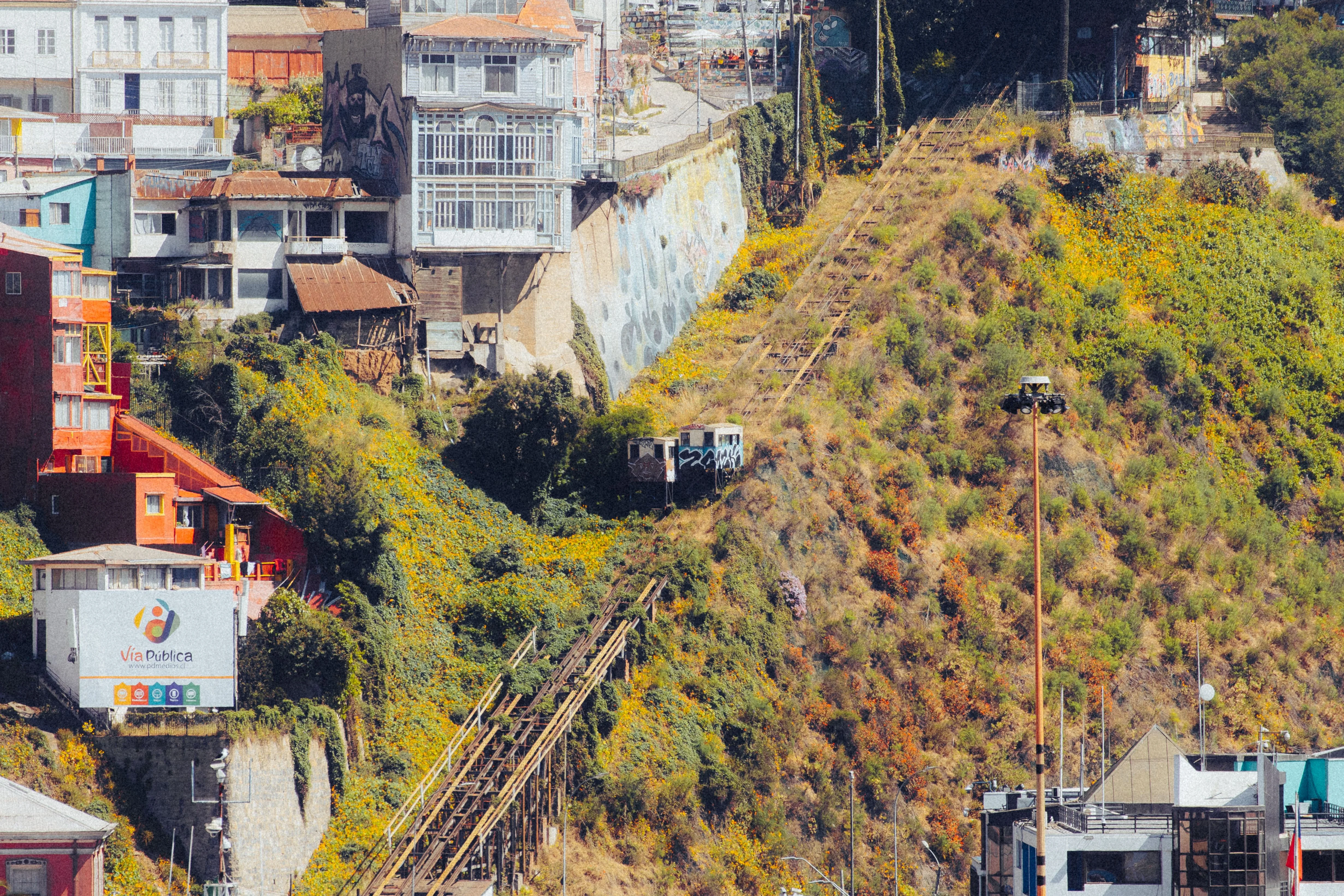
Practical Considerations: Health Insurance, Schools, and Education
The practical infrastructure of expat life in Valparaiso is functional but requires active management. Public health is available but slow; private care is affordable by international standards and much faster. If you have school-age children, the decision between local Chilean schools and international schools shapes almost everything else about where you live.
Health Insurance and Medical Care
Chile's private health system (ISAPRE) is genuinely good — specialists, clinics, and hospitals in Valparaiso and nearby Viña del Mar are well-equipped and significantly cheaper than equivalent care in North America or Western Europe.
ISAPRE private health insurance runs $80–$200 USD/month depending on age and coverage level — required for residency visa applications
Public health (FONASA) is available once you have a RUT and is near-free but involves longer waits for non-emergency care
Clínica Reñaca in Viña del Mar is the closest private hospital with English-speaking staff and full emergency capability — 15 minutes from central Valparaiso
Dental care is significantly cheaper than in most expats' home countries — a private consultation runs $15–$30 USD without insurance
Most long-term expats carry private health insurance and use public care only for minor prescriptions — the co-pay difference is small enough that the time saving is always worth it.
If your job does not provide private health cover, a basic Isapre plan in Valparaíso runs roughly $80–$120 USD per month depending on age — still cheaper than most North American premiums, but the trade-off is that specialist wait times at public FONASA clinics can stretch to several weeks.
International Schools and Education Options
Families moving to Chile with children face a real choice: Chilean schools are genuinely good at the private level, but limited English instruction makes them hard for children who arrive without Spanish.
The Mackay School in Viña del Mar — British-curriculum bilingual school, fees around $400–$700 USD/month, strong academic reputation and used by many international families in the region
Colegio Internacional de Valparaíso — IB programme, bilingual instruction, fees from $350 USD/month; closer to the city centre than Mackay
Chilean private schools (colegios particulares pagados) cost $100–$300 USD/month and provide immersive Spanish education — excellent for children under 10 who will adapt quickly
Homeschooling is legal in Chile; a small but active community of expat families in Valparaiso and Viña del Mar uses hybrid models
The school decision often determines which side of the Valparaiso–Viña del Mar corridor families settle on — international schools cluster in Viña del Mar, which means the commute question runs in reverse if you prefer to live on the hills.
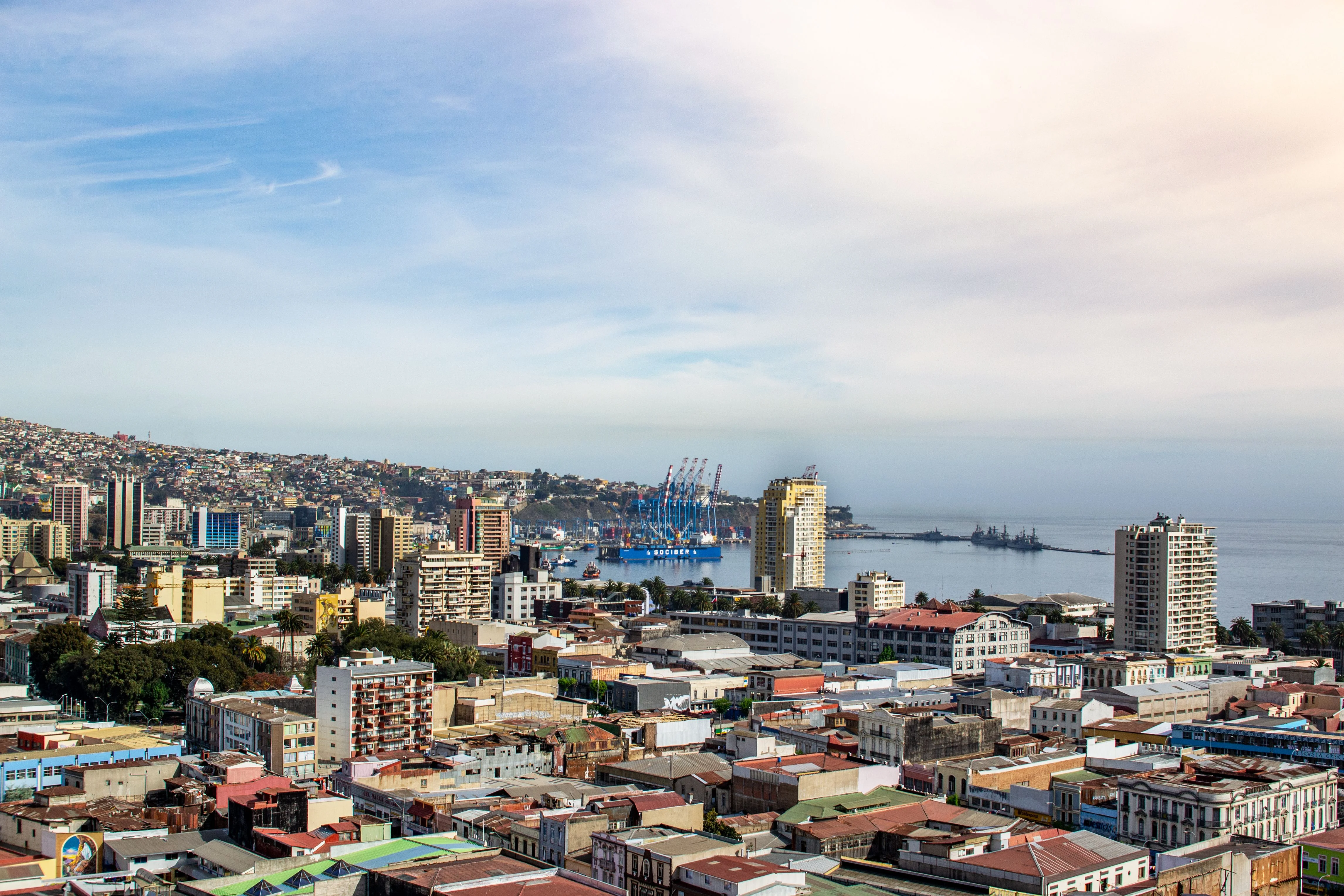
Visas, Banking, and the Bureaucracy of Actually Living Here
Chile is not the hardest country in Latin America to navigate as a foreigner — but it is not the easiest either, and Valparaiso's distance from Santiago means some administrative tasks require a bus ride you will not find on any expat checklist.
Which Visa Actually Works for Remote Workers
Chile's visa landscape shifted meaningfully in recent years, and most remote workers now enter on a tourist stamp and sort out their legal situation once they decide to stay — which is honest but carries real risk if you let it slide past six months.
The Temporary Resident Visa (Visa de Residencia Temporal) is the standard path for expats: apply through Chile's Servicio de Migraciones, expect 3–6 months processing, costs around $200–$300 USD in fees
A digital nomad visa was introduced in 2023 for foreigners earning income abroad — valid for 12 months, not renewable in-country, and requires proof of remote employment or freelance contracts; apply before arriving through a Chilean consulate
The tourist visa gives you 90 days; extensions are possible but handled in Santiago at the Servicio Nacional de Migraciones — not in Valparaiso, which means a half-day trip to the capital if your paperwork isn't clean
A Rentista visa suits single-income expats with passive income or savings — requires demonstrating roughly $1,500 USD/month in verifiable income
Most expats on long-term stays eventually move through temporary residency to permanent status after two years — the paperwork is tedious rather than genuinely difficult, but delaying it costs you banking access and healthcare rights you will want sooner than you expect.
When opening a bank account at BancoEstado or Banco de Chile, you will need proof of address — a utility bill or lease agreement — which is harder to produce than it sounds in neighborhoods like Cerro Alegre where informal rental arrangements are common and landlords rarely issue formal contracts.
Banking and Getting Money to Work for You
Opening a Chilean bank account without a RUT (national identity number) is nearly impossible, which means your first few months run on ATM cash and transfer services — a genuinely inefficient way to live.
[Banco BCI Valparaíso] on Prat Street — one of the more foreigner-accessible branches once you have a RUT; staff handle expat account openings more regularly than smaller branches
Wise and Remitly both work well for transferring money into CLP — the parallel rate no longer exists the way it did pre-2023, so the official exchange rate is what you get
ATM fees from foreign cards run around 5,000–8,000 CLP per withdrawal; withdraw larger amounts less frequently rather than daily top-ups
[RedBanc ATMs in El Plan] near Prat and Esmeralda Streets — the highest ATM density in the city, useful for the first weeks before you have a local account
The RUT is the unlock for almost everything — bank accounts, phone contracts, health insurance, lease agreements — and you get it automatically when your temporary visa is approved, so the incentive to start that process early is real.

Daily Life: Cost, Culture, and What the City Actually Costs You Each Month
The numbers expats quote for Valparaiso are usually accurate and always incomplete — the monthly rent figure hides the heating supplement, and the cheap-lunch figure doesn't account for what you spend when you stop eating at market stalls and start eating out every night because the culture pulls you that way.
What a Realistic Month Costs
Below are working figures for a single person renting in Cerro Concepción or Cerro Bellavista — not aspirational minimums, not worst-case scenarios.
Rent (furnished 1-bed, mid-range cerro): $450–$700 USD — add $40–$80 USD in electric bills during May–August when the heaters run full time
Groceries from Mercado Cardonal on Rawson Street — fruit and vegetables are cheap here, $30–$50 USD for a full week of fresh produce; the market runs daily and prices are lower than supermarkets by a wide margin
Lunch at a working-class restaurant in El Plan: 4,500–6,000 CLP ($5–$7 USD) for a full menú del día including soup, main, and juice — eat here rather than the Cerro Alegre tourist strip and the food budget drops significantly
Santiago round trip by bus from Valparaiso: 10,000–14,000 CLP ($12–$16 USD) — if your job requires occasional Santiago meetings, budget this as a fixed monthly line item
A comfortable single-person life in Valparaiso — not frugal, not extravagant — runs $1,200–$1,800 USD/month; below $1,000 is achievable but requires real discipline about where you eat and what you do on weekends.
Where the Street Art Scene Actually Lives
The street art that made Valparaiso internationally recognisable is not evenly distributed, and the Instagram version of it — Cerro Alegre murals, Escalera Concepción — represents the curated surface of something that runs much deeper into the hills.
Cerro Polanco — less visited than Concepción but home to some of the most political and formally ambitious murals in the city; reach it via the Polanco elevator, one of the few remaining working ascensores
[Pasaje Gálvez] on Cerro Bellavista — a narrow pedestrian passage almost entirely covered in commissioned and unsanctioned work; quieter than anything on the tourist circuit and far more honest about what the city's art culture actually means
The work on Cerro Concepción's back streets — away from the café strip — shifts toward larger-scale political murals referencing Chile's recent social movements; this is the context missing from most expat walking tours
Valparaiso's street art is a genuine living culture, not a museum — the best pieces appear and disappear without announcement, and following the same three streets on a guided tour means you are seeing last year's version of it.
Learning Spanish in Valparaiso
Chilean Spanish is one of the harder regional dialects to learn — it swallows syllables, runs words together, and uses colloquial vocabulary that standard Latin American courses do not prepare you for — and Valparaiso doubles that difficulty with its own port-city slang.
interactive-spanish — small group Spanish classes from $8–$15 USD per hour, teachers familiar with expat learning curves and the specific gap between textbook Spanish and Valparaíso street conversation
Language exchange (intercambio) culture is active in the city - Pontificia Universidad Católica de Valparaíso runs extension Spanish courses for foreigners at reasonable rates — worth checking their semester schedule if you arrive in March or August
You do not need fluent Spanish to live in Valparaiso, but you will hit a ceiling within three months if you do not invest in it — the city's culture only opens fully in its own language, and that is a real cost of staying on the expat surface.
Learning a few words of Chilean slang before you arrive — po , cachai , al tiro — will get you further with locals at Mercado Cardonal than any phrasebook Spanish ever will.
The Valparaiso–Viña del Mar Corridor: Which Side Should You Be On
Most expats who stay longer than three months end up running their lives across both cities — working or socialising in Valparaiso, handling health, schools, and supermarkets in Viña del Mar — and the 15-minute metro connection between them means the choice of base is more fluid than it looks on a map.
What Viña del Mar Actually Offers
Viña del Mar is not the interesting choice, but interesting is not always the right criterion — and for families, higher-income remote workers, or anyone who needs reliable private services without the roughness of Valparaiso's hills, it makes straightforward sense.
Viña del Mar Centro — 1-bed furnished apartments from $600–$900 USD/month, newer buildings with better insulation, faster elevator access to everything; the trade is character for comfort
The supermarket infrastructure in Viña — Jumbo, Lider, Unimarc — is significantly larger and better stocked than anything in central Valparaiso; families doing full weekly shops notice this immediately
Viña's Reloj de Flores promenade and Casino Municipal area feel genuinely different from Valparaiso — cleaner, more formal, less personality — which is either reassuring or dispiriting depending on what you came for
Viña del Mar is where you go when Valparaiso starts costing you in ways that aren't romantic — and the Santiago express bus runs from Viña's terminal as well, so you lose nothing logistically by choosing the quieter side.
Commuting Between the Two Cities
The Metro de Valparaíso — locally called the Metro Tren — connects Valparaiso's Plan to Viña del Mar in roughly 15 minutes and runs reliably enough that it becomes part of daily rhythm rather than a special trip.
Metro Tren single fare: 700–800 CLP ($0.80–$1 USD); a Bip! card (the rechargeable transit card) works across buses and Metro and is worth getting in the first week
The Estación Puerto terminal in El Plan is the main Valparaiso end — walking distance from most lower-city errands, and a taxi or micro bus from the cerros to the station takes under 10 minutes
Buses between Valparaiso and Santiago from Terminal Rodoviario Valparaíso on Rawson: 2,500–4,000 CLP ($3–$5 USD) for the 90-minute trip, multiple operators, runs every 20–30 minutes during the day
The Merval commuter train runs between Valparaíso and Viña del Mar every 10–15 minutes during peak hours, which makes it genuinely easier to live in one city and work in the other — something you simply cannot do between Valparaíso and Santiago given the 75-minute bus gap each way.
The corridor works because neither city is self-sufficient for every expat need — understanding that from the start means you stop trying to choose between them and start building a life that uses both.
Is Valparaiso the Right Move for You?
Who Actually Thrives Here
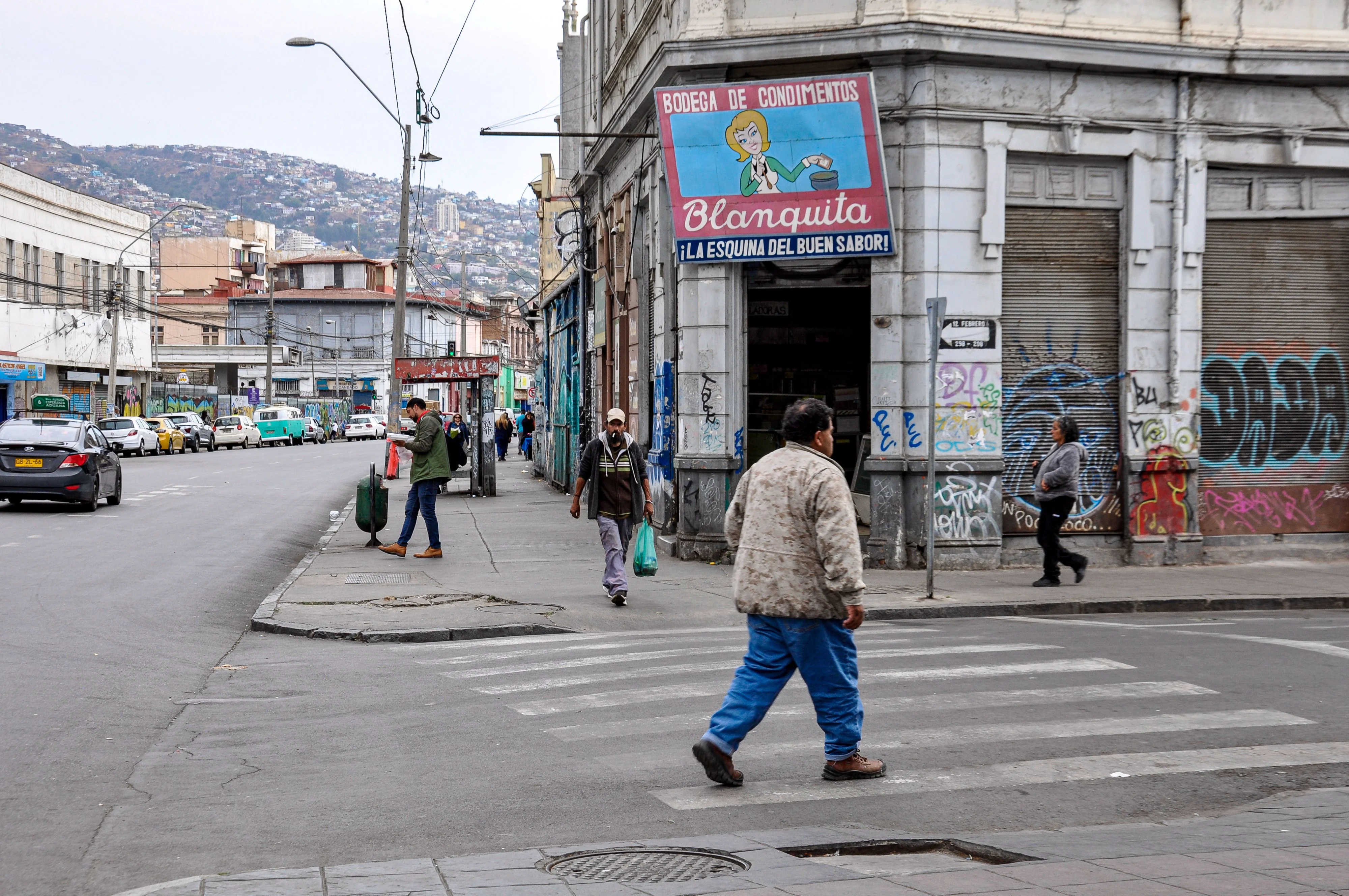
Valparaíso rewards a particular kind of person, and it is worth being honest about whether that person is you.
Creative freelancers and writers who work asynchronously and can absorb an unreliable internet day without a client crisis
Single expats or couples without school-age children who can treat the city as their full context rather than half of it
Spanish learners who want immersion that is not softened by an expat bubble
Anyone who finds a physically dramatic, slightly chaotic city motivating rather than draining on a Tuesday in July
If you need calm, predictable infrastructure to do your best work, the cerros will charm you on weekends and quietly grind you down by month three.
Who Should Think Twice
Valparaíso is not the wrong answer, but for some people it is genuinely the wrong city, and Viña del Mar is sitting ten minutes away for a reason.
Families with children need Viña del Mar from day one — the international schools, the hospitals with reliable emergency care, and the major supermarkets are there, not on the cerros
Remote workers on strict nine-to-five schedules with video calls should stress-test the WiFi in their specific apartment before signing anything longer than a month
Anyone who needs a car-dependent lifestyle will find the hill topography and parking reality a daily friction that does not improve with time
If you have respiratory issues, the coastal humidity that rolls in off the Pacific between June and August can be genuinely uncomfortable — several expats on Cerro Playa Ancha report that their apartments felt damp for weeks at a stretch.
Expect your first three months to cost significantly higher than your ongoing budget — shipping fees, a security deposit, notary costs, and the inevitable IKEA run to Viña del Mar can easily add $1,500–$2,000 USD before you have settled into any kind of routine.
What You Get in Return
If Valparaíso fits your profile, what it offers back is substantial and not easily replicated elsewhere in South America at this price point.
Rent that sits well below European or North American benchmarks even in the most desirable cerros — Cerro Alegre and Cerro Concepción included
A street art culture that is still alive and site-specific rather than installed for tourism
A physical setting — Pacific fog, working port, steep hills, salt air — that genuinely does not feel like anywhere else
A Spanish-speaking environment that rewards language investment quickly because there is no English safety net to fall back on
If you are ready to move past the research stage, browse fully furnished apartments in Chile and start with a short-term lease while you work out which cerro fits your rhythm.
Making the Move to Valparaiso: Final Thoughts
Valparaiso rewards the expat who arrives with patience and an open mind. The city does not smooth its edges for newcomers — the steep climbs, the bureaucratic friction, the unpredictable infrastructure are all part of the deal — but for those who stay, the trade-off is a life lived inside one of South America's most visually and culturally distinctive cities. Few places of this size carry this much personality.
The practical groundwork matters more here than in more expat-established destinations. Getting your neighborhood right, understanding the rental market, and building a local support network early will shape your experience significantly. A short-term lease on a furnished apartment is almost always the smartest first step, giving you time to test a cerro before committing to anything longer.
If you are still weighing your options across the region, it is worth exploring fully furnished apartments in the country to compare what different Chilean cities offer before making a final decision. Valparaiso is not for everyone, but for the right person, it is genuinely hard to leave.