Sophia
Wellbeing & Living Editor ·
Santo Domingo doesn't ease you in gently. The traffic is real, the heat is constant, and the bureaucracy will test your patience at least twice before you find your rhythm. But the city rewards people who stay long enough to figure it out — lower costs than almost any other Caribbean capital, a genuine local culture that isn't built around tourism, and neighbourhoods that function well for working adults once you know which ones to pick. This guide covers what actually shapes daily life here: where to live, what it costs, how healthcare and schools work, and what the residency process looks like in practice.
The best neighbourhoods in Santo Domingo for expats, with honest trade-offs
Month-to-month cost breakdown beyond the headline figures
Healthcare quality and international schools for families
Residency and visa options for moving to the Dominican Republic
Safety by neighbourhood — what residents actually say
Property ownership rules for foreigners
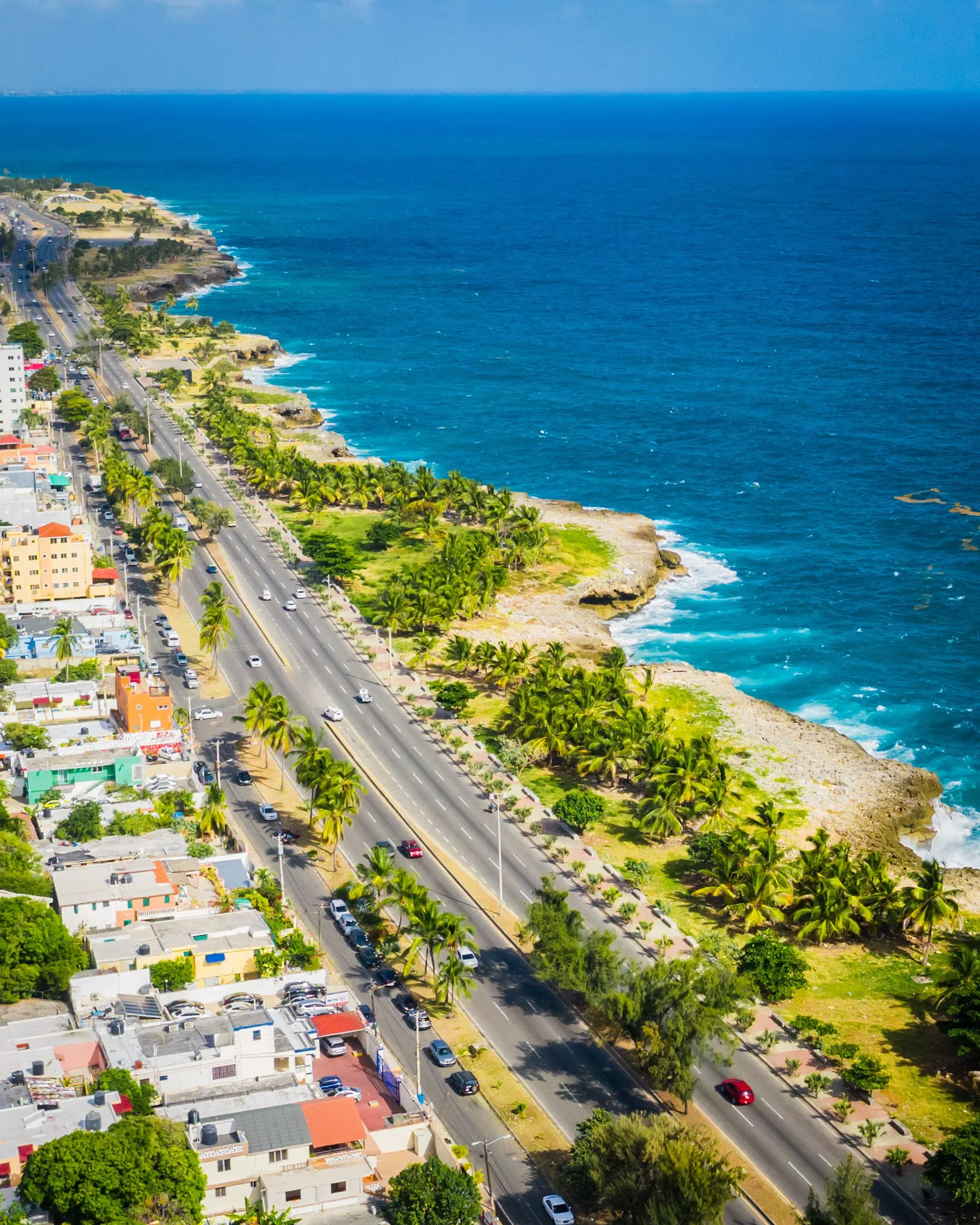
The Best Neighborhoods in Santo Domingo for Expats
Most expats arriving in Santo Domingo default to Piantini or Bella Vista because someone in a Facebook group told them to — and they're not wrong, but they're missing context. The city has distinct zones that suit different working and living styles, and choosing based on rent alone will leave you spending two hours a day in traffic you didn't account for.
Piantini and Naco: The Safe Default That Earns Its Reputation
Piantini and Naco sit at the centre of the expat map for a reason — walkability, 24-hour security in most buildings, and the highest concentration of international restaurants and grocery options in the city.
Supermercados Nacional, Piantini — well-stocked, familiar produce, prices roughly 20–30% above local colmados but the selection is worth it for new arrivals
1-bedroom furnished apartments in Naco from $800/month; Piantini runs $1,000–$1,500 for something modern with a gym
Stanzia Café & Bar — reliable espresso, air-conditioned, tables with outlets — gets loud after 10am
Calle Gustavo Mejía Ricart is the main commercial strip — everything within a 10-minute walk, which matters when you'd rather not drive
If you need to be functional from week one, start here — you can always move once you understand the city.
Browse Santo Domingo homes near this area
Bella Vista: Quieter, Slightly Cheaper, Better for Families
Bella Vista offers more space for less money than Piantini, and the residential streets feel genuinely calm compared to the commercial noise one neighbourhood over.
2-bedroom apartments from $900/month — larger floor plans than equivalent Piantini listings at the same price
Acropolis Center — mall-format shopping close to most Bella Vista addresses, useful for errands without a car
Several international schools within a 10–15 minute drive — important if you're relocating with children
Less walking infrastructure than Piantini — you will need a car or Uber for most evenings
Bella Vista suits families and anyone who prioritises quiet over proximity to the expat social circuit.
Browse Santo Domingo homes near this area
The Colonial Zone: Character First, Convenience Second
The colonial zone is the most historically dense neighbourhood in the Americas — and it's genuinely interesting to live in for a month, but the infrastructure doesn't match the aesthetic for long stays.
Calle El Conde — the main pedestrian artery, atmospheric in the evening, loud during the day
Furnished apartments from $600/month — the cheapest central option, but water pressure and power outages are more frequent here than in modern buildings elsewhere
La Cafetera Colonial — good filter coffee, outdoor seating on a quiet plaza, best before noon when tourist groups arrive
Parking is difficult; walking after dark requires awareness of which streets you're on
The colonial zone works as a first base for someone getting their bearings — it doesn't work as a permanent address for most working expats.
Browse Santo Domingo homes near this area
Evaristo Morales and Los Cacicazgos: For Expats Who Have Done Their Research
These neighbourhoods sit north of Piantini and offer a more local residential feel — quieter streets, lower rents, and less of the hermetically-sealed expat bubble that can make Piantini feel oddly disconnected from the actual city.
1-bedroom in Evaristo Morales from $700/month — similar build quality to Naco, fewer international amenities walking distance
Parque Mirador Norte — large green space, popular with morning runners, genuinely useful if you work from home and need to leave the apartment
Los Cacicazgos has larger villas and houses — relevant if you're relocating with a family and need outdoor space
Fewer coworking options in immediate walking distance; most residents drive to Piantini or Naco for work infrastructure
These areas reward expats who want to integrate rather than insulate — you'll need functional Spanish and a car, but the trade-off is real neighbourhood life rather than a gated simulation of it.
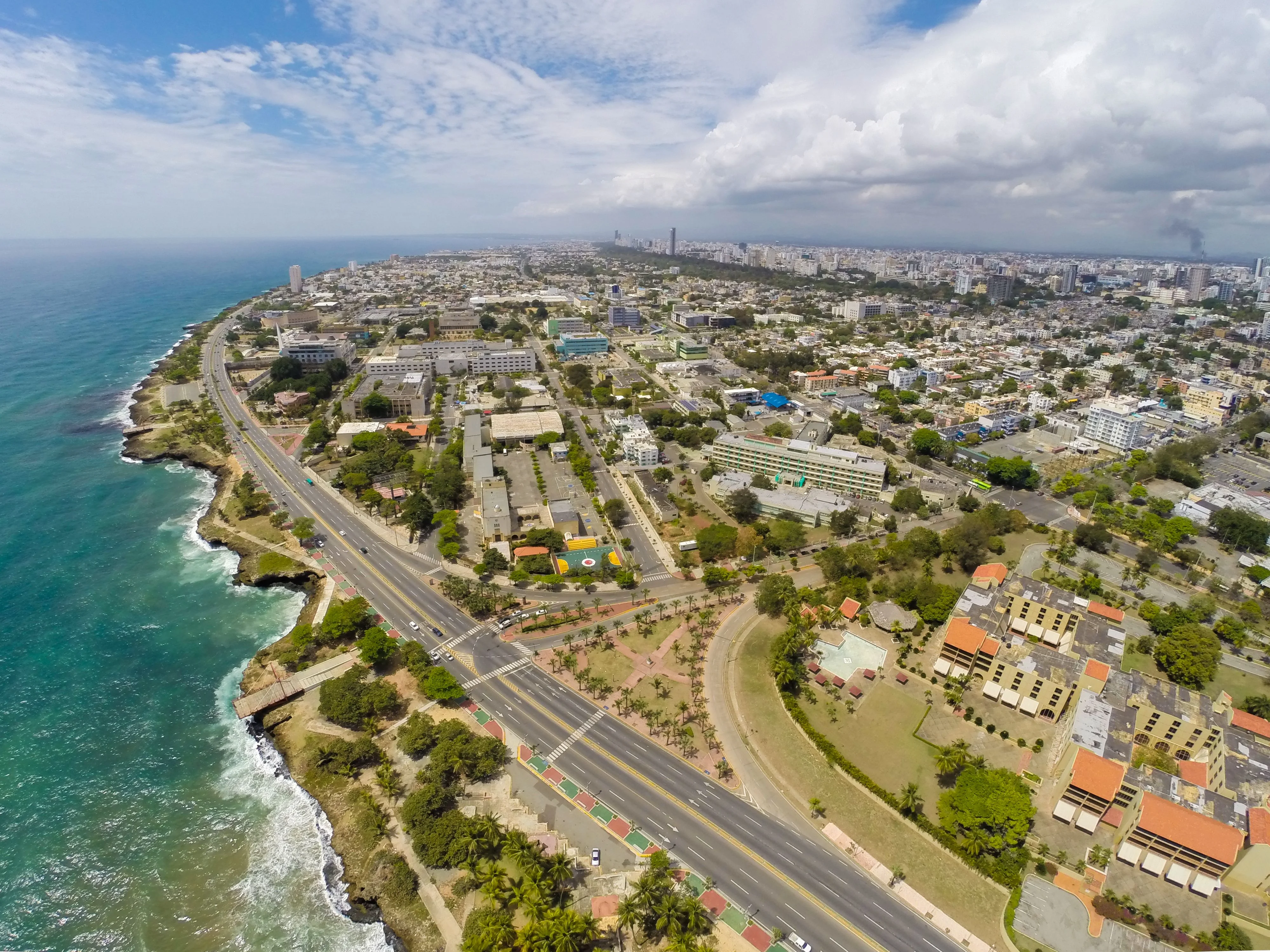
Browse Santo Domingo homes near this area
Neighbourhood Comparison: Santo Domingo at a Glance
Santo Domingo's neighbourhoods each offer a distinct lifestyle, price point, and set of trade-offs worth comparing before you commit.
Piantini: $1,000–$1,500/month for a 1-bed — modern and commercial, best for first-time expats and professionals who value walkability and security infrastructure
Naco: $800–$1,200/month — established, mixed-use neighbourhood well suited to singles and couples without kids
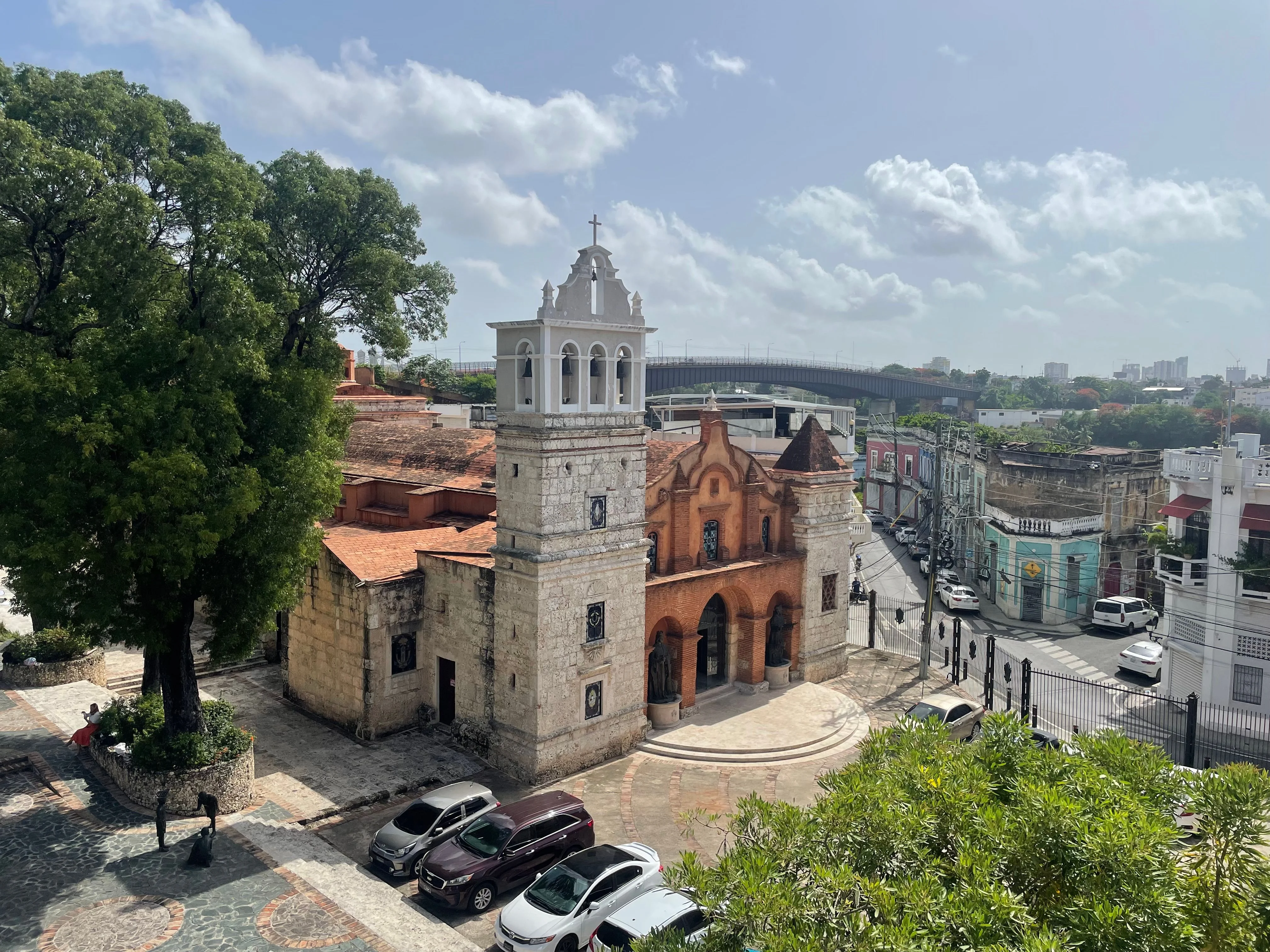
The Zona Colonial, anchored by the Parque Colón and the Catedral de la Encarnación, is one of the few areas where you can walk to restaurants, bars, and the waterfront without ever getting in a car.
Piantini makes it easy to run daily errands on foot — the Bravo supermarket on Avenida Abraham Lincoln, a pharmacy, and at least three coffee shops are all within a five-minute walk of most apartment buildings.
Browse Santo Domingo homes near this area
What It Actually Costs to Live in Santo Domingo
Santo Domingo is genuinely affordable by Caribbean and Latin American standards — but only if you live like a resident rather than a tourist. The gap between a Piantini expat budget and a local monthly spend can be $1,500 or more, and that gap comes almost entirely from choices, not necessity.
Rent and Housing Costs
Furnished apartments designed for expats carry a premium, but the premium is usually worth it when you factor in what you're not buying at IKEA.
Furnished 1-bed in Piantini or Naco: $900–$1,400/month including building amenities
Unfurnished 2-bed in Bella Vista: $700–$950/month — better value for stays over six months
Generator backup and 24-hour security are standard in modern buildings — worth asking about before signing anything
Utilities (electricity, water, internet) add $150–$250/month depending on AC usage; electricity is expensive here
Electricity is the cost that catches most arrivals off-guard — running central AC in a Dominican summer will add $100–$150 to your monthly bill without drama.
Housing in the Zona Colonial runs cheaper than you might expect — a renovated one-bedroom in a colonial-era building can be found for $600–$800/month, though you will likely deal with slower internet and older plumbing.
Food, Transport, and Daily Expenses
Eating locally isn't a sacrifice here — Dominican food is genuinely good, and the price difference between local spots and international restaurants is significant enough to matter across a full month.
Local lunch (rice, beans, meat at a comedor): $3–$5 — Calcalí Coffee in Naco is reliable and consistent
Mid-range restaurant in Piantini: $20–$35 per person — Mesón de Bari near the colonial zone is worth the drive for Dominican cooking at a slightly higher tier
Uber is available and reliable in central Santo Domingo; a cross-city trip costs $4–$8
Monthly grocery spend for one person cooking at home: $250–$350 at local supermarkets
Budget $1,800–$2,400/month all-in for a comfortable solo expat lifestyle in a central neighbourhood — less if you cook regularly, more if you eat out in international restaurants most nights.
Quality of Life, Healthcare Schools and Safety in Santo Domingo
Santo Domingo's real quality of life depends almost entirely on which version of the city you access. The healthcare infrastructure is genuinely strong at the private level, the international schools cover most curricula, and safety varies enough by neighbourhood that a blanket answer isn't honest.
Healthcare: Private Is the Only Real Option
The public health system in the Dominican Republic is underfunded in ways that matter — for any non-emergency need, expats use private clinics and the difference in experience is stark.
Clínica Abreu — one of the most respected private hospitals in Santo Domingo, English-speaking staff available, used by most long-term expat residents
Centro Médico UCSD — strong specialist departments, modern facilities, most major insurers accepted
International health insurance from $80–$180/month for a healthy adult — do not arrive without it
GP consultation at a private clinic: $40–$80; specialist: $80–$150 — costs are low by US standards even out-of-pocket
Private healthcare in Santo Domingo is legitimately good — the issue is that the public safety net underneath it is thin, so insurance isn't optional.
International Schools in Santo Domingo
If you're moving to Santo Domingo with children, the international schools question shapes where you live as much as rent does — commute time to school will define your daily life.
Carol Morgan School — US-accredited, K-12, the most established international school in Santo Domingo; tuition from $10,000–$18,000/year depending on grade
Saint George's School — British curriculum option, strong reputation among European expat families
Colegio Los Pinos — IB programme, popular with families who want Spanish immersion alongside an internationally recognised qualification
Most top international schools are in or near Arroyo Hondo — which is why families cluster there or in Bella Vista
Good international schools in Santo Domingo exist and they're genuinely well-regarded — the limiting factor is cost, not quality.
The lifestyle in Piantini is genuinely comfortable by Caribbean standards — you have 24-hour gyms, reliable high-speed internet from Claro or Altice, and a handful of specialty coffee shops that would hold their own in Miami.
Safety: Neighbourhood-Specific, Not City-Wide
Santo Domingo has meaningful crime, but it's not evenly distributed — the expat neighbourhoods function safely for most daily activity when you apply the same awareness you'd use in any Latin American city.
Piantini, Naco, Bella Vista, and Evaristo Morales are considered low-risk for expats during daylight and normal evening hours
The colonial zone requires more street awareness after dark — stick to the lit pedestrian areas around Plaza de España
Petty theft (phones, bags) is the most common issue — a cross-body bag and phone awareness will cover 90% of the risk
Most expat-grade apartment buildings have 24-hour security and controlled entry — this is standard, not premium
Safety in Santo Domingo is manageable, not exceptional — it asks for consistent awareness rather than fear, which is a reasonable trade for everything else the city offers.
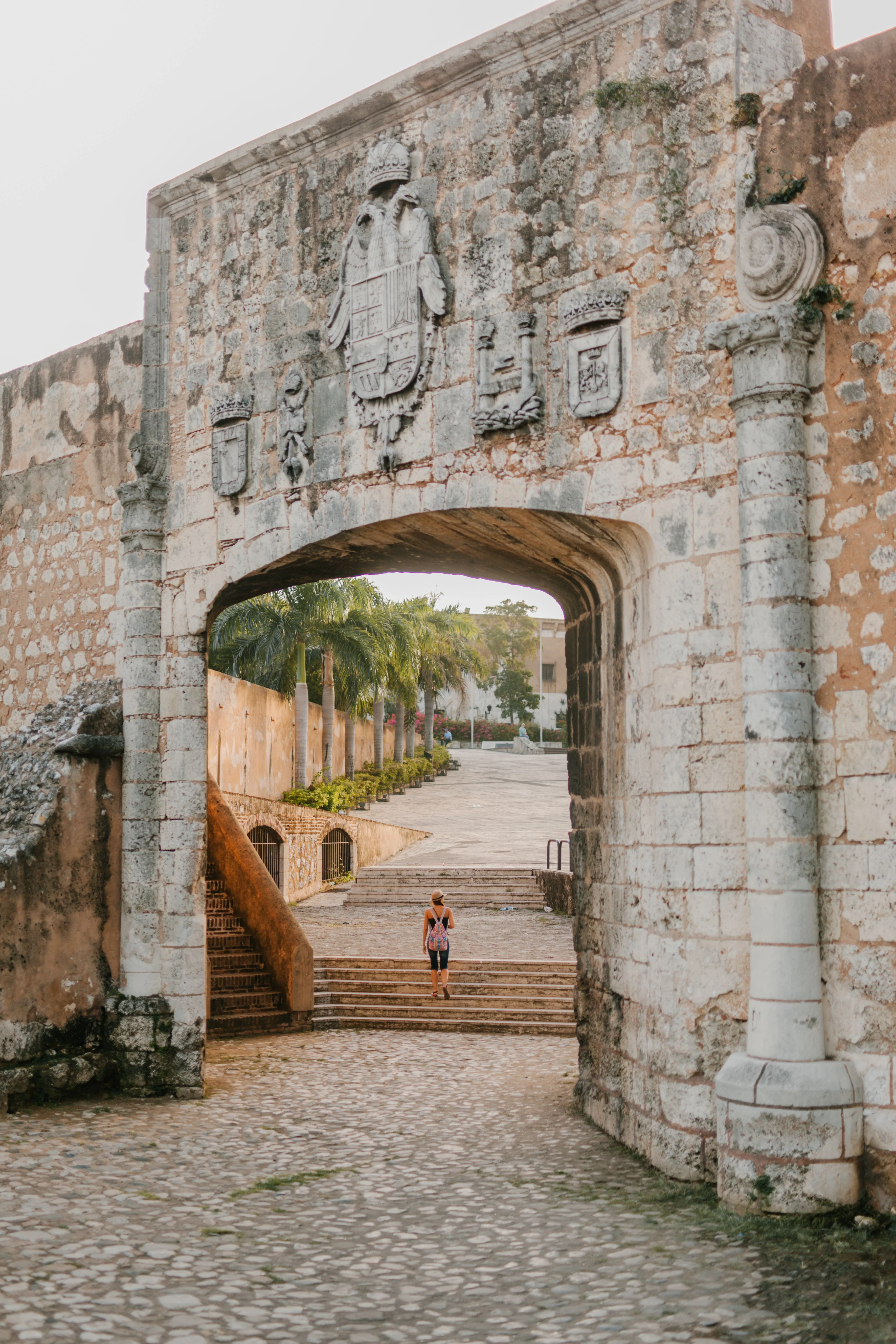
Moving to the Dominican Republic: Residency and Legal Requirements
The Dominican Republic has one of the more accessible residency pathways in the Caribbean — the process is bureaucratic but not hostile, and most expats who move through it with a local lawyer in place find it manageable within three to six months.
Residency Options for Expats
There are several legal routes into Dominican residency, and the right one depends on how you earn income and what your long-term intentions are.
Rentista visa — for those with passive income (pension, rental income, investments) of at least $1,500/month; the most common route for retirees
Inversionista (investor) residency — requires a minimum investment, typically in real estate; thresholds have varied, verify current requirements with a Dominican immigration lawyer
Employment-based residency — requires a local contract; less common for remote workers who retain foreign employment
Temporary residency converts to permanent after two years and can lead to citizenship after two years of permanent status
The paperwork goes through the Dirección General de Migración — budget for legal fees of $1,500–$3,000 for a full residency application handled by a local attorney, which is money well spent.
A signed rental contract is one of the required supporting documents for your residency application, so sort your housing before you file — landlords in Piantini and Naco are generally familiar with providing the notarised version immigration requires.
Does the Dominican Republic Have Income Tax for Expats?
Income tax rules for foreign residents in the Dominican Republic are more favourable than most arrivals expect — but the detail matters.
The Dominican Republic taxes residents on Dominican-source income only — foreign-earned income is not taxed at the Dominican level for the first three years of residency
After three years, worldwide income becomes potentially taxable — consult a local tax advisor before this threshold
The US operates its own worldwide taxation system regardless of residency — US citizens need to file with the IRS irrespective of Dominican tax rules
No capital gains tax on property sales for most transactions — one reason real estate attracts significant foreign investment
The tax position for most remote workers moving to the Dominican Republic is genuinely favourable in the short term — the complexity arrives around year three, and that's when professional advice pays for itself.
Most residency applications are processed through the Santo Domingo immigration offices regardless of where you plan to live — so even if you are relocating to Punta Cana, expect to make at least two in-person trips to the capital during the process.
Can Foreigners Legally Own Property in Santo Domingo?
Foreigners legally own property in the Dominican Republic on the same terms as Dominican nationals — there are no restrictions on foreign ownership, which is unusual in the region and drives significant real estate interest.
Property is registered through the Registro de Títulos — always verify title before purchasing; untitled or encumbered property exists
Property transfer tax: 3% of the registered value — paid at the time of purchase
Annual property tax: 1% of values above approximately $150,000 USD equivalent; most properties below this threshold pay nothing
Dominican banks do give mortgages to foreigners, though terms are less favourable than domestic loans — interest rates around 9–12% are common; many foreign buyers purchase cash or finance from home-country equity
Residency applicants who settle in expat-heavy neighborhoods like Evaristo Morales or Serralles tend to find the bureaucratic process smoother because local lawyers in those areas specialise in immigration paperwork.
The real estate process here is accessible but requires due diligence — a notarised title search through a Dominican attorney is not optional, regardless of how straightforward a transaction appears.
Santo Domingo's Neighbourhoods: What Part 1 Didn't Cover
Piantini and Naco get most of the expat attention, but two neighbourhoods consistently get underestimated — one because it looks too residential on a map, the other because its reputation is ten years out of date.
Serralles: The Quiet Alternative to Piantini
Serralles sits directly west of Piantini and shares much of the same infrastructure without the price premium that Piantini now commands from international tenants who arrive with US dollar budgets.
Plaza Acropolis Serralles — groceries, pharmacy, and a decent food court; closer to most Serralles apartments than any Piantini alternative
1-bed furnished apartments from $750/month — roughly 20–25% lower than comparable Piantini units on the same street type
Ferro Café — espresso under $2, reliable WiFi, quieter than any Piantini café before 10am
Minimal nightlife and no real bar strip — this is a feature, not a gap, depending on why you're here
If Piantini is where you go to feel comfortable immediately, Serralles is where you go when comfortable stops being enough and you want to actually live somewhere rather than just stay there.
Bella Vista is the one neighborhood where you consistently get wide pavements, reliable electricity, and proximity to both the Acropolis Center mall and the Malecón — which is why expat families with children tend to cluster there.
Browse Santo Domingo homes near this area
Zona Colonial: Beyond the Tourist Surface
Most expats visit the Zona Colonial twice and then stop — which is exactly why the professionals who actually live there tend to get more out of Santo Domingo than anyone else in the city.
Supermercados Nacional on Calle Las Damas — local groceries at local prices, open late, no tourist markup
Rey's — lunch plates under $5, neighbourhood clientele, not optimised for foreigners
The UNESCO World Heritage designation keeps development tightly controlled — which means the zona colonial stays walkable and doesn't get bulldozed for towers, unlike every other central neighbourhood
Street noise peaks Friday and Saturday nights near Calle Hostos — if your apartment faces inward or above the third floor, it's manageable; ground floor facing the street is not
The Avenida de la Rosa connects Naco to Evaristo Morales in under ten minutes on foot, making that corridor one of the most practical places to rent if you work across both zones.
The Zona Colonial rewards people who want to live inside Dominican history rather than adjacent to a convenient version of it — the trade-off is that the infrastructure around you is four hundred years old, and some of it behaves accordingly.
Neighbourhood | Monthly Rent (1-bed furnished) | Vibe | Best For | Key Advantage |
|---|---|---|---|---|
Piantini | $1,000–$1,500 | Polished, international | Professionals, first arrivals | Walkability, restaurants, expat density |
Naco | From $800 | Quieter, residential | Families, longer stays | Lower cost, less traffic noise |
Bella Vista | From $900 (2-bed) | Mid-range, spacious | Families needing space | Larger apartments, green streets |
Serralles | From $750 | Quiet, local | Remote workers, budget-conscious | Piantini proximity at lower cost |
Zona Colonial | From $600 | Historic, walkable | Culture-first expats | UNESCO World Heritage character, no car needed |
Evaristo Morales | From $700 | Low-key, green | Integrators, long-term residents | Local feel, Mirador access |
Browse fully furnished apartments in Santo Domingo across all of these neighbourhoods — filtering by zona narrows it down faster than any other variable.
Browse Santo Domingo homes near this area
Healthcare, Schooling, and the Systems Expats Actually Need
Santo Domingo's private system is significantly better than the public one — and most international residents never interact with the public system at all. That's not elitism; it's just how the city is structured, and the costs are low enough that private coverage is realistic on almost any expat budget.
Private Hospitals and Health Insurance in Practice
The private hospitals in Santo Domingo are genuinely good — specialists trained internationally, equipment that would pass in any North America private facility, and costs that are a fraction of United States rates.
Centro Médico Oriental — strong reputation for cardiology and internal medicine; emergency care available 24 hours
Local health insurance through providers like Sucursal Universal — comprehensive plans from around $80–$150/month for a single adult, covering most private hospitals
International health insurance (Cigna Global, Allianz Care) adds flexibility if you travel frequently but costs $200–$400/month — worth it if you split time between Santo Domingo and the United States or Europe
The system works well for expats who come prepared — the single biggest mistake is arriving without coverage and then discovering that a hospital stay, even at Dominican private rates, runs $500–$2,000 a night depending on complexity.
International Schools: What's Available and What It Costs
Santo Domingo has a serious international school system — more depth than most cities its size, partly because of the large diplomatic and corporate expat population that has lived here for decades.
The American School of Santo Domingo — full K–12, US curriculum, IB diploma programme, tuition $8,000–$15,000/year depending on grade level
Colegio Peter Pan — strong bilingual programme, more affordable than the American School at roughly $3,500–$6,000/year, popular with families planning a 2–3 year stay rather than permanent relocation
School location matters more than most expat parents initially realise — a school in Piantini is fine if you live in Piantini; driving to Arroyo Hondo every morning in Santo Domingo traffic is a different decision entirely
Budget the school costs before you budget the apartment — in Santo Domingo, for families, education is typically the largest fixed monthly expense, and it's the one that doesn't flex.
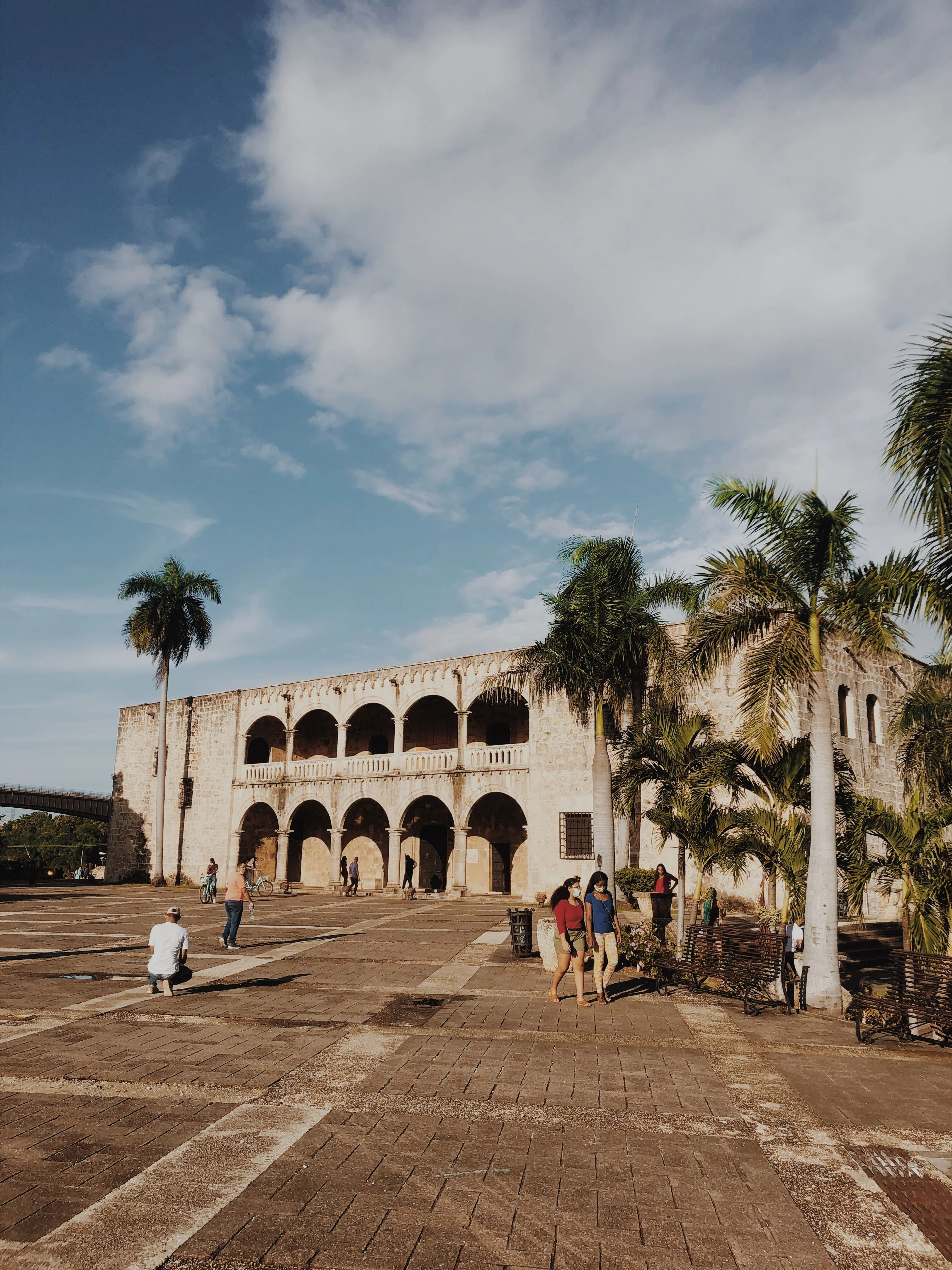
Daily Life, Shopping, and Getting Around
The logistics of daily life in Santo Domingo are more manageable than the city's reputation suggests — once you stop trying to do everything by car and accept that a few neighbourhoods genuinely do work on foot.
Supermarkets, Markets, and Where Expats Actually Shop
The shopping options in Santo Domingo have expanded significantly in the past five years — you are no longer limited to the big chains or the colmado on the corner, though both still have their place.
Mercado Modelo near the Colonial Zone — fruit, vegetables, and local products at a fraction of supermarket prices; go before 10am, bring cash, expect noise
Plaza Central on Winston Churchill — shopping mall with standard international brands, useful for home goods and electronics when you're first setting up
The colmado system is genuinely useful for daily basics — most Piantini and Naco streets have one within a three-minute walk, open until midnight, no car required
The honest version of shopping in Santo Domingo is that you will split your spend across three different types of store — and once that rhythm is established, it stops feeling complicated and starts feeling efficient.
The major supermarket chains — La Sirena, Nacional, and Jumbo — all have branches in or near the main expat zones, and a full weekly shop for two people typically runs between $80 and $130 depending on how many imported items you buy.
Getting Around Without Losing Your Mind
Santo Domingo's traffic is not a problem you solve — it's a variable you manage, and the expats who manage it best are the ones who restructure their day around it rather than fighting it.
The Santo Domingo Metro Línea 1 runs north–south through the city and is genuinely fast, clean, and cheap at around $0.50 per ride — underused by expats who default to cars
Indriver and Uber both operate here; Indriver is cheaper by 20–30% and more widely used by locals
Rush hour runs 7:30–9:30am and 5–8pm — scheduling anything requiring a car during those windows adds 45 minutes minimum to any journey across Piantini or Naco
A motorcycle taxi (motoconcho) is faster than any car in traffic and costs under $2 for most short trips — acceptable risk calculation for some expats, not for others
The expats who are happiest here long-term tend to live in one of the walkable zones and use the Metro for longer crossings — the ones who are least happy are the ones who bought a car in month one and now spend two hours a day in it.
The lifestyle trade-off is real — you get warm weather, low costs, and a vibrant social scene, but you also get unpredictable traffic, occasional water outages, and bureaucracy that runs on Dominican time rather than yours.
Restaurants and the Food Reality
Santo Domingo's restaurants range from $3 lunch plates at a comedor to $40 tasting menus in Piantini — the gap between them is larger than in most Latin American capitals, and both ends are genuinely good.
Jalao in the Colonial Zone — upscale Dominican cuisine, $20–$35 per person, one of the few restaurants in the city that takes local ingredients as seriously as technique
La Locanda in Piantini — Italian, reliable, expat crowd, mains $12–$22; useful as a home base restaurant when you need a break from decision fatigue
Street-level comedores in Naco and Serralles — lunch under $4, no menu, whatever is cooking; best between noon and 1:30pm before the rice runs out
Sunday brunch culture in Piantini runs until 3pm — Villar Hermanos on Gustavo Mejía Ricart fills up by 11am; go earlier or accept a wait
Eating well in Santo Domingo is not an effort — it's actually one of the easier parts of daily life here, which matters more than it sounds when everything else involves more friction than you expected.
The Zona Colonial is where Santo Domingo's street-level culture hits hardest — merengue spills out of bars on Calle El Conde on weekend evenings, and the fruit vendors on Parque Independencia are open by 7am, long before any supermarket.
Is Santo Domingo the Right Move for You?
Who Thrives Here (and Who Doesn't)
Santo Domingo rewards a particular kind of expat — one who treats early friction as a feature, not a flaw.
Remote workers with flexible schedules adapt fastest, because the city's traffic and bureaucratic rhythms punish rigid timetables
Families who choose their neighbourhood based on school location first — before anything else — are consistently the ones who stay longest
Professionals tied to fixed office hours face a steeper adjustment, especially in the first few months before they learn the city's pressure points
Anyone expecting ease from week one will struggle; anyone expecting depth and affordability in exchange for patience will find both
The difference between people who leave inside a year and people who stay for a decade usually comes down to preparation, not budget.
What Santo Domingo Actually Offers
If you can tolerate the initial friction, the cost-to-quality ratio here is genuinely hard to match anywhere else in the Caribbean.
Genuine cultural depth — this is a real, functioning capital city, not a resort town wearing one as a costume
Strong air connectivity to the rest of North America and the Caribbean, making it a practical long-term base rather than an isolating one
Affordability that holds up across housing, food, and daily life — not just on the surface figures that look good in comparison articles
A city that rewards people who arrive with a plan, rather than those who figure it out on arrival
If you need a quiet pace, the neighborhoods along the Malecón corridor are not for you — traffic noise runs until midnight and street-level activity starts again by 6am.
The Dominican Republic is not a starter destination for expat life, but for those who do the work beforehand, it consistently overdelivers.
How to Start on the Right Foot
The single biggest mistake newcomers make is choosing a neighbourhood based on what looks good in a comparison list rather than what fits their actual daily life.
Identify your non-negotiables — school location, commute tolerance, noise threshold — before you shortlist a single apartment
Research the school system before you arrive, not after; the right neighbourhood often follows from the right school, not the other way around
Use your flexibility early: visit neighbourhoods at rush hour, not just on a quiet Sunday morning walkthrough
Explore fully furnished apartments in the Dominican Republic and filter by the neighbourhood that matches your real routine, not your aspirational one
Arriving with a specific plan — even an imperfect one — puts you years ahead of the expats who landed on instinct and spent their first six months correcting it.