
Daniel
Productivity & Remote Living Analyst ·
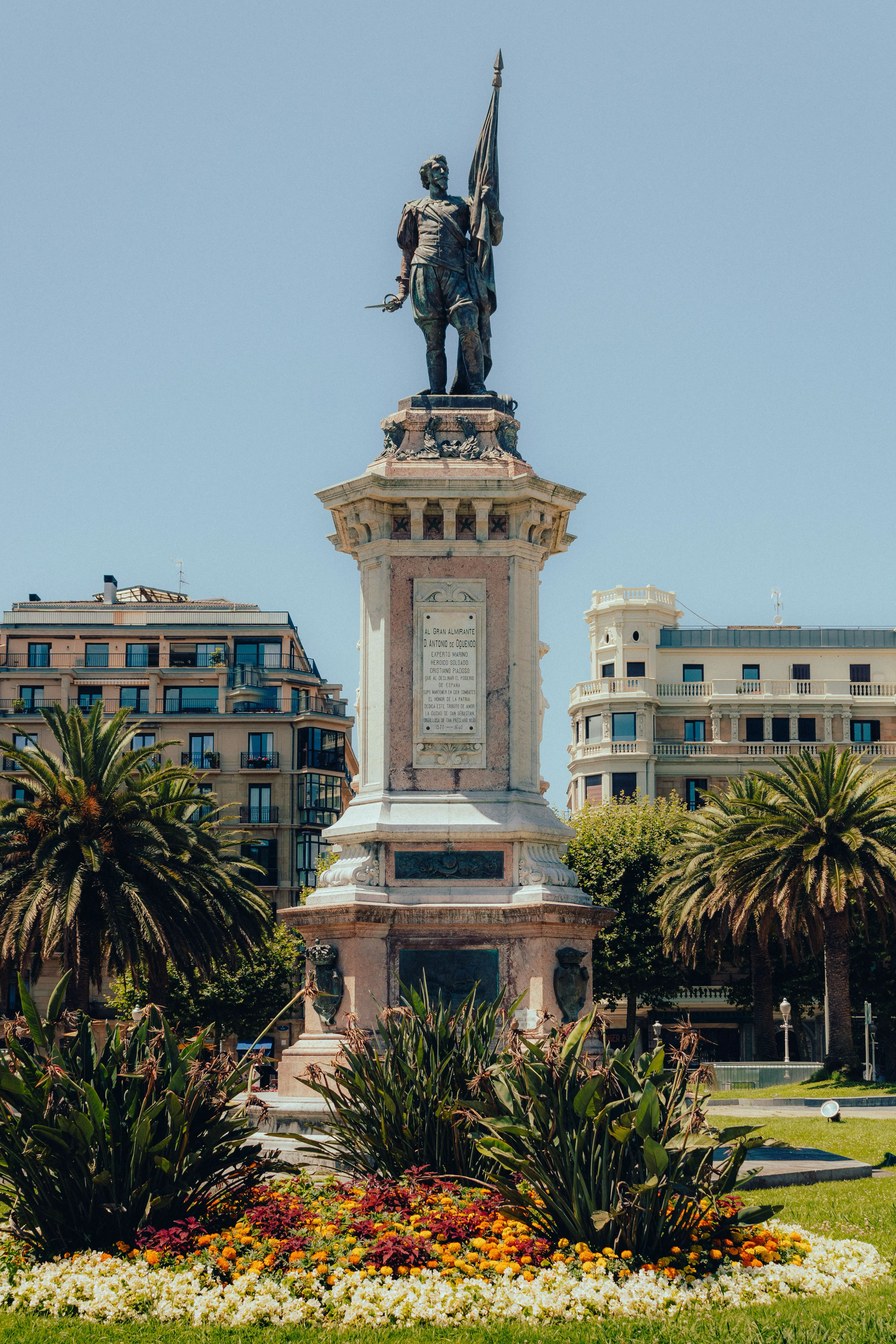
Centro San Sebastián is not a neighbourhood that requires much convincing. La Concha Bay sits at its edge, the pintxo bars run three-deep on a Tuesday night, and the architecture along the Urumea River looks like someone exported a Parisian boulevard to the Basque coast. The trade-off is price: this is the most expensive part of an already expensive city, and the lively atmosphere that makes it magnetic on a Friday evening does not disappear on a Sunday morning when you need to work. Know that going in, and it works. Expect quiet corners for cheap, and you will spend your first week recalibrating.
This guide covers:
What the different zones within Centro San Sebastián actually feel like to live in
Where to eat pintxos without overpaying for the tourist premium
How rent, food, transport, and coworking stack up month to month
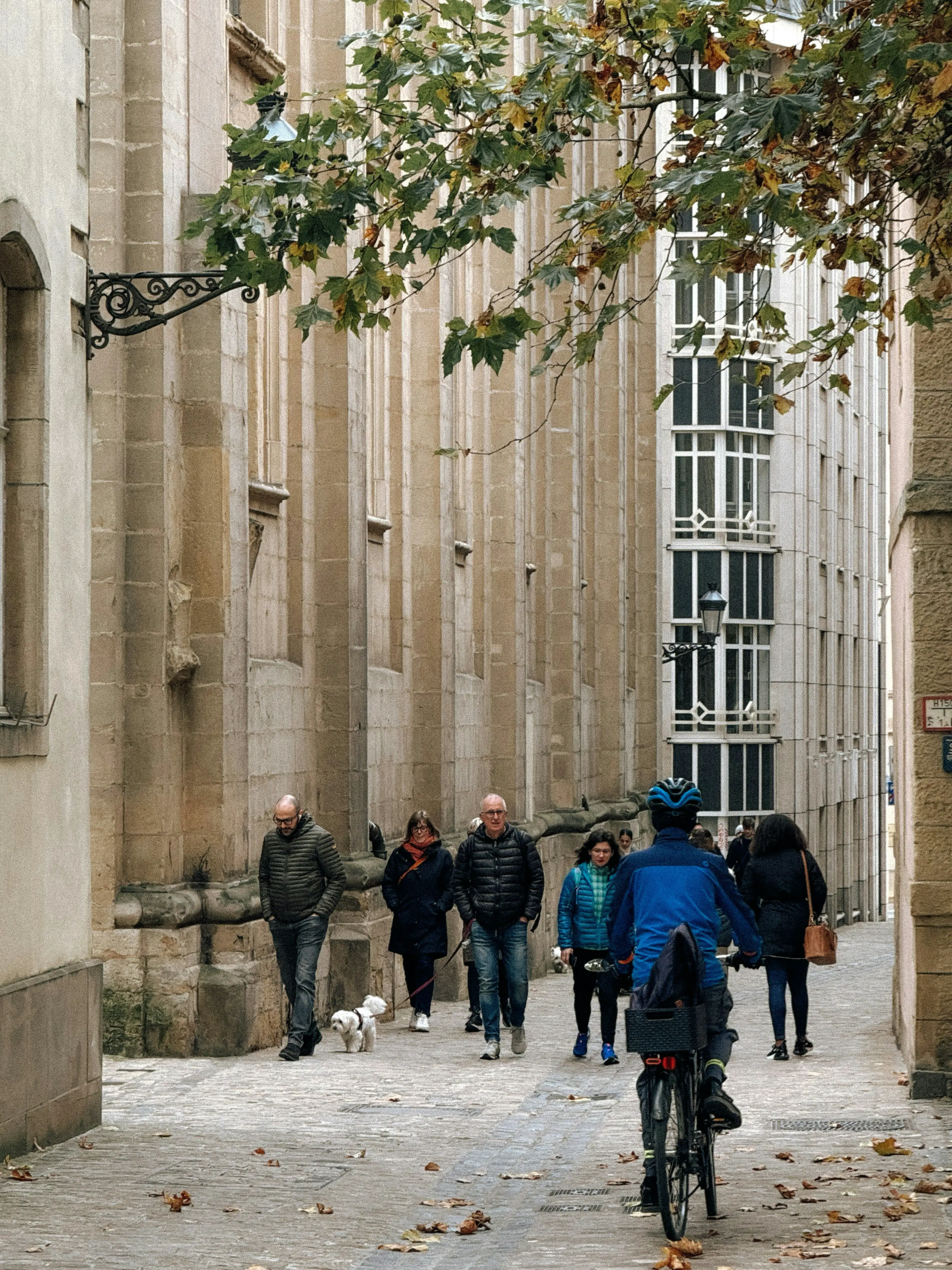
Which streets and buildings anchor the neighbourhood and why they matter
What to check out if you arrive in festival season
How to check in to the right apartment for your working rhythm
What San Sebastian City Centre Actually Looks Like on the Ground
Most people arrive expecting a beach town and find something closer to a compact European city that happens to have a world-class bay attached to it. The san sebastian city centre divides into three readable zones: Parte Vieja to the north, the Romantic Area in the middle, and the commercial grid around the Boulevard running south. Each one has a distinct personality, and getting them confused is the fastest way to book the wrong apartment.
The Oldest Buildings and the Old Town Core
The oldest buildings in San Sebastián are clustered in Parte Vieja, the old quarter that was surrounded by city walls until 1863 — and the street grid makes for the perfect place for a stroll.
Basilica of Santa María del Coro — Baroque facade, free entry, open mornings; the square in front fills with locals before noon
Iglesia de San Vicente — the oldest church in the city, Gothic structure from the 16th century, quieter than Santa María and worth ten minutes inside
Plaza de la Constitución — the heart of old quarter life, former bullring turned public square; numbered balconies still visible, pintxo bars on every side
Pasealeku berria balcón — what survived the 1813 fire and subsequent demolition; worth walking the perimeter once to understand the scale of what the old town used to be
The density here is real: you can walk every street in Parte Vieja in under 40 minutes, which is either appealing or claustrophobic depending on your working style.
The Romantic Area and Belle Époque Grid
South of Parte Vieja, the Romantic Area is where the city's 19th-century ambition shows — wide avenues, ornate facades, and a pace that drops noticeably the moment you cross the Boulevard.
Buen Pastor Cathedral — Neo-Gothic landmark completed in 1897, surrounded by a small plaza that is genuinely calm most mornings
Teatro Victoria Eugenia — the victoria eugenia theatre dates to 1912, hosts the International Film Festival in September; one of the few belle époque interiors in the city you can actually enter
Alderdi Eder Gardens — the green space between City Hall and La Concha; not large, but reliably calm outside of summer weekends
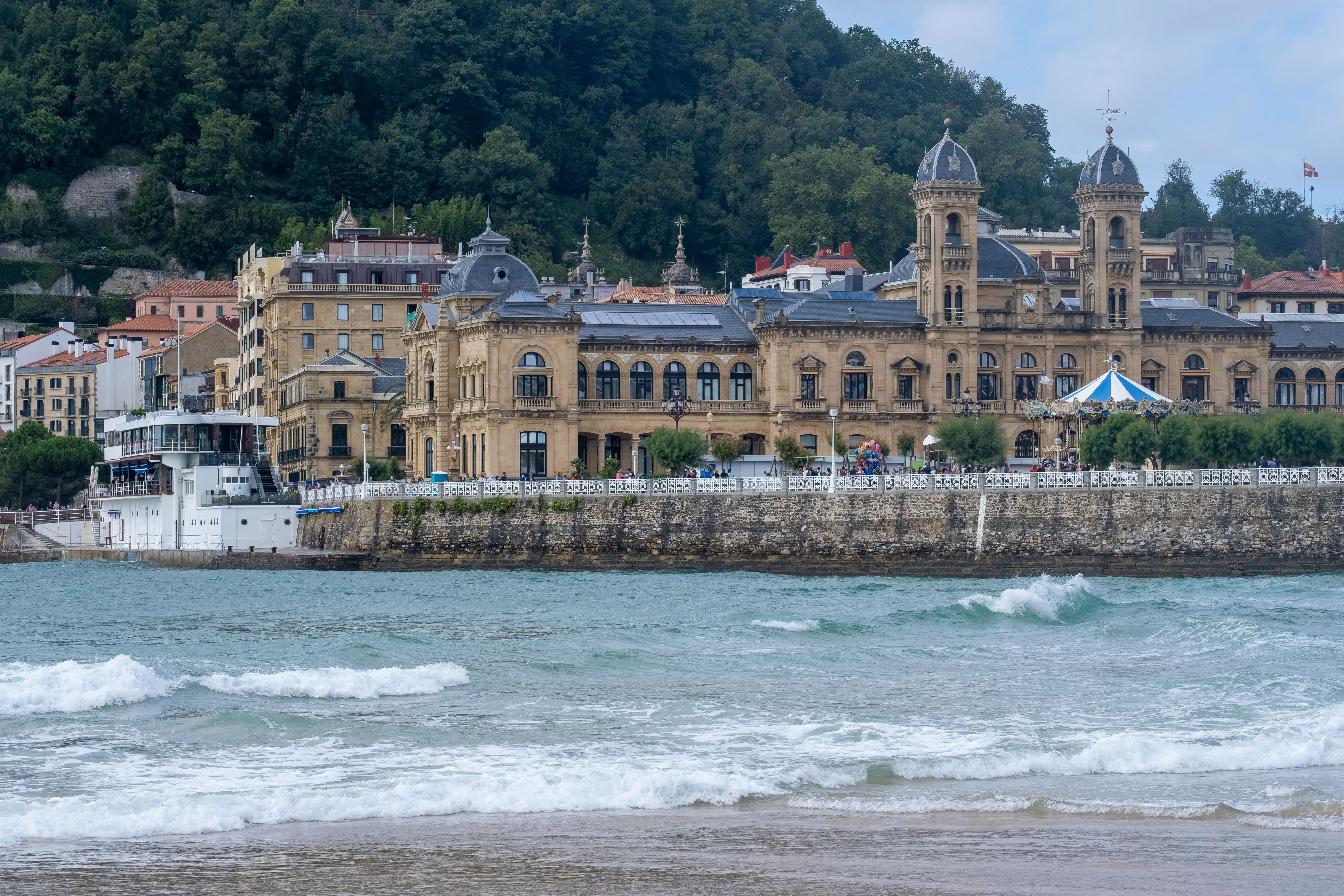
City Hall — the elegant building from 1887 that once served as a casino; the town hall faces the bay and is the clearest example of what the Romantic Area was built to project
If you are doing a longer stay and need to separate your work hours from your walking hours, the Romantic Area gives you that structure more reliably than Parte Vieja does.
The nickname La Bella Easo — Beautiful Easo, the Roman name for the city — still appears on shopfronts and menus across Centro, and it is not ironic: the grid streets genuinely look as good as anywhere in northern Spain.
San Sebastián Centro: Neighbourhoods, Rent, and What Each Zone Costs You
San Sebastián is small enough that neighbourhood differences are measured in minutes, not kilometres. But those minutes matter when you are deciding whether you want the pintxo bars one floor below your apartment or a ten-minute walk away. The centro san sebastian rental market runs tight year-round and peaks hard from June through September — if you are planning a summer stay, book twelve weeks out or accept whatever is left.
Neighbourhood | Monthly Rent (1-bed) | Vibe | Best For | Key Advantage |
|---|---|---|---|---|
Parte Vieja | €1,400–€1,900 | Dense, loud evenings, historic | Short stays, social workers | Everything walkable; pintxo bars at the door |
Romantic Area | €1,300–€1,700 | Quieter, architectural, residential | Month-plus stays, focused workers | Bay views possible; calmer after 9pm |
Boulevard / Centro Grid | €1,100–€1,500 | Commercial, accessible, neutral | First-time visitors to the city | Best transport connections; underground car park access |
Concha Beachfront | €1,800–€2,800 | Premium, tourist-heavy in summer | Splurge months, couples | La Concha Bay on your doorstep |
Urumea Riverside | €1,000–€1,400 | Quieter, slightly removed | Value seekers, longer stays | Early 20th-century architecture; Zurriola Bridge walking distance |
Where to Check In for a Working Month in San Sebastian Centro
The decision of where to check in comes down to one honest question: can you work with noise below you, or can you not?
Parte Vieja apartments: expect street noise until midnight Thursday through Sunday — not manageable with thin walls and a 9am call schedule
Romantic Area side streets (Calle San Martín, Calle Legazpi): quieter after 10pm, still a stone's throw from everything; the sweet spot for most one-month stays
Boulevard-adjacent buildings: underground car park access matters more than it sounds if you are renting a car for Basque Country day trips
Urumea riverside: genuinely calmer, early 20th-century buildings with thicker walls; the trade-off is a ten-minute walk to the best pintxo bars
Browse fully furnished apartments in San Sebastián and filter by zone before you filter by price — the zone decision matters more at this price point.
What to Check Out Before You Sign a Lease
San Sebastián furnished rentals vary more than the photos suggest, and a few specific things separate a workable apartment from a frustrating one.
WiFi speeds: festival season (August Semana Grande, September Film Festival) spikes demand — confirm upload speeds, not just download
Fitness center access: very few buildings in centro san sebastian have in-building gyms; Fitness Park Donostia (€45/month, day pass €8) is the most central option
Washing machine in-unit: this is non-negotiable for stays over two weeks — laundromats are sparse in the old town
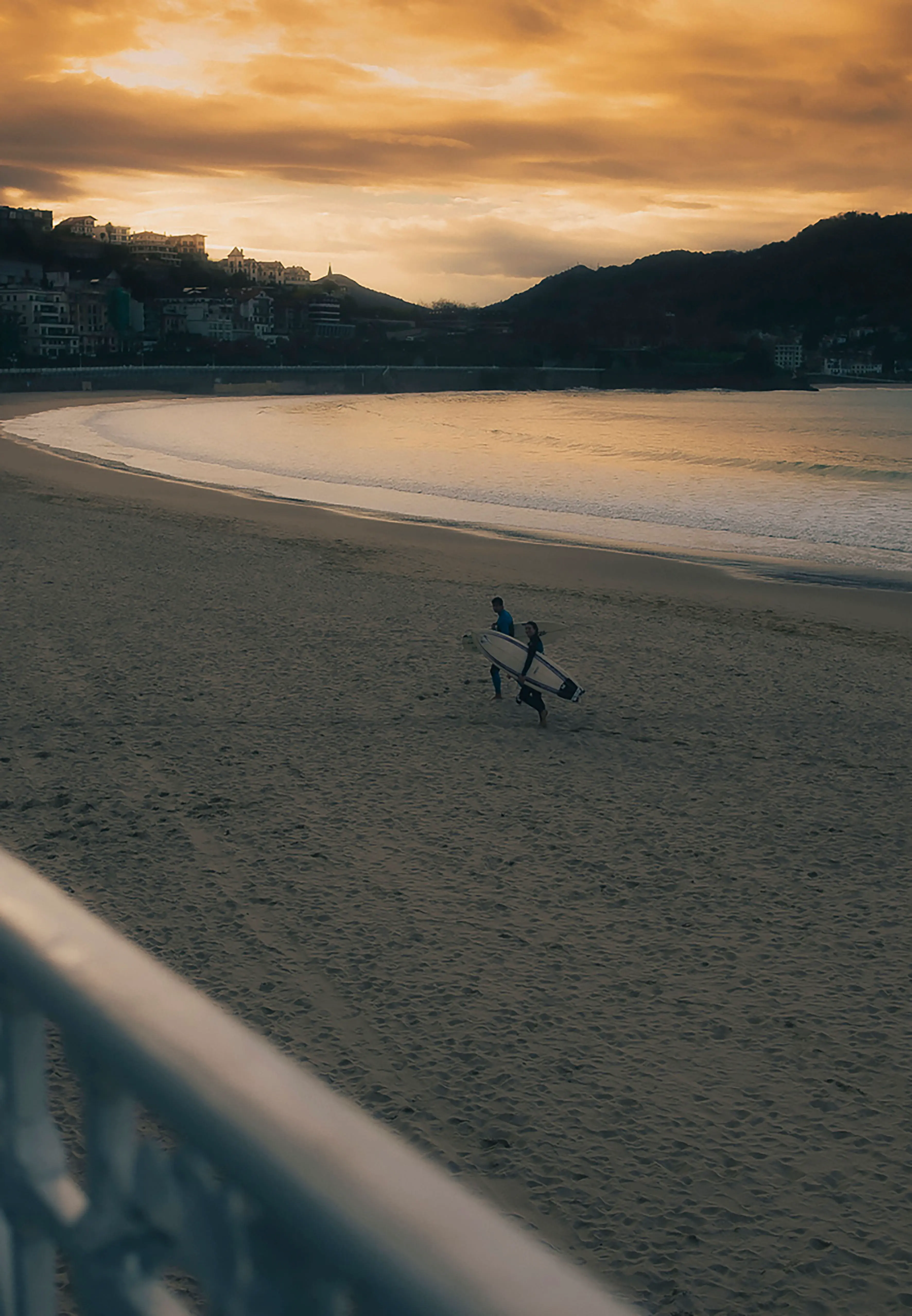
Blackout blinds: La Concha Bay faces west; summer evenings stay light until 10:30pm, and it comes straight through west-facing windows
The apartments that work for remote workers in this city are the ones where the landlord has thought about working hours — ask directly whether previous tenants stayed for work or for holidays.
The Parte Vieja's oldest church, Iglesia de San Vicente, sits just two minutes on foot from the pintxo bars on Calle Fermín Calbetón — so you pass it every morning whether you plan to or not.
Pintxo Bars, Traditional Basque Cuisine, and Where to Actually Eat
San Sebastián has more Michelin stars per square kilometre than almost anywhere in Europe, but that is not where you will spend most of your food budget. The real culinary infrastructure is in the pintxo bars — small snacks served on bar counters, priced between €1.50 and €3.50 each, and consumed standing up with a glass of txakoli. The greatest concentration of pintxo bars is in Parte Vieja, which means you are never more than two minutes from a good one. The tourist premium is real but navigable if you know which streets to avoid.
The Best Pintxos in Parte Vieja: What to Order and Where
Parte Vieja's pintxo bars are the reason people plan entire trips around a long weekend in this city — the delicious pintxos here are not tourist theatre, they are how locals eat on a weekday evening.
Bar Néstor — anchors Calle Pescadería; the tortilla (€3.50/slice) comes out at 1pm and 8pm only, and both sell out; arrive five minutes early or it is gone
La Viña — Calle 31 de Agosto; traditional pintxos from €2, the cheesecake (€4.50) is the most-ordered dessert in the old quarter and it earns that reputation
Gandarias — corner of Calle 31 de Agosto and Calle Sarriegi; slightly more upmarket, best for a sit-down lunch when you need a break from counter eating; menú del día €16
Bar Txepetxa — anchovy specialists on Calle Pescadería; traditional basque cuisine in its purest form, €2.50 per pintxo, no variations needed
Bar hopping for traditional pintxos works best if you move every two bars and order two pintxos per stop — that is how locals do it, and it keeps the bill under €20 for a full evening.
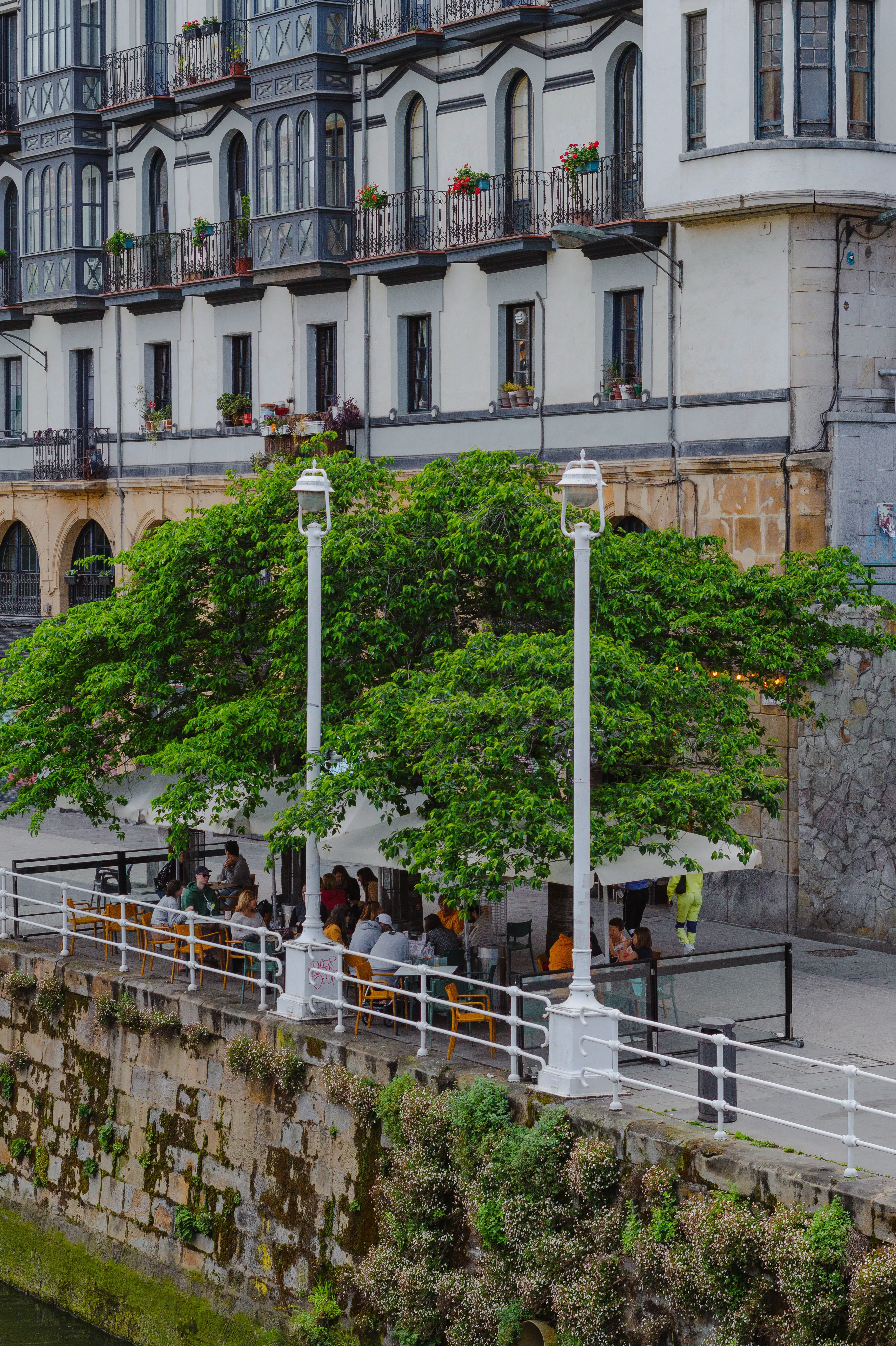
Beyond the Old Quarter: Eating in San Sebastian Centro Without the Markup
The pintxo bars immediately around Plaza de la Constitución charge a visible tourist premium — walk one block in any direction and the prices drop by 30%.
San Martin Merkatua — the central market on Calle San Martín; fresh produce from Basque Country farms, open weekday mornings, self-catering here cuts your food budget meaningfully
La Bella Easo — a neighbourhood café on Calle Easo; breakfast for €4.50, reliable WiFi, quieter than anything in Parte Vieja and ten minutes' walking distance from the old town core
Bars around Plaza Gipuzkoa — the square itself is calm, the surrounding cafés are priced for the local lunch crowd; €10–13 for a full menú del día
Bar Bergara — technically just outside centro, but Calle General Artetxe is worth the extra five minutes; some of the best pintxos in the city without the Parte Vieja queue
Self-catering from Mercado San Martín three days a week and eating pintxos the other four keeps a realistic monthly food budget around €400–€500, which is about as well as you can manage in this city.
San Sebastián's Charming Streets, Cultural Landmarks, and the Parte Vieja Architecture
The charming streets of San Sebastián's centro are genuinely charming, which sounds obvious until you realise how much of it is functional rather than decorative. The basque culture here is not performed for visitors — the basque language (Euskara) appears on street signs before Spanish does, the gastronomic societies (txokos) are members-only and genuinely local, and the festivals are designed around what the city wants to celebrate, not what looks good on a travel itinerary.
Landmarks Worth More Than a Photograph
Most of the landmarks in centro san sebastian are worth spending actual time in, not just walking past.
Kursaal Congress Centre — the glass cube at the mouth of the Urumea River; hosts the International Film Festival in September and international music events year-round; architecture by Rafael Moneo, worth seeing from the Zurriola bridge at dusk
Boulevard Street — the pedestrian axis that splits Parte Vieja from the Romantic Area; not a landmark in the traditional sense but the place where the city's daily rhythm is most visible
Plaza Gipuzkoa — the garden square near the town hall; locals eat lunch here when the weather holds, and it is the calmest green space in walking distance of the old quarter
San Telmo Museum — Basque history and contemporary art in a former convent on the edge of Parte Vieja; free on Tuesdays, €6 otherwise; the permanent collection takes two hours and is genuinely worth them
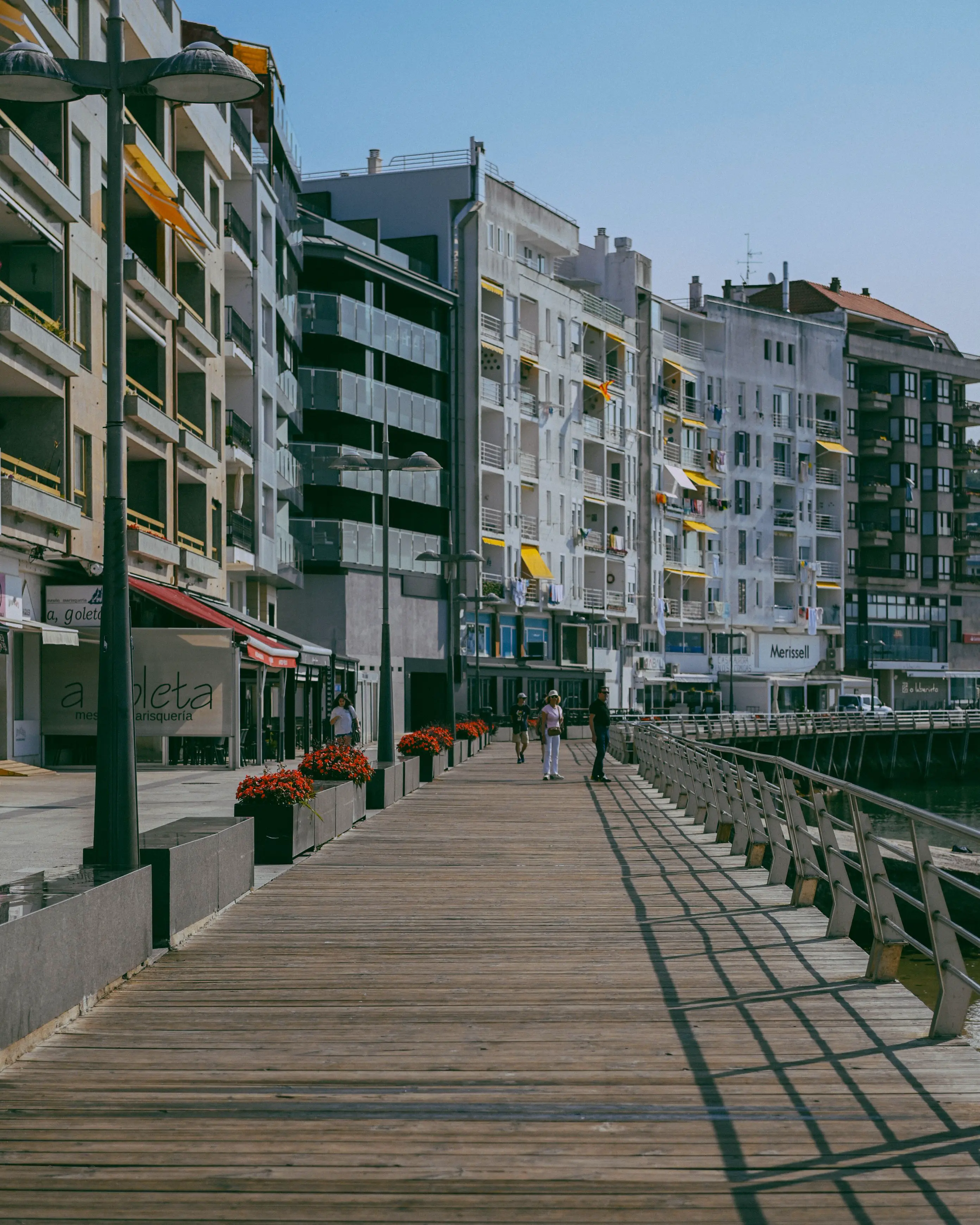
The Kursaal and the city hall are on opposite sides of centro san sebastian, and walking between them along the bay gives you the full shape of the city in about 25 minutes.
San Sebastián Centro's Festival Calendar: What It Means for Your Stay
Semana Grande (the last week of August) and the September Film Festival are the two events that reorganise life in this city — if you are here for either, plan around them rather than assuming you can ignore them.
Semana Grande: International Fireworks Competition every night at 10:30pm from La Concha Bay; outdoor concerts across centro; the lively atmosphere is unlike any other week of the year — extraordinary if you are there for it, difficult if you need to sleep before midnight
San Sebastián Gastronomika: October food festival at the Kursaal Congress Centre; chefs from across Spain and the Basque Country; pintxo bar menus get more ambitious and slightly more expensive during the week
San Sebastián International Film Festival: September, ten days; Victoria Eugenia Theatre and Kursaal are main venues; the city fills, rents spike on short-notice bookings, and the cultural energy is worth being present for at least the first half
Summer festivities 2026: the centro is already confirmed as the hub for the city's summer event programming — check specific dates before booking July or August
Teatro Victoria Eugenia, located on the edge of the Zurriola riverbank, stages opera and classical performances most weekends, with tickets starting around €15 for standing sections.
Explore Parte Vieja in our neighbourhood guide for a more detailed breakdown of how the festival calendar affects short-term rental availability and pricing by week.
Getting Around Centro San Sebastián on Foot and Beyond
Centro San Sebastián is compact enough that you will rarely need anything other than your own two feet — but the city's transport options matter more than they appear, especially once you start making day trips or need to get somewhere dry in January.
Walking the Centro: What the Distances Actually Mean
The walk from Parte Vieja to the south end of the Romantic Area takes about 18 minutes at a normal pace — which means the entire centro is genuinely walkable, not just technically walkable.
Paseo de la Concha — the promenade between La Concha Beach and the hillside; 1.5km one way; the most-walked stretch of pavement in the city, and worth it every single morning
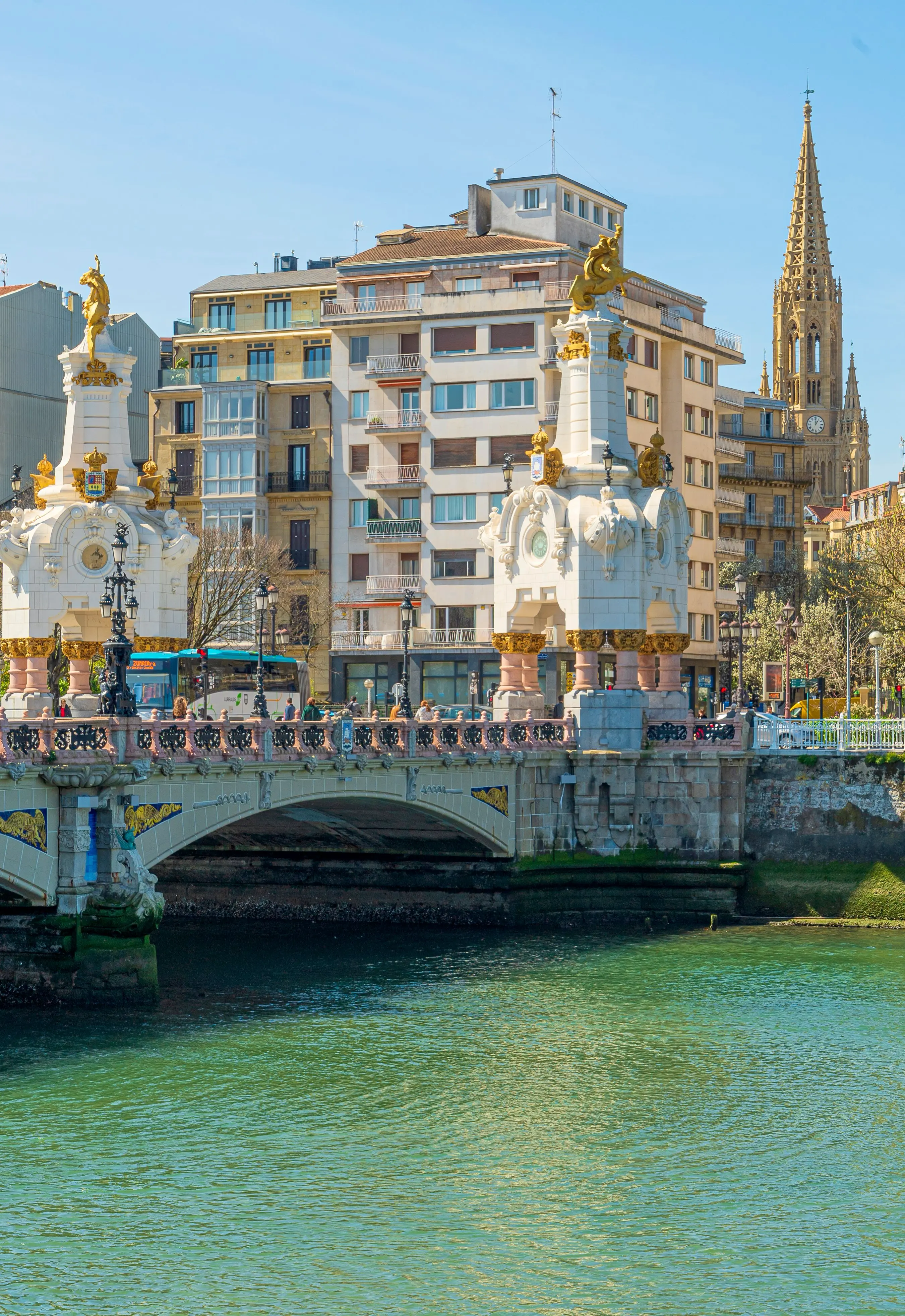
Maria Kristina Zubia — the bridge over the Urumea River connecting Parte Vieja to the Gros neighbourhood; a 7-minute walk east from the centro grid; useful for reaching Zurriola Beach without backtracking through the old quarter
Street-level navigation is straightforward — the centro grid south of the Boulevard runs on a logical north–south axis, and you will stop needing the map by day three
Rain is a real factor from October to April; the covered arcades along the Boulevard are not a design flourish — they exist because locals understood what the weather would require
Parking in the centro is expensive and mostly unnecessary — if you are arriving by car, drop your bags and return the vehicle to one of the peripheral lots on the south side of the city rather than burning money on a central garage.
The Renfe train station is located a ten-minute walk from the Buen Pastor Cathedral, which means you can reach Bilbao in under an hour without touching a car or a bus.
Day Trips from the Centro: How Far the Location Gets You
San Sebastián's location on the Basque coast puts a surprising amount of Spanish and French territory within reach of a single day trip, and this is part of what makes the centro a genuinely useful base rather than just an aesthetic one.
Hendaye (France) — 45 minutes by Topo train from Amara station, €4 each way; Basque French coast, different rhythm, worth the trip for a change of register
Getaria — 30 minutes by bus from Av. de Sancho el Sabio; small fishing village, birthplace of Juan Sebastián Elcano; lunch there and back by late afternoon is the right format
Bilbao — 1 hour 10 minutes by bus from the Estación de Autobuses; €7–€9 each way; a full day at the Guggenheim and back by night is realistic without rushing
The Topo train to the Basque interior runs on a schedule that works for adults who want to leave before 9am and return before dinner — check timetables in advance, not on the morning
Most visitors discover the day trip radius on their second or third visit — if this is your first time, build at least two day trips into the week rather than assuming the centro alone will fill every hour.
Where to Eat and Drink Beyond the Pintxo Circuit
The pintxo bars in Parte Vieja are the right place to start, but if you stay longer than four days, you will want to discover what locals actually eat when they are not eating for the occasion — and that means stepping off the well-worn bar crawl route.
Lunch and the Menú del Día: Where the Value Actually Sits
The menú del día at a centro restaurant is €14–€18 for three courses with wine, and it is where you will eat best for the least money — but the quality gap between a tourist-facing menu and a local-facing one is wider here than in most Spanish cities.
Restaurante Kaskazuri — Calle Urbieta, south of the Boulevard; menú del día €15, fish-forward, no tourist pricing; busy by 1:30pm so arrive earlier or later
Bideluze — Calle San Martín; Basque home cooking, three courses €14, always a fish option and a meat option, cash preferred; the kind of room that does not bother with décor because the food has always been enough
Avoid the restaurants immediately adjacent to La Concha Beach for weekday lunch — the prices account for the sea view, not the food
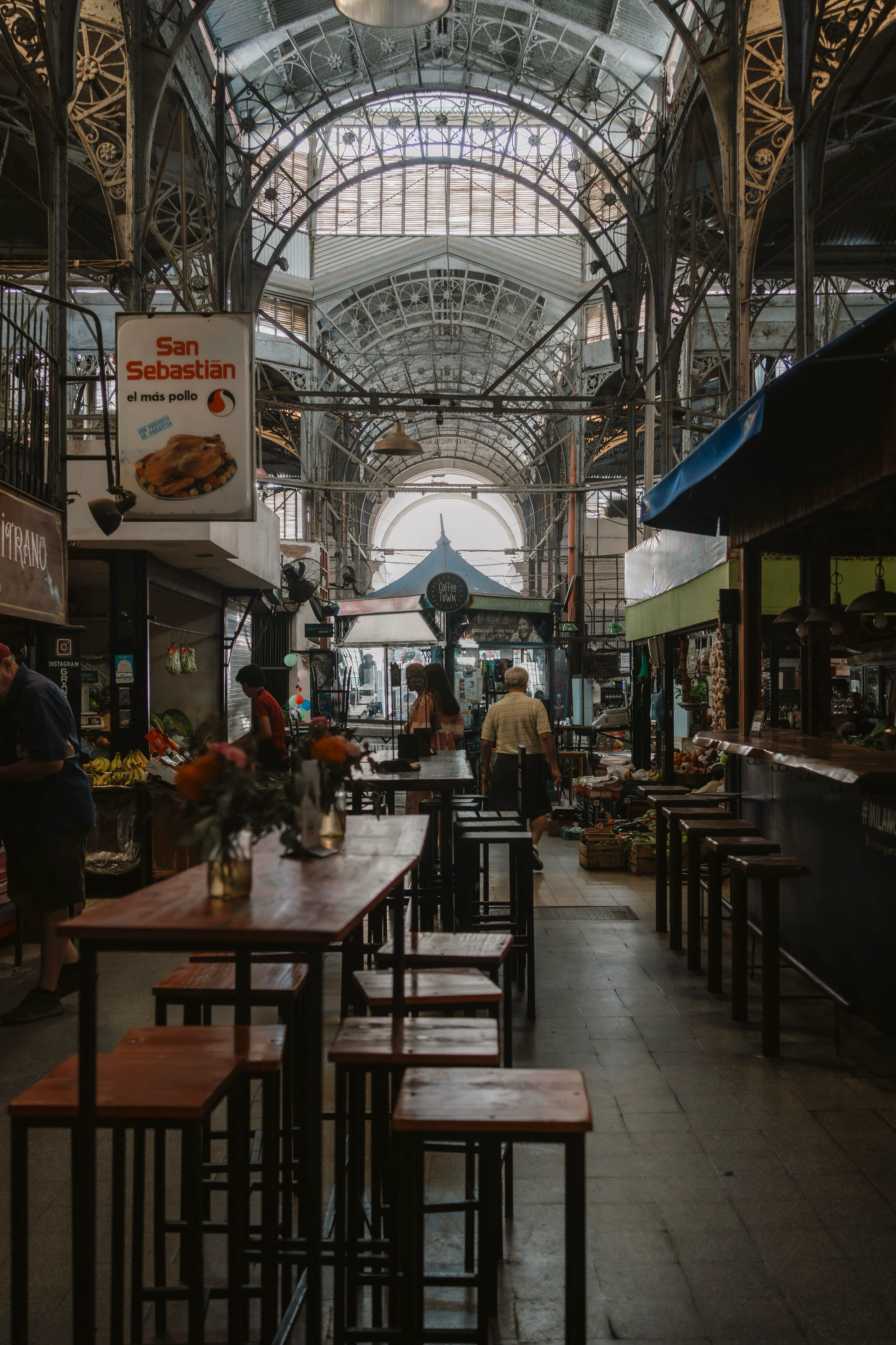
Mercado de la Bretxa — Parte Vieja; the ground-floor food market is where locals search for the morning's fish and vegetables; the pintxo bars upstairs are for guests, the stalls below are for cooking
The menú del día is the clearest signal of where a restaurant's real loyalty sits — if they do not offer one on weekdays, they are not cooking for the neighbourhood.
Evening Drinks Away from the Crowd: Where Locals Actually Go
After 9pm in Parte Vieja, the street between Plaza de la Constitución and Calle 31 de Agosto is shoulder-to-shoulder — which is exactly why the bars one block west or south of the main circuit are where you should be heading.
Bar Martínez — Calle 31 de Agosto; one of the oldest pintxo bars in the city, less photographed than its neighbours, the anchovy pintxos are the reason to visit; go before 8pm or after 10pm
Bodega Donostiarra — Calle Peña y Goñi, Romantic Area; txakoli by the glass, no frills, the kind of corner bar where people stay for two drinks and somehow stay for five
La Farándula microteatro taberna — creative pintxos with theatre, €3–€4 each; worth a visit once for the spectacle, but it is not the nightly destination that the simpler bars become
Night life in the centro does not quiet down until 2am on weekends — if you need rest before midnight, this is not the right neighbourhood and no amount of earplugs will fully fix it
The best nights in San Sebastián tend to happen without a plan — you follow a local recommendation one street over and end up somewhere that has no reviews and no reason to need them.
Practical Realities: Renting and Staying in Centro San Sebastián
Renting a property in centro San Sebastián involves navigating one of the tightest long-stay markets in northern Spain — the numbers are real, the lead times are real, and the trade-offs are worth knowing before you search.
What Your Budget Actually Gets You Here
Prices in the centro do not negotiate much, and the inventory that looks affordable in a quick search often turns out to be a studio on a Parte Vieja bar street — which is a very specific kind of apartment to accept consciously and a terrible one to discover by accident.
Studios in the centro grid south of the Boulevard: €900–€1,100/month; quieter street locations push toward the top of that range because landlords know the difference between a north-facing room on a bar street and a south-facing one on a residential block
One-bedroom apartments with sea views in the Romantic Area: €1,700–€2,200/month; the view accounts for roughly €300–€400 of that figure — decide whether you are paying for the view or just accepting it
Parking, when included in a property, adds €100–€150/month to effective rent; worth it only if you actually need a car based here, which most remote workers do not
Fully furnished apartments in San Sebastián listed on RentRemote are already filtered for remote-work suitability — fiber internet, a real desk, and a kitchen that functions for more than toast
Account for utility costs separately — electricity in the Basque Country is not cheap, and a ground-floor apartment that needs heating from October to April will add €80–€120 to your monthly outgoings without much warning.
A hotel room in Centro San Sebastián runs €150–€250 per night in July, which makes a furnished apartment rental — averaging €90–€120 per night for a one-bedroom — the more sensible choice if you are staying longer than four days.
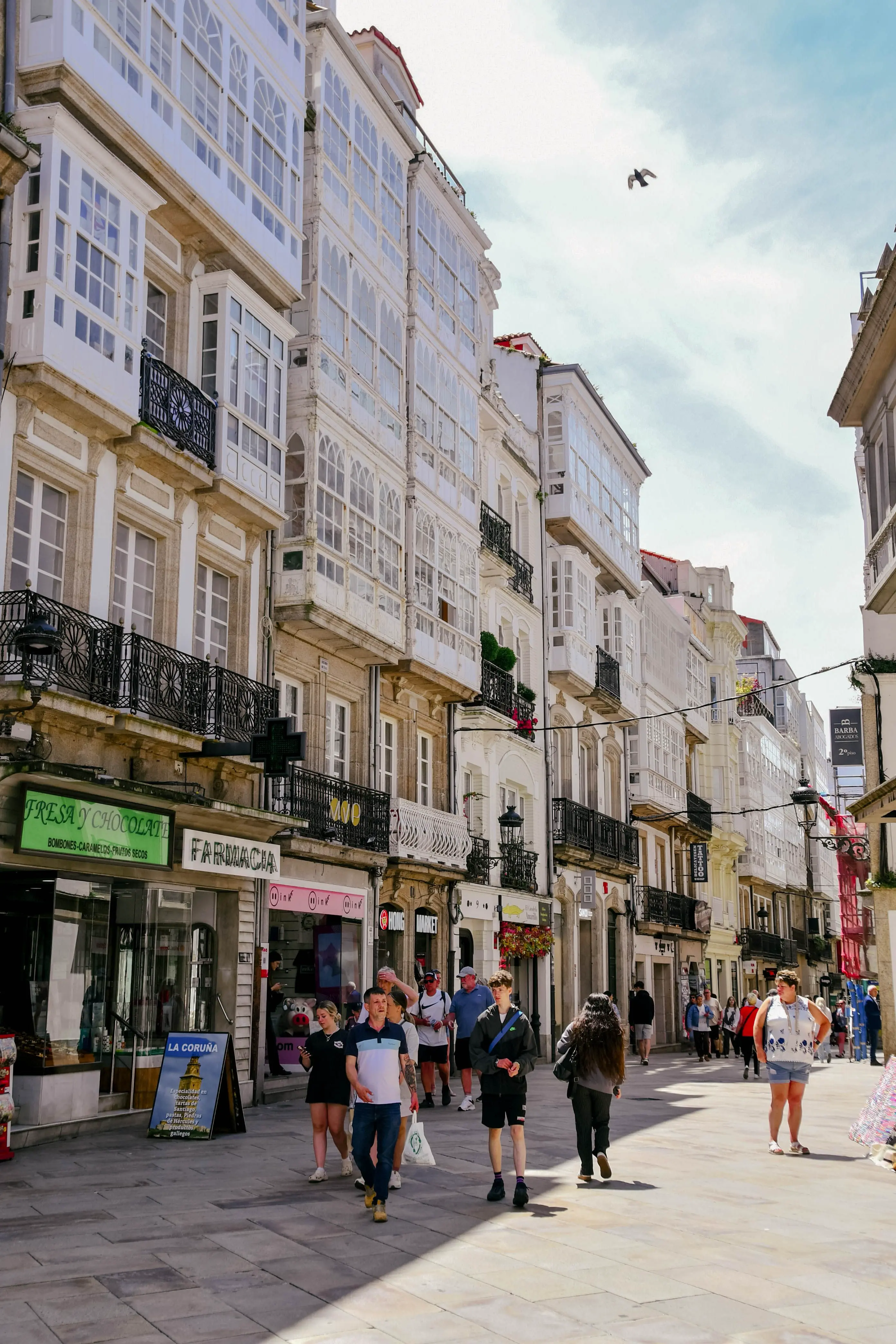
The Neighbourhood Realities That Renters Often Miss
The centro looks different from inside an apartment than it does from a café table, and a few practical details tend to come as a surprise to first-time renters in this specific location.
Rubbish collection in Parte Vieja happens at night — typically between 11pm and 1am — and the vehicles are not quiet; this is a fixed feature of the neighborhood, not something management can resolve
Ground-floor and first-floor apartments on the main walk routes lose natural light to awnings and passing foot traffic; a third-floor apartment on the same street feels like a different property entirely
Calle San Martín — the main commercial street running south through the centro grid — is the practical spine of daily life for renters; pharmacy, supermarket, and the bus stop for the airport service are all on or directly adjacent to it
Plaza de Guipúzcoa — the formal garden plaza in the centro grid — is quieter on weekday mornings than any other public space in the centre; if you need to think without noise, this is the nearest outdoor option that actually delivers it
The renters who are happiest in the centro are the ones who visited first, chose their specific street deliberately, and accepted the noise as part of the price — not the ones who searched on price alone and hoped for the best.
Is Centro San Sebastián the Right Base for You?
What Centro San Sebastián Actually Delivers
The centro earns its reputation through density — every walk surfaces something worth stopping for, and that is not a marketing line.
Pintxos bars on Calle 31 de Agosto and Calle Fermín Calbetón are as good as anyone says, without needing to chase a list
La Concha beach is ten minutes from almost any apartment in the centre on foot
Cultural institutions, markets, and the old town are layered into the same walkable grid
A two-week or month-long stay built around a project absorbs the ambient noise without much effort
The city takes food, sea, and culture seriously in equal measure, and that combination is genuinely rare.
Who Should Look Elsewhere
The centro is not the right base for everyone, and being honest about that saves a bad month.
Street noise runs past midnight on weekends — light sleepers will struggle without serious window insulation
Apartment costs in the centre are the highest in the city by a meaningful margin
The neighbourhood does not slow down after 10pm, which matters if focused evening work is non-negotiable
Neighbourhoods to the east and south of the centre offer lower costs and quieter streets without sacrificing the city
For longer stays where output and budget discipline matter more than postcode, the surrounding neighbourhoods deserve serious consideration before you commit.
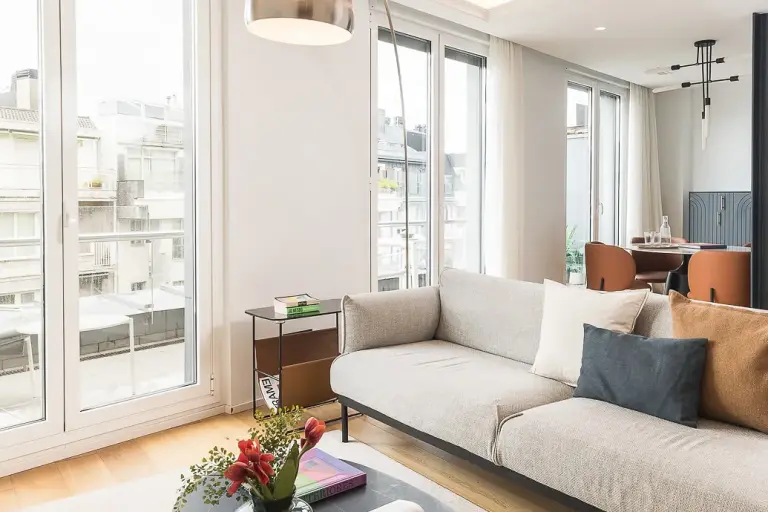
How to Approach the Apartment Search If You Do Stay Centre
If the centro suits you, the search is worth doing properly — the specific street and building matter as much as the neighbourhood.
Book ahead: short-supply inventory in the centre moves fast, especially for stays longer than two weeks
Filter by street or sub-area — one block can separate a quiet courtyard-facing flat from a bar-facing one
Remote-work features vary sharply between listings; filter for them explicitly rather than assuming
Fully furnished apartments in Spain on RentRemote are filterable by neighbourhood, minimum stay, and remote-work features — the search takes fifteen minutes
Treating the apartment decision as the most consequential choice of the trip is not an overstatement — it determines whether the centro works for you or grinds you down.