Maya
Culture & Exploration Editor ·
Rotterdam moves faster than Amsterdam and costs less — that combination is why it keeps attracting remote workers who have done the Amsterdam maths and walked away. The architecture is striking, the neighbourhoods are distinct enough to matter, and the rental market rewards people who understand how it works before they start searching. This guide gives you the ground-level detail: where to rent, what to budget, which neighbourhoods actually suit remote work, and what the Dutch rental process looks like when you are doing it from abroad.
Where to find long term rentals in Rotterdam and which platforms are worth your time
Neighbourhood breakdown with rent ranges, vibe, and honest trade-offs
What rent in Rotterdam actually covers — and what it does not
How Erasmus University Rotterdam shapes the local housing market
Benefits of renting long-term versus short-stay options
What furnished apartments in Rotterdam cost and where to find them

Finding Long Term Rentals in Rotterdam: How the Market Actually Works
Rotterdam's rental market is tight, moves quickly, and does not favour people who search casually. Listings at fair prices go within days, sometimes hours, and landlords have enough demand that they can be selective about tenants. Knowing where to look and what to prepare before you start matters more here than in most European cities.
Rotterdam Rental Platforms Worth Using
Not every platform reaches the same landlords, and the better listings rarely sit live for long.
Pararius — the most serious long term rental platform in the Netherlands; expect €1,400–€2,200/month for furnished 1-beds in central Rotterdam
Funda — larger volume, more Dutch-language listings, worth checking daily if your Dutch is functional or you have a local contact
Kamernet — rooms and shared apartments from €650/month; better for budget stays or if you are arriving alone
Rotsvast Rotterdam — local agency on Westblaak, handles mid-range furnished apartments and responds quickly to expat enquiries
Set daily alerts on at least two platforms simultaneously — the rotterdam rental market does not reward checking once a week.
What Landlords Expect When You Apply
Dutch landlords are document-heavy, and the requirements catch a lot of remote workers off guard.
Proof of income: typically 3× the monthly rent — remote workers should have three months of bank statements and client contracts ready
BSN (Dutch citizen service number) is often required to sign a formal lease — you can arrange this at the Gemeente Rotterdam office after arrival
Deposit: usually two months' rent upfront, occasionally one — budget for this before you fly
Some landlords accept a guarantor letter in place of Dutch payslips — worth asking directly
If the paperwork feels like a barrier, furnished short-stay operators like The Social Hub Rotterdam bridge the gap while you sort a formal lease — though you will pay a premium for that flexibility.
A furnished apartment in Rotterdam typically runs €1,400–€1,900 per month for a one-bedroom in Kralingen or Hillegersberg, which is noticeably cheaper than a comparable flat in Amsterdam's De Pijp.
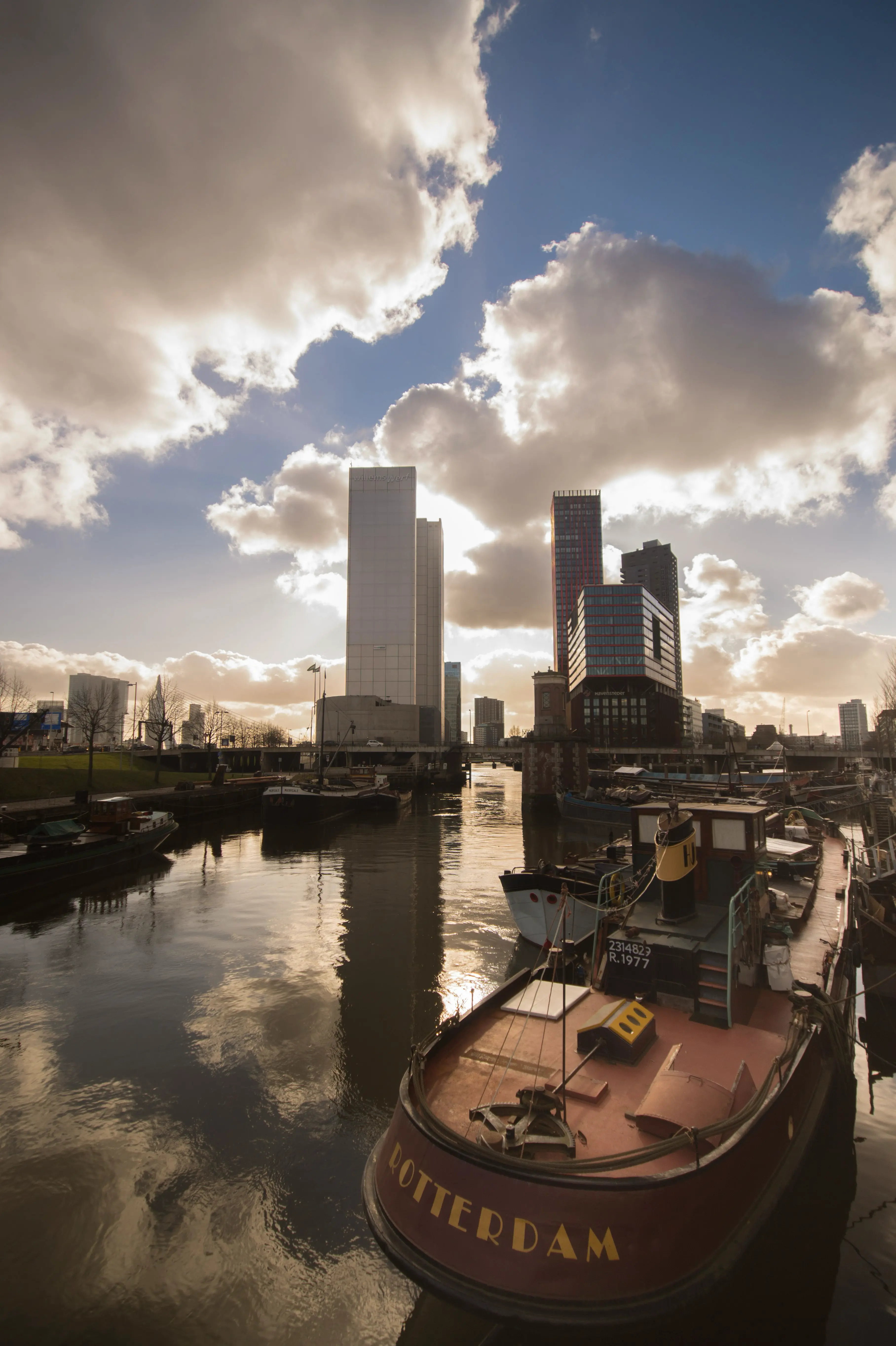
finding the right apartments in rotterdam for your budget and lifestyle
Rotterdam's neighbourhoods are genuinely different from each other — not just in price, but in rhythm. The wrong neighbourhood for your working style will cost you more than money. The table below gives you the quick comparison; the sections after give you the real context.
Neighbourhood | Monthly Rent (1-bed) | Vibe | Best For | Key Advantage |
|---|---|---|---|---|
City Centre / Laurenskwartier | €1,600–€2,400 | Urban, commercial | Arrivals, short-term base | Everything walkable |
Kralingen | €1,400–€2,000 | Leafy, residential | Long stays, Erasmus area | Quiet without being isolated |
Delfshaven | €1,200–€1,700 | Historic, creative | Freelancers, longer stays | Best price-to-character ratio |
Noord (Bergpolder/Blijdorp) | €1,100–€1,600 | Local, low-key | Budget-conscious remote workers | Lowest rents near the centre |
Katendrecht | €1,500–€2,100 | Waterfront, regenerated | Design-focused workers | Strong café and restaurant scene |
Kralingen: Quiet Enough to Work, Close Enough to Everything
Kralingen is where you end up when you have been in the city centre for two weeks and realised you want a park outside your window instead of a tram stop.
Kralingen Lake — lake with a running path; it is genuinely useful for mental health on long work stretches, not just a sightseeing stop
1-bed apartments from €1,400/month; furnished options appear less frequently but exist — search Pararius with the Kralingen filter and check every Monday
Man met bril koffie on Oudedijk — reliable WiFi, good flat white for €3.50, fills up after 10am
Erasmus University Rotterdam campus is a 15-minute cycle — relevant if you are auditing lectures or need library access
Kralingen does not have a lot of nightlife, which is exactly why it works for focused, longer stays.
Delfshaven: The Neighbourhood That Rewards Staying
Delfshaven is the part of Rotterdam that feels like it has been lived in, and that texture is hard to find at this price point anywhere in the Netherlands.
Voorhaven — the waterfront street; cafés here are calmer than the city centre and better for morning work hours
Rents from €1,200/month for a 1-bed, occasionally lower for ground-floor apartments on quieter side streets
De Machinist — coworking and event space with day passes around €20; better suited to focused work than hot-desking at a café
Metro line D connects Delfshaven to the city centre in under 10 minutes — the commute is not a compromise
If you are staying more than a month and want the best rent-to-quality ratio in the city, Delfshaven is where that calculation lands.
Explore Rotterdam in our neighbourhood guide
Housing in Rotterdam: What Rent in Rotterdam Actually Covers
The headline rent number on a Dutch listing is rarely the number you actually pay — and the gap matters more on a long term stay than on a two-week trip.
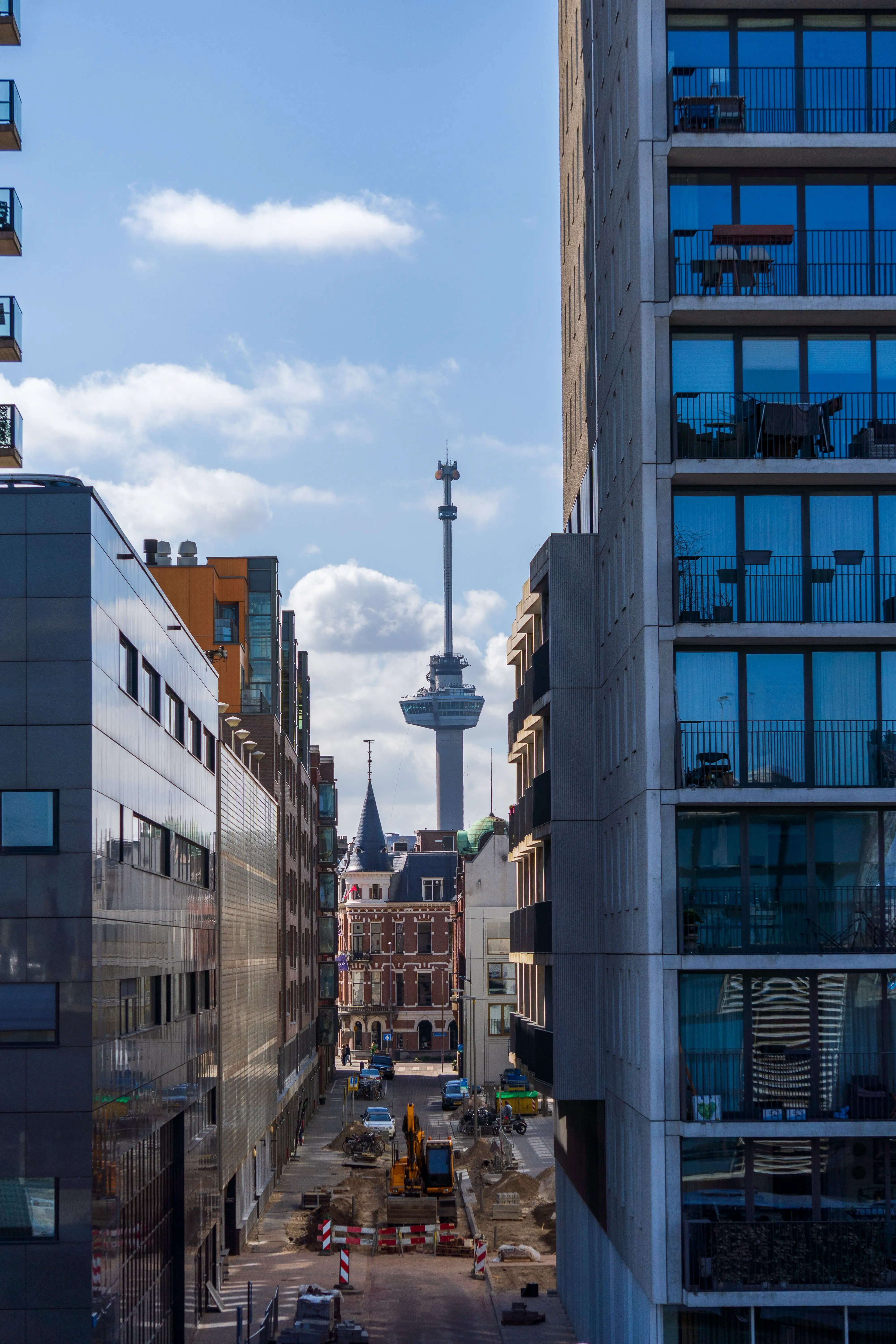
Rent in Rotterdam: Understanding What Is and Is Not Included
Dutch landlords split costs differently depending on whether the apartment is rented through a housing corporation or a private landlord — the distinction changes your monthly total significantly.
Utilities (gas, water, electricity) are almost always excluded from private rental listings — budget €150–€220/month depending on apartment size and season
Service costs (servicekosten) for furnished apartments: €50–€150/month, covers building maintenance and sometimes internet
Municipal tax (gemeentelijke belastingen): roughly €300–€400/year, billed quarterly — it catches people off guard in the first month
Internet is rarely included in Rotterdam furnished apartment prices; expect €35–€50/month for a standalone contract, or look for all-in furnished packages
A listed rent of €1,600/month for a furnished 1-bed in Rotterdam realistically costs €1,900–€2,000 all-in once utilities and service costs are added — factor that before you decide what you can afford.
Long Term vs. Short-Stay: Where the Maths Changes
The benefits of renting long-term become arithmetically obvious around the three-week mark — and if you are staying two months or more, the gap between short-stay and long term rental costs is substantial.
Serviced apartments and extended-stay hotels: €80–€130/night — that is €2,400–€3,900/month for the same square footage you can rent furnished for €1,700
Long term rental contracts (12+ months) occasionally include reduced deposit terms or utility bundling — worth negotiating directly with the landlord
Rotterdam furnished apartment providers like Short Stay Group Rotterdam) offer monthly rates from €1,600 for a studio with utilities included — the premium is real but the admin is minimal
Home registration (inschrijving) is only possible on a formal lease — important if you need a Dutch address for banking or government services
Most apartments for rent in Rotterdam appear on Funda and Pararius with a minimum lease of 12 months, so if you need a six-month contract you will likely need to go through a private landlord or an expat-focused agency like Rotsvast.
The long term route takes more paperwork upfront, but by month two it has already paid for the time you spent on it.
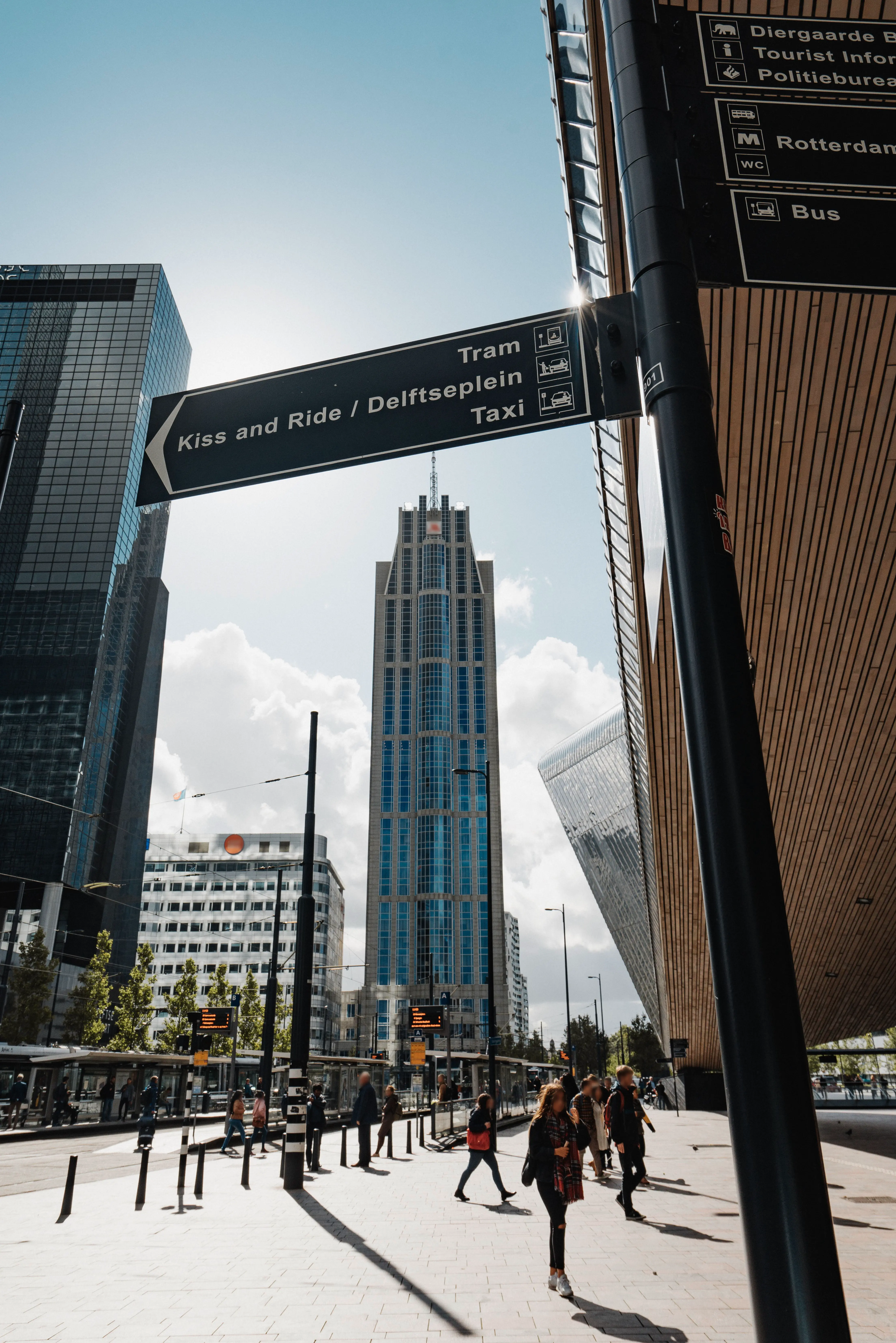
Erasmus University Rotterdam and Student Housing: How They Shape the Market
Erasmus University Rotterdam enrolls tens of thousands of students, and a significant portion of them are international — which puts consistent pressure on the affordable end of the housing market and creates a parallel ecosystem of short-stay furnished rooms that remote workers can sometimes access.
Student Housing in Rotterdam: What It Means for Everyone Else
The student housing shortage in Rotterdam is not a background detail — it actively compresses supply in the €700–€1,200/month range that freelancers and early-career remote workers are also searching in.
DUWO Rotterdam manages student housing across the city — waitlists run long, but some complexes accept non-students in the private market at slightly above-market rates
Rooms and studios near the Erasmus University Rotterdam campus in Kralingen-Crooswijk start from €750/month, but move fast in September and January when new semesters begin
Room.nl — the primary Dutch platform for social and student housing; registration is free but the wait time for central Rotterdam apartments rooms can run to months
Private furnished studios marketed at students are often available to remote workers too — search Kamernet with "gestoffeerd" (furnished) and check move-in dates against the academic calendar
If you are searching in August or December, expect the market to be at its most competitive — plan your search six to eight weeks ahead of those windows.
Erasmus University students who want to rent an apartment rather than use SSH student housing should budget at least €900 per month for a studio in Delfshaven, which sits within a 20-minute tram ride of the Woudestein campus.
Apartments Rooms and Shared Housing: A Real Option for Longer Stays
Shared apartments in Rotterdam are not just for students — plenty of working professionals use them to keep costs down while staying close to the centre.
Shared 3-bed apartment in Noord or Delfshaven: €700–€950/month per room, often with utilities included — the best value entry point into the Rotterdam housing market
Expat Housing NL lists rooms in furnished shared homes specifically for international tenants — easier on documentation requirements than standard Dutch landlords
Facebook groups including "Rotterdam Expats Housing" and "Rotterdam Rooms for Rent" move quickly; listings go within 24–48 hours and direct contact with landlords cuts agency fees
Co-living spaces like Ben Housing on Mauritsweg: private rooms from €950/month all-in, with shared coworking space — works well for solo remote workers who want the furnished apartment setup without managing utilities
Shared housing in Rotterdam closes the gap between what the market asks and what makes financial sense on a remote worker's budget — and the city's mix of nationalities means finding flatmates who keep similar hours is easier than you might expect.
Coworking Spaces and Cafés That Actually Work for Remote Work
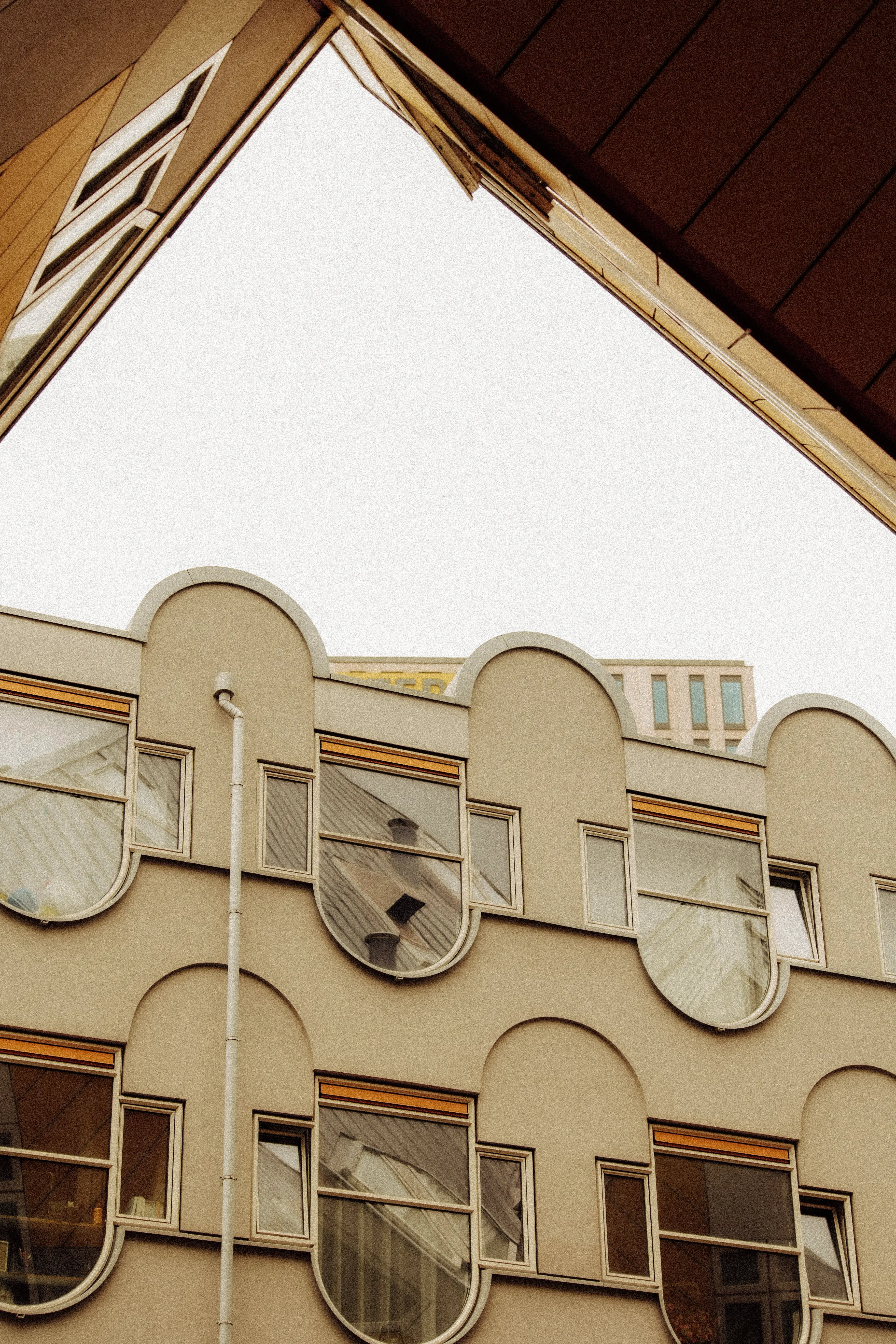
Rotterdam's architecture gets the attention, but its working infrastructure is what keeps remote workers from leaving. The city has a serious coworking scene built for people who work, not people who pose with laptops.
Coworking Spaces Worth Paying For
The best coworking spaces in Rotterdam are not the cheapest — but the ones worth paying for give you something cafés cannot: a reliable six-hour block without background noise or a dead socket.
The Social Hub Rotterdam day pass €25, monthly hot desk from €195 — central location near Rotterdam Centraal makes early-morning starts easy, and the space does not fill up before 10am the way Amsterdam equivalents do
Spaces Blaak near Blaak station: flexible desk membership from €180/month, private offices available — the building is striking, the WiFi is fast, and the coffee is better than it needs to be
Brutus Rotterdam on Schiekade: community-focused, day pass €20, monthly from €150 — attracts more freelancers than corporate teams, which keeps the energy productive without feeling sterile
Longer-stay coworking memberships in Rotterdam consistently undercut Amsterdam rates by 20–30% for comparable space — the maths matters if you are budgeting three months out
If you are evaluating coworking against working from a furnished apartment, run the numbers by week three — at that point, the apartment almost always wins on cost, and the question becomes whether you need the separation between work and home.
Cafés for Working Hours (Not Just Coffee)
Rotterdam's café culture is more pragmatic than Amsterdam's — fewer tourist traps, more regulars, and owners who understand that a laptop at a table is not a problem as long as you order twice.
Hopper Coffee on Karel Doormanstraat: filter coffee €3.50, reliable WiFi, enough seating that you will usually find a spot before noon — do not bother after 2pm on a weekday
Man Met Bril Koffie in the West district: flat white €4, no enforced time limit, quieter than the central options — the Westersingel canal outside makes it easier to think
30ml Nieuwe on Nieuwe Binnenweg: specialty coffee from €3, good natural light, better in the morning — afternoons get social and the noise level climbs accordingly
Working from cafés in Rotterdam is sustainable for two to three hours; after that, coworking or a furnished apartment with a proper desk becomes a better decision for anyone doing focused work.
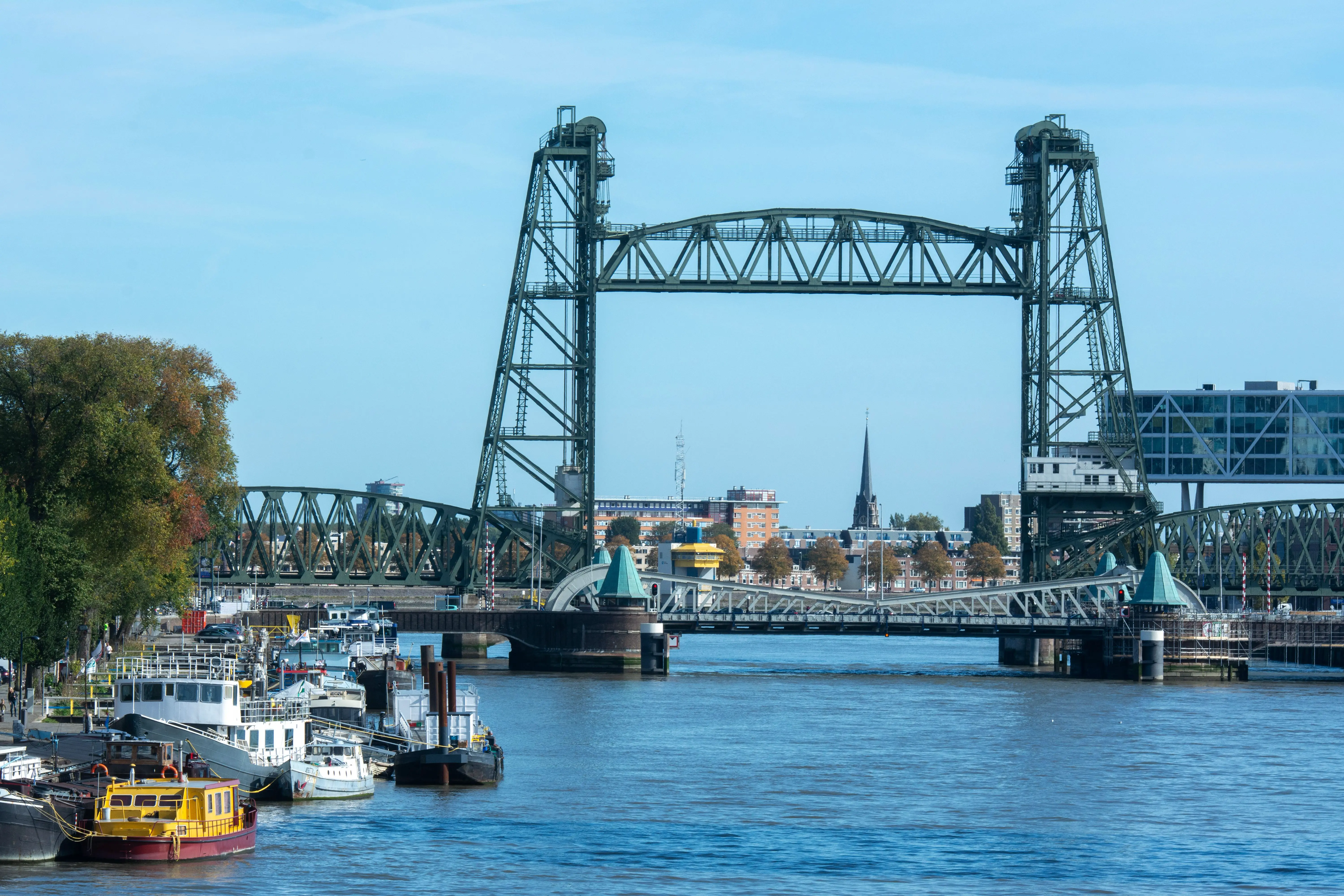
Living Costs Beyond Rent: What Rotterdam Actually Costs Month to Month
Rent is the number everyone fixates on, but it is rarely the number that surprises people. What surprises people is the gap between the monthly rent figure and the actual monthly outgoing once you add up everything Rotterdam requires of you.
Food and Groceries
Rotterdam's food costs are genuinely manageable — if you cook most days and treat restaurants as a two-or-three-times-a-week choice rather than a default.
Markthal Rotterdam: the architectural landmark that also functions as a daily market — fresh produce is competitively priced, and the stalls under the arch are better value than the ground-floor vendors who know tourists will stop
Albert Heijn and Jumbo supermarkets throughout the city: weekly grocery shop for one person runs €50–€70 if you cook regularly — roughly €200–€280/month
Lunch at a Dutch broodjeszaak (sandwich shop) near Koopgoot: €4–€6 — the cheapest hot meal in the centre that does not require a kitchen
Dinner out in Delfshaven or Noord averages €15–€22 per person; the same meal near Nieuwe Luxor Theater on the waterfront runs €25–€35 — the premium is almost entirely location
Budget €400–€600/month for food if you split your eating sensibly between cooking and eating out; the people who overspend are usually the ones who start treating every lunch as a restaurant decision.
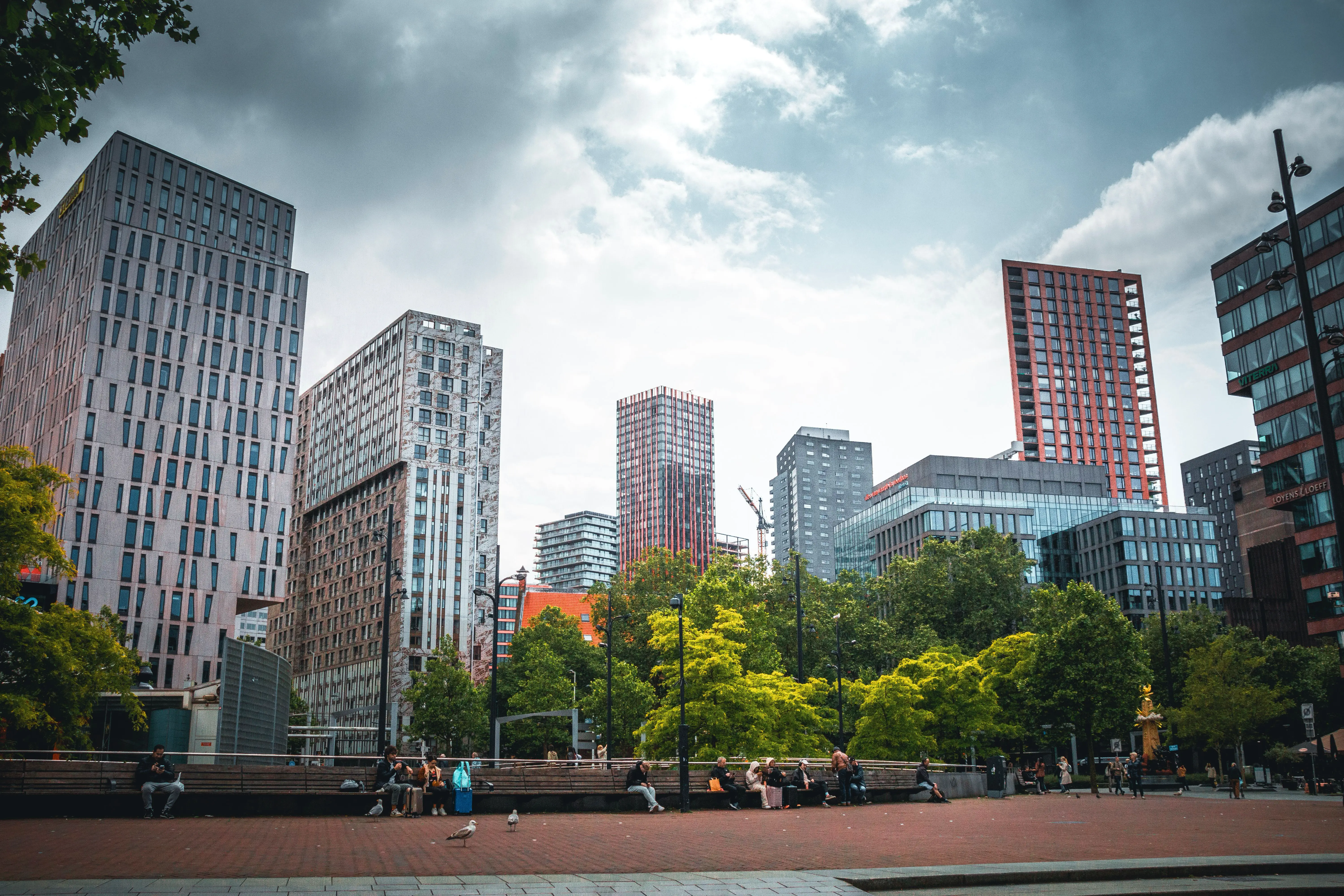
Transport and Getting Around
Rotterdam's public transport is dense enough that a car is unnecessary and a bicycle is often faster — but the OV-chipkaart system catches almost everyone out in the first week.
RET monthly pass (tram, metro, bus): €98 — covers the entire Rotterdam region and is worth buying by day five if you are staying longer than two weeks
Second-hand bikes from Fietsenmaker near Rotterdam Centraal: €80–€150 for a functional city bike — cheaper over a month than the daily rental arithmetic, and cycling the Willemsbrug at 8am is faster than any tram
Intercity train to Amsterdam: €14–€18 single, 40 minutes — if your work involves Amsterdam meetings, Rotterdam as a base still makes financial sense for long-term rentals
Swapfiets subscription (maintained city bike): €19.50/month — the laziest option, but honest value if you do not want to think about maintenance
Most remote workers who stay past the first month stop paying for the metro and start cycling everywhere — the city's flat geography means the bike is not a leisure choice, it is just the fastest way to move.
Utilities, Internet, and the Bills Nobody Mentions
Fully furnished apartments in Rotterdam typically include utilities, which matters more than it sounds — Dutch energy costs are among the highest in Northern Europe, and an unfurnished rental can add €150–€250/month in gas and electricity alone.
Utilities (gas, electricity, water) in an unfurnished rental: €150–€250/month depending on the building's insulation — older pre-war stock in Noord and Delfshaven runs higher in winter
Home internet (fibre, KPN or Ziggo): €35–€45/month on a 12-month contract — standalone month-to-month SIM data is €25–€35 and works as a backup but not a primary solution for video-heavy days
Dutch municipal tax (gemeentelijke belastingen): approximately €350–€450/year for a single-person household — often forgotten in initial budget planning and billed quarterly
Contents insurance (inboedelverzekering): €8–€15/month — not legally required but practically essential; Dutch landlords increasingly ask for proof before handing over keys
The total monthly cost of living in Rotterdam for a single remote worker — including rent for a furnished 1-bed, food, transport, and utilities — typically lands between €2,200 and €3,000; the lower end is achievable in Noord or Delfshaven, the higher end reflects a central apartment near Blaak.
Registering, Settling, and the Admin That Comes After Signing
Signing a rental contract is the easy part. What happens in the first two weeks after — the registrations, the bank accounts, the BSN number — is where most new arrivals in Rotterdam lose time they did not plan to lose.
BSN Registration and Why It Has to Come First
Whether you're staying for three months or three years, you cannot open a Dutch bank account, access healthcare, or sign a long-term rental contract without a BSN (Burgerservicenummer) — and the process requires a registered address, which creates a circular problem if you arrive without accommodation.
Register at the Rotterdam Expat Centre on Wilhelminaplein: appointment required, processing takes one to two weeks — book before you arrive, not after
Short-term furnished apartments or serviced accommodation for the first two to four weeks solve the circular address problem and let you register immediately rather than waiting to secure a long-term rental first
EU nationals register directly; non-EU nationals may need to register at the IND (Immigration and Naturalisation Service) first — the Rotterdam Expat Centre staff are helpful on this, and the appointment is worth taking even if you think you already know the process
University Rotterdam international students register through their institution's international office, which handles the BSN process differently and faster — this route is not available to independent remote workers
The BSN is not bureaucratic friction you can work around — it is the key that unlocks every other step, and getting it two weeks earlier makes the difference between settling in and still feeling like you are camping in your own apartment.
You must register your new home address at the Rotterdam Gemeente within five days of moving in — without that BSN registration, you cannot open a Dutch bank account or sign up for health insurance.
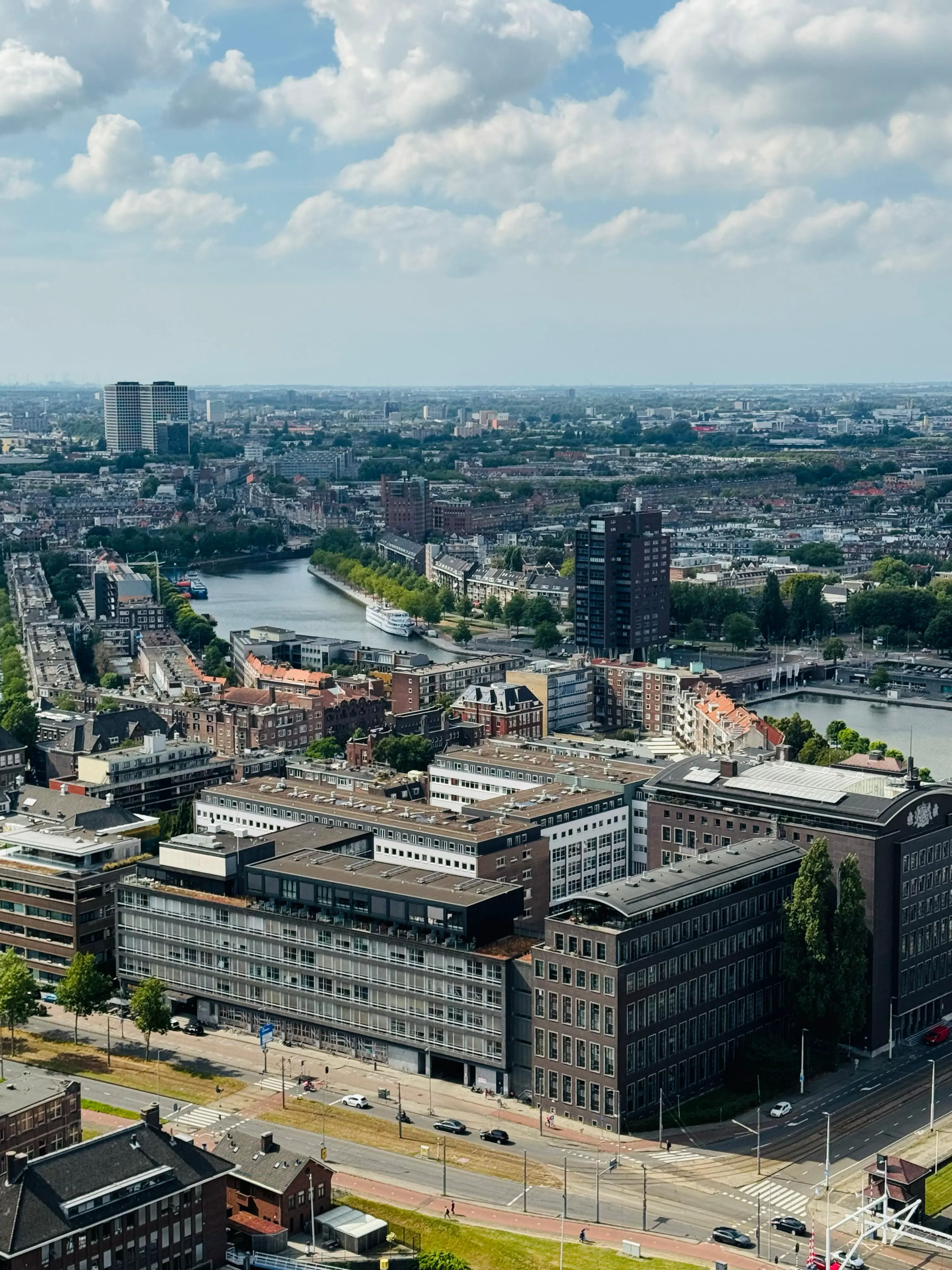
Banking, Healthcare, and the Practical Infrastructure
Dutch banking is faster to set up than most expats expect — but healthcare requires a decision within four months of arrival that most people leave too late.
Bunq and ING Bank both offer accounts to international residents with a BSN — Bunq opens in under 10 minutes online; ING takes a branch visit but is accepted by more landlords for direct debit setup
Dutch health insurance (zorgverzekering) is mandatory for anyone working or residing in the Netherlands — basic coverage starts at €130–€145/month; sign up within four months of registration to avoid a fine backdated to arrival
GP registration (huisarts) is neighbourhood-specific — find a practice within your postcode using Zorgkaart Nederland and register on arrival, not when you are already ill
Rooms in Rotterdam's student housing require proof of enrolment; the same rooms in Rotterdam are not accessible to independent remote workers regardless of budget — this distinction matters if you are searching via University Rotterdam housing boards
The admin overhead of landing in Rotterdam is front-loaded into the first three weeks — once the BSN, bank account, and GP registration are in place, the city runs remarkably smoothly and the properties in Rotterdam start to feel accessible rather than bureaucratically remote.
Is Rotterdam the Right Base for Long-Term Remote Work?
Who Rotterdam Actually Works For
This city suits remote workers who want a high-functioning European base without the cost anxiety that comes with Amsterdam or London.
Costs stay honest — rent, groceries, and transport are manageable on a mid-range remote income without constant budgeting stress
The architecture is serious and the food scene is genuinely underrated, which matters when you are spending months rather than days here
Transport links keep you connected — Paris, Brussels, and London are all under three hours by rail
The city does not perform for tourists, which means daily life runs at a pace that remote workers can actually integrate into
If you need Mediterranean warmth or sunshine before November, Rotterdam will grind you down by February — know that before you commit.
Working with a Dutch-speaking tenant agent like VB Makelaars helps you secure a home faster — listings in Noordereiland and Katendrecht routinely disappear within 48 hours of going live.
What the Long-Term Rental Process Actually Demands
The rental market here is unforgiving, and most people underestimate the admin load of the first month.
Documentation requirements are strict — expect proof of income, employment contracts, and sometimes a Dutch guarantor depending on the landlord
The best furnished apartments move within days of listing, so having accommodation sorted before you land is not cautious, it is necessary
The first month involves more bureaucracy than most remote workers budget time for, including municipality registration and utility setup
Starting with a fully furnished apartment in the Netherlands removes one layer of complexity while you work through the rest
The process is demanding precisely because Rotterdam is not trying to court you — but the city rewards anyone who gets through it.
Starting your long-term rental search in Rotterdam: How to Rent an Apartment Without Wasting Weeks
Rotterdam rewards those who approach it practically. The city has a well-organised rental market, a strong international community, and a level of infrastructure that makes settling in straightforward compared to many European alternatives. Whether you are relocating for work, study, or a change of pace, the groundwork you lay before arrival will determine how smoothly the first weeks unfold.
The most effective approach is to secure accommodation before you land. Searching for a long-term rental while staying in a hotel or short-term sublet adds pressure and cost to an already complex process. Starting with a furnished base gives you time to view neighbourhoods properly, understand local pricing, and negotiate from a stable position rather than a desperate one.
If you are still mapping out your options across Europe, browsing fully furnished apartments will give you a broader picture of what is available at different price points and in different cities before you commit to Rotterdam specifically. The comparison is worth making, but for many long-term renters, Rotterdam tends to hold its own.