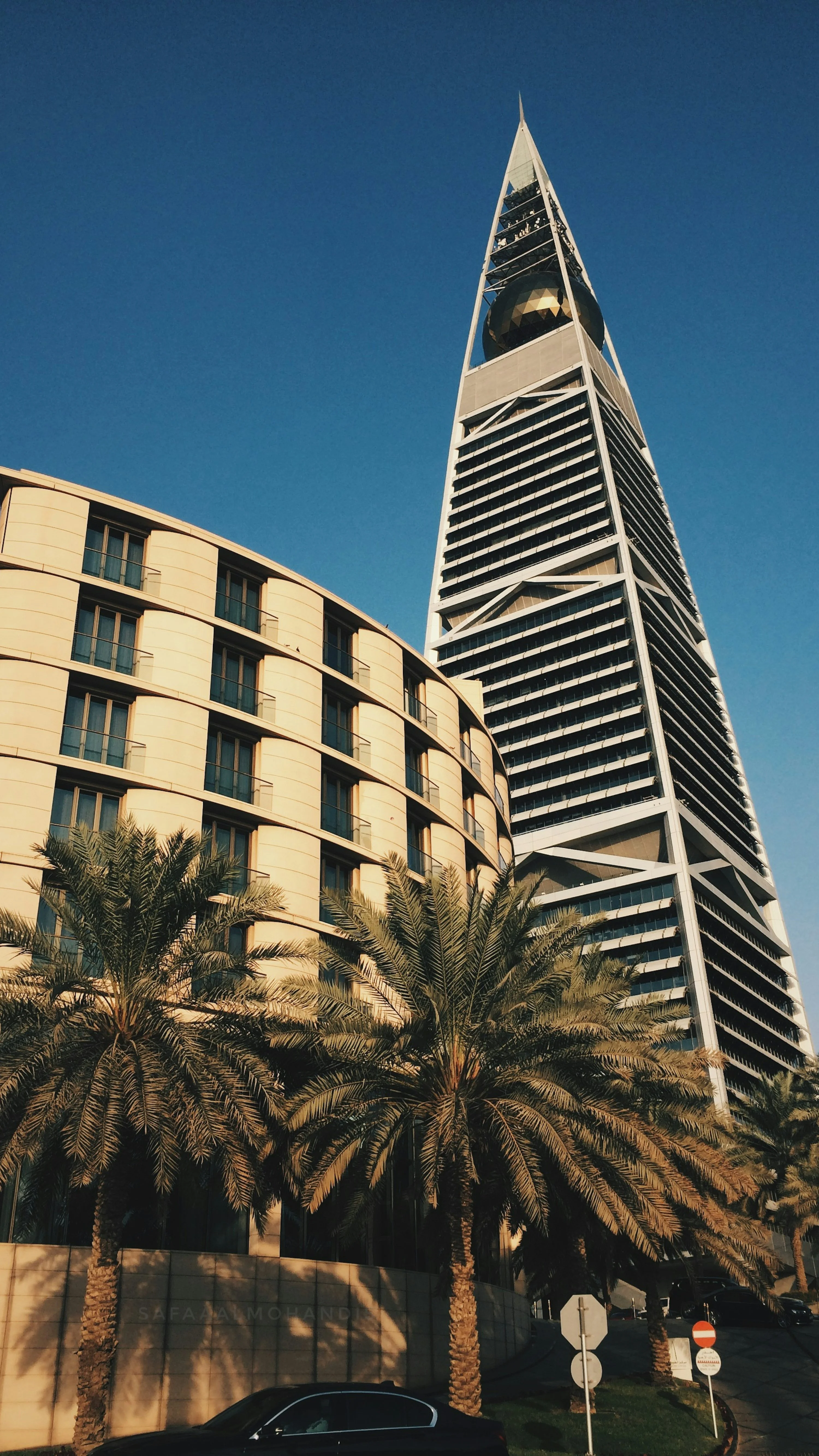
Riyadh is one of the fastest-changing cities in the Middle East — a place where glass towers rise beside centuries-old traditions, and where expats arrive for the tax-free salaries and stay for the surprising comfort of everyday life. Whether you're coming for a long-term contract, a remote-work base, or a family move, the city offers a mix of modern convenience, high safety, and a cultural landscape shaped by deep Islamic values.
What most newcomers notice first isn’t the skyline — it’s the rhythm. Five daily prayers, a Sunday–Thursday work week, long sunny months, and a lifestyle anchored around community, family, and hospitality. Add in world-class malls, a growing food scene, and a booming job market, and you get a city that’s much easier to settle into than you might expect.
If you’re considering making Riyadh your next base, here’s the guide that helps you decide.

Understanding Daily Life in Riyadh
Daily life in Riyadh is a mix of structure, sunshine, and a cultural rhythm that shapes everything from work schedules to weekend plans. The city moves at a steady pace—quiet mornings, lively evenings, and a lifestyle that becomes easier once you learn how climate, prayer times, and local customs influence the flow of the day.
Climate, Seasons, and How Residents Adapt
Riyadh’s climate affects when people exercise, shop, socialize, and explore the city. Most routines bend around heat and light.
What residents typically do:
-
Run errands early in the morning before temperatures rise.
-
Book indoor activities—gyms, cafés, malls—during peak heat.
-
Plan weekend outings between October and March for cooler weather.
-
Keep sandstorm masks and sunglasses handy during windy months.

Popular indoor escapes:
-
The Zone Riyadh — cafés, restaurants, shaded walkways.
-
Riyadh Park Mall — cinemas, dining, and plenty of cool air.
-
King Abdullah Financial District* (KAFD)* — modern spaces great for evening walks.
Navigating Prayer Times and Local Customs
Prayer times create a natural rhythm throughout the day, and understanding these pauses helps newcomers adjust faster.
What to expect:
-
Shops and cafés may close briefly during prayer times.
-
Offices often schedule meetings around these pauses.
-
Ramadan changes daily routines—late dinners, quiet afternoons, active nights.
-
A polite greeting (“Assalamu alaikum”) goes a long way in everyday interactions.
Helpful places to learn local etiquette:
-
Saudi National Museum — excellent introduction to Islamic culture.
-
Diriyah — restored heritage area showing traditional Saudi life.
Getting Around Without Hassle — Public Transport and Traffic
Riyadh is a car-oriented city, but mobility options are improving each year. The metro is expanding, ride-hailing is reliable, and major roads are well maintained.
How most expats get around:
-
Ride-hailing apps like Uber and Careem.
-
Chauffeur services for families or regular commutes.
-
The upcoming Riyadh Metro for predictable, high-frequency routes.
-
Evening driving, when temperatures drop and traffic eases.
Useful navigation tips:
-
Fridays have lighter traffic—best day for exploring.
-
Weekday rush hours (7–9 AM, 4–6 PM) can be slow despite wide highways.
-
Many compounds offer shuttle services to malls and shopping centres.
Riyadh’s daily rhythm becomes easier with practice. Once you learn when to move, where to go, and how the city flows, everyday life feels far more intuitive.
Housing and Expat Compounds in Riyadh
Finding the right home is one of the biggest decisions for anyone moving to Riyadh. The city offers everything from gated expat compounds to spacious villas and serviced residences, each with its own atmosphere and level of convenience. Most newcomers discover that where they live shapes their routines, community, and even how easily they adapt to Saudi society.

Why Many Expats Prefer Expat Compounds
Compounds are the most popular choice for expats because they offer comfort, safety, and a built-in community. They feel like small residential towns, with amenities that make everyday life easier—especially for expat families adjusting to a new country.
What compounds typically include:
-
Swimming pools, tennis courts, gyms, and playgrounds
-
Restaurants, cafés, and small grocery stores
-
Shuttle buses to malls and major shopping centres
-
24/7 security and controlled access
-
Western-style layouts and relaxed atmosphere
Well-known compounds in Riyadh:
-
Al Hamra Oasis Village — family-friendly with excellent recreation areas
-
Al Bustan Village — large villas, greenspaces, and great for long-term stays
-
Seder Village — centrally located with strong community events
Renting in Riyadh — What to Expect
Rental prices vary widely, especially between compounds and local neighborhoods. Many employment contracts in Saudi Arabia offer housing allowances, which significantly reduce out-of-pocket costs for newcomers.
Typical housing options:
-
Standalone villas with private gardens
-
Modern apartments close to business districts
-
Serviced residences with hotel-style amenities
-
Townhouses in suburban developments
Price considerations:
-
Compound housing is the most expensive but often covered by expat packages.
-
Villas outside compounds offer more space for lower cost.
-
Serviced residences appeal to remote workers who want convenience without long leases.
Living Outside the Compounds
Some expats choose to live in local neighborhoods, especially if they want more space or more affordable rents. These areas offer a closer connection to Saudi society, but they also come with different expectations.
Pros:
-
More affordable than compounds
-
Larger villas and apartment layouts
-
Easy access to local shops, cafés, and markets
Things to keep in mind:
-
Security and convenience vary by neighborhood
-
Cultural norms and local laws are more prominent
-
Fewer community facilities compared to compounds
Neighborhoods preferred by many expats:
-
Al Nakheel — close to international schools and large compounds
-
Al Malqa — modern, fast-growing, and popular with professionals
-
Olaya & Al Sulimaniyah — central location near offices, malls, and cafés
Inside vs. Outside Compounds: What’s the Difference?
| Feature | Expat Compounds | Local Neighborhoods |
|---|---|---|
| Community | Strong expat community, social events | Mostly Saudi families, quieter atmosphere |
| Amenities | Pools, gyms, cafés, recreation | Varies widely; fewer shared facilities |
| Cultural Flexibility | More relaxed lifestyle | Closer adherence to local customs |
| Cost | Higher rents, often employer-covered | More affordable, broader range |
| Convenience | On-site services and shuttles | Requires more independent navigation |
| Living in Riyadh ultimately comes down to how you prefer to balance comfort, culture, and community. Compounds offer ease and familiarity, while local districts provide space, savings, and a deeper sense of place. |

If you’re planning a move, choosing the right home base can make it easier to settle into Riyadh’s cultural rhythm. RentRemote offers fully furnished apartments in Riyadh designed for comfort, privacy, and productive workdays—complete with ergonomic workstations, high-speed internet, and thoughtfully designed living spaces for a smoother adjustment.
Riyadh Education and International Schools
Education is one of the biggest deciding factors for expat families moving to Saudi Arabia. Riyadh has a strong selection of international schools, but availability, cost, and curriculum differences can heavily influence where families choose to live. Whether you’re relocating temporarily or putting down roots for a few years, understanding how Riyadh education works will help you plan with confidence.
Top International Schools in Riyadh
Riyadh is home to some of the most established international schools in the Middle East, offering American, British, IB, and multicultural curricula. These schools are known for strong academics, extracurricular programs, and English-speaking staff—making transitions easier for expat children.
Popular options include:
-
American International School Riyadh (AISR): Highly regarded, strong AP program, excellent facilities.
-
British International School Riyadh (BISR): Multiple campuses, strong reputation, diverse student body.
-
Riyadh International Community School: IB curriculum, good for families seeking academic continuity.
-
Kingdom Schools: Bilingual programs and modern facilities.
What to know:
-
School fees can be high, especially for upper grades.
-
Admission waitlists are common—early applications are essential.
-
Some employers cover tuition, but not all packages include full school fees.
Public vs Private Options
Public schools in Saudi Arabia primarily serve Saudi nationals and operate in Arabic, which makes them less common choices for expat families. Most foreigners enroll their children in private or international schools that follow Western or globally recognized curricula.
Public school notes:
-
Curriculum follows Saudi national standards.
-
Arabic instruction dominates, with limited integration support for expat students.
-
Best suited for families seeking deep cultural immersion.
Private and international schools offer:
-
English-speaking teachers
-
International accreditation
-
Familiar classroom environments for children from Western countries

How School Fees Influence Expat Life
Education often becomes one of the largest expenses for expat families, especially if employer benefits don’t include full tuition coverage. Fees vary widely depending on school reputation, grade level, and curriculum type.
Typical considerations:
-
Annual fees can range significantly between schools.
-
Extra costs may include transportation, uniforms, technology fees, and extracurricular programs.
-
Many families choose neighborhoods like Al Nakheel or the Diplomatic Quarter to reduce commute times to major schools.
For many families, choosing the right school shapes their entire Riyadh experience—from daily routines to housing preferences. With the right planning, Riyadh’s education landscape offers strong academic paths and supportive international communities.
Healthcare, Health Insurance, and the Medical Sector
Riyadh’s healthcare system is one of the strongest in the region, and it’s often a pleasant surprise for newcomers. The medical sector combines modern hospitals, trained specialists, and a level of regulation overseen by the Saudi government that keeps standards high. Whether you’re visiting clinics for routine check-ups or managing care for family members, the system is designed to move quickly—something many western expats immediately appreciate compared to long wait times in their home countries. Saudi Arabia offers both public and private care, but most foreigners rely on the private network for speed, English-speaking staff, and predictable service.
How Saudi Arabia’s Healthcare System Works
The healthcare landscape blends public hospitals, university research centers, and high-end private clinics. The vast majority of expats working in Riyadh interact mainly with private providers, where appointments are efficient and doctors often have international training.
What newcomers tend to notice:
-
Many doctors have studied or practiced abroad, which makes communication easier.
-
Hospitals like King Faisal Specialist Hospital, Dr. Sulaiman Al Habib, and King Abdulaziz Medical City are well known for advanced care.
-
Saudi Arabia maintains strict licensing standards for medical professionals.
-
Muslim expats will find facilities that fully accommodate prayer spaces and religious needs.
Why Health Insurance Matters for Expats
Health insurance is mandatory for anyone holding a work visa in Saudi Arabia, and employers must provide it. Coverage extends to dependents, making life easier for expat women, children, or other family members joining the relocation. Plans vary by company, but private health insurance typically includes outpatient visits, labs, specialist referrals, and emergency care.
What to expect from employer-provided insurance:
-
Routine treatments covered at private hospitals.
-
Reimbursement for prescriptions at affiliated pharmacies.
-
Direct billing arrangements that reduce paperwork.
-
Higher-tier plans at senior levels of expat packages.
Private health insurance becomes especially valuable when female expats or Saudi women need specialist care, as private hospitals offer shorter waits and dedicated departments for women’s health.
Public vs Private Care: What’s Better for Foreigners Living in Riyadh?
Public care in Saudi Arabia is well regulated and heavily funded, but it is primarily designed for Saudi nationals. Most expats choose private clinics because they provide faster service and English-speaking staff—something western expats often consider essential.
Differences at a glance:
-
Public care is high quality but busier and prioritizes Saudi nationals.
-
Private care offers faster appointments and more specialists.
-
Clinics like Mouwasat and International Medical Center are popular among foreigners living in the capital.
-
Some specialist surgeries may still require travel to other countries, though this is becoming less frequent as the medical sector expands.
Access, Costs, and What Saudi Arabia Offers Expats
Riyadh’s healthcare is comparatively affordable, especially for those accustomed to costs in major cities in Western countries. Because insurance is employer-provided, expats rarely pay out of pocket except for minor co-pays. The system is one of the reasons the city is considered an attractive destination for long-term employment.
Useful guidance for newcomers:
-
Keep your insurance card with you—clinics will ask for it at every visit.
-
Emergency rooms operate efficiently, even during peak hours.
-
Home-country medications may be available, but check availability ahead of time.
-
Many doctors in Riyadh speak English fluently, and some speak French, Urdu, or Tagalog depending on the facility.
For female expats, maternity care at private hospitals is modern and comparable to care found in Europe or North America. Specialist women’s clinics are widespread, and Saudi Arabia continues to expand its offerings for women’s health as part of ongoing reforms.
Riyadh’s medical network is one of the strongest pillars of expat life. With solid insurance coverage, reliable access to specialists, and an organized system supported by the Saudi government, most newcomers find it easier—and faster—to navigate than they expected.
Islamic Culture, Dress Code, and Local Laws
Riyadh’s cultural landscape is deeply shaped by Islamic values, long-standing traditions, and a daily rhythm that blends modern life with religious observance. For newcomers, understanding these norms helps everyday interactions feel smoother and more respectful. While Saudi Arabia is rapidly modernizing—especially in major cities—the foundations of social life still come from Islamic culture, family ties, and conservative community expectations. Most expats find that once they understand these cultural norms, the city becomes much easier to navigate.

Understanding Islamic Values and Local Culture
Islam influences everything from working hours to weekend plans, and it’s part of what gives Riyadh its distinctive identity. The vast majority of residents observe prayer times, social etiquette, and modesty traditions, and these patterns shape the flow of daily life for everyone, including western expats and Muslim expats adjusting to a new environment.
What expats typically notice first:
-
Life pauses briefly throughout the day for prayers.
-
Social gatherings center around home, family, and hospitality.
-
Many public spaces accommodate religious practices.
-
Riyadh’s heritage sites highlight the region’s connection to Islam’s holiest sites.
While cultural expectations may feel different from home countries, most newcomers appreciate how these traditions create a structured, respectful atmosphere.
Dress Code for Expats — What Men and Women Should Know
Riyadh’s dress code is based on modesty, and while rules have relaxed, wearing clothing that covers shoulders, arms, and legs remains the norm in public spaces. Expats don’t need to dress identically to Saudi nationals, but the general expectation is to avoid tight or revealing clothing.
Guidance for newcomers:
-
Expat women and female expats no longer need to wear an abaya everywhere, but many still choose one for comfort and cultural respect.
-
Saudi women typically wear abayas in public, though color and style vary widely today.
-
Saudi men may wear the traditional thobe, but expats can dress as they do in Western countries—just more modestly.
-
Workout attire should be reserved for gyms or compounds.
These expectations aren’t complicated—it’s simply about being considerate of local culture and blending in respectfully.
Gender Segregation, Social Etiquette, and Strict Laws
Some public spaces still observe elements of gender segregation, though the rules have relaxed significantly in recent years. Restaurants, cafés, cinemas, and malls operate with mixed seating, and many everyday environments are now shared without issue. Still, understanding the social framework helps expats avoid awkward moments.
What to keep in mind:
-
Public displays of affection are generally discouraged.
-
Alcohol is banned in Saudi Arabia, and penalties for possession are severe.
-
Some workplaces maintain separate areas for men and women, depending on industry.
-
Photography in certain government or religious sites may be restricted.
-
Behaving respectfully during prayer times is expected of everyone, including foreigners.
These aren’t arbitrary strict laws—they’re part of a system designed to preserve cultural continuity while the country modernizes. Most expats find that once they understand why norms exist, day-to-day life feels far more intuitive.
Learning Arabic and Making Friends in Riyadh
Building a social life in Riyadh takes a little effort, but once you understand how relationships form here, the city becomes far more welcoming. Saudis place a strong emphasis on warmth, hospitality, and extended family networks, and expats often find that friendships—once formed—are incredibly genuine. With many expats living in similar neighborhoods and working in similar industries, there’s a built-in community ready to connect.

Why Learning Arabic Helps More Than You Expect
You don’t need full fluency to thrive in Riyadh, but learning Arabic—especially greetings and everyday phrases—goes a long way. It also signals respect for local culture and opens small but meaningful doors in daily interactions.
Ways newcomers use basic Arabic:
-
Greeting security guards, drivers, and shopkeepers
-
Navigating markets and negotiating prices
-
Understanding signs, directions, and service counters
-
Breaking the ice with Saudi men and Saudi women in community settings
Plenty of expats join language programs or informal meetups to practice. Options include:
-
Riyadh Language Exchange — casual weekly sessions
-
Arabius — structured courses for all levels
-
Online tutoring for those with tight schedules
Making Friends and Building Social Life in Riyadh
The social life of many expats starts within compounds or workplaces, but it quickly expands once people know where to meet others. Riyadh’s international community is large enough that western expats, muslim expats, and many expats from Asia and Africa find familiar groups while still integrating with Saudi society.
Where friendships often begin:
-
Community sports teams—football, padel, running clubs
-
Compound-hosted social nights, fitness classes, and events
-
Volunteering groups and cultural exchange clubs
Making friends feels easier when you embrace Riyadh’s lifestyle modeled around hospitality. Once you’re invited for dinner, coffee, or a family gathering, you’ll discover how central generosity is to Saudi culture.
Connecting With Saudis and the Wider Community
While expat circles are strong, connecting with locals enriches the experience. Saudis tend to form close-knit bonds rooted in extended family, but they’re also incredibly warm when friendships do take shape.
What helps create genuine connections:
-
Respecting cultural boundaries and religious practices
-
Showing interest in traditions and social etiquette
-
Accepting invitations—Saudis love hosting
-
Sharing meals; coffee gatherings are an important social ritual
Having Saudi friends gives newcomers a deeper understanding of the city, from hidden food spots to customs that don’t show up in guidebooks.
Riyadh becomes a far easier place to live once you build your own community—one made of colleagues, neighbors, fellow expats, and, over time, the local friends who bring the city to life.
Leisure Activities and the Diplomatic Quarter in Riyadh
Riyadh has a social scene that surprises many expats — modern, lively, and increasingly creative. The city’s public spaces, cultural districts, and outdoor escapes give residents plenty to explore once the sun sets and the air cools. Weekends tend to be busy, with many expats heading to new restaurants, gallery openings, or the Diplomatic Quarter, while others venture out for desert hikes or quick regional trips to other Middle Eastern destinations. Despite the conservative framework of SaudIA Arabia, leisure activities here continue to expand every year as part of the country’s push to diversify lifestyle offerings.
Where Riyadh Spends Its Free Time: Food, Culture, and Shopping
Food and social life go hand in hand in Riyadh. Dining out is one of the most popular leisure activities for residents, and the city’s restaurant scene has a mix of local gems and international imports, many of which operate at high demand during weekends.
Popular places to start:
-
The Boulevard Riyadh City — cafés, fountains, nightlife-style programming, and plenty of people-watching.
-
Riyadh Front — great for restaurants and live events; a preferred spot for many expats.
-
King Abdullah Park — open-air concerts, festivals, and green spaces for evening strolls.
-
Souk Al Zal— traditional markets with antiques, spices, and Middle Eastern textiles.
-
Riyadh Season venues — rotating entertainment events bringing artists from around the world.
Riyadh’s shopping scene is just as varied, with malls acting as social hubs. You’ll find everything from luxury boutiques to relaxed dining spots where families and friends meet after work.

Outdoor Adventures and Weekend Escapes
Outdoor life in Saudi Arabia is shaped by climate, but once the weather cools, residents take full advantage of the desert terrain around the capital. Adventure tourism has taken off in recent years, giving expats more options than ever.
Ideas for a weekend outdoors:
-
Edge of the World — dramatic cliffs and hiking routes with unforgettable views.
-
Red Sand Dunes — quad biking, stargazing, or casual camping.
-
Wadi Hanifa — long stretches of palm-lined paths perfect for cycling and relaxed walks.
-
Diriyah — restored mud-brick architecture, cafés, museums, and scenic courtyards.
Many expats also break up long work stretches with regional getaways. Riyadh’s airport offers easy access to other countries in the Gulf, and weekend trips to Abu Dhabi or Bahrain are common for a change of scenery.
Why the Diplomatic Quarter Stands Out
The Diplomatic Quarter is one of Riyadh’s most distinctive areas — calm, green, and designed for walking, something not always easy to find in the capital. It blends landscaped paths with outdoor art, shaded gardens, and international cafés that attract many expats looking for fresh air and a softer pace.
What you’ll find in the DQ:
-
Walking trails and cycling paths surrounded by landscaped parks
-
Outdoor art installations and community events
-
Cafés like Caf Lab and Urth Caffé popular for relaxed afternoons
-
International restaurants ranging from Italian to Middle Eastern fusion
-
Embassies and cultural centers hosting exhibitions and talks
The Diplomatic Quarter is also known for its easy access to family-friendly recreation — from playgrounds to quiet reading gardens — making it a favorite for residents who want a peaceful pocket of Riyadh without distancing themselves from the city’s main attractions.
Riyadh isn’t just a place to work; it’s a place where leisure activities keep expanding every year. Whether you’re exploring the DQ’s shaded trails, discovering new restaurants, or joining the many expats who spend weekends wandering art districts and desert escapes, the city offers plenty of ways to unwind and feel connected.
Work Culture, Job Opportunities, and Expat Life in Riyadh
Riyadh is one of the major cities in the region where professional ambition and cultural adaptability meet. For many expats working here, the city offers a level of stability, compensation, and long-term potential that’s difficult to match elsewhere in the Middle East. Vision 2030 continues to reshape entire industries, making Riyadh an attractive destination for specialists, leaders, and remote-ready professionals who want to build a career while experiencing a very different part of the world.
Where the Job Opportunities Are Growing
Saudi Arabia’s economy is expanding rapidly, and sectors that once relied heavily on foreign expertise are now scaling even faster. Many expats arrive through corporate postings, but the city also attracts independent professionals and contractors in fields with high demand.
Industries hiring right now:
-
Technology & IT — cloud, cybersecurity, AI, fintech
-
Engineering & Construction — megaprojects, infrastructure, smart-city design
-
Healthcare — hospitals expanding teams of specialists and support staff
-
Education — universities and training institutes growing rapidly
-
Finance — investment, compliance, and corporate advisory roles
Most companies offer packages that include housing allowances, flights, and insurance, making long-term relocation more accessible than in other parts of the world. Salaries are competitive, and the absence of income tax makes the financial picture even stronger — one of the biggest draws for newcomers seeking tax free salaries.
Understanding Riyadh’s Work Culture
Work culture in Saudi Arabia balances modern corporate expectations with traditions that prioritize respect, hierarchy, and clear communication. Meetings tend to be polite and formal, and relationships often develop gradually as trust builds.
What to expect in daily professional life:
-
Decision-making usually flows through leadership rather than flat structures.
-
Punctuality is valued, but personal connections matter just as much.
-
Work weeks run from Sunday to Thursday, aligning with regional norms.
-
Flexibility is sometimes needed around religious holidays or local events.
Western expats often find that once they understand the flow of communication and the importance of courtesy, collaboration becomes smoother. Riyadh’s offices are international, with teams made up of people from across the world — something many expats appreciate when settling into new routines.

Visas, Contracts, and What Expats Should Prepare For
Anyone planning to work in Saudi Arabia needs a work visa, which is sponsored by a local employer. The process is standardized and generally straightforward as long as documents are in order. Many expats arrive with dependents or partner relocations, especially in companies that support family moves.
Key things to know before signing a contract:
-
Packages vary by industry and seniority — review allowances carefully.
-
Employer sponsorship covers your visa, renewals, and official paperwork.
-
Some roles require degree attestation or professional licensing.
-
Moving from other countries may require medical checks or background verification.
Riyadh is home to many expats from different regions, and the city’s workforce continues to diversify as sectors evolve. The professional environment has momentum — and for newcomers who want growth, stability, and regional experience, Saudi Arabia remains one of the most compelling career destinations in the Middle East.
Riyadh’s expat life ultimately combines opportunity with a sense of possibility. Whether you're entering a fast-growing industry, relocating with your family members, or exploring roles that offer steep advancement, this is a city where ambition finds room to expand.
Cost of Living, Expat Budgets, and Home Countries Comparisons
The cost of living in Riyadh surprises many newcomers—day-to-day expenses are generally reasonable, housing is varied, and salaries go further than in most major cities thanks to the absence of income tax. For people relocating from other countries, budgets feel predictable once housing and schooling are factored in. Saudi Arabia continues to grow rapidly, and prices reflect a market that’s modernizing but still more affordable than Dubai, Doha, or Abu Dhabi.
Housing, Utilities, and Everyday Spending
Accommodation is typically the largest expense, especially in neighborhoods popular with foreign professionals. Demand is high in central areas and compounds, but prices still remain more accessible than in nearby Gulf capitals.
What residents often budget for:
-
Housing: Villas and modern apartments vary widely in price; compounds command higher rates but offer amenities.
-
Utilities: Air-conditioning drives costs in summer; winter bills are moderate.
-
Groceries: Local produce, staples, and Middle Eastern goods are inexpensive; imported items cost more.
-
Transport: Ride-hailing is widely used, and fuel remains affordable compared to home countries.
Riyadh’s retail scene is diverse, with shopping streets and malls offering everything from everyday essentials to premium imports. Dining out ranges from very affordable local meals to high-demand restaurants where reservations fill quickly on weekends.

How Saudi Arabia Compares to Other Countries
Compared to similar global hubs, Saudi Arabia offers a living environment where salaries stretch further. Residents coming from Europe or North America often find that household expenses feel lower, especially when employers cover accommodations or benefits. Basic food costs, transportation, clothing, and personal services frequently compare favorably with home countries.
General comparisons newcomers tend to notice:
-
Housing is typically cheaper than in Abu Dhabi or Dubai unless choosing the most premium compounds.
-
Groceries and utilities cost less than in many middle eastern capitals.
-
Imported electronics and specialty items can be slightly higher.
-
Lifestyle services—cleaning, tailoring, local dining—are competitively priced.
Because SaudIA Arabia does not levy income tax on employment, residents often find it easier to save, especially when contracts include allowances.
Budgeting for Life in Riyadh
New arrivals quickly learn that budgeting depends on lifestyle, family size, and housing choices. Single professionals often find the city straightforward and affordable, while families may navigate additional schooling, transport, or activity expenses.
Helpful budget considerations:
-
Housing allowances: A major factor in keeping costs predictable.
-
Transport: Affordable for daily use, and most households rely heavily on cars.
-
Groceries: Cheaper when choosing local and regional products.
-
Dining and leisure: Prices vary; weekend outings add up depending on preferences.
-
Savings potential: Strong due to tax free salaries and employer benefits.
Overall, Riyadh remains an attractive destination for those seeking financial stability, with a cost structure that supports long-term planning. Many residents find they can maintain a comfortable lifestyle while still setting aside more than they could in their previous cities.
Neighborhood Guide to Riyadh for Expat Families
Choosing the right neighborhood shapes everyday routines, commute times, and how easily newcomers settle into Saudi Arabia’s capital. Families relocating from other countries often look for areas with predictable traffic patterns, nearby amenities, and comfortable housing layouts. Riyadh continues to expand outward, and several districts stand out for their accessibility, greenery, and balanced mix of housing options.
Al Nakheel — Convenient, Family-Friendly, and Well-Connected
Al Nakheel is one of the most established residential areas for families arriving in Riyadh. The district balances quiet streets with busy commercial zones and has a reputation for easy access to major roads. Many townhouses and villas offer generous living space, and several serviced residences attract professionals who prefer maintenance-free homes.
What families appreciate:
-
Reliable supermarkets and dining options
-
Spacious villas suited for long-term stays
-
Parks and shaded areas ideal for cooler months
-
Shopping destinations like Nakheel Mall with cafés, food courts, and entertainment
The area stays in high demand because it offers stability and comfort without being far from the city’s business corridors.
Al Malqa — Modern Layouts and Rapid Growth
Al Malqa has grown quickly in recent years, becoming a residential favorite for households seeking newer buildings and efficient road connections. The architecture feels modern, and many homes feature open-plan layouts that appeal to those arriving from home countries where space and design matter.
Highlights of Al Malqa:
-
Newer apartment buildings and family villas
-
Quick access to northern business and leisure zones
-
A growing selection of cafés and Middle Eastern restaurants
-
Well-planned roadways that make school and office commutes straightforward
Its balanced layout makes it an attractive destination for families who want contemporary living without moving too far from the center.
Al Yasmin — Peaceful Streets With Room to Grow
Al Yasmin offers a calm residential environment and plenty of housing options for those looking for larger homes. It’s popular among families who prefer quiet neighborhoods but still want to remain connected to Riyadh’s main arteries.
Why families choose Al Yasmin:
-
Wide streets and quieter surroundings
-
Villas with spacious layouts and private outdoor areas
-
Local shops and community services nearby
-
Good connectivity to key city routes
It’s a neighborhood that suits long-term planners — those who want room to settle and grow.

Comparing Riyadh’s Popular Residential Districts
| Neighborhood | Housing Style | Advantages | Best For |
|---|---|---|---|
| Al Nakheel | Villas + serviced residences | Central, convenient, great amenities | Families seeking stability |
| Al Malqa | Modern apartments + townhouses | New builds, strong road links | Working professionals and families |
| Al Yasmin | Spacious villas | Quiet, residential, roomy layouts | Families wanting long-term comfort |
| Riyadh’s neighborhoods each offer something different, and the right match depends on commute preferences, home size, and the style of living a family wants. With ongoing development across Saudi Arabia, these districts continue to grow in ways that appeal to residents arriving from around the world. |
Why Riyadh Continues to Appeal to New Arrivals
Riyadh is a city built for forward momentum. Its mix of modern developments, ambitious national projects, and strong economic growth makes it a practical place to build a long-term base. Families and professionals arriving from other countries find that the combination of stable routines, predictable costs, and streamlined services makes the transition far smoother than expected. With generous employment benefits, well-planned neighborhoods, and a climate that encourages residents to discover new routines during cooler months, Saudi Arabia offers a lifestyle anchored in comfort and reliability.
Life here continues to evolve as the city expands outward and new cultural districts, green spaces, and residential areas take shape. Whether you’re planning a multi-year move or simply exploring your next step abroad, Riyadh remains one of the region’s most dynamic places to live — a city that rewards preparation, curiosity, and a willingness to embrace something new.
If you’re ready to explore homes that simplify your move, RentRemote also offers fully furnished apartments in Saudi Arabia designed for comfort, privacy, and productive living.
FAQs
Is Riyadh safe for newcomers relocating to Saudi Arabia?
Yes. Riyadh is considered one of the safest urban environments in Saudi Arabia, with strong oversight, organized neighborhoods, and a well-coordinated public system. Most residents feel secure navigating daily routines, including evenings and weekends.
What should families know before moving to Riyadh?
Families from home countries often appreciate the spacious housing options, clear road networks, and steady pace of residential life. Planning ahead for schooling, commute times, and neighborhood preferences helps households settle in more easily.
How different is the cost of living compared to other countries?
Many everyday expenses — groceries, transport, and local services — remain reasonable. Housing varies by district, but long-term residents often save more here than in other Gulf cities due to predictable pricing and employer benefits.
Is the healthcare system easy to navigate?
Yes. Saudi Arabia offers a wide network of private hospitals and clinics known for efficient appointments and multilingual staff. Residents usually receive insurance through their employer, which streamlines access to specialists and general care.
Do newcomers need a car to get around?
While ride-hailing is widely used, most long-term residents eventually prefer having a car for daily errands and weekend outings. Ongoing infrastructure upgrades continue to make the city easier to navigate.
What industries have the strongest growth for foreign professionals?
Technology, construction, healthcare, and education remain major hiring sectors. Saudi Arabia’s ongoing development projects create consistent high demand for specialized roles and experienced talent.
Is it easy to adapt to life in Riyadh?
Most newcomers find the adjustment manageable once they understand routines, choose the right neighborhood, and establish their weekly rhythm. The city’s services, predictable structure, and strong amenities help make everyday living straightforward.