Lukas
Tech & Digital Nomad Cultural Editor ·
Puerto Varas is not the city you move to when you want to stay plugged in. It's the city you move to when you've tried plugged-in and it stopped working. Lake Llanquihue sits at the edge of everything — the views are real, the pace is deliberate, and the trade-off is that you are genuinely far from Santiago, from international airports with direct routes, from the kind of density that makes urban life feel effortless. That distance is the point for some people. For others, it becomes the problem by month three.
What Puerto Varas costs to live in month to month, with specific numbers
Which neighbourhoods suit remote workers and which suit retirees
How the city compares to Puerto Montt and other regional options
What the Chilean visa process looks like in practice
Where to work, eat, and spend a Tuesday afternoon that isn't a tourist itinerary
What activities the area actually supports beyond the first week of sightseeing
Essential Guide to Relocating to Puerto Varas: The Honest Version of What You're Getting Into
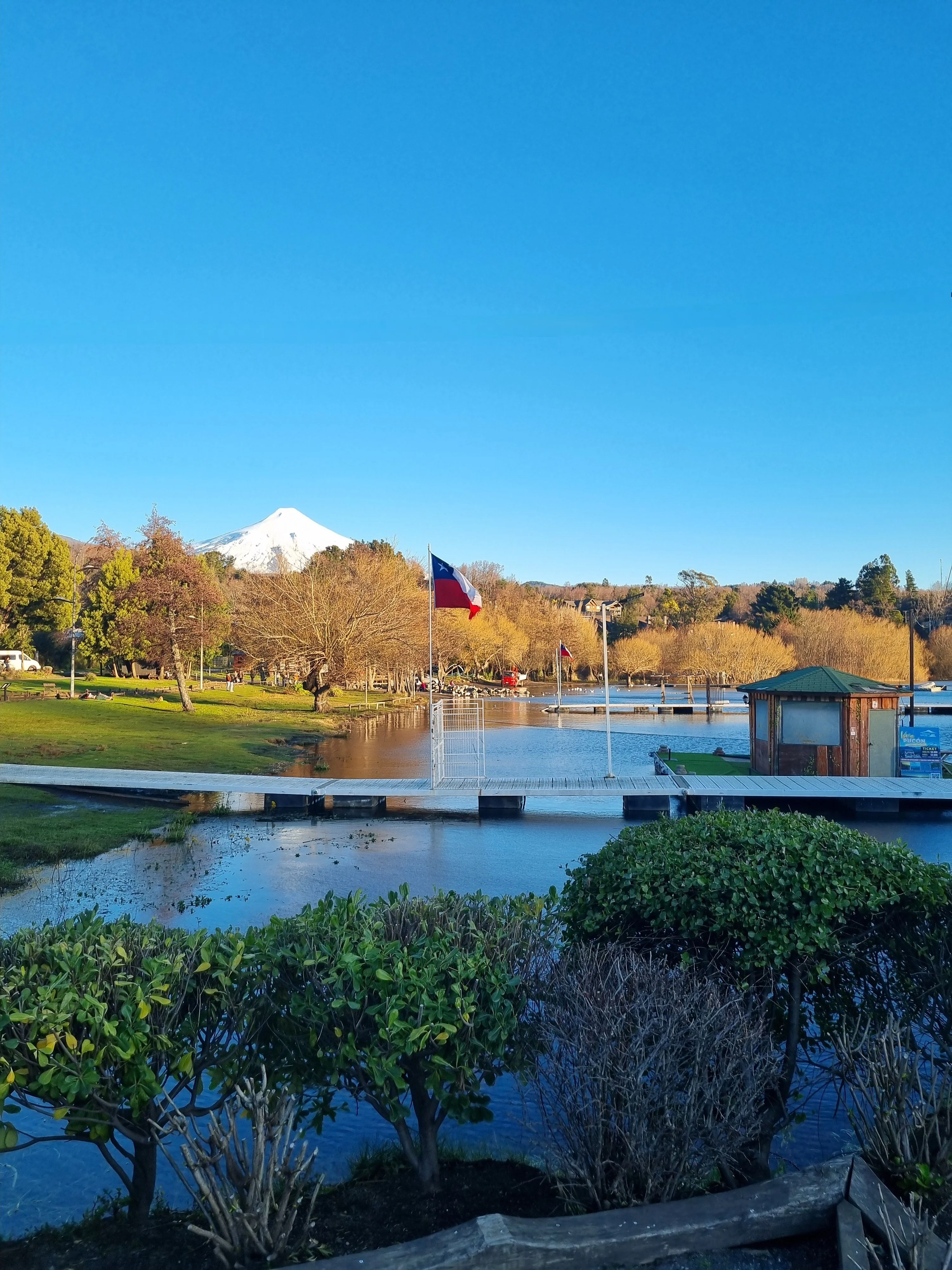
Moving to chile sounds straightforward until you're standing in a notaría in Puerto Montt trying to get a document apostilled that you didn't know you needed. Puerto Varas rewards preparation. The city itself is small — around 40,000 people — which means the infrastructure is manageable but not deep. One main hospital, a handful of serious supermarkets, one public library, and a lakefront that makes all of it feel worth it on a clear day when the Osorno Volcano comes out from behind the clouds.
What most people underestimate before arriving is how much of daily life runs through Puerto Montt rather than Puerto Varas itself. The regional bus terminal, the larger hospital, most government offices, and the main commercial strip are all in Puerto Montt, 20 kilometres south. You will make that drive or bus ride more often than you expect. The two cities function as a pair, and treating them that way from the start saves frustration.
What Puerto Varas Is — and Isn't — for Remote Workers
Puerto Varas works as a base if your work is async and your clients don't need you in a time zone that overlaps badly with Chilean hours.
Café Micelio Puerto Varas — reliable WiFi, good espresso, fills up after 10am; arrive early or accept the noise
Fibre internet is available in most central apartments — 200Mbps plans run around CLP 25,000–30,000/month (roughly $28–$33 USD)
Co-working options are thin — Hub Puerto Varas exists but it's small; most people end up working from home or cafés
Power outages during heavy rain are real — a UPS or battery backup is not paranoid, it's practical
If you need a buzzing coworking scene with hot desks, networking events, and a rotating cast of other nomads, Puerto Varas is not that place — and it doesn't pretend to be.
Moving to Chile via Puerto Varas: What the Paperwork Actually Involves
Chile's visa framework changed in 2022, and the digital nomad visa — formally the Visa Temporal de Trabajo a Distancia — is real but has conditions that catch people off guard.
You need proof of remote income from a foreign employer or clients — Chilean-sourced income doesn't qualify for this category
Applications go through the Extranjería office in Puerto Montt — book the appointment online well in advance, slots disappear fast
Processing takes 30–90 days; tourist entry (90 days, extendable once) is how most people arrive while they wait
A Chilean RUT number unlocks banking, contracts, and health insurance — get it as early as possible, everything else depends on it
The bureaucracy is not punishing compared to other Latin American countries, but it does require sequencing — the RUT before the bank account, the bank account before the lease, the lease before almost everything else.
Where to Live in Puerto Varas: Neighbourhoods, Real Rents, and What Each One Costs You
Puerto Varas is small enough that neighbourhood choice is less about commute time and more about what your front door opens onto — the lake, a quiet residential street, or the commercial noise of the centre. Each option has a price difference that compounds quickly over a three-month stay.
Neighbourhood | Monthly Rent (1-bed) | Vibe | Best For | Key Advantage |
|---|---|---|---|---|
Centro / Lakefront | CLP 550,000–850,000 | Touristic, walkable, loud in summer | Short stays, first-timers | Everything within 10 minutes on foot |
Población Ferroviaria | CLP 380,000–520,000 | Quiet, residential, local | Long stays, budget-conscious expats | Lower rent, genuine neighbourhood feel |
Mirador / Upper Hillside | CLP 480,000–700,000 | Views, privacy, car needed | Couples, retirees, anyone with a vehicle | Volcano and lake views without lakefront pricing |
Ensenada / Lago Llanquihue road | CLP 300,000–500,000 | Rural, isolated, slow | Serious long-termers who want space | Space, silence, direct lake or forest access |
Centro and Lakefront: The Premium You Pay for Convenience
Living on or near the lakefront puts you inside the postcard, which is wonderful for the first month and can feel like living inside a tourist attraction by month two, particularly in January and February when Puerto Varas is at capacity.
Furnished 1-bedroom apartments near Costanera promenade start around CLP 650,000/month ($720 USD) — unfurnished drops closer to CLP 480,000
Mercado Municipal is a 5-minute walk — fresh produce, fish, and cheap lunch counters that locals actually use
Parking is genuinely difficult and street-level noise runs late in summer — ground-floor apartments are cheaper for a reason
Grocery access via Santa Isabel on Del Salvador — largest central supermarket, well-stocked, prices comparable to Santiago chain stores
The centro works best as an entry point — it removes every orientation friction — but most people who stay longer than two months quietly move to a quieter street and keep the rent savings.
fully furnished apartments in Puerto Varas
Browse Puerto Varas homes near this area
Población Ferroviaria: The Neighbourhood That Makes Financial Sense
If you're moving to chile for a year rather than a season, Población Ferroviaria is where the numbers work in your favour without sacrificing a walkable daily life.
Unfurnished 1-bedrooms from CLP 380,000/month ($420 USD) — furnished adds CLP 60,000–100,000 on top
Quieter on weekends, genuinely residential — your neighbours are Chilean families, not other tourists
Feria Puerto Varas near the old railway area runs Wednesday and Saturday mornings — cheaper produce than any supermarket
15-minute walk to the lakefront, 10 minutes to the centre — close enough to access everything, far enough to avoid the noise
The honest trade-off: the streets are less picturesque, the housing stock is older, and you'll need to look harder to find a well-maintained rental — but the rent difference versus the lakefront is CLP 200,000–300,000/month, which is real money over a year.
Browse Puerto Varas homes near this area
Cost of Living in Puerto Varas: Actual Numbers, Not Averages
Puerto Varas is cheaper than Santiago but not by as much as people expect — and it's more expensive than Puerto Montt for most categories because the lakefront premium bakes into everything from coffee to groceries at the tourist-facing shops. Run your budget on Puerto Montt prices for staples and Puerto Varas prices for rent and you'll be closer to accurate.
Monthly Expenses: What a Realistic Budget Looks Like
These numbers assume a furnished 1-bedroom in the centre, cooking most meals, and using the bus rather than taxis or rideshare.
Rent: CLP 550,000–750,000/month ($610–$830 USD) for a furnished 1-bed in centro
Groceries at Líder on Ruta 5 Sur: CLP 150,000–200,000/month for one person cooking regularly
Local bus to Puerto Montt: CLP 1,000–1,200 per trip — a monthly routine of 8 round trips adds around CLP 20,000
Eating out: a menú del día at a local restaurant runs CLP 4,500–6,000; tourist-facing restaurants charge CLP 10,000–18,000 for a main
A realistic all-in monthly budget for a single remote worker — rent, food, transport, internet, and occasional activities — lands between $1,400 and $1,900 USD, depending almost entirely on how often you eat at lakefront restaurants versus cooking at home.
Healthcare Costs for Expats in Puerto Varas
Chile's two-tier healthcare system — public FONASA and private ISAPRE — applies to you once you have a RUT, and the choice you make here affects your monthly expenses more than most people budget for.
FONASA Plan B costs around 7% of your declared income — the minimum contribution is roughly CLP 24,000/month ($27 USD)
Private ISAPRE plans start around CLP 60,000–100,000/month ($67–$110 USD) and cover faster access and private clinics
Clinica Puerto Varas is the main private option in town — solid for routine care, serious cases go to Puerto Montt or Santiago
Dental care is good value: a cleaning runs CLP 25,000–40,000 at private practices, well below European or North American prices
Most expats in chile on longer stays choose ISAPRE for the reduced wait times — the gap in monthly cost versus FONASA is small enough that the access difference makes it straightforward.
When I ran my own numbers after three months in Puerto Varas, groceries from Unimarc came to around 180,000 CLP per month for one person — noticeably cheaper than Santiago.
Puerto Varas vs. Puerto Montt: Choosing the Right Base for Your Life Here
This comparison gets skipped in most relocation guides and it's the one that matters most. Puerto Varas and Puerto Montt share a lake and a highway but not a character — and picking the wrong one based on photographs is a mistake that costs you money and months of adjustment.
What Puerto Montt Offers That Puerto Varas Doesn't
Puerto Montt is a working port city — it has the density, the government offices, the hospital infrastructure, and the commercial scale that Puerto Varas deliberately doesn't.
The main bus terminal at Terminal de Buses Puerto Montt connects to Santiago (12–14 hours), Bariloche, and ferry routes to Patagonia
Rents in Puerto Montt run CLP 100,000–200,000/month lower than comparable apartments in Puerto Varas centro
Mall Paseo Costanera in Puerto Montt has the stores and services that Puerto Varas doesn't — appliances, electronics, larger pharmacy chains
The regional airport Aeropuerto El Tepual is 15 minutes from Puerto Montt centre, 35 minutes from Puerto Varas — matters if you fly regularly
Puerto Montt is the right base if your priority is lower rent and closer proximity to practical infrastructure; Puerto Varas is the right base if the lake and the quiet are what you're actually paying for.
The Osorno Volcano and Activities: What the Region Gives You Beyond the View
The Osorno Volcano is not just a backdrop — it's an active part of daily life here if you let it be, and the activities available within an hour of Puerto Varas are genuinely unusual for a city this size.
Skiing at Volcán Osorno Centro de Montaña runs June–September — day passes around CLP 35,000 ($39 USD), less than half the cost of comparable resorts in Europe
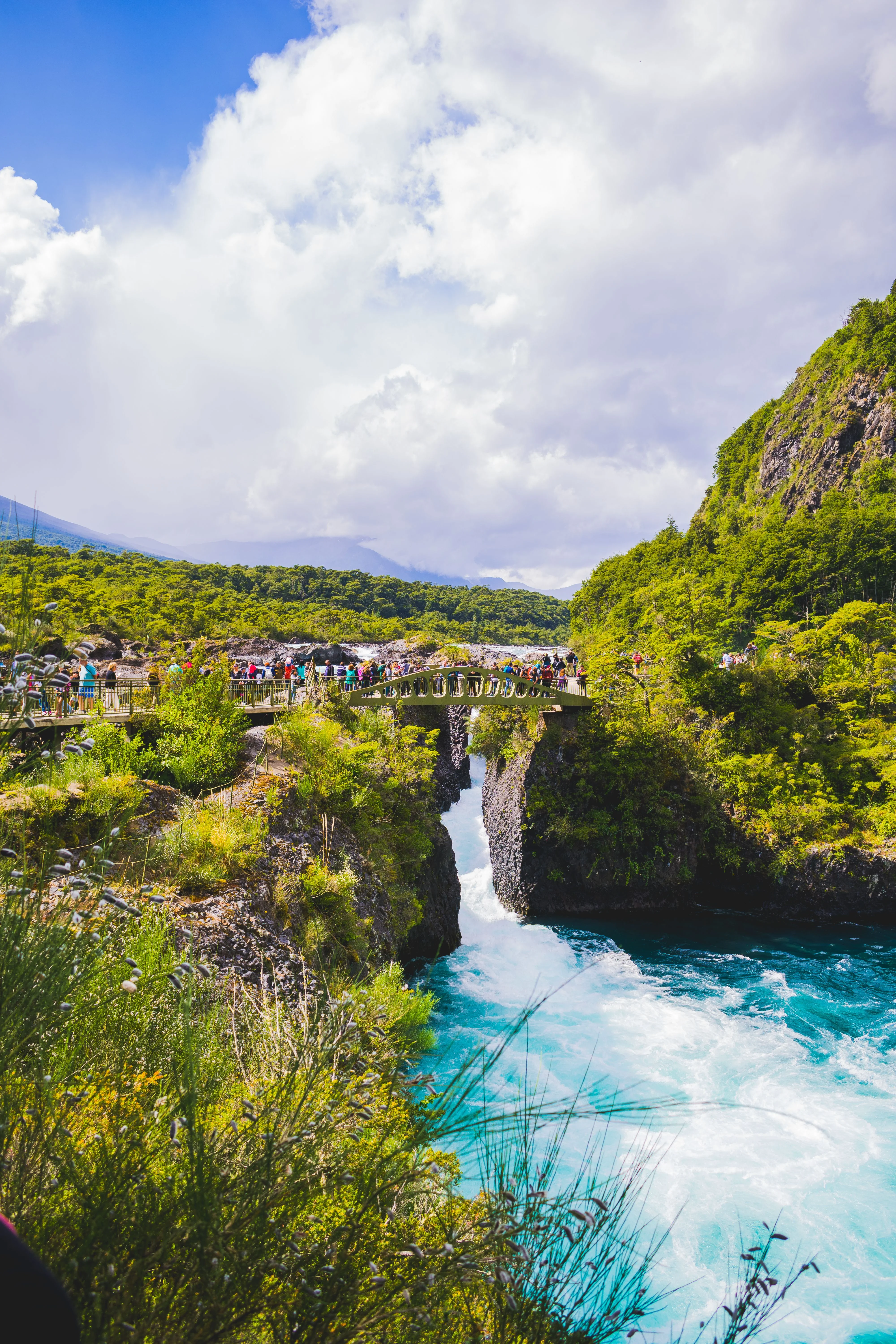
Parque Nacional Vicente Pérez Rosales is 45 minutes from town — entry CLP 10,000 for foreigners, trails from half-day walks to multi-day routes
Kayaking on Lake Llanquihue: guided half-day tours from CLP 25,000–35,000, independent rental from local operators closer to CLP 8,000/hour
The German-influenced Chilean town of Frutillar is 45 minutes north — worth a day trip, particularly for the Teatro del Lago concert season in January–February
The activities are the reason most people come and the reason many of them stay — but they're seasonal, weather-dependent, and require either a car or the willingness to plan around bus schedules.
Daily Life in Puerto Varas: What Running Errands Actually Looks Like
The rhythm of daily life here is slower than Santiago and quieter than Valdivia — which is exactly what draws people, until it's the thing that frustrates them.
Coffee, Groceries, and the Places You'll Actually Use Every Week
The centro is compact enough that your daily errands collapse into one loop — but the options are thin, so the ones that exist matter more than they would in a larger city.
Cafe Danes on Del Salvador — espresso CLP 2,200, reliable WiFi, opens at 8:30am, fills up by 10:00am with locals, not tourists
Jumbo Puerto Montt — the closest large-format supermarket, 25 minutes south; worth the trip once a week for bulk staples and anything you can't find in town
Vollkornbrot on Walker Martínez — German-style bread and pastries, CLP 1,500–3,000, open from 7:30am, gone by noon on weekends
You will solve the grocery question within your first week and after that it runs on autopilot — the more persistent gap is finding reliable café options once you've exhausted the two or three that suit your working style.
Banking, Admin, and the Friction Points That Catch People Off Guard
Chile's banking infrastructure is functional but not forgiving of gaps in your documentation — especially in a town this size, where your options are limited to a handful of branch offices.
BancoEstado Puerto Varas on Del Salvador — the most accessible branch for new residents; expect queues on Monday mornings, go mid-week before 1pm
Cuenta RUT through BancoEstado is free and doesn't require a full visa — it works for receiving transfers and paying bills while your residency processes
Correos de Chile on San Francisco — certified mail and document submissions; not every document service is online in Chile, and this office processes more than you'd expect
Notarías handle lease witnessing, document legalisation, and powers of attorney — Notaría Vio is the most central, appointments preferred
The banking and admin loop is manageable, but it requires physical presence more than you're probably used to — budget half a day, not an hour, every time you need to resolve something formal.
Healthcare Beyond the Hospital: Clinics, Pharmacies, and What to Know Before You Need It
For non-emergency care, Puerto Varas has enough to cover you — it's the specialised or urgent cases that push you toward Puerto Montt, and knowing that boundary in advance removes the panic.
CESFAM Puerto Varas on Purísima — public primary care, free with RUT registration, waits are real (1–2 weeks for non-urgent appointments), but it works for routine consultations
Farmacia Cruz Verde on Del Salvador — the most reliable pharmacy in town, open until 10pm, good stock on common prescriptions; bring documentation for anything controlled
Dental care in Chile runs cheap by European or North American standards — a basic check-up at a private clinic in Puerto Varas runs CLP 25,000–40,000, fillings from CLP 50,000
International travel insurance that covers emergency evacuation is worth having — not because the local care is bad, but because the nearest MRI machine is in Puerto Montt and specialist queues in public hospitals run long
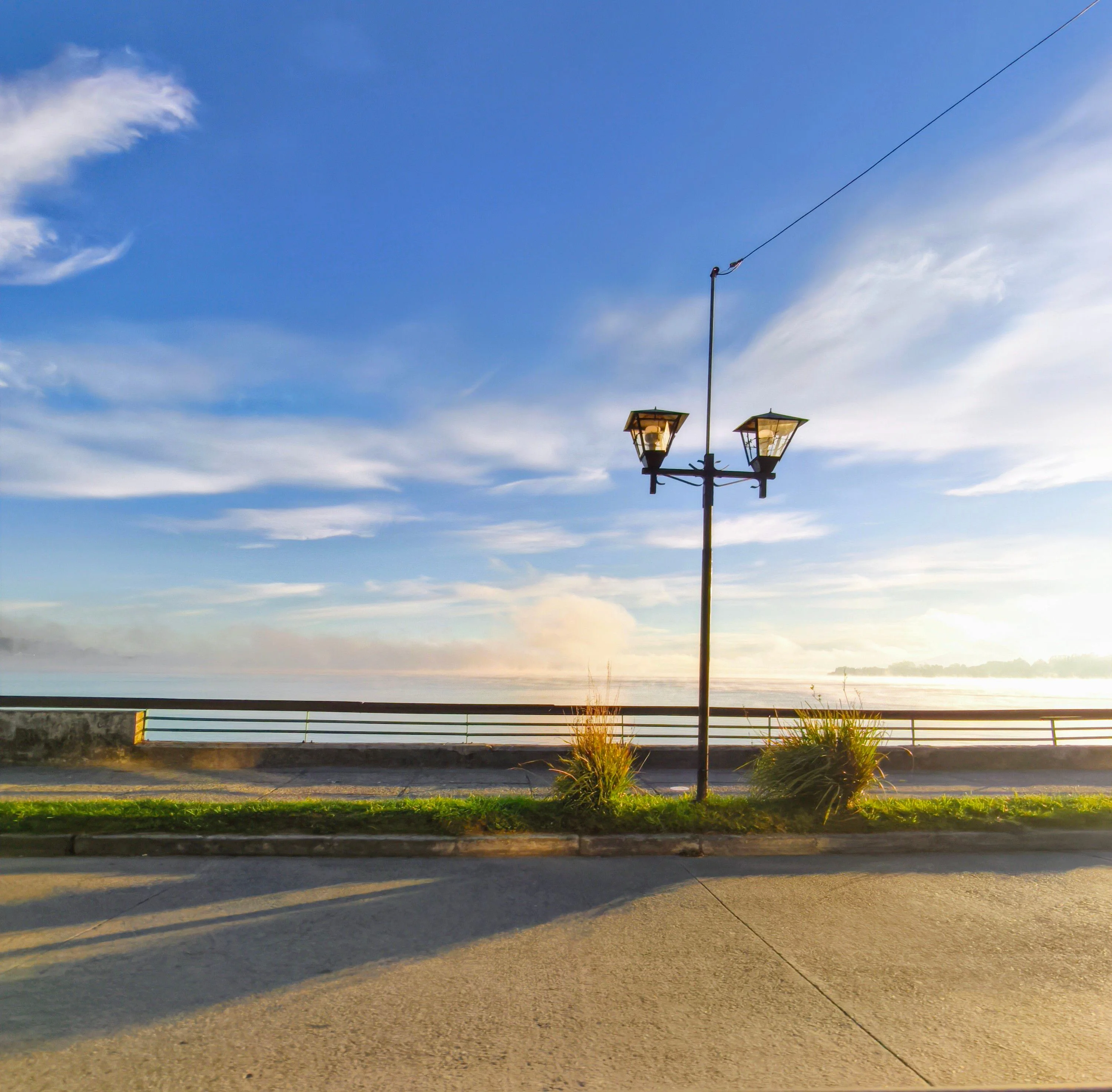
My go-to morning run along the Costanera lakefront takes about 40 minutes end to end, with Volcán Osorno visible the entire way on a clear day.
Most remote workers here go months without needing anything beyond a pharmacy — but setting up your CESFAM registration in the first two weeks is free, easy, and removes the worst-case scenario.
Getting Around: Transport Within Puerto Varas and Into the Region
Puerto Varas is walkable at its core and car-dependent at its edges — which is not a problem until you want to live somewhere that isn't the centro, or you need to reach anywhere beyond Puerto Montt regularly.
Local Movement: Feet, Buses, and Whether a Car Actually Makes Sense
Most of the centro compresses into a 15-minute walk, so for the first few weeks you may not miss having wheels — but the calculation shifts quickly depending on where you're based.
Colectivos between Puerto Varas and Puerto Montt run continuously from early morning — CLP 1,200–1,500 per person, depart from the main colectivo stop on Del Salvador, door-to-door faster than the bus
Local buses cover the lakefront road toward Ensenada — useful for day trips, less useful for a weekly commute; frequency drops sharply after 7pm
Renting a car for one week per month costs roughly CLP 70,000–90,000 from local operators — cheaper than owning, and enough to cover the market runs and park access that require wheels
Cycling is realistic in the centro and along the costanera but the hills above town are steep enough that it stops being practical for daily errands if you're in the upper neighbourhoods
If you're based in Población Ferroviaria or the lower streets of the centro, you can live without a car most weeks — anywhere else, the colectivo to Puerto Montt becomes your most-used transport tool.
Regional Connections: Day Trips, Longer Excursions, and Reaching Other Cities in Chile
Puerto Varas sits in a region where the most interesting destinations require either a car, a ferry, or a long bus — and the connections, while real, don't run on city logic.
Tur Bus on Del Salvador connects to Santiago overnight (CLP 25,000–45,000 depending on seat class, 12–13 hours) — Turbus and Cruz del Sur are the reliable operators
The ferry route through Navimag from Puerto Montt to Puerto Natales takes 3–4 days through the channels — not a commute, but one of the more memorable journeys in Chile if you have a free week
Reaching Castro on Chiloé Island takes about 2.5 hours by bus and ferry from Puerto Montt — a reasonable weekend if you want to contrast the mainland calm with something stranger and older
La Serena, in the Norte Chico, is roughly 20 hours north by bus — a comparison point that clarifies how far south you actually are; the Pacific coast there runs warmer and drier, which matters if winter in the Lakes Region turns heavy
The region rewards you if you treat travel as part of the experience rather than a friction point — the connections exist, they just require more planning than a city with an airport hub.

Who Puerto Varas Actually Works For — and What to Do Before You Arrive
The people who thrive here tend to share a few specific traits — and the people who leave early tend to have underestimated one or two specific things.
The Remote Work Reality: Internet, Community, and What This City Gives You
Puerto Varas works for remote workers who don't depend on a coworking scene or spontaneous professional networking — it's a place that gives you conditions to work in, not people to work alongside.
Fibre connections through VTR or Entel reach most of the centro and lower hillside — the upper streets and Ensenada road are patchier, worth testing before you commit to a lease
The expat community in Puerto Varas is small and mostly settled — you'll find them, especially through Facebook groups like "Expats in the Chilean Lake District," but it's not a rotating nomad circuit
Biblioteca Municipal Puerto Varas offers free WiFi and desk space — not a coworking substitute, but workable for a few hours if your apartment has an issue
The nearest city with an established remote worker community is Valdivia, 2.5 hours north — worth a week's visit to compare rhythms before committing to Puerto Varas long-term
Remote workers with async schedules and projects that don't require daily video calls tend to settle here with minimal friction — if your work depends on reliable last-minute connectivity or impromptu calls, test your setup before month one ends.
Seasonal Realities: What Changes Month to Month and When to Arrive
Arriving in the wrong season doesn't ruin Puerto Varas, but it gives you a misleading version of it — the January version of this town and the July version are genuinely different experiences.
December–February is high summer: longer days, crowded lakefront, prices 10–20% higher on short-term rentals, and the energy of a town that knows tourists are watching
March–April is the best arrival window for remote workers — the crowds thin, long-term lease prices return to normal, and the landscape is at its most dramatic with autumn colour on the hillsides
June–August brings cold, frequent rain, and reduced daylight — the town contracts significantly, some restaurants close for weeks, and the isolation becomes most acute; this is when remote workers with low tolerance for grey skies leave
The ski season at Volcán Osorno runs June–September and brings a different crowd — but it doesn't animate Puerto Varas the way summer does; the base activity is thin outside of weekends
March is the month this city earns its reputation — if you have flexibility, that is when to arrive, give yourself four weeks, and decide whether you want to stay through winter.
Is Puerto Varas the Right Base for You? A Final Honest Assessment
What Puerto Varas Actually Delivers
This town earns its reputation by doing one thing exceptionally well: placing you inside a genuinely dramatic landscape without charging you a city premium to be there.
Fully furnished apartments sit at price points well below Santiago or Valparaíso, with lake and volcano views built into the rent rather than charged as an upgrade
Fully furnished apartments in Chile vary widely by region, but Puerto Varas occupies a category where natural surroundings are the core amenity, not an afterthought
Noise levels are low, the pace is unhurried, and the proximity to Parque Nacional Vicente Pérez Rosales means serious wilderness is a short drive, not a flight
Remote workers who arrive prepared and keep flexible hours routinely extend their stays without much deliberation
The view from your desk here is not a lifestyle flourish — it is the actual reason the arrangement makes sense.
Where Puerto Varas Falls Short
The town has real gaps, and knowing them before you arrive is the difference between a productive stay and a frustrated early exit.
There is no meaningful coworking ecosystem — you are largely working from your apartment or a café with inconsistent hours
Medical infrastructure is limited; anything beyond minor care means travelling to Puerto Montt, roughly 20 kilometres south
Nightlife ends early and social options are thin compared to any Chilean city of comparable name recognition
Winter brings sustained grey and cold that photographs of the lake do nothing to prepare you for
None of these are deal-breakers if you know they're coming — they only become problems when someone arrives expecting a city and finds a town instead.
Who Should and Shouldn't Be Here
Puerto Varas selects for a particular kind of remote worker, and it is worth being honest with yourself about which one you are before you sign a lease.
It works well for people who have done the bureaucratic groundwork in advance and don't need hand-holding on arrival
It works well for those who actively want to trade urban stimulation for natural surroundings, not just tolerate that trade
It works poorly for remote workers who rely on the density and spontaneity of a city to feel socially connected or professionally motivated
People who leave early almost always underestimated that last point — the town didn't fail them, the fit was wrong from the start
If the lake view from your desk sounds less like a luxury and more like the actual point, Puerto Varas is where that trade makes sense.