Lukas
Tech & Digital Nomad Cultural Editor ·
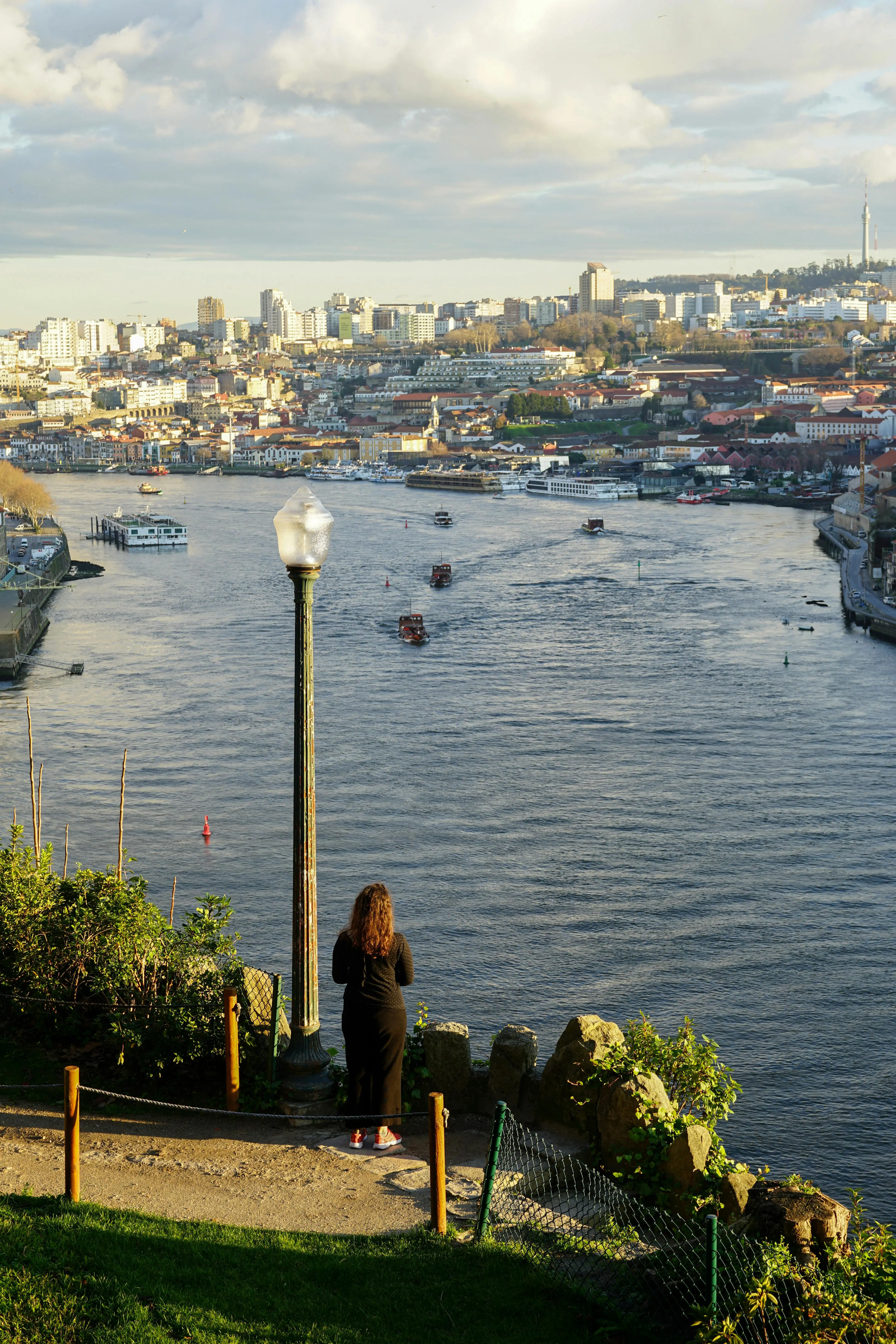
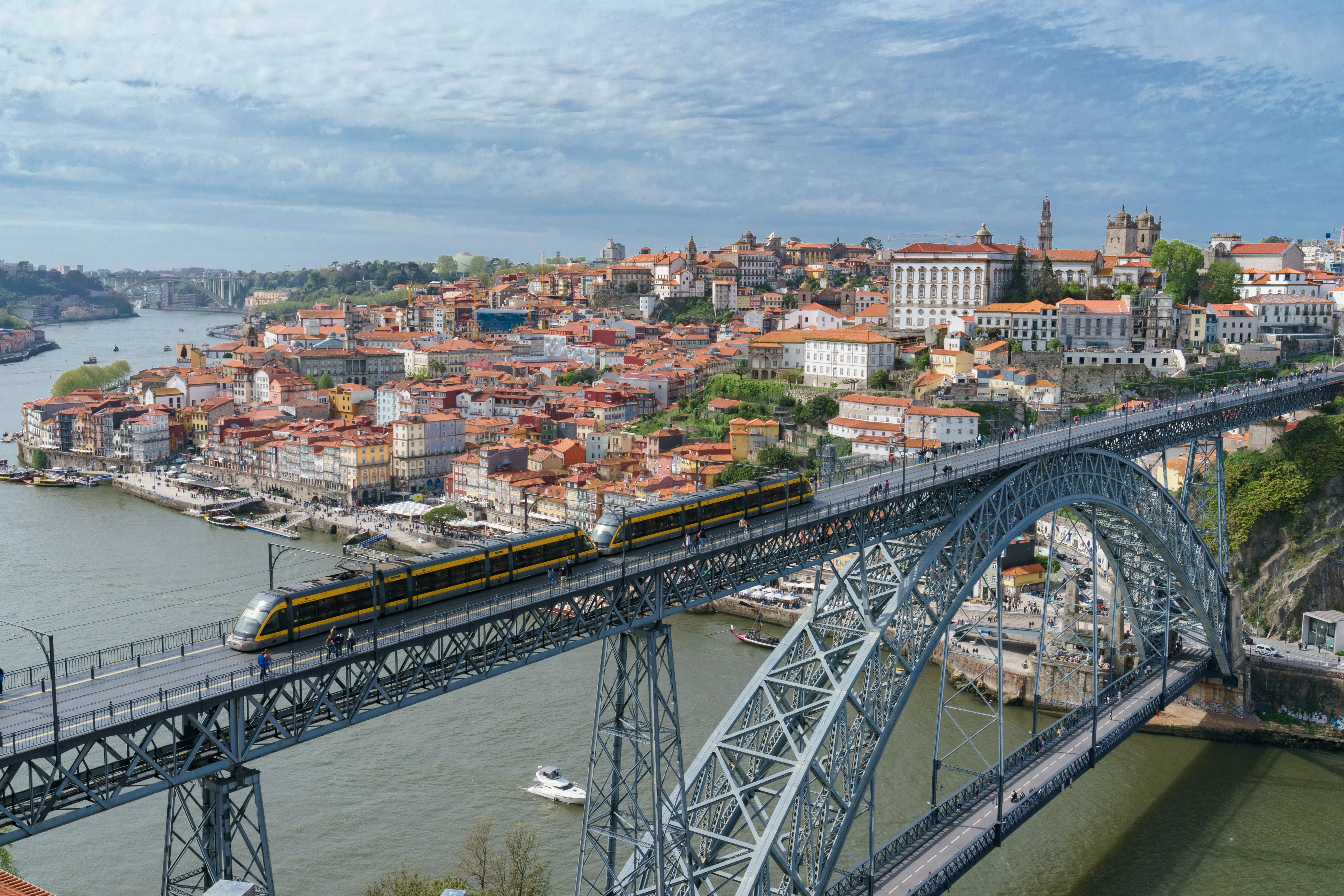
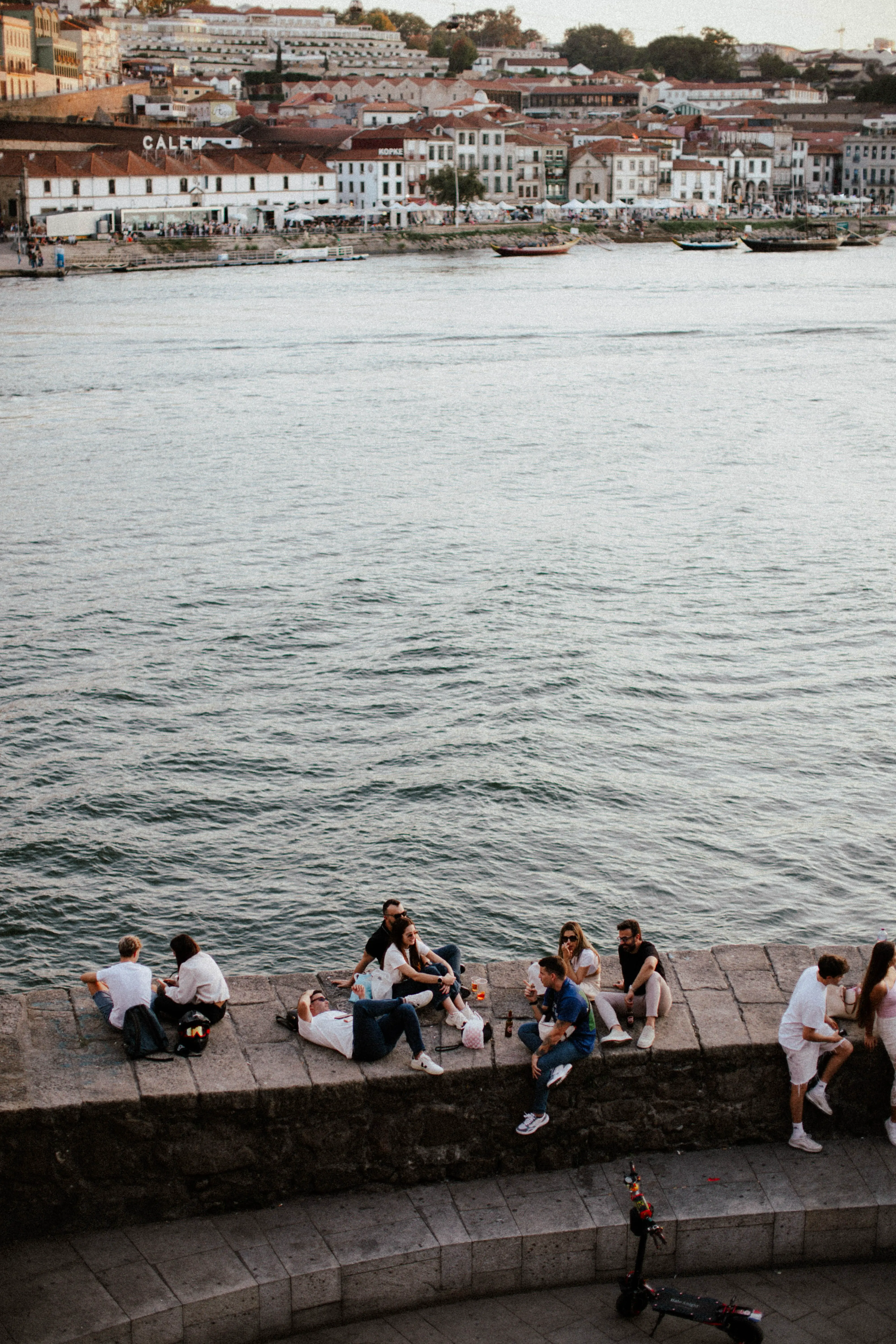
Porto is not a city that oversells itself. The cobbled streets, the Douro River below the Dom Luís I Bridge, the tiles peeling off century-old facades — it is all real, and it is all slightly inconvenient in ways that make you like the place more. What this guide covers is the practical version: where to live, what it costs, how to get your visa, and how this charming city actually functions compared to other European cities once you stop being a tourist.
The best neighborhoods for remote workers and what each one actually costs
D7 Visa and Digital Nomad Visa requirements for non-EU citizens
How Porto's public transport works day to day
Healthcare — public and private — and what expats actually use
International schools and family considerations
What a realistic monthly budget looks like
Living in Porto: What the City Is Actually Like
The City Layout and What the Neighbourhoods Are Actually Like
Porto rewards people who look past the UNESCO postcard and settle somewhere with actual daily infrastructure around them.
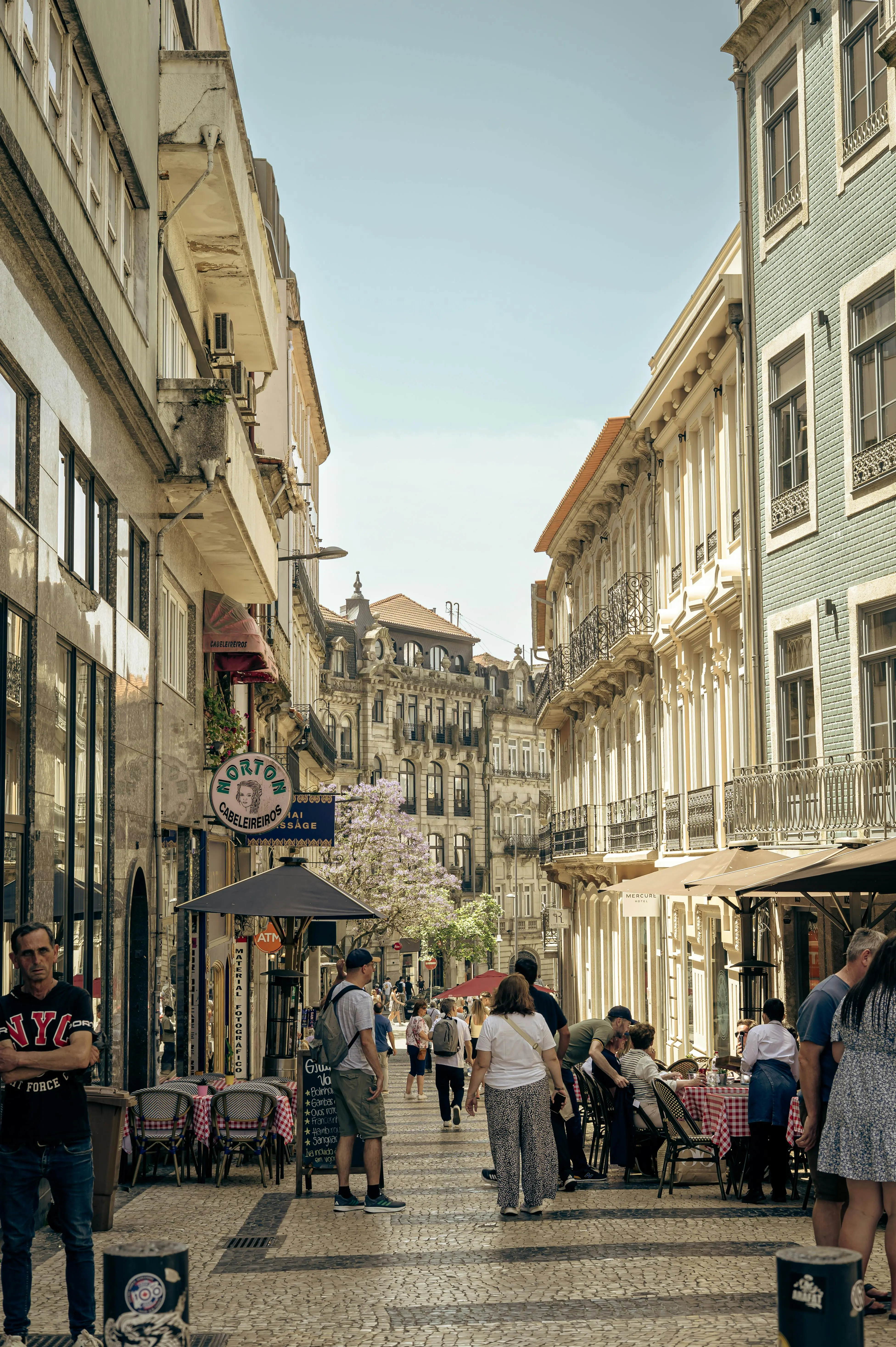
The historic centre is dense, beautiful, and genuinely walkable, but it is also the noisiest and most tourist-facing part of the city
Neighbourhoods like Bonfim and Paranhos attract longer-term residents precisely because they function as real residential areas rather than tourism zones
Everything essential — markets, cafés, transport — is packed into a relatively small footprint, which makes life here manageable without a car
The city extends well beyond the World Heritage boundary, and the better long-term rental value is almost always found outside it
The neighbourhoods where tourists don't go are exactly where you want to be after your first week.
The Climate and What It Means for Where You Rent
Porto's Atlantic position makes its winters meaningfully wetter and greyer than most people who visited in summer are prepared for.
Summers are warm, sunny, and genuinely pleasant from June through September
November through February brings consistent rain and grey skies — not brutal cold, but persistent damp
Good heating is non-negotiable; many older apartments in the centre have inadequate systems that were never built for someone working from home all day
A covered terrace is worth paying extra for — an open balcony is useless for five months of the year
The people who struggle through winter here are almost always the ones who rented somewhere charming in August without checking the radiators.
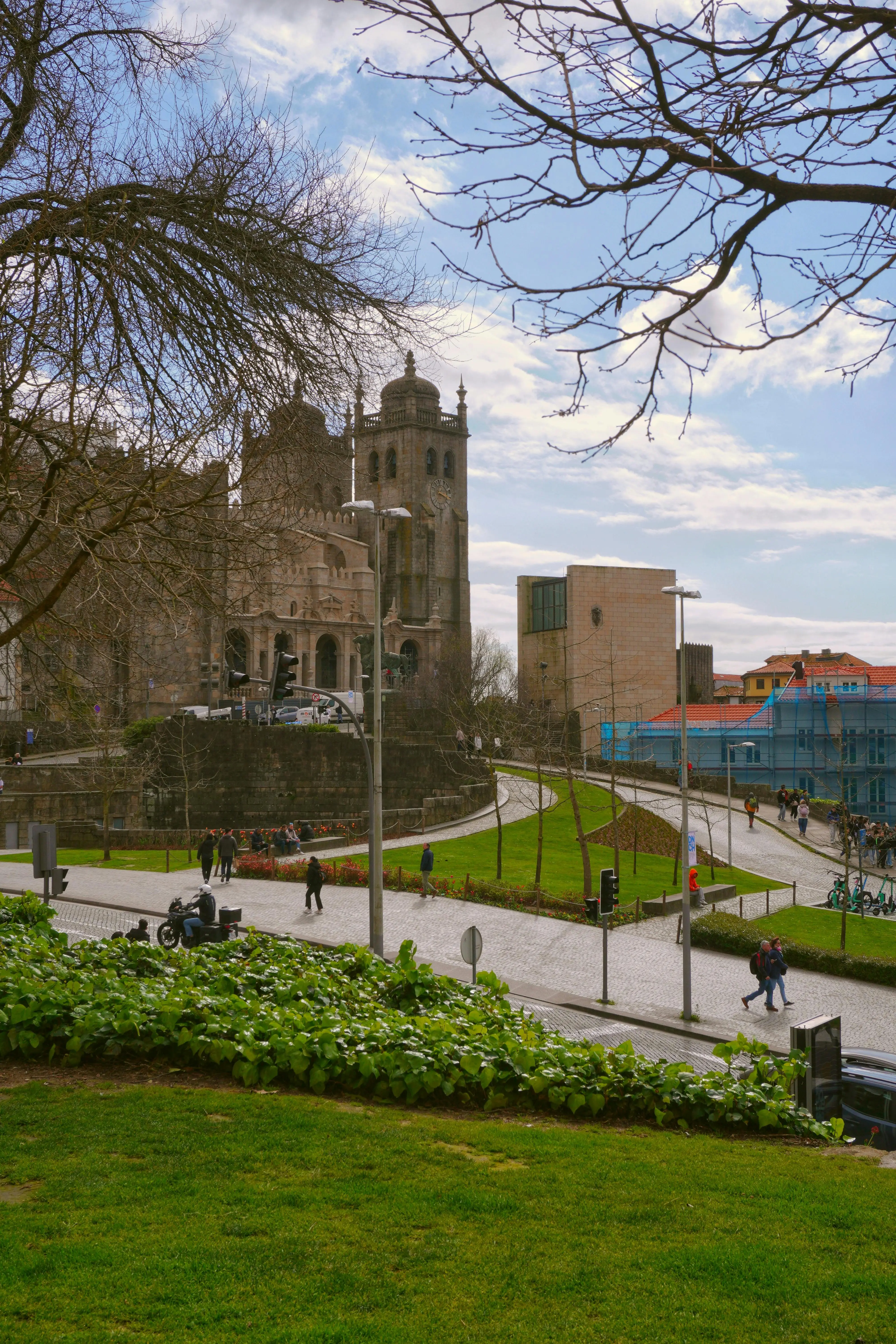
The Rental Market, the Community, and the Window That Is Closing
Porto still offers real local life at a price that European cities of this quality rarely hold onto — but the gap is narrowing faster than most newcomers expect.
Long-term rental apartments in central neighbourhoods disappear quickly; listings in Bonfim and Cedofeita regularly receive multiple enquiries within 24 hours
English is widely spoken by anyone under 45 in central Porto, which softens the landing considerably
A growing international community has produced expat WhatsApp groups, community events, and coworking spaces that function as practical networking infrastructure
Rents have climbed steadily and show no sign of reversing — the calculation now is how much runway remains before Porto prices itself out of the category it currently occupies
Porto is not undiscovered, but it is not yet lost — and that distinction matters enormously if you are deciding whether to move here this year or next.
Best Neighborhoods for Remote Workers Moving to Porto Portugal
Porto's major neighborhoods break cleanly by price, energy, and commute logic. The mistake most people make is assuming they want to be in the historic centre — and then discovering that Ribeira is a UNESCO World Heritage Site with a tourist-to-resident ratio that makes focused work difficult.
Neighbourhood | Monthly Rent (1-bed) | Vibe | Best For | Key Advantage |
|---|---|---|---|---|
Bonfim | €950 | Up-and-coming, local | Remote workers who want local feel | Good café density, walkable to centre |
Foz do Douro | €1,200+ | Upscale, residential | Families, longer stays | Seaside promenades, green spaces |
Vila Nova de Gaia | €700 | Quieter, across the river | Budget-conscious, good transport links | Lowest average rent in the metro area |
Matosinhos | €850 | Coastal, local | People who want beach access | Metro direct to city centre |
Paranhos | €800 | Residential, university area | Affordability-focused, families | Proximity to universities and hospitals |
Bonfim: The Default Landing Zone for Remote Workers
Bonfim has the right balance of local life and infrastructure — it is central Porto without the tourist overlay, and it is where most remote workers end up after their first month if they started somewhere more expensive.
Mercado do Bom Sucesso — food hall, lunch for €8–10, reliable WiFi in adjacent café seating
One-bedroom apartments average €950/month — the number matches city average but quality varies sharply; inspect before signing
MyCoffee — flat white €2.80, strong WiFi, fills by 10am
Rua de Antero de Quental and surrounding streets — walkable to Campanhã train station, useful if you travel frequently
The neighbourhood has enough coworking spaces and cafés to sustain a full working week without repeating yourself, which matters more than it sounds after week three.
Foz do Douro: Upscale, Quiet, and Worth the Premium If You Have It
Foz do Douro sits where the Douro River meets the Atlantic, and the housing reflects that location — this is where Porto's upscale housing sits, with ocean views and a residential calm that the city centre cannot offer.
Passeio Alegre Garden — free, large, walkable from most Foz apartments; useful for morning routines
One-bedroom apartments from €1,200/month — you pay for the ocean view and the quiet, both of which are genuine
Tentações no Prato — neighbourhood café, breakfast under €5, mostly locals, best before 9am
Seaside promenades along Avenida do Brasil — functional for running, cycling, and the kind of daily reset that keeps remote work sustainable
Foz is not the right base if you need to be in central Porto daily — the commute adds friction — but for families or anyone prioritising green spaces and residential calm over proximity, it justifies the cost.
Vila Nova de Gaia: Best Value in the Metro Area
Vila Nova de Gaia sits directly across the Douro River from central Porto, connected by the Dom Luís I Bridge and the metro, and it has the lowest average rents you will find without leaving the metro area entirely.
One-bedroom apartments average €700/month — that is €250 less per month than Bonfim for a metro that crosses the river in 12 minutes
Jardim do Morro — free park above the Dom Luís I Bridge, one of the better views of the city, useful for the daily walk
HUB — day pass €15, month €150, riverfront location, quieter than central Porto equivalents
Local markets at Mercado Municipal de Gaia — produce cheaper than central Porto, open Tuesday through Saturday
The trade-off is psychological more than practical: some people find that being south of the river feels disconnected, even when the commute is short — give yourself two weeks before you decide it is not working.
If you are ready to start looking, browse fully furnished apartments in Porto — filtered by neighbourhood and available for monthly rental.
Digital Nomad Visa and Residency Options for Non-EU Citizens
EU citizens do not need a visa to live in Portugal — they register locally and receive temporary residency certificates valid for five years. For everyone else, the process has two realistic options, and which one applies depends almost entirely on your income.
The D7 Visa: For Remote Workers With Passive or Lower Active Income
The D7 is the entry route for non-EU citizens who earn remotely or have passive income — it is more accessible than the Digital Nomad Visa and has been the default path for most expats moving to Porto over the past decade.
Minimum monthly income requirement: €870 — below this, the application will fail regardless of other factors
Apply at the Portuguese consulate in your home country before you arrive — you cannot begin this process inside Portugal on a tourist visa
Processing takes 2–3 months on average; plan your move date accordingly
Leads to a renewable two-year residency permit, then a three-year permit, and eventually permanent residency eligibility
The D7 is not complicated, but the documentation requirements are specific — proof of income, accommodation, health insurance, and clean criminal record — and incomplete applications are a reliable way to add three months to your timeline.
Digital Nomad Visa: Higher Bar, More Flexibility
The Digital Nomad Visa requires a monthly income of €3,480 — four times the Portuguese minimum wage — and was introduced specifically for location-independent workers with contracts or freelance income above that threshold.
€3,480/month minimum income, demonstrable through contracts, invoices, or employer letters
Available both as a temporary stay visa (up to 12 months) and a long-term residency option
Does not require you to be employed by a Portuguese company — remote contracts with international businesses qualify
Many international businesses operating in Portugal use this route when relocating employees who are non-EU citizens
If you are between the two thresholds — earning more than €870 but less than €3,480 — the D7 remains your route; the Digital Nomad Visa has no lower-band equivalent.
Public Transport, the Train Station, and Getting Around Porto
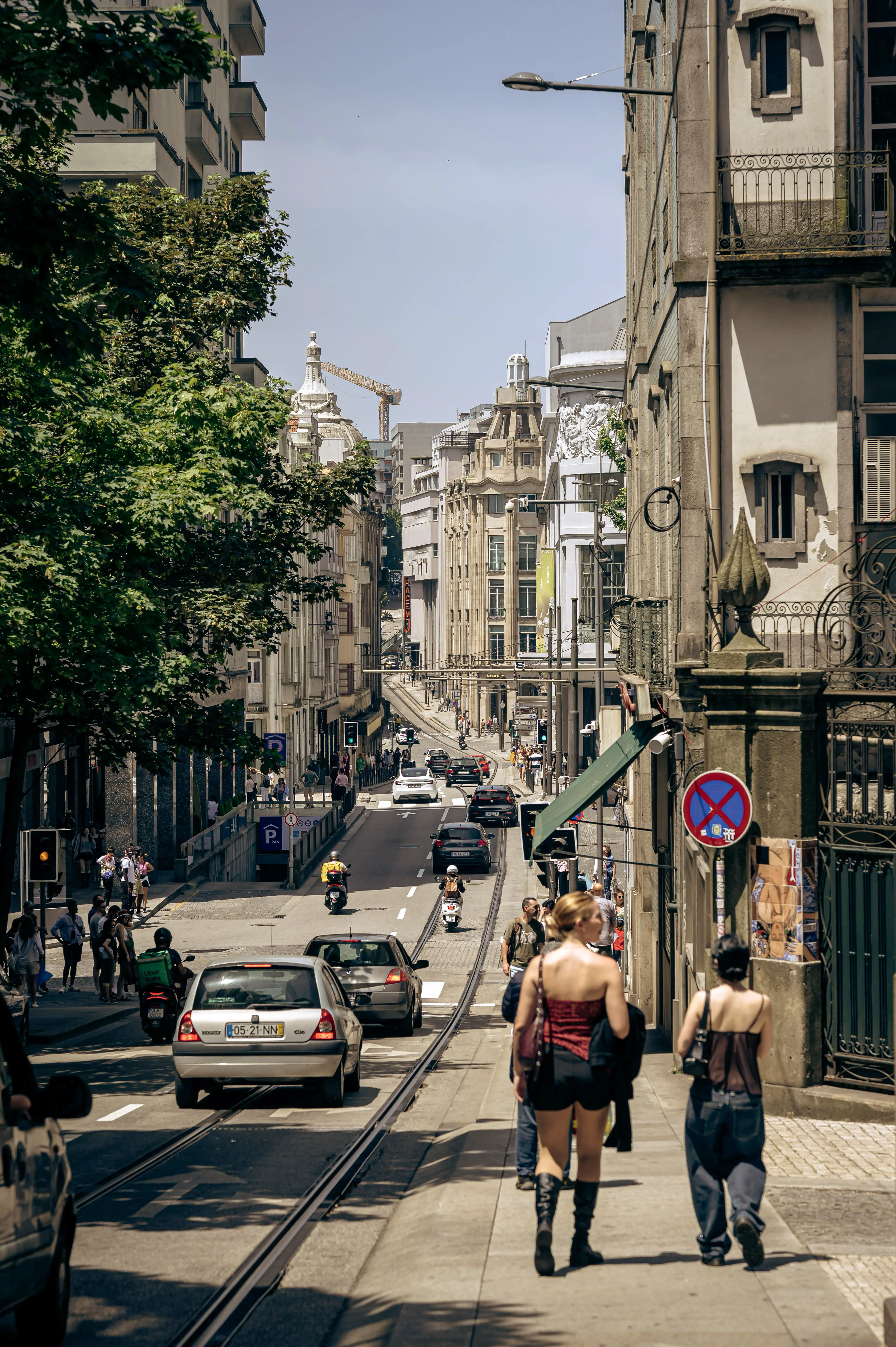
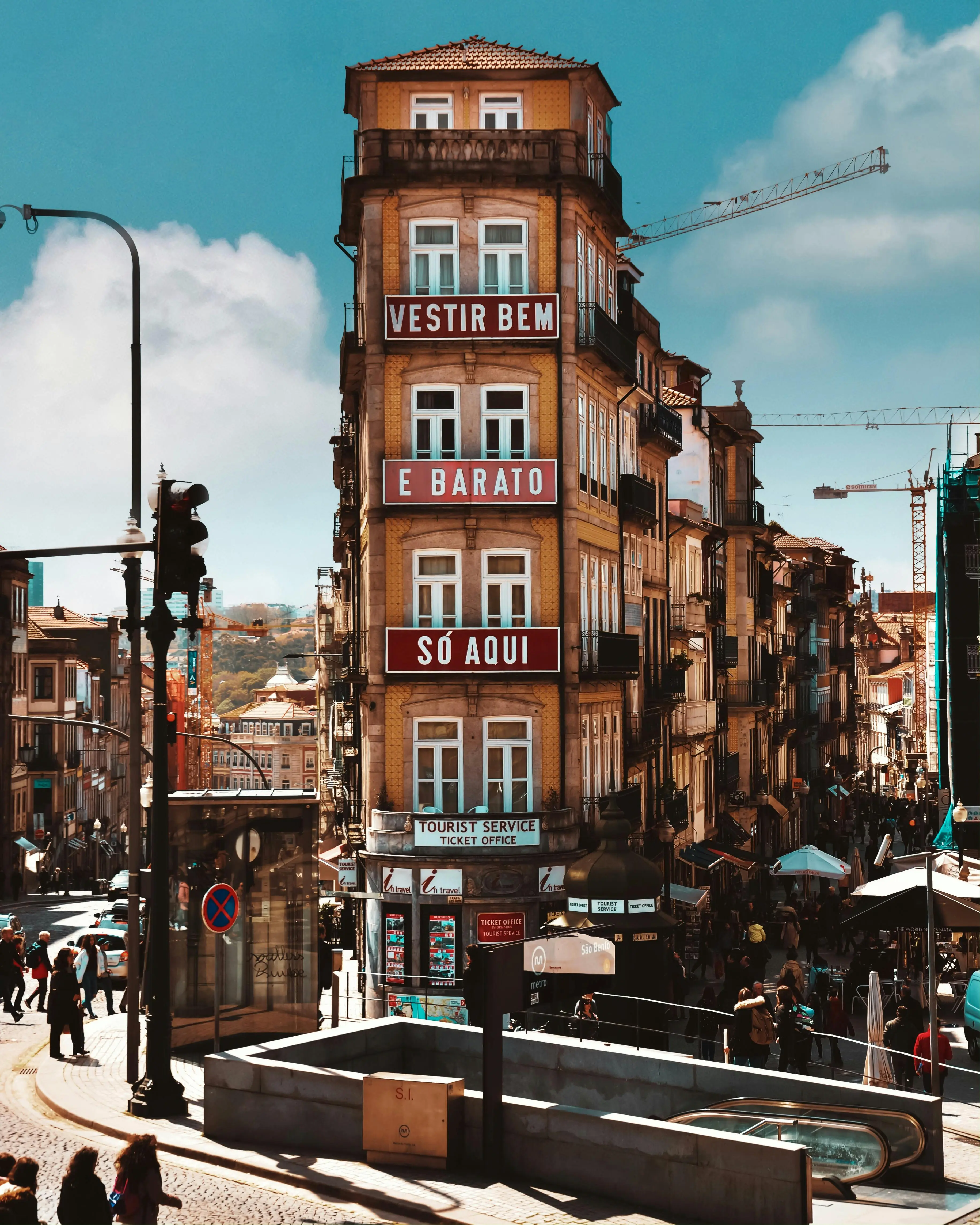
Porto's public transport network is genuinely good for a city this size, and once you understand the logic of the metro network, most of the city becomes accessible without a car.
The Metro Network: Eight Lines, One Flat Fare
Porto's metro has eight color-coded lines covering the city centre, the airport, Vila Nova de Gaia, and coastal Matosinhos — the coverage is better than most people expect before they arrive.
Single journey: €1.40 — buy an Andante card (€0.60 one-time fee) at any metro station, reload as needed
Airport to city centre: Line E (violet), 35 minutes, €2.00 — the most useful line for the first day
Metro stations in central Porto are close enough together that walking between them is often faster than waiting
Buses cost €2 per journey and cover areas the metro misses — Foz do Douro is bus-dependent for most routes
The metro network stops around 1am, which is earlier than the nightlife expects — budget for taxis or rideshares after midnight rather than planning to metro home.
Campanhã Train Station: Porto's Rail Hub
Campanhã train station is Porto's main intercity rail hub and the right base comparison if you plan to travel within Portugal regularly — it sits in eastern Porto with direct metro access.
Campanhã Station — Lisbon via Alfa Pendular takes 2h45m, under €30 booked ahead; trains run multiple times daily
Coimbra: 1h by fast train, €15–20 — viable as a day trip or for client meetings
Metro Line A connects Campanhã directly to Trindade, the central interchange station, in under 10 minutes
International airport (Francisco Sá Carneiro) is 25 minutes from Campanhã by metro — no transfer needed on Line E
If you are comparing neighbourhoods and travel frequently, proximity to Campanhã — or the metro line that serves it — should be part of the calculation, not an afterthought.
What Daily Life in Porto Actually Costs
The numbers you see quoted online for Porto are usually accurate — and usually incomplete. Average monthly expenses excluding rent land around €700–900 for one person living like a local rather than a tourist, but that figure shifts depending on how you eat, drink, and move.
Groceries, Eating Out, and the Menú del Dia Equivalent
Porto's lunch deal — the prato do dia — is the single most reliable way to keep food costs sane, and most working-class tascas still price it honestly.
Tasquinha Zé Povinho, Bonfim — prato do dia €8.50, soup included, no tourist markup
Mercado do Bolhão — fresh fruits, vegetables, fish; budget €25–35/week for a single person shopping here rather than at supermarkets
Continente or Pingo Doce: monthly groceries €150–200 for one person cooking most meals at home
Dinner out at a mid-range restaurant: €15–22 per person including wine — the Ribeira district charges a premium; Cedofeita does not
Excluding rent and a coworking membership, most people land closer to €800/month than €700 once you factor in the wine — Porto is a city where not buying a €3 glass of port in the evening requires conscious effort.
Utilities, Internet, and the Central Heating Problem
Porto's traditional architecture was not built for winter warmth, and central heating is not standard in older apartments — this is the cost item that surprises people most in their first January.
Electricity bill in winter: €80–120/month in an older apartment running electric heaters — double what you'd pay in summer
Fibre internet (NOS or MEO): €25–35/month, fast and reliable in most central neighbourhoods
Water and waste: €15–25/month — usually separate from rent in long-term leases
Electric portable heaters: €50–80 to buy — budget for two if the apartment has no central heating and you plan to stay through February
The utility gap between a recently renovated apartment and a charming older one with original windows can be €100/month — ask specifically about insulation and heating type before signing anything.
Transport and Getting Around Without a Car
The Madrid Metro monthly pass equivalent here is the Andante 360 — €40/month and it covers everything: metro, bus routes, and urban trains within Porto's metropolitan zone.
Andante 360 pass: €40/month — covers all zones within central Porto and makes the daily commute mental-arithmetic-free
Uber and Bolt: typical city ride €4–7 — reliable, and the correct answer after 1am when the metro has stopped
Cycling infrastructure is improving but cobblestone streets make a quality bike non-negotiable — budget €200–400 for a second-hand one that handles the terrain
São Bento Station is walkable from Cedofeita and the Aliados corridor — if you live near it, you effectively have national rail access on foot
Average monthly expenses for transport sit around €40–80 depending on how much you rely on rideshares at night, which is a function of where you live as much as how often you go out.
Visas, Residency, and the Paperwork Reality
Portugal has been more deliberate than most EU countries about creating legal pathways for remote workers — but the process requires patience, and the past few years have seen processing times lengthen significantly as demand has grown.
The D8 Digital Nomad Visa: What It Actually Gets You
The D8 visa is designed for remote workers employed outside Portugal, and it gives you all the benefits of Portuguese residency without requiring a local employer — but the income threshold is the first filter most people hit.
Minimum income requirement: approximately €3,480/month (four times Portugal's minimum wage) — verified through bank statements or contracts
Initial stay visa: 1 year, renewable into a 2-year residency permit and eventually permanent residency
Tax position: after residency, you may qualify for the NHR (Non-Habitual Resident) regime — a flat 20% tax rate on Portuguese-source income for 10 years
Applications are handled through the Portuguese consulate in your home country, not in Porto — start this process before you arrive
The D8 is not a fast-track option; many applicants wait three to six months for a decision, so if you plan to move to portugal permanently, align your lease timing with visa reality rather than optimism.
EU Citizens: The Simpler Path
If you hold an EU countries passport, the bureaucratic picture is straightforward — you register rather than apply, and the Câmara Municipal handles it locally.
EU citizens register at the local Junta de Freguesia (parish council) — bring proof of address and a NIF (tax number, obtained at Finanças)
NIF registration: €10.20, takes 15–20 minutes in person at a Finanças office — do this before opening a bank account
Finanças Porto Centro, Rua Formosa — bring your passport and a utility bill or rental contract
Residency certificate after five years of continuous legal residence — no income threshold applies for EU citizens
Many expats from EU countries underestimate Portuguese bureaucracy even on the simpler path — book Finanças appointments online weeks ahead, because walk-in queues at peak hours are not worth your working day.
Banking, Health Insurance, and the Practical Setup
Getting a bank account and sorting health cover are the two tasks that determine how quickly daily life in Porto becomes functional rather than provisional.
Banco CTT or ActivoBank: lowest fee current accounts for new residents — CTT branches are in post offices across the city, including near São Bento Station
Private health insurance: €50–100/month for a policy covering Porto hospitals — mandatory for visa applications, sensible regardless
Wise or Revolut work for day-to-day spending and international transfers, but Portuguese landlords and utilities require a local IBAN
SNS (public health system) access: available to legal residents — wait times are long for specialists, which is why most digital nomads and young professionals keep private cover running alongside
The administrative setup takes roughly two weeks if you arrive prepared — NIF first, then bank account, then everything else falls into sequence.
Porto's Social Scene, Culture, and What the City Offers Beyond Work
Porto has a welcoming community and a creative energy that has intensified over the past few years — it is not a city that performs culture for visitors, which is exactly what makes it work for people who actually live here.
Where the Social Life Happens
Cedofeita's Rua das Flores corridor and the streets around Rua Miguel Bombarda are where concept stores, independent galleries, and the cafés that attract young professionals and digital nomads cluster most densely.
Moustache, Rua Augusto Rosa — wine bar and music venue, €4–6 glass, late opening, mix of locals and long-term expats
Livraria Lello, Rua das Carmelitas — admission €5 (redeemable against book purchases); go after 6pm when the tourist queues thin out
Rua Miguel Bombarda: independent galleries and concept stores, free entry, open most evenings — the neighbourhood's creative energy peaks on the first Saturday of each month during gallery openings
Welcoming locals is not a cliché here — Portocense directness means you get honest answers rather than polished hospitality
The social fabric is genuinely mixed between long-term residents and newer arrivals, which is less true of Lisbon's expat scene — Porto still feels like a city where you meet the people who actually live there.
Port Wine, the Ribeira District, and the Douro
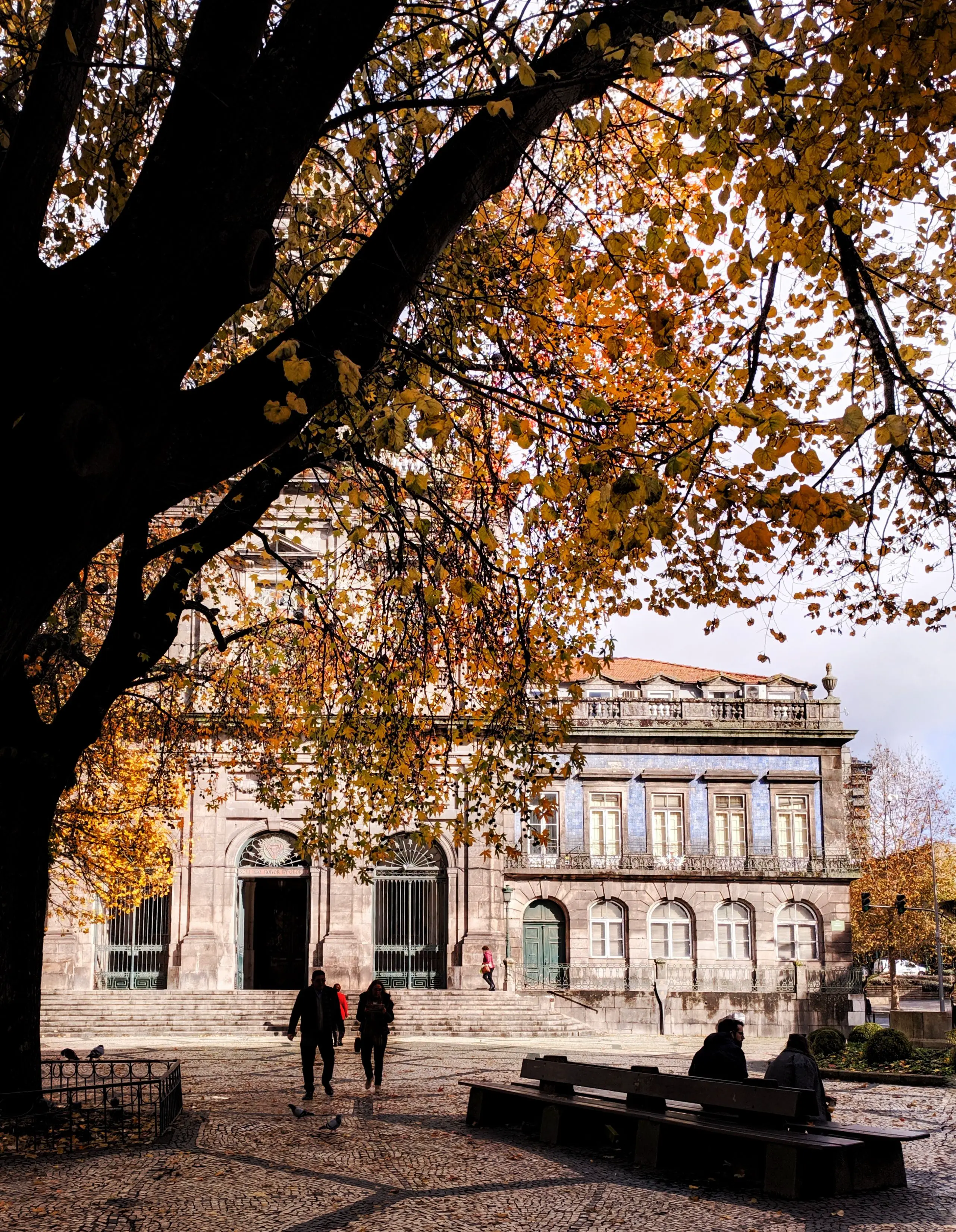
The wine cellars of Vila Nova de Gaia sit directly across the river from the Ribeira district, and a Saturday afternoon doing a proper tasting is not a tourist activity — it is just what you do when someone visits.
Ramos Pinto, Av. Ramos Pinto, Gaia — tasting from €12, small group tours, less crowded than the flagship names
The Ribeira district waterfront at dusk — cobblestone streets, stunning ocean views upriver, and a different energy than at midday when day-trippers dominate
Adega São Nicolau, Rua de São Nicolau — grilled fish from €14, outdoor tables on the waterfront, one of the few Ribeira restaurants locals still use
Wine cellar entry fees: most charge €10–15 including a tasting; the free visits have been replaced by ticketed experiences in the past few years
Living near São Bento Station means the Ribeira is a 15-minute walk downhill — easy to visit, easy to leave, which is the right relationship to have with it as a resident rather than a guest.
Beaches, Parks, and Getting Outside the City
Porto is not a beach city in the way Barcelona is, but the Atlantic coast is 20 minutes away by metro or bus routes, and the difference in lifestyle that makes is significant for anyone working long hours indoors.
Foz do Douro esplanade — walk from the river mouth to the sea wall for stunning ocean views; best on weekday mornings before the weekend crowds arrive
Parque da Cidade — Porto's largest city park, 83 hectares, pet friendly, free entry; the western edge connects directly to the coast
Sintra and Douro Valley: both under 1.5 hours by rail from São Bento Station — viable for a long weekend rather than a day trip if you want to see them properly
Bus routes 500 and 502 connect the city centre to Foz do Douro along the coastal road — €2 per journey, no need for a car
Parque da Cidade solves the outdoor daily life question for most of the week; the coast answers everything else, and neither requires planning in advance — you just go.
Is Porto the Right Move for You?
Who Porto Actually Works For
Porto rewards people who want authentic European city life at a reasonable cost and are prepared to navigate the friction that comes with it.
Remote workers and freelancers who value character and community over polished convenience
Those willing to spend weeks — not days — working through Portuguese bureaucracy for residency
People who see rental inflation as a reason to commit now rather than wait
Professionals who want proximity to a growing network of international residents without the sterility of a purpose-built expat hub
The mix of cobblestone-and-wine-cellar Porto and the city's emerging professional class is genuinely rare, and it will not stay this way indefinitely.
Where Porto Falls Short
There are specific dealbreakers here, and pretending otherwise wastes your planning time.
Winters are mild by northern European standards but grey and damp — not warm in any meaningful sense
Infrastructure has visible limits: public transport connectivity, healthcare wait times, and bureaucratic processing speeds lag behind Western European peers
A fully mature expat support network does not yet exist — you will build your community, not inherit one
Rental costs have risen sharply over recent years and the trend is not reversing
If warm winters or fast government processes are non-negotiable for you, the experience will not match what the city's reputation suggests.
Making the Decision Concrete
The neighbourhood you land in shapes your daily life in Porto more than almost any other variable, so geography should drive your search before price does.
Bonfim and Cedofeita attract younger international residents and have better walkability than outer districts
Foz do Douro offers coastal access but sits further from the centre and commands higher rents
Matosinhos gives you Atlantic beaches and strong local infrastructure at slightly lower price points
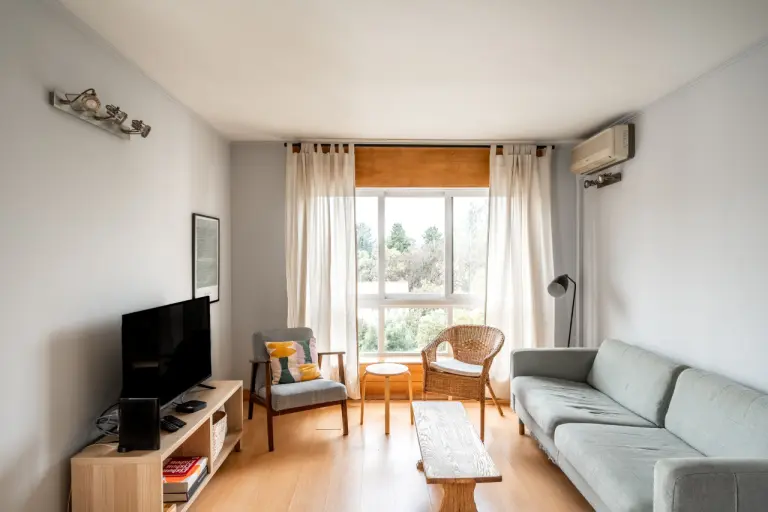
Fully furnished apartments let you test a neighbourhood for a month before signing a longer lease
Browse fully furnished apartments in Portugal and filter by neighbourhood before you commit to a lease — the city's geography shapes daily life more than most people account for at the planning stage.