Maya
Culture & Exploration Editor ·
Belén is where Medellín stops performing for visitors and starts being itself. With 217,501 residents across 9.887 km², it is one of the city's most populated and genuinely local districts — built on multi-generational families, tree-lined streets, and a pace of life that El Poblado hasn't had for a decade. The trade-off is real: you will speak more Spanish here, navigate fewer English menus, and work harder to find the kind of co-working infrastructure that Laureles or El Poblado hand you automatically. What you get in return is a quieter, cheaper, and more grounded version of Medellín that rewards the people who actually want to live in Colombia rather than observe it from a rooftop bar.
This guide covers:
The history and character of Belén — what actually shaped it
The best neighborhoods within Belén for remote workers
How Belén compares to El Poblado and other districts on rent and lifestyle
Where to eat, walk, and spend your evenings
Cerro Nutibara and what it actually offers beyond the tourist brochure version
What furnished apartments in Belén cost and what to expect
What Belén Medellin Actually Is — History, Character, and Who Lives Here
What Belén Medellín Actually Is — de la Historia al Presente
Belén's sense of rootedness is not an accident — it is the product of nearly four centuries of continuous settlement before Medellín ever expanded to meet it.
The Tahamíes tribe inhabited this valley before Spanish contact; the first chapel followed in 1647
Belén became a parish in 1814, was officially named in 1830 in honour of the biblical city, and by 1875 ranked as the second most important settlement in Valle de Aburrá
Significant urbanisation began in 1950; Belén was formally established as Medellín's comuna 16 in 1963
Communities here did not form around a mall or a metro stop — they formed over generations, and you feel that the moment you spend an afternoon in one of its parks.
Who Actually Lives Here and What the District Looks Like
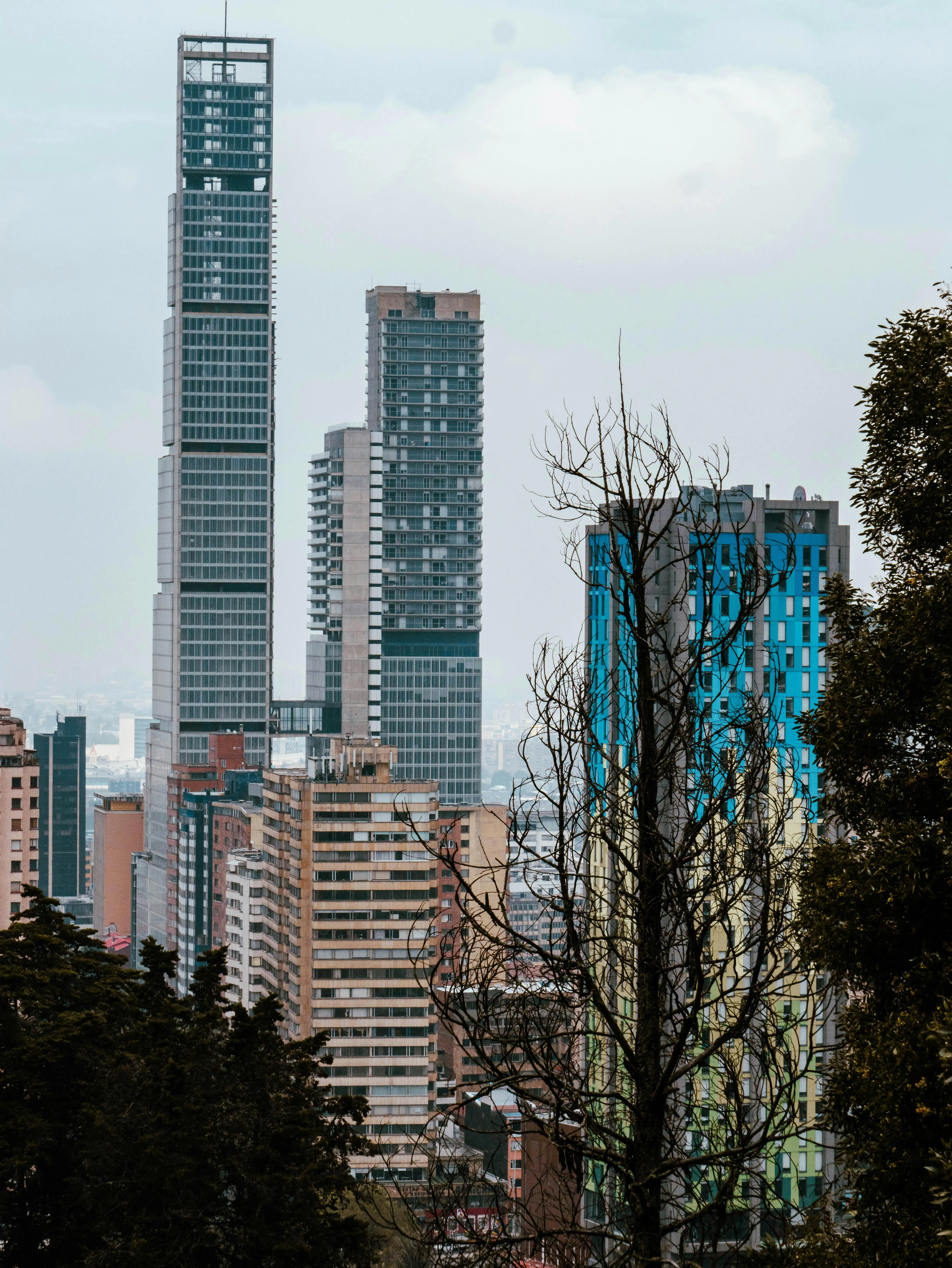
Belén is a working-to-middle-class district of long-term local families, and it has no particular interest in performing itself for outside visitors — which is exactly what makes it worth understanding.
The district comprises twenty-two neighbourhoods including La Gloria, Las Violetas, La Palma, Las Playas, El Rincón, La Hondonada, Los Alpes, La Mota, and San Bernardo
Spanish is overwhelmingly spoken throughout the district; English fluency is rare and not expected
The rhythm of daily life runs on school pickup times, Sunday parks, and communal street interaction that feels entirely unrehearsed
Belén is considered safe and budget-friendly across most of its sub-neighbourhoods — not because it has been cleaned up for newcomers, but because it was never defined by the conditions that made other parts of Medellín volatile in the first place.
The Spaces That Anchor the Neighbourhood
Two places in Belén do more to explain the district's character than any demographic description could.
Parque Biblioteca Belén functions as far more than a library — it is a genuine neighbourhood anchor, consistently busy on weekday afternoons with students, families, and the occasional remote worker who found it by accident and stayed for three hours
Parque de Belén is the literal and symbolic heart of the district, centred on a beautiful church and green spaces that fill with locals every evening
Cultural and recreational programming at both spaces is oriented entirely toward residents, not visitors
If you want to understand what Belén is, spend a Tuesday afternoon at the biblioteca and then walk to the parque at dusk — the district will explain itself.
The name Belén is the Spanish rendering of Bethlehem, and the neighbourhood's original chapel — still standing on the old parque principal — was dedicated to the Virgen de Belén when the settlement was founded in the early nineteenth century.
The Best Neighborhoods Within Belén — A Walkable Area Breakdown
Belén's twenty-two sub-neighborhoods are not interchangeable. The ones below are the most relevant for remote workers looking for a walkable area with some infrastructure — not tourist amenities, but the things that make daily life work: grocery access, reasonable street noise levels, and a safe walk home after dark.
Neighbourhood | Monthly Rent (1-bed) | Vibe | Best For | Key Advantage |
|---|---|---|---|---|
Loma de los Bernal | $400–$550 USD | Quiet, residential, elevated | Long stays, couples | Views, calm streets, good air |
Las Playas | $350–$480 USD | Mid-density, local commerce | Budget-conscious stays | Strong metro access |
La Gloria | $320–$440 USD | Traditional, low-rise | Solo workers, long-term | Authentic local feel |
San Bernardo | $370–$500 USD | Family-oriented, stable | Families, quiet workers | Low turnover, safe streets |
La Mota | $380–$520 USD | Mixed, well-connected | First-timers in Belén | Proximity to Los Molinos |
Loma de los Bernal: The Best Entry Point if You Want Quiet Without Isolation
Loma de los Bernal sits elevated above the rest of Belén, which gives it better air, longer views, and noticeably less street noise — but you will walk uphill coming home, every time.
Furnished 1-bedroom apartments from $420–$550 USD/month — prices drop sharply beyond 30-day stays
Éxito Belén — 12-minute walk downhill, standard grocery run, busy on Saturdays before noon
Street-level cafés along Calle 31 — espresso under $1.50 USD, no WiFi signs but the connection exists if you ask
Loma de los Bernal has one of the stronger multi-generational community presences in the district — neighbours know each other here
If your working day needs silence and your evenings need a walk rather than a taxi, Loma de los Bernal earns its reputation as the most liveable pocket of Belén.
Las Playas and La Hondonada: Metro Access Over Atmosphere
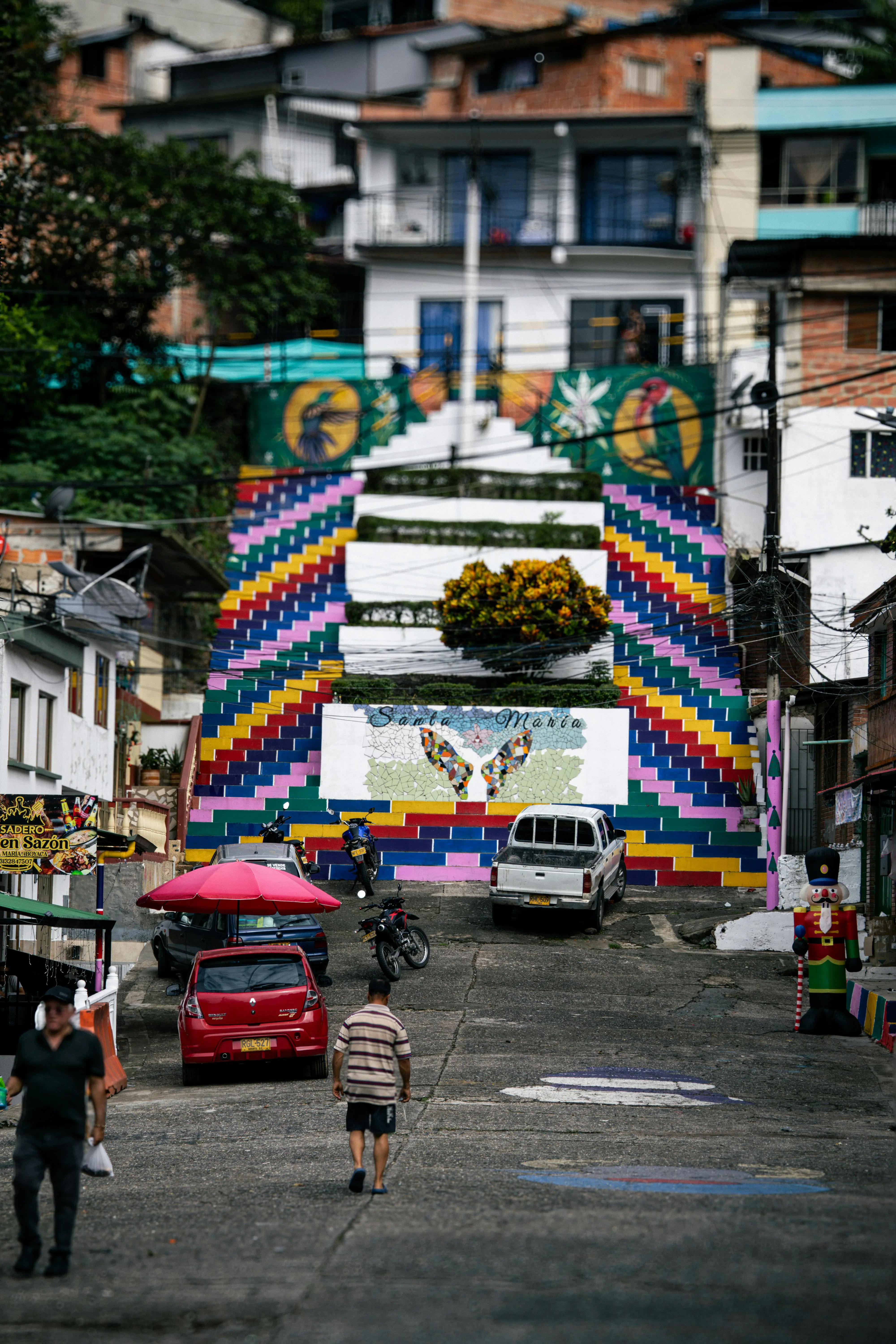
Las Playas and La Hondonada are practical choices rather than romantic ones — the metro connectivity is real, the rent is lower, and the trade-off is a denser, louder street environment during the day.
1-bedroom furnished apartments from $350–$480 USD/month — among the most affordable in the district
Metro Estadio — accessible within 15 minutes, connects you to the full Medellín Metro network without a transfer
Los Molinos mall — 10-minute walk, dining options worth knowing on days when cooking is not happening
La Hondonada specifically sits lower in the valley — cooler in the evenings, which matters in Medellín's humid months
Belén Rincón still has the feel of a small Colombian town — the central park fills up on Sunday afternoons with families eating buñuelos from the corner bakery, something you rarely see in El Poblado anymore.
Las Playas is not a great area for remote workers who need long stretches of quiet focus — it works better as a home base for people who work in cafés and return to sleep.
Explore El Poblado in our neighbourhood guide
Browse Medellin homes near this area
Belén vs. El Poblado — What You're Actually Trading
The Rent Gap Is Real and It Compounds
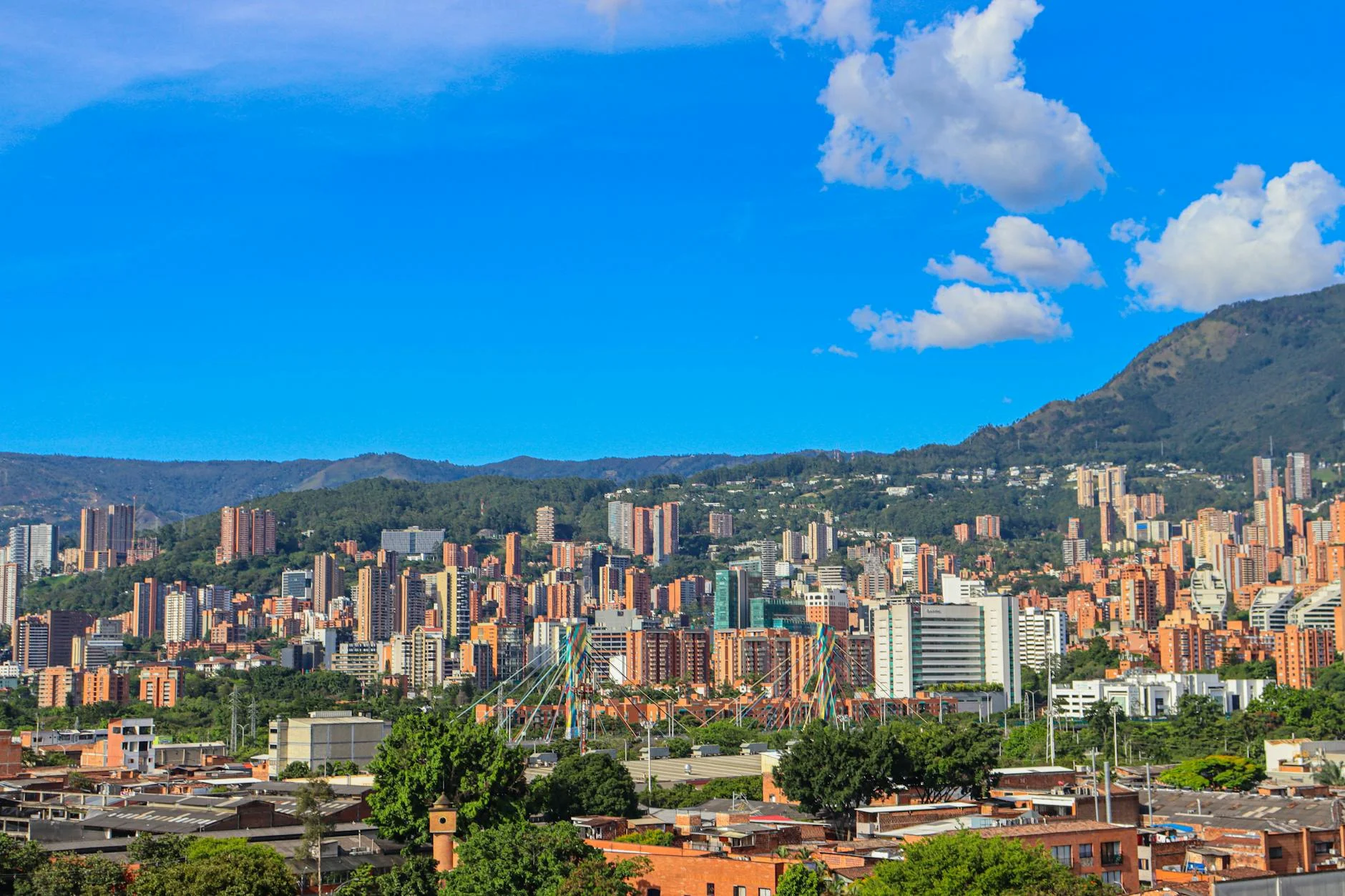
The price difference between El Poblado and Belén is not marginal — it is the kind of gap that changes what your month abroad actually looks like.
A furnished 1-bedroom in El Poblado runs $700–$1,100 USD/month
The same apartment in Belén costs $380–$550 USD/month
That gap — $300–$600 a month — lands before you have made a single other spending decision
Belén furnished apartments are available for medium and long-term stays without the minimums short-term rental platforms impose
Find fully furnished apartments in Medellin that work for the length of stay you actually need, and you will feel the difference in your account within the first month.
What You Are Actually Giving Up in Each Direction
This is not a question of which neighbourhood is better — it is a question of which trade-off you are willing to make with your daily life.
El Poblado offers dense co-working infrastructure, consistent English, and a social scene built around other remote workers
Belén offers a genuinely local environment where Spanish is the operating language and neighbours are not mostly expats
El Poblado in 2024 functions less like Medellín and more like a well-managed expatriate zone
Belén does not reward you for wanting its prices while expecting El Poblado's comfort level — you have to actually show up for the neighbourhood
The city accommodates both approaches, but it does not meet you halfway on a hybrid that was never really on offer.
El Poblado gets all the world travel press, but a two-bedroom apartment in Belén runs around 1,800,000 COP a month versus 3,500,000 COP for something comparable on Avenida El Poblado — that gap is real and it compounds fast over a three-month stay.
Transport Is the One Real Friction Point in Belén
Belén's transit situation is manageable, but it asks something of you that El Poblado never does.
El Poblado sits on the metro line — door to metro is a short walk with no transfers
Belén's access varies by sub-neighbourhood; Loma de los Bernal residents take the bus to reach the metro
The bus connection is not complicated, but it is an extra step that adds time and requires basic Spanish comfort
Choosing a Belén sub-neighbourhood closer to the metro corridor reduces this friction significantly
For most remote workers, the extra transit step becomes routine within two weeks — but it is worth knowing upfront rather than discovering it on your first Monday morning.
El Cerro Nutibara and the Parks de Belén
Belén's outdoor infrastructure is one of the most underestimated parts of the district. The city has invested real resources here, and the results are accessible in a way that El Poblado's bar-heavy social scene is not always.
El Cerro Nutibara: More Than a Tourist Stop
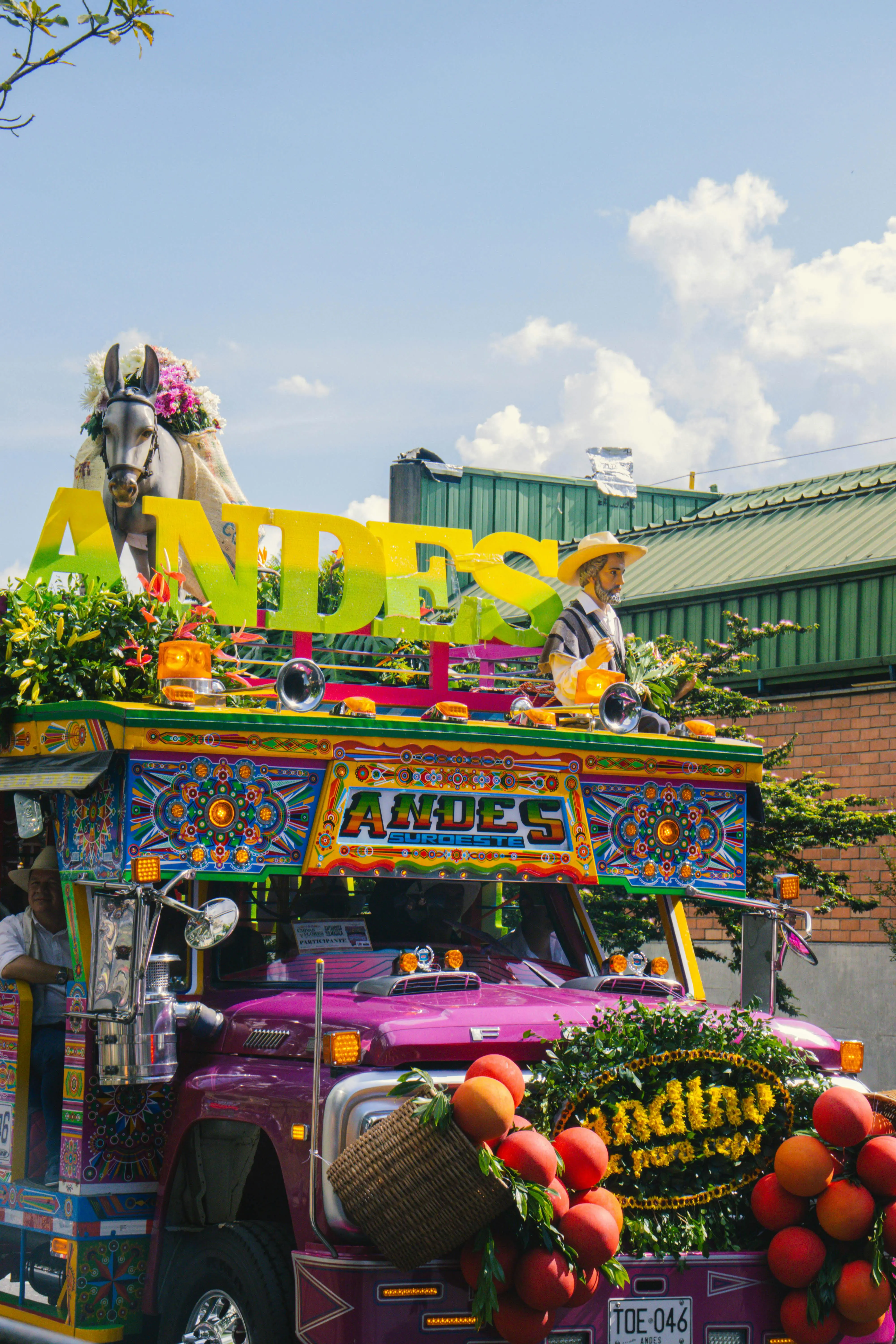
El Cerro Nutibara is a popular ecological park in Belén and the hill that defines the district's skyline — but the way most visitors experience it (quick visit to Pueblito Paisa, one photo, leave) misses what it actually offers as a daily amenity for residents.
Pueblito Paisa — traditional local food with great views from the summit; go on a weekday before 11am to discover it without the weekend crowd
The walking trails on cerro Nutibara take 25–40 minutes depending on the route — steep enough to count as exercise, shaded enough to be tolerable at noon
Entry to the ecological park area is free; the views over the south of the city are unobstructed and worth the climb alone
Locals use this hill for morning runs — you will rarely be the only person on the trails at 7am
El Cerro Nutibara earns the kind of quiet daily loyalty from Belén residents that tourist landmarks rarely get — which is the most honest endorsement it can have.
The walk up to Cerro Nutibara takes about 25 minutes from the Estadio metro station and is genuinely pleasant in the early morning before 9am, when the temperature sits around 20°C and the city noise has not yet built up.
Aeroparque Juan Pablo II and Unidad Deportiva Belén
If you need to move your body during a long work week and do not want to pay for a gym, Belén has covered that without you having to look for it.
Aeroparque Juan Pablo II — 17 hectares including a water park; free access to the main park area, useful for long walks or weekend afternoons with friends
Unidad Deportiva Belén — multiple sports facilities including football pitches, running tracks, and courts; low-cost day access
Both parks are well-used by locals throughout the week — they are not maintained for tourists, which means the infrastructure is functional rather than decorative
The sports complex is located within walking distance of Las Playas and La Mota — relevant if you are choosing between those sub-neighborhoods
Belén's parks answer the question of what you do in the evenings when you are not looking for nightlife — and they answer it well enough that you stop asking after the first week.
What Belén Actually Feels Like to Live In Day-to-Day
The vibe of Belén is not something you can extract from a weekend visit — it takes about four days before the rhythm of the area stops feeling foreign and starts feeling useful. This is a neighbourhood where the morning market crowd, the school run, and the construction noise all overlap between 7am and 9am, and then the streets quiet down enough to actually work.
Street Life and the Pace of the Neighbourhood
Belén moves at a pace that suits people who are actually trying to live somewhere, not perform living somewhere for photos.
Plaza Central Belén — the commercial spine of the neighbourhood; useful at any hour, genuinely busy between 11am and 2pm when the lunch trade peaks
Street food vendors along Carrera 76 sell arepas and empanadas for under 3,000 COP — roughly $0.70 USD — and are more reliable than most spots you will find via any app
The walk from Loma de los Bernal down toward the metro corridor takes around 20 minutes on foot and passes through at least three distinct micro-zones — useful to do once before you commit to a specific sub-area
Traffic is heaviest near the Avenida El Poblado intersection between 5pm and 7pm; if your building is set back from that corridor, you will not notice it
The honest read on Belén's street life is that it is friendly without performing friendliness — people are not hostile to foreigners, but they are also not oriented toward them, which is exactly what makes the area feel real.
Belén Las Playas is a great place to run your first week of errands — the Éxito supermarket on Avenida Las Vegas stocks most imported goods and is a 10-minute walk from the majority of rental apartments in the area.
Culture, Architecture, and the Older Parts of Belén
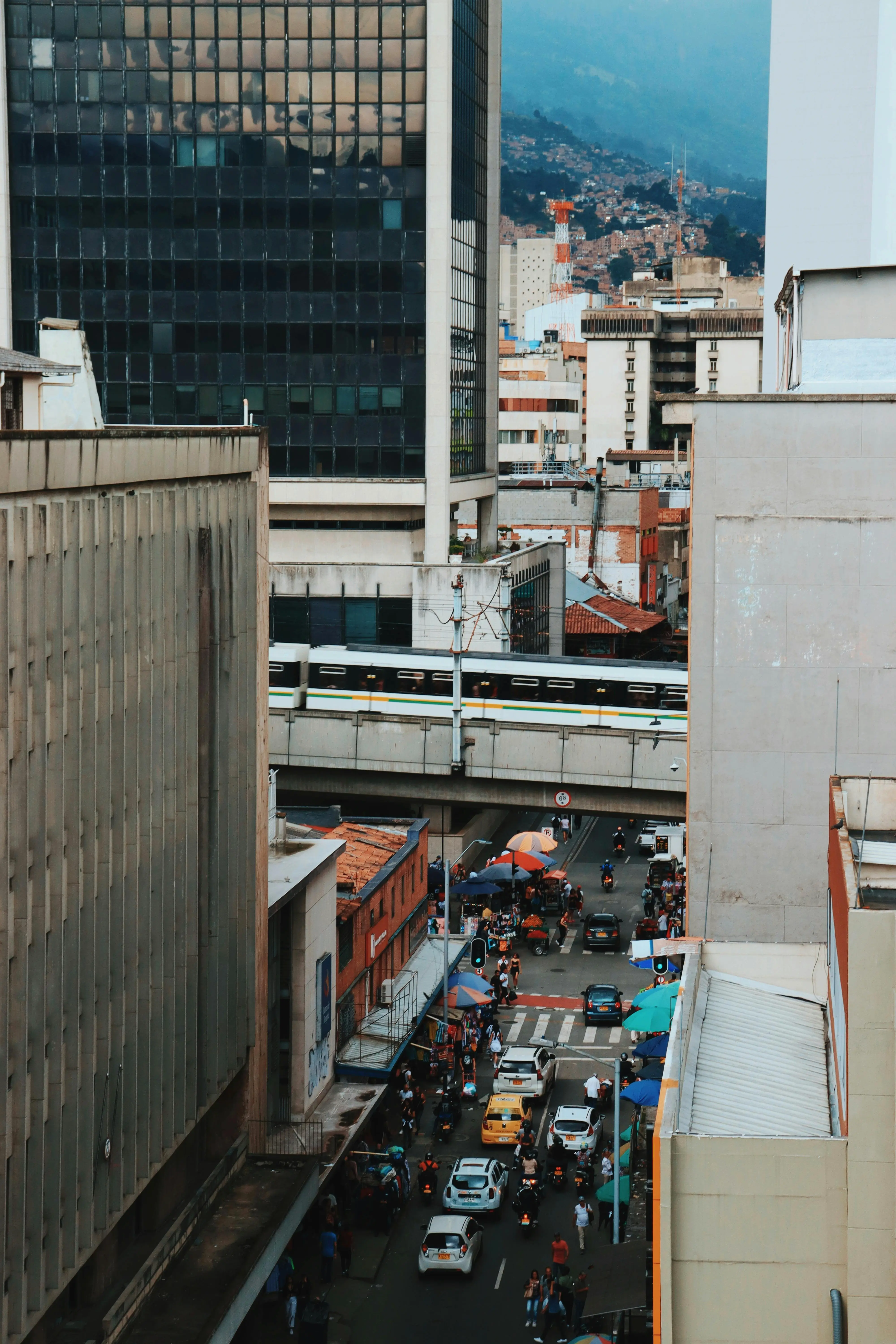
The older streets near the historic core of Belén carry architecture that shows the neighbourhood's pre-urban identity — low-rise, painted facades, iron-railed balconies — and that texture is genuinely worth orienting yourself around when you first arrive.
Iglesia Nuestra Señora de Belén — the original parish church dating to the colonial period; the plaza around it is calm on weekday mornings and a useful cultural anchor when you want to understand what Belén was before it became a comuna
The architecture along Calle 32 between Carreras 76 and 80 includes original antioquia-style houses that have not been redeveloped — useful context for how the neighbourhood grew outward from this core
Street murals appear in the lower residential sections near La Mota — not organised as a tour route, but consistent enough that a 30-minute walk will show you several
The cultural density here is not curated; you find it by walking, which is either appealing or inconvenient depending on what you came for
Belén's older architecture rewards the person who pays attention on foot rather than the one who books a tour — and that distinction matters when you are deciding whether this neighbourhood suits how you actually spend your time.
Nightlife, Food, and What to Do After Work Hours
Belén does not compete with El Poblado's bar strip, and it should not try to. What it offers instead is a more local food and social scene — places where you can eat well, have a beer, and hear cumbia or vallenato without it being themed for export.
Where to Eat and Drink in Belén
The best food in Belén is priced for residents, not visitors — and that gap is wider than most guides will tell you.
Restaurante El Rancho — bandeja paisa for around 18,000 COP ($4.50 USD); portions are generous and the lunch queue is a reliable indicator of quality
Bar La Tertulia — neighbourhood bar with live music on Friday evenings; a beer costs under 6,000 COP and the dance floor is small enough to feel social rather than anonymous
Mercado del Rio — covered market area near the southern edge of the belén district; fresh produce prices are lower than Éxito and the selection of local fruit varieties is noticeably wider
Sit-down dinner in Belén for two people — two courses plus drinks — lands around 50,000–70,000 COP ($12–$17 USD) at a mid-range local place, which is roughly half what the equivalent in Laureles costs
The prices in Belén's restaurants are honest about who the neighbourhood is built for — and once you have calibrated to them, eating in El Poblado starts to feel like an active choice rather than the default.
On weekend mornings, locals enjoy a bandeja paisa breakfast at Restaurante El Rancherito on Avenida Las Vegas for around 18,000 COP — it is the kind of meal that takes two hours and makes afternoon plans feel ambitious.
Dance, Music, and the Weekend Scene
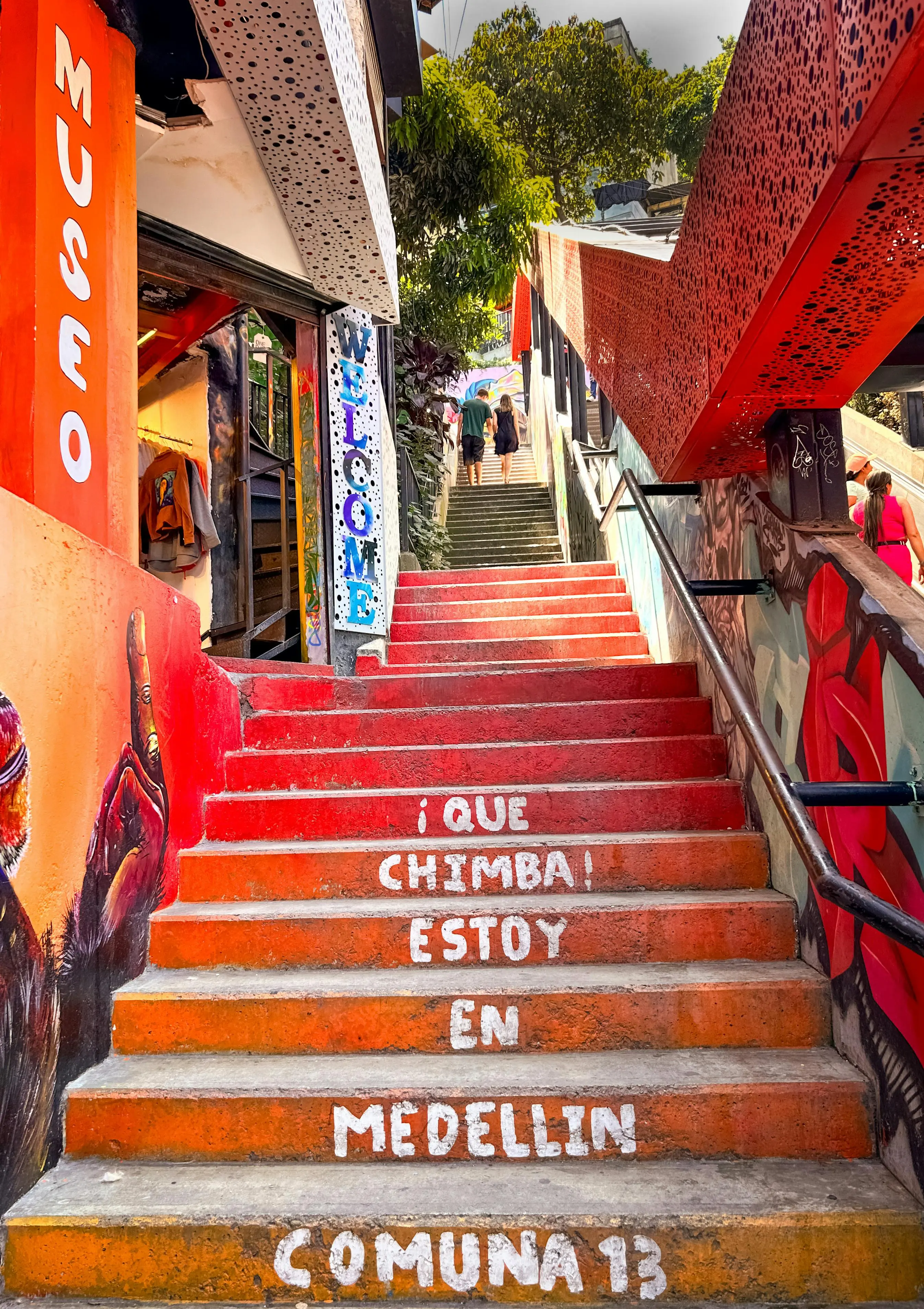
If you want to dance salsa in a room where nobody is watching you because you are foreign, Belén is a better bet than anywhere near Parque Lleras.
Mulenze Salsa Bar — neighbourhood salsa venue; classes run on Thursday evenings from around 7pm, entry under 15,000 COP, and the instruction is in Spanish — useful incentive to work on your Spanish before you go
Weekend evenings near the Belén commercial area see informal sound systems set up by local vendors — it is not organised and it does not appear on any app, which is the point
The cultural calendar in Belén includes local fiestas tied to the antioquia civic calendar; June in particular sees neighbourhood events that involve music, food stalls, and street closures — worth knowing if you are planning to visit or arrive during that period
The dance and music scene in Belén is not built around you, which makes it more interesting — you are a participant, not an audience.
Practical Considerations Before You Commit to Belén
The practical side of living in Belén deserves honest coverage — not to discourage anyone, but because arriving with an accurate picture saves you the first week of recalibration.
Getting Around and Transit Connections
Belén's transit situation is functional but requires a small mental adjustment if you are coming from a neighbourhood with a metro station at street level.
Metro Belén Station — on Line B, which connects westward from San Antonio; the journey to El Centro takes under 15 minutes, and the connection to Line A for El Poblado adds another 10–15 minutes depending on the hour
Buses along Avenida 80 run frequently and are the faster option for mid-neighbourhood destinations that sit between metro stops — fare is around 3,000 COP
Taxis and InDriver are reliable from Belén to most of the city for 12,000–20,000 COP depending on destination and time of day; Uber operates but availability is patchier here than in El Poblado
If your specific building sits on a hill — La Gloria and parts of Loma de los Bernal involve real gradient — factor in walking time and stamina; a 10-minute flat walk and a 10-minute Belén hill walk are not equivalent
Transit from Belén is good enough that you stop thinking about it after the first week — the only exception is if you need to be in El Poblado multiple times daily, in which case the commute adds up in both time and cost.
Internet, Facilities, and Remote Work Infrastructure
Belén has no coworking ecosystem to speak of — you need to know that going in, not two days after you arrive.
Most furnished apartments in the area come with fibre connections; verify speeds in the listing (look for 100 Mbps minimum) because building-by-building variation is real and the landlord's description is not always reliable — ask to see a speed test screenshot before you commit
Berlín Letras y Café. Librería — one of the few Belén cafés with reliable WiFi and enough table space to work comfortably; go before noon, as afternoon traffic makes it louder than is helpful for calls
The nearest full coworking facilities are in Laureles or El Centro — a 15–20 minute metro ride — which is manageable if you need it one or two days a week, less so if you need it daily
Pharmacies, banks, and a post office are all accessible within the commercial spine of the neighbourhood; basic facilities are not the issue — dedicated remote work infrastructure is what you are trading for the lower rent
The infrastructure trade-off in Belén is real and worth naming plainly: you save $150–$200 USD a month on rent, and you spend some of that saving on transit to a coworking space if you need one — the maths still works, but only if you go in clear-eyed about it.
Before you sign anything, contact the Curaduría Urbana No. 2 on Calle 44 to verify that short-term rental activity in your specific building is registered — several Belén towers have internal restrictions that Airbnb listings quietly omit.
Safety, Spanish, and the Honest Learning Curve
Belén is a working-class residential neighbourhood, not a high-crime area — but it requires more situational awareness than El Poblado, and that is a real distinction worth making.
The areas immediately around the main commercial zone and metro corridor are well-trafficked and low-trouble by Medellín standards; the quieter residential streets in La Gloria after dark require the same common sense you would apply anywhere unfamiliar
Spanish fluency is not required to live here, but it is helpful in a way it simply is not in El Poblado — most vendors, landlords, and service staff do not speak English, and basic Spanish will improve your daily experience more than any other single factor
A local SIM with data is essential; Claro's nearest store to the Belén area is at the Los Molinos commercial corridor — a prepaid plan with 15GB runs around 35,000 COP ($8.50 USD) and covers the city well
If you find yourself in trouble with a landlord or service provider, the Personería de Medellín handles tenant disputes and consumer complaints — it is worth knowing it exists before you need it
The person who does well in Belén is not the person with the highest Spanish level — it is the person who is genuinely comfortable operating without the safety net of a neighbourhood built for their convenience.
Most accommodations in Belén run between $400 and $650 USD per month for a furnished one-bedroom — roughly half what you'd pay for a comparable apartment in El Poblado.
Is Belén the Right Base for Your Time in Medellín?
Who Actually Belongs in Belén
Belén is built for the remote worker who wants to live in Medellín rather than be accommodated by it.
Lower rents are real — not marketing language, but a genuine reflection of what the local market charges
Cultural texture is authentic: markets, neighbours, and daily routines that have nothing to do with expat convenience
The social scene exists, but you will need to build it yourself rather than walk into one ready-made
The day-to-day rhythm rewards patience — this is a neighbourhood that opens up slowly
If you are looking for a place that actually reflects how this city lives, Belén is where that search ends.
Where Belén Creates Friction
Be honest with yourself about what you need before committing to a neighbourhood that does not bend toward remote worker expectations.
Coworking infrastructure is not within walking distance — you will need to plan your work setup in advance
English-language services are inconsistent; daily errands require functional Spanish or patience
The expat density that makes El Poblado or Laureles feel immediately social is simply not present here
Authenticity and convenience pull in opposite directions in Belén — you are choosing one over the other
That friction is not a flaw in the neighbourhood; it is just the honest cost of living somewhere that was not designed around you.
Finding the Right Apartment in Medellín
Once you have decided Belén fits your priorities, finding verified, accurately priced housing is straightforward if you use the right tools.
Fully furnished apartments across Medellín's neighbourhoods are available with confirmed pricing that reflects real market rates
Listings span multiple Colombian cities, useful if you are comparing Medellín against other bases
Verified listings remove the guesswork that comes with negotiating directly in an unfamiliar rental market
Browse fully furnished apartments in Colombia on RentRemote to compare neighbourhoods side by side
Knowing what Belén actually costs — and what comparable money buys elsewhere in the city — is the only way to make a decision you will not second-guess two months in.