
Daniel
Productivity & Remote Living Analyst ·
August in Malaga is hot, crowded, and genuinely beautiful — but it rewards people who plan around it rather than despite it. Daytime temperatures average 31°C and can spike to 40°C, the beaches are at their most packed, and the city runs on a schedule that makes no sense until you live it for three days. If you adjust, it's one of the best months on the Costa del Sol. If you don't, you'll spend a lot of time standing in hot air wondering where everyone else went.
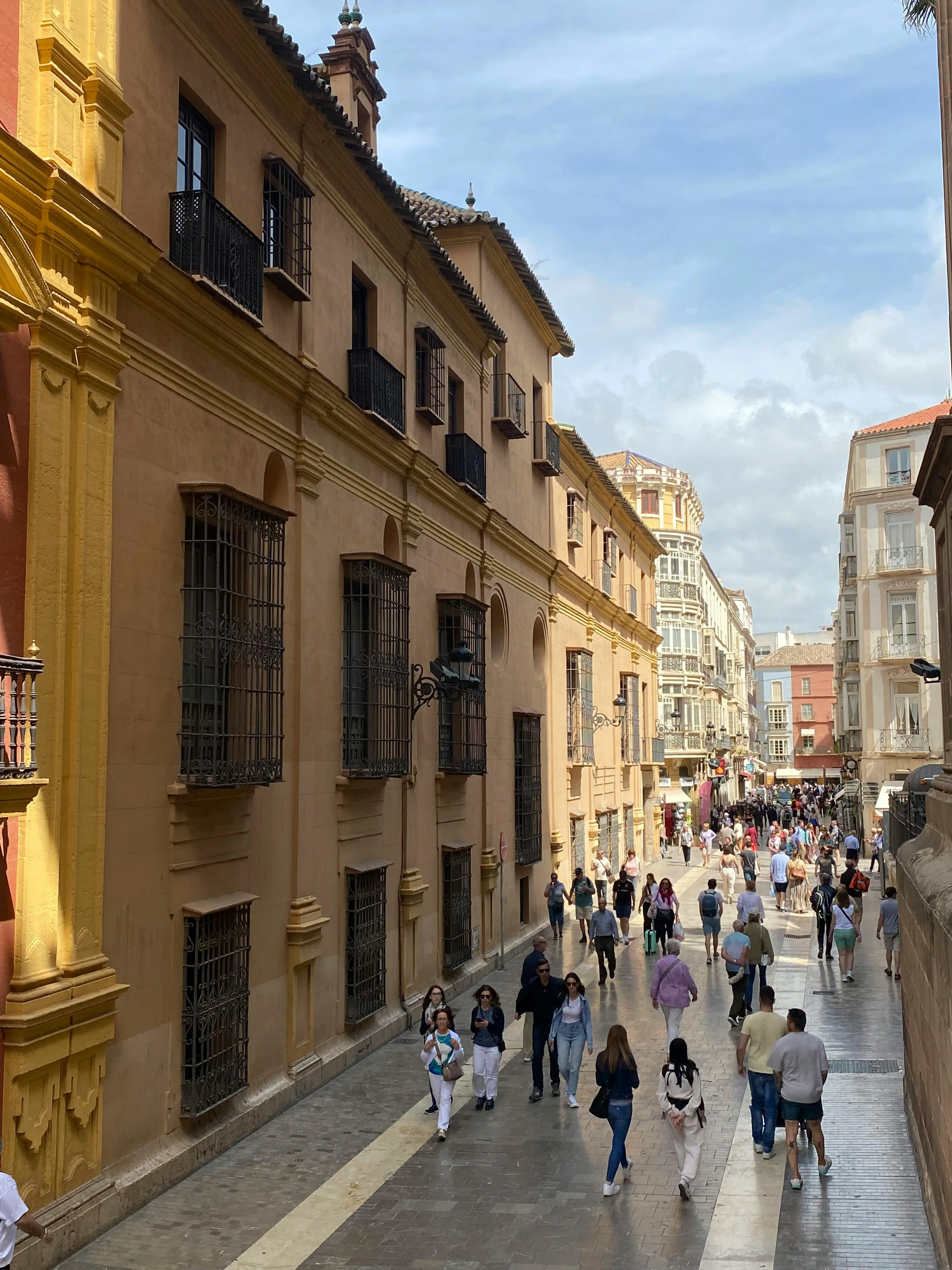
This guide covers:
What the weather in Malaga in August actually feels like day to day
The best beaches and when to use them
How to navigate the city in peak summer heat
Where to stay and what neighbourhoods suit different budgets
What the Malaga Fair means for your trip in mid-August
Whether August is the best time to visit or whether you should come a month earlier
What the August Weather in Malaga Actually Feels Like
The numbers are straightforward: average temperature of 31°C, overnight lows between 17°C and 24°C, around ten to eleven hours of sunshine daily, and rainfall that averages just 14mm for the whole month. What those numbers don't tell you is that the hot air sits differently here than inland Spain — humidity averages around 57%, which isn't oppressive, but it's enough to make 35°C feel closer to 38°C in the city centre when the breeze drops.
Daytime Temperatures and the Midday Problem
Between noon and 4pm, the city streets belong to the pigeons — locals have known this for generations, and you should follow their lead.
Daytime temperatures peak between 1pm and 4pm — this is when 40°C readings happen, not at 9am
Coastal breezes off the Mediterranean drop the perceived temperature by 3–5°C near the seafront, but the inland city centre gets no such relief
The Centro Histórico retains heat in its narrow streets — beautiful, but punishing in the afternoon
Most hotels and apartments have air conditioning as standard — verify before booking if yours does, because the few that don't become uninhabitable after dark
The practical move is to schedule anything that requires walking for before 11am or after 6pm — this isn't a tip, it's how the city operates in August.
Overnight Lows and Evening Weather
The evening is where Malaga in August actually earns its reputation — the heat softens, the city fills back up, and the seafront becomes genuinely pleasant.
Overnight lows sit between 17°C and 24°C — warm enough that you'll eat outside every night without a second thought
The Paseo del Parque is noticeably cooler than the streets two blocks back — the tree canopy makes a difference
August sees high tourist crowds in the evenings, especially along the seafront promenade and around Plaza de la Merced
Humidity levels drop slightly after sunset, but if you're sensitive to warm nights, a ground-floor room without air conditioning will be a problem
Malaga's nocturnal schedule isn't affectation — it's the rational response to august weather, and if you embrace it, the city opens up in a way that an early-to-bed visitor never sees.
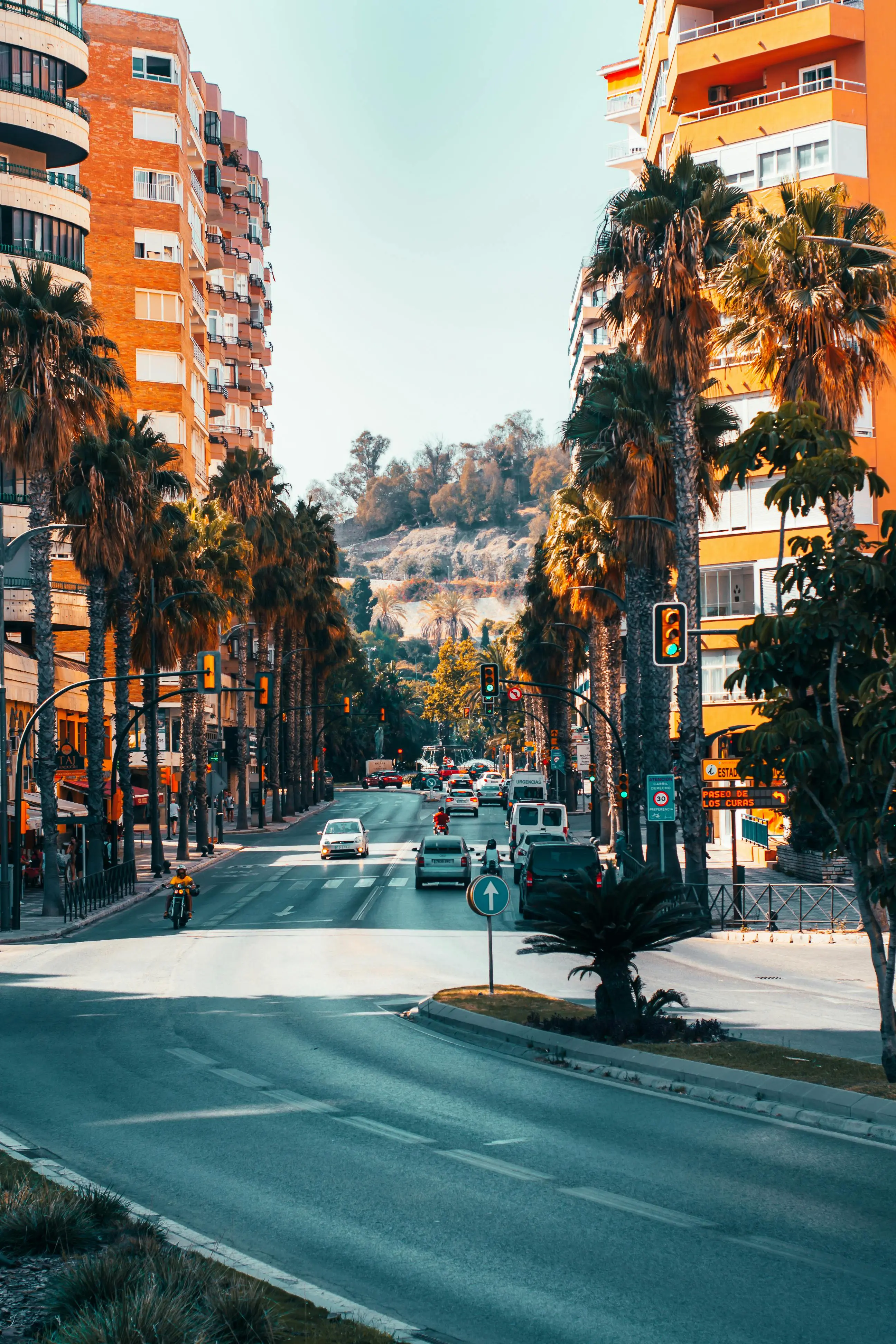
Rain, Sun, and What to Actually Worry About
You will not worry about rain in August — 14mm across the whole month is effectively nothing, and on most days the sky is cloudless from sunrise to sunset.
Sunshine runs to ten hours daily — sunscreen before 9am is not overcaution, it's basic sense at this latitude
The rare August thunderstorm, when it comes, arrives in late afternoon and clears within an hour — it's dramatic and welcome
What you should actually prepare for: dehydration, sunburn on the back of your neck, and the shock of stepping from air conditioning into 38°C street heat
Pack light, carry water, and accept that the afternoons are the city's rest period — fighting that rhythm makes August harder than it needs to be.
Malaga Weather Month by Month: Is August the Best Time to Visit?
August is the hottest month in Malaga — that's not a judgement, it's a fact — and whether that makes it the best time depends entirely on what you're here for. If you want guaranteed sunshine, the warmest sea temperatures, and the full festival energy of the Malaga Fair, August delivers all three. If you want lower prices, shorter queues, and the ability to walk around the city centre at noon, you want May, September, or October.
August vs. July: The Difference Is Smaller Than You Think
July and August are both peak months on the Costa del Sol, but there are meaningful differences if you're staying for more than a week.
Average temperature in July runs 28–29°C versus 31°C in August — a few degrees, but it changes how the afternoons feel
July has slightly fewer tourists, which means shorter waits at the Museo Picasso Málaga and lower rental rates in some neighbourhoods
The Malaga Fair (August 15–22, 2026) shifts the city's entire energy mid-month — July has no equivalent event
Beach density peaks in August: La Malagueta and La Misericordia are genuinely wall-to-wall on August weekends
If your schedule is flexible and the Fair isn't the draw, July gives you 90% of the August experience at a lower cost and noise floor.
Why Spring and Autumn Are the Rational Alternatives
May and September are objectively easier months to be in Malaga — warm temperatures without the heat ceiling, half the tourist volume, and prices that make more sense for a longer stay.
May averages 22°C — sunny days, cool evenings, sea temperature not yet at its August peak of 24°C but comfortable for swimming
September retains almost all of August's sunshine and drops to around 27°C — the Mediterranean Sea stays warm until October
Spring accommodation rates can run 20–30% lower than August peaks, which matters if you're budgeting for a month
The city streets feel like they belong to you again in May — a genuinely different experience from the summer crowd
If you're coming from Northern Europe specifically to escape grey weather, August works — but if warmth is the only goal, September gives you the same sun with a fraction of the friction.
Malaga in August: The Beaches, the Crowds, and What's Worth Your Time
August is the busiest time for beaches along the Costa del Sol, and Malaga's urban beaches take the full force of that. La Malagueta, directly east of the city centre, is convenient but packed — arrive after 10am in August and you're negotiating for sand space. The better move is to know which beaches suit what you're actually trying to do.
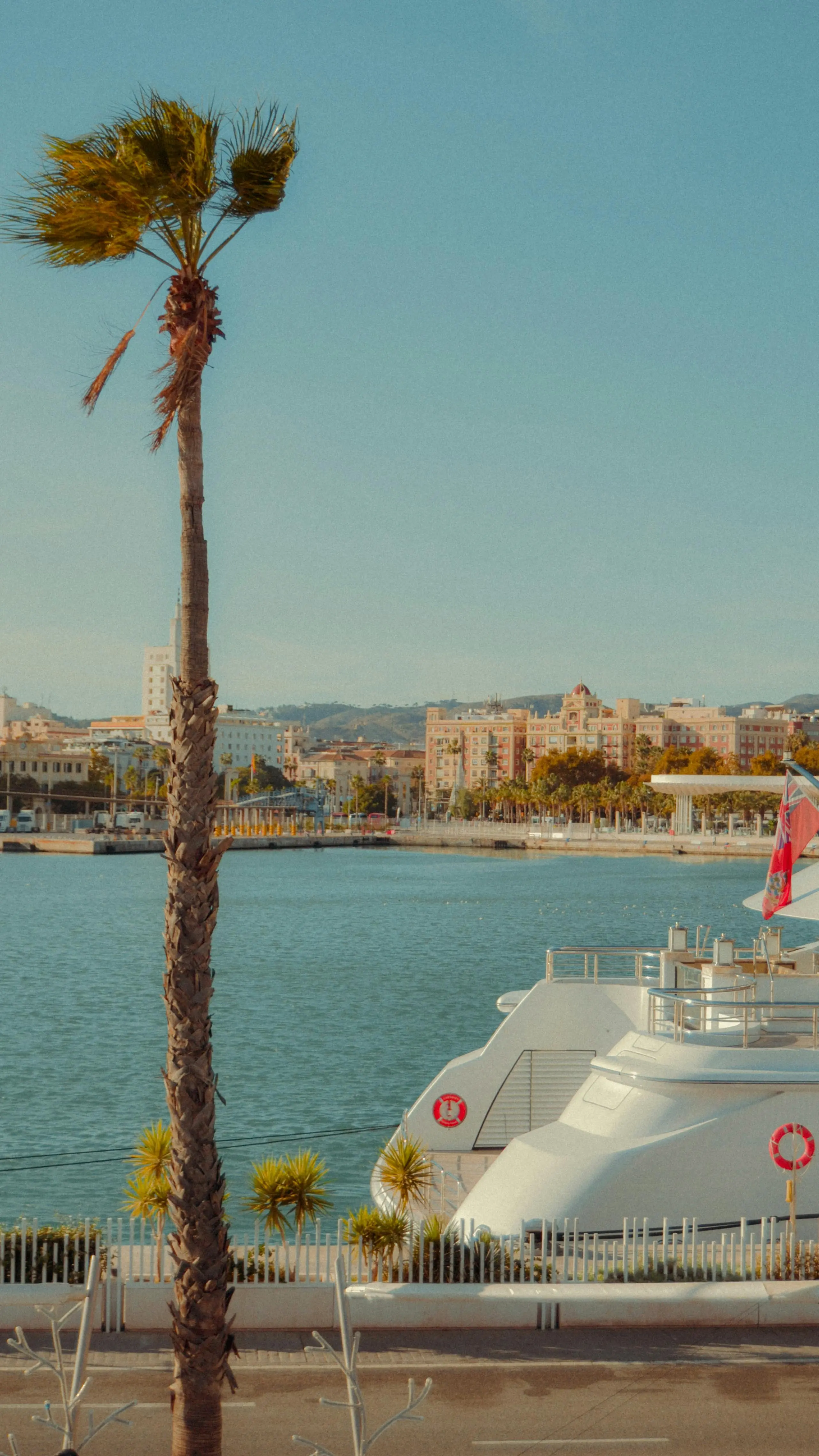
La Misericordia: The Family Beach That Actually Has Infrastructure
La Misericordia sits west of the city and handles the August crowds better than most because it has the space and the facilities to absorb them.
Playa de la Misericordia — family-friendly, good facilities including showers, sunbed hire around €8–10/day
Less congested than La Malagueta on weekday mornings — arrive before 9:30am for a comfortable spot in August
The seafront chiringuitos here serve lunch from around €12–15 — busiest between 2pm and 4pm, which is also the hottest part of the day
The sea temperature averages 24°C in August — swimming at 7pm, when the beach empties slightly, is the low-stress option
La Misericordia is not the most picturesque beach on the Costa del Sol, but in August it functions — which is more than can be said for some prettier options further east.
El Candado: For the Windsurfer Who Doesn't Want a Sunbed
El Candado sits east of the city and attracts a different crowd — people who are there to do something rather than lie still in the sun.
Playa El Candado — ideal for windsurfing and diving, equipment rental available at the beach clubs
Less family-oriented than La Misericordia, which means less noise but also fewer facilities for a full beach day
The coastal breezes that make it good for windsurfing also make it the most comfortable beach in terms of heat management in August
Bus connection from the city centre takes around 20 minutes — faster than driving and parking in August
If your definition of a good beach day involves moving rather than horizontal stillness, El Candado is the August beach most people from the city centre miss.
Where to Stay in Malaga in August: Neighbourhoods by Budget and Style
Malaga has more accommodation options than most visitors realise until they start looking — the city has grown significantly in the last decade, and the short-stay market reflects that. The question in August is less "can I find somewhere" and more "where do I want to be at 11pm when the temperature finally drops to 25°C and the city wakes up again."
Neighbourhood | Monthly Rent (Aug) | Vibe | Best For | Key Advantage |
|---|---|---|---|---|
Centro Histórico | €1,400–€2,200 | Dense, lively, historic | Short stays, sightseers | Everything within walking distance |
Soho / Arts Quarter | €1,100–€1,700 | Creative, quieter | Remote workers, longer stays | Better value, good café density |
La Malagueta | €1,500–€2,400 | Seafront, touristy | Beach-focused stays | Walk to the beach in two minutes |
Pedregalejo | €1,000–€1,600 | Local, relaxed | Longer stays, families | Village feel, local seafood restaurants |
El Palo | €900–€1,400 | Residential, authentic | Budget-conscious visitors | Lowest prices, access to quiet beaches |
Centro Histórico: Everything Convenient, Nothing Quiet
Staying in the city centre in August means trading silence for access — and in a city where the action moves outdoors at 10pm, that trade has a real cost.
Calle Larios puts you inside the August Fair processions — spectacular once, relentless for a week
Studios start around €1,400/month in August — higher than the annual average but not as inflated as comparable coastal cities
Mercado Central de Atarazanas — best before 11am, closes 3pm, fresh produce and €3 counter meals
Most hotels and apartments here have air conditioning — confirm it specifically, not just "climate control"
The centro works for a week; for a month, Soho or Pedregalejo will give you your sanity back without costing you access to the city.
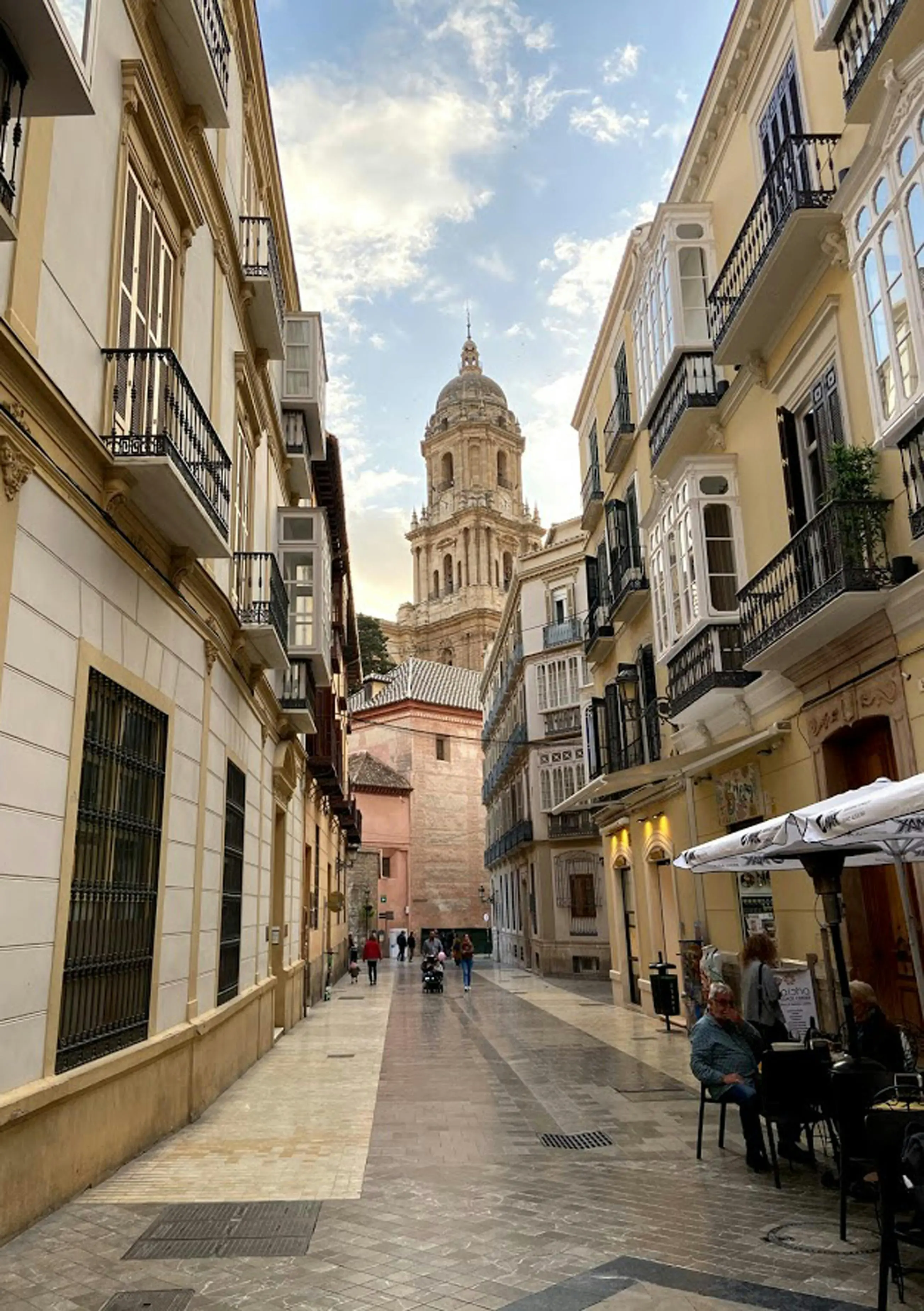
Pedregalejo: The Local Neighbourhood That August Hasn't Fully Discovered
Pedregalejo is 4km east of the city centre and still feels like a fishing village that got gradually absorbed — which is exactly why it works for longer August stays.
Apartments from €1,000/month — lower than the city centre and with direct beach access in the neighbourhood itself
Restaurante El Cabra — espetos (grilled sardines on bamboo skewers) from €9, eat outside after 8pm when the heat has dropped
Quieter city streets, local bars rather than tourist-facing venues, and a beach that doesn't hit La Malagueta's August density
Bus 11 connects to the city centre in 20 minutes — reliable, €1.40 flat fare
Browse fully furnished apartments in Malaga to compare Pedregalejo against the city centre options — the price gap in August is wider than most people expect.
For a deeper look at how these neighbourhoods compare on a month-to-month basis, Explore SOHO Malaga in our neighbourhood guide before you commit to a booking.
Browse Malaga homes near this area
What to Do in Malaga in August: Sightseeing, Culture, and Staying Sane in the Heat
The mistake most visitors make in August is treating Malaga like a museum city and trying to see everything on foot between 10am and 4pm. That approach is not fun — it is genuinely punishing. The city rewards a different kind of day: slow mornings, real rest in the afternoon, and then several hours of concentrated energy from 6pm onwards when the light softens and the streets come back to life.
Morning Sightseeing Before the Heat Takes Hold
The window between 8am and 11am is the best you will get for any serious walking — the daylight is already full, the temperature is manageable, and the main sites are not yet crowded.
Alcazaba de Málaga — entry €3.50, opens 9am, shaded paths through Moorish ramparts; go early and you will have most of it to yourself
Castillo de Gibralfaro — €3.50 or combined €5.50 with Alcazaba, 30-minute walk up from the city centre; the views over the harbour and province are worth every step, but not at midday
The walk between the two sites takes about 20 minutes along a forested hillside path — genuinely cooler than the streets below
Both sites close for no midday break, but the heat inside stone courtyards climbs fast after noon
Wear sunscreen before you leave, not when you arrive — you will be in direct sun before you have found a shaded spot to stop and apply it.
August Culture Beyond the Fair
The August Fair gets the attention, but Malaga's cultural calendar in August runs deeper than one week of flamenco and dancing in the streets.
Centre Pompidou Málaga — free on Sunday afternoons, otherwise €9; the only branch of the Pompidou outside France, and the air conditioning alone is worth the entry fee in August
Museo Carmen Thyssen Málaga — €10 general entry, free Monday mornings; Andalusian costumbrismo paintings that give real context to the culture you are seeing on the streets outside
Cine Albéniz — the city's main arthouse cinema, open through August, €8 tickets; Spanish and international films with subtitles, cool interior, and a bar that serves decent cocktails before the late screening
Check the Teatro Cervantes website before you arrive — the August programme is inconsistent but occasionally excellent, and tickets go fast
Indoor culture in Malaga is not a compromise for people who can not handle the heat — it is a legitimate part of how the city uses August.
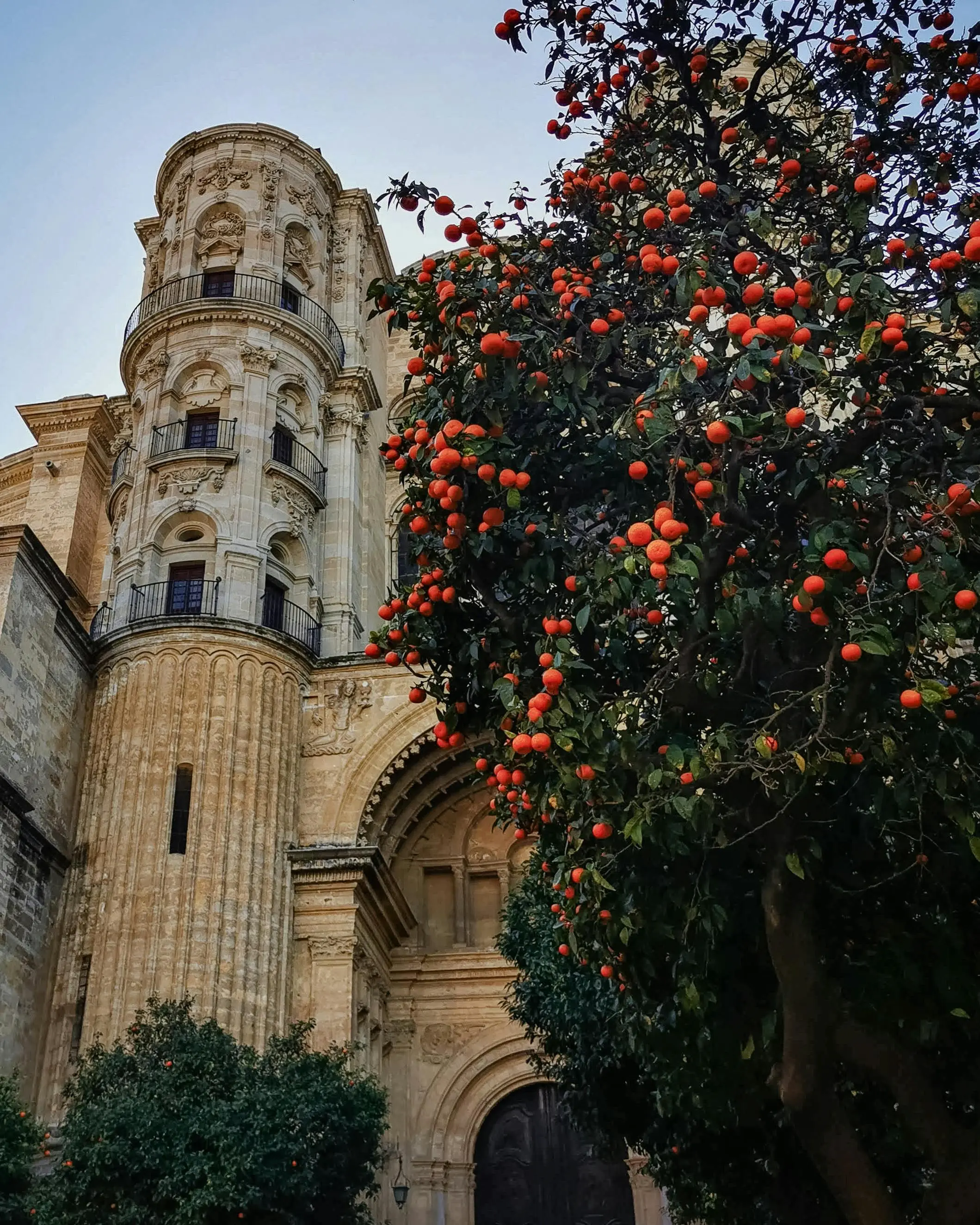
Evenings: Where the Day Actually Peaks
By 7pm Malaga is a different city to the one that exists at noon, and the restaurants, bars, and waterfront all make more sense when you understand that the evening is the main event, not the afterthought.
Muelle Uno — the redeveloped port area, free to walk, restaurants from €15 a head; best after 8pm when the day-trippers have left and the light on the water turns
El Pimpi — a Malaga institution on Calle Granada, house wine from €2.50, sharing plates from €7; go for a dip into local wine culture rather than a full dinner, and note it gets loud after 10pm
The stretch of bars along Calle Granada is walkable in 15 minutes and covers everything from tapas to late cocktails — you do not need a plan, just a direction
Dinner before 9pm in the city centre means tourist-facing menus; after 9pm the same restaurants are serving locals and the energy is completely different
The evening in August is genuinely long — full daylight until 9pm, warm air that does not require a jacket until well past midnight — and using it well is what separates a good August week from a great one.
Practical Tips for August in Malaga: What to Bring, What to Expect, What Gets Worse
August in Malaga is not a city that punishes you for being unprepared — it is a city that punishes you for being lazy about preparation. The logistics are manageable if you sort them before you arrive rather than figuring them out on day one in 38°C heat.
Packing and Daily Essentials
Sunscreen is not optional — it is a daily cost, and SPF 50 in Malaga's August sun disappears faster than you expect if you are doing any serious walking.
High-factor sunscreen is available in every pharmacy and most corner shops, but prices are slightly higher than northern Europe — bring a full bottle if you are staying more than a week
A reusable water bottle matters more than it sounds: tap water in Malaga is safe to drink and fountains exist across the city centre, so there is no reason to buy plastic every day
Light linen or cotton only — synthetic fabrics that work fine in cooler climates become genuinely unpleasant by 11am; this is not a style note, it is a comfort one
An umbrella is useful not for rain — August average is 14mm for the whole month — but for shade on exposed walking routes between sites
The tourists who struggle most in August are the ones who pack for a Mediterranean holiday rather than a Mediterranean summer — they are different briefs.
Getting Around Without Making the Heat Worse
The city centre is compact enough that most sightseeing is walkable, but the route you choose matters more in August than it would in any other month.
Shaded streets run north through the Soho district and up toward the Alcazaba — a slightly longer route, but 10 minutes in shade beats 5 minutes in direct sun every time
Malaga's EMT city buses are air-conditioned, cost €1.40 flat fare, and are significantly underused by visitors — routes 11, 14, and 19 cover the main coastal and centre connections
The Malaga Metro runs two lines and connects the city centre to the western suburbs — useful if you are staying out toward Teatinos or need to reach the María Zambrano train station without a taxi
Beach days: take a towel and go early — the free beach areas fill by 10am and the paid sunbed sections (€8–12/day including umbrella) are worth it if you want to stay past noon without fighting for space
The city does not reward improvisation in August — knowing your route and your timing before you leave the apartment is what keeps the day manageable rather than exhausting.
What August Actually Gets Wrong
The honest version of August in Malaga includes the parts the tourism board does not put on its website, and they are worth knowing before you book rather than after you arrive.
The city centre is crowded in a way that stops being fun by day three — narrow streets, slow pedestrian traffic, and restaurant queues that start before 9pm during Fair week
Some smaller independent restaurants and local shops close entirely for a week or two in August — owners take their own holidays, and you will occasionally find your reliable lunch spot shut with no sign on the door
Air quality on still days can be a genuine issue: when the coastal breeze drops and temperatures spike, the city centre holds heat and exhaust in a way the Málaga province's beach towns do not
The region's water temperature peaks in August (around 24°C), which means jellyfish sightings are more frequent along some stretches — check local beach reports before committing to a swim at an unfamiliar spot
None of this is disqualifying — but going in with accurate expectations means the harder days feel like trade-offs you chose, not surprises that ruin the trip.
Málaga's coastal position means high humidity regularly pushes feels-like temperatures past 38°C on the Paseo Marítimo, so carry a reusable water bottle and refill it at any beachside chiringuito for free rather than paying €2.50 a bottle from street vendors.
Day Trips from Malaga in August: When the City Gets Too Much
Malaga sits at the centre of a province with serious alternatives to the city itself — and in August, knowing when to leave for a day is as important as knowing what to do when you stay.
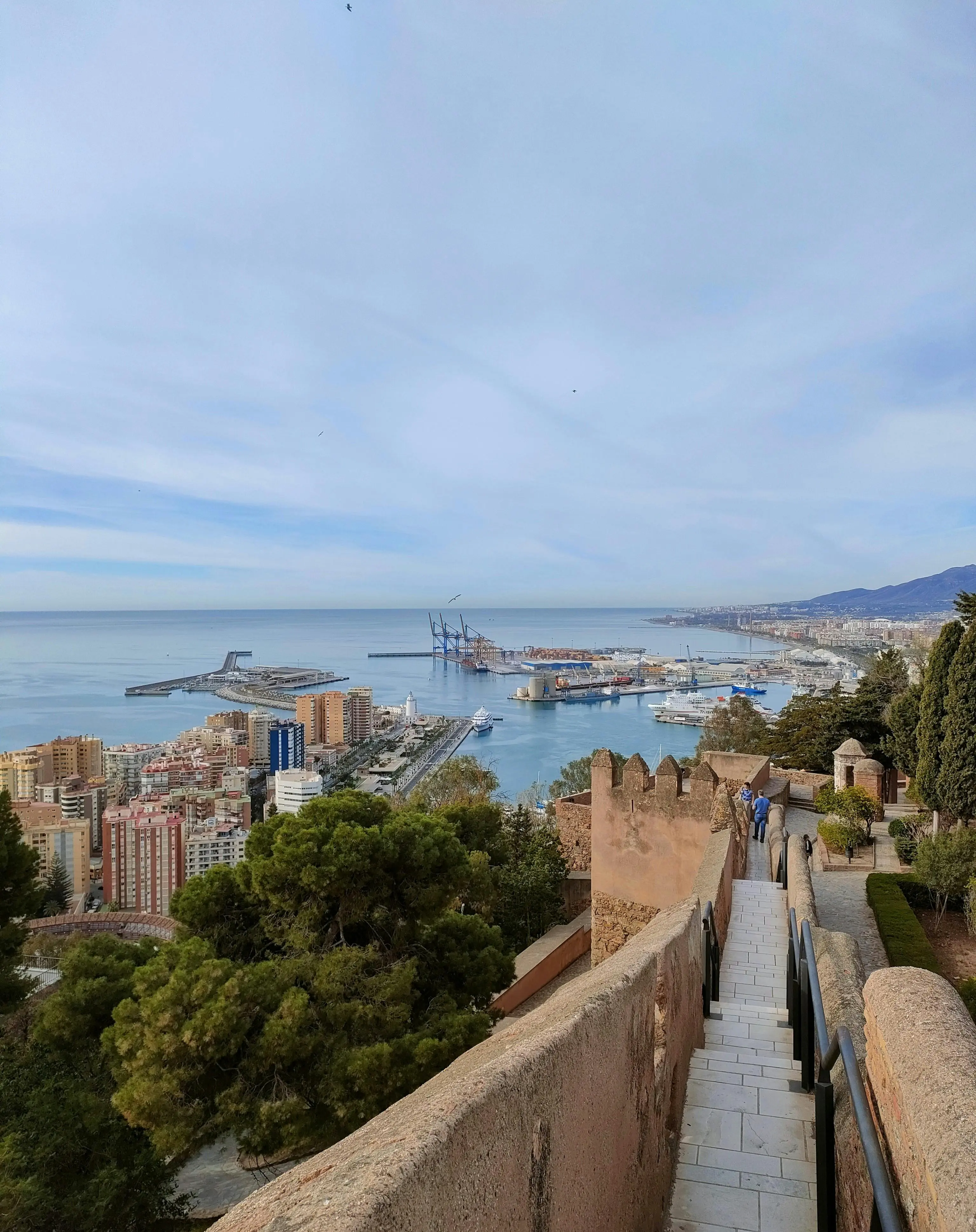
Nerja: Cooler, Less Crowded, Worth the Journey
Nerja is 55km east along the coast and the single best day trip from Malaga if what you want is a beach day that does not feel like a logistics operation.
ALSA buses run directly from Malaga Bus Station (Estación de Autobuses) — around €5 each way, 75 minutes, departures roughly every 30 minutes from 7am
Balcón de Europa — the clifftop promenade above Nerja's beaches; free, genuinely beautiful, and a 10-minute walk from the bus drop
Playa Burriana in Nerja is larger and slightly less crowded than the city beaches — beach restaurants serve espetos from €8 and cold beer from €2.50
Leave Malaga before 8:30am if you want to swim before the beach fills; return after 6pm when the afternoon crowd thins
Nerja is the easy, reliable option — the kind of day trip that always delivers and never requires a complicated plan.
Ronda: The Interior Option When You Need to Escape the Coast
If you have been on the coast for a week and the heat and the crowds are winning, Ronda offers a completely different kind of day — cooler temperatures, dramatically different landscape, and a city built on a gorge that justifies the journey on its own terms.
Direct trains from Málaga María Zambrano take around two hours — around €13 one way; book the day before on the Renfe website to secure a seat
Puente Nuevo — the 18th-century bridge over the El Tajo gorge; free to view, extraordinary in the morning light, and the one sight that earns Ronda its reputation
Temperatures in Ronda run 4–6°C cooler than coastal Malaga in August — the altitude and inland position of the province's north make it a genuine respite, not a marginal difference
The Plaza de Toros de Ronda — one of the oldest bullrings in Spain, €8 museum entry, open daily; the architecture and history are worth the visit independent of your views on the course of events it was built for
Ronda is the day trip you do when you have had enough of the Mediterranean heat and want to remember that the Málaga province contains an enormous amount of country beyond the coastline.
Is August in Malaga Right for You? An Honest Conclusion
August in Malaga suits people who are willing to hand the city its conditions and work around them — early risers, late diners, afternoon resters, and anyone who understands that the pace the city sets in summer is not a problem to solve but a rhythm to join. If you need to see everything at your own speed on your own schedule, August will frustrate you. The heat is real, the crowds are real, and the city does not apologise for either.
For remote workers considering a longer stay, the maths are more complicated than a holiday calculation. Rents are at their August peak, coworking before noon is the only reliable productivity window, and the social energy that makes Malaga genuinely compelling is concentrated into evening hours that run late. But the payoff — warm sea, long daylight, a city that is fully alive in a way that northern European cities rarely are — is also real.

If Malaga in August sounds like your kind of month, start with the accommodation. Explore fully furnished apartments in Spain to find options across the province — from the city centre to the coastal neighbourhood of Pedregalejo — before prices move further in June.