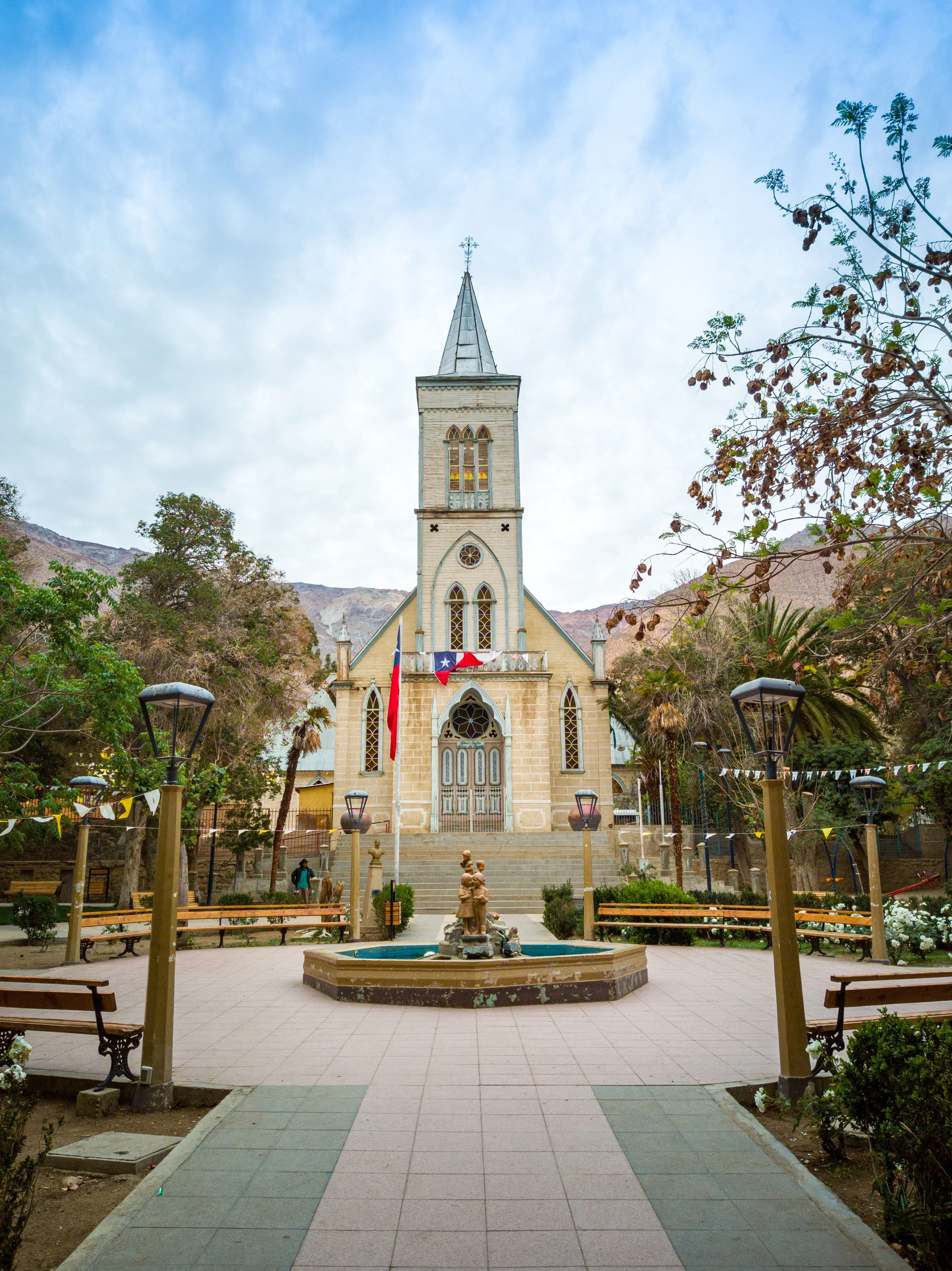
La Serena is not Santiago, and that is precisely the point. Chile's second-oldest city sits 470 kilometres north of the capital on a coastline that gets 300 days of sun a year — and it moves at a pace that lets you actually use them. The trade-off is real: this is a mid-sized regional city, not a cosmopolitan hub, and if you need a buzzing international scene or a Michelin-starred restaurant on a Tuesday, you will need to look south. What La Serena offers instead is a liveable, affordable base with reliable internet, a walkable centre, and a beach that is genuinely part of daily life rather than a weekend escape.
This guide covers:
What it actually costs to live in La Serena month to month
Which neighbourhoods work for different kinds of expats
How the local transport and infrastructure holds up for remote work
Healthcare access and what international residents need to know
How La Serena compares to Viña del Mar and Valparaíso
Residency options and what the visa path looks like from the ground
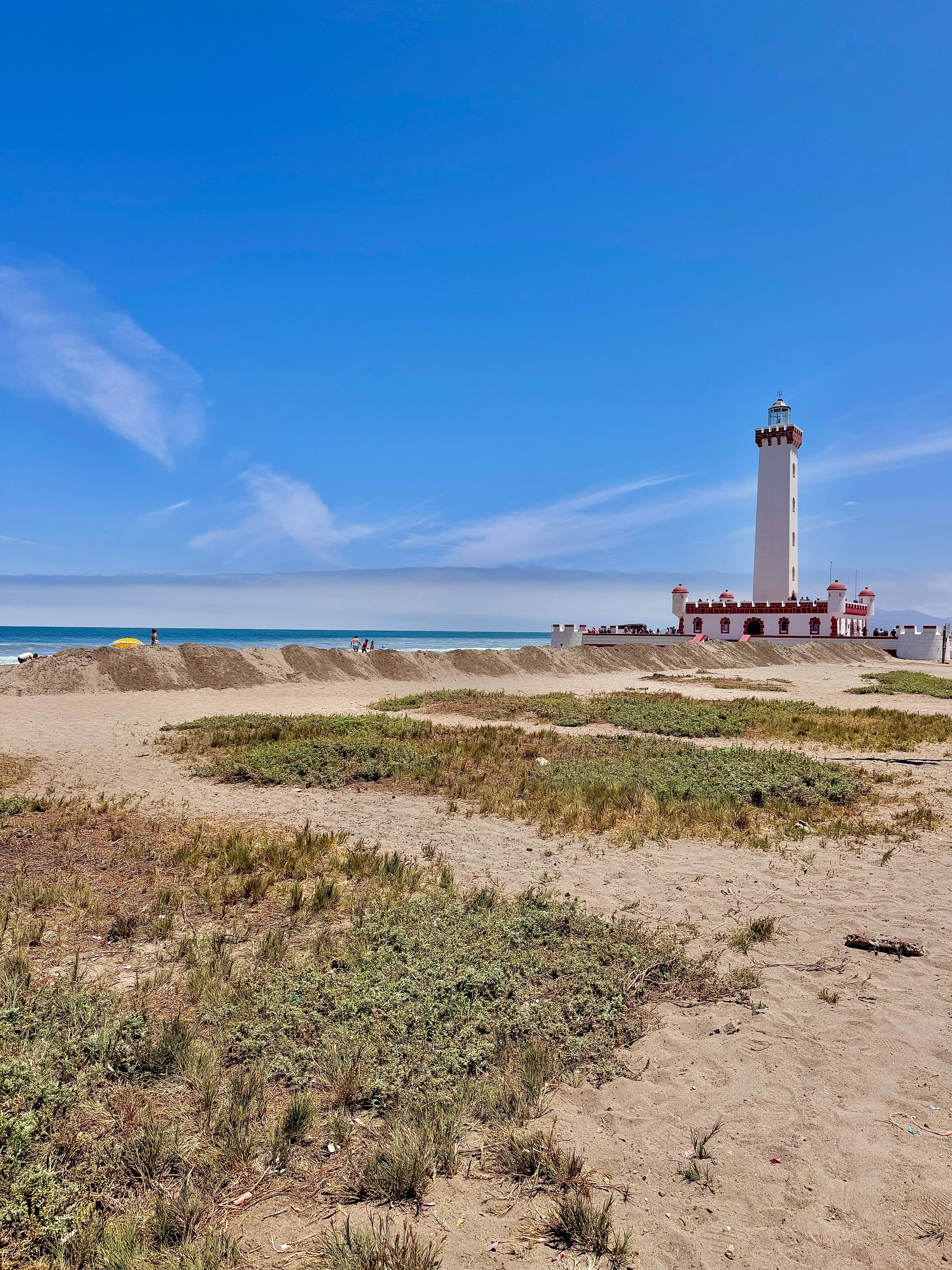
Cost of Living in La Serena for Expats and Remote Workers
La Serena is not the cheapest city in Latin America, but it is significantly cheaper than Santiago — and you get more for your money in ways that compound quickly. A one-bedroom apartment in a decent neighbourhood runs between CLP 350,000 and CLP 550,000 per month (roughly $380–$600 USD). That range buys you something furnished and liveable, not a compromise.
Monthly Rent and Housing Costs
The gap between furnished and unfurnished apartments in La Serena is wider than in most Chilean cities, so it matters which side of that line you are on.
Furnished 1-bed in Barrio El Faro: CLP 480,000–550,000/month — closest walkable access to the beach strip
Furnished studio in Centro Histórico: CLP 350,000–420,000/month — older buildings, more character, noisier on weekends
2-bed apartment near Av. Francisco de Aguirre: CLP 600,000–750,000/month — the main palm-lined boulevard, worth it for the morning walk alone
Unfurnished 1-bed anywhere central: CLP 280,000–380,000/month — only worth it if you are staying six months or more
Rent is the biggest variable in your budget here — get that right and everything else is manageable.
A one-bedroom apartment in Barrio El Faro runs around $450–$550 USD per month, while the same size in Santiago's Providencia district will cost you $800 or more.
Food, Utilities, and Daily Expenses
Utilities in La Serena are low by Chilean standards — electricity runs CLP 25,000–40,000/month for a one-bedroom if you are not running AC all day, and internet typically adds another CLP 25,000–35,000 on top. The local La Recova is where you buy produce, dried goods, and local cheeses without paying tourist prices — a week of groceries costs CLP 25,000–35,000 if you shop there instead of the supermarket chains. Restaurant lunches at local spots on Calle Balmaceda run CLP 4,500–7,000 for a full menú — soup, main, and a drink. Dinner at a mid-range place near the waterfront costs CLP 12,000–18,000 per person. A coffee at a decent café is CLP 2,500–3,500. All in, a single person living without extravagance spends CLP 700,000–950,000 per month (USD $750–$1,050) including rent.
Best Neighbourhoods in La Serena for Expats
La Serena is compact enough that neighbourhood choice is really a question of lifestyle rather than logistics — most of the city is within 20 minutes on foot or bike. That said, where you land shapes what your days actually feel like.
Neighbourhood | Monthly Rent (1-bed) | Vibe | Best For | Key Advantage |
|---|---|---|---|---|
Centro Histórico | CLP 350,000–420,000 | Colonial, walkable, some noise | First-timers, budget-conscious expats | Everything on foot — markets, cafés, admin |
Barrio El Faro | CLP 450,000–550,000 | Relaxed, beachside, residential | Remote workers, couples, long-term stays | Beach access without tourist-strip noise |
Las Compañías | CLP 280,000–360,000 | Local, working-class, quieter | Long stays on tighter budgets | Lowest rent with reasonable access to centre |
Peñuelas | CLP 400,000–500,000 | Suburban, green, family-oriented | Families, those wanting space | Proximity to Parque Japonés and quieter streets |
Av. del Mar Strip | CLP 500,000–700,000 | Lively, seasonal peaks, tourist-facing | Short stays, January–March arrivals | Directly on the beach — no trade-off on access |
Centro Histórico: The Practical Base for New Arrivals
If you are arriving in La Serena for the first time and do not yet know your rhythm here, Centro Histórico is where you start — and many people never leave.
Plaza de Armas La Serena — the social hub; free, shaded, and genuinely used by local people rather than just tourists
Café Botánico — CLP 3,000 for a cortado, reliable WiFi, wooden tables that work for a half-day session
Walking distance to the municipal market, the bus terminal, and most government offices — useful when you are setting up residency paperwork
Street noise from Calle Los Carrera on weekend nights — a side street or upper floor matters more than you think
Centro is not the most polished neighbourhood in La Serena, but it is the most honest one — it shows you exactly how the city actually functions.
Browse La Serena homes near this area
Barrio El Faro: Where Most Remote Workers Eventually Land
El Faro is what La Serena looks like when it is working well — residential streets, a beach within a 10-minute walk, and enough local infrastructure that you do not need to leave the neighbourhood for most of the week.
Playa El Faro — quieter than the main Av. del Mar beach, far fewer vendors, better for a morning swim before work
Small local minimarket on Calle Ortiz — open until 10pm, covers essentials without a supermarket trip
Furnished apartments here tend to be newer builds — better kitchen equipment and more reliable hot water than the Centro stock
No coworking space in the neighbourhood itself — you work from your apartment or commute to Centro
El Faro is the choice that most people make after their first week in La Serena, once they realise proximity to the beach is not a luxury but a genuine part of daily life here.
Browse fully furnished apartments in La Serena across all neighbourhoods, filtered by move-in date and lease length.
Browse La Serena homes near this area
Internet, Transport, and Infrastructure for Remote Work in La Serena
Chile has the best internet infrastructure in South America, and La Serena benefits from that more than most regional cities on the continent. Fibre optic is available across most of the city — VTR and Entel are the two providers worth using, and 200 Mbps plans cost CLP 25,000–35,000/month. This is not a city where you are negotiating with slow connections or frequent outages. That reliability is not guaranteed in every part of Latin America, and it is one of the quieter reasons La Serena keeps remote workers longer than they planned.
Getting Around: Local Transport and Day-to-Day Access
La Serena is flat, compact, and genuinely bikeable — which makes the public transport question almost secondary for anyone living in the central neighbourhoods.
Terminal de Buses La Serena — long-distance buses to Santiago (CLP 15,000–25,000, 6–7 hrs) leave regularly; Turbus and Pullman are the reliable operators
Local colectivos (shared taxis) cover most routes for CLP 700–900 — faster than buses, no fixed timetable, and genuinely how local people move around
Cycling between Centro and El Faro takes under 15 minutes on flat ground — a second-hand bike from the weekend feria on Av. Balmaceda costs CLP 30,000–50,000
No Metro system — this is not Santiago; plan your day around the colectivo network or your own wheels
The absence of a Metro is only a problem if you are comparing La Serena to Santiago — on its own terms, the city is small enough that it barely matters.
Coworking and Work Spaces in La Serena
The coworking scene in La Serena is thin compared to Santiago or Valparaíso, but what exists is functional and priced honestly.
Qwork — day pass CLP 8,000, monthly desk CLP 90,000, decent air conditioning which matters from December through March
Gabriela Mistral Regional Library — free, quiet, strong WiFi, 10-minute bus from Centro La Serena; underused by expats and reliable on weekday mornings
Most cafés in Centro have WiFi but not all have adequate power points — scout before committing to a full work session
Peak summer months (January–February) bring noise and crowds to beachside cafés — coworking spaces become more valuable then
If you are accustomed to a dense coworking scene, La Serena will require an adjustment — but working from a furnished apartment here is genuinely comfortable in a way that makes the trade-off easy to accept.
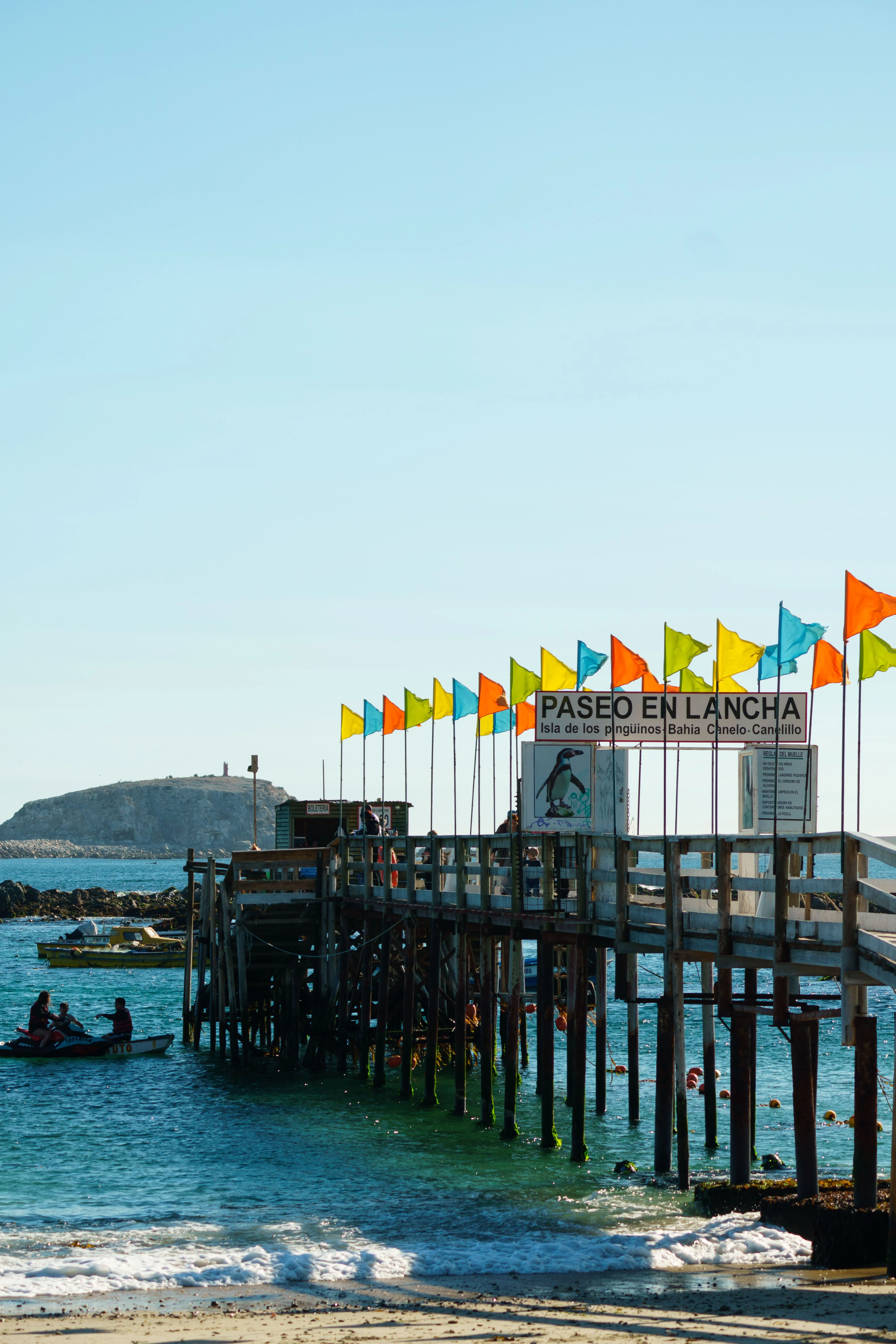
Healthcare in La Serena and What Expats Need to Know
Chile's healthcare system is split between the public FONASA network and the private ISAPRE system — and which one you access depends almost entirely on your residency and employment status. For expats in La Serena, the practical answer is private healthcare, at least for the first year. The costs are manageable, the quality in the private sector is consistently good, and the alternative — navigating the public system without Chilean ID — is a process that tests patience more than health.
Private Healthcare Access in La Serena
Private clinics in La Serena are not as numerous as in Santiago, but they cover routine needs reliably and without the waiting times that characterise the public system.
Clínica RedSalud Elqui Coquimbo–La Serena — the main private option; GP consultations CLP 25,000–40,000, decent emergency cover
Bupa Chile international health plans — worth considering before you arrive; they have local network access in La Serena and bilingual customer service
Dental care is significantly cheaper than in North America or Europe: a cleaning runs CLP 15,000–25,000, and most private practices in Centro have same-week availability
Specialist wait times in La Serena are longer than Santiago — cardiology, neurology, and orthopaedics may require a trip south for anything non-routine
Healthcare in La Serena is adequate for everyday life, but if you have a complex or ongoing medical condition, Santiago's private hospital network is a 6-hour bus ride away — and that distance is worth factoring into your plan before you commit to a long stay here.
Pharmacies and Day-to-Day Medical Access
Day-to-day healthcare access in La Serena is genuinely convenient — this is one area where the city punches above its size.
Farmacias Ahumada on Av. Francisco de Aguirre — open until 10pm, stocks most international medication equivalents, staff will check the Chilean generic name if you bring a foreign prescription
Cruz Verde and Salcobrand chains have multiple branches in Centro — 24-hour locations exist near the bus terminal
Many medications that require a prescription in the US or Europe are available over the counter in Chile — confirm with a local pharmacist, not an assumption
The private Clínica La Serena handles most specialist appointments within a few days, while public hospital waitlists for the same consultations can stretch to several weeks.
The pharmacy network in Chile is one of its underappreciated advantages for international residents — well-stocked, affordable, and far less bureaucratic than what most expats are accustomed to at home.
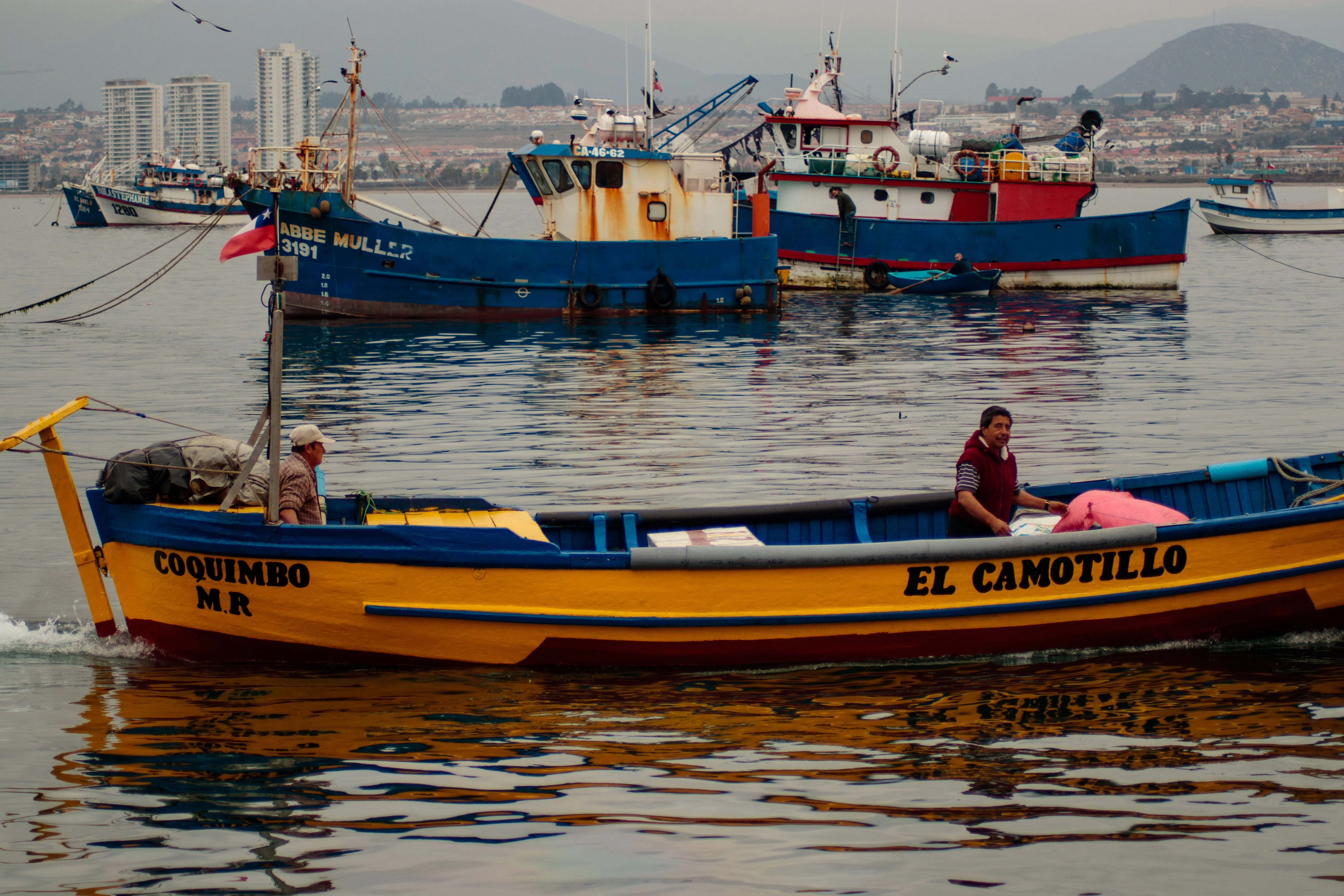
Getting Around La Serena: Public Transport, Walking, and Day Trips
La Serena is small enough that you can go days without needing motorised transport — but when you do need it, the options are functional rather than fast.
Public Transport Within the City
The local bus network covers most of the city, but the routes require some patience to learn because the signage assumes you already know where you are going.
Main bus stops on Av. Cisternas — micro routes to Peñuelas, Las Compañías, and the beach strip; single fare CLP 750, no contactless payment, carry coins
Colectivo taxis (shared fixed-route taxis) are faster than micros — CLP 800–1,000 per person, run along set corridors including Av. El Santo toward the university district
Uber and inDrive both operate in La Serena — an across-town trip generally costs CLP 3,500–6,000 and arrives within 5 minutes during daylight hours
Cycling is genuinely viable: the flat coastline and the dedicated cycle path along Av. del Mar make it the fastest way to move between Centro and the beach in summer
Public transport here won't frustrate you the way it might in a larger Chilean city — the scale just doesn't demand it, and rideshare fills every remaining gap at a price that doesn't sting.
Getting to Santiago and Beyond
The bus connection to Santiago is the one route that matters most for expats, and it's good enough that you won't feel stranded.
Turbus — runs overnight sleeper services to Santiago; CLP 15,000–25,000 depending on seat class, journey around 6–7 hours
Aeropuerto La Florida — 15 minutes from Centro; LATAM and Sky Airline both serve Santiago with multiple daily flights, often CLP 30,000–60,000 booked two weeks ahead
Flying is worth it for anything time-sensitive — the bus is fine for a planned Santiago trip, not for a Monday morning meeting you forgot about on Sunday
La Serena sits at a distance from Santiago that feels manageable on a schedule but inconvenient in an emergency — the flight fixes the second problem entirely, and the price is low enough that it should be your default for anything urgent.
The local micro bus network connects the city center at Avenida Francisco de Aguirre to outlying neighbourhoods like Las Compañías for under 800 Chilean pesos per ride.
Day Trips Worth Making
The region around La Serena rewards exploration in a way the city itself doesn't always advertise.
Valle del Elqui — 90 minutes east by car or bus from Terminal Rural on Av. El Santo; pisco distilleries, clear skies, and a landscape that justifies the trip even on a short stay
Coquimbo's historic Barrio Histórico — 15 minutes by colectivo, free to walk; a different atmosphere from La Serena and worth seeing before you decide the region has nothing left to show you
Northern trips toward Atacama require overnight planning — La Serena is not a gateway city for the Lake District or Puerto Varas, which sit far to the south and are better reached from Santiago
The Elqui Valley alone justifies having a car or being willing to rent one for a weekend — it is the kind of place that makes the rest of the week feel earned.
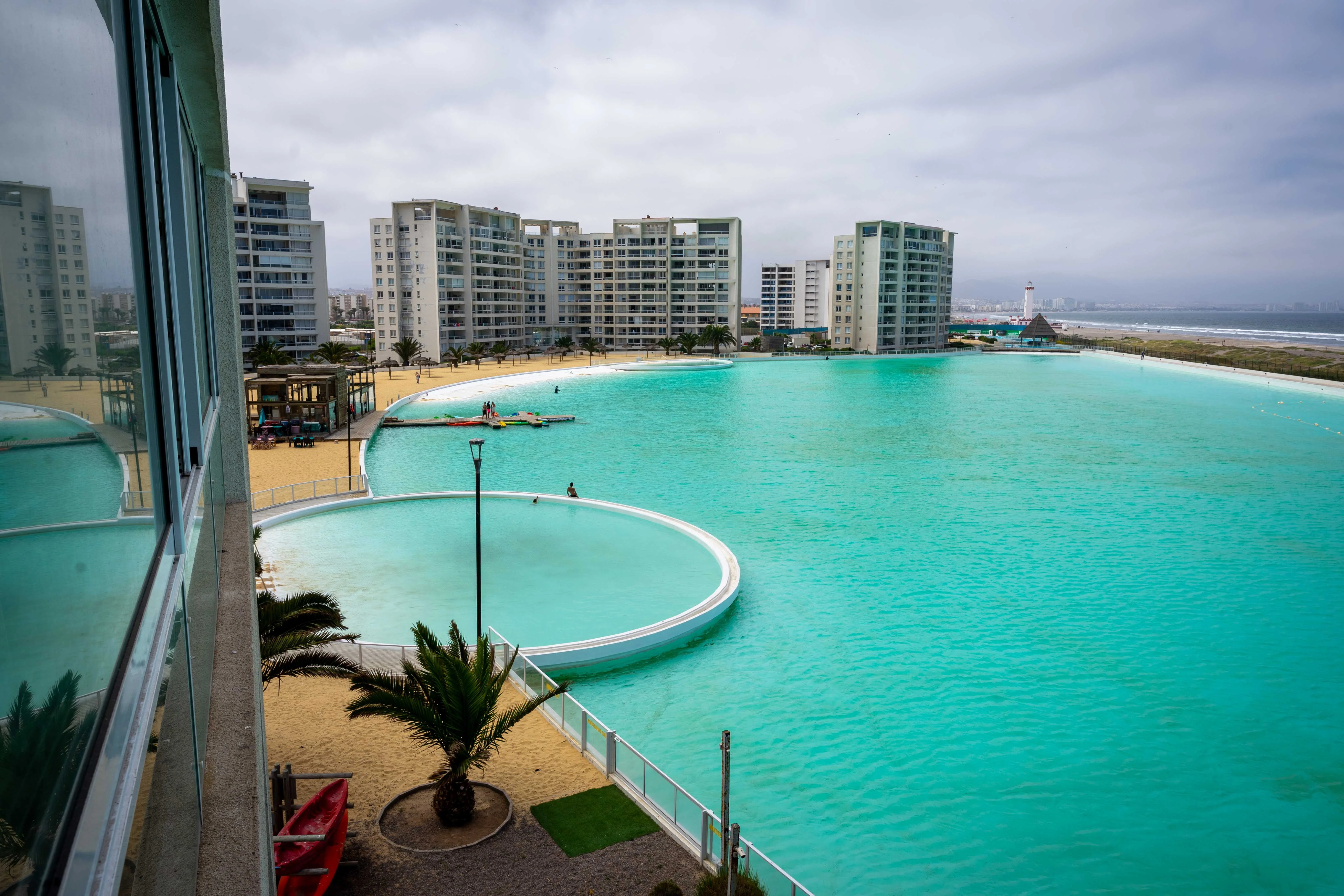
Social Life, Community, and What Expats Actually Do Here
La Serena is not a city with a large, visible expat scene — if you are coming from a place like Las Condes in Santiago or a well-worn digital nomad hub abroad, you will notice the difference immediately.
Where Expats and Remote Workers Connect
The community exists, but it is not concentrated in one place — you find it by showing up consistently rather than by looking for a dedicated expat bar.
Sereno Bar de Especialidad — live music Thursday through Saturday, mixed local and foreign crowd, craft beer from CLP 4,500; best after 10pm when the room fills
Universidad de La Serena campus area — the surrounding cafés attract a younger, bilingual crowd; English is more common here than anywhere else in the city
Facebook groups including "Expats in La Serena" and broader "Expats in Chile" communities are where most practical information moves — visa questions, apartment leads, local tips from people who have been here long enough to have opinions
Language exchange events are informal and infrequent — if you need structured Spanish practice, you will likely need to arrange it yourself rather than find an existing programme
The honest version: if social spontaneity matters as much to you as affordability, La Serena will ask you to put in more effort than a bigger city would — but the people you do meet tend to stay.
Food, Drink, and Where Locals Actually Eat
The restaurant scene is narrower than Santiago's, but there are places worth going back to — and the fish, because you are on the coast, is reliably good.
Natural Mar — a 20-minute colectivo ride and worth every minute; fresh ceviche and chupe de jaiba from CLP 8,000, no tourist markup, cash preferred
Baldoria Pizzería Napoletana — wood-fired pizza, CLP 10,000–14,000; reliable for a Friday night when you do not want to think too hard
Supermercado Lider on Av. Francisco de Aguirre — full imported goods section including American and European brands; groceries for the week run CLP 35,000–60,000 depending on how international you want to eat
Eating well in La Serena is not complicated — it just requires accepting that the menu is Chilean-centric, and that the best meals happen when you stop looking for what you would eat at home.
Is La Serena Right for You? Comparing It to Viña del Mar and Other Chilean Cities
La Serena makes sense for a specific kind of person — and knowing what it is not helps you decide faster than knowing everything it is.
La Serena vs. Santiago
Santiago gives you everything La Serena lacks — specialist healthcare, a large international community, restaurant diversity, nightlife, and the full infrastructure of a capital city — and charges you accordingly.
A furnished 1-bed in Las Condes, Santiago runs CLP 700,000–1,100,000/month; the same in La Serena is CLP 350,000–550,000 — that gap is roughly $350–$600 USD per month before you have made any other decision
Santiago's private clinics network is significantly deeper — including specialist access in fields where La Serena's options are genuinely limited
Santiago suits you if your work involves in-person meetings, networking, or industries concentrated in a capital city; La Serena suits you if your calendar is yours and your screen is your office
Air quality in Santiago's winter is poor — La Serena's coastal air is not a minor lifestyle difference, it is a physical one
Santiago is not better than La Serena — it is bigger, and bigger is only better if bigger is what your life requires.
La Serena vs. Puerto Varas and the Lake District
Puerto Varas is the other city that comes up when people talk about liveable, scenic alternatives to Santiago — and the comparison is worth making directly.
Puerto Varas in the Lake District is wetter, greener, and colder — La Serena wins on sunshine days by a margin that matters if you work outdoors or struggle with grey winters
Costs are broadly similar between the two cities, though Puerto Varas has a more developed tourist infrastructure that inflates certain services
Puerto Varas has a more established German-descended expat community and a stronger outdoors culture — hiking, kayaking, and volcano access are on a different level than anything La Serena offers inland
La Serena's astronomy infrastructure — including access to Observatorio Mamalluca near Vicuña — is unique in Chile and genuinely rare globally; it is a niche draw, but it is a real one
If you are choosing between La Serena and Puerto Varas, you are really choosing between desert sun and mountain green — both are good answers, and the wrong choice is the one that ignores your actual climate preference.
Who La Serena Is Not For
Some people leave La Serena within a month, and they generally have one of a few things in common.
If you need a large English-speaking professional network, the city will not provide it — there are English speakers here, but not in the density that supports a career built on local connections
If you rely on specialist medical care, the gap between La Serena and Santiago's private clinics is not trivial — plan accordingly or choose differently
If you need cultural novelty to stay engaged — new restaurants, gallery openings, international events — La Serena will exhaust its offering in roughly three weeks
None of this is a failure of the city — it is a city that does exactly what it offers, and the only people who should feel disappointed are the ones who did not read the brief.
Final Verdict: Who Should Move to La Serena
What La Serena Actually Delivers
This city holds up its end of the deal — but only if you arrive knowing what you want.
Consistent sun and low humidity make it easy to maintain a working routine without weather disruptions
Rent runs roughly half what you would pay in Santiago for a comparable furnished apartment
Food and daily expenses compound those savings quietly over a three- or six-month stay
The city is small enough to be walkable and manageable without demanding your attention
The infrastructure works, the costs are real, and nothing about the place is trying to distract you from getting things done.
What La Serena Cannot Give You
Go in clear-eyed — if you need a city to generate momentum for you, La Serena will feel flat within weeks.
There is no capital-city density, no packed event calendar, and no sense of things constantly happening
The social scene is thin for remote workers unless you build it yourself from scratch
It will not help you decide what you want from a nomadic life — that decision needs to arrive with you
Anyone chasing creative energy or professional networking will exhaust the city's offer quickly
The quiet that makes it productive for some people is the same quiet that makes it wrong for others.
Who Should Book the First Month
If you have already looked at Chile and dismissed it because Santiago was too expensive or too chaotic, La Serena is the answer you probably skipped past.
Remote workers with stable income who want low costs and uninterrupted focus will get exactly that
People priced out of Santiago will find apartments at roughly half the cost with no meaningful trade-off in comfort
Anyone who values walkable streets, real sunlight, and a city that does not exhaust them is well placed here
Explore fully furnished apartments in Chile and commit to a month — that is long enough to know for certain
The lack of obvious glamour is precisely why it works — the city has no interest in impressing you, which keeps the prices honest and the streets calm.
The RentRemote guide navigation includes a skip to content link at the top of the page so you can jump directly to visa requirements or neighbourhood breakdowns without scrolling through the introduction.
Planning Your Move to La Serena
La Serena rewards the expats who do their homework and arrive with realistic expectations. The city is not trying to compete with Buenos Aires or Medellín for the digital nomad spotlight, and that restraint is precisely what keeps rents low, neighborhoods calm, and the community genuinely welcoming to newcomers who plan to stay longer than a weekend. If you have been searching for a mid-sized Chilean city that balances coastal living with cultural substance, your search is likely over.
The smartest first move is always a trial month. Book a furnished apartment near Avenida del Mar or the historic center, walk the grid, and let the rhythm of the place speak for itself before you sign anything long-term. Browse fully furnished apartments in the country to compare neighborhoods, check availability, and lock in a flexible arrangement that lets you settle in without the pressure of a year-long commitment from day one.
La Serena is one of those cities that grows on you quietly. The light is different here — softer, cleaner, something to do with the desert latitude and the Pacific air — and after a few weeks you will start to understand why people who arrive for a month often end up staying for a year. Give it a chance, and it will likely give you one back.