Lukas
Tech & Digital Nomad Cultural Editor ·
Santa Eulalia is not the Ibiza that gets written about in music magazines. It is the third largest town on the island, it has the only river in Ibiza, and on a Tuesday morning in October it feels less like a party destination and more like a well-kept Mediterranean secret. The trade-off is real: you are 15 kilometres from Ibiza Town and further still from San Antonio, which matters when a client meeting runs late and the last bus has gone. But for a month-long stay where you need a functioning routine, Santa Eulalia del Río earns its reputation.
Which neighbourhoods and base locations within the municipality suit remote workers
How Santa Eulalia compares to Ibiza Town and San Antonio for day-to-day living
The beaches, markets, and cultural draws — Puig de Missa, Punta Arabí, Es Canar — and when they're worth your time
What furnished apartments actually cost and where to find them
Practical logistics: transport, coworking, connectivity
The honest case for who this town suits and who it doesn't
What Living in Santa Eulalia del Río Actually Feels Like
Most people arrive expecting a quieter version of Ibiza Town. What they get is something closer to a prosperous coastal town that happens to sit on one of Europe's most famous islands — and that distinction changes how you spend your days.
The Santa Eulària Promenade and Town Centre
The promenade in Santa Eulària runs for several kilometres along the seafront, and it is genuinely pleasant to work a morning from one of the terrace cafés before the tourist tide comes in.
Paseo de S'Alamera — the main promenade strip, lined with cafés; best before 10am when locals still outnumber visitors
Café Nou — flat whites around €3, terrace tables, reliable enough WiFi for email and calls before noon
The town centre is compact and pedestrian-friendly, with shops and restaurants concentrated within a 10-minute walk of the marina
The western end of the promenade is quieter after 8pm; the eastern end picks up with dinner trade from around 9pm onwards
If you have worked from beach towns before, you will recognise the rhythm immediately — the town centre rewards early risers and becomes significantly less useful for focused work by midday in summer.
The River, the Roman Bridge, and Why the Geography Matters
Santa Eulalia has the only river on the island of Ibiza, and while the river itself is modest, the Roman bridge that crosses it near the base of Puig de Missa is one of the few genuinely old things you will encounter in a place that otherwise rebuilt itself around tourism.
Pont Romà — the Roman bridge dates to antiquity; the walk from here up to the church takes under 15 minutes and is worth doing once
The river mouth at the marina makes the eastern end of the seafront feel different from the beach side — less resort, more working port
The municipality covers 46 kilometres of coastline with 22 coves — you are not limited to the main beach if you have transport
The geography gives Santa Eulalia del Río a more grounded identity than many Ibiza resort towns — it is harder to forget this is an actual place where people live.
Nightlife in Santa Eulalia: What to Expect
Santa Eulalia is not where you go for nightlife — and if that sounds like a criticism, it isn't.
Bars along the marina stay open late but the volume never reaches what you get in Ibiza Town or San Antonio
Word of Mouth — low-key marina bar, decent local wine around €4 a glass, closes by 1am most nights
If you keep European working hours and need sleep before 10am starts, this is the trade-off that earns you the quieter rent
For one or two nights of proper nightlife per week, the buses to Ibiza Town run until late in season — after October, you are planning around a taxi.
Santa Eulalia is located on the only river in the Balearic Islands — the Riu de Santa Eulària — which means the surrounding farmland stays greener than anywhere else on Ibiza, and the morning air on the northern edge of town smells genuinely different.
Santa Eulalia vs. Ibiza Town vs. San Antonio: Choosing Your Base on the East Coast
Where you stay on this island shapes your whole experience in ways that three days in any one place will not show you. The east coast is a different Ibiza from the west — quieter, more family-oriented, with better beaches for swimming and worse access to the clubs that dominate the island's economy.
Neighbourhood / Town | Monthly Rent (1-bed) | Vibe | Best For | Key Advantage |
|---|---|---|---|---|
Santa Eulalia del Río | €1,200–€1,800 | Residential, relaxed | Long stays, families, focused work | Only river on the island; quietest major town |
Ibiza Town (Eivissa) | €1,500–€2,500 | Historic, dense, social | Access to Dalt Vila, nightlife proximity | Everything within walking distance |
San Antonio | €1,000–€1,600 | Resort-heavy, louder | Budget stays, sunset bar access | Cheaper in low season; easy ferry connections |
Es Canar | €900–€1,400 | Low-rise, slow pace | True off-season solitude | Quietest coastal option near Santa Eulalia |
Cala Llonga | €1,000–€1,500 | Sheltered cove, family resort | Swimming, young families | Protected bay, calmer water than open beaches |
Why Ibiza Town Costs More and Delivers More
Ibiza Town justifies its premium in one specific scenario: you need to be in the middle of everything, every day, without thinking about transport.
Dalt Vila — the UNESCO-listed old city — puts history within walking distance of your apartment; you stop noticing it within a week, which is not a criticism
Furnished 1-beds in the lower town start around €1,500/month in low season and climb fast in summer
Coworking is more established here: Coworking Ibiza in the port area offers day passes around €20
The noise floor is higher — the areas near the port never fully quiet down between June and September
If you are staying for two weeks, Ibiza Town wins on convenience. At two months, the noise starts to matter more than the access.
San Antonio: Cheaper, but You Pay in Other Ways
San Antonio is the cheapest of the three major towns, and the reason is visible from the main strip on a Saturday night in August.
Rent runs €1,000–€1,600 for a furnished 1-bed, genuinely lower than Santa Eulalia and Ibiza Town
The sunset strip — Café del Mar, Café Mambo — is a legitimate draw if that is what you came for
Café del Mar — the original sunset bar; arrive 90 minutes before sunset or accept standing room
In November it empties almost completely; some restaurants close for the season, which makes it very cheap and very quiet in equal measure
San Antonio works as a base if your social life and your work are in different time zones — the nights are louder, but the mornings are genuinely peaceful once the summer crowd has gone.
Hotels in Santa Eulalia — such as the Aguas de Ibiza on the seafront — run roughly €180–€280 per night in July, which is noticeably cheaper than equivalent four-star options inside Ibiza Town's Dalt Vila district.
Beaches Near Santa Eulalia: Playa de Santa Eulalia, Es Canar, and the 22 Coves You Will Not Find in a Hotel Brochure
The playa de santa eulalia itself is 300 metres long, easily accessible from the town centre on foot, and calm enough for children — which is either a selling point or a signal to keep looking, depending on what you want from a beach.
Playa de Santa Eulalia and the Town Beaches
The main beach is convenient rather than spectacular, and that is a fair summary of its appeal.
Playa de Santa Eulalia — 300m of clean, sheltered sand; water sports including snorkelling and boat rentals available from the western end from around €15/hour
Cala Pada — a short drive or bicycle ride north; noticeably less crowded on weekday mornings, better water clarity than the main beach
Es Caló de S'Algar — small sandy area a few kilometres from the town centre; gets busy by 11am in July and August, arrive earlier
Cala Martina — quieter than the town beach, reached by scooter in under 10 minutes; no sun lounger rental, bring your own
If you are working mornings and swimming afternoons, the playa de santa eulalia is close enough that a 40-minute lunch break actually works — which is not something you can say about most Ibiza beaches.
Es Canar: The Quietest Stretch of the East Coast
Es Canar is 5 kilometres north of Santa Eulalia and moves at a pace that will either bore you or save you, depending on your month.
Playa de Es Canar — smaller beach than Santa Eulalia, cleaner water, fewer day-trippers in shoulder season
Furnished apartments here run €900–€1,400/month in low season — the lowest prices within easy reach of Santa Eulalia
The hippie market at Punta Arabí runs every Wednesday from April to October, around 500 stalls; it is 10 minutes' walk from Es Canar and worth one visit
There is very little open in Es Canar between November and March — this is a feature, not a bug, for anyone who came for silence
Es Canar makes sense as a base if you are staying in the off-season and your work is genuinely remote; in summer, the lack of infrastructure relative to Santa Eulalia starts to feel like a real constraint.
The Wilder Coves: Cala Boix, Aigües Blanques, and What the Coastline Actually Offers
Santa Eulalia's municipality covers 46 kilometres of coastline, and the further north you go, the more the island starts to look like something other than a resort.
Cala Boix — the only black sandy beach in Ibiza; dramatic, requires a car to reach, worth the trip once
Aigües Blanques — designated nudist beach further up the east coast; clothing-optional, much less crowded than the town beaches
Most of the 22 coves require a scooter or car — public transport does not reach them, and the taxi fares add up quickly if you are going daily
The coastline north of Santa Eulalia is dotted with small coves — Cala Llenya, Cala Nova, and Cala Martina — each reachable by bike in under 20 minutes from the town centre promenade.
Rent a scooter for €250–€350 a month and the coastline becomes genuinely yours; without it, you are spending most of your time within 2 kilometres of the town centre.
Puig de Missa, Punta Arabí, and the Cultural Life That Makes Saint Eulalia More Than a Beach Town
Saint Eulalia is the only major Ibiza town with a genuine claim to cultural depth — and it is not a loud claim. The Puig de Missa hilltop complex, the hippie markets, the Barrau Museum: none of them compete with Ibiza Town's Dalt Vila for grandeur, but they are the reasons this place has a character that outlasts a week's stay.
Puig de Missa: The Hill Above St Eulalia
Puig de Missa is the hill that organises the town around it — the church at its summit was built in 1568 as a temple-fortress, and the views from the top justify the 15-minute walk from the town centre on any morning that is not July at noon.
Puig de Missa church — entry free, open most mornings; the church of Santa Eulària served as a defensive fortress as much as a place of worship
Ethnographic Museum (Museu Etnològic d'Eivissa i Formentera) — housed in a traditional Ibizan farmhouse on the hill, covers local history including the island's folklore; entry around €3
The walk up Puig de Missa takes you past the Roman bridge — do both in one loop and you have seen the oldest layers of this town in an hour
The Puig de Missa complex is the single best argument that st eulalia is worth more than a day trip — it is the kind of place you keep finding reasons to revisit.
Punta Arabí and Las Dalias: The Hippie Market Circuit
The hippie markets that started in the 1970s are not kitsch — or rather, they are kitsch in the way that anything with 500 stalls and 40 years of history eventually becomes, and that does not make them less worth going to.
Punta Arabí market — around 500 stalls, every Wednesday from April to October, based at the hippy hotel complex near Es Canar; one of the largest open-air markets in Europe
Las Dalias market — also around 500 stalls, Saturdays year-round near Sant Carles de Peralta; the better of the two for local artisan work rather than tourist goods
Street markets in the town centre run on weekend mornings along the promenade — smaller scale, mostly local produce and craft
Both markets are reachable by bus from Santa Eulalia in season; in October the bus frequency drops, a taxi from the town centre to Las Dalias runs around €15
If you arrive in Ibiza expecting the hippie-market version of the island and find that the clubs have mostly displaced it, Santa Eulalia and its surrounding municipality is where that original bohemian identity still has a foothold.
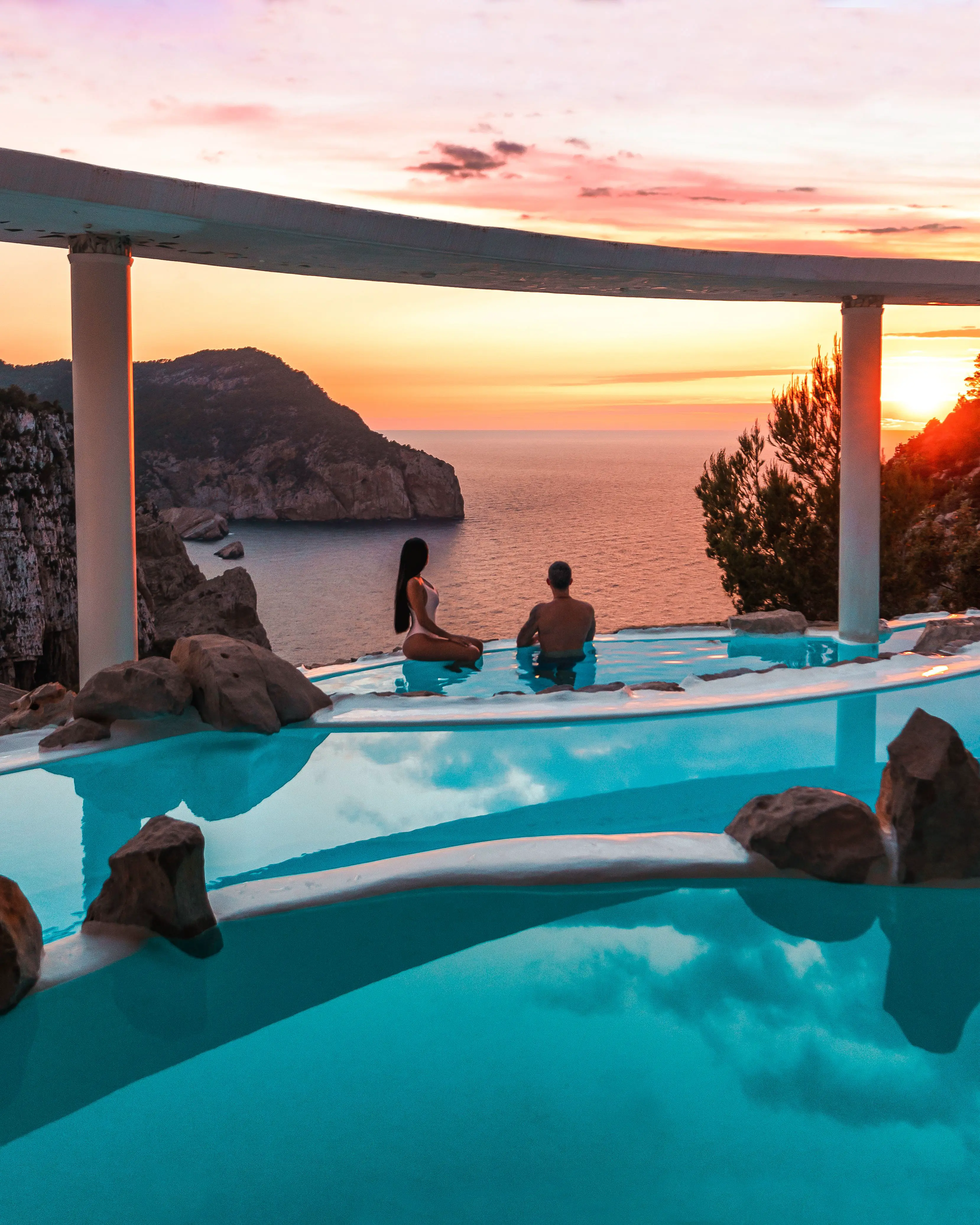
Climb Puig de Missa on a Wednesday morning and you will discover the weekly Punta Arabí hippy market already in full swing below — a 15-minute walk separates two of the most visited attractions in the east of the island.
Browse fully furnished apartments in Ibiza to find your base before the season starts — availability in Santa Eulalia thins out fast between April and June.
Getting Around Santa Eulalia: What the Distances Actually Mean
Santa Eulalia sits roughly in the middle of Ibiza's eastern coast, which sounds convenient until you realise that the airport is 25km away and the bus timetable after October becomes something you check with genuine anxiety.
The Airport Run and Inter-Town Connections
The airport is not close, and that matters most at the beginning and end of your stay — not during it.
Ibiza Airport — 25km from Santa Eulalia; taxi runs €35–€45 depending on time of day and luggage; no direct bus from Santa Eulalia to the airport, you connect via Ibiza Town
Line 13 bus connects Santa Eulalia to Ibiza Town roughly every 30 minutes in high season, dropping to hourly or less in winter; the journey takes around 25 minutes
Santa Eulalia bus station on Carrer de Sant Jaume is the transit hub — small, functional, worth knowing exactly where it is before you arrive
Renting a scooter or car from one of the local hire shops on Carrer de Ses Parres costs around €25–€40 per day in season; this changes your entire experience of the island
If you are staying more than two weeks, the car or scooter question is not optional — it is the decision that determines whether you explore freely or spend the stay rationing your energy around bus windows.
Ibiza Airport is a 25-minute drive from Santa Eulalia, and direct flights to Barcelona run year-round with Vueling for as little as €40 — making a long weekend on the mainland genuinely easy to bolt on.
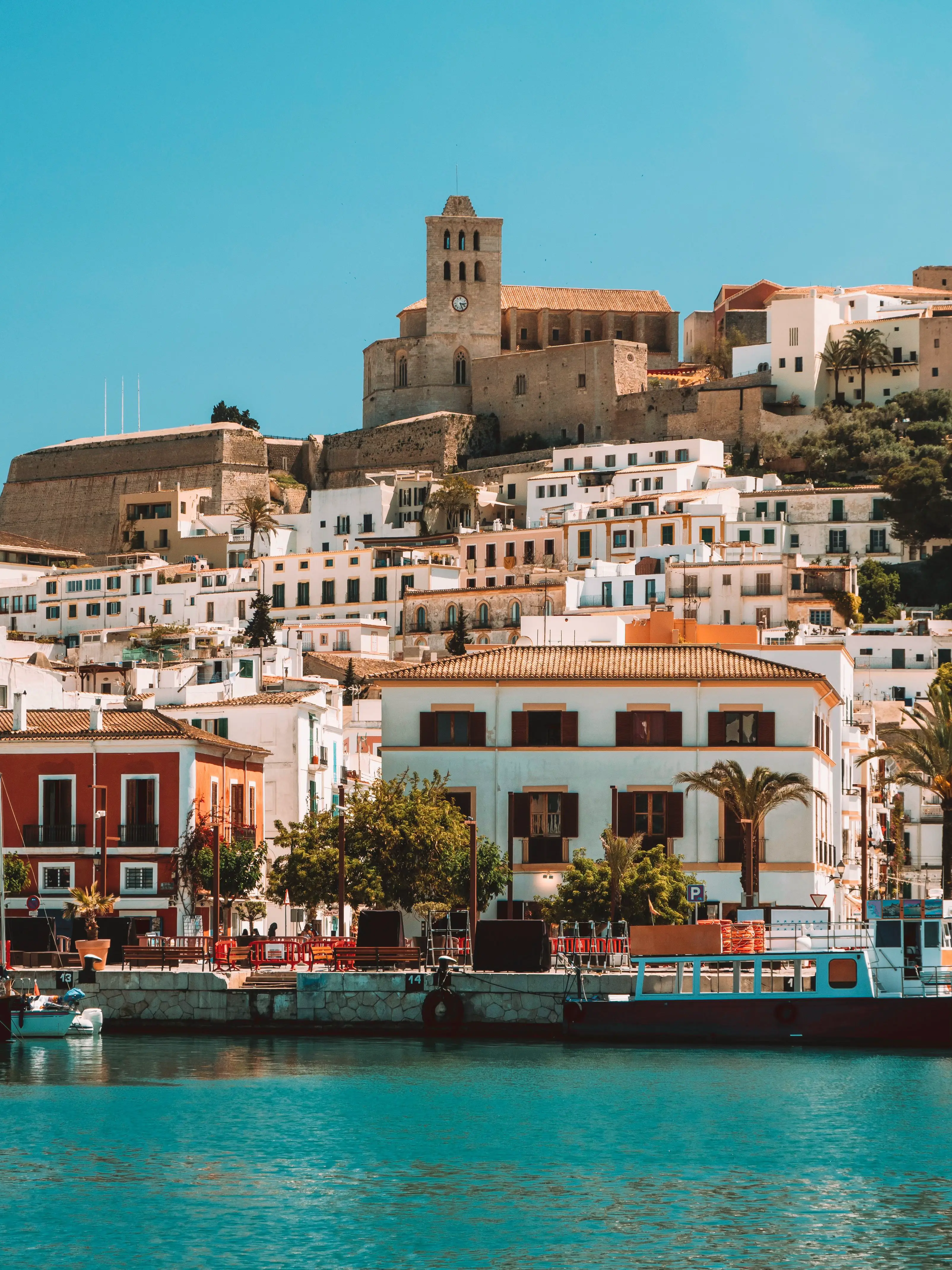
Reaching the Coves Without a Car
The 22 coves along this stretch of coastline are the main argument for basing yourself here rather than in Ibiza Town, but without wheels several of the best ones are effectively unreachable.
Cala Nova — 4km north of town, reachable by bicycle in 20 minutes along a relatively flat road; genuinely beautiful, quieter than the main beach, lined with pine trees down to the waterline
Cala Llonga — 5km south, accessible by boat taxi from the Santa Eulalia marina in summer for around €5 return; the boat runs until early evening
Cala Mastella — 8km north, no bus, no boat: you need a car or a long bicycle ride on roads that lose their shoulder quickly; worth it for the small fish restaurant on the water, which serves a fixed lunch with no menu and no phone booking
Water taxi from the marina to several northern coves runs daily from June to September; the schedule is posted on a whiteboard at the dock and changes with demand
The coves that require a car are consistently the ones worth going to — which tells you something useful about where the crowds go and where they don't.
Santa Eulalia Through the Year: When to Come and What to Expect
The population of Santa Eulalia roughly doubles between June and September, and the town that feels calm and manageable in May becomes a different place entirely by July — not unpleasant, but operationally different.
High Season: July and August
July is when Santa Eulalia stops being a locals' town and starts performing as a resort, and the gap between those two versions is sharper than most people expect.
The promenade fills by 10am and café terrace seats require either luck or early positioning; working from anywhere on the seafront in July is largely a fiction
Families arrive in significant numbers from late June onward — the beach is excellent for children, shallow and calm, which explains the demographic and also why the town never tilts into the same register as San Antonio
Restaurant prices on the waterfront rise around 20–30% compared to May and October; the same dish at Fera Palma Restaurant on Carrer de Sant Jaume costs noticeably more in August — move one street back from the water and the pricing normalises
Events run almost weekly through July and August: the Santa Eulalia Cultural Centre on Carrer de Mnr. Llorenç Tur hosts outdoor cinema, live music, and local exhibitions — free or low-cost, and genuinely attended by residents rather than just tourists
July and August are worth experiencing once, but they are not the months to choose if you are seeking a calm working rhythm — the town is enjoyable but the infrastructure bends under the weight of the season.
By mid-November, the tourist trade has effectively gone through a slow death — beach bars close, ferry services to Formentera drop to two crossings a day, and restaurant menus shrink, but rental prices fall by 40% and the town becomes quietly, genuinely local again.
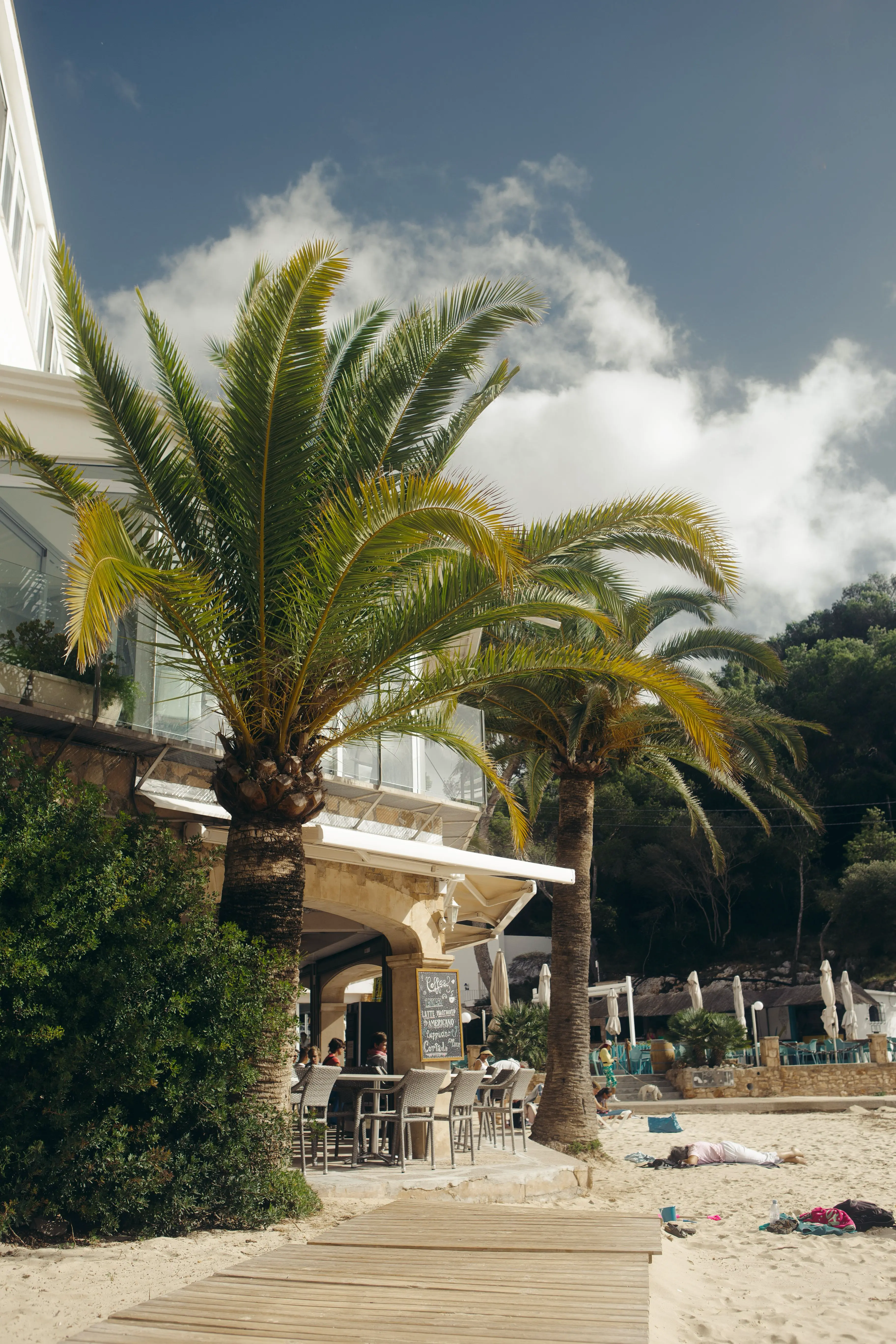
Shoulder Season and Winter: February to April and October to November
February is the month that separates people who genuinely want to live here from people who want a holiday with a laptop — and it is better than it sounds.
The permanent population of around 40,000 across the municipality means real services stay open: supermarkets, pharmacies, a weekly market on Tuesday mornings near Plaça d'Espanya that sells local produce year-round
Monthly rent in February drops to the lower end of the seasonal range — €900–€1,200 for a one-bedroom is achievable, and landlords are more willing to negotiate on longer stays
Dates for local festivals shift the town's character briefly and genuinely: the Fiesta de Santa Eulalia in mid-February is one of Ibiza's oldest celebrations, with processions, traditional dress, and folk music that has nothing to do with the summer tourist calendar
Café Croissant Show near Plaça de la Constitució, stays open through winter and is the place where the local population actually has breakfast — menú del día lunch runs €10–€12, the coffee is not exceptional, but the consistency is
The off-season version of Santa Eulalia is quieter than most remote workers are prepared for, but if you are disciplined about your own structure it is arguably the best time to be here — the town belongs to its residents again, and you can join that rhythm rather than sitting outside it.
History, Character, and What Makes This Town Different
Santa Eulalia takes its name from a third-century martyr — Saint Eulalia of Mérida, crucified and tortures for refusing to renounce her faith, according to the account in which she died at the mouth of the flames after a series of tortures that reads more like a catalogue than a martyrdom — and the town wears that history lightly, which is either admirable or a missed opportunity depending on your disposition.
The Church, the River, and What They Tell You About the Place
The fact that Santa Eulalia is the only town in the Balearic Islands with a river flowing through it is not a footnote — it is the reason the settlement exists where it does, and the reason its character diverges from the rest of coastal Ibiza.
The Riu de Santa Eulalia flows into the sea just south of the marina — seasonal in its flow, mostly dry by August, but the reed-lined riverbed remains a distinct green strip through the town that sets it apart visually from every other coastal settlement on the island
The fortified hilltop church, built in the sixteenth century when the island's Christian population needed protection from North African raids, is dedicated to Saint Eulalia — the same saint whose story of being crucified was central to early medieval hagiography and whose feast days still anchor the February festival
Centre Interpretatiu del Riu de Santa Eulalia near the river mouth explains the town's agricultural and hydrological history — small, free, open Tuesday to Saturday, and visited by almost nobody, which makes it worth the 30 minutes
The Moors, Carthaginians, Romans, and then Christians each left layered evidence in the municipality — the Ethnographic Museum on Puig de Missa covers most of it, but the Cova des Culleram sanctuary, 12km north near Sant Vicent, is the most atmospheric Phoenician site on the island and requires its own half-day
Understanding the history here does not require much effort, but it does require leaving the seafront — and the town becomes three times more interesting the moment you do.
The Market Town Identity and What It Produces
Santa Eulalia has been a commercial hub for the eastern half of Ibiza for centuries, and that function has not disappeared so much as mutated into a version of itself that can coexist with tourism.
The Tuesday market near the town centre is the longest-running in the municipality — local vegetables, cured meats, bread, and a section of jewellery and craft stalls that varies by season; arrive before 10am if you want the produce section before it thins out
Carrer de Sant Vicent, running inland from the seafront, is where the non-tourist commerce concentrates: hardware stores, a proper ironmonger, a pharmacy that has been in the same family for decades, and a greengrocer that operates on the assumption you already know what you want
The artisan jewellery tradition that grew alongside the 1970s hippie influx has produced genuinely good local designers — Café Mambo Ibiza on the promenade is one of the more serious shops for locally-made pieces, with prices that reflect craft rather than tourism: rings from €60, pendants from €80
The wrap of commerce around the marina — boat hire, dive schools, water taxi operators — is seasonal but well-organised; the businesses that survive are the ones that have built repeat clientele from the permanent residential population, which gives the commercial character a solidity absent from purely tourist destinations
Santa Eulalia's market town identity is what makes it function as a place to live rather than merely visit — and that distinction is exactly what you are paying for when you choose it over the louder, more obviously appealing alternatives elsewhere on the island.
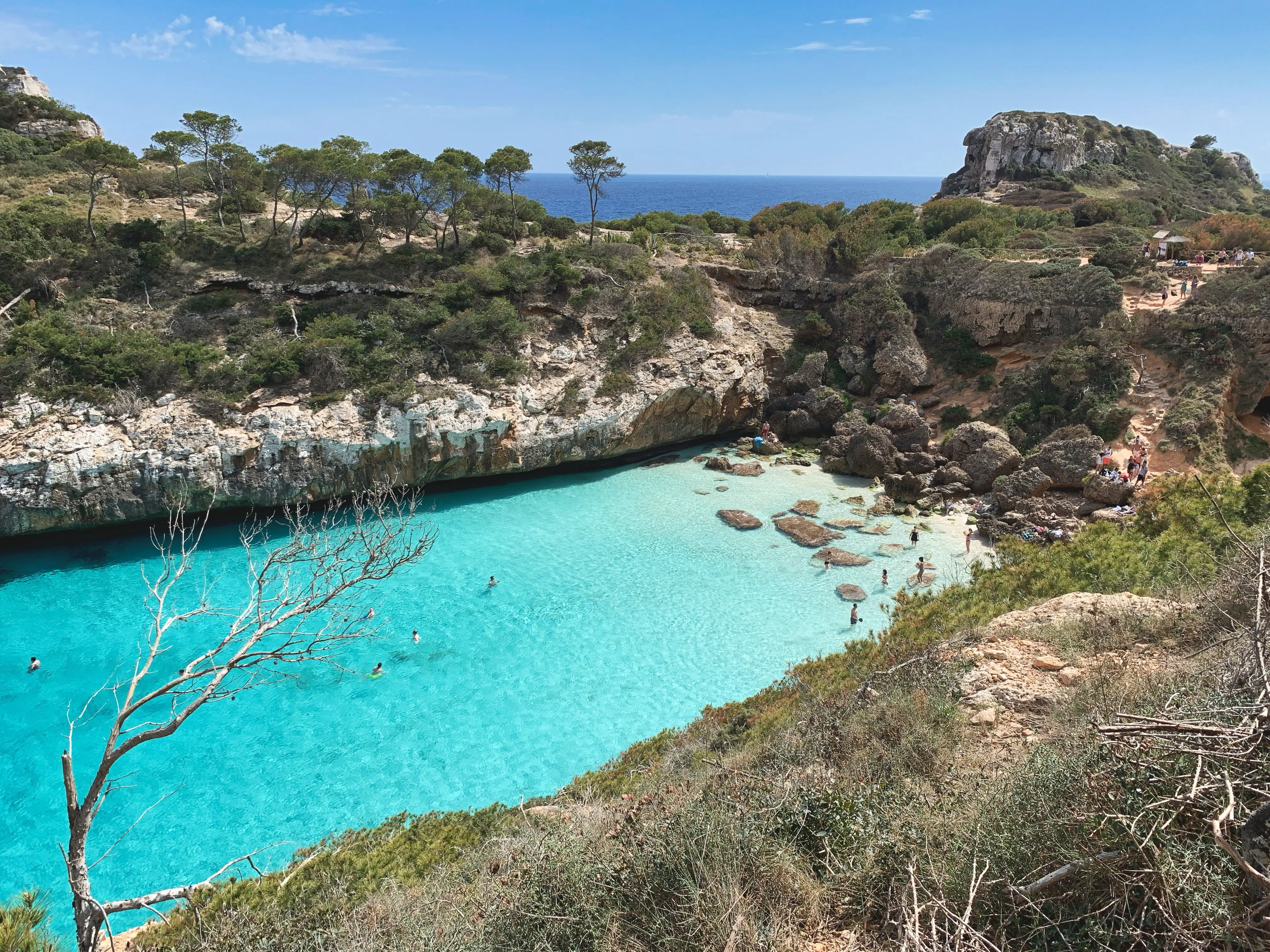
As Ibiza's third largest town, Santa Eulalia del Río has a civic weight that smaller resorts like Es Canar or Santa Gertrudis simply cannot match — it has its own town hall, its own market, and a year-round population that keeps the place honest.
Is Santa Eulalia the Right Base for You?
Who Actually Thrives Here
Santa Eulalia works best for people who want a genuine Mediterranean life, not a curated version of one.
Long-stay remote workers — four weeks or more — who value routine over novelty
People who find the pace of Ibiza Town exhausting rather than exciting
Couples or solo travellers who want good food and a real beach without the performance around it
Anyone staying into the shoulder season, when Santa Eulalia holds up and most resort towns quietly collapse
The permanent infrastructure here — shops, restaurants, services — survives October in a way that Playa d'en Bossa simply does not.
Santa Eulalia is ideal if you want to reach both Ibiza Town's nightlife and the quieter northern beaches without committing to either extreme — the drive to Pacha is 20 minutes, and Cala Boix is 15 minutes in the other direction.
Who Will Struggle Here
Santa Eulalia has real limitations, and the wrong person will feel them within a week.
People relying on public transport — the bus network is limited and getting to the airport without a car requires planning every time
Remote workers who need a dense café-coworking scene will find the options thin compared to Ibiza Town
Anyone expecting winter sociability — the quiet that feels like peace in October can feel like constraint by February
Short-stay visitors chasing nightlife, for whom the distance from the clubs is a practical problem, not just an aesthetic one
The isolation is not a bug or a feature — it is just a fact, and it compounds the longer you stay.
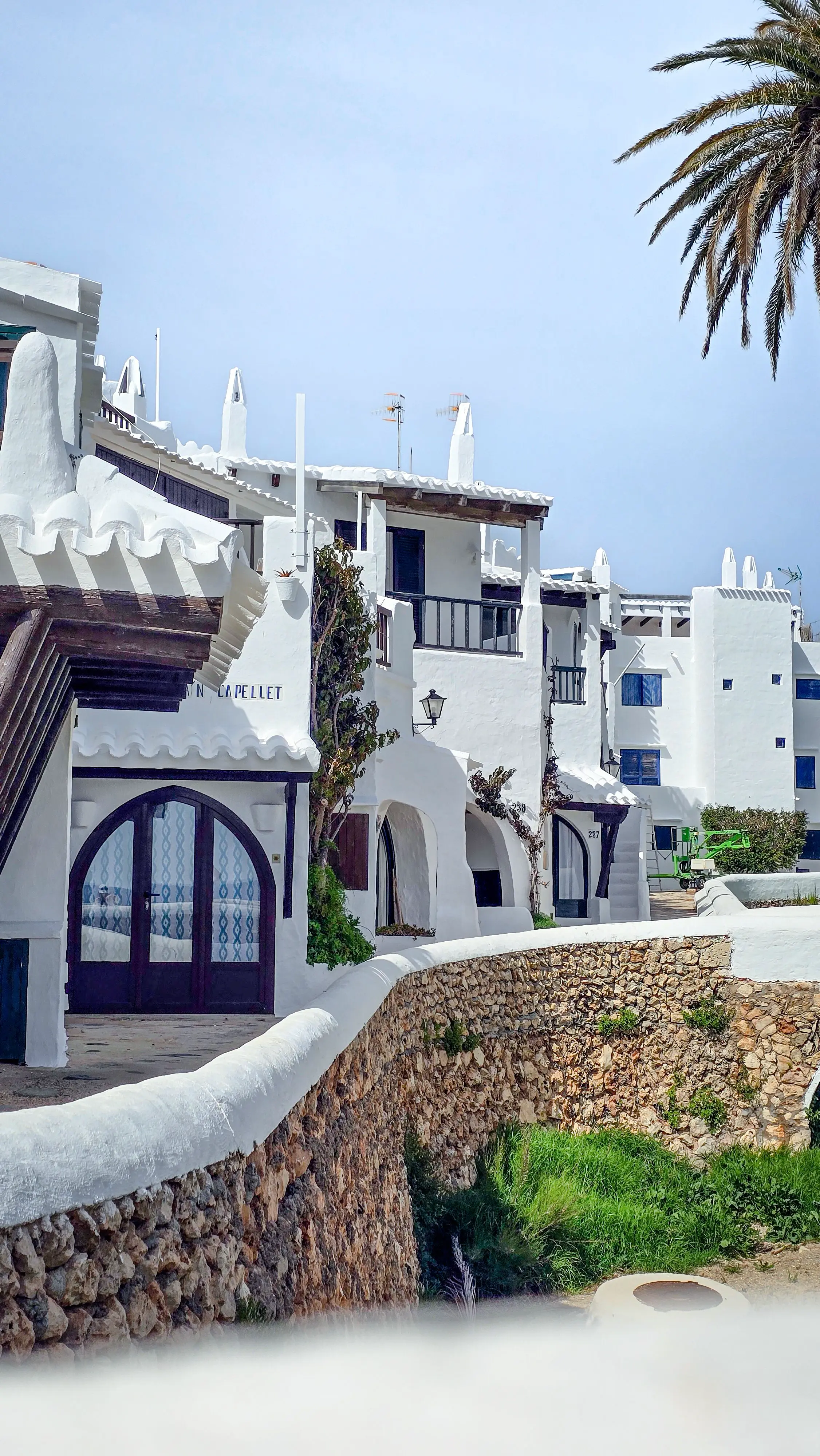
Finding a Place to Stay
Santa Eulalia has a genuine rental market across budgets, but availability in the shoulder season goes to people who move early.
Fully furnished apartments suit long stays better than holiday lets, which dominate the short-term supply
Shoulder season options persist well into autumn if you book before the summer rush claims the better units
Budget and mid-range options both exist — this is not an exclusively expensive town the way some parts of the island are
Find fully furnished apartments in Spain across every budget and stay length, with Santa Eulalia options available well into the shoulder season
The rental stock here is quieter and less picked-over than Ibiza Town, which works in your favour if you are not last-minute about it.