
Daniel
Productivity & Remote Living Analyst ·
Palm Jumeirah is the kind of place that looks like a fantasy from the air and functions like a small city once you're inside it. The island delivers on the views, the beach access, and the address — but it asks something back: you will pay for every square foot of it, and you will notice the distance from central Dubai more than you expect. If you are weighing it up as a base for a month or a year, this guide gives you the real numbers and the honest trade-offs.
What the Palm Jumeirah neighborhood actually costs to rent month to month
Which part of the island suits different lifestyles and budgets
How residents get around — the Palm Jumeirah Monorail, taxis, and the gaps between them
Where to eat, work, and shop without leaving the island
How Palm Jumeirah real estate compares to other residential options in Dubai
Common challenges residents face that no brochure mentions

Overview of Palm Jumeirah: What You're Actually Choosing
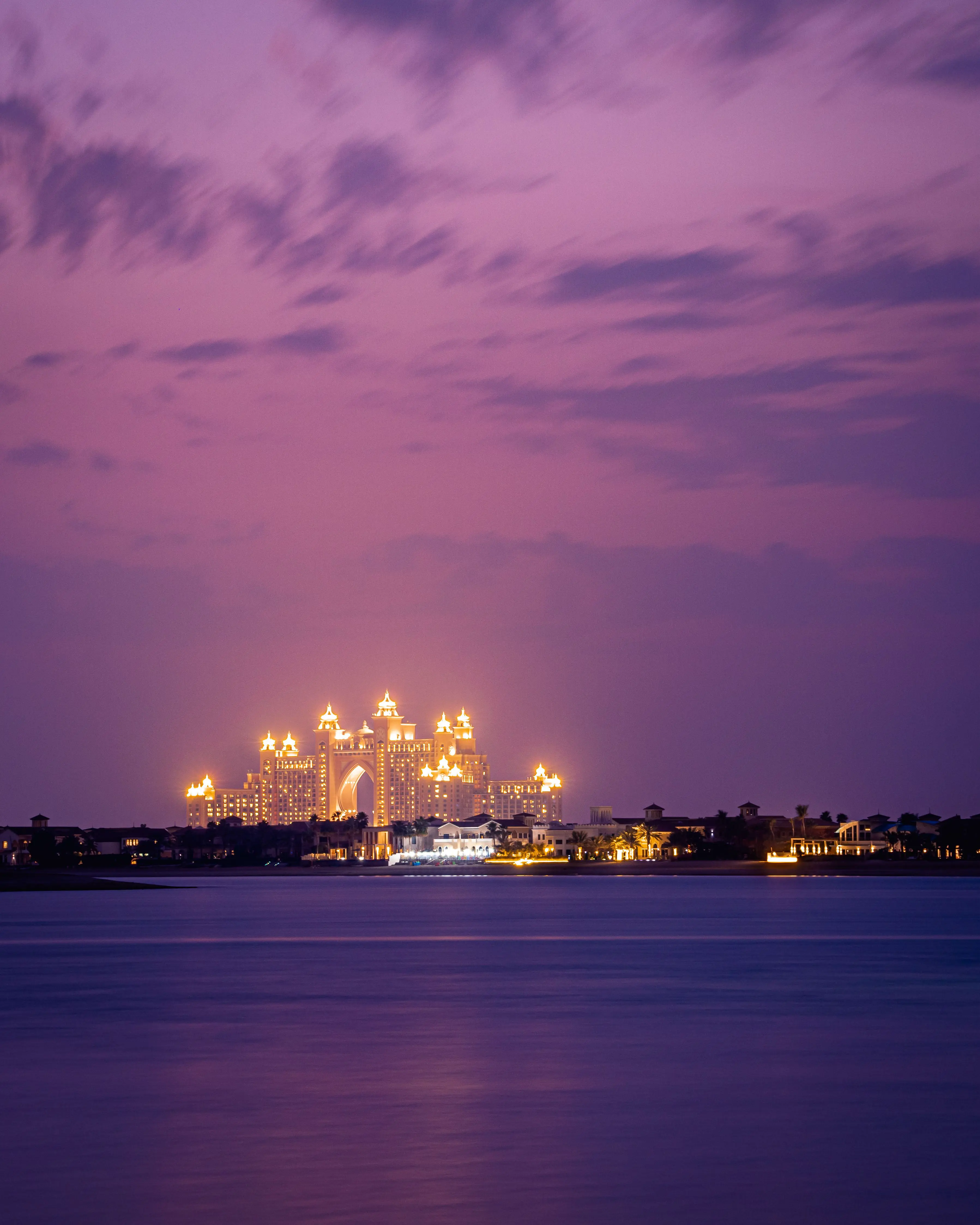
Palm Jumeirah Dubai is a man-made island shaped like a palm tree extending into the Arabian Gulf, and the geography matters more than you'd think when you're deciding whether to live here. The Trunk connects to the mainland via the Palm Monorail and Sheikh Zayed Road — this is where most of the residential apartment towers sit. The sixteen Fronds are quieter, lower-rise, and almost entirely private villas. The Crescent wraps the outer edge and holds the hotels, Atlantis, and a handful of high-end residences. You're not choosing one island — you're choosing one of three very different environments that happen to share a postcode.
The island's population is almost entirely expat, which creates a particular kind of community: transient, internationally minded, and accustomed to paying for convenience. This is not a neighbourhood where you stumble on hidden local gems. What it offers is deliberate — curated amenities, private beach access for most residential buildings, and a sense of remove from the noise of mainland Dubai that some people find restorative and others find isolating.
The Trunk: Apartments, Towers, and the Daily Reality
The Trunk is where most expat renters land, and it gives you the most practical access to transport and services on the island.
Shoreline Apartments — one of the most established residential communities on the Palm, studios from AED 90,000/year, 1-beds from AED 130,000/year, direct beach access included
Palm Monorail Gateway Station — connects to Dubai Marina Mall station in under 10 minutes; free with a Nol card top-up
Golden Mile Galleria — the closest thing to a neighbourhood supermarket strip on the Trunk; pharmacies, a Spinneys, and a handful of cafés
Traffic on the main Palm Jumeirah road backs up badly between 5pm and 7:30pm — if you commute to the mainland by car, this becomes your daily negotiation
The Trunk is the most liveable part of the Palm for people who need to move in and out of Dubai regularly — the Fronds are beautiful, but everything takes longer from there.
The Fronds: Private Villas and a Different Kind of Quiet
The Fronds are where the island's private villa lifestyle actually happens — gated, low-traffic, and facing the water on both sides.
Frond villas typically start at AED 350,000/year for a 3-bedroom; beachfront ones push well past AED 600,000/year
Each frond has its own private beach strip — genuinely private, not a shared resort pool situation
Frond N Beach — one of the calmer, less-trafficked frond beaches, suitable for early morning swimming before the heat settles in
No walkable shops or cafés on the Fronds — you drive or wait for a taxi for everything
If your life doesn't require you to be in a car twice a day, the Fronds work; if it does, you'll resent the distance within three weeks.
Palm Jumeirah is located roughly 30 kilometres from Dubai International Airport, which translates to a 25–35 minute taxi ride depending on traffic — manageable for monthly business travellers but worth factoring in if you fly weekly.
Palm Jumeirah Real Estate: What It Costs and What You Get
Palm Jumeirah real estate runs at a premium that is consistent and predictable — this is not a neighbourhood where you find a bargain by looking harder. What varies is how much space and what tier of building your budget actually gets you, and the gap between a well-maintained building and a poorly managed one on the Palm is significant enough to visit before you sign anything.
Annual rents are the norm in Dubai, often paid in one to four post-dated cheques — the fewer cheques a landlord accepts, the more leverage you might have on price, but not always. Monthly rental contracts exist but carry a premium. Most furnished apartments aimed at short-to-medium term expat stays sit in the AED 12,000–22,000 per month range for a one-bedroom, depending on the building, the view, and how recently it was fitted out.
Apartment Options on the Palm: Towers and Price Bands
The apartment towers on the Trunk and around the Crescent vary more in quality than in price — research the building, not just the address.
Oceana Residences — Mediterranean-style complex, 1-beds from AED 140,000/year unfurnished, strong rental demand makes sub-letting easier if you need flexibility
Tiara Residences — older but well-maintained, 2-beds from AED 160,000/year, direct beach and pool access, quieter building culture
Azure Residences — newer build, 1-beds from AED 150,000/year, floor-to-ceiling views toward the Dubai Marina skyline
Furnished apartments command roughly 20–30% more than unfurnished equivalents — worth it if you're staying under 12 months
The investment case for Palm property is well-documented, but if you're renting rather than buying, your concern is the building's maintenance fees and whether the management company is responsive — ask existing residents, not the agent.
Buying on the Palm is increasingly treated as a long-term investment rather than a lifestyle purchase alone — rental yields on one-bedroom Shoreline apartments sit at around 5–6% annually, which compares favourably to central London or Singapore.
How Palm Jumeirah Rents Compare Across Dubai
Palm Jumeirah commands a premium — but it only makes sense if the island lifestyle itself is the draw.
Palm Jumeirah: AED 12,000–22,000/month for a 1-bed — upscale island living with privacy and beach access, best for expat families and beach lifestyle seekers
Key advantage: Paying Palm prices buys you a genuine island address, not just proximity to the water
Better-value alternatives: Neighbourhoods closer to Dubai's working core offer lower rents with easier access to business districts
Who should consider it: Renters for whom the island lifestyle is the primary goal, not simply a prestigious postcode
Who should look elsewhere: Professionals prioritising commute times, city access, or value-for-money over waterfront living
Public Transport, Getting Around, and What the Monorail Actually Covers
Public transport on Palm Jumeirah is functional but limited in a way that shapes your daily life more than most residents anticipate before they move in. The Palm Monorail runs the length of the Trunk from the Gateway station at the mainland end to Atlantis at the Crescent — five stations, one line, and it doesn't connect directly to the Dubai Metro. You take the Monorail to Gateway, then walk or take a short tram ride to Dubai Marina Mall station, then pick up the Metro. It adds roughly 20–25 minutes to any mainland journey compared to driving when there's no traffic, and significantly less than driving when there is.
The Palm Monorail: What It Does and Doesn't Do
The Monorail is genuinely useful for moving along the Trunk — less useful if you live on a Frond or near the Crescent.
Operates from approximately 9am to 10pm daily — early starts or late nights mean a taxi
Fare is AED 15 one-way or integrated with a Nol card; the tram connection to Marina costs an additional AED 3
Frequency is every 15–20 minutes — not a rush-hour commuter service by design
Atlantis Station — useful if you're heading to the waterpark or The Pointe for dining; less useful as a daily commuter stop
Most Palm residents who work on the mainland own or lease a car — the Monorail fills the gaps but doesn't replace the need for one.
Hailing a Careem or Uber from any frond address is easy and rarely takes more than four minutes, which is why most Palm residents rely on ride-hailing rather than the monorail for day-to-day movement around Dubai.
Taxis, Ride-Hailing, and the Car Question
Careem and Uber both operate on the island, but surge pricing during the evening peak is real and worth factoring into your monthly budget.
A taxi from the Palm Trunk to Downtown Dubai runs AED 40–60 with no traffic; AED 70–90 during peak hours
Monthly car lease from a reputable operator like AutoRent Dubai starts around AED 2,500/month for a mid-range vehicle — cheaper than daily taxis if you use it more than four times a week
Parking within residential buildings is typically included; guest parking is tight on the Trunk
Cycling on the Palm's main road is technically possible but not sensible — there is no separated lane and traffic moves fast
The honest answer on transport is this: if you live on the Palm and work in Dubai's business districts, budget AED 1,500–2,500 a month for getting around unless you lease a car, in which case budget for that instead.
Common Challenges Residents Face Living on Palm Jumeirah
Every neighbourhood has a gap between its marketing version and its lived version. On Palm Jumeirah, the gap tends to cluster around the same set of issues — and they're worth knowing before you commit to a lease rather than after.
Island Isolation: The Social and Practical Reality
The Palm feels self-contained because it is — and that cuts both ways depending on how you want to spend your time.
Dining options on the island are weighted toward hotel restaurants and high-end venues — a casual weeknight dinner for two at The Pointe typically starts at AED 200–300 before drinks
The closest large-format shopping mall is Nakheel Mall at the top of the Trunk — reasonable for day-to-day needs, limited compared to Dubai Mall or Mall of the Emirates
Most expat residents report that their social lives migrate back to the Marina or Downtown within a few months — the island is where they sleep, not where they socialise
Delivery services (Noon, Careem Now, Talabat) cover the Palm reliably — this saves the island's practicality more than anything else
The isolation is manageable if you actively build a life that includes leaving the island — it becomes a problem if you expected the island to replace that effort.
The Palm's community can feel isolated during summer months when foot traffic drops sharply — residents who need daily social interaction often say the Marina's busier streetscape is a better fit from June through August.
Heat, Beach Access, and the Seasonal Reality
Beach access is one of the main reasons people pay Palm rents — but Dubai's climate means you can realistically use that beach for about five months of the year.
From June to September, outdoor temperatures regularly exceed 40°C with high humidity — the beach is empty and genuinely uncomfortable by 8am
November through March is the window: 20–28°C, low humidity, the water warm enough to swim in from October onward
Palm West Beach — the best public beach stretch on the Trunk, well-maintained, free to access, busy on weekends from October to April
Most residential buildings include a pool as a year-round alternative — this matters more than the beach for eight months of the year
If your main draw to Palm Jumeirah is the beach, you're paying a year-round premium for something that delivers its full value for roughly five months — that's not a reason not to come, but it should be part of the calculation.
Most Palm Jumeirah compounds include shared facilities such as temperature-controlled pools, gyms, and concierge desks — but the quality varies significantly between older Shoreline buildings and newer developments like Azure Residences.
For a broader look at where expats find the right fit across Dubai's residential compounds and towers, Explore Dubai in our neighbourhood guide to see how the island compares across different lifestyle priorities.
Residential Compounds in Dubai: How Palm Jumeirah Fits the Wider Market
Palm Jumeirah sits at the top of Dubai's residential hierarchy in terms of brand recognition, but it is not the only option for expats who want a managed, amenity-rich residential experience. Understanding where it sits relative to other residential compounds in Dubai helps you decide whether the premium is the right one for your situation.
Compound-Style Living Versus Tower Living on the Palm
The Palm's Frond villas function more like a compound than a tower development — gated access, a defined community, and shared infrastructure without shared walls.
Frond villa communities offer the compound feel — private road access, consistent security, and a known neighbour pool — at villa prices starting from AED 350,000/year
Tower living on the Trunk is closer to standard high-rise expat apartments: shared amenities, building management, and more anonymity between residents
Palm Jumeirah Signature Villas — the island's most recognisable villa typology, beachfront plots, 4–5 bedroom layouts, typically AED 700,000–1,200,000/year
For families moving from compound-style living in other cities, the Fronds are the closest equivalent Dubai's most recognisable island offers
The choice between tower and villa on the Palm is ultimately a choice between community density and privacy — both are available here, at different price points and on different parts of the island.
Nakheel Mall covers most daily needs, including a large Carrefour supermarket, a pharmacy, and a post office — which means residents rarely have to leave the island for routine errands during the working week.
Shopping, Retail, and Daily Errands on Palm Jumeirah
Palm Jumeirah offers enough retail to cover daily life without leaving the island — but if your definition of shopping extends beyond groceries and pharmacy runs, you will be heading to Dubai Marina or beyond more often than you expect.
Where Residents Actually Shop Day to Day
The island's retail infrastructure handles the basics well, but it was designed for residents with cars and short attention spans, not for anyone who wants to browse.
Nakheel Mall — anchored by a Waitrose and a cinema, roughly 140 retail units, open daily; best visited on weekday mornings before the school-run crowd arrives
Carrefour Palm Jumeirah — full supermarket inside Nakheel Mall, better for bulk grocery runs than daily top-ups, parking is easier than it looks
Palm Strip Mall on Jumeirah Beach Road — a smaller open-air retail strip with salons, a pharmacy, and a handful of casual dining options; more useful than it appears from the outside
International pharmacy chains and specialty health food stores are present on the island, though range is narrower than what you find in Downtown or Jumeirah proper
If you cook from scratch with any regularity, the Waitrose at Nakheel Mall will cover you — but factor in that it is priced at the premium end of Dubai's already expensive grocery market.
Nakheel Mall at the Palm's crown added a rooftop entertainment zone in 2023, including a cinema and family arcade, which means residents no longer have to drive to Mall of the Emirates for an evening out.
Bigger Shopping Trips: Leaving the Island Is Faster Than You Think
For anything beyond essentials — electronics, homewares, fashion, specialist retail — Dubai Marina is the practical answer, and the drive is shorter than the island's reputation for isolation suggests.
Marina Mall Dubai — 140+ stores, accessible by car in under 15 minutes from the Trunk during off-peak hours, IKEA is 20 minutes further along Sheikh Zayed Road
Dubai Marina Walk — outdoor promenade retail and dining that works better as a leisure destination than a shopping trip; worth knowing for weeknight dinners
The Palm Jumeirah Palm monorail connects the island to the Dubai Tram at Atlantis The Palm station and down to Dubai Marina — viable for occasional trips, less practical for carrying bags
The honest picture: the island's retail is good enough that you will not feel stranded, but not broad enough that you stop noticing you are on a peninsula.
Living on the Palm gives you resident-rate access to beach clubs at hotels like Sofitel The Palm and Rixos The Palm, which typically charge non-residents AED 350–500 per day for the same sunbeds.
Lifestyle, Leisure, and What Palm Jumeirah Actually Feels Like to Live In
The lifestyle Palm Jumeirah offers is real — beach access, hotel-standard amenities at your doorstep, and a view that does not stop being impressive. The trade-off is that it is a curated experience, and after six weeks you will know exactly what that means.
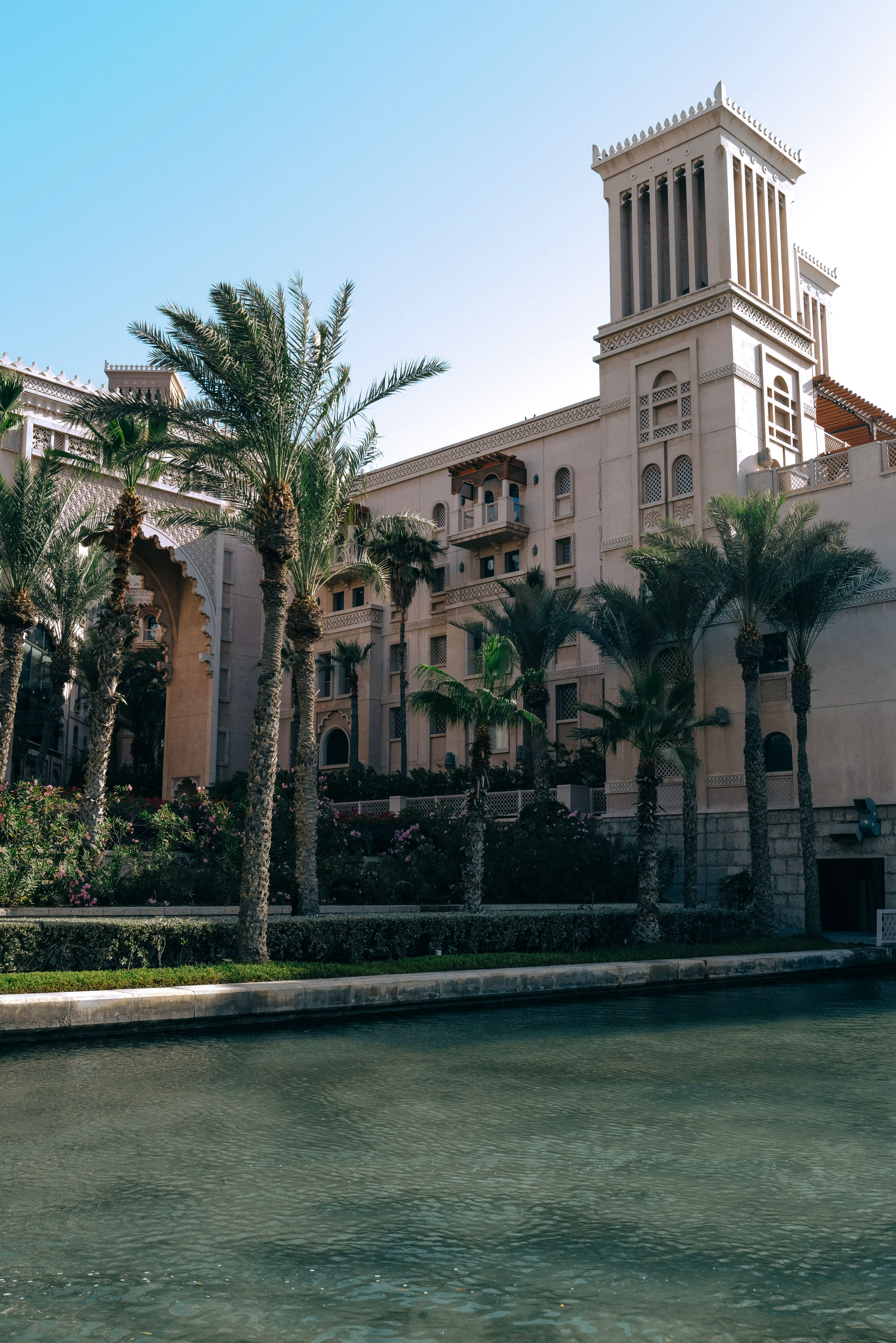
Beaches, Pools, and the Water-Facing Life
Private beaches are one of the island's genuine differentiators — not every residence has direct access, but more do here than anywhere else in Dubai.
Rixos The Palm — hotel beach club open to non-guests from AED 300–500/day depending on season; one of the better private beaches on the Crescent for a day pass if your building does not have its own
Aquaventure Waterpark at Atlantis The Palm — annual passes roughly AED 1,200 for residents, practically free once you have used it five times; better as a resident perk than a tourist attraction
Garden homes on the Fronds — lower-density villa typology than Signature Villas, typically 3 bedrooms, private pool, direct beach access on some plots — the garden homes category is where families with younger children tend to settle
Sports facilities on the island skew toward water sports and tennis; Wavehouse Dubai is the main managed facility, AED 150–300/month membership, no-frills but functional
The sea-facing lifestyle is not a brochure claim here — it is the actual texture of daily life for most residents, which is precisely why demand for garden homes and beachfront Frond properties does not soften even when the broader market does.
Atlantis The Palm alone hosts world-class entertainment year-round, from the Aquaventure Waterpark to headline DJ sets at Wavehouse — so residents rarely need to leave the island on weekends.
Dining and Evenings: What the Island Has and What It Doesn't
The dining offer on Palm Jumeirah is better than its geography implies — the Pointe and the Boardwalk areas give you sea views and international cuisine without needing to cross back to the mainland.
101 Dining Lounge and Bar at One&Only; The Palm — waterfront setting, dinner from AED 250–400 per person, worth the price once; harder to justify as a weekly habit on a typical expat budget
Black Tap at Nakheel Mall — reliably good burgers, AED 80–120 per person, family-friendly, better for the fourth Tuesday than for a special occasion
COYA Dubai on the Crescent — Peruvian-Japanese, dinner from AED 350+ per person, one of the island's genuinely destination-worthy restaurant experiences
Late-night options thin out fast after 11pm — the island goes quiet in a way Dubai Marina absolutely does not, which works in your favour if that is what you came here for
Atlantis The Palm and One&Only; The Palm sit within a ten-minute drive of most Palm residences, giving you access to luxury beach clubs and fine dining without leaving the island.
Each Garden Home property on the fronds comes with a private garden and semi-private beach strip, but the plots are narrower than they look in marketing images — most are around 4,000 square feet including the footprint of the house.
Housing Options: Villas, Garden Homes, and Apartment Estates
The residential properties on Palm Jumeirah span a wider range than the island's luxury reputation suggests — though the floor on that range is still high by any international standard.
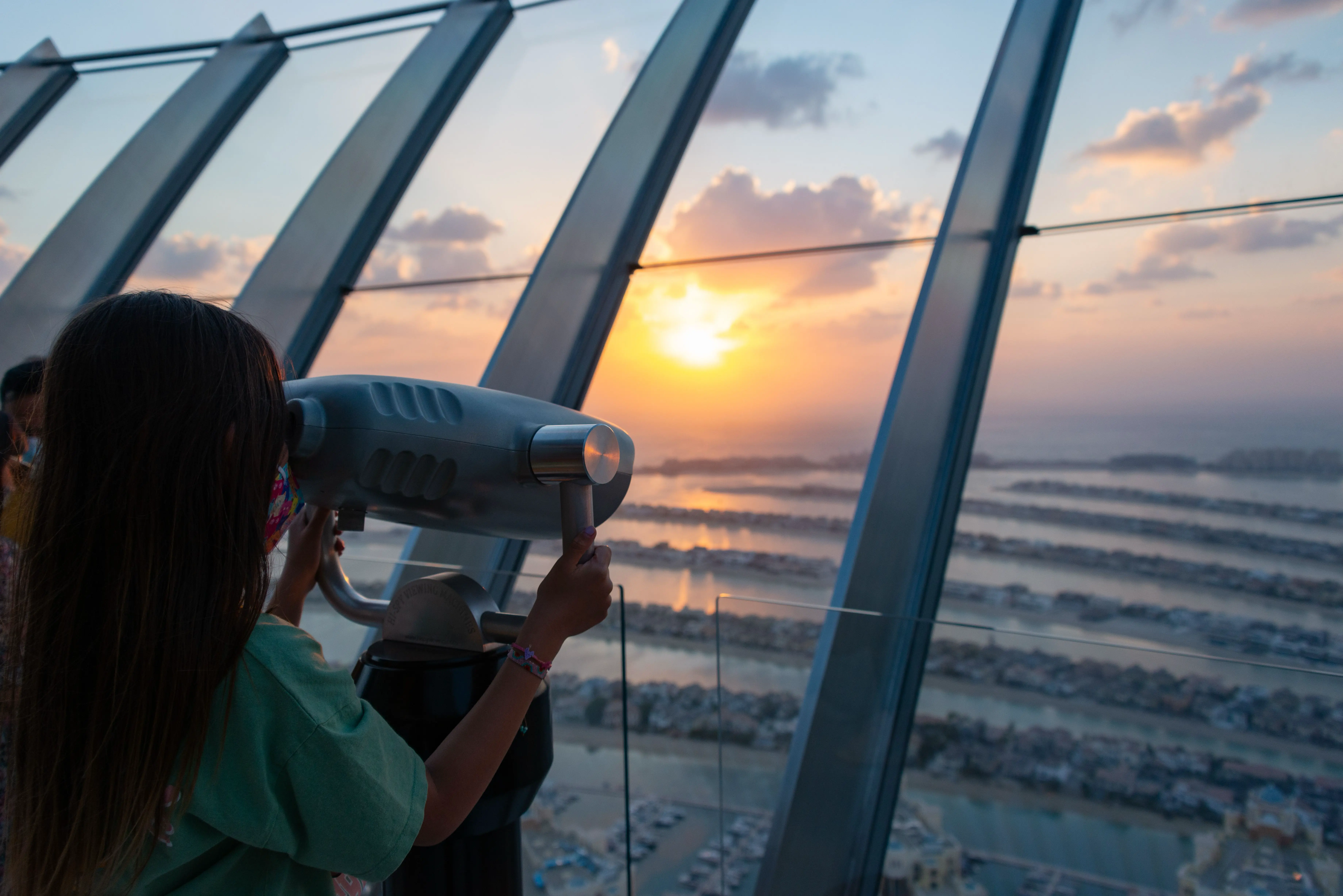
Villa and Garden Home Typologies Worth Understanding
The distinction between villa types matters more on the Palm than in most Dubai estate developments, because the typology dictates your relationship to the beach, your neighbours, and the road.
Garden homes — typically 3–4 bedroom, two-storey, private garden, some with pool; priced from AED 400,000–600,000/year depending on Frond and sea-view orientation; the entry point into proper villa living on the island
Signature Villas — larger plots, direct beach frontage, more architectural variation between units; the estate feel is stronger here, with fewer shared roads and more distance between neighbours
Palm Jumeirah Garden Homes on the inner Fronds — some of the best value villa options on the island, particularly on Fronds that face east and catch morning light without the premium of full beach frontage
Demand for villa properties has remained elevated even while apartment rents softened slightly in 2024 — families relocating from Singapore, London, and other international hubs drive this segment consistently
If you are moving as a family and have a budget that reaches AED 450,000/year, the garden homes category is worth serious consideration over the Trunk apartment towers — the quality of daily life difference is not marginal.
Apartment Estates and Tower Projects on the Trunk
The Trunk's apartment developments range from aging but spacious to newly completed and premium — and the gap between those two categories is substantial.
Marina Residences Palm Jumeirah — six mid-rise towers at the base of the Trunk, 1–4 bedroom layouts, 1-beds from AED 120,000/year unfurnished; a notch below Oceana in finish but better positioned for daily commuters
Fairmont Residences Palm Jumeirah — hotel-branded residence tower on the Crescent, furnished units available, access to Fairmont amenities; the experience is closer to serviced apartment than estate living, pricing from AED 200,000/year for a 1-bedroom
Several development projects on the outer Crescent remain active in 2024–2025 — if you are renting rather than buying, confirm completion dates and existing infrastructure before committing to anything pre-handover adjacent
For furnished short-stay leases, the Trunk's established towers remain the most practical base; fully furnished apartments in Palm Jumeirah are listed regularly on fully furnished apartments in Dubai with lease terms starting from one month
The Signature Villas on the Palm's trunk are widely considered the most luxury residential addresses in Dubai, with private beach access and floor-to-ceiling sea views that Garden Home units simply cannot match.
The estate-style appeal of the Palm is genuine across both villa and apartment typologies — what changes between them is how much of the island's character you actually access on a given morning.
Is Palm Jumeirah the Right Base for You? An Honest Verdict
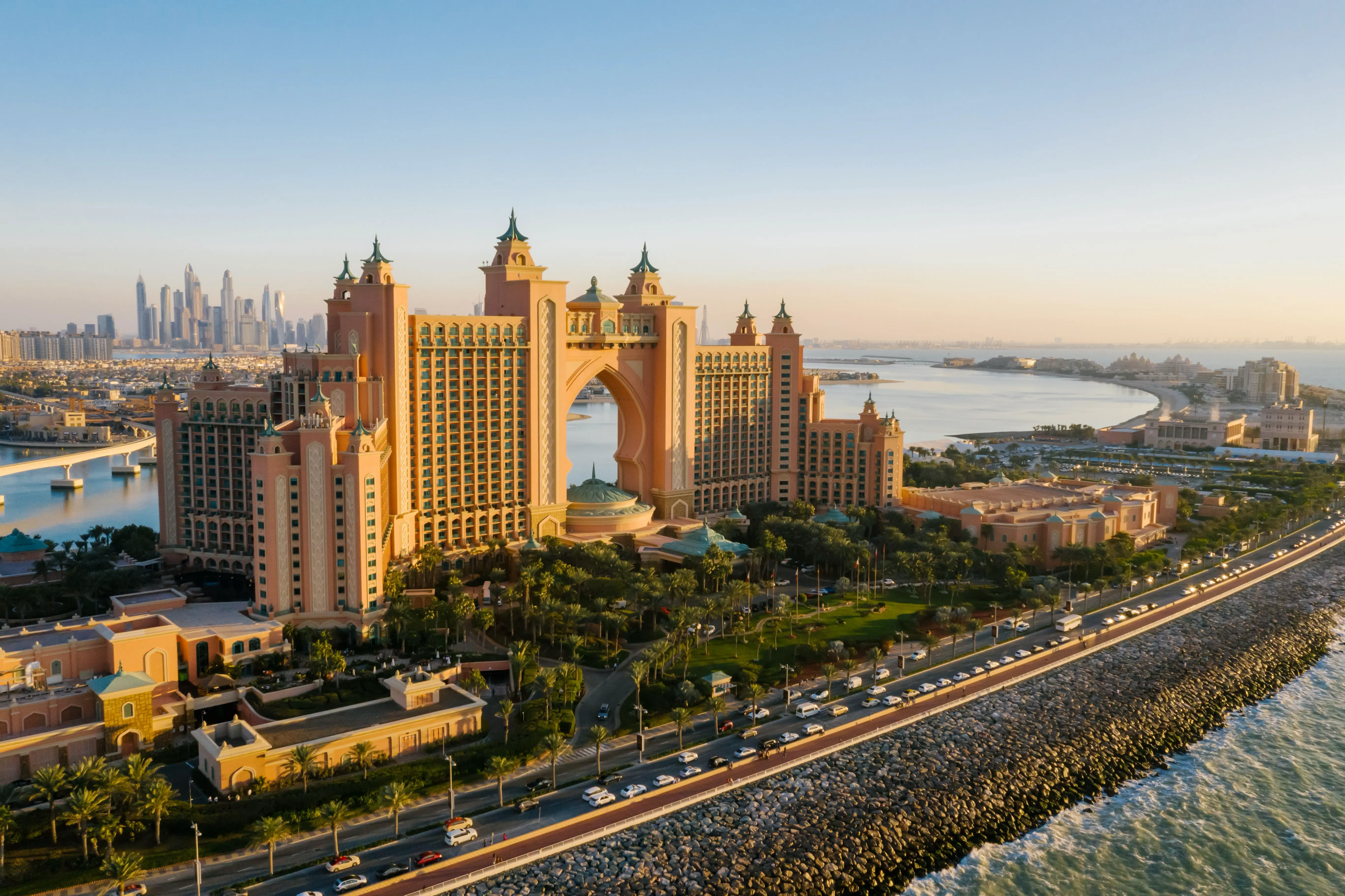
Who Palm Jumeirah Actually Works For
The island suits a narrow but specific profile — and if you match it, the lifestyle is genuinely hard to replicate elsewhere in Dubai.
Families relocating internationally who want garden villas, private beach access, and space that central Dubai simply cannot offer at any price
Remote workers whose commute is either non-existent or limited to occasional trips, making the distance from Downtown a minor inconvenience rather than a daily drain
Expats with a budget that is genuinely there — not stretched to meet Palm pricing, but comfortable within it
Anyone who values a quieter evening pace over the density and noise of Marina or JBR
Solo remote workers who measure a good day by café variety and walkable options will find the island feels thin within a month.
Expats who have lived across both Jumeirah Dubai's mainland strip and the Palm consistently say the Palm wins on community feel and beach access, but Jumeirah Dubai proper wins on walkability and café culture.
Why the Demand Here Is Not Just Marketing
Palm Jumeirah is among the most consistently in-demand locations in Dubai because the lifestyle it sells is real — but real does not mean universal.
Sea access from private or semi-private beaches is not a brochure claim; residents use it daily in a way that genuinely shapes their routine
The residential density is low enough that streets, pools, and shared amenities rarely feel crowded, which is a meaningful distinction in Dubai
Villa and apartment quality on the Palm is consistently high across the stock, reducing the lottery element that affects other Dubai neighbourhoods
The island's self-contained character — while a drawback for some — creates a genuine neighbourhood feel that most of Dubai's newer developments do not have
Demand has held here through multiple Dubai property cycles, which tells you something about who is actually choosing it and why.
Settling into Palm Jumeirah Dubai takes about two to three weeks once you have your Ejari registered and utilities connected — faster than most mainland districts because the building management companies on the Palm are generally more organised.
The Right Way to Test the Fit Before You Commit
If Palm Jumeirah is calling you, the smartest move is a furnished medium-term lease before you sign a full year — the island either confirms itself quickly or reveals its friction just as fast.
A one- to three-month furnished lease gives you enough time to feel the commute, exhaust the local dining options, and know whether the quiet is restorative or isolating
Palm pricing means a mistaken full-year commitment is an expensive lesson — a short lease costs more per month but far less overall if the fit is wrong
If the island turns out to be the reference point rather than the destination, fully furnished apartments in the UAE covers the wider market across Abu Dhabi, Sharjah, and the Northern Emirates
Most expats who leave the Palm do so within the first contract — those who stay tend to stay for years
The Palm is not a compromise location you warm up to; you know within a few weeks whether it is working or whether you are already looking back toward the mainland.
Making Palm Jumeirah Your Home in Dubai
Palm Jumeirah offers one of the most distinctive expat experiences in the UAE — a community that combines waterfront living, world-class amenities, and genuine neighbourhood character in a way few addresses in Dubai can match. Whether you're drawn by the beachfront access, the family-friendly atmosphere, or simply the prestige of the address, the Palm delivers a quality of life that justifies its reputation for those whose lifestyle and budget align with what it offers.
The smartest approach for any incoming expat is to treat your first few months as a test run. A furnished medium-term lease removes the pressure of a long commitment, lets you experience the commute, the community, and the daily rhythm firsthand, and gives you the confidence to sign a full annual contract knowing the fit is right. Most expats who take this route either settle in happily or use it to recalibrate toward a neighbourhood that suits them better — either way, you arrive at the right decision faster.
If you're ready to explore your options, browsing fully furnished apartments in the country is the practical next step — whether Palm Jumeirah remains your target or you want to compare it against what the broader UAE market has to offer.