Maya
Culture & Exploration Editor ·
Basel sits at a corner of Europe where Switzerland, Germany, and France meet — and that geography shapes everything about daily life here. It is one of the smaller major Swiss cities, but it punches well above its size in museums, international residents, and quality of infrastructure. The trade-off is straightforward: Basel is not cheap, the pace is measured rather than electric, and Swiss German will humble you before High German ever does. This guide covers what actually matters when you are deciding whether to move here.
Which neighborhoods suit remote workers versus families
What rent actually costs, and what the rental market expects from you
How public transportation works — and what it costs per month
The language situation: Swiss German, High German, and what you need
What life around the River Rhine looks like day to day
Seasonal events from the Christmas market to the Herbstmesse
Living in Basel: What This City Actually Is
What Kind of City Basel Actually Is
Basel is not trying to be Zurich, and the locals will tell you that with some satisfaction.
Roughly 35% of residents are foreign nationals, which makes landing here as an outsider noticeably easier than in most Swiss cities
Art Basel and the presence of major pharmaceutical headquarters give the city an international rhythm that keeps it from feeling insular
The social fabric is looser than in smaller Swiss cities, and the German — while still Swiss German — is at least spoken by people used to accommodating non-native speakers
Basel ranked in the top ten cities globally for quality of life in 2017, and nothing has materially shifted that assessment since
The safety here is the unthinking kind — you stop factoring it into decisions within a week of arriving, which is a luxury you will not fully appreciate until you have lived somewhere that forces you to.
How the City Is Structured Administratively
Understanding the Basel-Stadt versus Basel-Land distinction matters more than it sounds when you are deciding where to sign a lease.
Basel divides into two half-cantons: Basel-Stadt covers the city itself, Basel-Land covers the surrounding semi-rural areas
For most people relocating here, Basel-Stadt is where you will live and where the rental market actually operates
Around 85% of Basel-Stadt residents rent rather than own — this is structurally a renter's city, which means inventory exists but competition for good apartments is real
Riehen and Bettingen sit at the quieter, greener edge of the canton and attract families who want space without crossing into Basel-Land entirely
The rental culture rewards patience and paperwork above everything else — come prepared with a dossier before you start viewing apartments, not after.
The Neighbourhoods Worth Understanding Before You Arrive
Basel has 19 distinct neighbourhoods, and the differences between them are meaningful enough to affect your daily life in ways a map alone will not tell you.
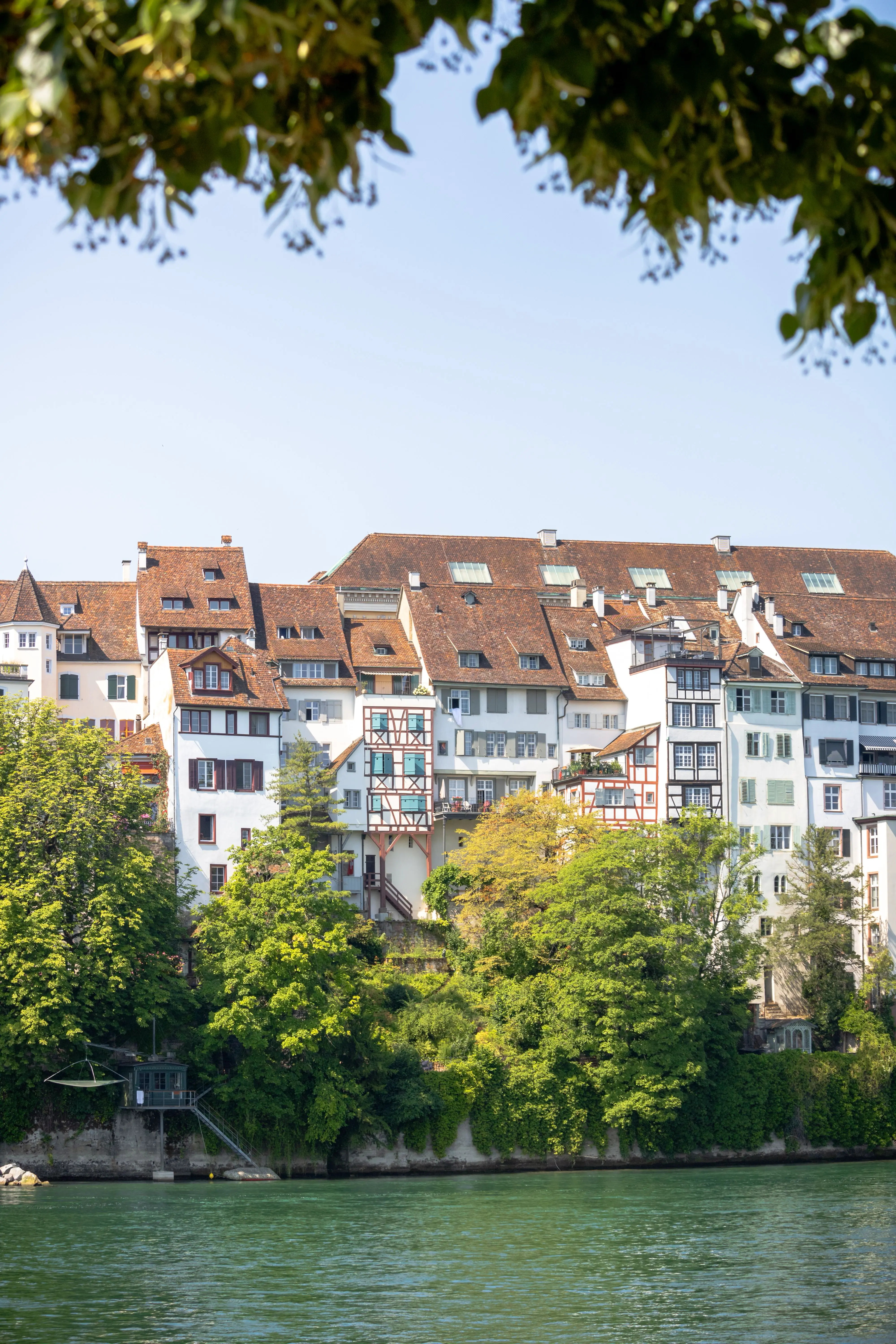
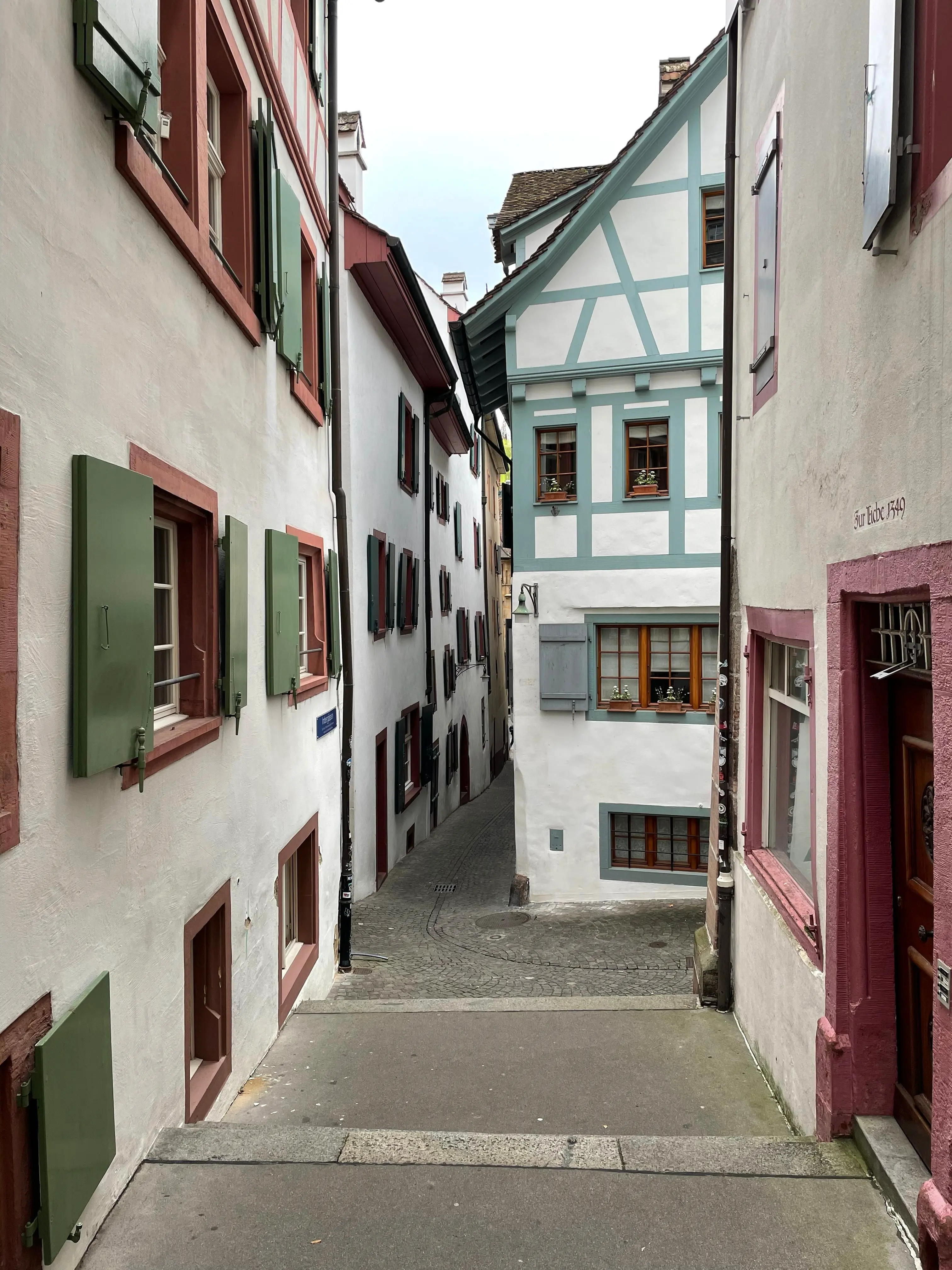
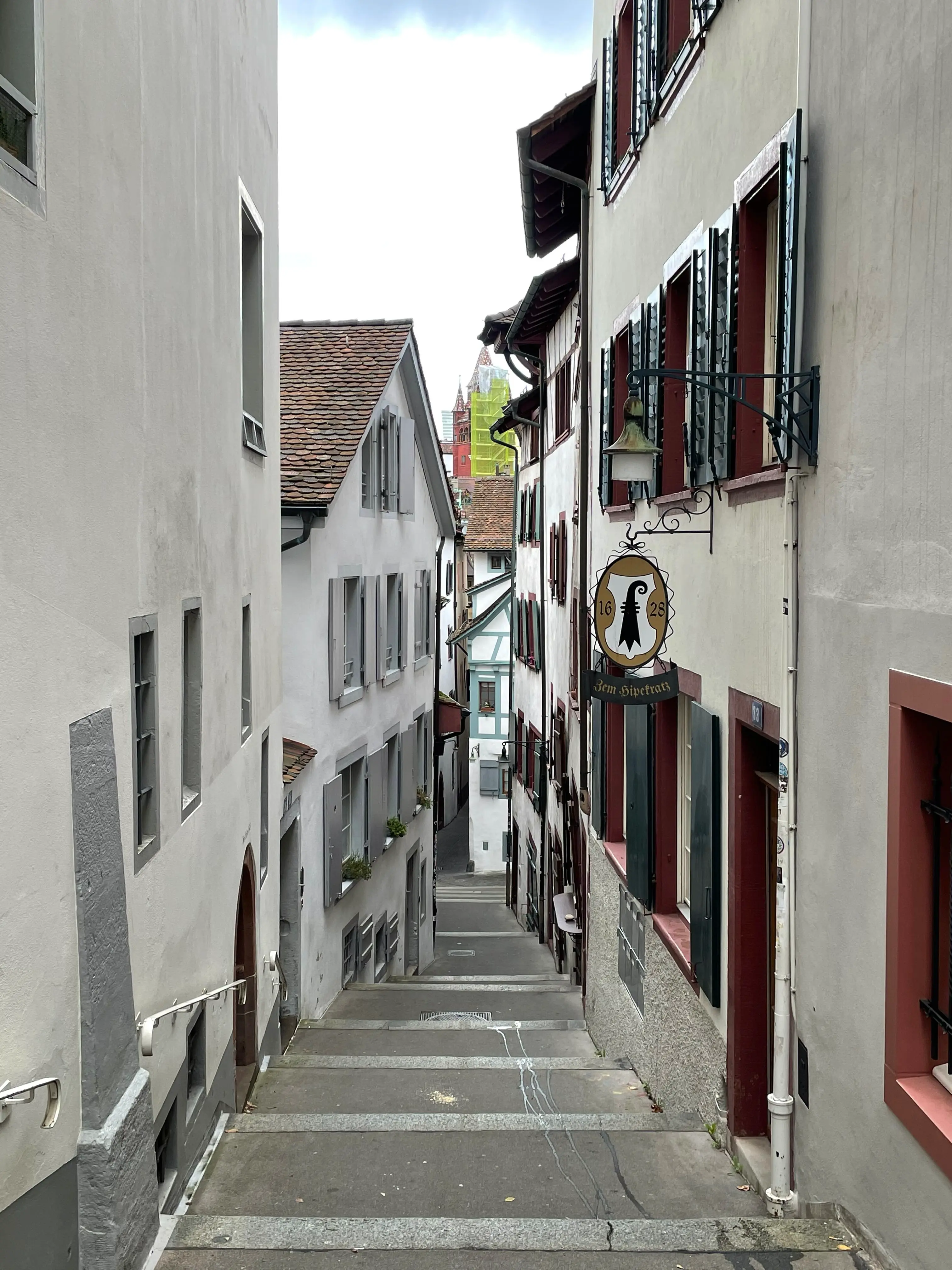
The medieval old town sits on the Rhine's left bank and is dense, walkable, and expensive relative to the rest of the city
Former industrial districts on the fringes have been redeveloped into residential areas over the past decade and now offer some of the better value for newer apartments
Riehen feels more like a village than an urban neighbourhood — quieter, greener, and genuinely separate in atmosphere from the city centre
The Rhine itself functions as the city's social spine, with both banks offering a different character and pace of life
Most people who move to Basel end up wishing they had spent more time in the neighbourhoods before committing to one — the city is small enough that the differences feel subtle at first and obvious within a month.
Basel functions as a genuinely international city in a way that surprises most arrivals — over 37% of residents hold a foreign passport, and the French and German borders are reachable in under 20 minutes by tram.
Neighborhoods in Basel: Where to Base Yourself
Basel is compact enough that almost every neighborhood puts you within twenty minutes of the city centre, but where you live still defines your daily texture in ways that matter. The medieval old town is beautiful to look at and expensive to rent in. The left bank is denser and more convenient. The right bank — reached from Mittlere Brücke — is slightly quieter and increasingly popular with younger residents.
Neighbourhood | Monthly Rent (1–2 bed) | Vibe | Best For | Key Advantage |
|---|---|---|---|---|
Grossbasel (Old Town) | CHF 1,400–1,900 | Historic, tourist-facing | Short stays, atmosphere seekers | Everything walkable, Rhine at your door |
Kleinbasel | CHF 1,100–1,600 | Mixed, younger crowd | Remote workers, budget-conscious expats | Better value, close to Basel Badischer Bahnhof |
Gundeldingen | CHF 1,000–1,500 | Residential, multicultural | Long-term renters, families | Authentic neighbourhood feel, good tram links |
St. Alban | CHF 1,500–2,200 | Leafy, quiet, upscale | Professionals, couples without kids | Green spaces, close to museums |
Riehen | CHF 1,200–1,800 | Village-like, family-oriented | Families, anyone wanting outdoor space | Larger apartments, botanical gardens nearby |
Grossbasel and the Old Town: The Most Recognisable Address in the City
Living in the old town looks excellent on paper and costs accordingly — it is best suited to people here for a month or two, not those planning a year-long stay on a remote salary.
Marktplatz — the central square, good for orientation but not for focused work; tourist density peaks midday
Apartments in converted historic buildings from CHF 1,400/month — most are unfurnished and include equipped kitchens as standard
Ängel oder Aff — reliable WiFi, coffee from CHF 4.50, fills up after 10am
Narrow streets mean limited parking and some noise from evening foot traffic on weekends
If your reason for choosing Basel is the city's aesthetic rather than its infrastructure, the old town delivers — just know you are paying a significant premium for cobblestones and a Rhine view.
Browse Basel homes near this area
Kleinbasel: The Right Bank for People Who Actually Live Here
Kleinbasel is where Basel Badischer Bahnhof sits — the German-side train station that connects directly to Freiburg and beyond — which makes it genuinely useful if you travel frequently into Germany.
Basel Badischer Bahnhof — direct trains to Freiburg im Breisgau from CHF 12; useful if you work across the German border
Studios from CHF 1,100/month; larger two-room apartments from CHF 1,400 in residential apartment buildings along Riehenstrasse
Rheingasse — the main nightlife strip, many bars within a ten-minute walk; louder Thursday through Saturday
Smaller supermarkets and a weekly market at Claraplatz — CHF 3–6 for fresh produce
Kleinbasel is not glamorous, but it is functional in all the right ways, and the rent savings over Grossbasel are CHF 300–500 a month before you have made any other decision.
Browse Basel homes near this area
The River Rhine and Outdoor Life in Basel
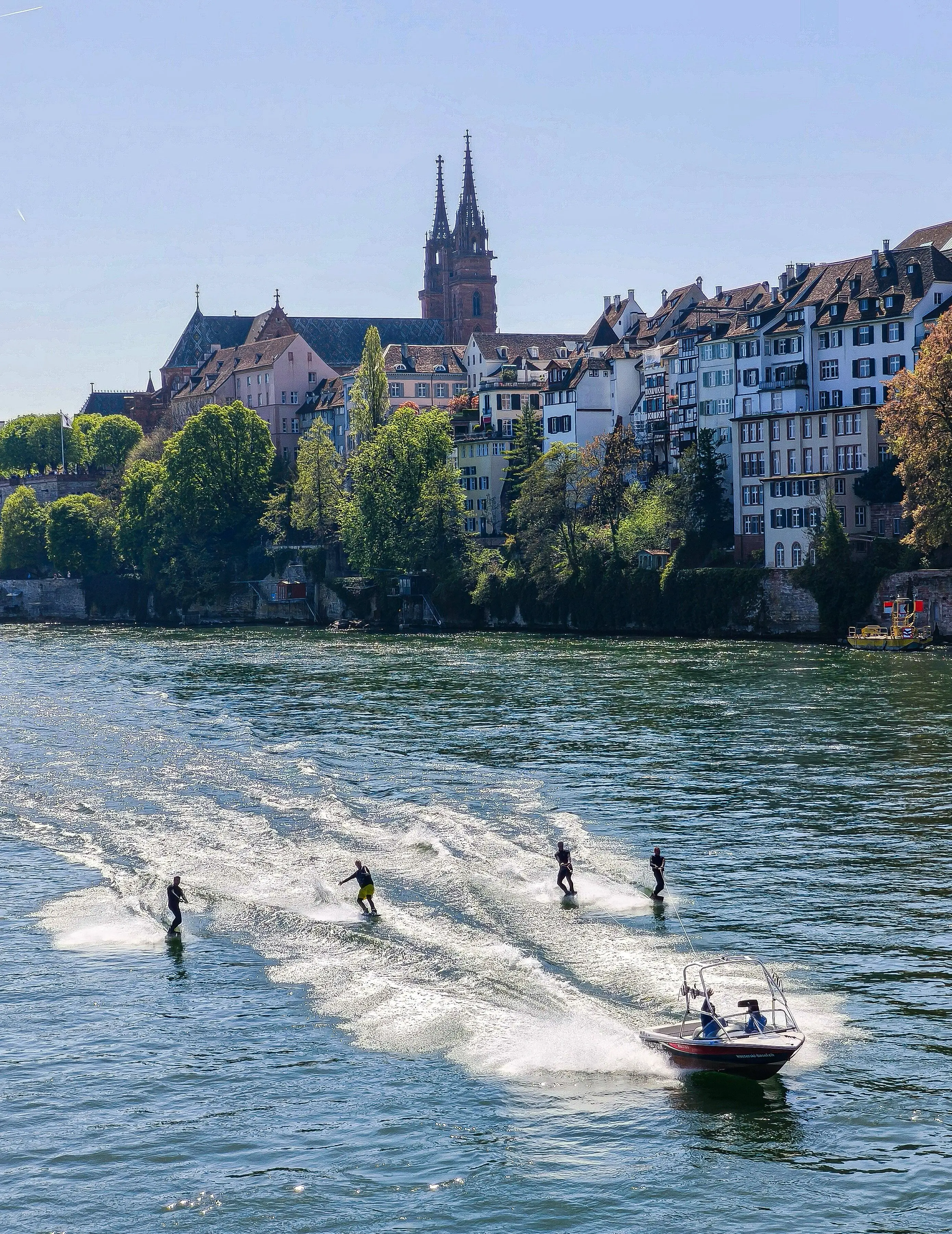
The Rhine is not a backdrop in Basel — it is infrastructure. People swim in it in summer, walk along it year round, and use it to measure their day. If you live within ten minutes of the river, your relationship to the city changes within a week.
River Rhine Swimming: Basel's Most Distinctive Summer Habit
The outdoor swimming pools and the Rhine swim are not the same thing, and both are worth knowing about before you arrive in June.
Rheinbädli — floating wooden platform on the river, entry CHF 6, open May to September; arrive before 11am for a spot
Rheinbad St. Johann — one of the outdoor swimming pools on the south side, family-friendly, tennis courts adjacent, CHF 8 adults
The Rhine current runs fast — locals use a Wickelfisch (a sealed dry bag) to float downstream and then walk back; CHF 20–30 from sports shops near Sport Brunner
Water quality is tested regularly; swimming is considered safe through most of summer
The Rhine swim is genuinely one of the reasons people who move here for six months end up staying two years — it is a leisure activity that costs almost nothing and works perfectly.
Green Spaces and Year-Round Parks
Basel's green spaces are well-maintained and spread across the city, which matters when you are working from home and need a reason to leave the apartment building before 5pm.
Kannenfeldpark — large park in Bachletten, free, open daily; popular with families and dog owners, benches work for laptop use in good weather
Botanischer Garten — botanical gardens attached to the University of Basel, free entry, good for a quiet walk on weekday mornings
Diplodocus Saurier in Riehen — family-friendly, free outdoor exhibit, popular with families whose children attend local schools
FC Basel's stadium at St. Jakob-Park — tickets from CHF 20; the football crowd is genuinely enthusiastic and a useful way into local social life
The Dinosaur Park at Lange Erlen, just a 20-minute walk from the city centre along the Rhine, is free to enter and gives families a genuine reason to spend a full afternoon outdoors without spending a franc.
Green spaces in Basel are family friendly in a way that does not exclude everyone else — the parks are large enough that you can find a quiet corner even on a Sunday afternoon.
Public Transportation and Getting Around Basel
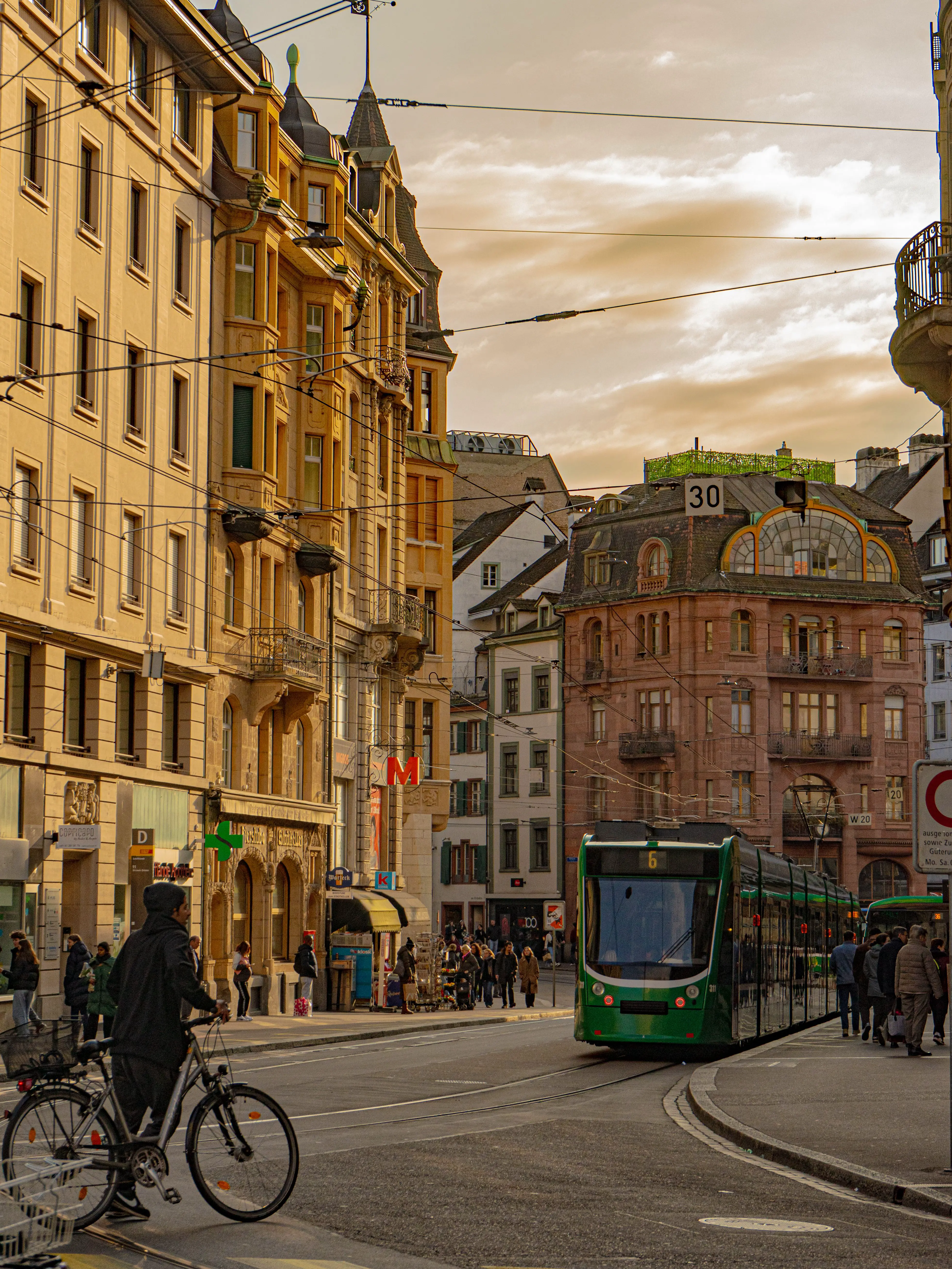
Basel's public transportation is the kind of system that makes you smug about not owning a car. About a dozen tram lines cover the city, buses fill the gaps, and the whole network connects to larger towns across Basel Land without requiring a separate ticket structure.
Trams, Buses, and the Monthly Pass
The public transport network in Basel is efficient enough that most residents — including those who own cars — use trams for their daily commute without thinking about it.
Green Travelcard (Grünes Abo) — CHF 76 per month for unlimited travel on trams and buses within Basel Stadt; this is the pass locals use
Single tickets from CHF 2.20 (short trips) to CHF 4.40 (full network); buying a monthly pass pays off from day four
Trams run from approximately 5am to midnight, with night buses on weekends — reliability is consistent, not occasional
Basel Badischer Bahnhof connects you to Germany; Basel SBB is the main Swiss station for trains to Zurich, Bern, and other Swiss cities
Public transport in Basel also crosses into France and Germany on some lines, which is genuinely unusual and useful if you are based near the border and work across it.
Basel sits at a rail crossroads that puts three major cities within 90 minutes — Zurich, Bern, and Strasbourg — which makes it unusually practical as a base if your work or social life pulls you in multiple directions.
Cycling and the Three-Country Corner
Basel is flat enough to cycle without misery, and the infrastructure supports it — though the tram rails require attention until they become automatic.
PubliBike — city bike share, CHF 3/30 min or CHF 79/year subscription; stations near major tram stops
Cycling to France takes under 20 minutes from the city centre; the Dreiländereck (three-country corner) is a 25-minute ride and worth doing once in the first week
Dedicated cycling lanes on most major routes; gaps exist in Kleinbasel near the port area
Bike parking inside most apartment buildings is standard — confirm before signing a lease if this matters to you
The combination of public transport and cycling covers almost every daily need in Basel — a car is a cost you can skip entirely, which at Swiss parking prices is worth CHF 200–400 a month in savings before you count fuel.
The Language in Basel: Swiss German, High German, and What You Actually Need
The main language spoken in Basel is Swiss German, which is a dialect spoken rather than written, mutually intelligible with standard German only up to a point, and genuinely difficult to learn even for native High German speakers. The official languages for written communication — government forms, leases, formal correspondence — are High German in Basel's case, though French and Italian hold official language status in other parts of Switzerland.
Swiss German vs. High German: What This Means for Daily Life
You will need a few words of Swiss German before you feel comfortable at a market or in a local café — "Grüezi" instead of "Hallo," "Merci" instead of "Danke" — and locals notice the effort more than the accuracy.
Swiss German (Schweizerdeutsch) is the spoken dialect; High German (Hochdeutsch) is used in formal writing, schools, and some workplaces — they are related but not interchangeable in conversation
Most residents in Basel's international business sector speak English; daily life outside that sector rewards basic German
Swiss German has no standard written form — learning a few words phonetically from locals is more useful than any textbook
Migros Club School — affordable German courses from CHF 200 per semester, multiple levels, central location near Centralbahnplatz
Basel is one of the more forgiving Swiss cities for arriving with only English, but the social ceiling is real — you will notice it at around the three-month mark when acquaintances shift back to dialect around you.
International Schools and Education for Families
Basel has a strong network of international schools, which is one of the reasons it attracts so many expat families from other countries — the pharmaceutical and finance sectors bring people here with children in tow.
International School of Basel — IB curriculum, fees from CHF 25,000/year; most children attend from families relocated by large employers
Schule am Ausserberg — public school option for the Riehen area; children attend alongside local Swiss pupils, instruction in High German
Public school integration is possible and free; the language barrier for younger children dissolves faster than for adults
Several French-language schools exist given proximity to France — useful if your children have prior schooling in French
If you are moving to Basel with children and your employer is not covering school fees, the public school route is viable — but factor in a language adjustment period of roughly one semester before your child is fully comfortable.
Find fully furnished apartments in Basel
Basel's Cultural Calendar: Christmas Market, Autumn Fair, and What Actually Draws a Crowd
Basel's event calendar is not packed, but the events it has are serious. Art Basel alone transforms the city every June in ways that affect everything from restaurant reservations to apartment availability. The other anchors on the calendar are older, more local, and worth planning your arrival around.
The Christmas Market and Mulled Wine Season
The Christmas market in Basel runs across Münsterplatz and Barfüsserplatz from late November through December 23rd — it is one of the better markets in the region, which is a meaningful claim this close to Germany and France.
Münsterplatz Christmas Market — mulled wine from CHF 6, crafts and food stalls, best on weekday evenings before the weekend crowds arrive
Barfüsserplatz market — more commercial, larger, open later in the evening; good for gift shopping but less atmospheric than Münsterplatz
The medieval old town setting makes the market genuinely photogenic — it is not manufactured atmosphere, it is just the city looking like itself in December
Public transport runs extended hours through December; the Green Travelcard covers all Christmas market destinations without surcharge
If you arrive in Basel in winter, the Christmas market is the fastest way to understand why people who move here stop comparing it to other places and start defending it.
The Herbstmesse: Basel's Oldest Fair and the Autumn Fair Tradition
The autumn fair — Herbstmesse — has been running since 1471, which makes it the oldest fair in the Swiss fair calendar and one that most new arrivals stumble into without quite understanding what they have walked into.
Herbstmesse at Petersplatz and surrounding streets — funfair rides, food stalls, market traders; runs for two weeks in late October
Entry to the fairground is free; rides and food average CHF 5–12 per item
The autumn fair is explicitly family friendly and heavily attended by local families — it is one of the few events where Basel Stadt and Basel Land residents mix in large numbers
Fasnacht (carnival), which starts at 4am on a Monday in February or March,
Getting Around Basel: Tram, Train, and the Rhine
Most people arriving in Basel expect to need a car. Within a week, most of those people have stopped thinking about one entirely.
The Tram Network: Basel's Real Infrastructure
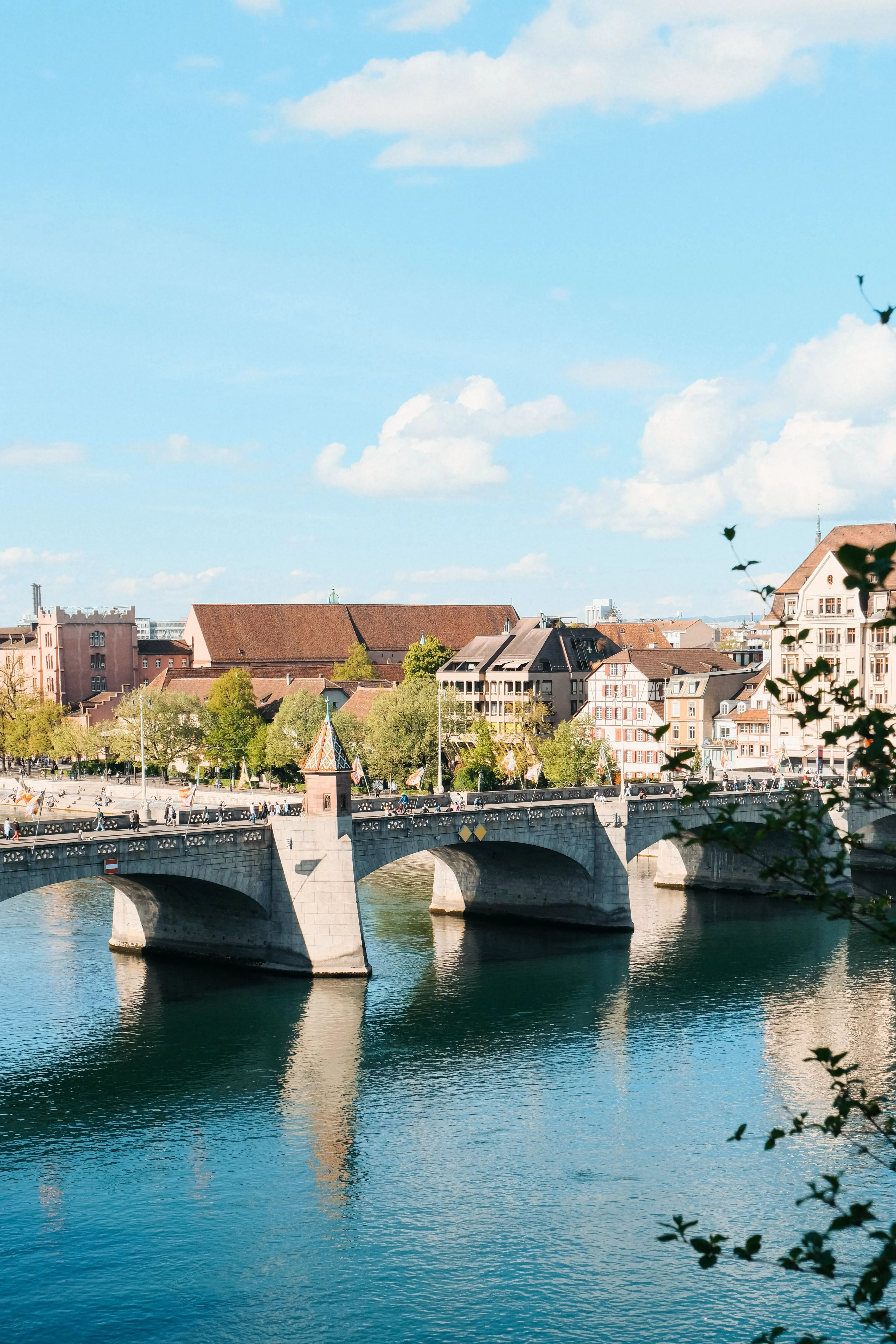
The tram is not a backup option — it is how the city moves, and once you learn the lines, you stop checking journey times because they become predictable to the minute.
Centralbahnplatz tram hub — where lines 1, 2, 8, 10, 11, and 16 converge; most cross-city journeys start or end here
Single tram ticket CHF 2.20 for short trips; the Green Travelcard monthly pass covers all trams, buses, and S-Bahn within Zone 10 — CHF 87/month for Basel-Stadt
Trams run from roughly 5am to midnight; night buses cover Friday and Saturday until 4am — there is no real gap
The network extends into Germany and France at no extra cost on some passes — worth confirming before you cross the border on instinct
If you live in Kleinbasel and work in Grossbasel, you will cross the Rhine by tram six minutes after leaving your front door — that commute is what makes the city feel smaller than its map suggests.
Train Connections: Basel as a European Hub
Basel's position at the corner of three countries is not just a talking point — it translates directly into train access that residents in Geneva or Zurich genuinely envy.
Basel SBB international platforms — direct TGV to Paris in 3 hours 5 minutes from CHF 29 on advance booking; ICE to Frankfurt in 45 minutes
Zurich by train is 55 minutes; Geneva is 2 hours 45 minutes — both manageable as same-day trips without an overnight
Basel is one of the few cities in Europe where French SNCF, German DB, and Swiss SBB trains all depart from the same station complex — operationally unusual, practically convenient
Night trains to Amsterdam, Vienna, and Berlin now run regularly, with fares from CHF 49 if booked early — the Nightjet network added Basel as a stop in 2023
Living in Basel and needing to visit clients across Europe does not require flights — the train covers most of the continent you would realistically need, and the journey times are honest rather than aspirational.
The Rhine as Infrastructure
The Rhine is not just scenery — it is a commuter route, a summer swim spot, and the clearest dividing line between how the two halves of the city feel to live in.
Wettsteinbrücke — the pedestrian and cycle crossing most residents in Kleinbasel use daily; faster than waiting for a tram if you are already on a bike
The Rhine ferries — Fähri — run on a cable across the river for CHF 1.80 per crossing; four boats operate between Kleinbasel and Grossbasel, and they are not tourist attractions, they are how people get to work
Summer Rhine swimming at Münster Fähre "Leu" is free; bring a Wickelfisch dry bag — a local invention — to float your belongings downstream
The Rhine promenade path runs uninterrupted for several kilometres; cycling it at 7am before the city wakes up is one of the better arguments for living here
A car adds friction in Basel rather than removing it — parking costs CHF 200–350/month in a central garage, and there is almost no journey under 20 minutes that the tram does not cover more efficiently.
Food, Culture, and Daily Life in Basel
Basel's food scene is neither cheap nor spectacular, but it is honest — and a large number of the restaurants worth returning to are not in the tourist centre.
Where to Eat Without Tourist Pricing
The restaurants near Barfüsserplatz are convenient and priced accordingly — move two streets in any direction and the arithmetic changes.
Restaurant Gifthüttli on Schneidergasse — traditional Swiss food, three-course lunch CHF 28, dinner from CHF 45; one of the oldest restaurants in Basel and still genuinely local in feel
Volkshaus Basel on Rebgasse — brasserie food in a beautifully restored building; lunch from CHF 22, dinner CHF 40–60; the building is worth seeing even if you eat elsewhere
Markthalle Basel near Steinentorberg — covered food market with rotating stalls; lunch options from CHF 12–18, good for a quick meal without committing to a full restaurant
Bread and pastries from Beck Gloggengasse on Freie Strasse — local chain, not a tourist bakery, open early; the Butterwegge is a Basel-specific pastry that most residents eat at least weekly
Food in Basel is not the reason people move here, but cooking at home costs roughly the same as cooking anywhere in Switzerland — which is to say, you will plan your Migros trips more carefully than you did in Berlin or Lisbon.
Art, Music, and Regular Performances
Basel's cultural calendar is serious — not in the intimidating sense, but in the sense that regular performances happen year-round at venues that would define a larger city's cultural identity.
Theater Basel on Theaterstrasse — the main stage for opera, ballet, and theatre; productions in German with English surtitles on selected nights; tickets from CHF 20 for standing, CHF 45–120 for seated
Musiksaal at Stadtcasino — the renovated concert hall is genuinely world-class acoustically; the Basel Symphony Orchestra performs regular performances here from September through June, tickets from CHF 35
Art Basel in June draws a large number of galleries and collectors to the city — the main fair requires accreditation, but Liste Art Fair and the public Art Basel Parcours installations are free and worth your time even if contemporary art is not your primary interest
Fondation Beyeler in nearby Riehen — permanent collection includes Picasso, Bacon, Warhol; open daily, CHF 30 entry, quieter on weekday mornings
Most people who describe Basel as quiet are describing evenings in the old town — the cultural programme for anyone who wants it is as full as any European city of its size, and considerably less crowded.
Leisure activities in Basel skew heavily toward the free end of the spectrum — the banks of the Rhine double as a summer lido, Kunstmuseum admission runs CHF 26, and the weekly Marktplatz market costs nothing to wander through.
Fasnacht: The Carnival That Belongs to Basel
Fasnacht is the one event that genuinely stops Basel — the city's most important cultural fixture, and one that rewards residents far more than visitors.
The carnival begins with the Morgestraich at exactly 4am on the Monday after Ash Wednesday — all city lights go out, thousands of lantern-lit processions move through the old town in silence before the drums begin
Three days of parades, satirical floats, and music follow; most businesses close or run reduced hours; Steinenberg and the old town streets are the best locations for the main processions
Fasnacht food is specific and seasonal: Mehlsuppe (flour soup) and Zwiebelwähe (onion tart) are served from street stalls throughout — CHF 5–8 per portion
The carnival is Protestant Basel's version of pre-Lent celebration — it runs the week after Catholic cantons, intentionally, which is the kind of local detail that tells you something about the city's sense of itself
If you live in Basel and skip Fasnacht because it sounds disruptive, you have made a mistake you will not repeat the following year.
Basel for Families and Long-Term Residents
Basel is one of the few Swiss cities where families can live in the centre without immediately feeling priced out — though the schools question requires a decision early, and it shapes where you live more than any other factor.
Schools, Playgrounds, and Family Infrastructure
Families moving to Basel face a real choice between the Swiss state system and the international schools, and it is not simply a question of language or budget.
Swiss International School Basel on Technologiepark — bilingual curriculum, fees from CHF 15,000–22,000/year; located in Gundeldingen, which affects where families from that school tend to rent houses
State schools (Volksschule) are free and genuinely well-resourced; the language of instruction is Swiss German, and children adapt faster than most parents expect — typically within one school year
Playgrounds in Basel are well-maintained and numerous; Westminsterpark near St. Johann has climbing structures, open grass, and Rhine access within a five-minute walk
The university — Universität Basel, founded in 1460 — shapes the city's demographic in useful ways: there is a large student and academic population that keeps the city from feeling purely corporate, and university-adjacent neighbourhoods have more affordable food and social options
Families who arrive with school-age children and choose the state system find Basel much more affordable than those who default to international schools without questioning whether the need is real.
Parks, Green Space, and Living Without a Car
Basel's parks are not a consolation for the absence of countryside — they are genuinely well-integrated into daily life, and most residents use them functionally rather than just recreationally.
Solitude Park above Bruderholz — quieter than the central parks, used by residents for morning runs and weekend picnics; reachable by tram line 16 in 15 minutes from the centre
Lange Erlen nature reserve near St. Johann — free entry, deer enclosure, large forested walking area; popular with families on weekends, noticeably quieter on weekday mornings
Rhine riverbank stretches in St. Alban offer benches, grassed areas, and river access that most cities of Basel's density could not sustain — it functions as the city's default outdoor living room from May through September
Swiss school calendar includes two weeks off in autumn and two in spring beyond the summer break — if you have children, those gaps require planning unless your work is genuinely flexible
Health insurance in Basel is mandatory from day one of residency, and basic premiums for a single adult typically run between CHF 350 and CHF 550 per month depending on your chosen deductible and provider.
Living in Basel without a car is not a compromise — it is the rational decision for anyone whose life is contained within the canton, and the tram and train network handles everything beyond it.
Is Basel the Right Base for You?
What Basel Actually Offers Long-Term Residents
Basel earns loyalty from a particular kind of expat — one who values stability and structure over spontaneity.
The Rhine functions as a genuine social space, with locals swimming it in summer and walking its banks year-round
The city operates at a consistent pace — predictable transport, reliable services, and a municipal culture that does not overcorrect
Its position on the Swiss, German, and French border gives residents practical access to three countries without relocating
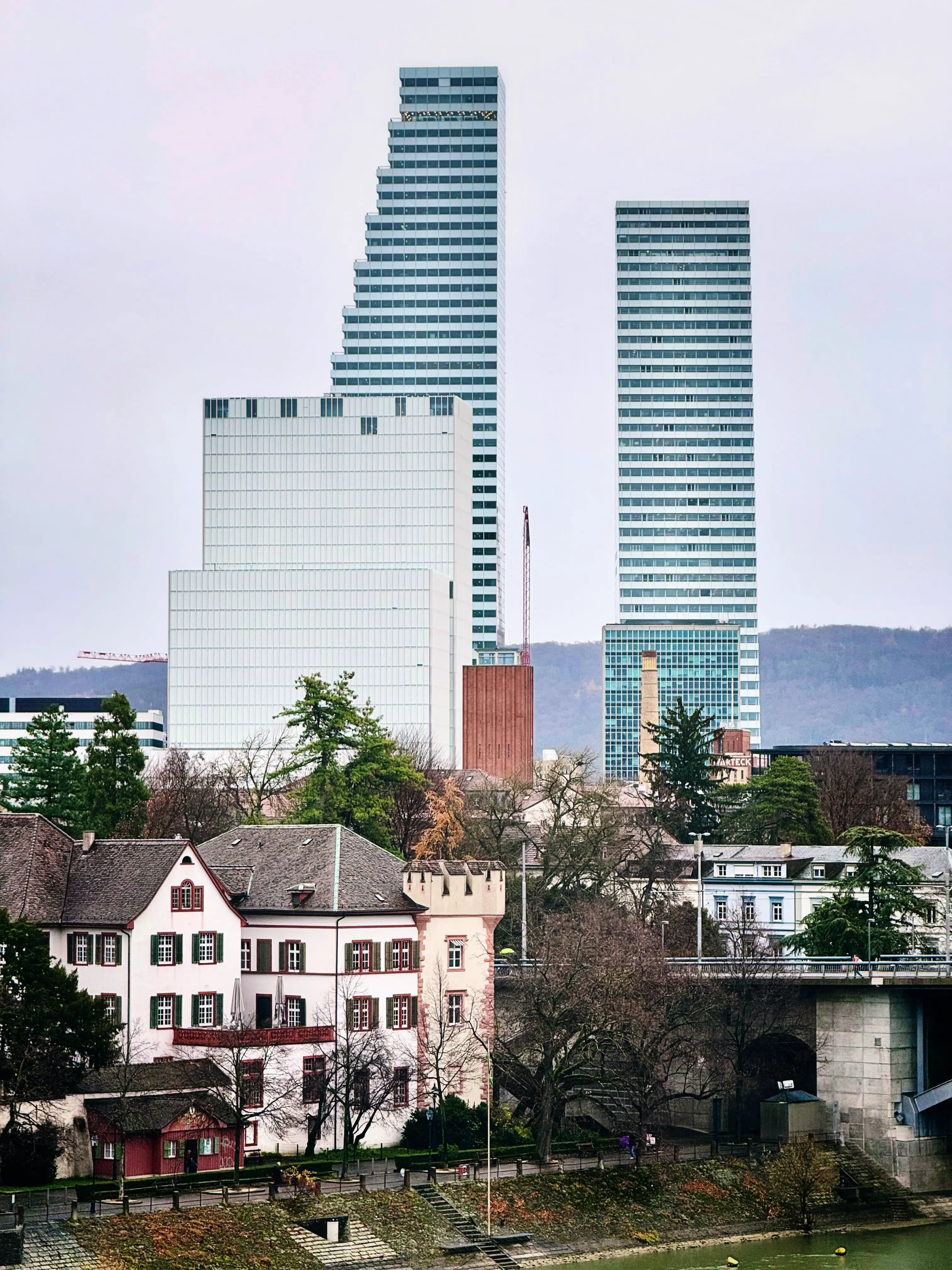
The absence of Zurich's scale or Geneva's political weight makes Basel quieter and, for the right person, more liveable
The Rhine is not a backdrop here — it is infrastructure that shapes how residents actually spend their time.
Where Basel Falls Short
Basel does not accommodate expats who expect a city to meet them halfway.
The cost of living is high and does not ease significantly once you are settled
Swiss healthcare, housing, and administrative systems run on their own logic and require time to navigate effectively
Social integration is slow — Basel is not a city where strangers become friends quickly
Most expats who leave do so within the first six months, before the systems begin working in their favour
The city is not hostile to outsiders, but it is indifferent to impatience.
How to Approach the Move Sensibly
Arriving with flexibility rather than a fixed plan gives you a real advantage in a city that rewards those who stay.
Starting in a furnished apartment lets you assess neighbourhoods before committing to a lease
The rental market moves quickly and requires documentation that takes time to assemble — starting early matters
Giving yourself at least six months before evaluating whether Basel works for you reflects how the city actually operates
Explore fully furnished apartments in Switzerland to begin from a position of flexibility
Basel does not reward rushed decisions, but it does reward people who show up prepared to stay.