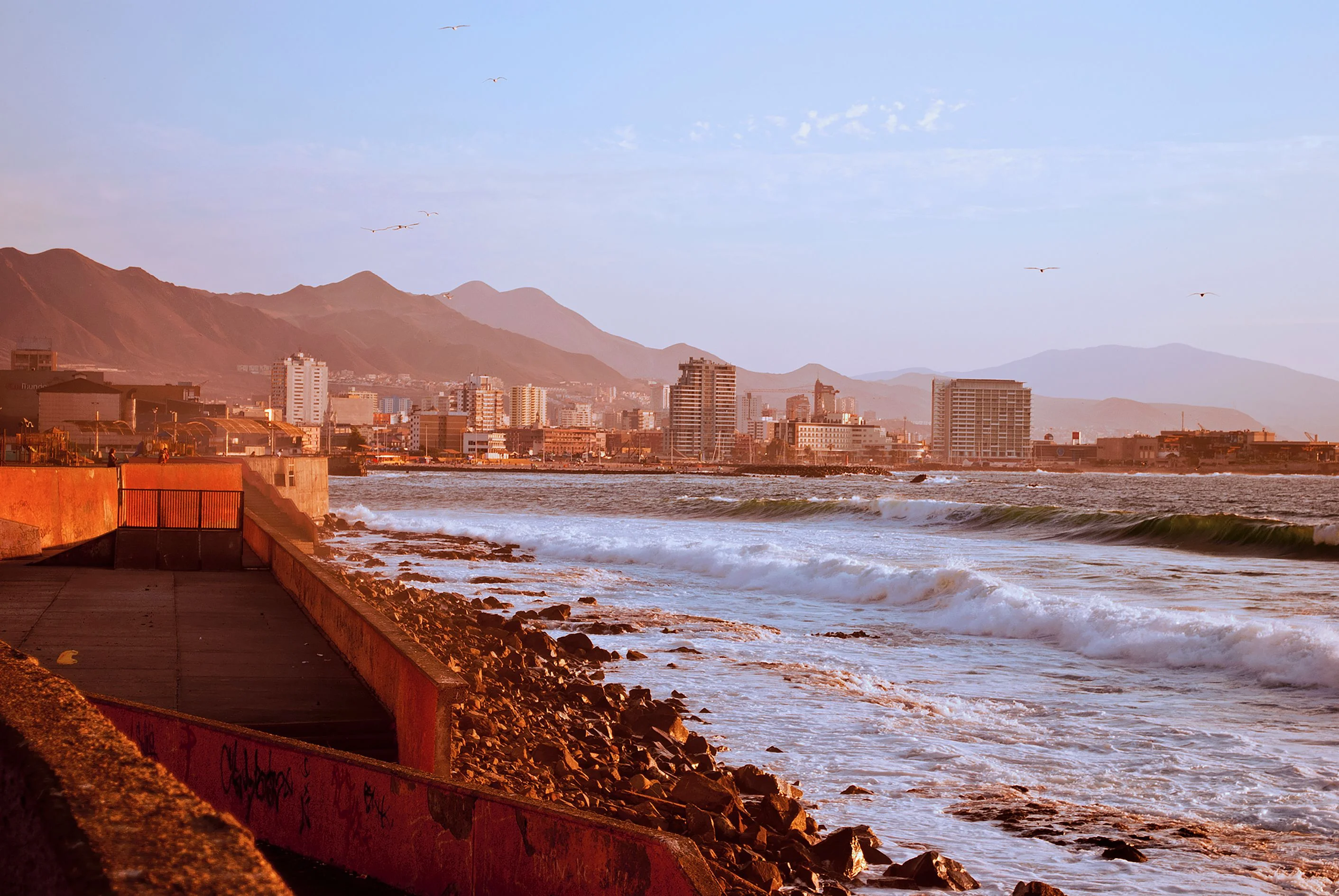
Antofagasta is not the first city people picture when they think of moving to Chile. That is exactly why it works for some expats and fails others. The city sits in the Atacama Desert with near-zero rainfall, a port economy built on copper mining, and a coastal strip that makes the Pacific feel like a reward for surviving the landscape. What you get is low competition for good apartments, a genuinely local social scene, and access to some of the most extreme geography on Earth. What you give up is the European café culture of Santiago and the beach-town ease of Viña del Mar.
Which neighbourhoods actually suit expat life — and which ones look good on a map but not from your window
What rent costs by area, with honest comparisons
The climate, and why it matters more than most people expect
Weekend access to san pedro de atacama and what that actually requires
What daily life and free time look like in a city built around an industry
How the local expat community is structured and where it concentrates
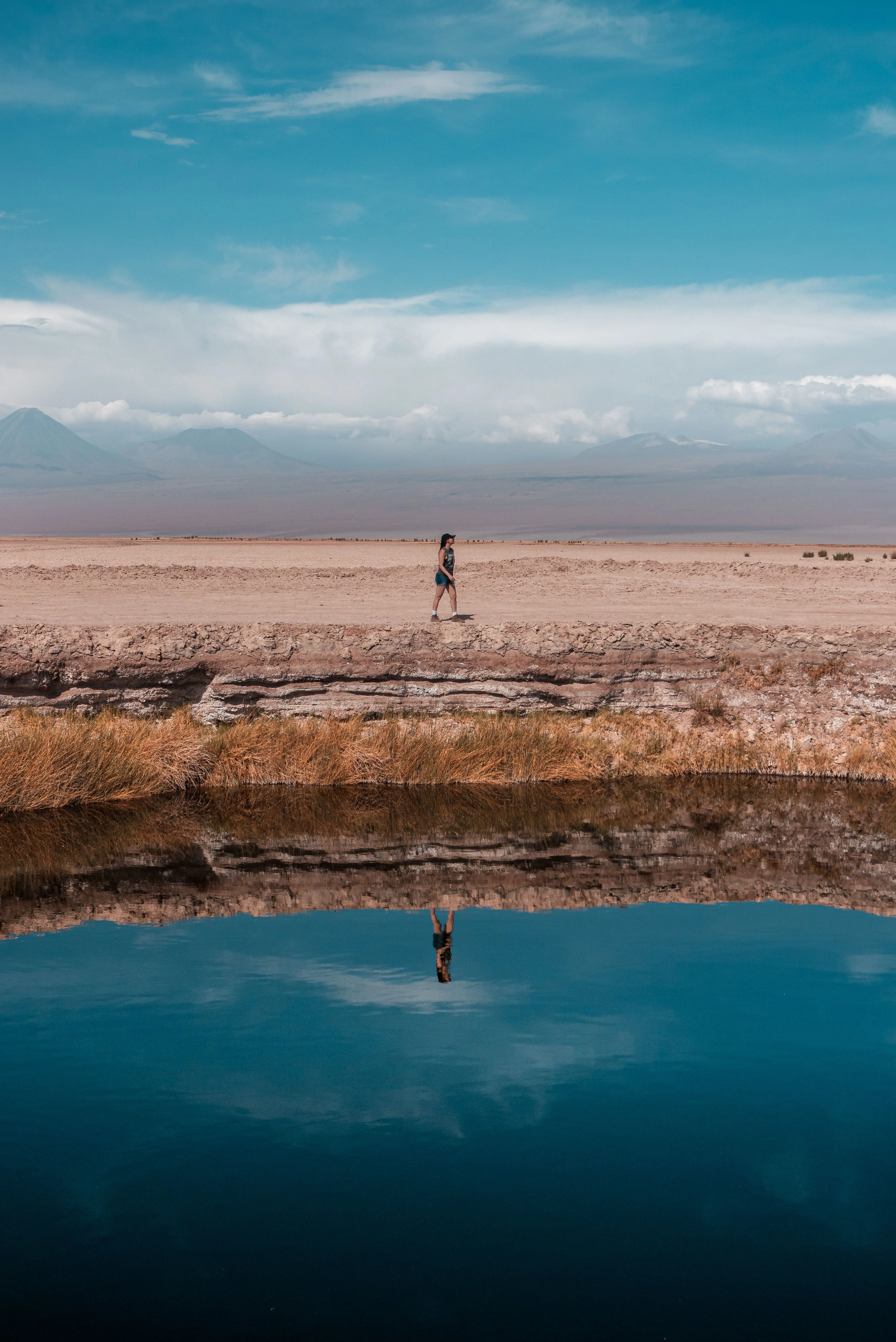
Relocating to Antofagasta as an Expat: What the City Demands Before It Delivers
Most people who move here come for work — the mining sector pulls in engineers, project managers, and logistics professionals from across Latin America and beyond. If you are arriving without that anchor, the city asks you to build your life more deliberately. The rewards are real, but they are not handed to you at the door.
Why Expats End Up Here — and Why Some Leave Early
The expat population in Antofagasta is concentrated around the mining industry, which shapes everything from which neighbourhoods fill up quickly to where the best supermarkets operate.
Mall Plaza Antofagasta — the clearest sign of the city's economic weight; full international retail inside a port city, which surprises most arrivals
Mining company housing stipends push rents up in Antofagasta Norte — budget accordingly if you are not on a corporate package
The expat social scene is structured around industry: meetups happen through employers, not coffee shops — plan for that
Non-mining expats (teachers, NGO workers, freelancers) do exist and tend to cluster in Barrio Inglés and near the university
If you are coming without a job contract in hand, the city will not organise itself around you — but it will give you cheaper rent and less competition for good apartments than Santiago ever would.
The Climate Case: Why Zero Rain Is Not the Same as Easy Weather
Antofagasta's climate is the driest urban climate on Earth, and that phrase sounds appealing until you understand what it means at street level.
No rain means no green — the hills behind the city are bare rock and dust, which is stunning and relentless in equal measure
Coastal fog rolls in most mornings from the Pacific; the climate is mild (15–25°C most of the year) but grey before noon
Wind off the ocean is consistent and cold — the seafront feels different in June than it looks in photographs
Dust storms from the desert interior are periodic; air quality drops sharply when they arrive
The climate rewards people who prefer predictability over variety — you will not pack for rain once, but you will own a windproof layer you wear constantly.
Neighbourhoods in Antofagasta: Where to Live and What You Are Trading Off
Antofagasta runs north-south along the coast, hemmed between the ocean and the Atacama Desert escarpment. The north end is newer, more expensive, and where most expat housing concentrates. The south and centre are more local in character, cheaper, and require more navigation if you want convenience. Neither is obviously wrong — they are just different cities within the same city.
Neighbourhood | Monthly Rent | Vibe | Best For | Key Advantage |
|---|---|---|---|---|
Antofagasta Norte (El Golf / Las Américas) | CLP 700,000–1,100,000 | Corporate, modern, quiet | Mining professionals, families | Best supermarkets, secure buildings, easy highway access |
Barrio Inglés (Historic Centre) | CLP 400,000–650,000 | Old port character, mixed | Solo expats, curious renters | Walking distance to waterfront, local markets, real city life |
Jardines del Sur | CLP 380,000–580,000 | Residential, family-oriented | Long stays, budget-conscious | Quieter streets, larger apartments for the price |
Coloso (southern coast) | CLP 300,000–480,000 | Industrial edge, local | Low-budget or adventurous expats | Direct beach access, lowest rents in the metro area |
Antofagasta Norte: Where the Expat Infrastructure Actually Is
If you want a furnished apartment, a gym, and a supermarket within ten minutes of waking up, Antofagasta Norte is where you sign the lease.
Jumbo Supermercado — the best-stocked grocery option in the city; imported goods and reliable fresh produce, open late
1-bed furnished apartments in Las Américas run CLP 700,000–850,000/month — expect a building with a concierge and parking, not charm
[Sport Life Gym] — the main gym used by mining professionals; CLP 35,000/month, crowded at 7am and 6pm sharp
Restaurant density is lower than it looks — the high-end dining is real but limited; meal variety requires a car or delivery app
Antofagasta Norte is comfortable and efficient, and it will make you feel like you are living in a compound if you let it — get out and south regularly or the city never reveals itself.
Browse Antofagasta homes near this area
Barrio Inglés: The Historic Centre Expats Overlook
Barrio Inglés is where Antofagasta's British railway history is still visible in the architecture, and where rent drops sharply without sacrificing walkability.
Mercado Central — fresh fish, local produce, and lunch plates for under CLP 4,000; go before 1pm for the best selection
Studio apartments from CLP 420,000/month — older buildings, less soundproofing, but actual character in the walls
The waterfront Paseo Peatonal is a 10-minute walk; the local seafood restaurants along it are cheaper and better than anything in the north
Barrio Inglés is where Antofagasta feels most like itself — if that appeals to you, the lower rent is a bonus, not the reason to be here.
The city center around Plaza Colón puts you within a 10-minute walk of the main banks, the municipal market, and the coastal promenade — which matters on weekdays when you need to run errands without spending half the day on a bus.
fully furnished apartments in Antofagasta !
Browse Antofagasta homes near this area
What Life Actually Costs: Rent, Food, and the Free Hours Between
Antofagasta is not the cheapest city in Chile — the mining economy inflates rents and service prices above what you would pay in a comparable city without the industry. But it is significantly cheaper than Santiago for comparable quality, and there are free pleasures here that require nothing but showing up.
Daily Food Costs: The Real Numbers
Eating local in Antofagasta is genuinely affordable; eating like you are in a Santiago restaurant is not, and the distinction matters for monthly budgeting.
Tío Jacinto — lunch menu CLP 3,500, fish-forward, local crowd, cash only; the menú del día here is the benchmark for what local eating costs
Coffee at a mid-range café: CLP 1,800–2,500; Antofagasta does not have a developed specialty coffee scene — manage expectations accordingly
Weekly grocery shop at Jumbo for one person: CLP 45,000–65,000, depending on how much imported product you require
Delivery apps (Rappi, PedidosYa) are active and add 15–20% — useful but not a daily habit if you are watching budget
The honest monthly food budget for one person cooking most meals and eating a local lunch daily is CLP 180,000–250,000 — well below what that standard costs in Santiago.
Free and Low-Cost Things That Are Actually Good
The free pleasures of Antofagasta are mostly outdoors, mostly coastal, and require nothing but your own willingness to walk.
Playa La Chimba — free beach north of the city; calmer water than the southern beaches, cleaner sand, used by locals on weekends
Ruinas de Huanchaca — free entry to the ruins of a 19th-century silver refinery; sits above the city with panoramic views, 20 minutes on foot from Las Américas
The coastal highway walk north of the port is free and extraordinary — flamingos are genuinely visible from the road at certain tide conditions
Universidad de Antofagasta campus hosts free public events, film screenings, and cultural exhibitions throughout the academic year
None of this requires a car or a budget — it requires knowing the city exists beyond the mall and the mining offices, which takes about two weeks to discover on your own.
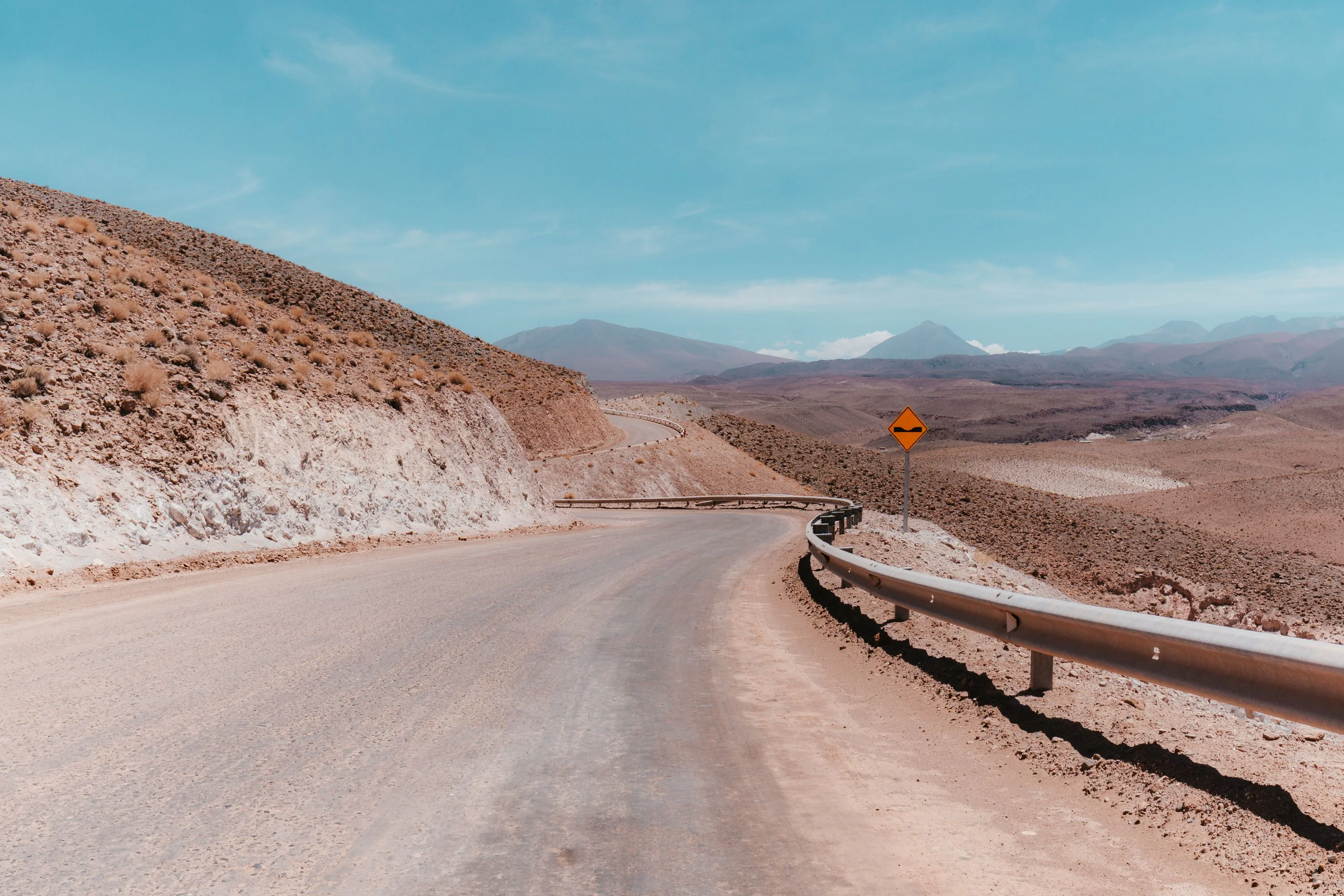
Weekend Escapes: san pedro de atacama, vina del mar, and the Distance Between Them
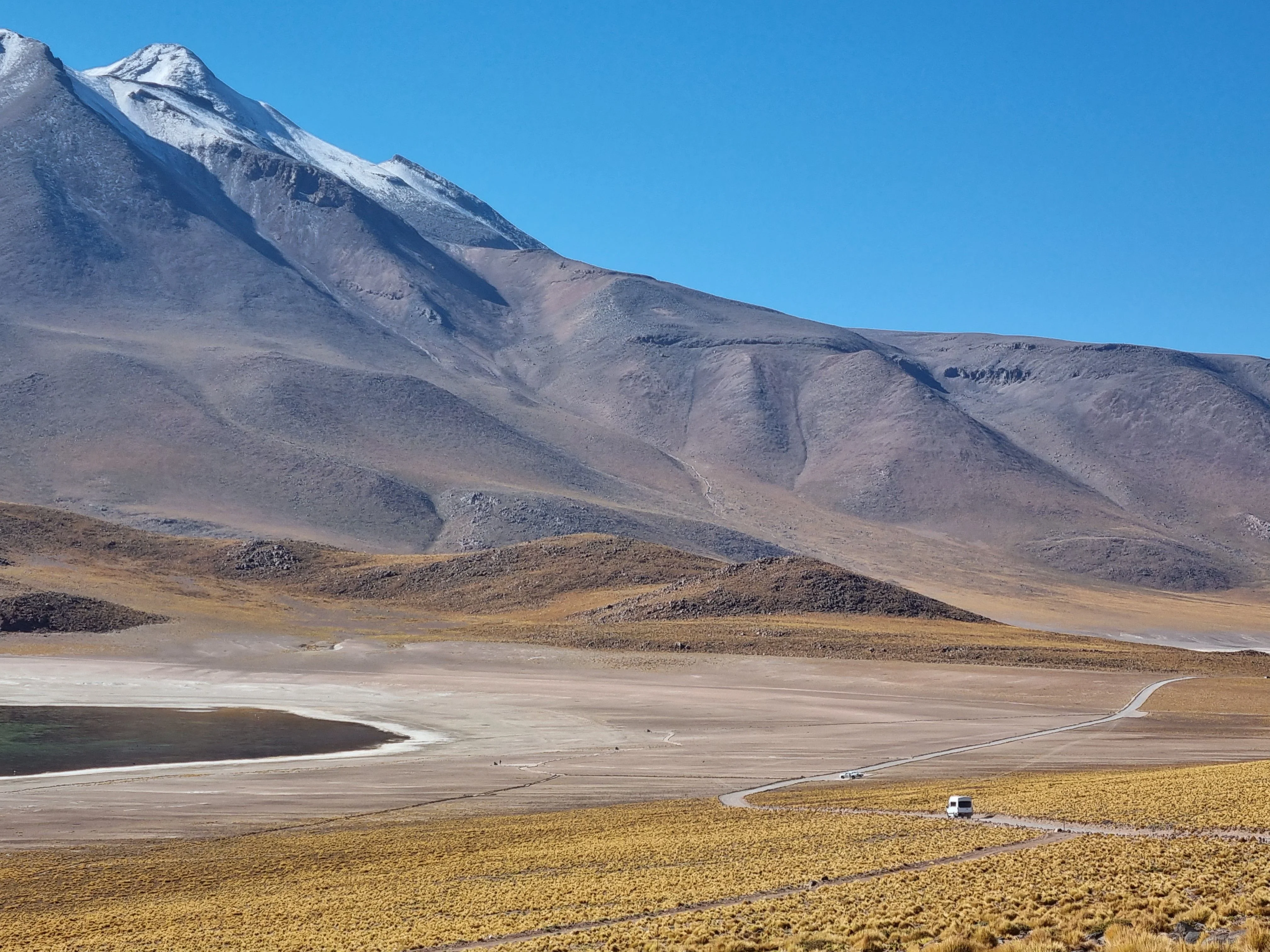
Living in Antofagasta gives you proximity to places that people fly to from Europe specifically to visit. The desert is not background scenery — it is the reason some expats choose this city over Santiago or Valparaíso without hesitation.
san pedro de atacama: Three Hours That Change Your Reference Point
San pedro de atacama is 300 kilometres northeast through the desert and three hours by car or bus — close enough for a weekend, far enough that you will not do it casually.
Tur Bus from Antofagasta — direct service to San Pedro, departs Friday evenings, CLP 12,000–18,000 one way; book Thursday or earlier in peak season
The Valle de la Luna entry fee is around CLP 7,000 for foreigners — sunrise visits are worth the early alarm; the light at 7am is the reason photographers come from across the continent
Hotel Altiplanico San Pedro — mid-range option from $120 USD/night; cheaper guesthouses exist for under $50 USD but book out months ahead in July and August
Altitude at San Pedro is 2,400 metres — take the first day slowly, drink water before you feel thirsty, and do not arrive and immediately hike
San pedro de atacama justifies living in Antofagasta for some people on its own — having it as a regular weekend trip rather than a once-in-a-lifetime excursion is one of the genuinely unusual pleasures of being based here.
Further Afield: When vina del mar Is the Reset You Need
vina del mar is 1,400 kilometres south by road, a two-hour flight, and an entirely different version of Chilean coastal life — the kind of trip you do once every few months to remember what a city with more infrastructure feels like.
Flights Antofagasta–Santiago connect to Viña del Mar via bus or train in about 90 minutes total; budget CLP 80,000–130,000 round trip on LATAM or Sky if booked two weeks out
Playa de Viña del Mar — the beach is wider, warmer, and far more crowded than anything in Antofagasta; it is the contrast that makes it worthwhile
The Viña del Mar casino strip is an easy evening — entry is free, the food inside is overpriced, and the walk along the waterfront is not
Accommodation in Viña runs from $45 USD/night for a decent guesthouse to $120 USD for seafront — the city rewards booking midweek
vina del mar is not a weekend trip from Antofagasta; it is a long weekend trip, and the distinction matters for planning — but once a quarter, the change of scene earns its cost.
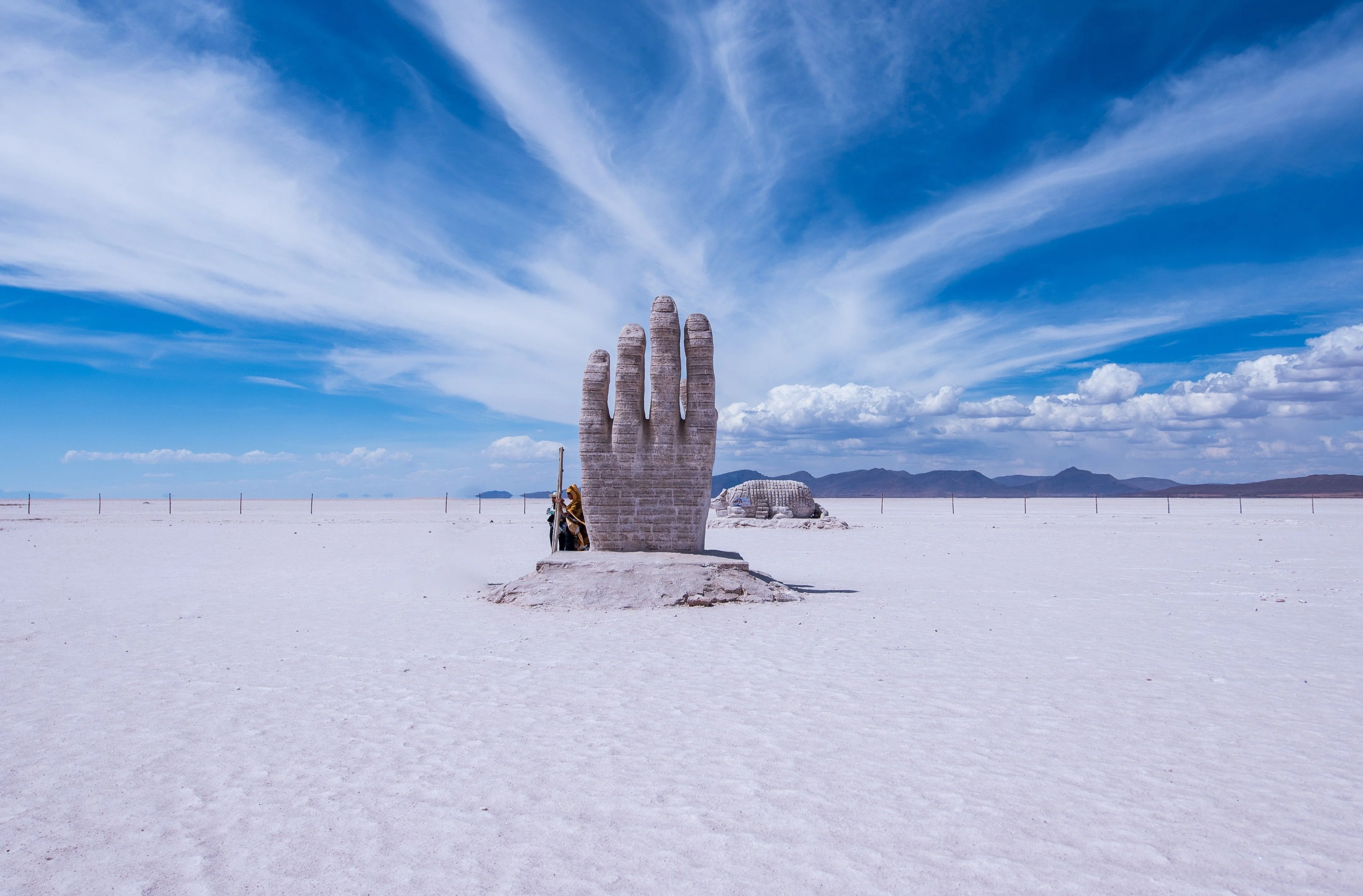
Healthcare, Admin, and the Paperwork Reality of Living in Antofagasta
Getting legal and staying healthy in Antofagasta is manageable — but neither process is fast, and the city's size means your options are narrower than in Santiago.
Healthcare: What You Can Access and What You Cannot
Antofagasta has real medical infrastructure — built largely to serve the mining industry — but specialist care beyond general medicine and emergency treatment means a flight south.
Clínica Austral — the main private hospital; consultations from CLP 35,000, most expats on mining packages have corporate insurance that covers it in full
Hospital Regional de Antofagasta — public system, free with a RUT number and Fonasa enrolment, but wait times run long and English is rarely spoken
Dental care is significantly cheaper than in Europe or North America — a standard check-up and clean at a private clinic runs CLP 25,000–40,000, and most work is done without a referral queue
Pharmacies (farmacias) are well stocked — Cruz Verde on Avenida Balmaceda stays open late and carries most prescription medications without the waits of a clinic visit
If you have a pre-existing condition requiring ongoing specialist input, factor in one or two Santiago trips per year — the gap in specialist availability is real and not closing soon.
Visas, RUT Numbers, and Getting Official
Chile's visa system is not hostile to expats, but it rewards patience over speed — the RUT number is the key that unlocks banking, phone contracts, and healthcare, and getting it takes longer than the government website suggests.
The [Departamento de Extranjería] in Antofagasta handles residency applications locally — bring every document twice and expect to return at least once
A temporary residency visa (visa sujeta a contrato) tied to a mining employer is the most common expat route — your company's HR handles most of it, but you still appear in person
RUT registration can be initiated at the Servicio de Impuestos Internos (SII) on Calle Matta — budget two to four weeks from application to receiving the number
Bank accounts require a RUT and a fixed address — [Banco Estado] is the most accessible for new residents; Cuenta RUT opens with minimal documentation and works for day-to-day spending immediately
None of this is uniquely difficult compared to other Chilean cities, but doing it in Antofagasta without an employer's admin team behind you takes more time and Spanish than most people expect before they arrive.
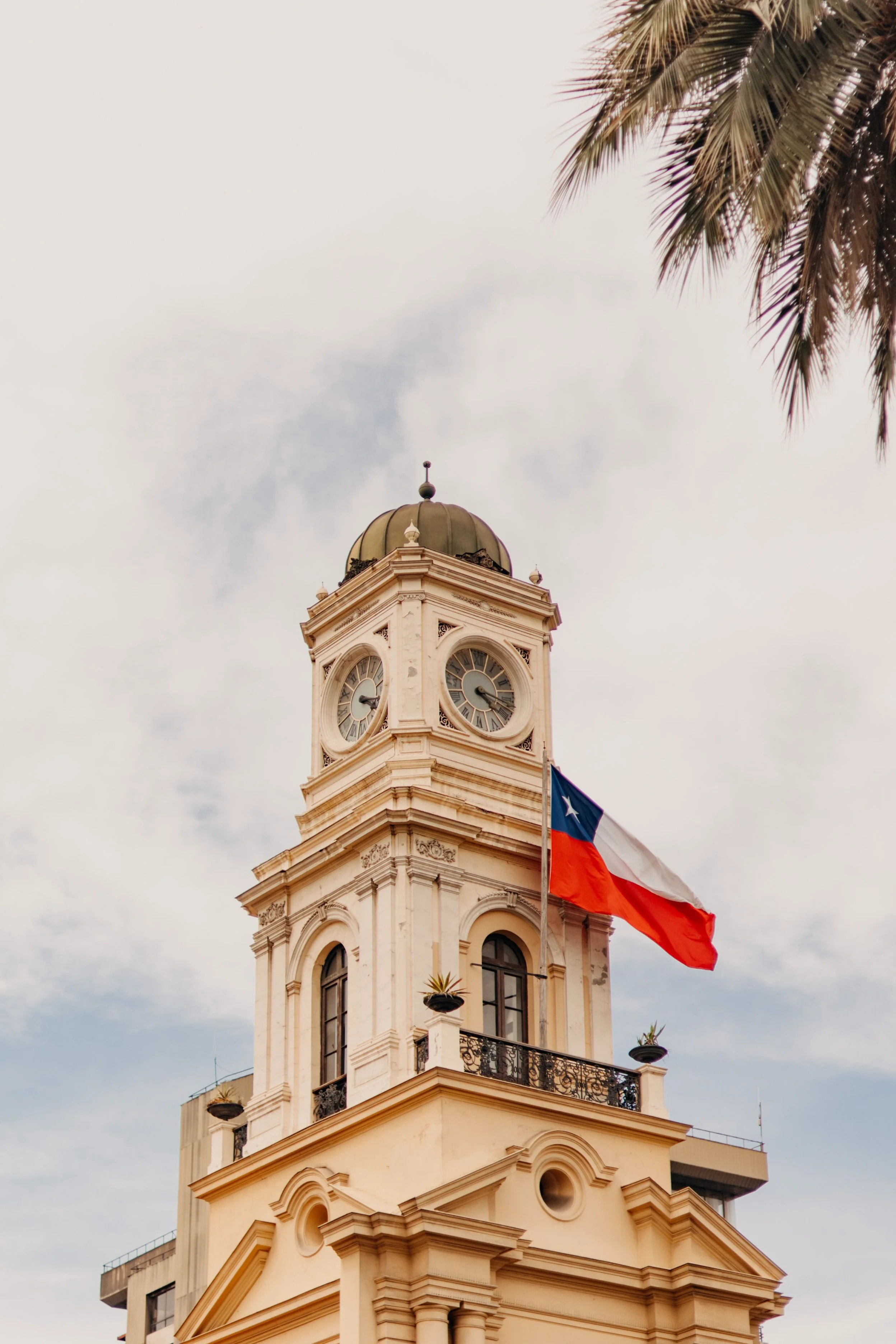
Food, Social Life, and What Daily Living Actually Feels Like
Antofagasta's social life runs on a different clock than Santiago — earlier evenings, industry-structured socialising, and a food scene that rewards knowing where locals actually eat rather than following tourist instinct.
Where to Eat Beyond the Mall Food Court
The best food in Antofagasta is concentrated within a few blocks of the port and in the residential streets south of the centre — not in the commercial strips that look most obvious on a map.
El Nuevo Arriero — parrilla lunch sets from CLP 6,500, packed with mining shift workers between noon and 2pm, almost empty after 3pm which is when the kitchen is most relaxed about substitutions
[Boulevard del Mar] along the waterfront — a string of seafood restaurants where the ceviche and chupe de camarones are genuinely good; go for lunch, not dinner, when the fish is fresher and the prices are lower
The SOCIEDAD COMERCIAL TARAPACÁ LTDA. on Avenida Argentina — Antofagasta's main produce market, open from 7am, where a week's vegetables costs CLP 8,000–12,000 and the dried chilli selection is better than any supermarket in the city
The food scene will not replace Santiago, but once you know where to go, eating well and cheaply in Antofagasta is easier than the city's reputation suggests.
Bars, Evenings Out, and the Social Reality
Antofagasta's nightlife is real but contained — a handful of streets account for most of it, and the crowd skews heavily toward mining workers on rotation who treat nights out with a certain intensity.
Bar Nómade — the closest thing to an expat bar in the city, draught beer from CLP 3,500, and the place where most industry arrivals end up in their first week whether they planned to or not
Calle Prat between the port and Plaza Colón has the highest density of bars per block in the city — loud on Friday and Saturday nights, quiet enough to have a conversation Monday through Thursday
Dinner rarely starts before 9pm and bars do not fill until 11pm — if you keep European hours, you will eat alone for the first month before your body adjusts
The social life here rewards persistence and industry connections more than spontaneity — once you are inside a network, the evenings are genuinely good; before that, the city can feel quieter than its population of 400,000 implies.
How Antofagasta Compares to Other Chilean Expat Cities
Chile has better-known expat destinations, and understanding exactly what you are trading away — and gaining — by choosing Antofagasta over them makes the decision clearer.
La Serena and Puerto Varas: The Alternatives Most People Do Not Consider
la serena and puerto varas are the two Chilean cities that come up most often when expats reconsider Antofagasta — not because they are obvious substitutes, but because they solve the specific problems Antofagasta creates.
la serena sits 600 kilometres south, has a milder coastal climate, a university population that keeps the social scene younger and more open, and rents roughly 15–20% lower than comparable Antofagasta apartments — the trade-off is fewer mining-sector jobs and a smaller English-speaking community
puerto varas in Chile's Lake District is a different proposition entirely — green, cold, and built on tourism and agriculture rather than industry; expats who chose Antofagasta for the desert and ended up missing trees often name puerto varas as where they would go next
puerto varas has a small but established German-descent community, which gives it an unusual European inflection for a Chilean city of its size — restaurants, architecture, and a general civic tidiness that feels distinct from the north
Neither la serena nor puerto varas has Antofagasta's salary multiples — if the mining industry brought you to chile and the money is what keeps you there, neither alternative replaces that anchor
The honest comparison is this: if you are in Antofagasta because of a contract, stay and use the salary; if you are in Antofagasta by choice and the desert is not working for you, la serena solves the lifestyle problem without requiring you to leave chile entirely.
What Antofagasta Offers That No Other Chilean City Can
There are specific things Antofagasta gives you that Santiago, la serena, and puerto varas simply do not — and they are worth naming directly rather than leaving as implication.
The Atacama Desert at your door is not a marketing line — the ability to drive 90 minutes and reach landscapes that look like another planet, regularly, as a weekend habit rather than a bucket-list trip, is genuinely rare
Housing costs remain low relative to income in a way that no longer applies to Santiago or Valparaíso — a mining-sector salary here goes further than the same number in any other major Chilean city
The Pacific coast on Antofagasta's doorstep — Playa Las Almejas and Balneario Municipal — is emptier, colder, and wilder than anything near Santiago; if you prefer a beach with no one on it over a beach with infrastructure, Antofagasta wins
The city's population is large enough to have real amenities but small enough that you are not anonymous — within three months, most expats know the same twenty people, which is a limitation and a feature depending on your personality
Antofagasta is the right city for a specific kind of expat — the kind who finds the absence of distraction clarifying rather than depressing, and who came to chile to work hard and live simply rather than to build an international social life.
!
Is Antofagasta the Right Move? An Honest Final Assessment
Who Antofagasta Actually Works For
This city rewards people who arrive with a purpose, not people who arrive hoping to find one.
Mining and engineering contractors get the clearest return — low rent, proximity to site operations, and few distractions from saving money
Researchers at Universidad de Antofagasta or affiliated astronomical projects find the isolation professionally useful rather than socially punishing
Remote workers who want geographic drama and Chile's low cost of living without Santiago's noise and expense
Anyone who has consciously chosen somewhere extreme and can explain why — that self-awareness tends to predict who stays
The expats who leave early are almost always the ones who expected the city to soften over time — it does not.
What Antofagasta Will Not Give You
The city's limitations are permanent features, not temporary inconveniences, and you should treat them as fixed before deciding anything.
The dust and coastal fog are year-round constants — not seasonal, not improving, simply the climate of a desert port
The social circle stays small; spontaneous connection with other internationals is rare in a city built around industry rather than culture
The food scene is functional rather than cosmopolitan — expect solid Chilean staples, not the variety you'd find further south
The nearest comparable city is a two-hour flight away, so weekend escapes require real planning and real money
Some people find those constraints clarifying; most find them wearing — and knowing which type you are matters more than any other piece of research you can do.
The Final Call
Antofagasta is a city that makes sense on its own terms, and those terms are specific enough that you will know quickly whether they fit you.
If geographic drama, low rent, and a clear professional context are your priorities, Antofagasta delivers all three without compromise
If you want a city that rewards wandering, spontaneous social life, or culinary variety, the trade-offs here will outlast your patience
Both choices are legitimate — this is an honest assessment, not a sales pitch for the city
For alternatives with more urban range, browse fully furnished apartments in Chile in cities further south before committing
Only one city in Chile looks like this, costs this little, and asks this much of you in return — and that specificity is exactly what makes it right for some people and wrong for most.
Making Your Move to Antofagasta
Antofagasta is not a city that eases you in gently. It hands you a desert, a coastline, and an economy built on extraction, and it expects you to find your place within that framework. For expats arriving with a clear professional purpose, that directness is a feature, not a flaw. The city rewards those who come prepared and penalizes those who arrive expecting something it has never claimed to be.
Getting your housing sorted before you land makes the transition significantly smoother. Furnished accommodation in a central district like Ciudad del Mar or near Baquedano Avenue gives you time to learn the city's rhythms before committing to a longer lease. Once you understand which barrios suit your lifestyle and commute, locking in a permanent arrangement becomes a much more confident decision.
If Antofagasta is the right fit, start by browsing fully furnished apartments in the country to find options that match your timeline and budget. Having a comfortable base from day one means you can focus on the job, the landscape, and the slow process of making a foreign city feel like home.