
Maya
Culture & Exploration Editor ·
Zug works on a different logic from Zurich. The old town is compact enough to walk in twenty minutes, the lake is genuinely part of daily life, and the tax rate is the lowest of any Swiss canton — which explains why the city punches well above its size in terms of infrastructure and quality of life. The trade-off is that nothing here is cheap, and the pace is unhurried to a degree that either suits you completely or starts to feel claustrophobic by week three.
What die Zuger Altstadt actually looks like to live in, not just visit
The neighbourhoods worth considering for a one- to three-month stay
Where to work, eat, and spend a slow Tuesday without wasting money
What the historic core — Burg Zug, the Zytturm, St. Oswald's — means for your daily rhythm
Honest rent figures and what they get you in each part of the city
How to move around Zug without a car
What the Zug Altstadt Actually Is — and Who It's For
Die Zuger Altstadt is not a museum district that empties at 6pm. People live here, shop here, and eat lunch here on Tuesdays in November. That distinction matters if you're considering it as a base rather than a day trip.
Die Stadt: 800 Years in a Twenty-Minute Walk
The old town covers less ground than you'd expect for somewhere with 800 years of continuous history, which is precisely why it works as a living neighbourhood rather than a heritage corridor.
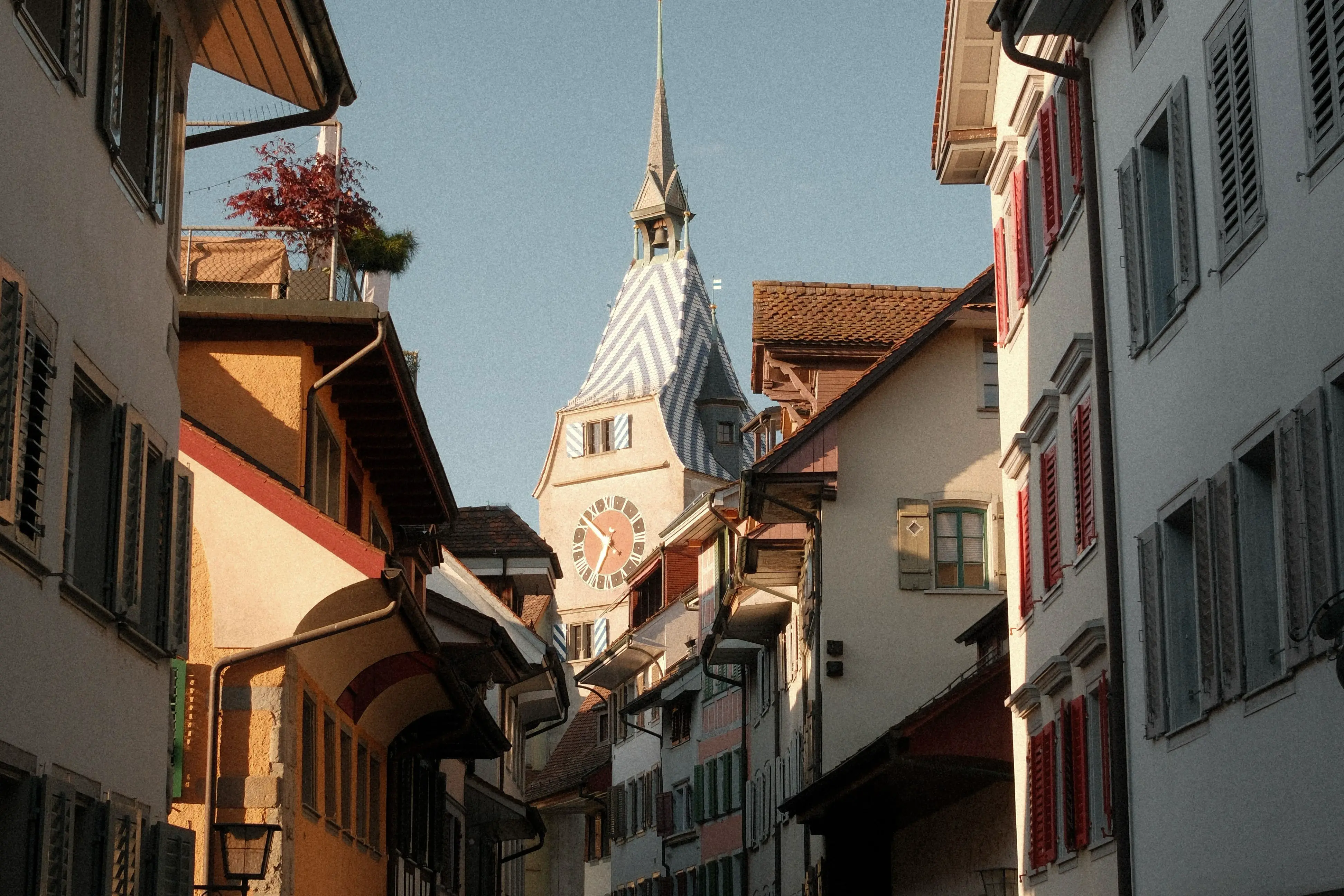
Zytturm — the 52-metre clock tower at the old town's edge; orientation point for every first morning, free to walk past
Kolinbrunnen — the 1541 fountain commemorating the Battle of Giornico in 1478, at the centre of the main pedestrian axis; the square around it is where locals actually pause
Landsgemeindeplatz — the main market square; fresh produce and artisanal goods on market days, a functional meeting point the rest of the week
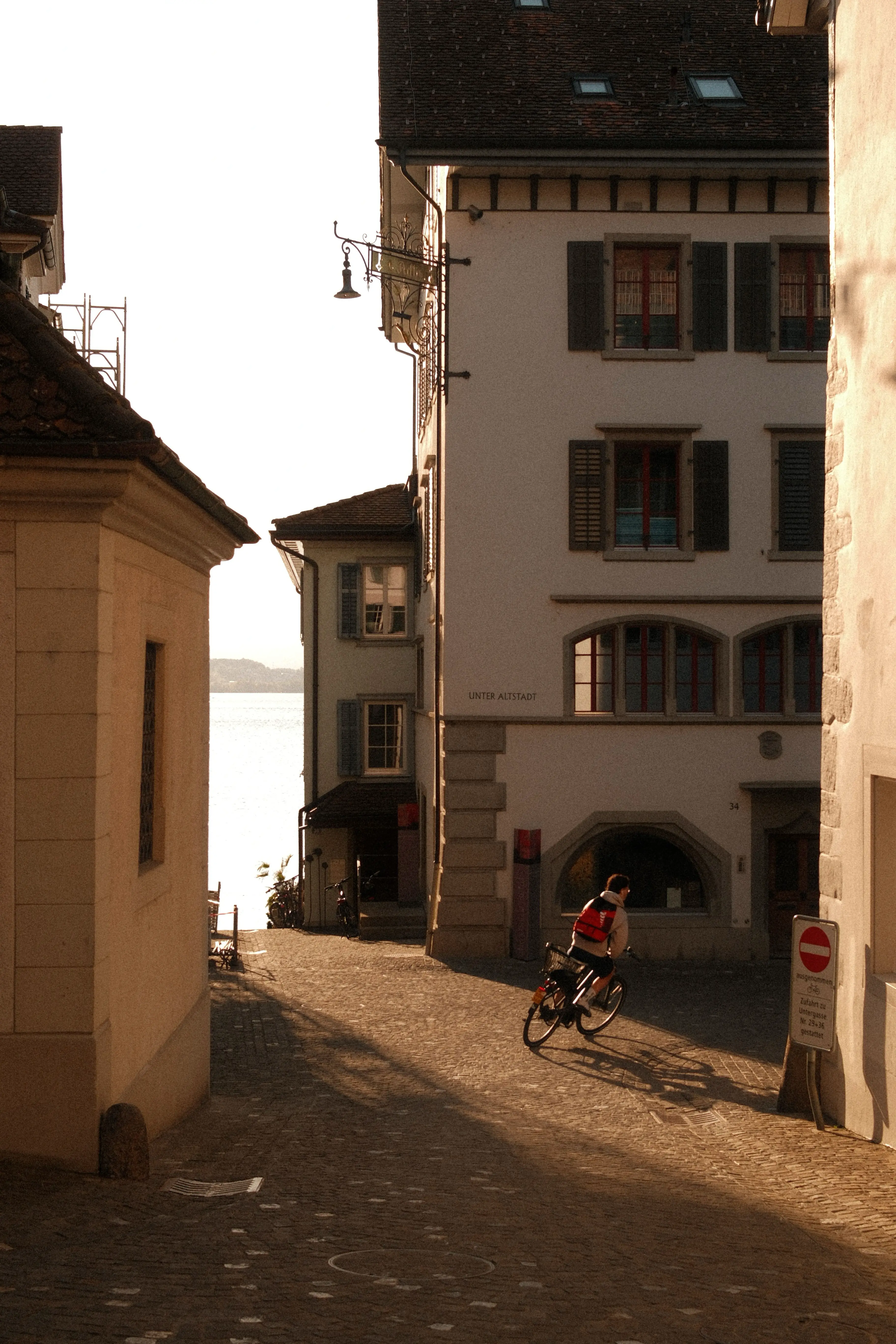
Narrow lanes between Kirchenstrasse and Untergasse — colorful facades, no cars, the section of the altstadt that photographs the way everyone imagines Switzerland does
The altstadt rewards slow mornings more than structured sightseeing — walk it once without a map and you'll understand the layout faster than any guide can explain it.
Durch die Geschichte: What Each Era Left Behind
Jede Epoche left something standing in the old town, and because Zug survived without the fires and urban renewal that gutted other Swiss centres, you can read the layers in sequence without much imagination required.
Habsburg-era foundations — Zug was a Habsburg stronghold until 1352; ihre Spuren are most visible in the fortification logic of the upper old town
Museum Burg Zug — the oldest building in the city, dating from the 8th century; entry CHF 10; worth an hour if you want the full chronology
The city walls — remnants of the original fortifications still stand; the Pulverturm (Gunpowder Tower) is 500 years old and still structurally intact
Medieval buildings throughout — many are over 500 years old, and bauten auf the original street plan that hasn't significantly changed
Wenige andere Schweizer old towns have held this much in one place — which is also why die Zuger Altstadt schaut older than its Swiss peers, not younger.
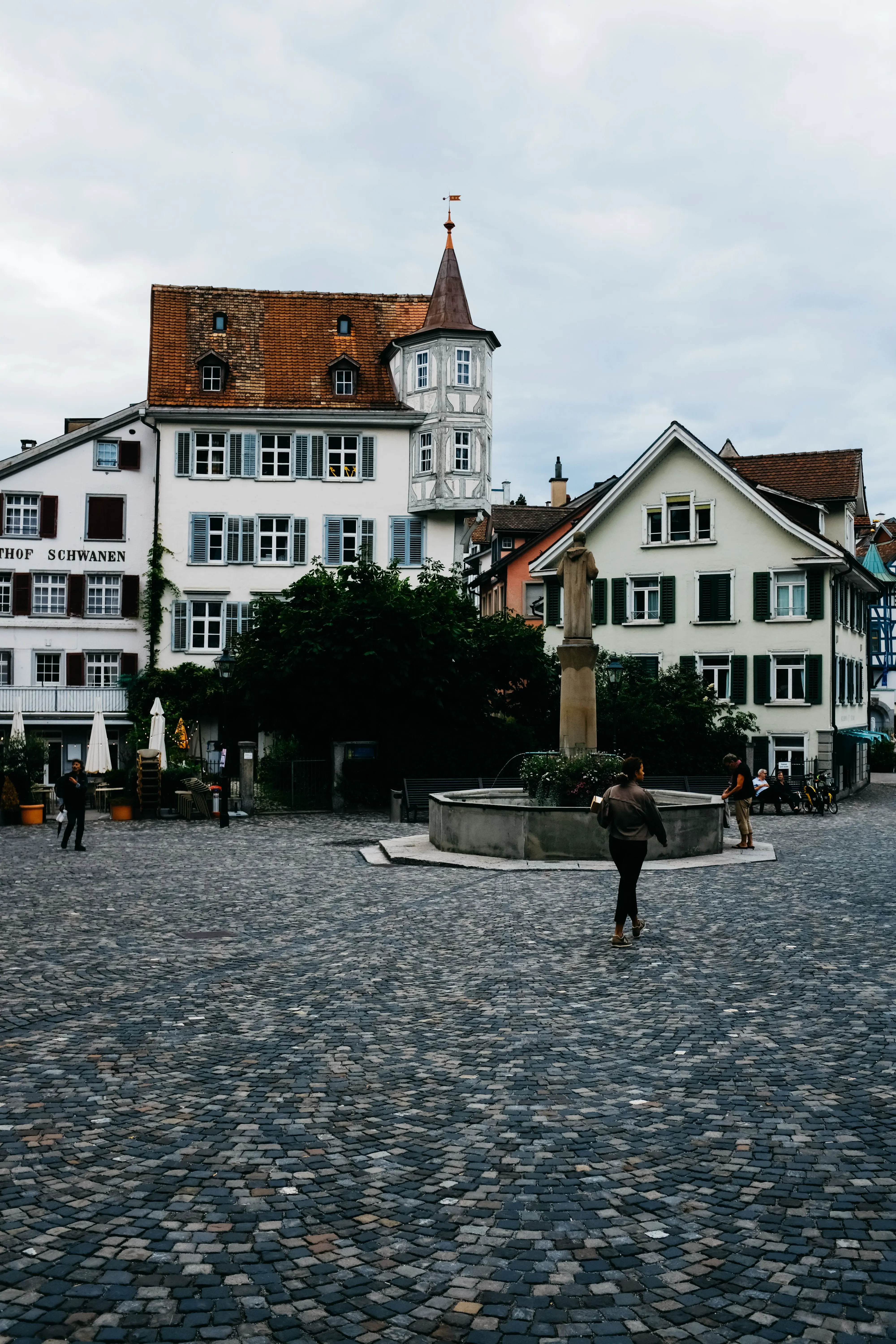
Die Altstadt von Zug kann auf eine über 700-jährige Geschichte als befestigte Siedlung am Zugersee zurückblicken, was sie zu einem der am besten erhaltenen mittelalterlichen Stadtkerne in der Zentralschweiz macht.
Burg Zug and Kirche St. Oswald: The Two Buildings That Define the Old Town
Most cities have one dominant landmark. The Zug Altstadt has two that anchor opposite ends of the historic core — and understanding both tells you more about the old town's character than a week of wandering.
Burg Zug: The Oldest Point in the City
The castle is not dramatic in the way that Alpine fortresses tend to be — it's compact, well-preserved, and more interesting inside than outside, which is a useful thing to know before you make the walk up.
Burg Zug — Museum Burg Zug occupies the 8th-century structure; open Tuesday to Sunday; CHF 10 adults, CHF 6 reduced
The permanent collection covers Zug's history from the medieval period through the 20th century — not exhaustive, but well-curated enough to be worth the hour
The upper floor has the best view over den Zugersee you'll get without hiking; on a clear morning it's the clearest possible case for why anyone stays here longer than planned
Go on a weekday morning when the tour groups haven't arrived — on a weekend afternoon it's a different experience, and not a better one.
Kirche St. Oswald: The Late Gothic Church That Still Earns Its Footprint
St. Oswald's is the bekannteste ist building in the old town for most visitors — a monumental late Gothic church begun in 1478, the same year as the Kolin Fountain's commemorated battle — and it's large enough that you can't miss it even if you're trying to.
St. Oswald's Church — free entry; the nave is genuinely impressive at scale; open daily during daylight hours
The Gothic detailing on the exterior has survived Zug's history of sieges, fires, and landslides better than anything else from the same era
St. Michael's Church — the largest church in Zug, located slightly outside the old town core; worth visiting if ecclesiastical architecture is a specific interest, but not essential otherwise
Das Museum in der Burg Zug ist dienstags bis sonntags von 11 bis 17 Uhr geöffnet und kostet 10 Franken Eintritt — für Neuzuzüger ist es die schnellste Möglichkeit, die Geschichte der Stadt in zwei Stunden zu verstehen.
The square in front of St. Oswald's is one of the few places in the altstadt where you can sit down with a coffee and look at something genuinely beautiful without it costing you extra — a point that matters more in Zug than most Swiss cities.
Die Zuger Altstadt as a Place to Live: What der Zuger Altstadt Offers Long-Term Renters
Die Zuger Altstadt and its surrounding districts break into distinct zones with different trade-offs on price, quiet, and proximity to the lake. Dementsprechend reich ist Zug's housing market — you will pay more here than in most of Switzerland, and the old town itself commands a premium on top of that.
The Old Town Core: Maximum Atmosphere, Minimum Space
Living inside the altstadt itself means medieval-era floor plans, stone walls, and windows that were not designed with laptop workers in mind — but the trade-off in character is real and the location is genuinely unmatched.
Studios in the old town: CHF 1,800–2,400/month; expect lower ceilings and older fittings than equivalent money gets you in Zurich
1-bed apartments: CHF 2,400–3,200/month; the upper end gets you lake views, which are worth specifying when you search
Zur alten Stadt, the neighbourhood immediately adjacent to the fortifications, runs slightly cheaper — CHF 1,600–2,100 for a studio — and is quieter on weekends
Rosengarten — the rose garden along the lakefront below the old town; rare and common rose varieties, free, open daily; it's ten minutes from any apartment in this zone
The old town core is the right choice if character matters more than square footage — it is not the right choice if you need a proper desk setup and silence before 9am on a Saturday.
Lakeside Zug: The Practical Alternative to the Historic Centre
The lakeside strip south of the old town gives you den Zugersee at eye level without the medieval floor plan constraints, and the price per square metre drops enough to matter on a monthly budget.
Studios lakeside: CHF 1,600–2,200/month; modern buildings with proper insulation and WiFi infrastructure that actually supports video calls
1-bed with lake view: CHF 2,600–3,400/month; the view adds roughly CHF 400 over an equivalent interior unit
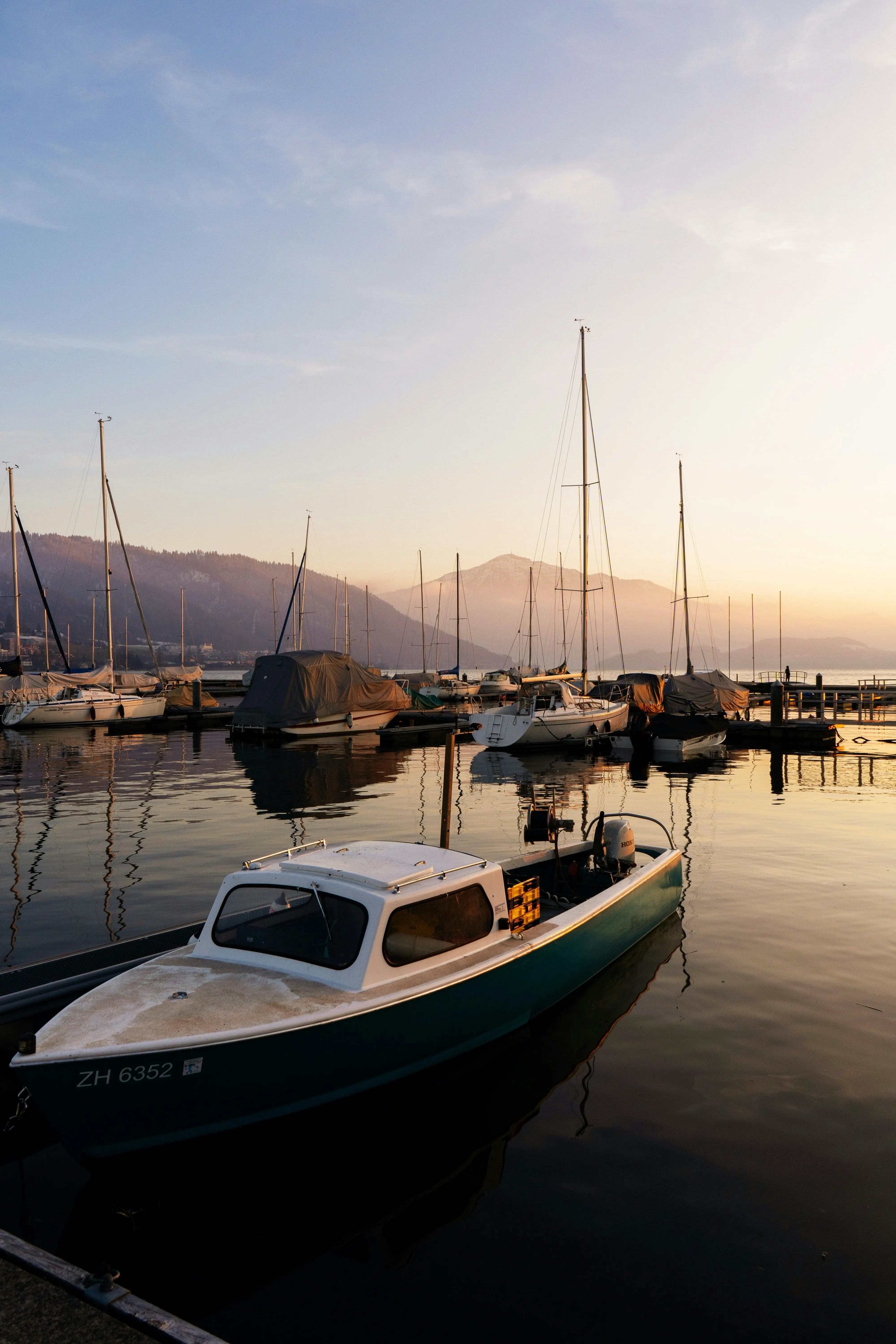
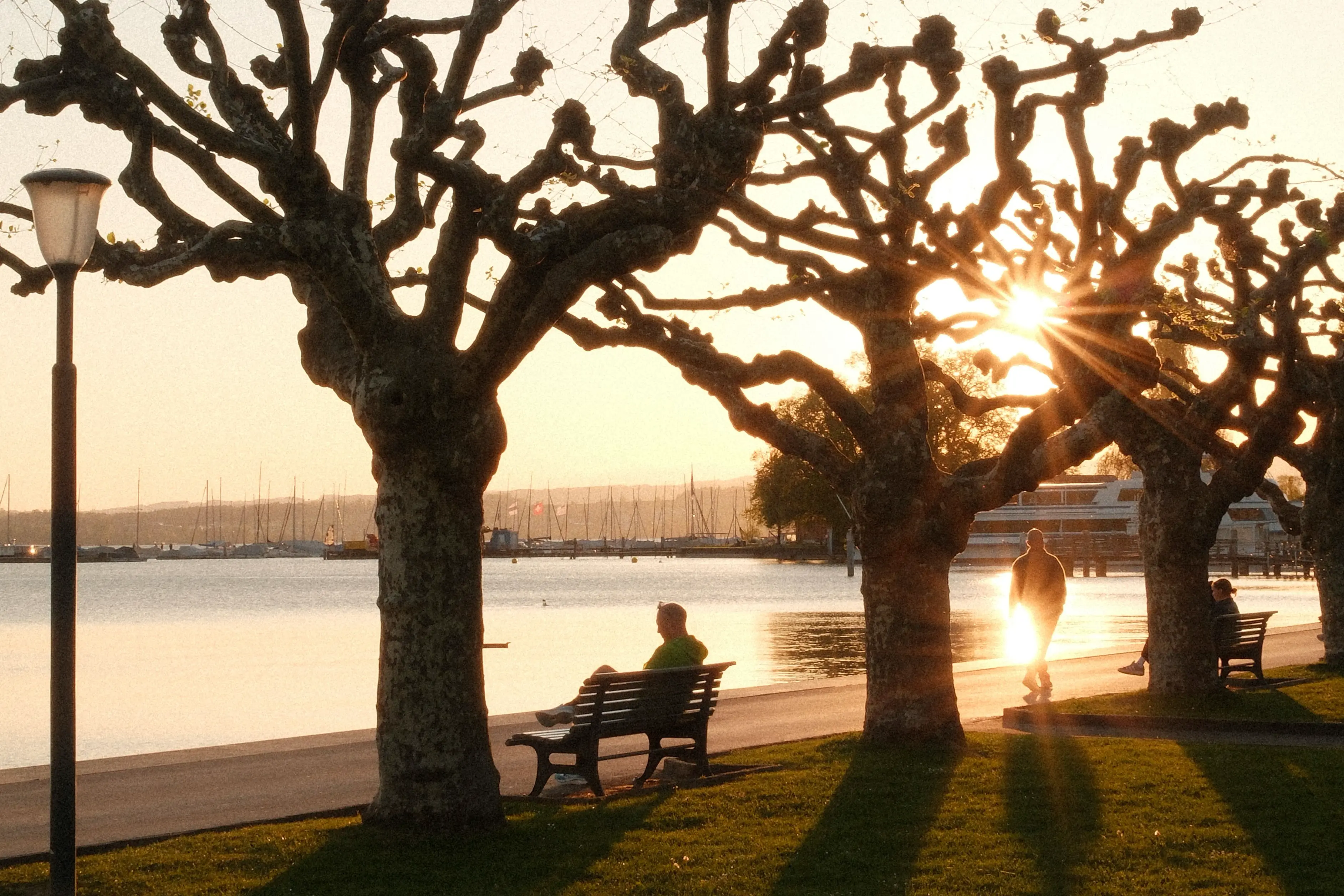
Seeufer promenade — the lakeside walkway; Zug's old town is noted for its spectacular sunsets over the lake, and this is where you watch them from; no cost, no crowd on weekday evenings
Wenige andere Schweizer cities give you this combination of lake access, old town proximity, and functional public transport at this price point — which is also why the vacancy rate here is what it is.
Wer sich in der Zuger Altstadt niederlässt, zahlt für eine 3-Zimmer-Wohnung in der Regel zwischen CHF 2,500 und CHF 3,500 pro Monat — deutlich mehr als in umliegenden Quartieren wie Oberwil, aber dafür mit direktem Blick auf den Zugersee.
Neighbourhood | Monthly Rent (Studio) | Vibe | Best For | Key Advantage |
|---|---|---|---|---|
Altstadt Core | CHF 1,800–2,400 | Historic, pedestrian, slow-paced | Writers, solo workers who want character | Zur alten Stadt atmosphere; nothing else like it in the canton |
Lakeside Zug | CHF 1,600–2,200 | Calm, modern, lake-facing | Long stays, couples, those needing proper workspace | Sunset views; better floor plans than the old town |
Zug Neustadt (New Town) | CHF 1,400–1,900 | Practical, residential, well-connected | Budget-conscious remote workers | Best transport links; closest to the train station |
Oberwil/Zug Outskirts | CHF 1,200–1,700 | Quiet, suburban, green | Those who want space over proximity | Lowest prices in the Zug area; good cycling routes into town |
Find fully furnished apartments in Zug across all of these zones — availability in the altstadt core is limited, so filtering early matters.
Mit dem Öffentlichen Verkehr: Getting Around Zug Without a Car
Zug ist small enough that a car is a liability rather than an asset for most of the year — parking is limited in der Altstadt, the train connections are excellent, and the old town itself is fully pedestrian.
Mit dem Zug and Bus: The Daily Infrastructure
The rail and bus network covers everything you actually need, and the connections to Zurich make day trips genuinely easy without the time cost you'd expect.
Zug to Zurich HB: 25–30 minutes by train; trains run at least twice an hour; a monthly ZVV pass covering both zones costs approximately CHF 220
ZVV Zone 21 local pass (Zug city only): CHF 54/month; covers all buses within the city and makes the old town to station commute free after day two
Zug Bahnhof — the main station; ten minutes on foot from the altstadt core; direct connections to Lucerne (25 min), Bern (75 min), and Zurich Airport (45 min)
Auf den lake, the ferry service connects the lakeside promenade to several small settlements on Lake Zug — seasonal, slower than the train, but worth knowing about for a slow afternoon
Zug ist connected enough that you can be in Zurich for a morning meeting and back for lunch in the altstadt without the day feeling fragmented — which is the practical case for basing yourself here rather than in the city.
Der Bahnhof liegt am Rand der Stadt und ist zu Fuss in etwa zehn Minuten vom historischen Kern der Altstadt erreichbar — ein klarer Vorteil gegenüber grösseren Schweizer Städten, wo Umsteigewege deutlich länger sind.
Durch die Altstadt on Foot and by Bike
The pedestrian logic of the old town is one of its genuine advantages — durch die narrow lanes you move faster on foot than any vehicle could manage, and the lakeside is flat enough that cycling is practical year-round.
Publibike rental stations at the train station and lakeside promenade: CHF 3.50/30 minutes, or CHF 290/year for unlimited 30-minute rides — the annual pass pays off within three months
Zugersee cycling circuit — 35km loop around the full lake; flat, marked, and free; the section through the old town is the most scenic 4km of the route
Der Altstadt core is entirely pedestrianised — no exceptions; the boundary is clear and the transition from the old town to the car-accessible streets takes about ninety seconds on foot
The bike infrastructure in Zug is better than most Swiss cities of comparable size, and the flat lakeshore means that "I'll cycle there" is a realistic decision rather than an optimistic one.
Eating, Drinking, and Daily Life in Zug Altstadt
The old town's food scene is smaller than you'd expect from a place with this level of wealth — but what exists is consistent, and once you know which places to skip, daily life settles into a rhythm quickly.
Where to Eat Without Overpaying by Swiss Standards
Lunch is where Zug rewards patience — the Menü del Día equivalent here is the Mittagsmenu, and the gap between a good one and a bad one is about CHF 8 and fifteen minutes of walking.
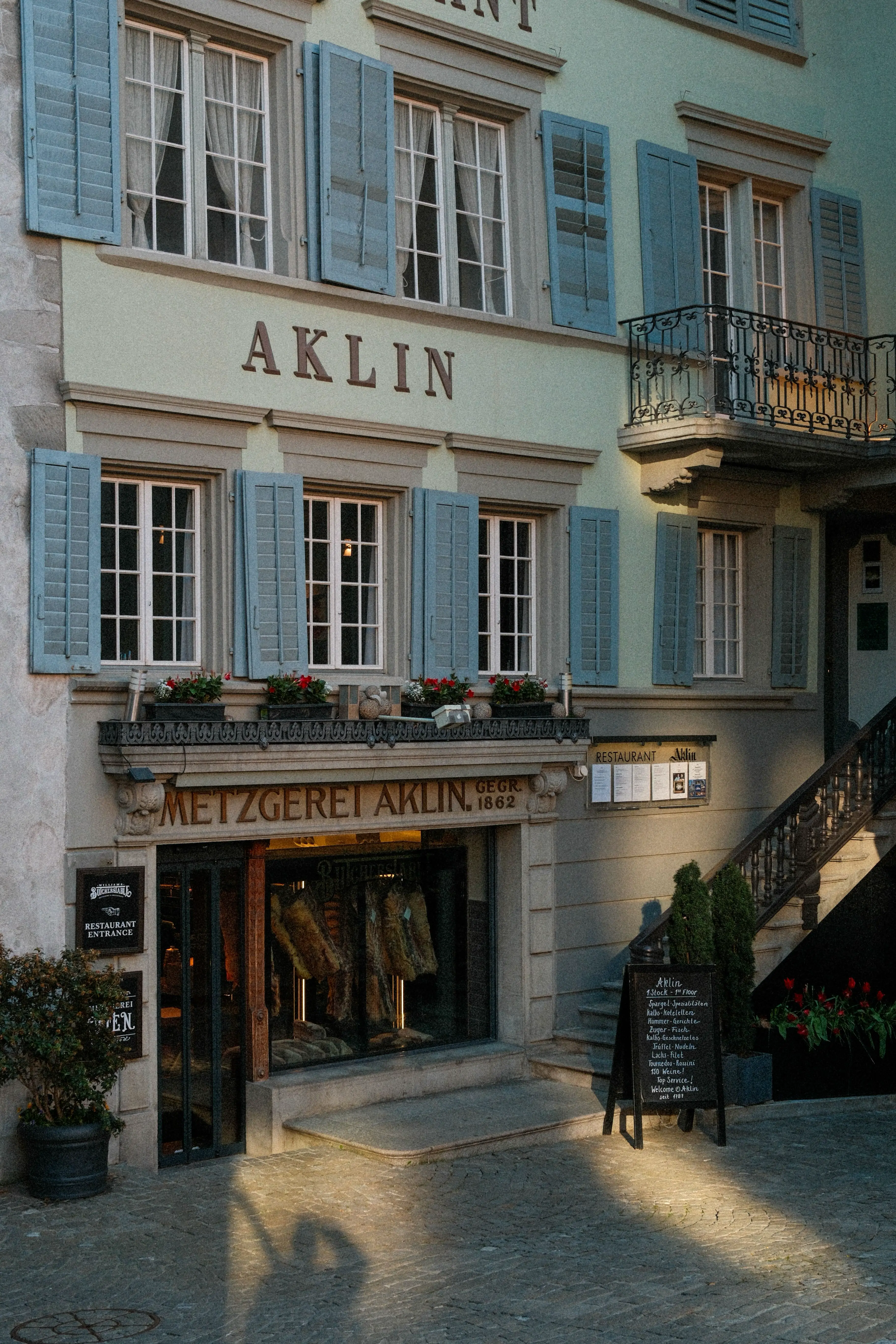
Rathauskeller Zug — Mittagsmenu around CHF 22; the dining room befindet itself in a medieval cellar beneath the town hall; busy from 12:15, quieter after 1:30pm
Café Galerie — coffee CHF 4.50, lunch plates CHF 18–24; reliable WiFi; best before the after-work crowd arrives around 5pm
Bäckerei am Marktgasse — breakfast pastries from CHF 3.50; opens at 6:30am; the kind of place man discovers on day three and returns to every morning
Takeaway lunch from the Migros on Postplatz runs CHF 8–12 and is genuinely good — not a budget compromise, just a faster option on deadline days
Dinner in die Altstadt is expensive by any European measure — budget CHF 45–65 per person at a sit-down restaurant, and don't expect that to feel like a splurge.
Bars and Evening Options
Zug's nightlife is modest, which is either a relief or a problem depending on why you're here — the old town after 10pm is quiet in a way that Zürich never quite manages.
Casino Zug Bar — drinks CHF 12–18; the lakeside terrace works from Juni through September; one of the few places in town where a conversation past midnight is socially acceptable
Uto Staffel — local wine list, no cocktail menu; CHF 9 for a glass of Swiss Fendant; the kind of place that rewards regulars and ignores tourists
The Zuger Kirsch — the local cherry schnapps — appears on almost every menu; at CHF 6–8 a measure, it's worth trying once and understanding why the town is wohl more famous for it than for its beer
If you need a proper late night, Zürich is 25 minutes by train and runs until the early hours — Zug doesn't pretend to compete with that, and it's better for not trying.
In vielen Restaurants entlang der Vorstadt und am Fischmarkt zahlen Sie für ein Mittagsmenü zwischen 22 und 32 Franken — günstig für Zug, aber spürbar teurer als vergleichbare Lokale in Luzern.
Weekly Markets and Local Shopping
The weekly market on Kolinplatz is the best argument for the old town as a place to actually live — it runs every Tuesday and Friday morning and covers produce, cheese, and flowers in a space small enough that you learn the vendors' faces within a fortnight.
Zuger Altstadtmarkt — Tuesdays and Fridays, 7am–noon; seasonal produce; a wheel of Gruyère costs less here than at any supermarket in a 10km radius
Coop City on Bahnhofstrasse covers everyday groceries; prices are standard Swiss — which means besonders expensive by any other frame of reference, but consistent
Zuger Kirschtorte at Meier — the original shop; a full cake from CHF 28; the ones in Zürich airport are not the same product
Daily shopping in the old town is convenient enough that you won't need a car — but the range is limited, and if you cook seriously, the Baar market on Saturdays gives you more variety.
Seasonal Rhythms: What Zug Altstadt Looks and Feels Like Month by Month
Zug is a different place in Februar than it is in Juni — not in character, but in texture, light, and how much of daily life happens outdoors versus behind stone walls.
Winter in the Old Town
From November through März, the altstadt quiets down in a way that is genuinely conducive to focused work — and genuinely bleak if you need social energy to function.
Dezember brings a Christmas market to the old town square; small by Swiss standards but authentic; opens first weekend of Dezember, runs through the 23rd; mulled wine CHF 6
Februar is the quietest month — lake mist sits on the water most mornings and the tourist footfall drops to almost nothing; if you're here for deep work, this is the month to book
The Fasnacht carnival runs in Februar and März — Zug's version is smaller than Basel's but genuinely local; the altstadt fills for a weekend and then empties again with unusual abruptness
Heating costs are real: furnished apartments in the old town typically include utilities, but confirm this before signing — CHF 200–300/month extra is not unusual in a stone-walled building in winter
Winter auf die lake is underrated — the mist, the empty promenade, the hour of pale light before the town wakes up — but you have to want that kind of quiet rather than just tolerating it.
Wer sich fragt, wie die Zuger Altstadt schaut, wenn der Fastnachtsumzug im Februar die Gassen füllt, wird überrascht sein: Die engen Strassen verwandeln sich in eine der stimmungsvollsten Fasnachtskulissen der Innerschweiz.
Spring and Summer: When the Town Earns Its Reputation
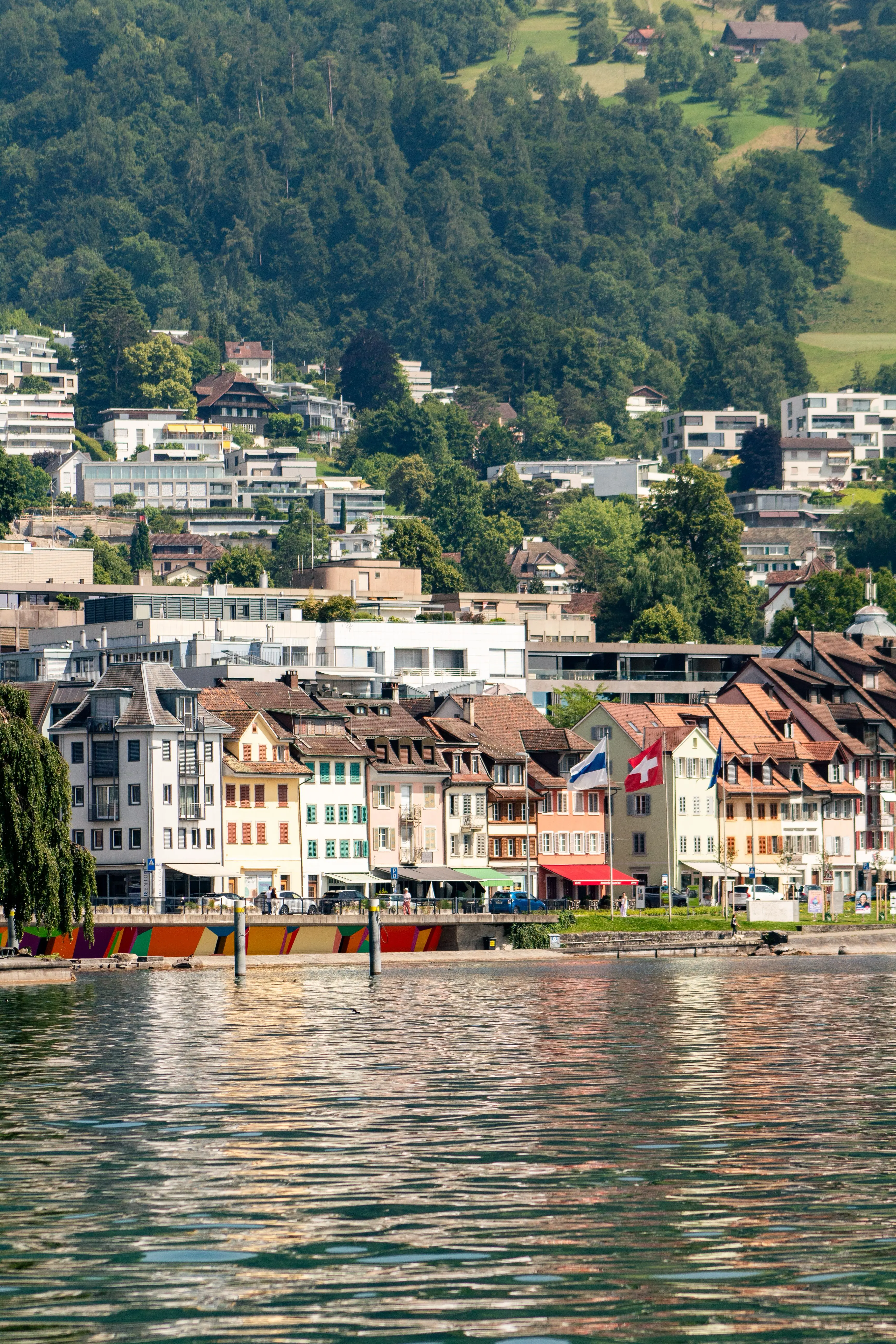
From April through September the old town makes its best argument for itself — the lake terrace fills, the market expands, and the light on the medieval façades between 6pm and 8pm is the kind of thing that makes remote work feel like a reasonable life choice.
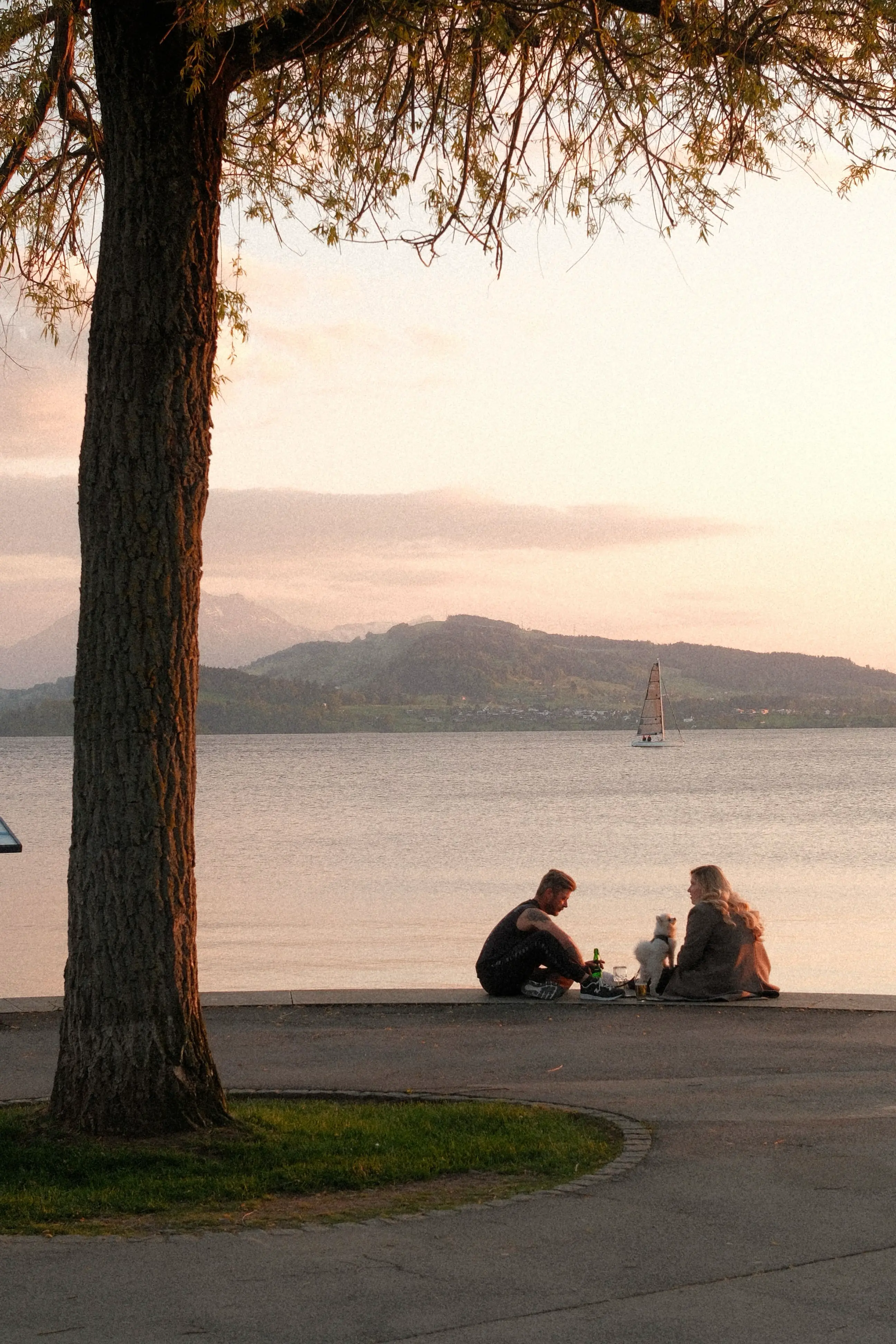
Juni und den long evenings: sunset is after 9pm at the solstice; the lakeside promenade stays populated until 10pm without feeling unsafe or noisy
Strandbad Zug — public lido on the lake; entry CHF 7; open Juni through September; the place where you will understand why people pay Zug rents to live here
Summer coworking note: café terraces fill fast on warm mornings; if you need outdoor WiFi with a power socket, arrive before 9am or accept that you're working inside
August brings day-trippers vom Zürich — the 25-minute train journey makes Zug an easy weekend escape; the altstadt absorbs this without becoming unpleasant, but the lakeside gets crowded by 11am on Saturdays
The honest case for summer in Zug is simple: you get genuine Swiss lake life at a pace that doesn't feel manufactured for tourists, and the old town provides the backdrop without demanding your attention.
Planning Your Move: Practical Logistics for Remote Workers
Zug rewards preparation more than most Swiss cities — the housing market moves fast, the bureaucracy is thorough, and arriving without a plan is an expensive way to discover both of those facts.
Finding a Furnished Apartment in Zug Altstadt
The altstadt housing stock is old, limited, and priced at a premium for the location — which means you either commit to it or choose a nearby neighbourhood and train in.
Studios in the old town core: CHF 1,800–2,400/month furnished; availability is low and turnover is slow — listings appear and disappear within days
One-bed apartments in the altstadt: CHF 2,600–3,400/month; stone walls mean variable insulation — ask about heating before November
Fully furnished apartments in Zug — the most reliable way to find short-let options in the old town without navigating Swiss rental portals in German
Baar — the adjacent municipality — offers comparable rail access to Zürich at rents roughly 20–25% lower; a practical alternative if the altstadt prices push you out
The old town is a place worth paying for if the character and walkability matter to you — but Baar and the broader Zug canton offer the same tax benefits and most of the same connections at a meaningfully lower monthly cost.
Registration, Tax, and Canton Zug Administration
Canton Zug's administration is efficient by Swiss standards — which means it is still thorough, document-heavy, and unforgiving of missing paperwork, but it moves faster than most cantons once you have everything in order.
Einwohnerkontrolle Zug (residents' registration office) befindet itself on Stadthaus 3 — registration required within 14 days of arrival; bring your rental contract, passport, and proof of income
The cantonal tax rate sits at around 22% of federal tax — significantly lower than Zürich canton; the practical difference for a remote worker on a CHF 120,000 equivalent income is roughly CHF 4,000–8,000 per year
Health insurance (Krankenkasse) is mandatory from day one — budget CHF 350–500/month for a standard plan with a CHF 2,500 deductible; this is the expense that surprises most new arrivals most
The Amt für Wirtschaft und Arbeit handles work permit queries — EU/EFTA nationals on a self-employed or remote basis typically qualify for the L or B permit; processing takes 4–6 weeks
Wer nach Zug zieht, sollte früh klären, welche Gemeinde für die Anmeldung zuständig ist — die Altstadt liegt im Stadtgebiet Zug, aber angrenzende Quartiere wie Oberwil gehören verwaltungstechnisch zu anderen Einheiten.
The tax advantage in Canton Zug is real, but it doesn't arrive automatically — you need to be properly registered, paying Swiss social contributions, and resident for a full fiscal year before it shows up on your tax bill in any meaningful way.
Der Zuger Wohnungsmarkt ist eng — Leerstände liegen unter einem Prozent, und Altstadt-Wohnungen werden oft intern weitervermittelt, bevor sie überhaupt online erscheinen.
Day Trips and Wider Connections from the Old Town
Zug's position in Central Switzerland makes it an unusually efficient base for exploring the wider region — most of what draws people to Switzerland is reachable as a day trip without the logistics of an overnight.
Lucerne: 25 minutes by train vom Zug Bahnhof; the lake, the chapel bridge, and the old town — a complete day without needing to plan further; last train back after 11pm
Zürich: 25 minutes direct; the frequency makes it a commuter option, not just a day trip — you can treat Zürich as your city and Zug as your base without choosing between them
Rigi Kulm — the 1,797 meter hohe summit above Lake Lucerne; accessible from Arth-Goldau (12 minutes from Zug by train) then rack railway; CHF 66 return; clearest views in März and Oktober
Baar connects to Zug's bus network in under 10 minutes — useful to know if you're considering the cheaper rents there but want to keep the altstadt as your daily reference point
The 25-minute Zürich connection is the number that shapes most remote workers' decisions about Zug — it's close enough to use the city freely, far enough that you're not paying Zürich rents to do it.
Dabei sollten Sie bedenken, dass die Altstadt zwar fussläufig und charmant ist, aber kaum Parkplätze bietet — wer regelmässig mit dem Auto pendelt, wird das nach zwei Wochen als echtes Problem empfinden.
Is Zug Altstadt the Right Base for You?
Who Thrives in Zug Altstadt
This place is built for remote workers who need a settled environment more than a stimulating one.
Deep-focus work benefits from the old town's quiet streets and absence of tourist noise
Swiss infrastructure means reliable internet, punctual services, and zero friction in daily logistics
A ten-minute walk along a medieval lane to a café counts as your entire commute
The slow, consistent rhythm compounds over weeks — your output tends to follow
If your best work happens when your surroundings are calm and your routines are locked in, Zug Altstadt will reward you more than its modest size suggests.
Who Should Look Elsewhere
The same qualities that make Zug Altstadt excellent for some remote workers make it genuinely wrong for others.
Costs run high even by Swiss standards — budget pressure compounds quickly on a long stay
The social scene is thin; spontaneous professional or creative connections are rare
The town's pace is deliberate to the point that it can feel like stagnation by week three
If you arrived expecting Zürich's energy, Zug will feel like a departure lounge that never boards
The honest question before booking is not whether Zug is beautiful — it is — but whether quiet and finished will feel energising or deflating once the novelty wears off.
Making the Decision
If the balance of trade-offs reads as a net positive, Zug Altstadt is the kind of base you end up staying in longer than you planned.
Commit to a minimum of three weeks — the rhythm only pays off once the routine is established
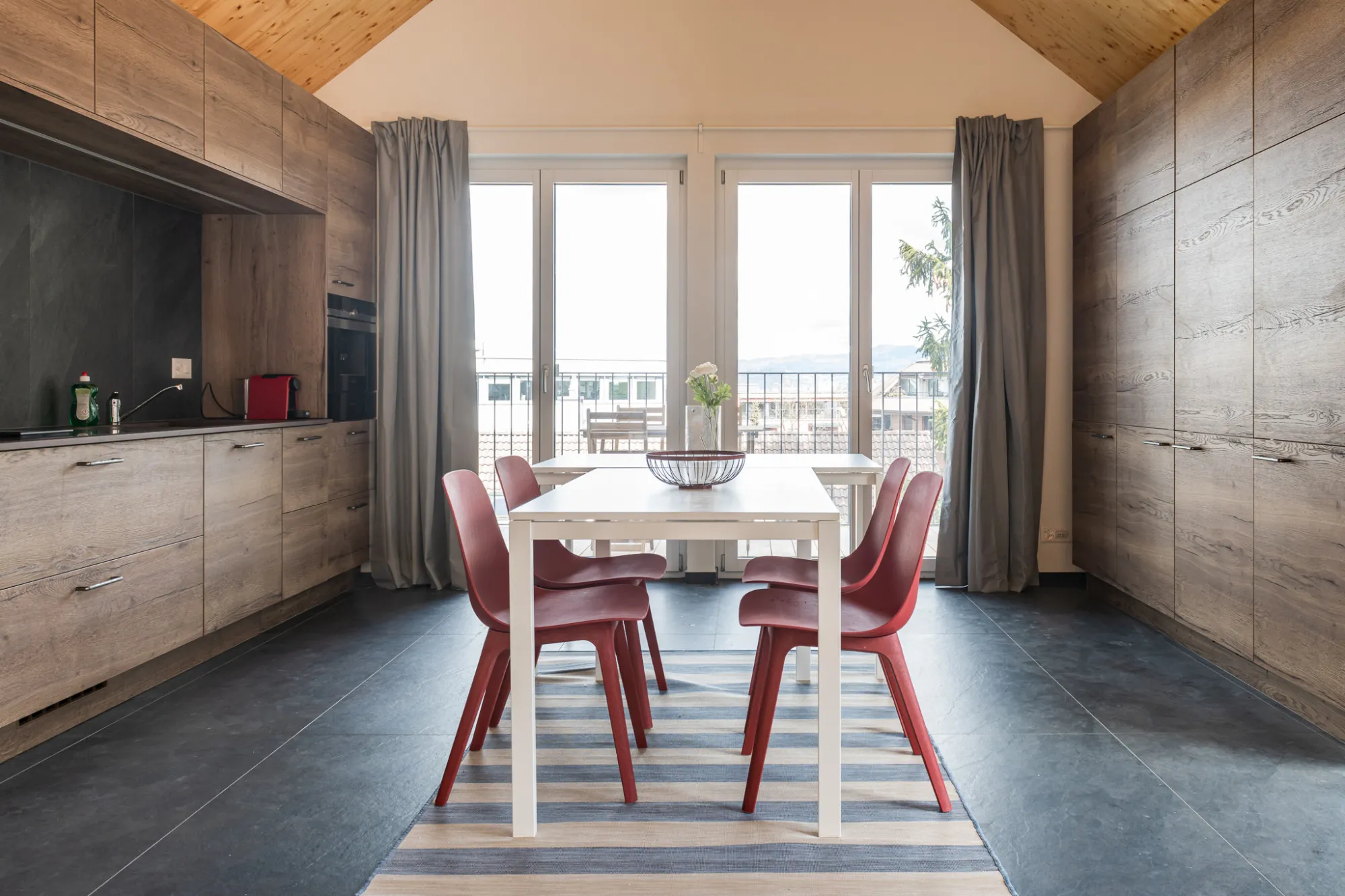
Factor full furnishing into your search; setting up from scratch at Swiss prices is punishing
Use Zug as an anchor and take day trips to Zürich or Luzern when you need urban stimulation
Browse fully furnished apartments in Switzerland early — quality inventory in the Altstadt moves fast
Wenige Schweizer Altstädte weisen einen vergleichbaren Mix aus mittelalterlicher Architektur und moderner Infrastruktur auf — Zug ist in dieser Hinsicht eine Ausnahme, nicht die Regel.
Most people who choose Zug Altstadt deliberately, rather than by default, leave wishing they had booked a longer stay from the start.