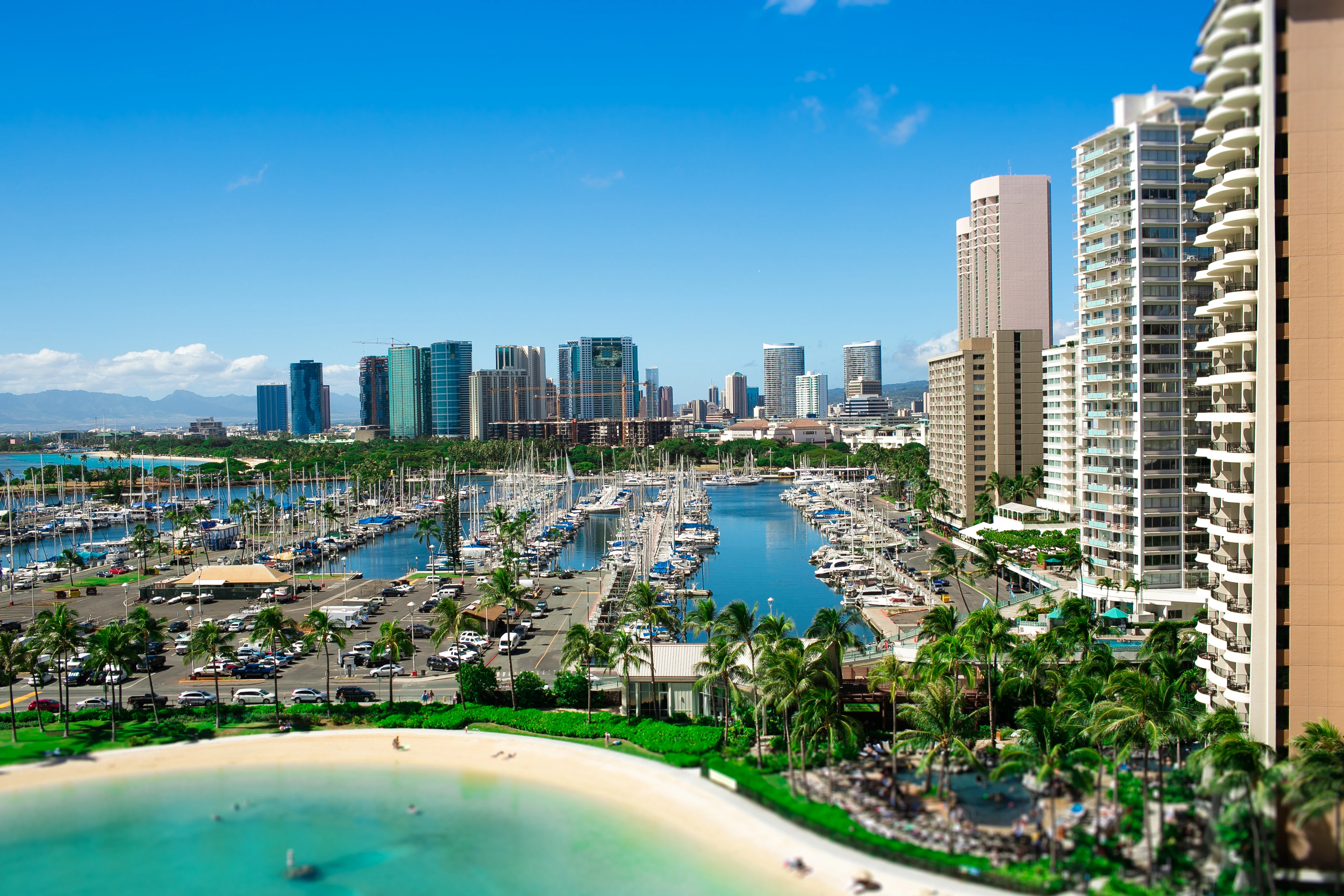
Miami Springs is one of those places most travelers pass without realizing what they’re missing. Sitting right next to Miami International Airport, this small Florida city feels worlds away from the rush of Miami Beach. Tree-lined blocks, Pueblo Revival architecture, and a strong sense of community give Miami Springs a pace that invites you to slow down and actually experience where you are.
Founded during the land boom of the 1920s, Miami Springs has a rich history tied to aviation, thoughtful city planning, and early visions of modern Florida living. Today, that history shows up in preserved landmarks, green spaces, and a walkable center filled with local restaurants, parks, and cultural attractions. It’s a place where you can spend a relaxed day exploring museums, enjoying outdoor activities, and discovering neighborhoods that still feel lived in, not staged.
Whether you’re planning a longer trip, looking for things to do near the airport, or want to explore Miami Springs as a calmer base for visiting Miami, this guide walks you through what makes the city worth your time.
Why Explore Miami Springs Instead of Just Passing Through
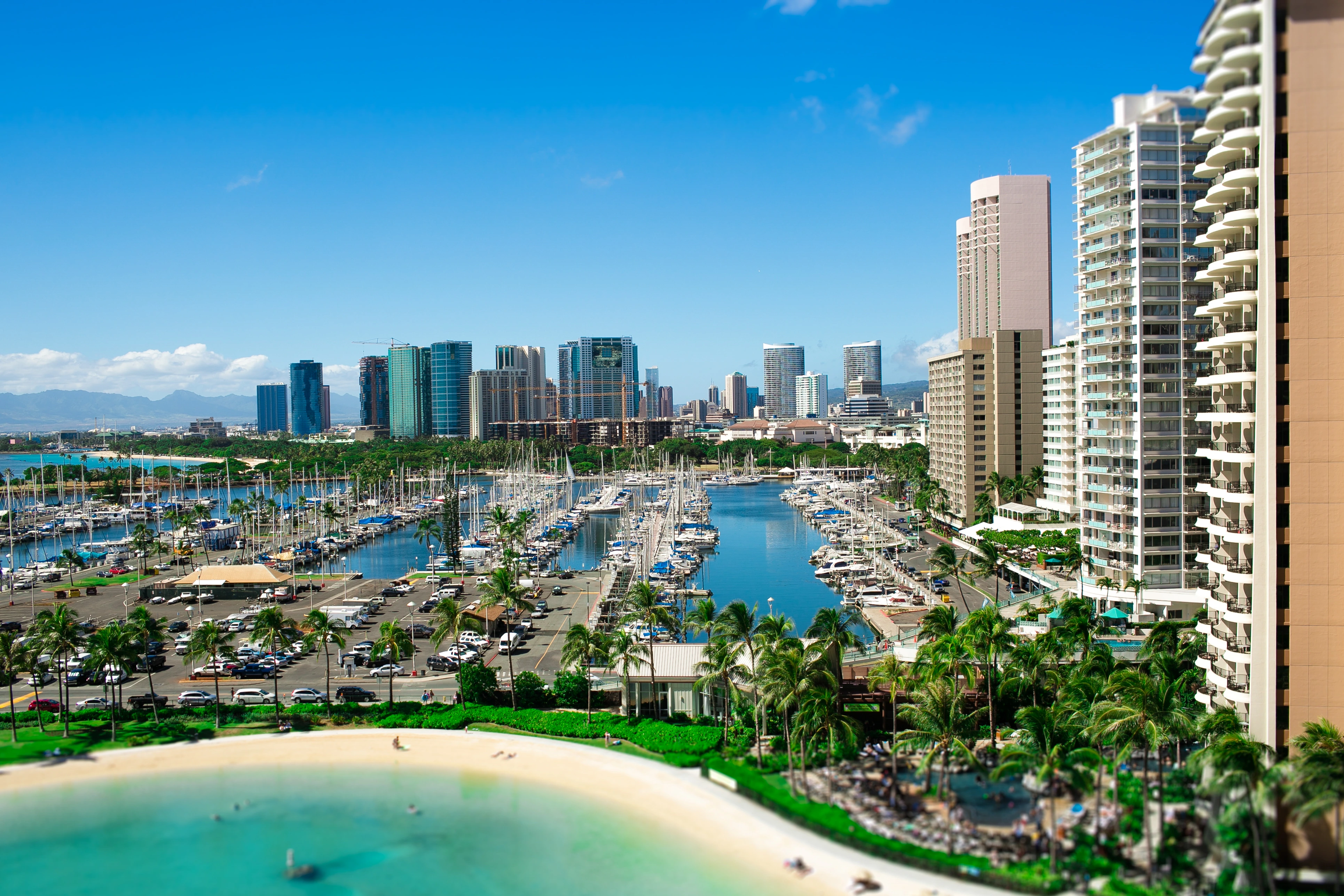
Most travelers experience Miami Springs only through a car window on the way to or from Miami International Airport. That’s a mistake. This small Florida city rewards anyone who slows down enough to step inside its blocks, where history, greenery, and local life still set the pace. From a resident-nomad perspective, Miami Springs works best when you treat it not as a stopover, but as a place to spend real time.
A City With Small-Town Charm and a Rich History
Miami Springs was founded in the 1920s as one of Florida’s first planned communities, and that intention still shows. Unlike much of Miami, the city wasn’t built to sprawl endlessly—it was designed to be lived in.
Walk the area around Curtiss Parkway and Westward Drive and you’ll notice:
-
Pueblo Revival architecture with curved façades and clay-toned details
-
Quiet residential blocks that feel cohesive rather than patched together
-
Historic homes and civic buildings that anchor the city’s identity
Local tip: Take an early morning walk through the neighborhood streets just after sunrise. It’s the easiest way to appreciate the architecture without traffic, and you’ll often see long-time residents out walking dogs or heading to coffee—an easy entry point into the city’s rhythm.
Right Next to Miami International Airport—Without Feeling Like It
Miami Springs is bordered by Miami International Airport, yet rarely feels dominated by it. The reason is smart planning: green buffers, parks, and residential zoning create separation that keeps daily life calm.
From a practical travel standpoint, this location is hard to beat:
-
Less than 10 minutes to airport terminals
-
Direct access to major roads for quick trips into Miami or toward Miami Beach
-
Easy connections to nearby Virginia Gardens and surrounding neighborhoods
Nomad insight: If your flight lands late or leaves early, staying in Miami Springs saves you time and stress. You avoid long drives while still waking up in a walkable, quiet city rather than a hotel strip.
A Walkable Center That Actually Works
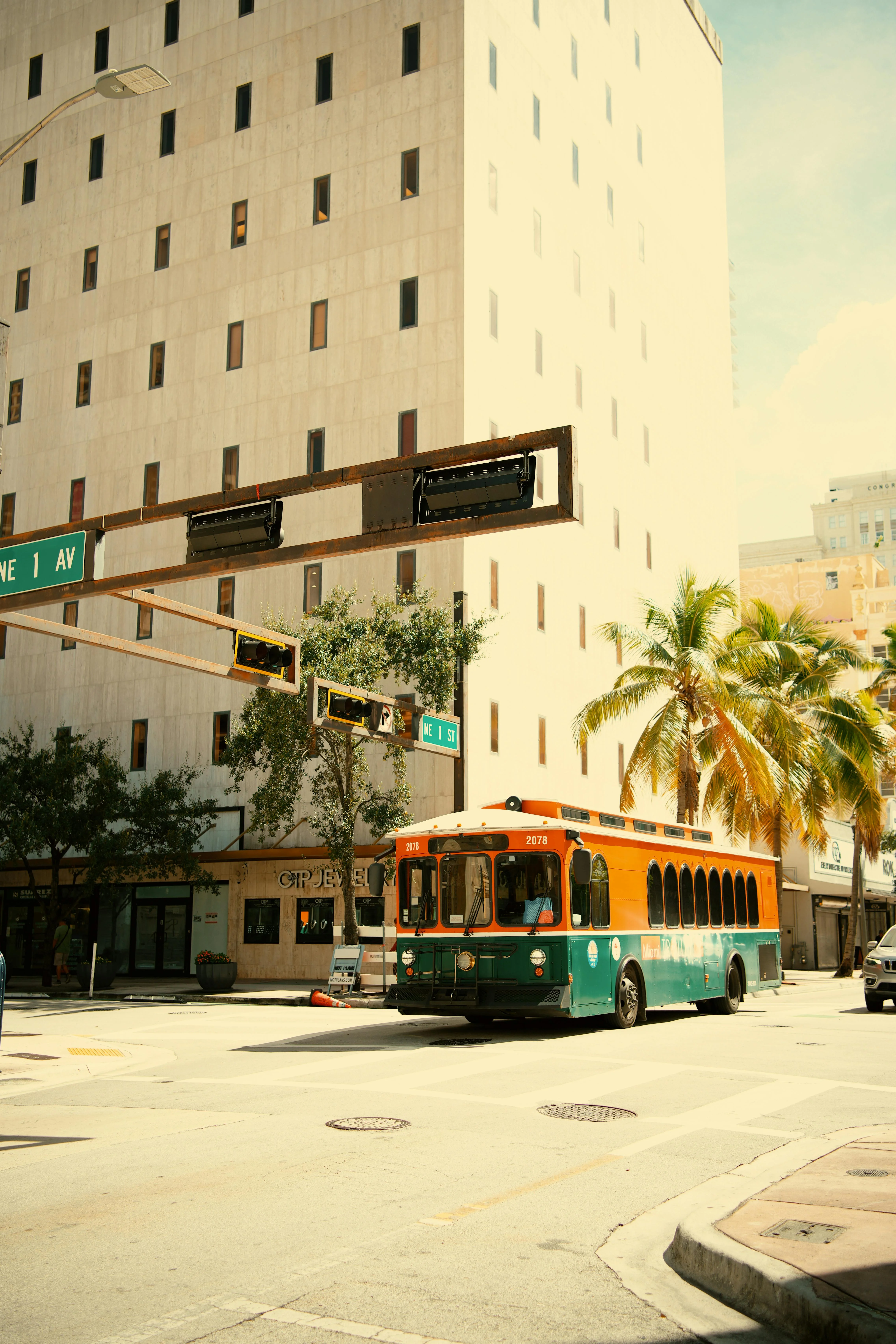
Miami Springs has a true center where daily errands and leisure overlap naturally. The area near Miami Springs Community Center, Stafford Park, and local restaurants makes it easy to build a day without planning every detail.
Within a few connected blocks, you can:
-
Visit Miami Springs Historical Museum for a quick history dive
-
Relax at Stafford Park, a favorite local green space
-
Catch a community event or performance at the Rebecca Sosa Theater
-
Sit down for dinner at a long-standing neighborhood restaurant
Local tip: Saturdays are ideal. Start at the Miami Springs Farmers Market, walk through nearby streets, then end the day with dinner close to the park. Everything flows without needing a car.
Miami Springs works best when you let it be what it is: a city designed for people, not crowds. Instead of rushing through, spending a day here gives your trip balance—history, ease, and a sense of place that’s increasingly hard to find in Miami.
Historic Sights and Cultural Attractions in Miami Springs
Miami Springs is a city where history isn’t boxed behind velvet ropes—it’s woven into everyday places you can walk, visit, and actually enjoy. If you want to explore Miami Springs beyond surface-level attractions, this is where to begin. The city’s aviation roots, preserved landmarks, and active cultural spaces give it a depth that rewards curiosity and a slower pace.
Curtiss Mansion: The Heart of Miami Springs’ Aviation History
The Curtiss Mansion is one of the most important sights in Miami Springs and a cornerstone of the city’s rich history. Built by aviation pioneer Glenn Curtiss, this Pueblo Revival–style landmark reflects the vision behind the city when it was founded in the 1920s.
What makes it worth a visit:
-
Restored interiors that showcase original architectural details
-
Gardens and outdoor spaces often used for events and community gatherings
-
Rotating exhibitions and guided visits that connect the mansion to early aviation and Florida development
Local tip: Check the mansion’s event calendar before you go. Even if you don’t tour the interior, walking the grounds during an open event gives you a feel for how this historic space still functions as part of city life.
Miami Springs Historical Museum
For a deeper dive into local history, the Miami Springs Historical Museum offers one of the most accessible museum experiences in the area. It focuses on aviation, early planning, and how the city developed alongside Miami International Airport.
Why it’s a smart stop:
-
Free admission
-
Open Saturdays, making it easy to plan into a weekend trip
-
Exhibits suitable for all ages
-
Accessible layout that accommodates disabled visitors
Nomad insight: This is a short, high-impact visit—perfect to pair with a walk through nearby blocks or a coffee stop afterward. You’ll leave with context that makes the rest of the city feel more meaningful.
Rebecca Sosa Theater and the Community Center
Cultural life in Miami Springs often revolves around the Miami Springs Community Center, home to the Rebecca Sosa Theater. This is where local performances, theater productions, and community events take place throughout the year.
What you’ll find here:
-
Theater performances ranging from local productions to touring shows
-
Concerts and seasonal events
-
A central gathering place that reflects the heart of the city
Local tip: Evening performances here pair well with dinner nearby. Grab a table at one of the long-standing restaurants around the center and make it an easy, walkable night out without leaving Miami Springs.
Together, these attractions tell the story of a city shaped by vision, aviation, and community. They’re not headline-grabbing sights like you’ll find in Miami Beach, but they offer something more lasting: a sense of place that turns a quick visit into a richer experience.
Outdoor Activities and Green Spaces Around Miami Springs
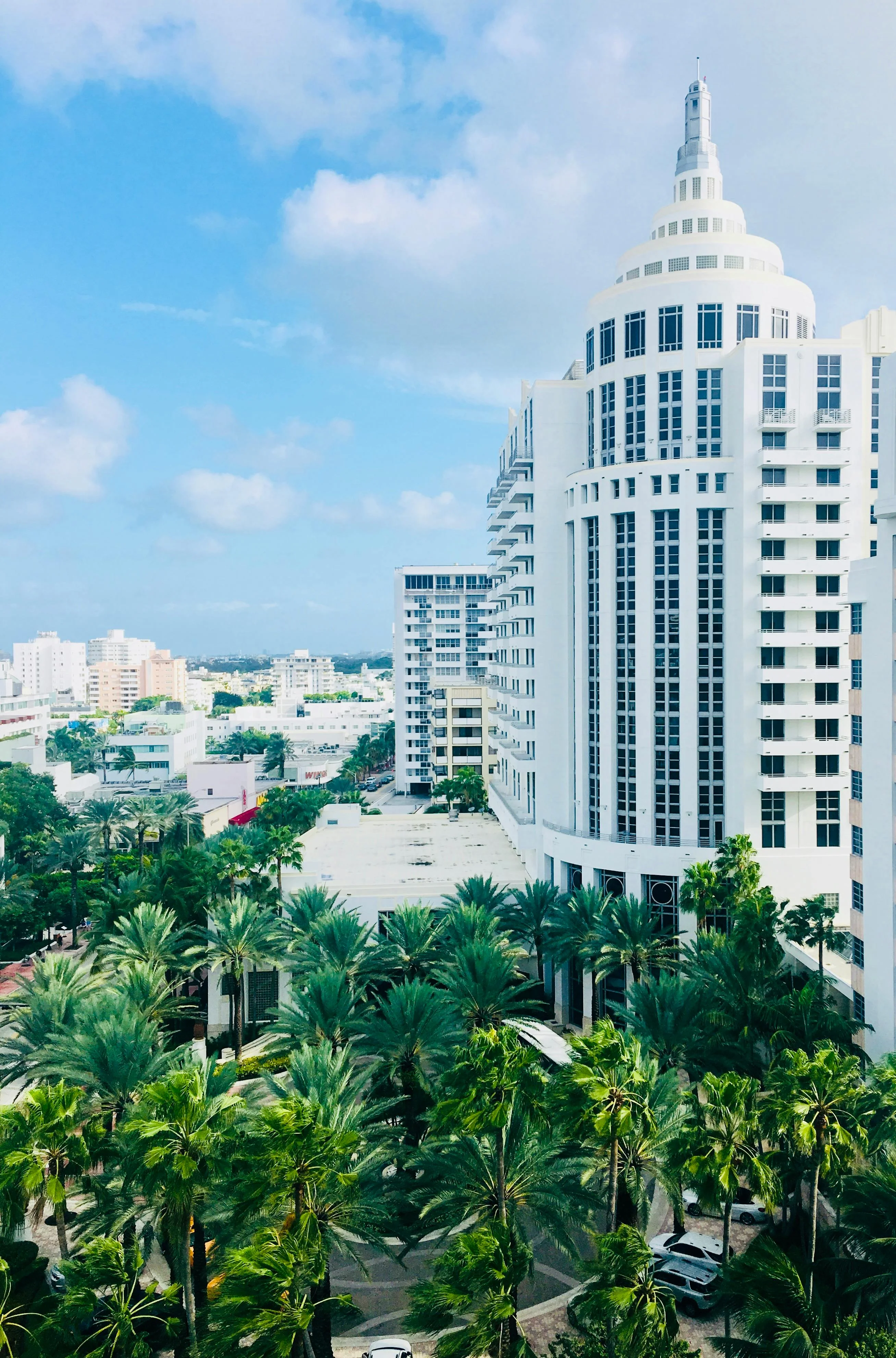
Miami Springs makes outdoor time easy because parks, recreation spots, cafés, and restaurants are tightly woven together. From a resident nomad perspective, this is one of the city’s biggest advantages—you can move from activity to activity without planning your entire day around traffic or long drives. Outdoor breaks here feel natural, not like a separate excursion.
Miami Springs Golf & Country Club
The Miami Springs Golf & Country Club is one of the city’s most recognizable attractions and a major part of its rich history. As the oldest golf course in Miami, this public 18-hole, par 71 course blends classic design with a relaxed atmosphere that suits visitors just as much as locals.
Why it stands out:
-
Historic layout framed by mature trees
-
Slower pace than many Miami-area courses
-
Open access without private-club pressure
Local tip: Even if you don’t golf, stop by mid-morning and walk the edge of the course. Pair it with breakfast or lunch at Craft South Miami, located nearby, known for elevated comfort food and a strong brunch crowd.
Stafford Park: Green Space at the Center of Daily Life
Stafford Park sits close to the city center and functions as a natural meeting point. It’s where residents walk dogs, families gather, and visitors can pause between attractions.
What you’ll find:
-
Shaded walking paths and open lawns
-
Sports courts and playground areas
-
Weekend community events and casual gatherings
Where to refuel nearby:
-
Crema Gourmet Espresso Bar – A reliable stop for coffee, light bites, and Wi-Fi before or after a park walk
-
El Brazo Fuerte Bakery – A local favorite for Cuban pastries and quick café con leche
Nomad insight: Grab coffee first, walk a few blocks through the neighborhood, then settle into the park. It’s one of the easiest ways to experience daily life here.
Miami Springs Aquatic Center
The Miami Springs Aquatic Center offers one of the most well-rounded outdoor activity options in the city, especially in warmer months. It’s designed to work for all ages and doesn’t feel like a tourist attraction—it’s very much part of local life.
Highlights include:
-
Large swimming area for casual laps
-
35-foot water slide
-
Zero-entry kiddie pool
-
Clean, accessible facilities
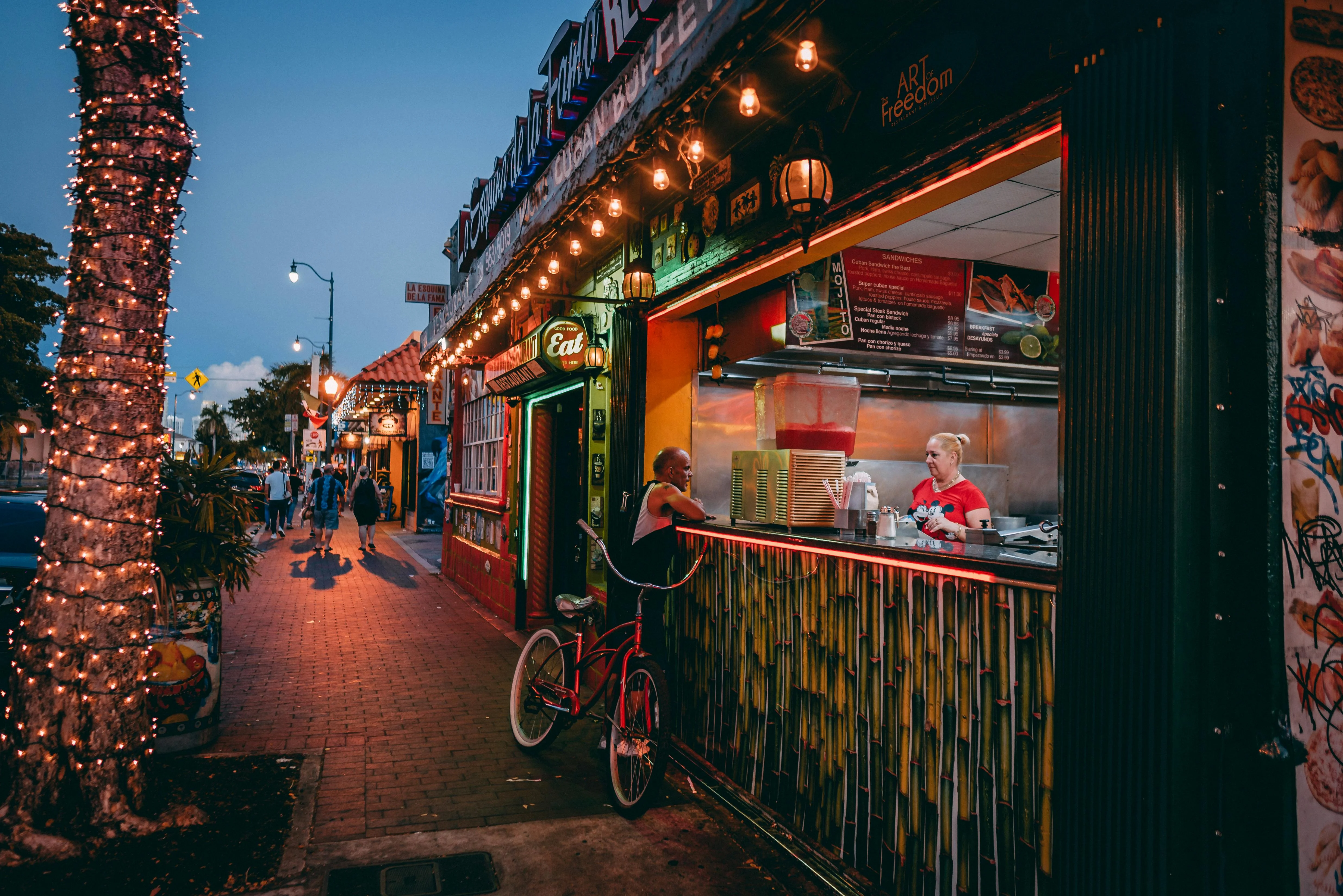
Local tip: Visit on a weekday morning, then head to La Famosa Cafeteria afterward for a casual Cuban lunch. Their sandwiches and daily specials are popular with residents who use the aquatic center regularly.
Outdoor Time Without Breaking Your Day
One of the most underrated parts of Miami Springs is how easily outdoor activities fit into a broader plan. You don’t need to dedicate an entire day to parks or recreation.
A simple flow locals recommend:
-
Morning coffee near Stafford Park
-
A walk through nearby blocks to admire architecture
-
Midday swim or stroll
-
Lunch at a neighborhood restaurant
-
Evening event or quiet dinner close by
This balance of green space, food, and walkability is what makes Miami Springs feel like a place you can truly enjoy rather than rush through.
Where to Eat, Shop, and Take a Sweet Break in Miami Springs
Food is one of the easiest ways to understand the heart of Miami Springs. This isn’t a city of flash-in-the-pan openings or influencer-only hotspots—it’s built on long-running restaurants, family-owned shops, and dessert counters locals return to week after week. From a resident nomad perspective, this is where you settle into the city’s rhythm and stop feeling like a visitor.
Local Restaurants That Define the City
Miami Springs has a dining scene shaped by Cuban roots, Southern comfort influences, and neighborhood loyalty. Many of the most popular restaurants sit just a block or two apart, making it easy to build meals into your day without driving.
Reliable local favorites include:
-
MIAMI Cafe Wynwood – Known for elevated comfort food, brunch plates, and a lively local crowd; a good choice when you want something familiar but well executed
-
Enriqueta's Sandwich Shop – A go-to for Cuban sandwiches, daily specials, and quick lunches that feel authentically local
-
Old Tom’s Sports Bar – Casual, social, and ideal if you want to watch a game or grab a relaxed dinner without pretension
Local tip: Lunch tends to be quieter than dinner at many restaurants. If you want a more relaxed experience, aim to eat between noon and 1 p.m., then walk a nearby block afterward to let the city slow you down.
Shops and Small Businesses Worth Discovering
While Miami Springs isn’t a major shopping destination, its small collection of shops reflects everyday life rather than tourist trends. These are places residents rely on, not just browse once.
What to look for as you explore Miami Springs:
-
Independent boutiques along central streets
-
Specialty stores tied to long-running family businesses
-
Practical shops mixed into residential blocks rather than separated into malls
Nomad insight: The best way to discover shops here is simply to walk without an agenda. Start near the city center, wander a few blocks outward, and notice which storefronts locals actually use.
Desserts, Bakeries, and Coffee Stops
Sweet breaks are an essential part of daily life in Miami Springs, especially in the afternoon when the pace slows and people step out between activities.
Local dessert and coffee stops to check:
-
El Brazo Fuerte Bakery – A neighborhood staple for Cuban pastries, guava treats, and café con leche
-
Pasion del Cielo Coffee – Popular for espresso drinks, light desserts, and a comfortable place to sit and reset
-
Gelato-style dessert counters and bakeries tucked into side streets near restaurants
Local tip: Dessert spots tend to get busier after dinner. If you prefer a quieter experience, stop mid-afternoon instead—locals often treat it as a pause between errands rather than a night out.
Eating as Part of the Daily Experience
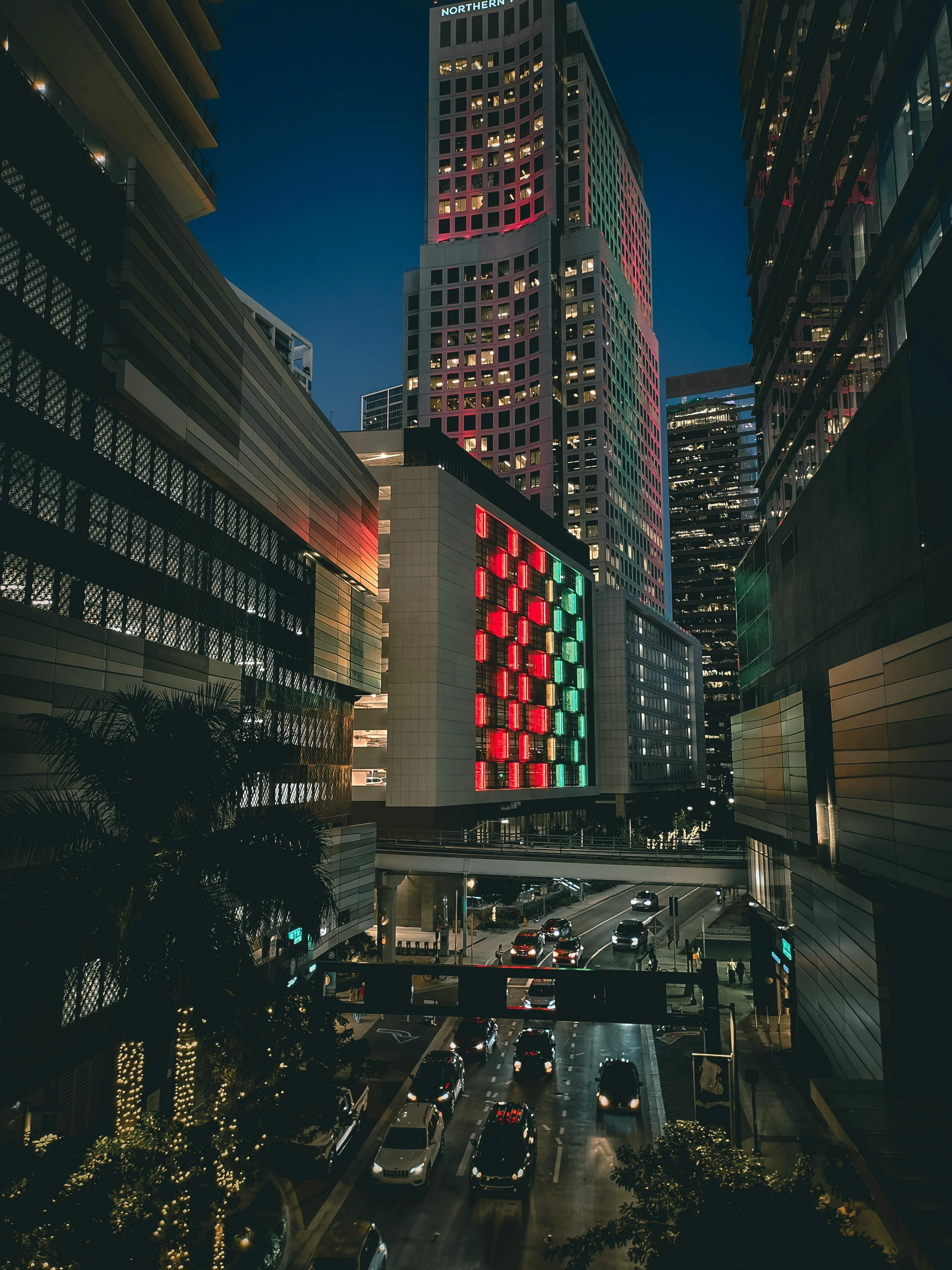
One of the best things about Miami Springs is how food naturally fits into the day. Restaurants, dessert stops, parks, and attractions sit close together, so meals feel like part of the experience rather than the main event.
A simple local flow:
-
Morning coffee near your home base
-
Lunch at a Cuban cafeteria
-
Dessert stop after a museum visit
-
Casual dinner near a park or community event
This approach lets you enjoy the city at a comfortable pace, turning meals into anchors throughout the day rather than rushed stops.
Community Events, Markets, and Everyday Culture
This is where the heart of the place really shows. Beyond museums, parks, and restaurants, local life revolves around small-scale events and weekly gatherings that are easy to join and never feel overproduced. From a resident nomad guide perspective, this is how you move from “seeing attractions” to actually experiencing daily rhythm.
Saturday Farmers Market and Local Makers
The Miami Springs Farmers Market runs on Saturdays and is one of the easiest ways to plug into the community without planning ahead. It’s compact, friendly, and built around conversation as much as shopping.
What you’ll typically find:
-
Local produce and seasonal fruit
-
Baked goods, bread, and handmade desserts
-
Small crafts and locally made goods
Local tip: Arrive earlier in the morning, then walk a nearby block with coffee in hand. Many residents treat the market as the start of their day rather than the main event.
Live Performances, Concerts, and Theater
Community events are a regular part of the calendar, especially performances held at the Rebecca Sosa Theater inside the Community Center. These range from theater productions to concerts and cultural programs that appeal to a wide mix of ages.
What makes these events worth checking:
-
Affordable or free entry for many performances
-
A relaxed atmosphere where locals actually attend
-
Programming that reflects local interests rather than tourism
Nomad insight: These events are ideal if you want something to do in the evening without committing to a long drive or late night. Pair a show with a casual dinner nearby and call it an early end to the day.
Seasonal and Outdoor Events
Throughout the year, you’ll also find smaller outdoor gatherings tied to holidays, family-friendly activities, and neighborhood celebrations. These aren’t headline festivals—they’re designed for residents and visitors who want something low-pressure.
Common types of events include:
-
Open-air concerts in parks
-
Holiday celebrations and community fairs
-
Family-oriented activities that don’t feel tourist-heavy
Local tip: If you’re planning a longer trip, check the city’s event calendar early. Even one well-timed event can shape how you spend a full day.

Why Events Matter More Than Attractions
While landmarks and sights give structure to a visit, events give it texture. They’re where conversations happen, routines show themselves, and the city feels like a home rather than a checklist.
A simple local approach:
-
Morning market
-
Midday activities or outdoor time
-
Late afternoon rest
-
Evening performance or casual gathering
This flow keeps the day balanced and prevents burnout, especially if you’re traveling for more than a few days.
Day Trips and Nearby Attractions Worth Adding to Your Trip
One of the biggest advantages of using this area as a base is how easy it is to branch out without turning your schedule into a logistics exercise. You’re close enough to major cultural sights and natural escapes that day trips feel light, not exhausting. From an experienced nomad perspective, this flexibility is what lets you enjoy more without overscheduling your time.
Wynwood Walls and the Arts District
If you want color, energy, and creative momentum, Wynwood is one of the easiest nearby attractions to reach. The area is known for large-scale murals, galleries, and warehouse-style spaces that change often enough to reward repeat visits.
What to focus on:
-
Wynwood Walls for rotating street art installations
-
Independent galleries and pop-up exhibitions
-
Coffee spots and casual restaurants scattered between murals
Local tip: Go earlier in the day, then leave before sunset. You’ll see more art, avoid crowds, and still have energy left for dinner back near your home base.
Vizcaya Museum & Gardens
For a slower, more reflective outing, Vizcaya Museum & Gardens offers a contrast to urban energy. The historic estate blends architecture, landscaped gardens, and waterfront views into a single, immersive experience.
Why it works well as a half-day visit:
-
Indoor museum rooms balanced with outdoor gardens
-
Clear walking paths and shaded areas
-
A calm pace that doesn’t feel rushed
Nomad insight: This is best done on a weekday morning. You’ll have more space to move, take photos, and actually absorb the experience.
The Everglades and Outdoor Escapes
If you’re craving nature, the Everglades make an easy and worthwhile day trip. This is one of the few places where wildlife, wetlands, and wide-open space sit close to a major urban area.
Popular ways to experience it:
-
Airboat rides for a fast introduction
-
Boardwalk trails for slower exploration
-
Visitor centers that explain local ecosystems
Local tip: Bring water, sun protection, and plan to go earlier rather than later. Midday heat can shorten how long you want to stay outside.
How to Choose the Right Day Trip
Not every outing needs to be ambitious. The best nearby attractions are the ones that fit naturally into your rhythm rather than dominate the entire day.
A simple way to decide:
-
Low energy day → museum or gardens
-
High energy day → arts district exploration
-
Reset day → nature-focused trip
By choosing one main outing per day and leaving space around it, you’ll avoid the burnout that comes from trying to see everything at once.
Miami Springs vs Miami Beach: Which Fits Your Trip?
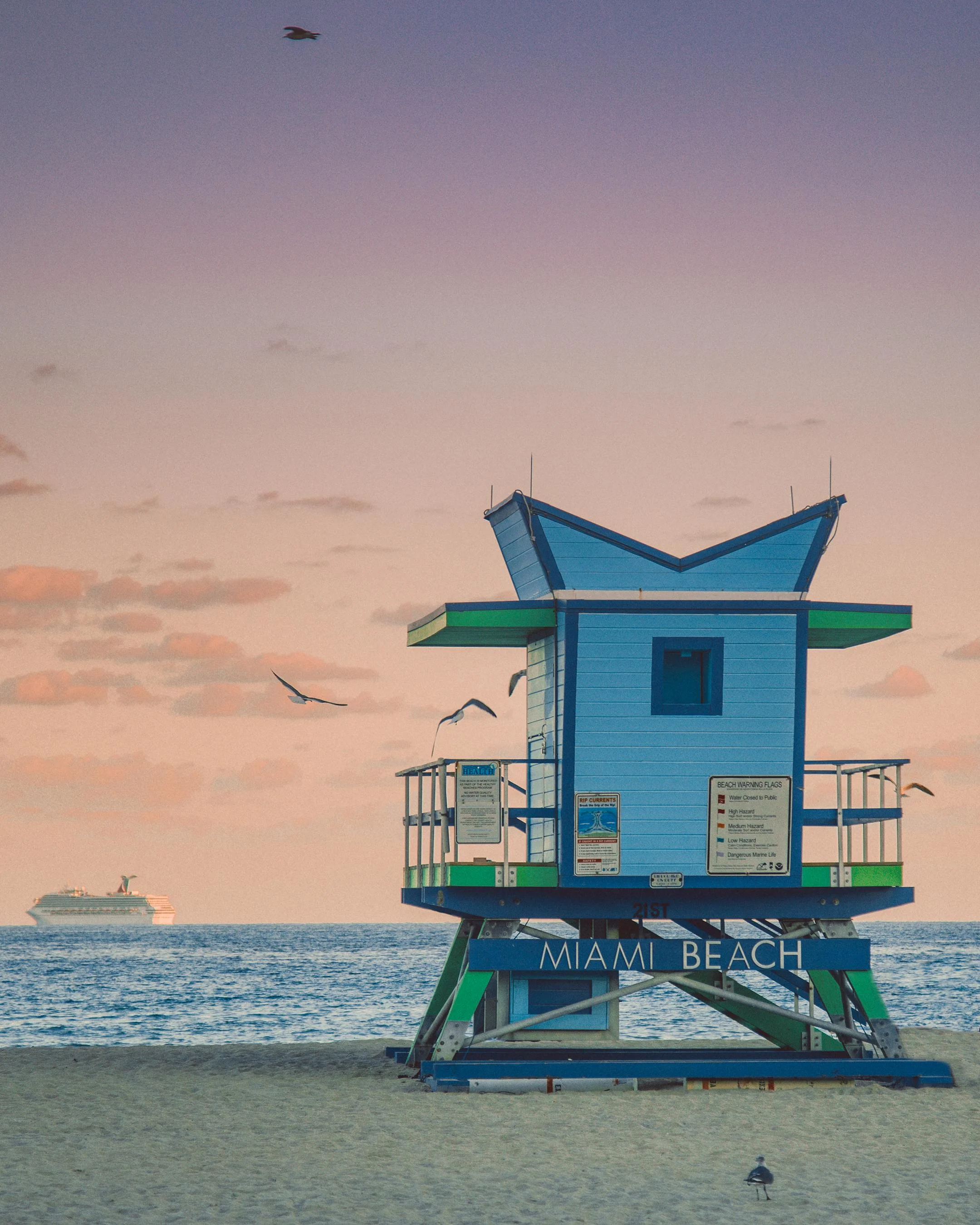
Choosing where to base yourself shapes how your days actually feel. While both places sit close enough to combine in one trip, they deliver very different experiences. This comparison helps you decide what fits your travel style, energy level, and expectations—without needing to bounce between neighborhoods unnecessarily.
How the Experiences Differ
One area is built around everyday life, routines, and local rhythm. The other is designed for spectacle, nightlife, and constant movement. Neither is better in absolute terms—they simply serve different purposes.
From a nomad-guide perspective, the key differences usually show up in how you spend your time:
-
Pace of the day
-
Noise and crowd levels
-
How easy it is to settle into a routine
-
Cost and effort required just to move around
Quick Comparison
| What You’re Looking For | Miami Springs | Miami Beach |
|---|---|---|
| Overall vibe | Calm, residential, lived-in | Energetic, social, high-traffic |
| Daily rhythm | Walkable blocks, predictable flow | Constant activity, late nights |
| Best for | Longer stays, balance, routine | Short visits, nightlife, visuals |
| Noise levels | Generally low | Consistently high |
| Getting around | Mostly on foot or short drives | Traffic-heavy, parking-dependent |
When Each One Makes Sense
If your goal is to stack activities back-to-back, stay out late, and prioritize social scenes, the coastal option makes sense for a short burst. If you value ease, quieter evenings, and a place that feels more like home between outings, the inland option tends to work better—especially for trips longer than a few days.
Local insight: Many experienced travelers split their time. They base themselves somewhere calm, then visit louder areas during the day before returning to quieter streets at night. That balance often leads to better sleep, lower stress, and a more sustainable pace.
This decision doesn’t have to be permanent—it’s about matching your base to how you actually want your days to unfold.
How to Spend a Day Here Without Overplanning
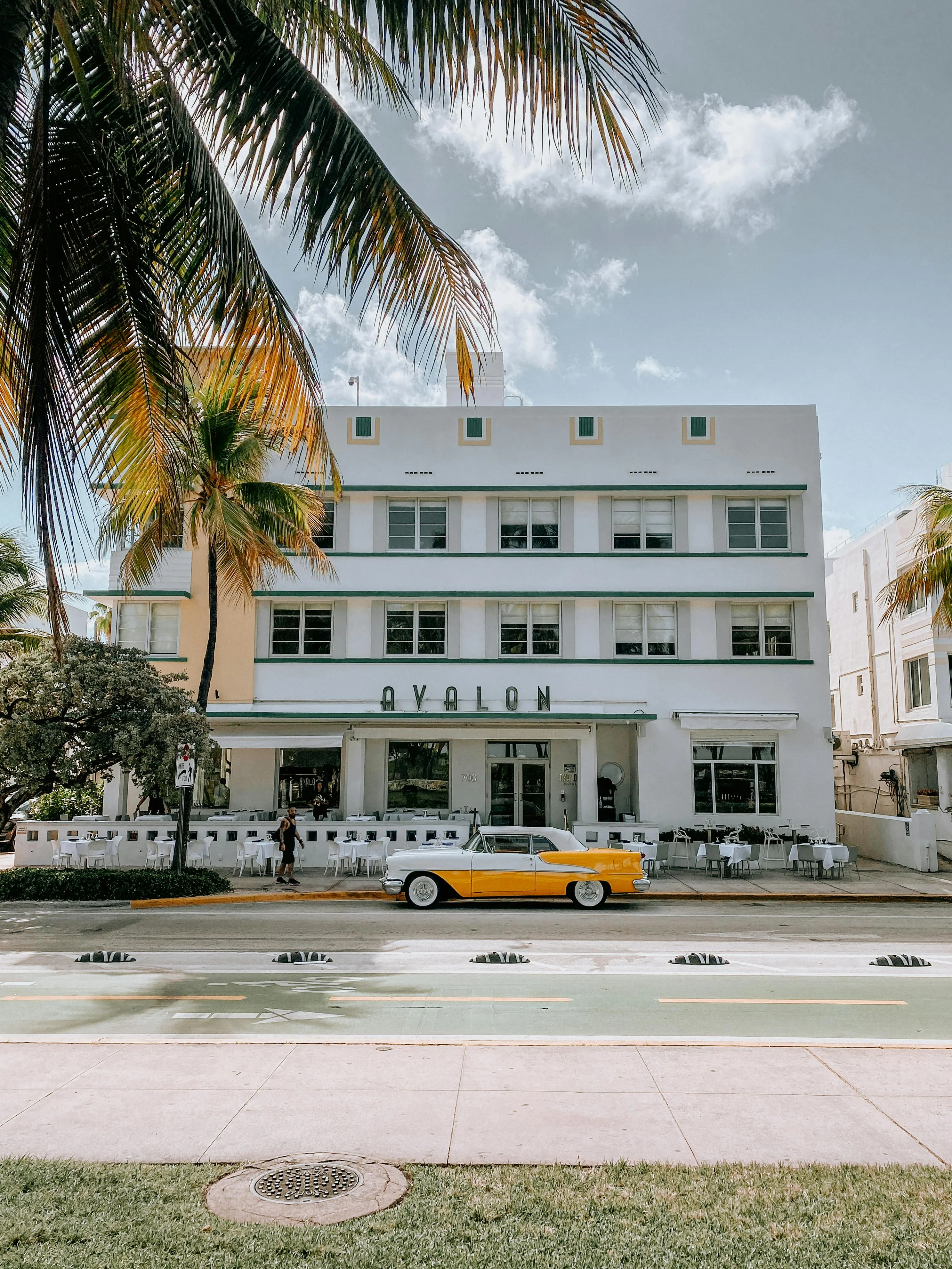
This section is designed for travelers who want structure without rigidity. Instead of chasing every attraction, the goal is to move through the day in a way that feels natural, balanced, and sustainable—especially if your trip lasts more than a night or two.
Morning: Ease Into the Day
Begin slowly. One of the advantages here is that mornings don’t feel rushed or overstimulated, which makes it easier to settle in.
A simple morning flow:
-
Coffee and light breakfast at a neighborhood café you passed the day before
-
A relaxed walk through residential blocks to notice architectural details and greenery
-
A short stop at a local museum or historic site while energy is still fresh
Nomad tip: This is the best time to pause, observe, and get your bearings. There’s no need to plan aggressively—just let the day begin at its own pace.
Midday: Choose One Anchor Activity
Rather than stacking multiple attractions, pick one midday focus and build around it. This could be cultural, outdoors-focused, or food-driven depending on mood and energy.
Good midday options include:
-
A longer museum visit followed by lunch nearby
-
Outdoor activities paired with a casual meal
-
Time set aside to read, write, or recharge in a shaded public space
Local insight: Treat this part of the day as the star of your schedule. Everything else should support it, not compete with it.
Afternoon: Leave Space to Wander
Afternoons are ideal for wandering without a checklist. This is where small discoveries tend to happen.
Ways to spend the afternoon:
-
Walk into shops that catch your eye
-
Stop for desserts or an unplanned snack
-
Sit somewhere comfortable and simply enjoy the surroundings
This is often when the heart of a place reveals itself—not through landmarks, but through everyday movement and conversation.
Evening: Low-Key and Local
Evenings don’t need to be loud to be memorable. A simple, well-paced end to the day usually works best.
A grounded evening plan:
-
Early dinner within walking distance
-
A local event, performance, or quiet outing if available
-
A short walk afterward to wind down
Nomad perspective: Ending the day gently makes it easier to wake up rested and repeat the rhythm without burnout.
Explore Miami Springs Beyond the Tourist Path
Once you’ve covered the obvious highlights, the most interesting experiences are tucked into places most visitors overlook entirely. These spots don’t advertise themselves as attractions, but they offer insight into local life, design history, and how the area actually functions day to day.
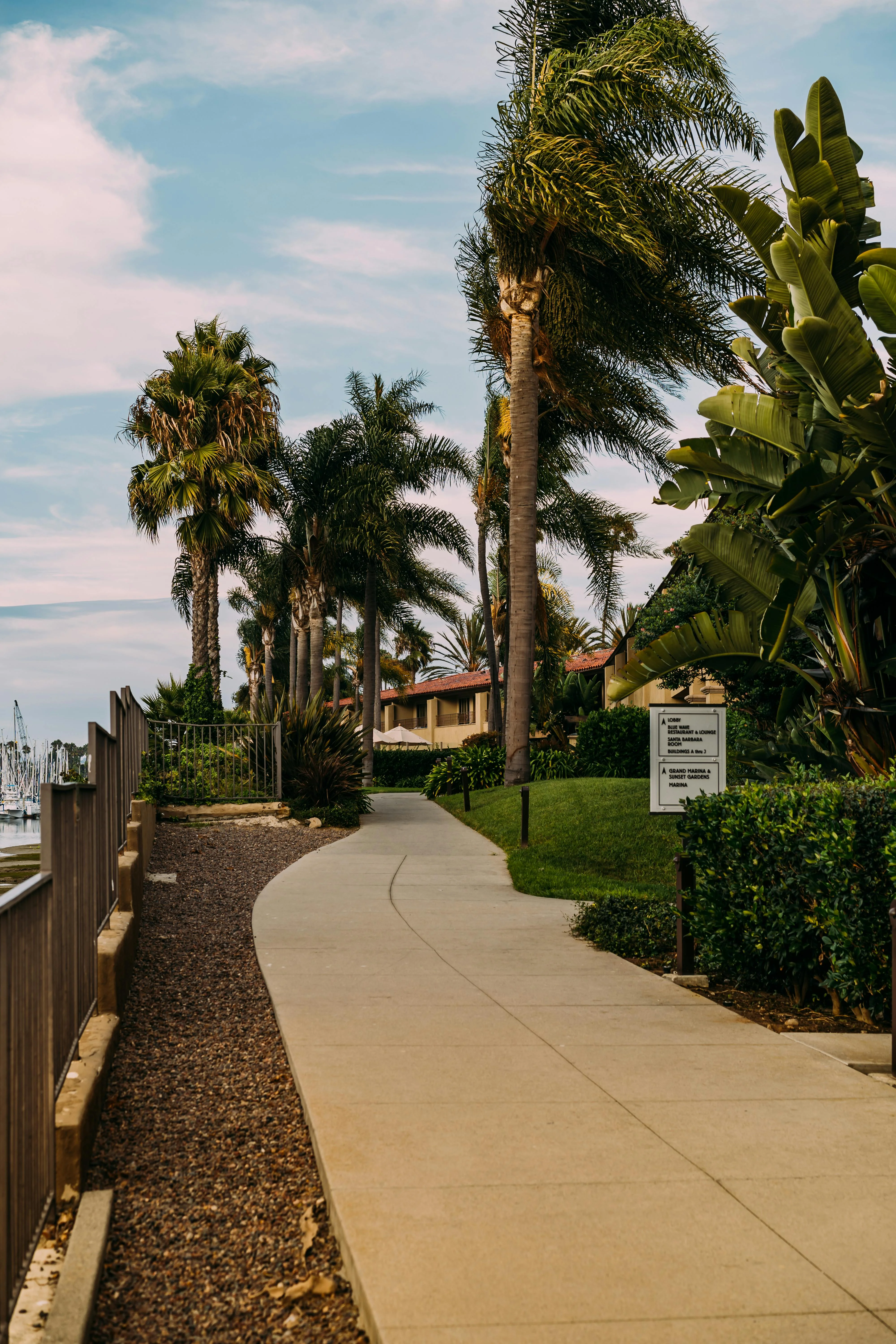
Curtiss Parkway Side Streets and Hidden Architecture
Most people drive straight through Curtiss Parkway without ever turning off. That’s where the mistake happens. The smaller residential streets branching off the main road contain some of the best-preserved examples of early neighborhood design.
What to look for:
-
Subtle variations in Pueblo Revival–inspired homes
-
Original curved walls, ironwork, and courtyard-style layouts
-
Quiet streets where architectural details are easier to spot than on main roads
Local tip: Walk these streets mid-morning when light hits façades evenly and traffic is minimal. It’s the best time to notice design details that disappear later in the day.
Miami Springs Golf Course Neighborhood Loop (Even If You Don’t Golf)
Most guides mention the golf course itself, but very few suggest exploring the surrounding loop. The residential streets wrapping around the course feel noticeably calmer and greener.
Why this area stands out:
-
Open sightlines and mature trees
-
Homes designed to blend into green space rather than dominate it
-
A noticeable drop in noise despite proximity to major roads
Nomad insight: This loop is ideal if you want a longer walk without repeating scenery. It’s also one of the most peaceful areas to mentally reset after a busy morning.
Stafford Park After Hours
Stafford Park during the afternoon is familiar territory. What’s less obvious is how different it feels in the early evening once organized activities wind down.
Why it’s worth revisiting:
-
Locals lingering after structured activities end
-
Informal conversations and low-key gatherings
-
A calmer atmosphere that feels lived-in rather than programmed
Local tip: Bring something to read and stay longer than you planned. This is one of the few places where time tends to stretch instead of compress.
Virginia Gardens Border Walk
Right at the edge of the neighborhood, the transition into Virginia Gardens is subtle but noticeable. Walking this border gives you a sense of how planning philosophies shifted between adjacent areas.
What makes it interesting:
-
Changes in street width and landscaping
-
Different housing layouts within a short distance
-
A clear contrast in how space is used
This short walk offers context you won’t get from maps or signage, and it’s rarely mentioned in standard recommendations.
Quiet Corners Around the Community Center (Non-Event Hours)
When there’s no scheduled programming, the area around the Community Center reveals a different side of local life.
Why this works:
-
Fewer people passing through
-
Open seating areas used casually rather than formally
-
A good spot to pause between activities without committing to another stop
Nomad perspective: This is an ideal place to stop and explore Miami Springs if you need a break that isn’t tied to spending money or following an itinerary.

Things to Know Before You Go: Wrapping Up Your Miami Springs Experience
Miami Springs proves that you don’t need nonstop spectacle to have a rewarding trip. What stands out most here is how naturally everything fits together—walkable streets, meaningful local landmarks, relaxed dining, and pockets of calm that make it easy to settle into a rhythm. Instead of racing between headline sights, visitors often find that the most memorable moments come from slowing down and letting the surroundings guide the day.
This is a place that works especially well if you value balance. You can fill your schedule with activities or leave space to wander, sit, and observe. You can spend a full day nearby without exhaustion, then branch out when you feel ready. That flexibility is what makes the experience feel sustainable rather than rushed.
Whether you’re stopping briefly or staying longer, approaching the area with curiosity—and without overplanning—tends to unlock its best qualities. Take your time, notice the details, and let the pace work in your favor.
Frequently Asked Questions
What are the best things to do in Miami Springs for first-time visitors?
The best things to do in Miami Springs focus on slower exploration rather than rushing between major sights. Walking residential streets, visiting local museums, enjoying neighborhood restaurants, and attending a small community event help reveal the heart and charm of the area. It’s a place where the experience builds through pacing rather than spectacle.
Is Miami Springs accessible for disabled travelers?
Yes, many public spaces, parks, and cultural venues are accessible for disabled visitors. Sidewalks are generally even, museums have step-free entry, and community facilities are designed for ease of movement. Planning shorter walks between stops makes the experience more comfortable and enjoyable.
How much time should I spend here during a trip?
Most travelers find that one to two days is enough to experience the heart of the area without feeling rushed. That amount of time lets you enjoy attractions, restaurants, and off-the-path spots while still keeping a relaxed pace. Longer stays work well if you prefer routine and familiarity over constant movement.
Is this a good place to explore nature without leaving town?
Yes, green spaces and quiet residential areas make it easy to enjoy nature in small, everyday ways. Parks, tree-lined streets, and open spaces allow you to step outside and reset between activities without planning a separate outing. This balance adds to the overall charm of the experience.
Who is this destination best suited for?
This destination suits travelers who value atmosphere, walkability, and a sense of place. If you enjoy discovering how a neighborhood functions day to day and connecting with its heart rather than chasing nonstop entertainment, you’ll likely appreciate what it offers.