Sophia
Wellbeing & Living Editor ·
Along a lively stretch of Biscayne Boulevard, the MiMo District reveals a different side of Miami. Known for its playful Miami Modern architecture, this historic district blends retro motel design, quirky shops, and a thriving restaurant scene into one walkable neighborhood. Often called Miami MiMo, the area developed during the post–World War II tourism boom, when architects experimented with futuristic shapes, flat roofs, neon signs, and open-air layouts suited to South Florida’s tropical climate.
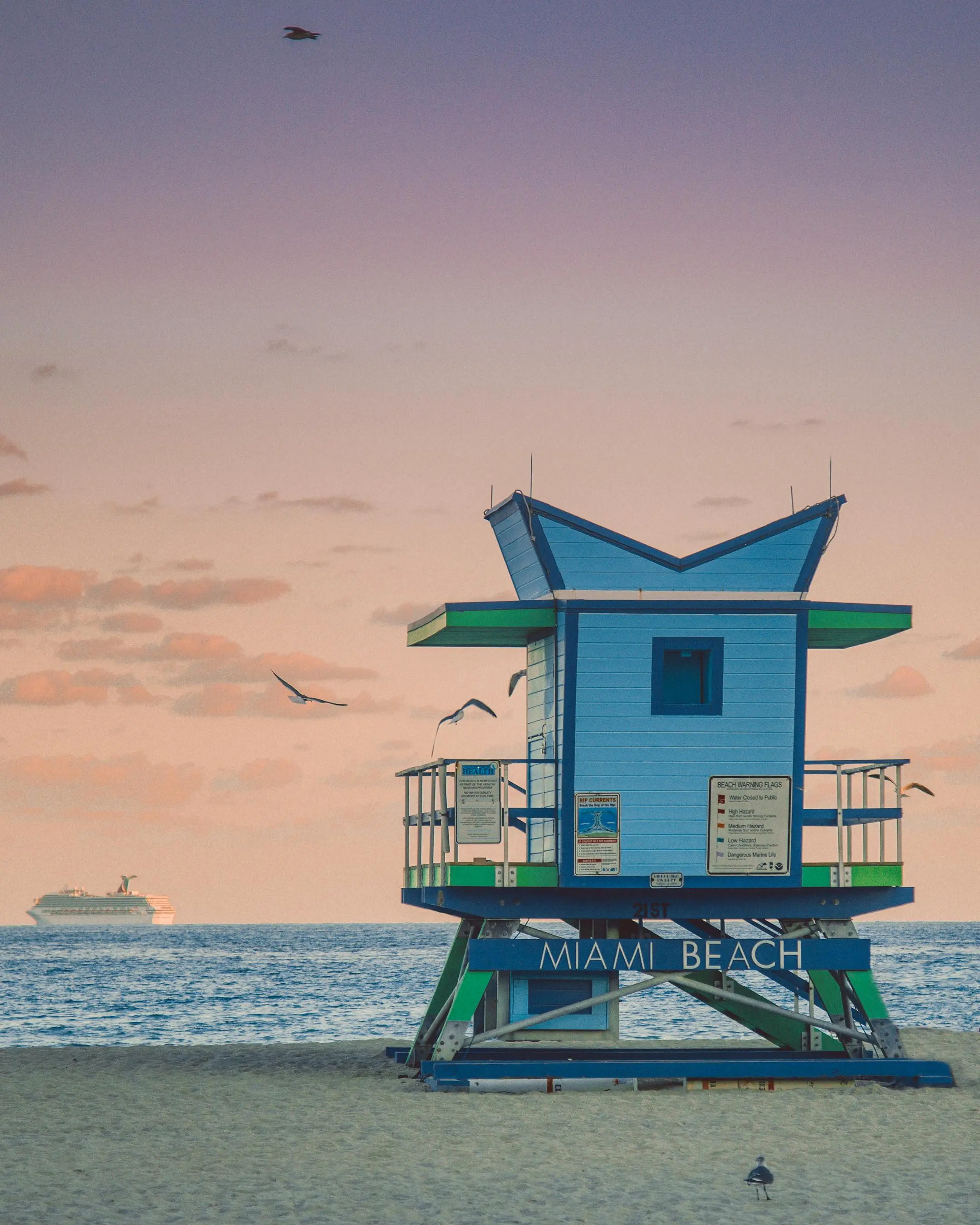
Today the MiMo District offers a relaxed alternative to the crowds of Miami Beach, with a growing reputation as a cultural and culinary hub. Travelers exploring this part of Miami, FL will find restored MiMo buildings, vibrant street life, and parks overlooking the bay.
Highlights worth exploring include:
The Vagabond Hotel – a restored mid-century hotel and iconic example of MiMo architecture
Fly Boutique – a vintage consignment shop on Biscayne Boulevard operating for over 30 years
UmaLu Vintage – known for curated 1990s and 2000s designer pieces popular with stylists and celebrities
Miami Ironside – a creative complex filled with restaurants, galleries, and independent shops
Legion Park farmers market – a Saturday favorite with local produce and waterfront views
For travelers curious about design, food, and neighborhood culture, Miami MiMo offers a lively place to explore the city’s mid-century past while discovering a dynamic modern district.
What Is the MiMo District? A Historic Stretch of Biscayne Boulevard
Running through the upper north side of Miami, the MiMo District forms one of the most distinctive corridors in the city. The officially designated MiMo Biscayne Boulevard Historic District stretches roughly from NE 50th Street to NE 77th Street along Biscayne Boulevard, a corridor once filled with roadside motels, neon signage, and futuristic mid-century design meant to attract travelers heading toward Miami Beach.
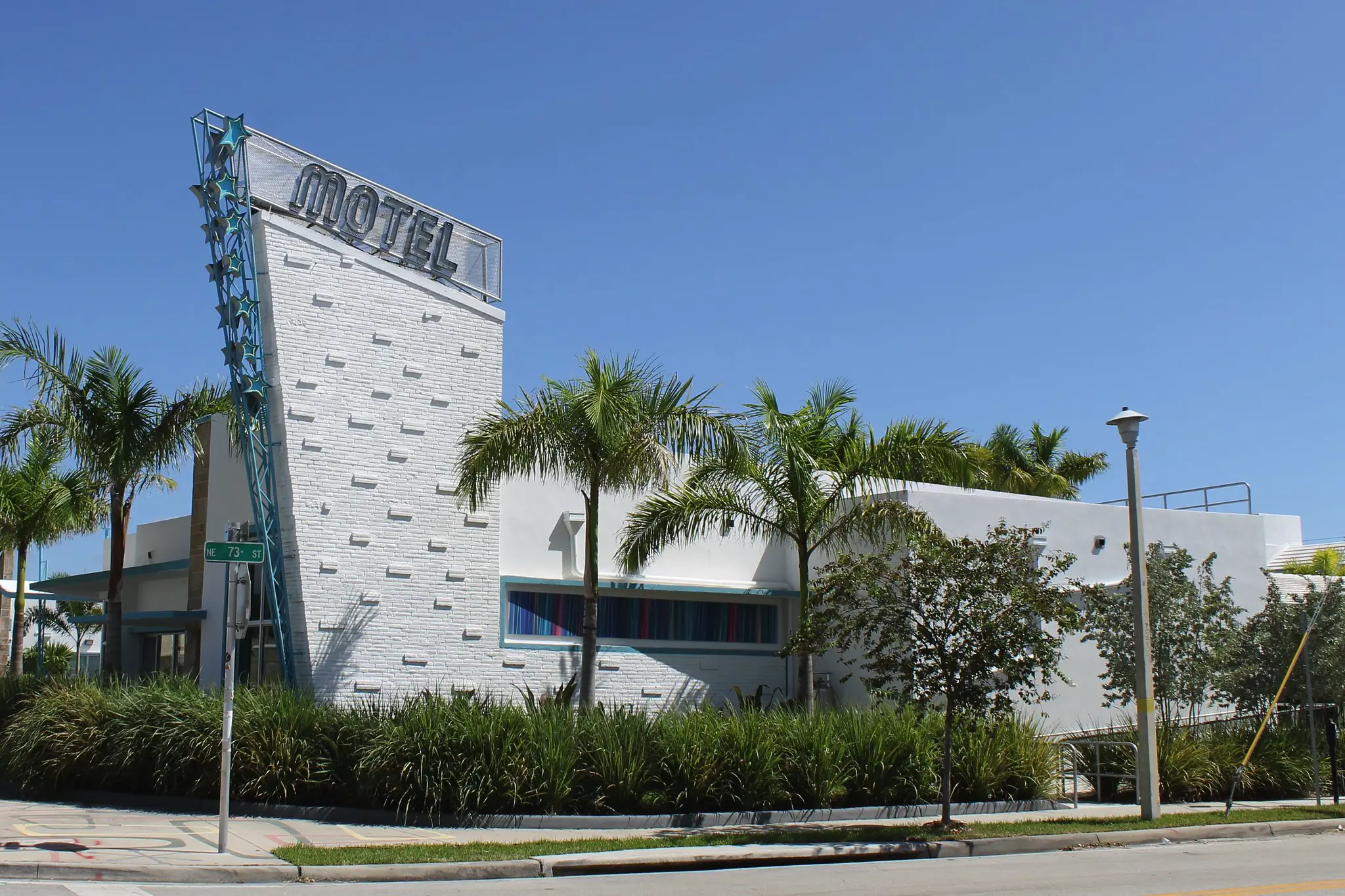
The district developed during the post World War II tourism boom, when rapid construction reshaped the city. Architects began experimenting with the playful Miami Modern style—often shortened to MiMo—creating buildings that reflected the optimism of the era. These MiMo buildings often featured curved facades, decorative breeze blocks, dramatic signage, and flat roofs designed to adapt modern architecture to the tropical climate of South Florida.
The Story Behind the Miami Modern Movement
The Miami Modern movement emerged as a regional response to the strict minimalism of international modernism. Instead of plain glass boxes, architects added personality and tropical influences.
Key designers who helped shape the MiMo architecture movement included:
Morris Lapidus, the famed architect behind Miami’s Fontainebleau Hotel
Norman Giller, known for bold geometric experimentation
Gilbert Fein, whose work helped define roadside motel design along Biscayne Boulevard
Their projects gave the district a playful identity defined by geometric shapes, curved corners, and decorative concrete elements that allowed air and light to move naturally through the structures.
Where to See MiMo Architecture Today
Many of the original MiMo buildings still exist in the district, making it one of the most concentrated collections of mid-century architecture in the world.
Visitors exploring the boulevard can spot notable examples including:
The New Yorker Motel – a restored mid-century motel with classic MiMo style signage
The Vagabond Hotel – a landmark property reflecting the colorful design of the 1950s
The Coppertone Girl sign – a preserved roadside icon from 1959 standing 35 feet tall
These structures reflect the past of the city, but they’re far from frozen in time. Many historic buildings now house creative businesses, restaurants, and boutique shops, helping the MiMo District remain one of the most dynamic neighborhoods in Miami.
For travelers seeking a neighborhood with personality, this stretch of Biscayne Boulevard captures the architectural creativity that helped define Miami’s identity. Looking for a more refined and relaxed energy? Explore Coconut Grove on our Miami neighborhood guide.
Miami Modern Architecture: The Playful Design That Defined the MiMo Era
The architectural identity of Miami MiMo is rooted in Miami Modern, a design movement that reshaped the skyline of Miami during the post World War II tourism boom. As visitors began flocking to South Florida in the late 1940s and 1950s, architects experimented with bold new ideas that blended mid-century modern principles with tropical practicality.
The result was MiMo architecture, a regional style that emphasized dramatic forms, playful details, and a sense of futuristic optimism. Unlike rigid international modernism, these MiMo buildings reflected the relaxed personality of the city and the tourism-driven energy of the period.
Key Characteristics of MiMo Architecture
The defining characteristics of MiMo architecture can still be seen throughout the MiMo District today. Architects incorporated design elements meant to capture attention while responding to the climate of South Florida.
Common features include:
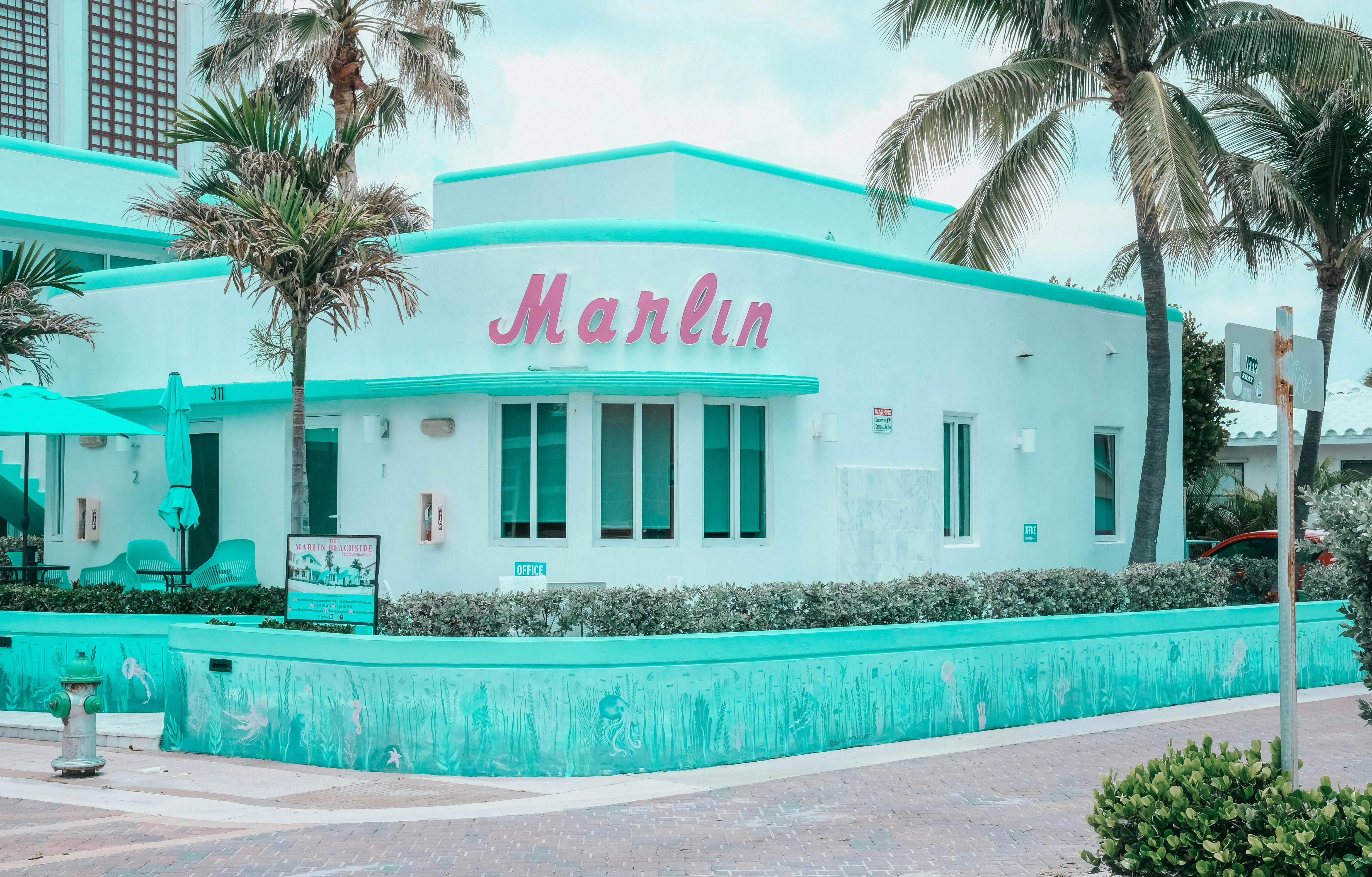
Decorative breeze blocks that allow air to circulate through structures
Smooth curves and bold geometric shapes
Wide windows and expansive glass to maximize natural light
Clean horizontal lines and distinctive flat roofs
Neon signage and dramatic facades along Biscayne Boulevard
These playful details created buildings that felt futuristic during the 1950s while remaining practical for the subtropical environment.
Iconic Examples of MiMo Design in Miami
Some of the most famous examples of MiMo style can be found not only in the MiMo District, but also across Miami Beach, where the architectural movement spread during the tourism expansion.
Landmarks worth seeing include:
Fontainebleau Hotel – a sweeping architectural masterpiece designed by famed architect Morris Lapidus, widely considered one of the most recognizable MiMo buildings in the world
Miami Beach Bandshell – a striking structure with a curved roof and open-air performance stage that captures the dynamic spirit of the MiMo aesthetic
New Yorker Motel – a classic roadside motel that reflects the playful roadside architecture of the era
These buildings illustrate how MiMo architecture merged entertainment, hospitality, and architectural creativity into a unique regional style.
A Style Inspired by Optimism and Tourism
The rise of MiMo architecture was closely tied to the growth of tourism in South Florida. As visitors drove through the city toward Miami Beach, architects designed bold roadside structures meant to catch the eye.
The MiMo aesthetic reflected the hopeful spirit of the post-war period, when travel, leisure, and modern design symbolized a bright future. Even today, the preserved MiMo buildings across the district continue to capture that same sense of mid-century excitement.
Walking through the MiMo District today offers a rare opportunity to experience this moment in architectural history—one where creativity, travel, and tropical design came together to shape the visual identity of Miami.
Where to Eat and Spend Time in Miami MiMo
Beyond its striking architecture, Miami MiMo has become one of the most interesting dining corridors in Miami. Along Biscayne Boulevard, a mix of chef-driven restaurants, casual neighborhood spots, and late-night venues have moved into restored MiMo buildings, giving the historic district a lively modern identity.
Many of the restaurants here emphasize creative cuisine and relaxed outdoor spaces, making it easy to explore the area slowly throughout the evening.
Restaurants Worth Visiting in the MiMo District
Several standout restaurants have helped turn the MiMo District into a culinary destination.
Phuc Yea – a bold Vietnamese-Cajun restaurant known for dishes like garlic noodles and crispy whole fish
Blue Collar – a neighborhood favorite serving American comfort food such as short rib hash and matzo ball soup
Ms. Cheezious – a creative grilled-cheese restaurant famous for gourmet sandwiches and late-night bites
Niño Gordo – an Argentine restaurant blending Asian flavors with charcoal-grilled meats
These spots reflect the international character of Miami, where chefs experiment with flavors from Latin America, Asia, and the Caribbean.
Coffee Shops and Casual Stops
The neighborhood also offers several relaxed places to spend a slow morning or afternoon.
Panther Coffee Little Haiti – a popular local roastery just minutes from the MiMo District
Vice City Bean – a small café known for specialty espresso and friendly neighborhood vibes
Cream Parlor – an inventive ice-cream shop with rotating seasonal flavors
Many visitors combine a coffee stop with a walk along the boulevard to admire the district’s historic MiMo architecture.
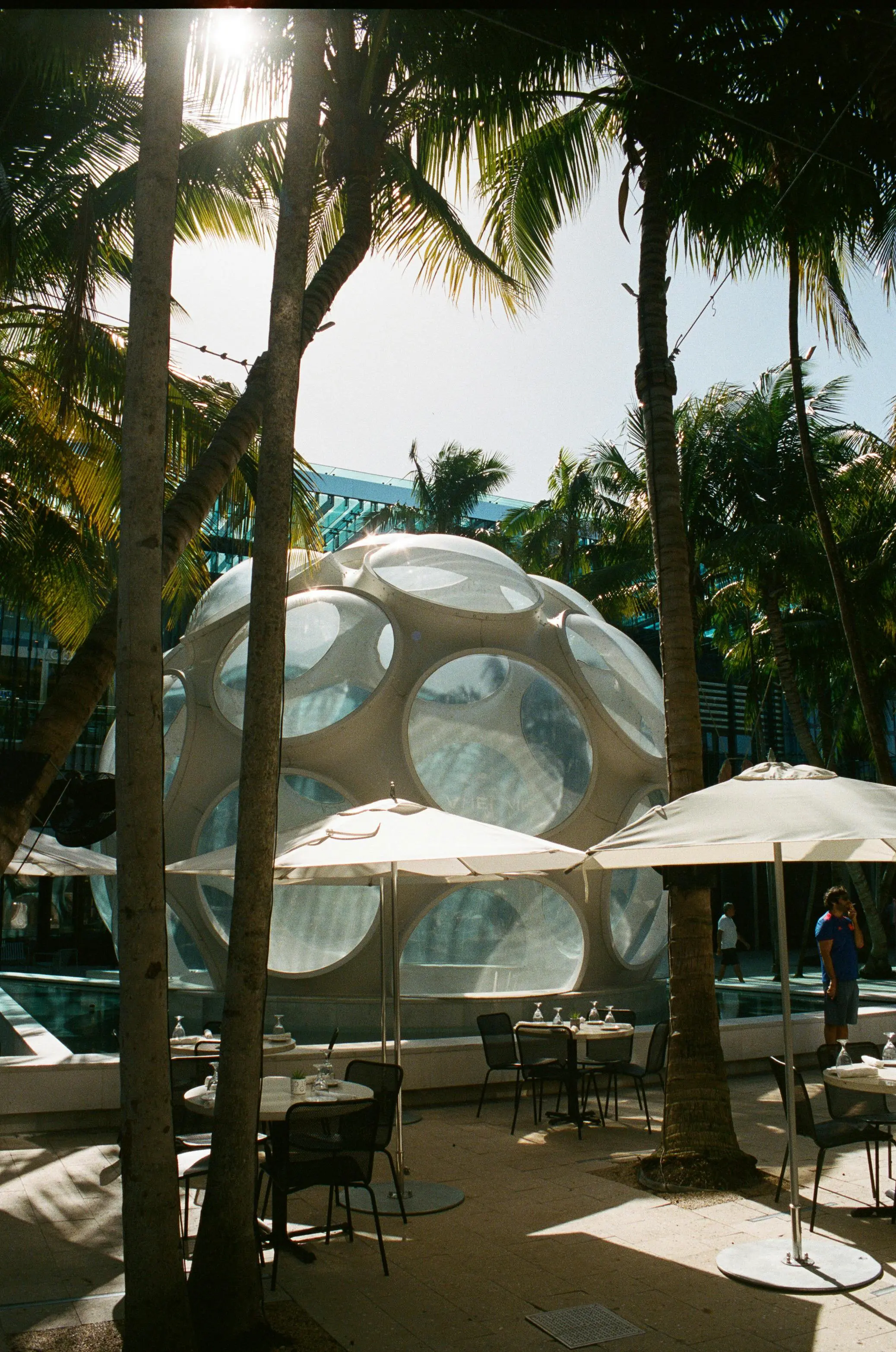
For travelers staying nearby, this part of Miami provides an easygoing alternative to the nightlife of Miami Beach, with restaurants and cafés that feel distinctly local while still capturing the creative energy of the MiMo District.
Things to Do Near Miami MiMo
While the MiMo District is known for its architecture and restaurants, the surrounding neighborhoods offer plenty of places to explore within a short distance. This part of Miami sits between the creative energy of Little Haiti and the waterfront parks of Biscayne Bay, making it easy to combine design, culture, and outdoor time in one afternoon.
Explore Little Haiti’s Cultural Scene
Just west of the MiMo District, Little Haiti offers a vibrant cultural experience shaped by the Haitian community that has lived here for decades.
Places worth visiting include:
Little Haiti Cultural Complex – a community hub hosting art exhibitions, music events, and dance performances
Caribbean Marketplace – a colorful market inspired by Haitian architecture where visitors can browse handmade crafts and local art
Chef Creole – a long-standing Haitian restaurant known for griot (fried pork) and seafood platters
This area adds a deeper cultural layer to any visit to Miami MiMo, offering music, art, and cuisine that reflect the city’s Caribbean influences.
Relax Along Biscayne Bay
A few blocks east of the boulevard, the waterfront provides one of the most relaxing green spaces in this part of Miami.
Legion Park – a scenic bayfront park with walking paths, shaded picnic areas, and skyline views
Legion Park Farmers Market – held on Saturdays with local produce, baked goods, and small vendors
Bayfront walking path – a quiet stretch ideal for sunset strolls along Biscayne Bay
Because the park sits only minutes from the MiMo District, many visitors combine a meal on Biscayne Boulevard with a walk by the water.
Discover Creative Spaces in the Upper Eastside
The Upper Eastside area surrounding Miami MiMo has developed into a creative pocket of the city, with galleries, design studios, and cultural venues.
Notable stops include:
Miami Ironside – a creative campus filled with galleries, design studios, restaurants, and outdoor sculpture installations
Dale Zine Shop – an independent bookstore specializing in art books and underground publications
Paradise Plaza pop-up events – rotating art installations and creative markets
Together, these spaces show how the MiMo District has evolved beyond historic preservation into a neighborhood where art, culture, and design continue to grow.
Miami Beach Bandshell: A Cultural Landmark Near Miami Beach
A short drive east of Biscayne Boulevard, the Miami Beach Bandshell remains one of the most recognizable mid-century performance venues in South Florida. Built during the post World War II surge in tourism, the open-air structure reflects the optimistic spirit of the era, when new cultural venues helped transform coastal communities into entertainment destinations.
Designed by Norman Giller, one of the influential architects behind the miami modern movement, the structure reflects the playful mimo style that spread across the region during the post World War II period. Its sweeping canopy and curved stage highlight bold geometric shapes, while the open structure allows natural light and ocean air to move through the performance space, creating a relaxed atmosphere for outdoor events.
Events and Experiences Around the Bandshell
Today the venue hosts concerts, film screenings, and cultural programs throughout the years, helping the surrounding part of Miami Beach remain active well beyond the daytime beach crowds.
Nearby places worth exploring include:
North Beach Oceanside Park – a large beachfront park with walking paths and shaded picnic areas
North Beach Boardwalk – a scenic coastal route for cycling or sunset walks
Surfside cafés – relaxed spots to grab coffee or pastries before an evening show
Bal Harbour Shops – an upscale outdoor shopping destination just a short drive north
Visitors often combine a visit to the Miami Beach Bandshell with a walk along the coast or a stop at one of the nearby shops, making it easy to turn an evening concert into a full night exploring this side of the city.
Travelers planning to spend more than a few days in the area often choose to stay nearby so they can easily explore both the coastal side of Miami Beach and the historic neighborhoods along Biscayne Boulevard, something that becomes much easier with a furnished apartment designed for longer stays.
MiMo Buildings Along Biscayne Boulevard: Icons of the Historic District
Driving along Biscayne Boulevard, it’s easy to see why this corridor became famous for its roadside architecture. Many of the original motel and hotel projects built after World War II still exist, and a surprising number of these mimo buildings have been restored rather than demolished. These properties once catered to road-tripping vacationers heading toward the coast, and today they reflect the unique miami modern style that helped shape the area.
The boulevard became a testing ground for architects experimenting with playful structures during the post World War II period. Designers like Gilbert Fein and Morris Lapidus, the famed architect associated with several landmark resorts, helped push the visual language of the movement with bold construction, dramatic signage, and decorative elements meant to stand out along the long stretch of roadway.
Notable Buildings to See Today
Several restored properties show how these structures have adapted to new uses while maintaining their original character.
Selina Gold Dust Hotel – a restored motel that preserves the playful mimo aesthetic while now serving travelers and remote workers
The Vagabond Hotel – one of the best-known hotel restorations along the boulevard, reflecting the glamour of the original tourism era
New Yorker Miami Hotel – a carefully preserved roadside property that captures the optimism of the mid-century travel boom
Upper Buena Vista – an outdoor retail and dining complex where restored buildings now house creative shops and cafés
Many of these properties highlight the importance of ongoing preservation efforts, which have helped protect the architectural tradition that once defined the corridor. Instead of disappearing to new development, several historic properties have found a second life through restoration.
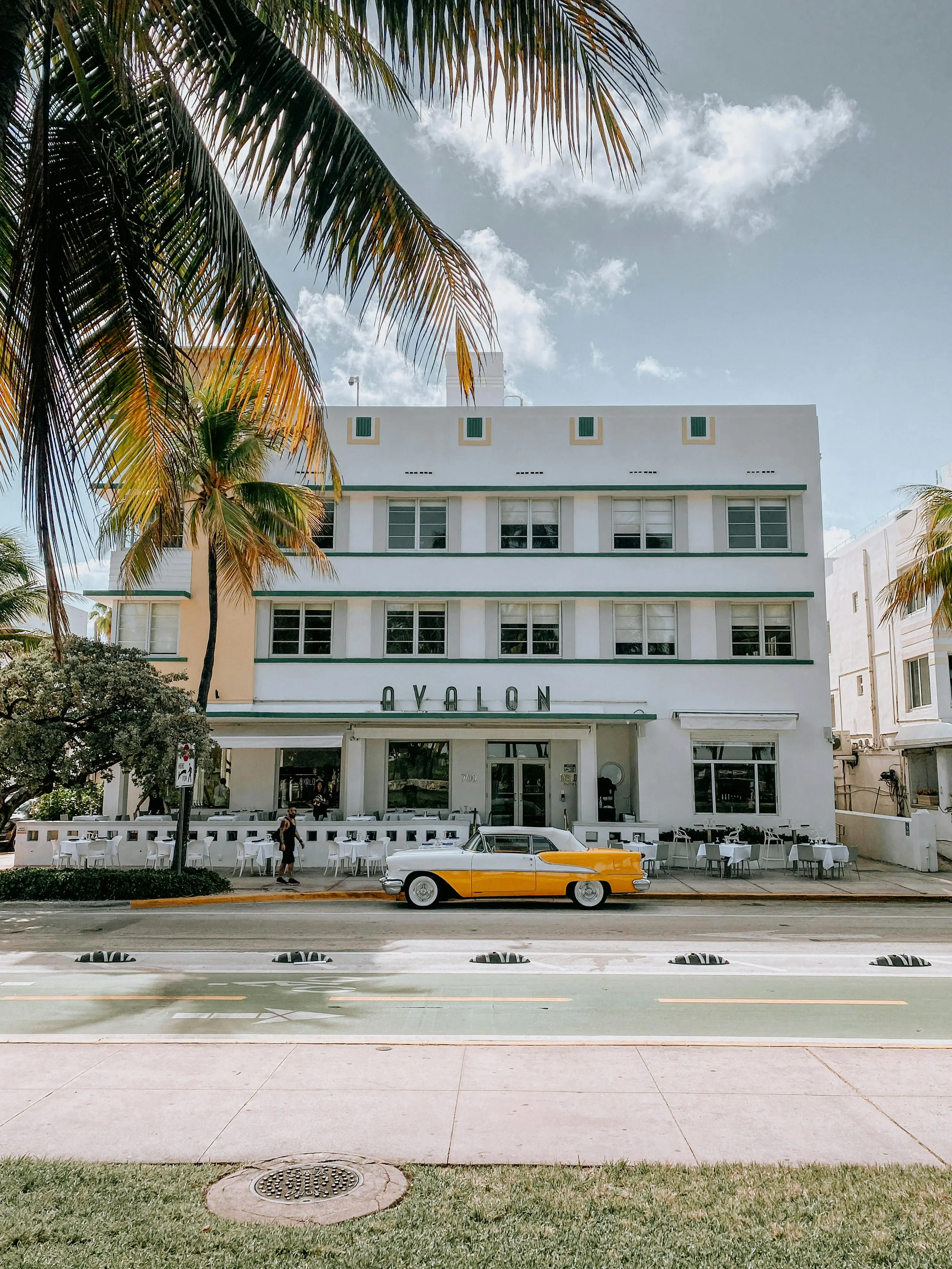
For travelers seeking a deeper understanding of the area, walking this part of Biscayne Boulevard offers one of the best ways to experience how the neighborhood evolved during the decades when tourism helped reshape the region.
Visitors who plan to explore the boulevard slowly often choose to stay nearby so they can move between cafés, waterfront parks, and historic properties throughout the day without needing a car, something that becomes far easier when staying in a well-located apartment in the surrounding neighborhood.
Flat Roofs and Bold Details: How the MiMo Style Shaped Biscayne Boulevard
One of the easiest ways to recognize Miami Modern design along this part of the Historic District is by looking up. Many structures built during the mid-century boom feature clean horizontal lines and dramatic overhangs rather than traditional pitched rooftops. These flat roofs helped buildings stay cool while creating striking silhouettes that stood out to drivers moving along Biscayne Boulevard.
Architects during this era experimented with playful visual ideas that gave roadside properties personality. Decorative screens, curved balconies, and open-air corridors allowed natural light and airflow to move through the structures while maintaining the distinctive MiMo style that came to define the corridor. The approach balanced aesthetics with practicality, blending tropical conditions with the futuristic optimism that shaped Miami Modern architecture.
Many surviving structures showcase signature design features from the period:
Decorative concrete blocks that filter light and create patterned shadows
Long horizontal lines and overhangs tied to flat roofs
Large window panels and structural glass elements
Colorful signage and sculptural details reflecting the playful MiMo aesthetic
These buildings reveal how the corridor developed during decades when tourism was rapidly transforming Miami. While some original properties disappeared, enough remain to preserve the visual identity of this part of the city, giving visitors a glimpse into the architectural experimentation that defined the post World War II period.
Travelers spending a couple of days exploring the area often choose accommodation nearby so they can move easily between cafés, waterfront parks, and historic sites along Biscayne Boulevard. If you’re planning to stay longer, it’s worth browsing fully furnished apartments in Miami designed for remote work and extended stays.
A Final Look at the MiMo Corridor
This article explored how one historic stretch of Biscayne Boulevard still carries the creative energy of mid-century travel culture. Even after decades of change, the area retains a distinctive charm, with restored roadside properties, independent shops, and cafés that reflect the layered history of the neighborhood.
Over the past years, the corridor has quietly become home to a mix of small businesses, boutique hospitality spaces, and creative projects. Some historic properties have even reappeared on the market for sale, highlighting how the area continues to evolve while still preserving pieces of its architectural past.
Visitors who spend a couple of days exploring the area often notice how quickly the environment shifts. Just a short walk away, waterfront parks offer pockets of nature and open space, while nearby dining spots range from casual cafés to upscale restaurants where seafood and even caviar occasionally appear on the menu.
Seasonal events also help keep the area active. Outdoor markets and cultural gatherings frequently appear throughout the year, particularly in June, when warmer weather and longer evenings bring more people out to explore the neighborhood.
For travelers planning a longer stay, browsing fully furnished apartments across the United States can make it easier to experience neighborhoods like this at a slower pace while working remotely from different cities.