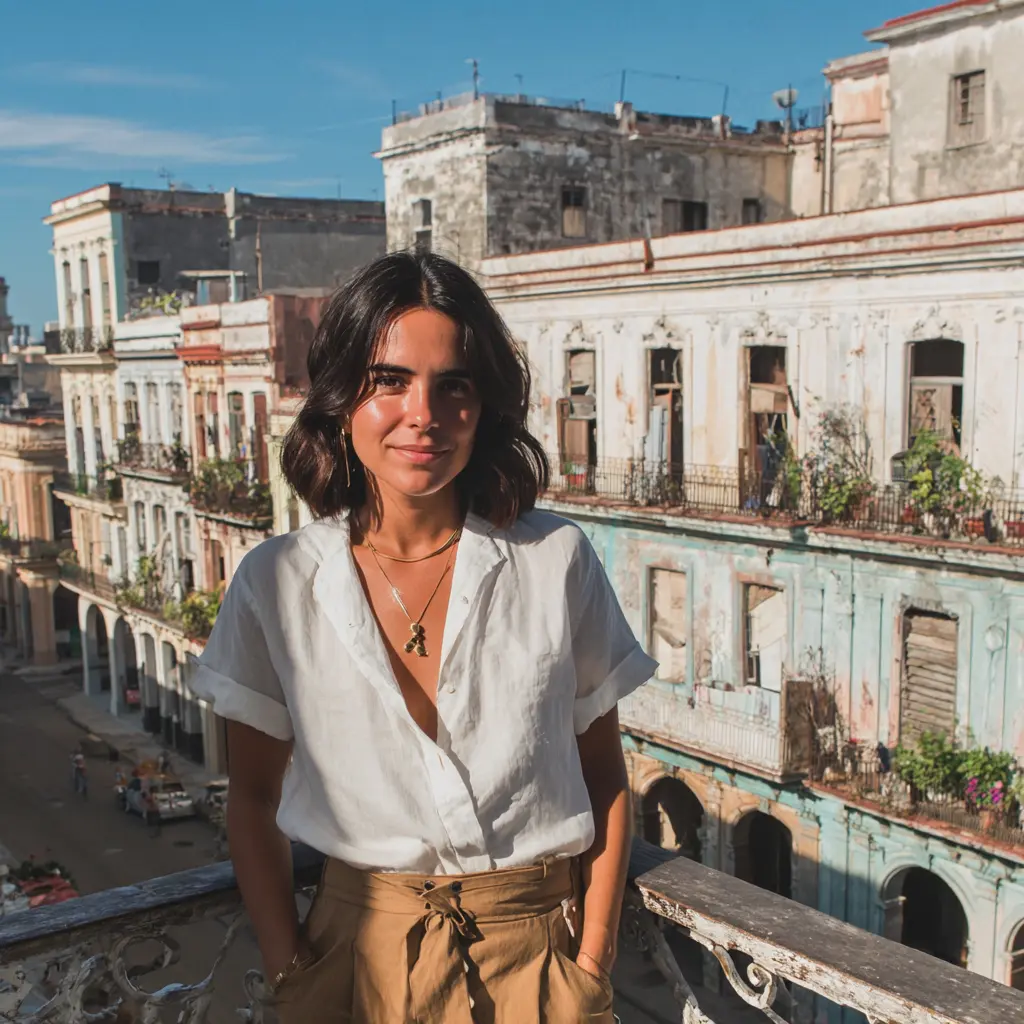
Maya
Culture & Exploration Editor ·
Little Havana Miami isn’t just another stop on the map—it’s the city’s most immersive window into Cuban culture, history, and everyday life. Just west of Downtown Miami, this historic district pulses with music, street energy, and the legacy of Cuban immigrants who reshaped the neighborhood after arriving in the 1960s. Today, Miami’s Little Havana blends tradition with movement—where dominoes click in the park, cigar smoke drifts from open doorways, and strong Cuban coffee fuels conversations that spill onto the street.
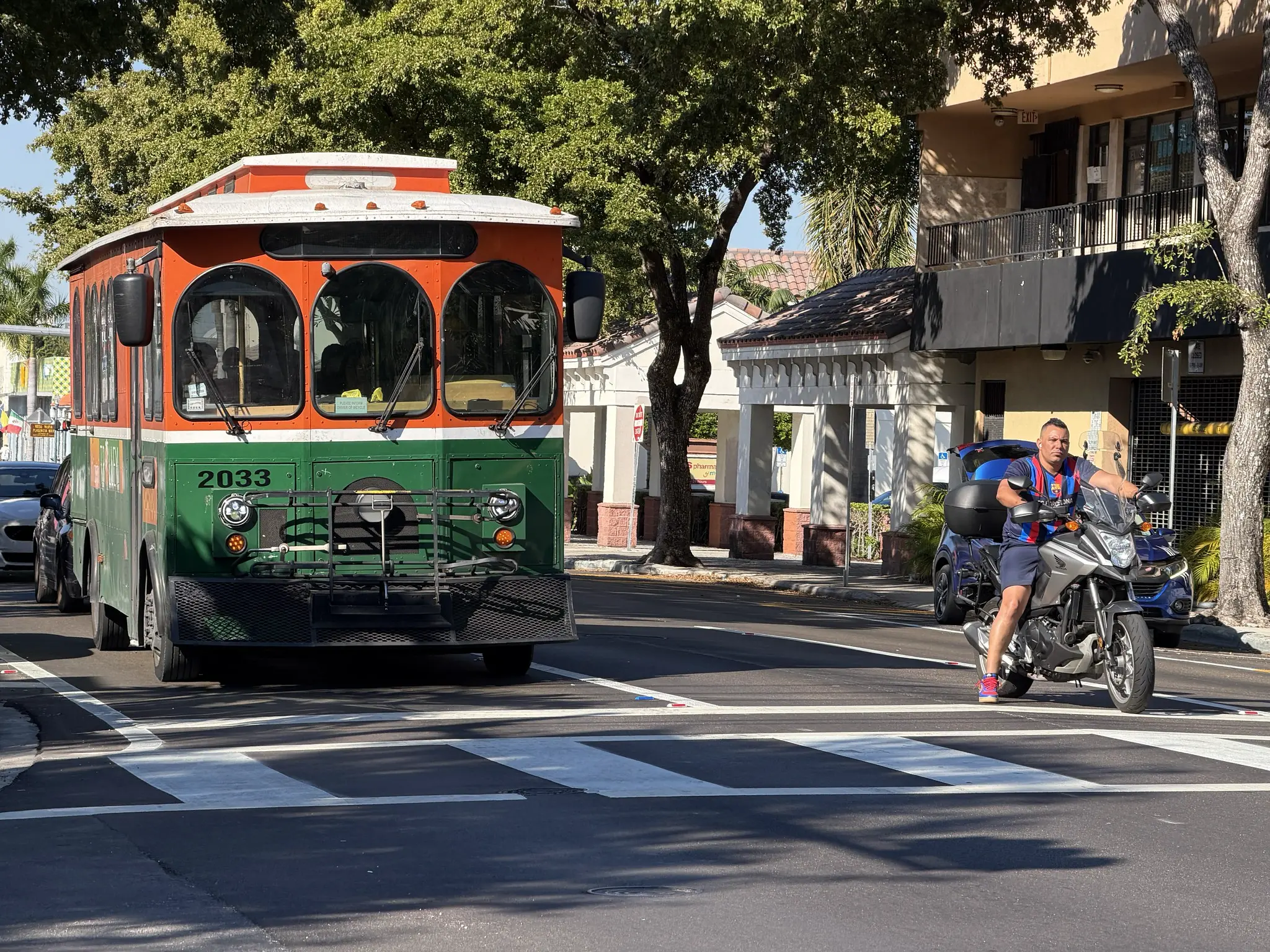
Whether you’re here for a few hours or considering a longer stay, this Havana neighborhood delivers more than sightseeing—it offers a full cultural experience rooted in Cuba but shaped by the wider influences of Central and South America.
Here’s how to experience it properly:
Walk down Calle Ocho, stopping at landmarks like Máximo Gómez Park (Domino Park) and the Tower Theater
Try a Cuban sandwich at Sanguich de Miami or sit down at Versailles Restaurant for a full Cuban food menu
Grab a cafecito or café con leche from a ventanita window—quick, strong, and essential
Step into local art galleries or catch live music at spots like Café La Trova
Watch cigar rolling at El Titan de Bronze or browse traditional cigar shops along the street
From its roots as a refuge for Cuban exiles to its status today as a national treasure, Little Havana remains one of the most culturally rich neighborhoods in the United States—and one of the few places where history, flavor, and community all live on the same block.
What Is Little Havana Miami? History, Cuban Culture, and Identity
Little Havana Miami is more than a neighborhood—it’s the cultural backbone of Miami’s Cuban diaspora. Named after Havana, the capital of Cuba, this historic district grew out of necessity, resilience, and community. Today, it stands as one of the most recognizable Cuban enclaves in the world, shaped by decades of migration, political history, and everyday life that still unfolds on its streets.
From Cuban Exiles to a Thriving Havana Neighborhood
Little Havana began its transformation in the 1960s, when waves of Cuban exiles arrived following the Cuban Revolution led by Fidel Castro in 1959. Many settled just west of downtown, turning what had once been a lower-middle-class Southern and Jewish neighborhood into a hub for Cuban immigrants seeking stability and community.
The impact was immediate and lasting:
By 1970, the area was more than 85% Cuban, with Cuban Americans building businesses, social spaces, and institutions
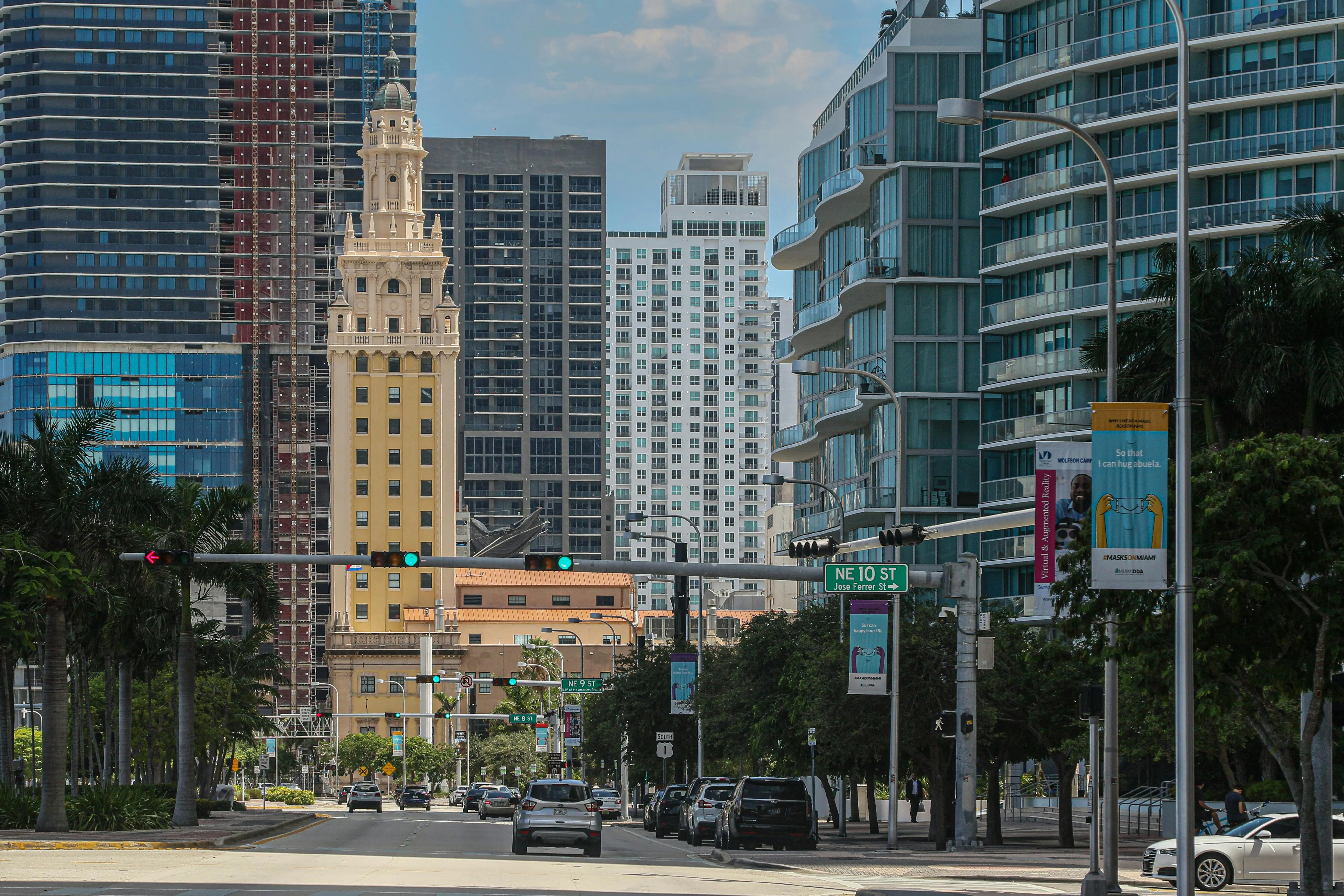
The Freedom Tower served as a Cuban Assistance Center, helping new arrivals transition into life in the United States
Events like the Bay of Pigs invasion deepened the neighborhood’s political identity, making it a center of activism and dialogue
Over time, the neighborhood expanded its cultural reach. While Cuban heritage remains dominant, influences from Central America and South America have added new layers to the community, shaping a broader Latin American identity while staying rooted in Cuba.
Why It’s Considered a National Treasure
Little Havana isn’t just culturally important—it’s nationally recognized. In 2017, it was named a national treasure by the National Trust for Historic Preservation, highlighting its role in preserving Cuban heritage in the United States.
Key reasons behind this designation include:
Its deep connection to Cuban history and the experience of Cuban exiles
Its role as a center of social, cultural, and political activity in Miami
The preservation of historic areas like the South River Drive Historic District, one of the oldest parts of the city
This recognition reflects something you feel immediately when walking through the area—it’s not staged or reconstructed. It’s lived-in, evolving, and deeply tied to the people who call it home.
Culture, Community, and Daily Life in Miami’s Little Havana
What sets Miami’s Little Havana apart is how visible and accessible its culture is. It doesn’t sit behind museum walls—it plays out in real time across the neighborhood.
You’ll notice it in small but defining moments:
Early mornings where locals gather over coffee and debate politics or baseball
Afternoon scenes in neighborhood parks where dominoes games draw regular crowds
Evenings filled with music drifting out of open doorways and onto the street
For a deeper look beyond the main tourist stretch, spend time around these spots:
South River Drive Historic District – quieter, residential streets with some of Miami’s oldest homes
Ball & Chain – a historic venue where live music and dancing reflect decades of cultural continuity
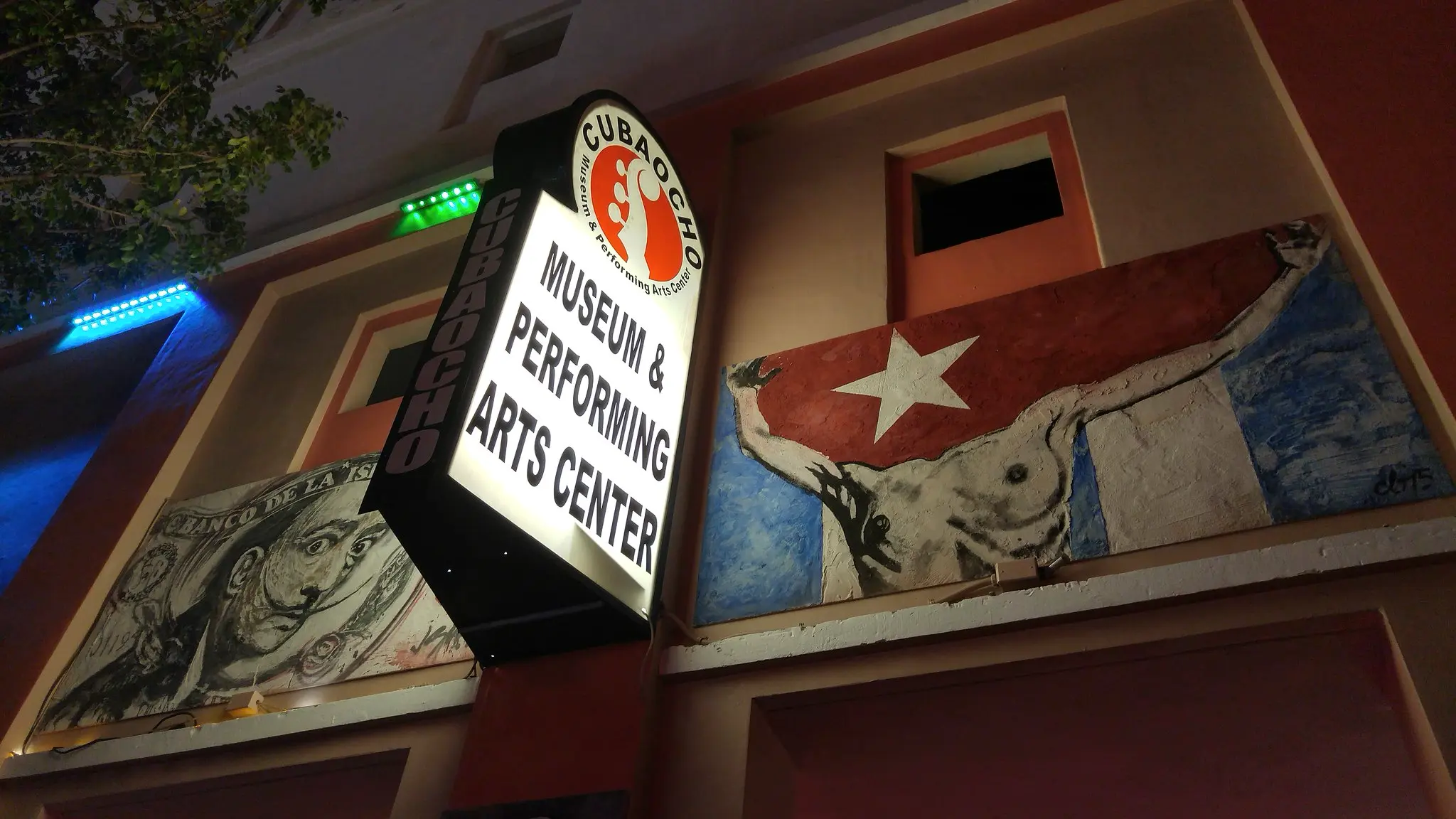
Cubaocho Museum & Performing Arts Center – a space dedicated to Cuban art, history, and live performance
Little Havana is often described as the heart of Cuban culture in Miami—but it’s more accurate to say it’s a living extension of Cuba itself, shaped by generations of Cubans, immigrants, and locals who continue to define its identity.
That’s what makes it different from other neighborhoods in the city. It isn’t built for visitors—it’s built by the people who stayed.
Calle Ocho: The Heart of Little Havana Miami
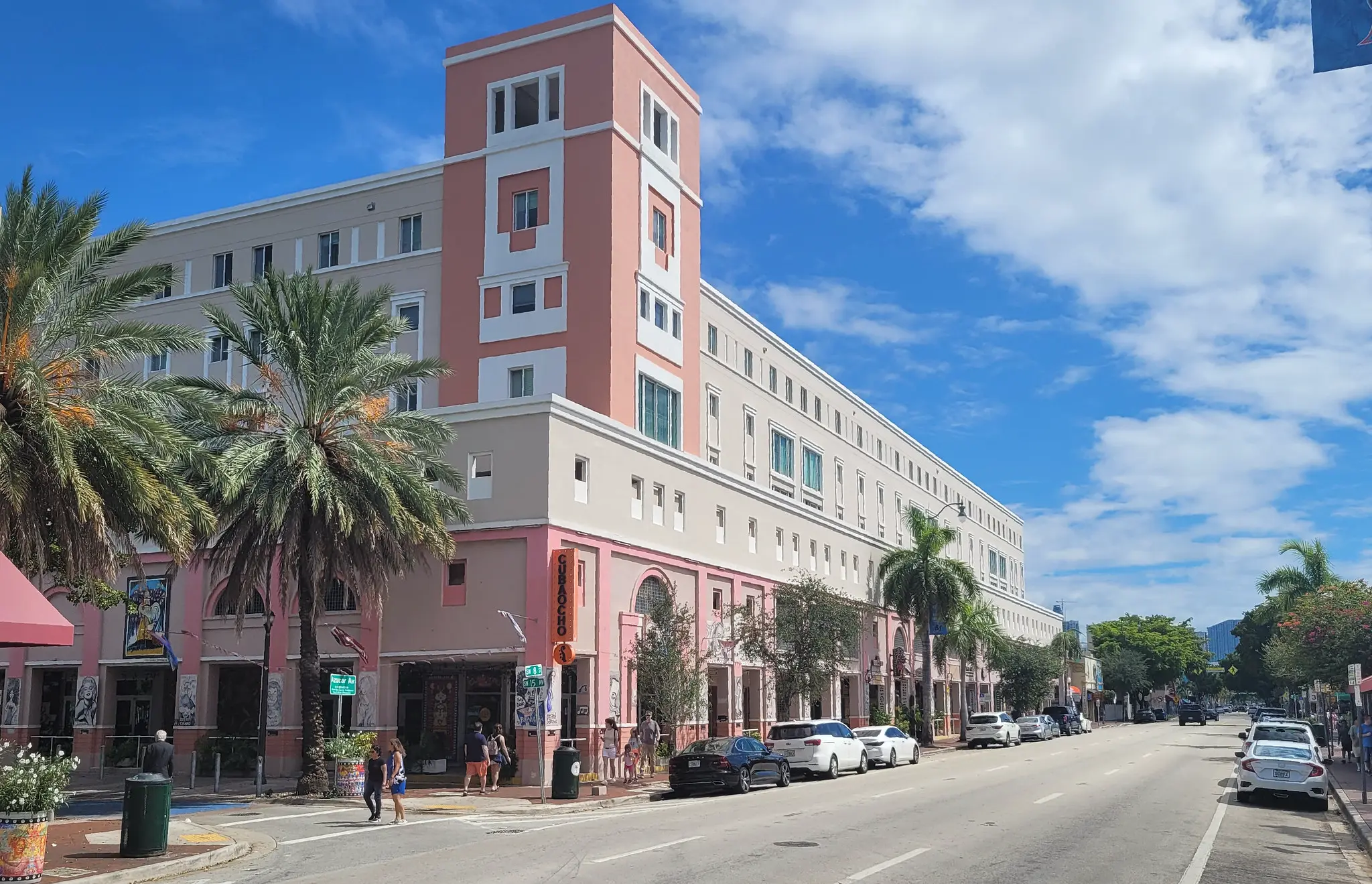
If Little Havana Miami has a main artery, it’s Calle Ocho. This stretch of street is where the neighborhood’s energy comes into full view—music, movement, food, and culture all unfolding block by block. It’s not a place you rush through. The best way to experience it is slowly, on foot, letting the street pull you in.
The Calle Ocho Walk: A Street-Level Cultural Experience
Start your walk just west of Downtown Miami and move deeper into the neighborhood. Within a few blocks, the shift is obvious—the language, the rhythm, the storefronts, even the pace of life.
Here’s a route worth following:
Begin near SW 8th Street and 12th Avenue, where the street life starts to build
Walk past family-run storefronts, cigar displays, and colorful murals that reflect Cuban heritage
Stop at Walkway of the Stars, honoring icons like Celia Cruz and Gloria Estefan
Continue toward 17th Avenue, where the atmosphere becomes more local and less curated
Expect constant movement—locals chatting, music drifting from doorways, and the occasional spontaneous burst of salsa dancing on the sidewalk.
Landmarks, Culture, and Hidden Stops Along the Street
Calle Ocho isn’t just one continuous strip—it’s layered with small, meaningful stops that are easy to miss if you’re not looking for them.
Add these to your walk:
Cuban Memorial Boulevard Park – a tribute space reflecting the political history tied to Cuban exiles
Los Pinareños Fruteria – a long-standing fruit market known for fresh juices and traditional snacks
Little Havana Visitor Center – a mix of gallery and bar where local artists showcase Cuban art
Small cigar shops along the street offering live rolling demonstrations and conversations with the makers
This part of the neighborhood feels less like a tourist attraction and more like an open-air cultural corridor—one where history, politics, and daily life overlap.
Festivals, Music, and the Rhythm of Calle Ocho
Calle Ocho transforms depending on when you visit. On a regular day, it’s lively. During events, it becomes something much bigger.
Here’s what to time your visit around:
Calle Ocho Festival (March) – one of the largest street festivals in the world, drawing over a million people with live music, food vendors, and performances across multiple blocks
Viernes Culturales (last Friday of each month) – an evening street event with art galleries open late, live music, and local vendors lining the street
Smaller pop-up performances throughout the week, especially near music venues and bars
Even outside major events, music is constant. You’ll hear salsa, Latin jazz, and traditional Cuban sounds weaving through the street—sometimes planned, sometimes completely spontaneous.
Calle Ocho isn’t just the center of Little Havana—it’s where the neighborhood reveals itself in real time. Walk it once and you’ll see the highlights. Walk it slowly, and you’ll start to understand the culture behind it.
Cuban Food and Cuban Cuisine: Where to Eat in Little Havana
Food is where Little Havana shifts from something you observe to something you feel. The neighborhood’s Cuban cuisine isn’t polished or reinvented—it’s consistent, generous, and rooted in tradition. Recipes passed down through families sit alongside newer interpretations, all built around bold flavor, slow cooking, and a deep connection to Cuba.
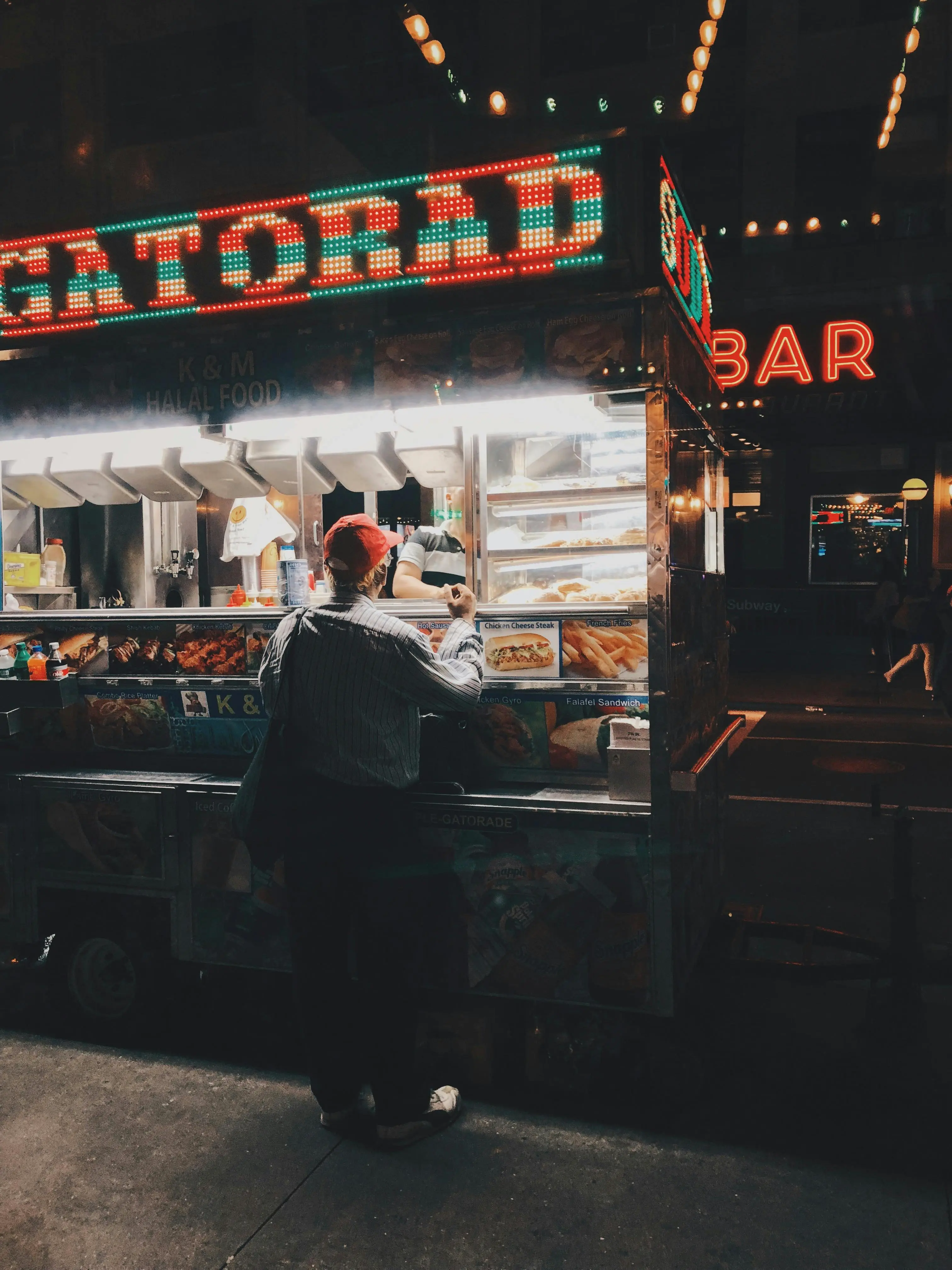
Where to Find Authentic Cuban Cuisine in Little Havana
Skip the generic spots and go where locals actually eat. These places deliver authentic Cuban cuisine without the performance.
Old's Havana Cuban Bar & Cocina – modern Cuban food with a creative edge; try the ropa vieja tacos or croquetas ($12–$22)
El Pub Restaurant – old-school Cuban comfort food, large portions, and a no-frills setting ($10–$18)
La Camaronera – a local institution for seafood with Cuban influence; fried shrimp sandwiches are the move ($8–$15)
Yambo Restaurant – cafeteria-style Cuban food where you point, order, and eat well for under $10
These restaurants reflect what Cuban food in Little Havana is all about—accessible, satisfying, and deeply tied to the community.
What to Try: Classic Cuban Dishes That Define the Flavor
Menus across the neighborhood may look similar, but knowing what to order makes all the difference.
Cuban sandwich – pressed bread, roasted pork, ham, cheese, pickles, mustard
Ropa vieja – shredded beef in tomato-based sauce, served with rice and plantains
Palomilla steak – thin-cut beef, garlic-heavy, fast-cooked
Yuca con mojo – cassava topped with citrus-garlic sauce
Croquetas – small fried bites, often ham or chicken, perfect as a snack
If you’re exploring the street casually, look for smaller takeaway counters where locals order quickly—these often serve some of the best versions.
Beyond Restaurants: A Broader Culinary Journey
Little Havana’s food scene goes beyond sit-down restaurants. It reflects a wider Latin American influence that has grown over time.
For something different:
Chicharrones El Guajiro – crispy pork bites served hot and fast, usually under $8
Damaselo Bakery – Cuban pastries, guava-filled treats, and savory snacks
Small juice stands and food counters offering tropical drinks and quick bites influenced by Central America and South America
This mix creates a broader culinary landscape—one that stays rooted in Cuba while evolving with the community around it.
Eating in Little Havana isn’t about chasing trends or checking off a list. It’s about understanding the culture through flavor—one plate at a time.
Cuban Coffee Culture: Cafecito, Café con Leche, and La Colada
Coffee in Little Havana isn’t just a drink—it’s a ritual woven into daily life. Strong, sweet, and served fast, Cuban coffee fuels conversations, work breaks, and neighborhood interactions from morning to night. You don’t sit with it for hours. You drink it quickly, standing at a counter, often surrounded by locals doing the exact same thing.
Understanding Cuban Coffee: What to Order and Why It Matters
Cuban coffee is built around intensity and sharing. It’s smaller than what you might expect, but much stronger—both in flavor and caffeine.
Here’s what to know before you order:
Cafecito – a small, powerful espresso with sugar whipped into it for a thick, sweet finish
Café con leche – espresso mixed with hot milk, usually paired with toast or a light breakfast
La colada – a larger portion meant for sharing, typically served with small cups
Unlike standard coffee culture, this isn’t about customization—it’s about consistency. The taste, the method, and even the pace are part of the experience.
Where to Get the Best Cuban Coffee in Little Havana
The best spots aren’t always full cafés—they’re often ventanitas, small walk-up windows where orders move quickly and conversations happen just as fast.
La Ventanita at Versailles – one of the most iconic coffee windows in the neighborhood, always busy and always reliable
Mary’s Coin Laundry & Café – a true local spot where Cuban coffee is paired with simple breakfasts and a steady crowd
Suite Habana Cafe – slightly more modern, with a relaxed setting and strong espresso drinks
El Exquisito Restaurant – a no-frills stop where coffee is served quickly alongside traditional Cuban bites
Prices are usually under $3, making this one of the easiest—and most essential—experiences in the neighborhood.
Coffee as Community: Why It’s More Than Just a Drink
What makes Cuban coffee culture unique is how social it is. People don’t just grab coffee—they gather around it.
You’ll see:
Groups sharing a colada during mid-morning breaks
Locals leaning against counters, catching up on news or debating politics
Quick interactions that turn into longer conversations
This is where the rhythm of Little Havana becomes clear. The coffee keeps things moving, but the people keep things connected.
If you want to understand the neighborhood beyond its landmarks, start here. A quick cafecito at a ventanita tells you more about Little Havana than any guide ever could.
Domino Park (Máximo Gómez Park): Street Life, Dominoes, and Community
Step away from the busiest parts of Calle Ocho and you’ll find one of the most defining spaces in the area—Domino Park. Officially known as Máximo Gómez Park, this small but active park is where daily life plays out in real time. It’s less about sightseeing and more about observing the rhythm of the community.
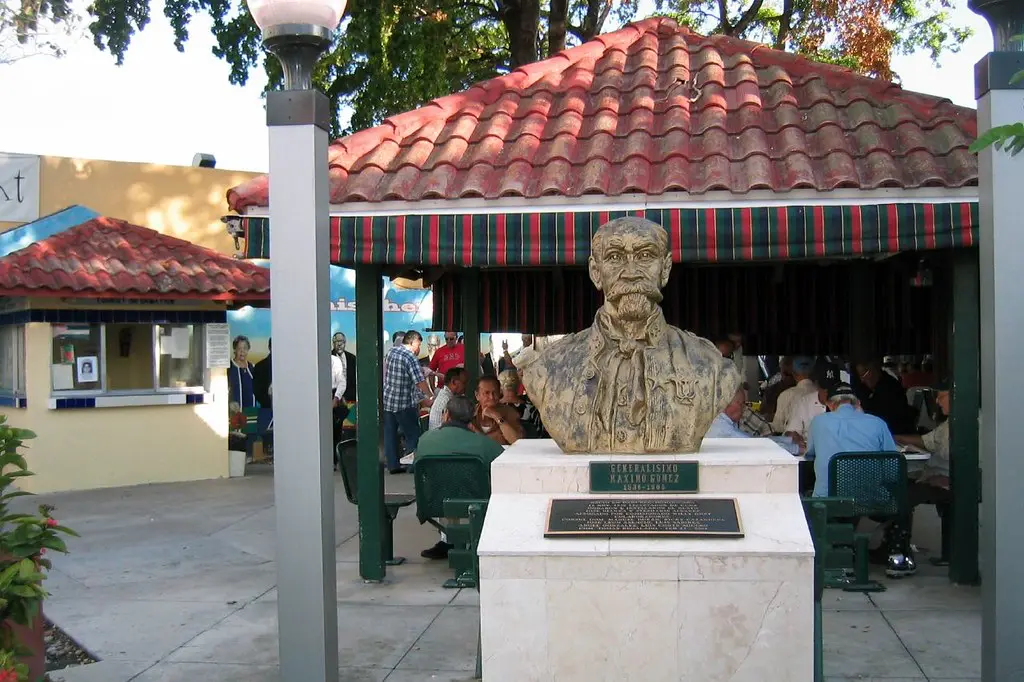
What Happens Inside Domino Park
This isn’t a quiet green space. It’s structured, social, and surprisingly intense.
Regulars gather daily to play dominoes, often in competitive matches
Entry is typically restricted to older players, preserving long-standing traditions
Spectators line the edges, watching games unfold move by move
Conversations shift between politics, history, and everyday life
The atmosphere is focused but welcoming—if you take a moment to watch, you’ll quickly understand why this park matters.
Beyond the Tables: Street Energy Around the Park
The blocks surrounding Domino Park carry the same energy, just in a more fluid way.
Nearby corners often feature salsa rhythms spilling into the street
Small vendors sell snacks, drinks, and quick bites throughout the day
Benches and shaded areas fill up with locals taking breaks or catching up
If you’re looking for movement without stepping into a formal venue, this is where it happens organically.
Where to Experience It Nearby
After spending time in the park, continue exploring the surrounding area with stops that feel just as local:
Terras Miami Rooftop – rooftop dining with views over the street, plus strong cocktails
El Rey De Las Fritas – a smaller spot with traditional plates and a rotating menu of daily specials
CRAFT – for a more modern stop, offering craft selections and a relaxed setup
These aren’t headline attractions—they’re part of the everyday flow that defines the area.
Domino Park isn’t something you “do” in the traditional sense. You spend time there, observe, and let it unfold. It’s one of the clearest windows into how this community functions—built on routine, interaction, and shared space.
Cuban Art, Galleries, and the Historic Tower Theater in the Historic District
Beyond food and street life, this historic district carries a strong creative identity shaped by Cuban art, storytelling, and performance. It’s not concentrated in one place—you’ll find it spread across galleries, cultural spaces, and restored landmarks that reflect decades of history and historic preservation efforts.
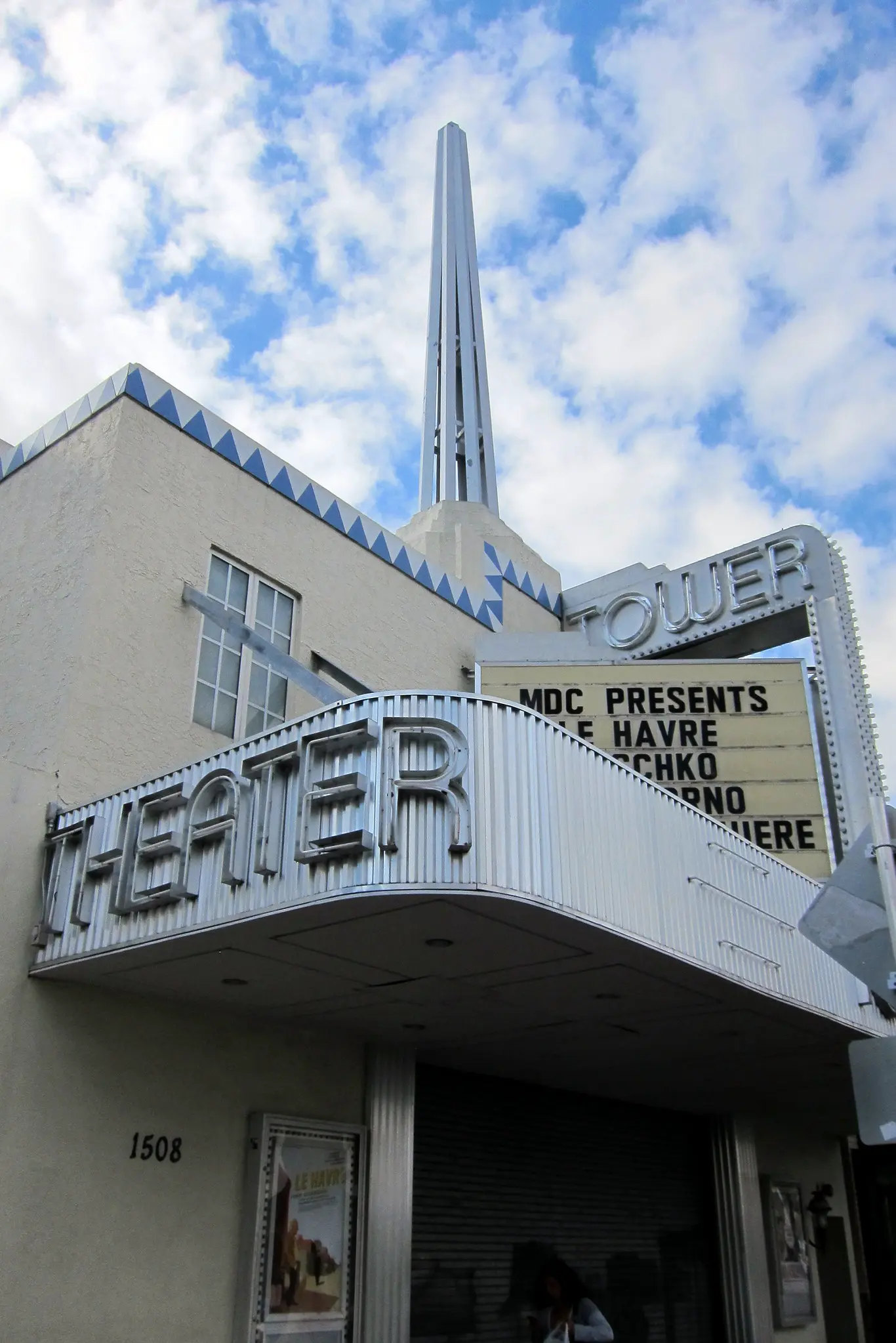
The Historic Tower Theater and Cultural Landmarks
One of the most important cultural anchors here is the Tower Theater—often referred to as the historic Tower Theater. Opened in 1926, it’s one of the oldest cinemas in the city and played a key role in introducing Spanish-language films to Cuban immigrants during the neighborhood’s early years.
What makes it worth visiting:
Independent and international film screenings
Cultural programming tied to Cuban heritage
A restored interior that reflects early 20th-century design
Nearby, you’ll also find quieter parts of the historic district where older buildings and preserved architecture offer a different pace from the main street.
Cuban Art, Galleries, and Local Artists
The art scene here leans heavily into identity—migration, memory, and life between Cuba and the United States. It’s not polished or overly commercial, which is exactly why it feels real.
For a deeper look:
Cubaocho Museum & Performing Arts Center – one of the strongest showcases of Cuban art, blending gallery space with performance
Latin Art Core Gallery – a smaller gallery focused on emerging and local artists
Street murals scattered across side streets, often reflecting political themes and cultural pride
Many of these galleries rotate exhibitions frequently, so there’s usually something new to see—even on a short visit.
Events, Music, and Cultural Fridays
If you want to experience this side of the neighborhood at its most active, time your visit around Viernes Culturales—also known as Cultural Fridays.
Takes place on the last Friday of each month
Galleries stay open late, often with free entry
Street vendors, performers, and pop-up exhibitions line the area
You’ll also come across smaller upcoming events throughout the year, especially tied to seasonal programming or community celebrations.
A Creative Workspace for Inspiration
For remote workers or anyone needing a break from routine, this part of the neighborhood offers a different kind of creative workspace—not formal coworking, but environments that spark ideas.
Consider:
La Colada Gourmet – a quieter café option with seating suited for longer stays
Vice City Bean – a more modern setup with good seating and a steady flow of locals
These spots balance energy and focus, making them ideal for working sessions without leaving the neighborhood’s cultural core.
This side of Little Havana is easy to miss if you stay on the main path. But once you step into its galleries, theaters, and smaller creative spaces, you start to see how deeply art is woven into the identity of the area.
Cigar Shops and Tobacco Culture: Craft, Tradition, and Everyday Rituals
Step into one of the cigar shops along Calle Ocho and you’ll notice the shift immediately—the scent of tobacco, the quiet focus of artisans, and the slower pace that contrasts with the surrounding street. This side of the area reflects a long-standing tradition tied closely to Cuba, where cigar-making is both a craft and a cultural marker.
Inside Little Havana’s Cigar Shops
These aren’t souvenir stops—they’re working spaces where cigars are still rolled by hand, often using techniques passed down through generations.
El Titan de Bronze – one of the most respected names in the area, known for traditional hand-rolled cigar production
Cuba Tobacco Cigar Company – offers live demonstrations and a wide selection of cigars
Little Havana Cigar Factory – smaller, more informal, with opportunities to talk directly to rollers
Expect to see the full process—rolling, cutting, and wrapping—done right in front of you. Many of the blends are influenced not only by Cuba but also by regions like Nicaragua, adding subtle variation to flavor and strength.
Tobacco Traditions and the Role of Craft
Cigar-making here is tied to identity. For many families, it represents continuity—skills carried across borders and maintained over decades.
What defines the experience:
Use of aged tobacco leaves for depth of flavor
Hand-rolling techniques that prioritize consistency and precision
A slower, more intentional pace compared to mass production
Even if you don’t smoke, watching the process gives you insight into a part of the culture that remains largely unchanged.
Where to Pair the Experience: Drinks and Atmosphere
After visiting a cigar shop, nearby spots offer a natural next step—places where you can sit, unwind, and take in the surroundings.
Cubaocho Museum & Performing Arts Center – known for its mojito and evening ambiance
Old's Havana Cuban Bar & Cocina – a lively setting with drinks and outdoor seating
River House Wine & Bar – a quieter option tucked away from the main flow
These spaces extend the experience beyond the shop—combining drink, conversation, and atmosphere in a way that feels unforced.
This part of the neighborhood isn’t about spectacle. It’s about craft, patience, and tradition—elements that continue to define daily life just as much as food or music.
If you’re considering spending more than just a day here, it’s worth looking into fully furnished apartments in Miami that place you within walking distance of these local spots—so the experience isn’t something you visit, but something you live.
Calle Ocho Festival, Cultural Fridays, and Upcoming Events
The rhythm of this historic district shifts throughout the year, and timing your visit around key events can completely change the experience. Beyond the daily street activity, large-scale celebrations and monthly gatherings bring together food, performance, and community in a way that feels both local and global.
Calle Ocho Festival: One of the Largest Street Celebrations in the World
The Calle Ocho Festival is the biggest event tied to this area, typically held in March as part of Carnaval Miami. It stretches across multiple blocks and draws massive crowds from across the country and beyond.
What to expect:
Multiple stages featuring live performances, including salsa bands and Latin music acts
Food vendors serving everything from quick bites to full plates inspired by Cuba and across the region
Dancing in the street, with crowds moving between stages throughout the day
This isn’t a small neighborhood event—it’s one of the largest street festivals in the world, with over a million attendees in peak years.
Cultural Fridays (Viernes Culturales) and Monthly Events
If you want something more manageable, Cultural Fridays—held on the last Friday of each month—offer a more local, walkable version of the same energy.
Galleries and small venues stay open late
Vendors and performers line the street
Music and art blend into a more relaxed evening atmosphere
These monthly events are easier to navigate and give you a clearer sense of how locals engage with the area without the scale of larger festivals.
Seasonal Highlights and When to Visit
Different times of year bring different experiences, and a bit of planning goes a long way.
March – peak energy with the Calle Ocho Festival
July – smaller summer events and a slightly slower pace, but still active
Year-round – pop-up performances, food specials, and rotating programming
You’ll also come across smaller upcoming events posted in shop windows or shared by local venues—often unadvertised online but worth catching if you’re nearby.
Where to Eat and Drink During Events
During festivals and evening events, certain spots become natural gathering points.
Ball & Chain – known for its mojito and open-air layout, making it a central stop during busy nights
El Cuban Diner – a lively option blending Latin flavors with a nightlife setting
Rosa Sky – elevated views and a slightly quieter escape from the busiest blocks
These places offer a balance—close enough to the action, but still comfortable enough to settle in for a while.
Events here aren’t just entertainment—they’re a continuation of the neighborhood’s identity. Whether it’s a major festival or a monthly gathering, they reflect the same mix of history, food, and shared experience that defines daily life.
If you’re comparing where to stay in the city, this is one of the few areas where there’s always something happening just outside your door.
Living in Little Havana Miami: Remote Work, Apartments, and Daily Life in a Havana Neighborhood
Spending more time here reveals a different side of Little Havana Miami—one that goes beyond visiting and into daily rhythm. This Havana neighborhood blends movement and routine, where mornings start slow, afternoons build energy, and evenings stretch longer than expected. For remote workers, it offers something rare: a place that feels active without being overwhelming.
What Daily Life Feels Like Just West of Downtown
Living just west of Downtown Miami puts you close to the city center while maintaining a more grounded pace. The area connects easily to major routes, including those running along the Miami River, making short commutes manageable.
What stands out day-to-day:
Walkable access to local restaurants, bakeries, and small markets
A steady mix of long-time residents and newer arrivals
Public spaces like parks that act as social hubs throughout the day
Compared to faster-paced parts of the city, this area feels more lived-in and consistent.
Maximo Gomez Park and Social Rhythm
At the center of daily interaction is Maximo Gomez Park, a space that continues to anchor the surrounding blocks. While many pass through briefly, those who return regularly start to recognize familiar faces and routines.
Games of dominoes continue throughout the day
Regular visitors follow unwritten schedules
Conversations often carry across benches and shaded areas
It’s one of the few places where time slows without feeling static—something that becomes more noticeable if you stay longer.
Work-Friendly Spots and Creative Workspace Options
Working remotely here doesn’t require formal coworking spaces. Instead, a mix of cafés and quieter corners creates a flexible setup.
Vice City Bean – strong WiFi, structured seating, good for longer sessions
Suite Habana Cafe – balanced environment with consistent service
La Colada Gourmet – a reliable stop if you need a quick reset between tasks
These spots double as a creative workspace, especially during mid-morning hours before peak traffic builds.
Finding Apartments and Long-Term Stays
For longer stays, the area offers a range of housing options, from older buildings to renovated units designed for remote work.
Typical setups include:
Fully furnished apartments with dedicated desks and ergonomic seating
High-speed internet setups suitable for video calls
Layouts designed for both short stays and extended use
If you’re planning to stay longer, it’s worth exploring fully furnished apartments in Little Havana Miamithat are already optimized for work—saving you from piecing together a setup yourself.
Staying here shifts your perspective. Instead of moving from one highlight to another, you begin to notice patterns—how the day unfolds, where people gather, and how everything connects without needing to be planned.
Little Havana vs Downtown Miami vs Wynwood: Which Area Fits You Best?
Choosing where to stay in Miami isn’t just about location—it’s about how you want your days to feel. Each area offers a different pace, environment, and type of experience, especially if you’re planning more than a short visit.
Quick Comparison of Key Areas
Area | Vibe | Average Stay Cost | Best For |
|---|---|---|---|
Little Havana | Cultural, local, historic district | $$ | Food, identity, slower pace |
Downtown Miami | Fast-paced, urban, business-focused | $$$ | Proximity, convenience |
Wynwood | Creative, art-heavy, nightlife-driven | $$$ | Design, visuals, social scene |
What Makes Each Area Different
Little Havana
Best if you want something grounded and immersive. The focus here is on food, daily life, and long-standing traditions. You’ll find more consistency in routines and a stronger sense of place.Downtown Miami
More vertical, more modern, and closer to office spaces and transit hubs. It’s efficient but less personal, with fewer small-scale interactions compared to other areas.Wynwood
Known for its galleries, murals, and design-forward spaces. It leans heavily into visuals and nightlife, which can be exciting but less balanced for longer stays.
When to Choose Little Havana
Choose this area if you:
Prefer walkable surroundings with regular spots you return to
Want access to independent restaurants rather than chains
Value atmosphere over convenience
If you’re deciding where to base yourself, explore Little Havana in our neighborhood guide to see how it compares in more detail.
Where you stay shapes everything—from how you spend your mornings to how your evenings unfold. The right fit depends less on popularity and more on how you want your time to feel.
Why Little Havana Miami Is Worth Experiencing
Little Havana Miami stands out because it hasn’t been simplified for visitors. It still reflects its origins—shaped by migration, resilience, and a strong sense of identity tied to Cuba.
You see it in the details:
Long-standing businesses that haven’t changed format in decades
Food that prioritizes consistency over trends
Public spaces where interaction happens naturally
It’s also one of the few areas in the city where daily life and cultural expression exist side by side without separation. That’s what gives it staying power—not just as a place to visit, but as somewhere people continue to return to.
For travelers, it offers depth. For longer stays, it offers stability without losing character.
If you’re planning to spend time here, consider fully furnished apartments in USA that place you close to everything—so you’re not commuting into the experience, but already inside it.