Maya
Culture & Exploration Editor ·
Colonia Americana was named the coolest neighborhood in the world in 2022, and if you spend a week here, you'll understand why — but you'll also start to see what that title costs you. Rents have moved. The weekend foot traffic on Avenida Chapultepec is real. And the city's best coffee is now competing with a lot of people who have the same laptop as you. That said, no other neighborhood in Guadalajara gives you this density of good food, walkable streets, independent galleries, and actual nightlife within a 15-minute radius. This guide covers:
Which part of Colonia Americana to base yourself in, and why it matters
Where to eat, drink, and work without tourist-trap pricing
How rents compare across Guadalajara's main neighborhoods
The architectural and cultural context that makes this place worth staying in longer
Hotels and furnished apartment options for short and medium-term stays
What Avenida Chapultepec actually looks like on a Tuesday vs. a Saturday
What Makes Colonia Americana Guadalajara Worth Staying In
Most neighborhoods that win "coolest in the world" lists become unlivable within two years. Colonia Americana hasn't — yet. The infrastructure is genuinely good, the street life rewards walking, and the architecture gives you something that Mexico City's trendier colonias don't: early 20th-century residential scale that hasn't been demolished for towers.
The Architecture and Street Culture of Colonia Americana
The neighborhood was originally established in the late 19th century as a luxury suburb, and that origin shows in the building stock in a way that still matters for daily life.
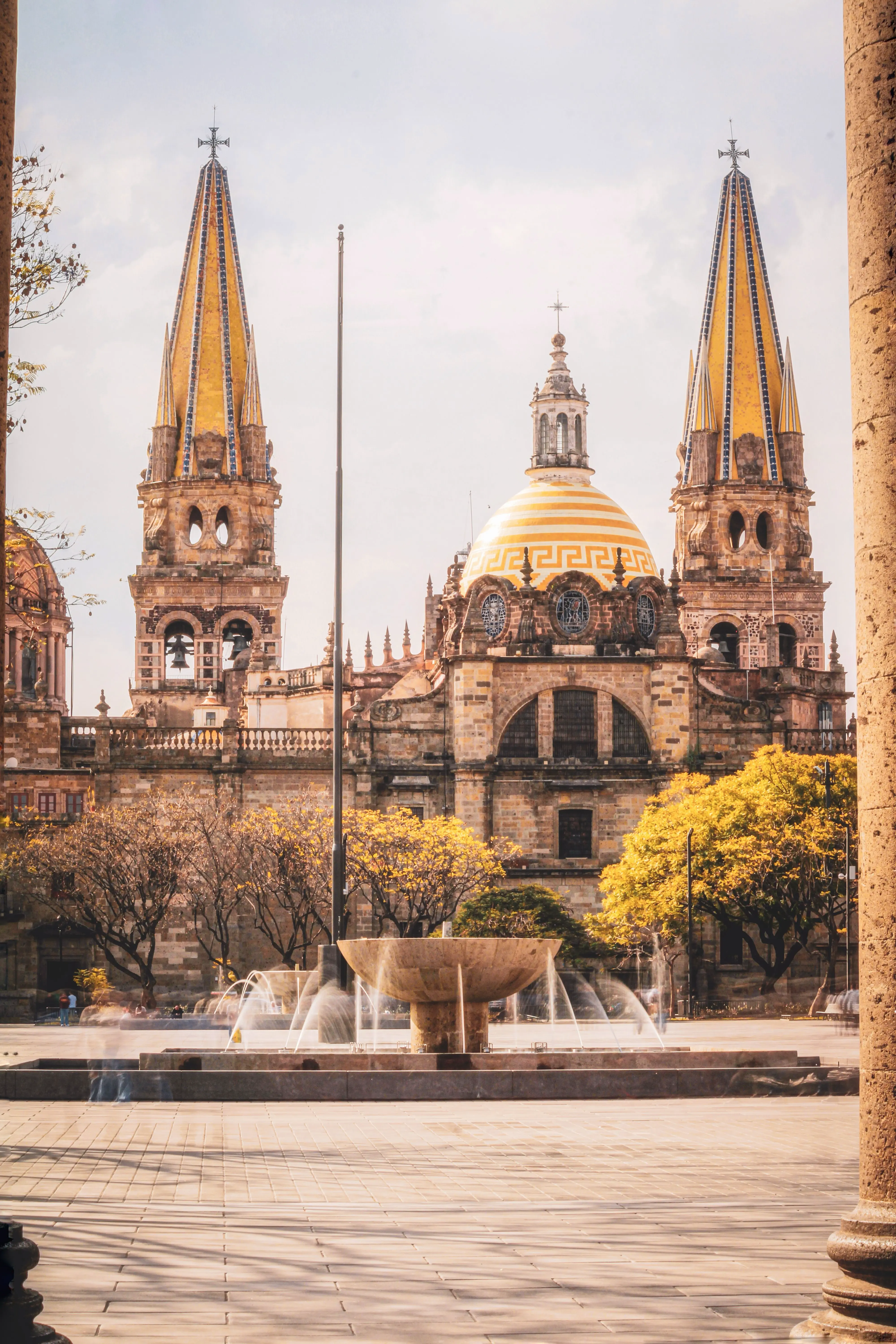
Templo Expiatorio del Santísimo Sacramento — took 75 years to complete; the Blessed Sacrament church is two blocks from the heart of the neighborhood and worth orienting yourself around on arrival
Casa de los Abanicos — built in 1903, one of the most photographed buildings in Jalisco; the iron fan details on the facade are the photo everyone takes
Avenida Vallarta — lined with historic mansions, many converted to offices and creative studios; good for a morning walk before it gets hot
Works from architect Luis Barragán are scattered through the neighborhood — not museums, just buildings, which is the point
The street art here isn't decorative afterthought — it's part of an ongoing arts scene that's been operating independently of Guadalajara's institutional culture for years.
Colonia Americana vs. Mexico City: Why Remote Workers Are Choosing Guadalajara
If you've been basing yourself in Roma Norte or Condesa and want lower rent, slower pace, and fewer tourists, Guadalajara Jalisco makes a strong case — with some real caveats.
A furnished 1-bed in Colonia Americana runs MXN 12,000–18,000/month; comparable quality in Mexico City's Roma Norte starts around MXN 18,000–24,000/month
The cultural offer is smaller than Mexico City — one major museum district, not five — but for most remote workers that's irrelevant noise
Guadalajara's food scene is genuinely distinct: birria, tortas ahogadas, and tequila-country provenance that Mexico City imports from here
The city has fewer international flights, which matters if you're hopping between clients — check routes before you commit to a 3-month lease
The honest trade-off: you get a better quality of daily life for less money, but you're in a smaller city, and that ceiling becomes visible around month three.
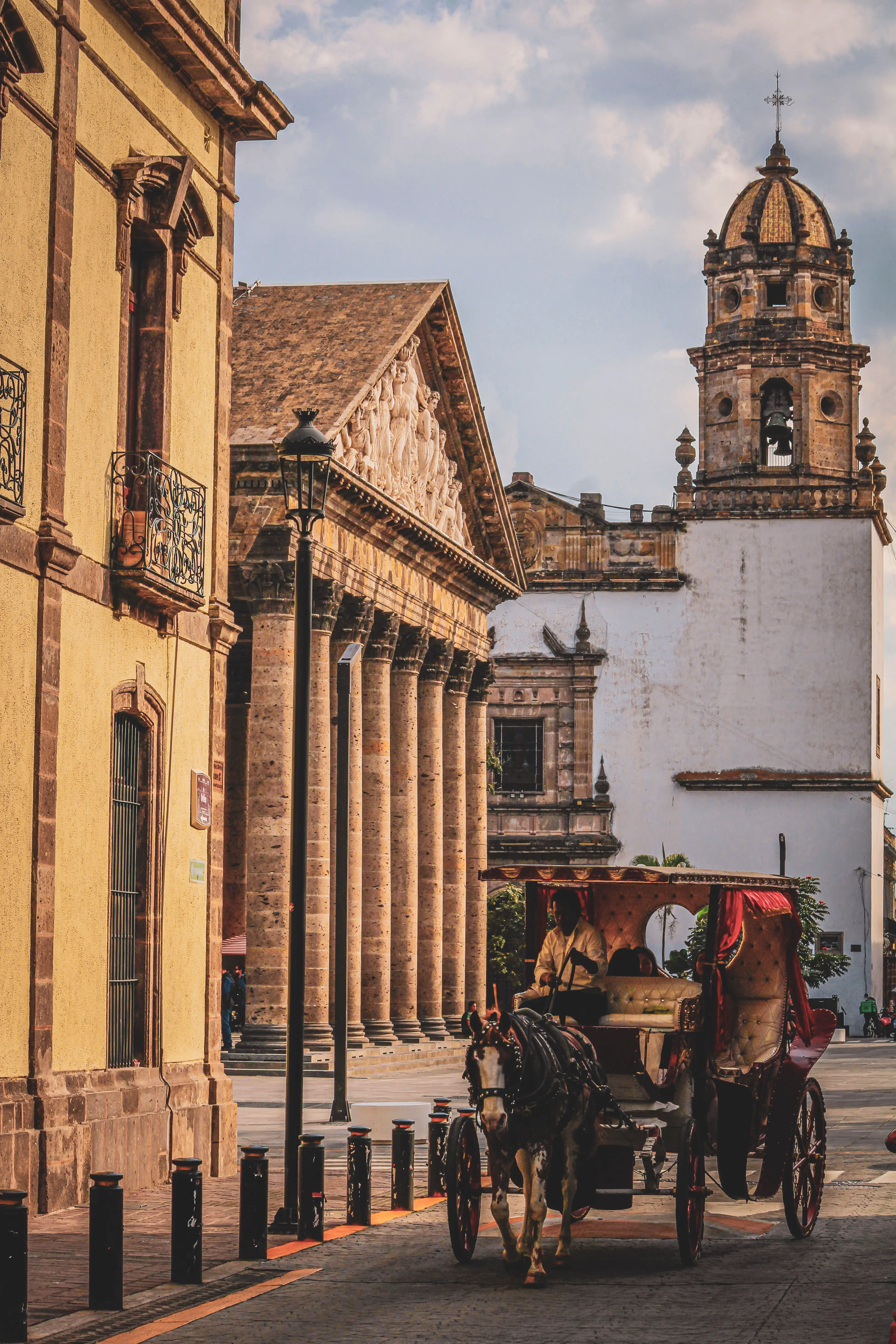
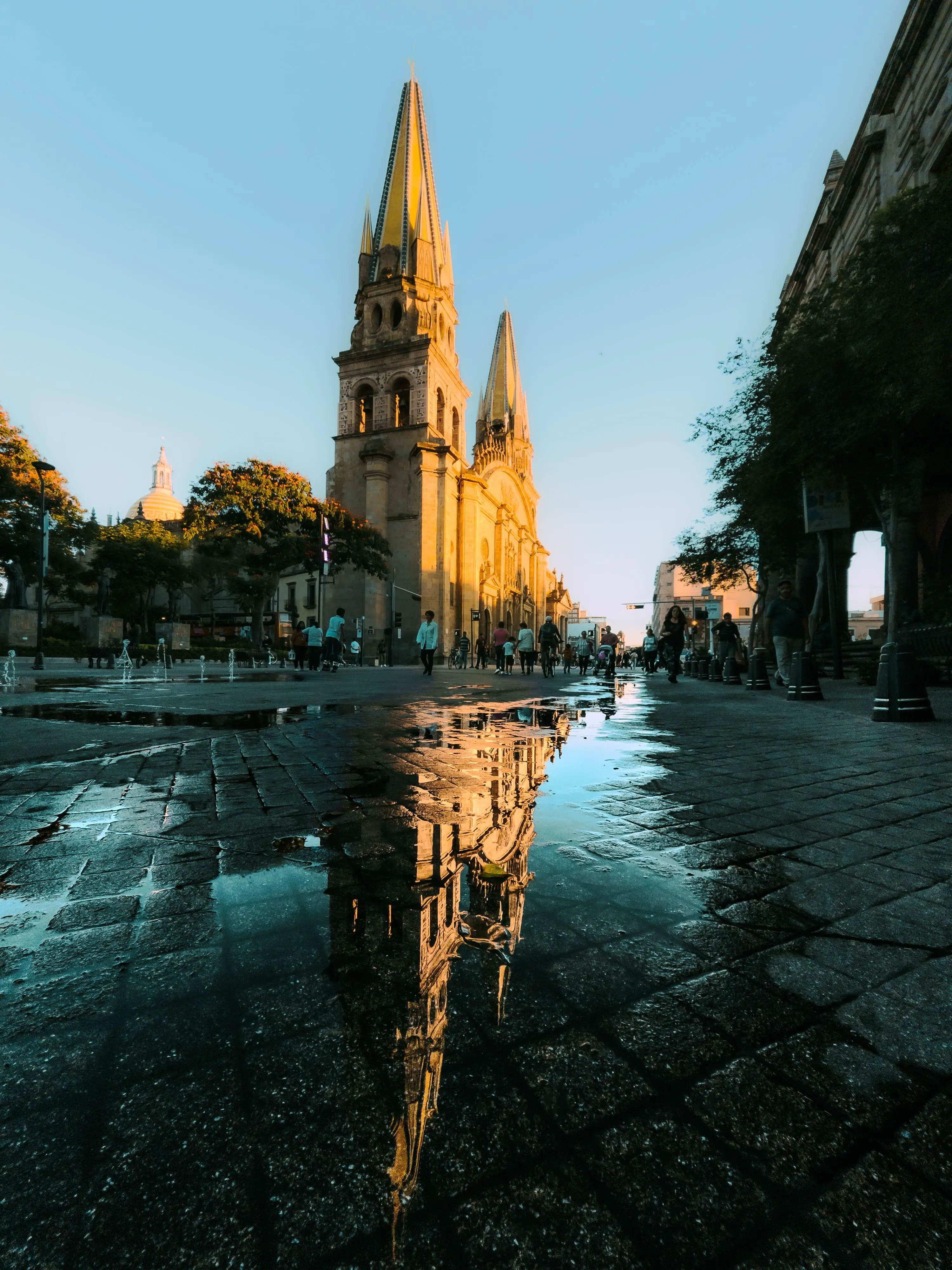
Colonia Americana is located roughly two kilometres west of the Historic Centre, which means you can reach the Catedral de Guadalajara by bike in under fifteen minutes without touching a highway.
Guadalajara Jalisco Neighborhoods: How Colonia Americana Compares
Where you stay in Guadalajara shapes everything from your commute to your grocery bill to how often you leave the apartment. Colonia Americana sits between Chapultepec's bar strip and the university district, which makes it the default choice — but not always the right one.
Neighborhood | Monthly Rent (1-bed) | Vibe | Best For | Key Advantage |
|---|---|---|---|---|
Colonia Americana | MXN 12,000–18,000 | Bohemian, walkable, loud on weekends | Remote workers, creatives, mid-term stays | Best café and restaurant density in the city |
Chapultepec / Lafayette | MXN 10,000–15,000 | Quieter, residential, less foot traffic | Families, long-term expats, lighter budgets | Lower rents, still walkable to Americana |
Providencia | MXN 15,000–22,000 | Polished, upscale, calmer pace | Corporate remote workers, longer stays | Best supermarkets, quieter streets |
Tlaquepaque | MXN 8,000–13,000 | Artisan markets, tourist-adjacent | Short visits, craft-focused travelers | Cheapest rents near the city center |
Centro Histórico | MXN 9,000–14,000 | Dense, loud, culturally rich | First-timers, short trips | Walking distance to major cultural sites |
Colonia Americana wins on convenience. It loses on quiet. If you're doing deep work that requires silence, Providencia is the better call — and the rent difference is smaller than you'd expect. Explore Guadalajara neighbourhoods in our neighbourhood guide for a full block-by-block breakdown.
What the Neighborhood Actually Costs Day-to-Day
The coolest neighborhood label drives prices up, but not uniformly — the gap between tourist-facing and local-facing pricing is still wide enough to exploit if you know where to look.
Coffee at a specialty café on Calle Marsella: MXN 60–80 per flat white — the same drink costs MXN 40 two streets west
Menú del día lunch at a neighborhood comedor: MXN 80–110, three courses; the tourist-facing restaurants on Avenida Chapultepec charge MXN 180–250 for the same food
Weekly market at Mercado de Abastos: produce costs 30–40% less than the organic shops on López Cotilla — worth the trip once a week
Furnished apartment vs. hotel: after day 18, the furnished apartment wins on cost without exception
The real budget question isn't whether Guadalajara is cheap — it is — but whether you stay on the local side of the price divide or drift to the tourist side by habit.
Colonia Americana wins over Tlaquepaque for day-to-day shopping — the stretch of Calle Efraín González Luna has independent bookshops, vintage clothing stores, and a weekend artisan market that Providencia cannot match for character.
Avenida Chapultepec: Bars, Food, and What to Skip
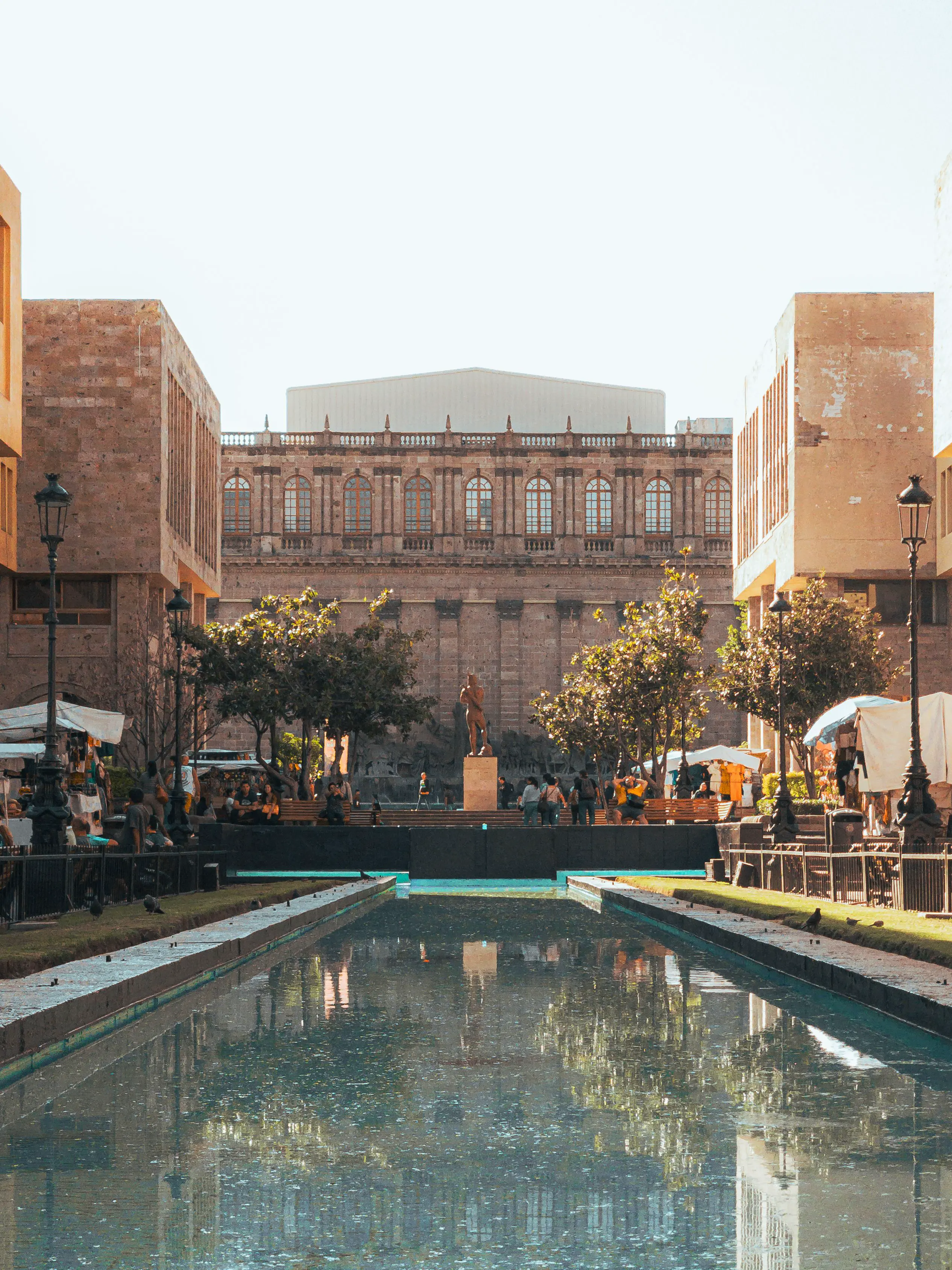
Avenida Chapultepec is the main bar district in Colonia Americana, and on a Saturday night it earns that description completely. On a Tuesday morning it's a different street — quieter, better for coffee, and the spot where you'll start to understand what the neighborhood actually is beneath the nightlife layer.
Eating and Drinking on and Around Avenida Chapultepec
The food on Chapultepec ranges from genuinely excellent to overpriced and obvious — the gap between them is usually one block.
Cervecería Chapultepec — food and drinks at MXN 19.90 each, which sounds too cheap and turns out to be true; crowded after 8pm, better at 6pm
Habanero Negro — Yucatan-style food with creative cocktails; the cochinita is the reason to go, not the drinks
El Sacromonte — historic restaurant that cooked for Pope John Paul II on his visit; the menu leans traditional Mexican, the pricing leans occasion dining
La Menudería — specialises in menudo, the traditional beef stew that Jalisco does better than anywhere else; breakfast only, and it runs out
The best breakfast in the neighborhood is at La Menudería, but you need to arrive before 9am — it's not a suggestion, it's a constraint.
Plaza de los Mariachis is a 20-minute walk east, but Avenida Chapultepec has its own informal gathering points — the small plaza at the junction with Calle Jesús García fills up with street food vendors every evening from around 7pm.
Bars and Nightlife: What Colonia Americana Looks Like After Dark
The bars here range from polished cocktail spots to genuine dives, and both are worth your time depending on what you're after.
Bar Américas — known for electronic and techno music parties; the room is small, the sound system is not, and it doesn't start until midnight
Farmacia Rita Pérez — popular dive bar; the name is the joke, the mezcal is the reason to stay, and the crowd is mixed local and expat without feeling staged
The strip between Colonias and Marsella has the better bar density for a low-key Tuesday night — quieter than the main boulevard, easier to get a seat
If you're keeping European remote-work hours and need sleep before 10am, book accommodation two blocks off Chapultepec — not on it.
Where to Stay in Colonia Americana: Hotels and Furnished Apartments
The accommodation options in Colonia Americana have improved significantly since 2020 — there are now boutique hotels worth staying in and furnished apartment stock that competes with Mexico City's better-managed buildings. The right choice depends entirely on how long you're staying.
Boutique Hotels Worth Knowing About
For stays under two weeks, the boutique hotel options here are genuinely good — but know what you're getting before you book.
Casa Habita — rated 9.0/10, offers bike rentals, and the restaurant uses local ingredients from Jalisco producers; the rooms are well-designed but compact
Villa Ganz — Guadalajara's first boutique hotel, 10 rooms only; the location on López Cotilla is quieter than the Chapultepec strip, which is either the point or the problem depending on your priorities
Demetria Bungalows — date back to 1936 with modern interiors retrofitted into the original building; the combination works better than it sounds
Hotel Bellwort — opened in early 2021 after a major remodel; the building is the selling point, not the services, which are still finding their footing
Villa Ganz is the most consistent of the four — the 10-room scale means guests actually get attention, which the larger boutique properties can't always say.
A common complaint in budget guesthouses under 600 pesos per night in Colonia Americana is weak water pressure — if a hot shower in the morning is non-negotiable, pay the extra 200 pesos for a mid-range boutique hotel on Calle Libertad where the plumbing is reliably modern.
Furnished Apartments for Medium and Long-Term Stays
Once you're past two weeks, the apartment option is the only one that makes financial sense — and Colonia Americana has enough furnished stock to be selective.
Studios on Calle Libertad and the streets running parallel to Chapultepec: MXN 10,000–13,000/month fully furnished — these move fast, budget 2–3 days to find the right one
1-bed apartments with a dedicated workspace: MXN 14,000–18,000/month; the building quality varies significantly, so visit in person before committing
Hotel Isabel — cheap and clean with functional common areas; a good option for the first week while you find a proper apartment rather than a long-term base
Bills (internet, electricity, water) typically add MXN 1,500–2,500/month; internet in the neighborhood is generally strong enough for video calls without a coworking day pass
Find fully furnished apartments in Guadalajara that are vetted, move-in ready, and don't require the week-one scramble of finding a base from a hotel room.
Where to Eat and Drink in Colonia Americana Without Defaulting to the Tourist Strip
Chapultepec has the visibility, but the places worth returning to are usually a few blocks off it — quieter, cheaper, and less interested in your Instagram.
Tacos, Lunch, and the Afternoon Menú
If you're hungry before 2pm, Colonia Americana feeds you better and faster than almost anywhere in Guadalajara at prices that don't require a second thought.
Taquería Los Insurgentes — tacos de canasta from MXN 18 each, open from 8am, gone by noon; arrive before 11am or eat something else
Café Madoka — afternoon menu runs MXN 95–130, includes soup, main, and agua fresca; the kitchen closes at 4pm sharp regardless of whether you've finished
Mercado Atemajac — six blocks north of the main Chapultepec strip; comida corrida stalls from MXN 65, cleanliness is consistent, and it hasn't been discovered by the expat community yet
Street tacos along Calle Marsella on weekday afternoons: MXN 20–25 each, cash only, the line is the quality signal
The menú del día habit is one of the easiest ways to eat well here on under MXN 150 a day — and once you find two or three reliable spots near your apartment, you stop thinking about it.
Pare de Sufrir on Calle Marsella runs a tasting menu on Friday evenings for around 550 pesos that works through six courses of contemporary Jaliscan cooking — book at least three days ahead because it sells out consistently.
Bars, Beer, and Where the Neighborhood Actually Drinks
The bar scene in Colonia Americana stays alive well past midnight on weekends, but the more interesting drinks happen earlier and in smaller rooms.
La Fuente — one of the oldest cantinas in the area; beer from MXN 35, wine by the glass from MXN 70, and a crowd that's been drinking here for decades rather than weeks
Biolento — natural wine list, bottles from MXN 380; the room fits about 30 people, which keeps the noise at a level where conversation is still possible
Gulden Draak — craft beer from MXN 80, late kitchen, the kind of place that works equally well on a Tuesday as on a Saturday
December brings outdoor parties and temporary bars along the pedestrian stretches near Lafayette — enjoyable if you're into it, impossible to avoid if you're not
La Fuente is the honest answer to where the neighborhood drinks; everything else is where it performs drinking for an audience.
The mezcal tasting flights at La Santísima Trinidad on Calle Marsella are pretty good value at around 180 pesos for three pours — better than anything comparable on Avenida Chapultepec.
Arts, Architecture, and the California-Influenced Cultural Infrastructure of Colonia Americana
The 2022 recognition wasn't random — the neighborhood has a density of arts institutions, temple facades, and walkable cultural infrastructure that most cities build over centuries and still don't get right.
Galleries, Arts Spaces, and Independent Culture
The arts community here isn't representative of a single scene — it's several overlapping ones, which means there's usually something on regardless of when you arrive.
Instituto Cultural Cabañas — MXN 80 entry, Orozco murals on the chapel ceiling, genuinely one of the more beautiful interior spaces in Mexico; go on a weekday morning when the tour groups haven't arrived
The Lab Galería — free entry, rotating shows every 4–6 weeks, a comfortable place to spend an afternoon without feeling obligated to buy anything
Centro Cultural El Refugio — independent programming, free or MXN 30–50 for events; the community using it skews local rather than expat, which is worth seeking out
Construction on Calle Lerdo has been ongoing for most of the past two years — the streetscape near some galleries is less clean than the rest of the neighborhood, which matters for first impressions
The arts infrastructure here isn't curated for tourists passing through — it's built for a city that actually uses it, and that distinction shows in the programming.
Temples, Architecture, and the Streets Worth Walking Slowly
The neighborhood's architecture is the easy comment to make about Colonia Americana, but the specific streets are worth naming rather than gesturing at in general terms.
Templo de San José de Analco — one of the oldest temple structures in Guadalajara, two blocks from the Lafayette commercial strip; the interior is quiet in a way the exterior doesn't promise
Calle Efraín González Luna between Chapultepec and Avenida México — the best-preserved residential block in the area; walk it slowly and you'll understand why the neighborhood earned its recognition
Teatro Diana — active performance venue, tickets MXN 200–900 depending on production; the building itself is worth the walk even if you don't go inside
Lafayette as a commercial area is easy to enjoy for errands but the blocks between it and the residential interior are where the neighborhood's actual character lives
The temple on González Luna is the kind of place you find by walking rather than searching — which is a reasonable summary of how to use this neighborhood.
The influence of Italian architect Adamo Boari — best known for designing the Palacio de Bellas Artes in Mexico City — is felt in the ornate Porfirian facades along Avenida Juárez, several of which are a short walk from Colonia Americana's western edge.
The Colonia Americana Experience After Three Months
The neighborhood stays comfortable longer than most — but there's a ceiling, and knowing where it is saves you from hitting it by surprise.
The host community — local landlords, building managers, and long-term expats — is experienced enough that onboarding is genuinely easy compared to other Mexican cities
By month two you've walked every block multiple times and the novelty of the architecture gives way to whether the city itself has enough going on — Guadalajara mostly does, but not at Mexico City's pace
The December parties, the construction noise on certain streets, and the weekend crowd on Chapultepec are the three things that generate the most negative comment from people who stay three months or more
The neighborhood is a comfortable representative of what Guadalajara does best — but it's not the whole city, and treating it as such is the most common mistake people make
Three months here will tell you whether Guadalajara is your city or your season — and that's a more honest answer than most neighborhoods give you.
Practical Notes Before You Book: Noise, Seasons, and What to Verify in Person
Price and location are the easy variables. The things that determine whether you stay or leave at month two are the ones nobody puts in the listing.
Noise Levels, Cleanliness, and What the Listing Won't Tell You
The neighbourhood's cleanliness varies more by street than by district — a clean block and a difficult one can be two minutes apart on foot.
Streets directly adjacent to Chapultepec (one block either side) have higher foot traffic, louder weekend noise, and more irregular cleanliness — budget apartments here trade price for that compromise
The area east of Calle Colonias and north toward Avenida México is quieter and cleaner; the price difference is MXN 1,500–2,500/month, which is worth it if you keep working hours past 10pm
Construction activity has been concentrated near the Lafayette and Chapultepec intersection since mid-2023 — verify what's happening on your specific block before signing anything longer than a month
Upper-floor apartments in older buildings are consistently quieter and better ventilated; ground-floor units on commercial streets are cheap for a reason
The cleanliness and noise picture shifts enough within a six-block walk that it's worth spending an afternoon on the specific street before you commit to the apartment.
When to Arrive, When to Avoid, and What December Actually Means
Guadalajara has a year-round appeal, but the city doesn't treat all months equally — and Colonia Americana amplifies whatever is happening at the city level.
March through June: the most comfortable working months — dry, warm afternoons, the jacarandas are alive along the main avenues, and the neighbourhood isn't at capacity
July through September: rainy season; streets flood occasionally near the Chapultepec underpass, and the humidity makes ground-floor apartments less comfortable than the listings suggest
December: the neighbourhood stays alive with posadas, street parties, and outdoor drinks until well past midnight on weekends — beautiful if you're here for it, genuinely loud if you're trying to work through it
January arrivals get the best price leverage on apartments — landlords who didn't rent through December are more flexible on the first two months
Locals will often warn you about the weekend noise on Avenida Chapultepec — "sí hay ambiente, pero no puedes dormir antes de las 2am" is something you will hear more than once if you ask neighbours directly.
If your schedule is flexible and you can arrive in March, you'll see the neighbourhood at its most straightforwardly easy — the weather, the pace, and the availability all align.
Is Colonia Americana the Right Base for You?
Who Colonia Americana Actually Works For
This neighbourhood suits remote workers who want density to do the heavy lifting — walkable food, culture within a few blocks, and streets that feel alive without requiring a car.
One to three month stays get the most out of the price-to-quality ratio before the city's scale becomes limiting
People who cook and eat seriously will find the food options genuinely good rather than just convenient
Those who can work through ambient noise will adapt quickly; those who need silence as a baseline will not
Anyone expecting a metropolis on the scale of Mexico City will hit the ceiling faster than they expect
The neighbourhood rewards people who want to live on the streets rather than just visit them — that distinction matters more than it sounds.
The Honest Case For and Against
Colonia Americana's strengths and weaknesses are equally straightforward, which makes it easier to decide than most neighbourhoods that oversell themselves.
Furnished apartment pricing undercuts comparable neighbourhoods in Mexico City by a meaningful margin
Chapultepec corridor brings weekend crowds and noise that are difficult to ignore if your apartment faces the street
Construction activity in the colonia is ongoing and unpredictable — check the immediate block before committing to a lease
The food is serious enough that it will hold your attention for months rather than weeks
A city whose limitations become visible faster than most people expect is not necessarily a bad base — it just means you should arrive knowing that rather than discovering it in week six.
If you are travelling from a smaller town in Jalisco like Ajijic or Tequila and want a Guadalajara base that feels walkable and human-scaled rather than sprawling, Colonia Americana is the obvious choice over Zapopan.
Making the Decision and Finding a Place
For a one-to-three month remote working stay, Colonia Americana offers the best value in Guadalajara — but the quality gap between a good street and a mediocre one is wide enough to matter.
Arrive with a specific street in mind rather than a general neighbourhood — the blocks west of Chapultepec differ significantly from those to the east
Fully furnished apartments in the colonia are widely available and priced competitively for what they include
Short-stay furnished options are easier to find here than in quieter colonias, which matters if you want flexibility
Find your next base with fully furnished apartments in Mexico and filter by colonia before you commit
The people who leave disappointed are almost always the ones who chose the neighbourhood on reputation rather than checking whether its particular trade-offs matched how they actually work and live.