














Airbnb Was Built for Short Stays. Remote Workers Need Something Else.
Long stays are a growing share of Airbnb bookings, but uneven work setups and Spain's crackdown on tourist rentals make it a poor fit for remote work.
Airbnb has spent several years courting guests who stay for a month or longer. In the third quarter of 2023, stays of 28 nights or more accounted for 18 percent of the gross nights booked on the platform, the company says on its own website. The share was 17 percent in the first quarter of 2024, according to the industry publication Rental Scale-Up. The category includes remote workers who can keep their jobs while living somewhere else for a season.
The fit between the two is less natural than the numbers suggest. Airbnb's inventory was built for holidays, and a listing designed for a long weekend often lacks what a full working week requires. At the same time, regulators in some of the most popular European cities are shrinking the supply of short-term rentals, which changes the calculation for anyone planning a longer stay.
A platform built for holidays
The core difficulty is variety. Airbnb's listings are set up by individual hosts, each with their own standards, and listing descriptions rarely capture the details that matter for work. A "dedicated workspace" can mean a proper desk and chair, or a small table near a window. Internet speeds vary by building and by provider, and are seldom stated. Noise from neighbors or the street, which matters little on a short holiday, becomes a real problem during calls.
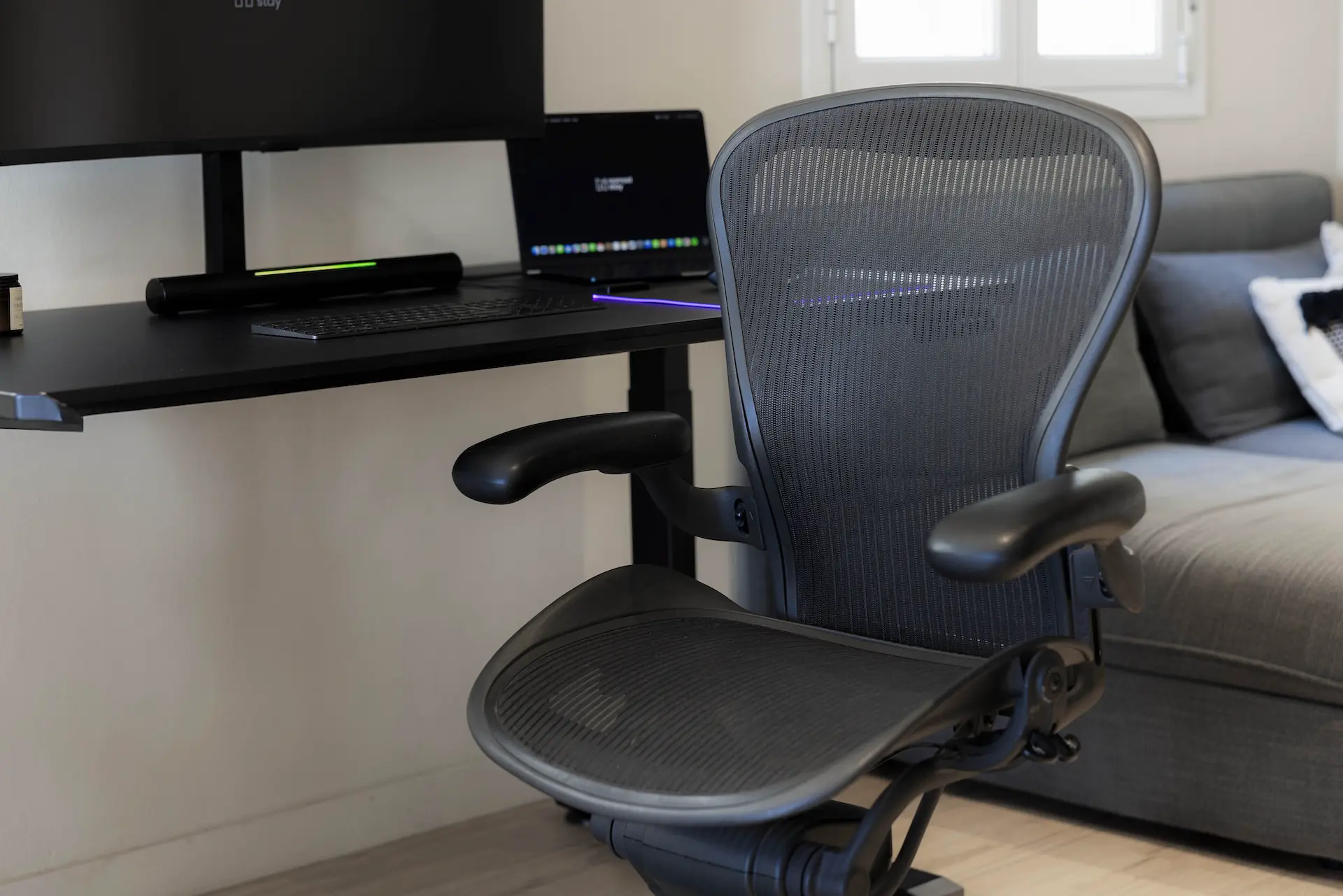
Furniture is the issue most often underestimated. A dining chair is not designed for eight hours of sitting, and a kitchen table is usually the wrong height for a laptop. The European Agency for Safety and Health at Work reports that about three in five workers in the European Union report musculoskeletal complaints, citing the European Working Conditions Survey, and that prolonged sitting is among the risk factors employers most often identify. A month of work at a poorly arranged table does not help.
Consistency is the third problem. A remote worker who moves every month or two has to reassess each listing from scratch, and the quality of one stay says little about the next. For someone whose income depends on being reliably available for meetings, that uncertainty has a cost.
Regulation is changing supply
In Spain, the question of supply has become as pressing as the question of quality. Since July 1, 2025, all tourist rentals in Spain have had to carry a registration number from a single national registry. At the end of July 2025, Spain's Ministry of Social Rights and Consumer Affairs said that Airbnb had removed tens of thousands of listings at its request, including 54,728 identified as lacking a registration number and about 5,800 taken down after a ruling by Madrid's High Court, according to Catalan News.
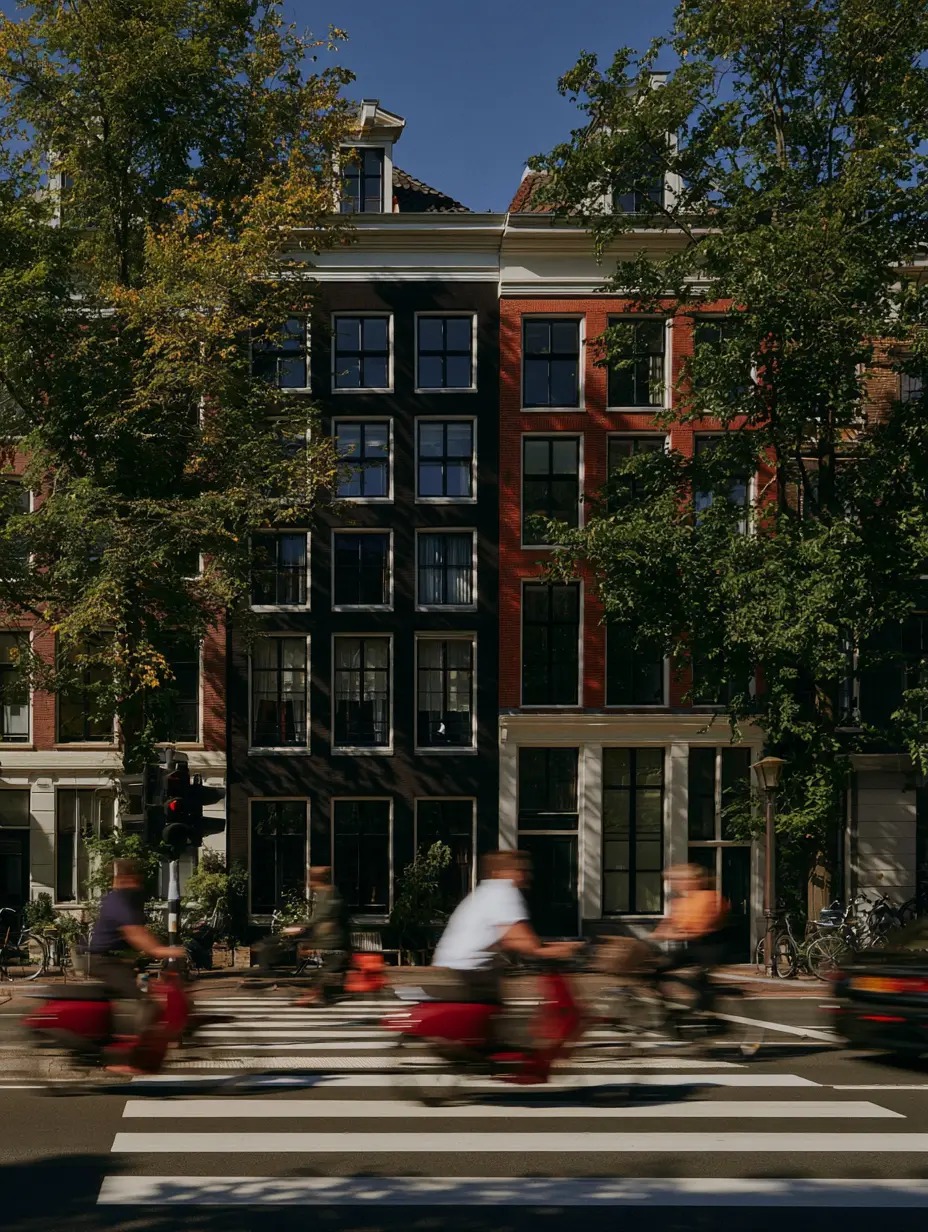
Barcelona has gone further. In June 2024, the city's mayor, Jaume Collboni, announced that Barcelona would not renew its 10,101 tourist apartment licenses when they expire in November 2028, which would end legal holiday lets in the city's apartments. For remote workers who have relied on holiday rentals for stays in Barcelona, the practical effect is fewer listings and more uncertainty about whether a particular listing is lawful.
What a work-ready rental needs
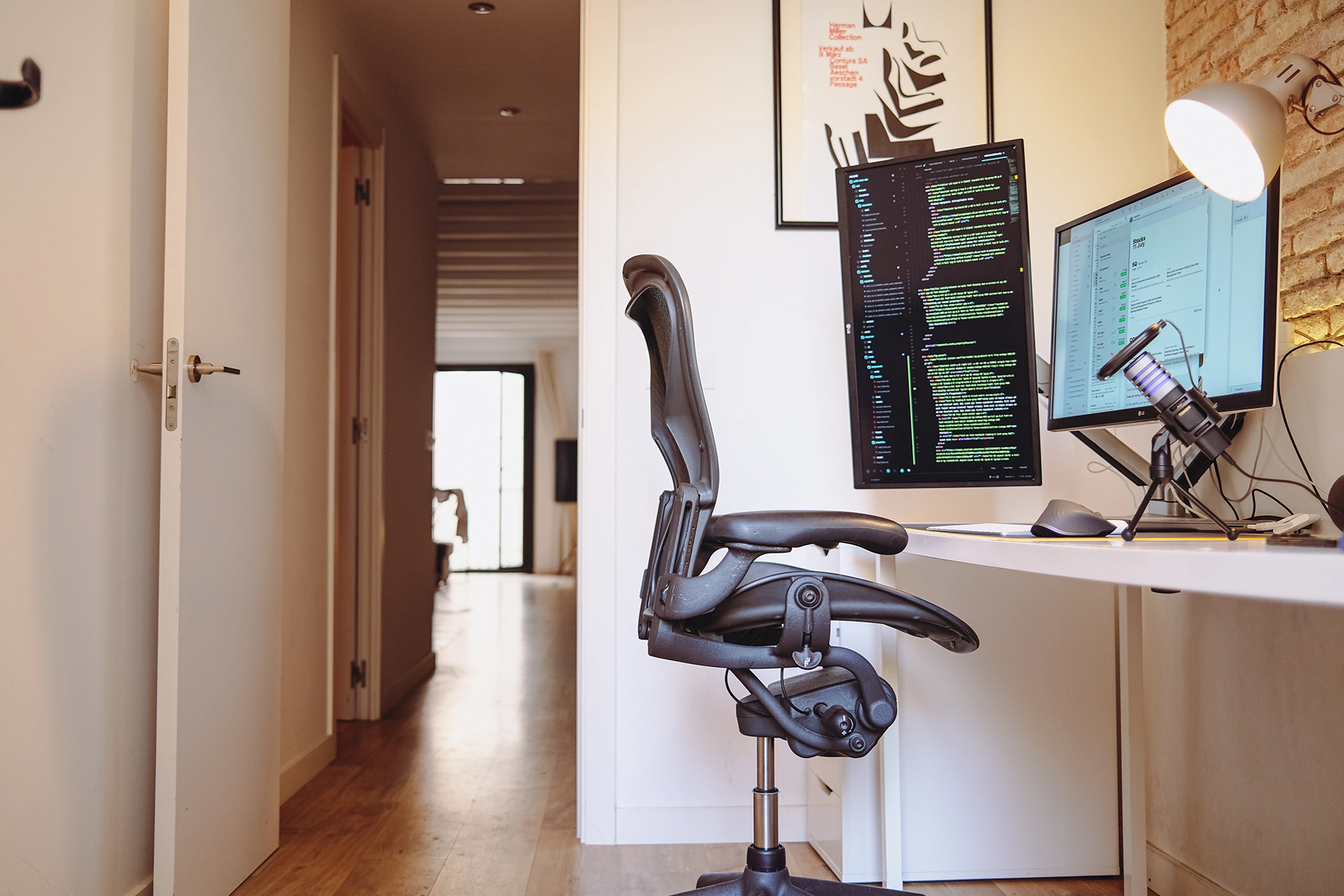
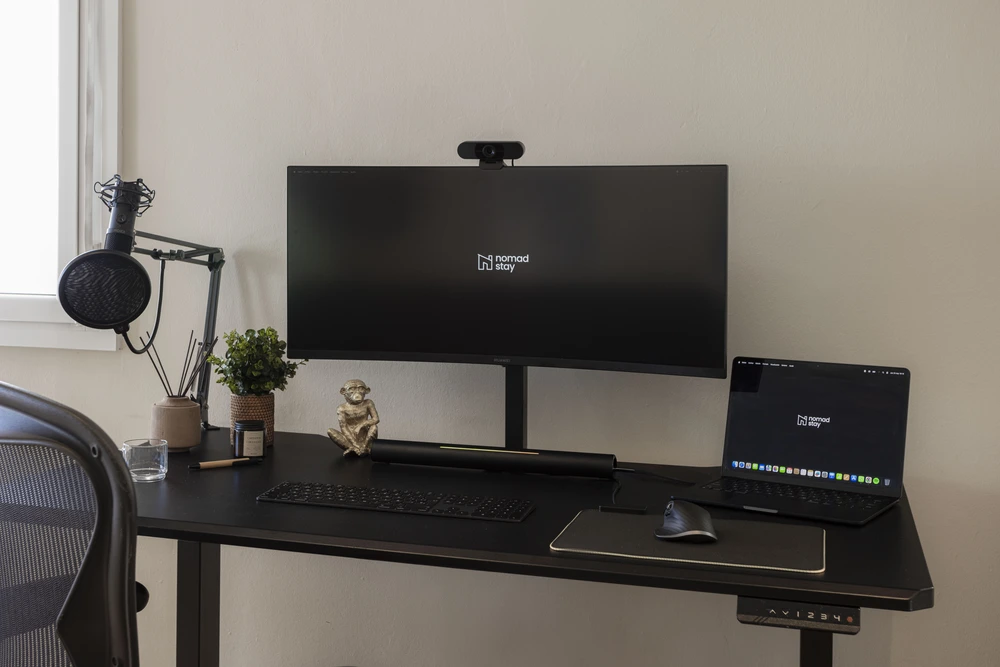
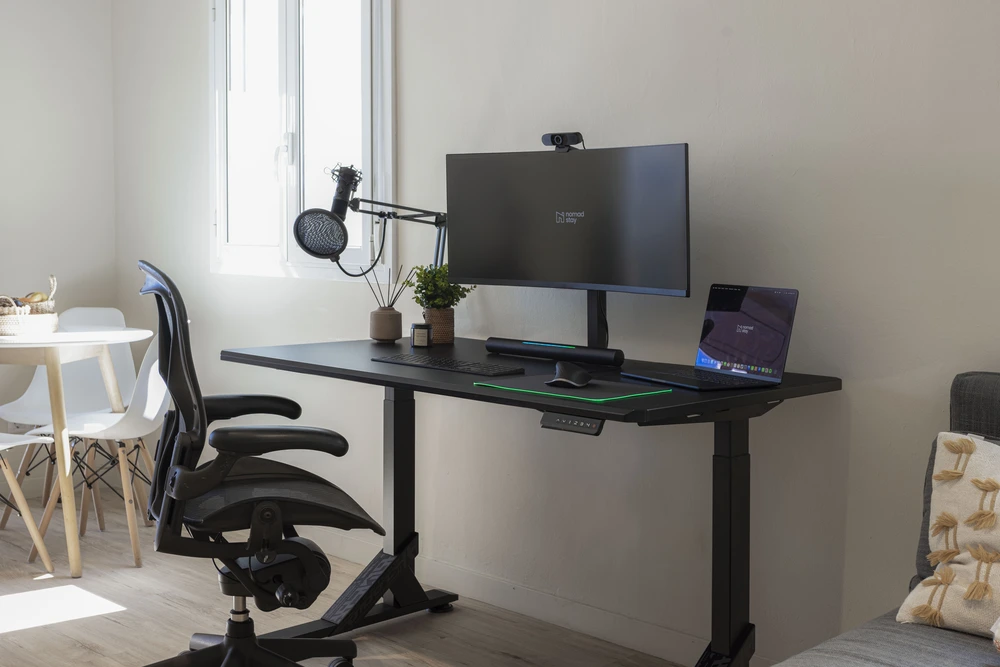
For someone who works from their accommodation, a short list of requirements separates a workable rental from a frustrating one. The first is a stable, fast internet connection, ideally confirmed by a recent speed test rather than a listing description. The second is a proper desk and an adjustable chair at heights that allow a neutral posture. The third is a quiet room that can be closed off for calls, and the fourth is enough light and power outlets to work without improvisation.
Platforms that specialize in furnished monthly rentals aim to make those features standard rather than a matter of luck. The argument for them is less about any single amenity than about predictability: knowing before arrival that each apartment meets the same baseline.
Pricing structure matters as well. A month-long stay booked on a holiday platform can carry cleaning and service fees on top of the nightly rate, and cancellation terms written for short trips. Renters planning a long stay should compare the total monthly cost, including any fees and deposits, and check the terms for extending or ending the stay early.
Where Airbnb still works
Airbnb remains a sensible choice for short trips, for holidays that involve little or no work and for destinations with few alternatives. Its scale gives it coverage that no specialist platform can match, and for a week in a small town its variety is an advantage.
For a month or more of full-time work in a large European city, the trade-offs are different. RentRemote lists furnished apartments for monthly stays, with work setups, in cities including Barcelona and Madrid, for people who need their accommodation to function as an office.