



















Top 5 Remote Jobs for 2025 (That You Can Actually Do From Anywhere)
Discover the top remote jobs of 2025 and find the ideal work-from-home role for you. Explore your options and start your remote career today!
Not all remote jobs are created equal. Some let you build a life on your terms. Others still want you glued to your computer from 9 to 5, just without the office AC.
Remote work isn’t rare anymore—it’s the standard for development, sales, support, and everything in between. But if you’re looking for the top remote jobs, not all roles give you the freedom you’re after. Some come with late-night calls, endless client updates, or projects that follow you into the weekend.
This guide will help you filter the noise. You’ll find roles that actually work for your lifestyle—flexible, stable, and fully remote. The kind of work that lets you manage your time, not just your tasks.
Thinking about a change? If you're rethinking your next move, start here.
The Top 5 Remote Jobs (and Why They Work)

Some remote jobs give you freedom. Others just give you meetings in new time zones. We’ve filtered the noise and kept the ones that actually work—on the road, in a new city, or wherever your next stop is.
These roles don’t just travel well—they pay well, scale up, and plug into the digital tools that remote workers rely on. According to McKinsey’s 2022 report, 58% of Americans now have the option to work remotely at least one day per week. That number’s only rising across industries like development, design, sales, and education.
Let’s break down five roles that check all the boxes—flexibility, earning potential, and the ability to focus without being tied to a specific location.
1. Software Developer
Still the king of remote work. If you know your way around programming languages and love building things from scratch (or fixing messy code), this one’s for you.
What you’ll do: Build apps, systems, and platforms. Sometimes solo, sometimes with distributed teams.
Average salary: $70,000–$130,000/year depending on stack and experience
Skills/tools: Computer programming, GitHub, version control, problem-solving, network security, statistical modeling for more advanced roles
Who it’s for: Independent thinkers, builders, code tinkerers
Work style: Full-time or contract work, depending on your niche
Where to look: Stack Overflow Jobs, Remote OK, Toptal
Tip: A good ergonomic setup—like dual screens and a standing desk—makes debugging and long sprints a lot easier. Trust us, we’ve tried doing it on a bed. Don’t.

2. Copywriter / Content Strategist
If you can write, edit, and make people click, there’s room for you. The best part? You don’t need a degree in literature—just a good grasp of audience, tone, and marketing strategies.
What you’ll do: Write blogs, ads, landing pages, or full-blown content strategies for brands.
Average salary: $45,000–$90,000/year
Skills/tools: Research, storytelling, SEO, natural language processing tools like ChatGPT
Who it’s for: Creatives, word nerds, part-time freelancers, nomads who work best in cafés
Work style: Freelance, agency retainer, or in-house remote role
Where to look: Contently, Superpath, We Work Remotely
Need structure? Use project tools like Notion or Trello to manage projects and clients on your own terms.
3. Virtual Assistant / Operations Support
This role is made for remote workers who love to organize, plan, and make things run smoother. It's one of the easiest ways to break into remote work—even without experience.
What you’ll do: Inbox zero, calendar magic, invoicing, research, and communication support
Average salary: $25,000–$60,000/year (more if you specialize in niches like tech or real estate)
Skills/tools: Time zone management, spreadsheets, scheduling platforms, stakeholder management
Who it’s for: Natural organizers, multitaskers, people who enjoy being the go-to person
Work style: Freelance or full-time—often with flexible hours
Where to look: Belay, Zirtual, LinkedIn
Quick wins: This role is also perfect for those easing into tech, marketing, or project manager paths.
4. Product Designer / UX Researcher
Design work doesn’t need an office—it needs a clear head, a decent WiFi connection, and maybe some peace and quiet. With more industries building digital-first, this role’s in high demand.

What you’ll do: Create user-friendly designs and test how people interact with apps, sites, or tools
Average salary: $70,000–$120,000/year
Skills/tools: Figma, Webflow, data analysis, design thinking, digital tools
Who it’s for: Creatives with a strategic mind, folks who love solving visual problems
Work style: Full-time, freelance, or contract gigs with tech companies
Where to look: Dribbble, Remote OK, AngelList
Pro tip: If you’re into UX research, a quiet, ergonomic RentRemote-style setup can make interviews and focus sessions easier.
5. Online Educator / Course Creator
Got a skill? Package it and teach it. From finance to yoga to machine learning, people are turning their knowledge into income.
What you’ll do: Create courses, run live sessions, coach individuals or groups online
Average salary: Varies wildly—$30,000 to $100,000+/year depending on topic and platform
Skills/tools: Video recording, communication, curriculum building, hosting platforms like Teachable or Maven
Who it’s for: Experts, coaches, career switchers, side hustlers
Work style: Fully independent or platform-based with part-time or full-time income
Where to look: Skillshare, Udemy, Podia, LinkedIn Learning

Heads-up: This isn’t passive from day one. You’ll need to create good content, market it, and build trust. But once it’s rolling? You earn while you sleep.
Ready to update that resume?
These roles prove that remote jobs aren’t just for developers or marketers anymore. With the right technology, focus, and workspace, you can design a career that moves with you—not the other way around.
Need help setting up your next work-friendly home base? We’ve got you covered.
What About Remote Entry-Level Roles?
No Experience? No Problem
You don’t need years of programming experience or a fancy finance degree to land solid remote jobs. Some of the most practical, fully remote roles are beginner-friendly and perfect for building your skills—and your confidence.

Remote work is more accessible than ever. A 2023 survey by Remote.co showed that 42% of companies are open to hiring entry-level talent for fully remote positions. That means there’s room for people who are just starting out but are sharp, curious, and ready to learn.
If you're organized, quick to learn, and willing to take constructive feedback, you can start small and develop from there. These jobs are great stepping stones for mastering daily tasks, building your resume, and slowly figuring out which services or technology you want to dive deeper into.
Quick Wins: Jobs That Don’t Require Experience
Here are some of the most accessible roles to break into:
-
Data Entry: A great way to build time management and data integrity skills. Pay ranges from $8 to $20/hour depending on task complexity.
-
Customer Service: Answering questions, solving issues, and staying calm under pressure—companies love people who can represent their business well.
-
Social Media Manager (Junior): Know your way around Instagram or TikTok? Brands are looking for people who understand their target audience. Entry-level gigs start around $15/hour.
-
Transcription: Type what you hear. Focus is key, but tools help. Many platforms pay per audio minute.
Each of these helps you get your foot in the door, learn the ropes of document management, and slowly gain access to higher-paying roles in sales, development, or technology.
Start Small, Build Smart

You don’t need to go all-in from day one. A good first step is setting up profiles on remote-friendly platforms like:
-
Upwork (best for a wide range of gigs—from admin to design)
-
Fiverr (great for specialized services)
-
Contra (popular among freelancers targeting creative and tech industries)
Make sure your profile reflects what you can do, not just what you’ve done. Keep your early contract work simple, deliver on time, and be responsible—those first reviews matter more than perfect statistics.
The benefits of starting with entry-level roles? You’ll learn to manage your time, communicate with clients, and build real experience that sets you up for bigger, better jobs. And once you know where you shine, you can pivot into more advanced roles—from building sales strategies to diving into machine learning.
Everyone starts somewhere. Why not start here?
What Makes a Job Truly Remote-Friendly?
Not every remote job works from every location. Some look flexible on paper but still chain you to specific hours, systems, or time zones. That’s why we chose roles that don’t just support remote work—they thrive in it.

When we looked at the jobs dominating the remote scene, we considered what makes them work for nomads. It’s not just the paycheck—it’s how well they fit into real life on the road. Good business decisions don’t just come from a solid resume—they come from choosing a role that lets you maintain focus and move freely.
Here’s what we prioritized:
-
Flexibility: Can you do it on your own time?
-
Demand: Will companies pay well for it in today’s market?
-
Earning potential: Is it sustainable, part-time or full-time?
-
Setup requirements: Can you work with just a computer and a good desk?
These aren’t just remote jobs. They’re travel-proof careers. You could be supporting clients from Portugal, managing sales strategies in Buenos Aires, or developing software from a rooftop café in Bangkok.
Pair any of these with a solid workstation and you’re unstoppable.
The Job Is Only Half the Story
Even the best technology, team, or idea won’t get far if your back hurts and your WiFi drops every five minutes.
Remote success isn’t just about the role—it’s about the setup. According to Owl Labs' 2023 State of Remote Work report, 85% of remote workers say a poor home office setup negatively affects their productivity. That’s a lot of half-finished emails and missed Zoom cues.
If you want to do your best work, you need the right tools:
-
Ergonomic chairs (your spine will thank you)
-
Ultra-wide monitors for smoother communication and organization
-
Reliable WiFi to support your day-to-day management and services
That’s where RentRemote comes in. We’ve designed every space with real work in mind. Whether you’re building your own business, collaborating with a team, or just trying to keep inbox zero from turning into inbox 200, we’ve got your back.
You bring the skills. We’ll bring the desk.

Remote Job Boards Worth Bookmarking
You’ve got the skills. You’re ready for something fully remote. Now comes the question: where do you actually find these jobs?
The good news? You're not stuck browsing endless company career pages hoping someone offers remote-friendly work. There are platforms built specifically for remote teams, freelance talent, and people looking to develop their careers from anywhere.
And the best part? Many of these boards now offer filtering by location, time zone, salary, and even whether you’ll be dealing with media, software, or machine learning projects. Remote work isn’t just a nice-to-have anymore. According to a 2023 report by Buffer, 98% of remote workers want to continue working remotely, at least part-time, for the rest of their careers. This isn’t a phase—it’s the future.
Here are the top platforms we recommend:
-
We Work Remotely – One of the largest job boards focused entirely on remote roles. Great for devs, marketers, writers, and systems engineers.
-
Remote OK – Tech-heavy and updated daily. Expect to find plenty of development and software roles here.
-
FlexJobs – Paid access (about $24.95/month), but vetted listings and no scams. Worth it if you're looking for stability.
-
LinkedIn – Use filters like “remote,” “worldwide,” or “no location requirement” to make the feed work for you.
-
Indie Hackers** + Twitter communities** – Ideal if you're into building your own business, joining lean teams, or staying plugged into niche communities.
Niche boards worth exploring:
-
Wellfound – Best for startup roles in early-stage organizations. Think hands-on, dynamic work environments.
-
Working Nomads– Curated fully remote jobs with a mix of freelance and full-time.
-
Pangian – Focuses on sustainable and multicultural remote hiring across media, design, and tech.
How to Stay Ahead
Remote job hunting isn’t just about applying fast—it’s about being smart. Save time by setting alerts, keeping your resume updated, and tracking roles with good benefits, reliable analysis of company culture, and security around your personal data (no shady listings, no security breaches).
And once you land the role? Make it successful. Use tools to maintain your workflow, support your team, and build a rhythm that actually works.

Remote work isn’t one-size-fits-all. But with the right tools—and the right boards—you’ll find something that fits your style and ambition.
Build a Career Without Borders
Your next job doesn’t have to come with a cubicle. You can build a successful career that travels with you—whether you're launching a marketing side hustle from Lisbon or managing services for a global company out of Oaxaca.
Remote jobs aren't just about skipping the commute. They're about choosing the kind of organization you want to work for, the kind of business you want to build, and the kind of location you want to wake up in. All you really need is a solid computer, the right tools, and a plan that fits your life—not the other way around.
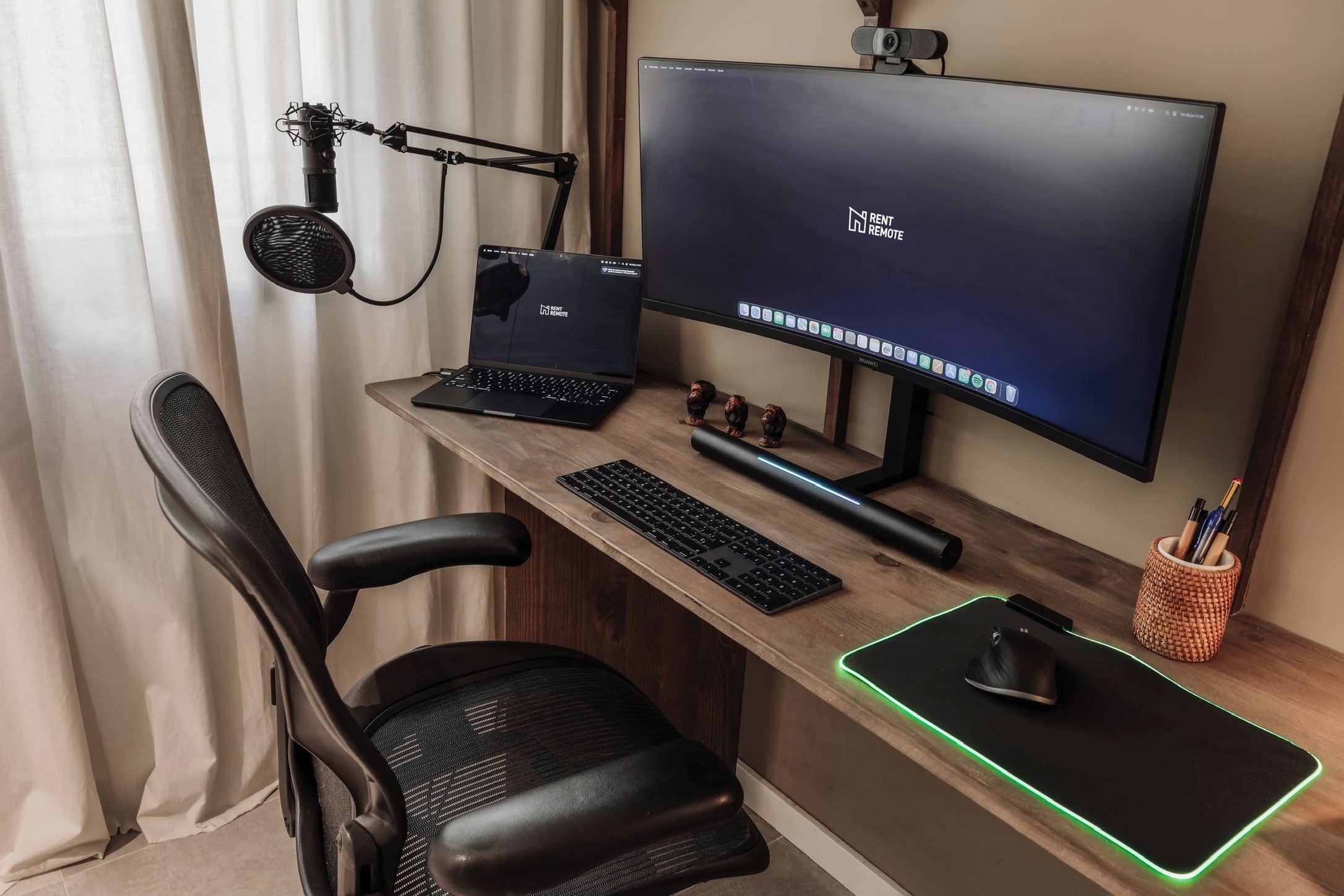
Already working remote? Explore our global workstations.
Because your career deserves more than a kitchen table.
FAQs:
-
What are the most popular remote jobs in 2025?
Some of the top remote jobs this year include software development, content creation, virtual assistance, UX design, and online education. These roles are in high demand across companies of all sizes and don’t tie you to one location. Bonus: most rely on digital tools you can take anywhere.
-
Which remote jobs pay the most?
Software engineers, UX designers, and marketing strategists tend to earn the most. Roles that require skills in development, data analysis, or business strategy usually come with higher pay—especially if you're working freelance or consulting across multiple organizations.
-
Can I work remotely without experience?
Yes. Many entry-level jobs like customer service, data entry, transcription, or junior social media roles are remote-friendly. Start small, build a resume, and learn on the go. Platforms like Upwork and Contra are great places to test the waters and offer basic services while you level up.
-
Where can I find legit remote jobs?
Stick to trusted platforms like We Work Remotely, Remote OK, FlexJobs, or even filtered searches on LinkedIn. Avoid listings that ask for upfront fees or seem too good to be true. Check company reviews and always verify the organization before applying.
-
Can I travel while doing these remote jobs?
Absolutely. That’s the whole point. As long as you have a reliable computer, strong WiFi, and a quiet space to work, most of these roles are designed to move with you. Just remember: a good setup can make or break your productivity. (And that’s where RentRemote comes in.)