








San José del Cabo: Mexico's Quieter Digital Nomad Hub (2026 Guide)
San José del Cabo guide for remote workers: coworking, neighbourhoods, cost of living, beaches, visas and how it compares with Cabo San Lucas.
Everyone knows Cabo San Lucas. Spring breakers, cruise ships, party boats. But 32 kilometers up the coast sits its quieter sibling, San José del Cabo, and it's becoming one of Mexico's most interesting spots for remote workers.
San José del Cabo offers what most popular nomad hubs in Mexico are starting to lose: a manageable pace, a genuine local culture, and enough infrastructure to work comfortably without the crowds. Here's the full guide to working remotely from Baja California Sur's best kept secret.
Why San José del Cabo?
Mexico already dominates the digital nomad conversation. Mexico City, Playa del Carmen, Oaxaca, and Tulum are well established hubs. So why consider San José del Cabo?
The short answer: It has everything those cities offer (great weather, affordable living, strong community) minus the congestion and over-tourism that's starting to wear on longer-term residents.
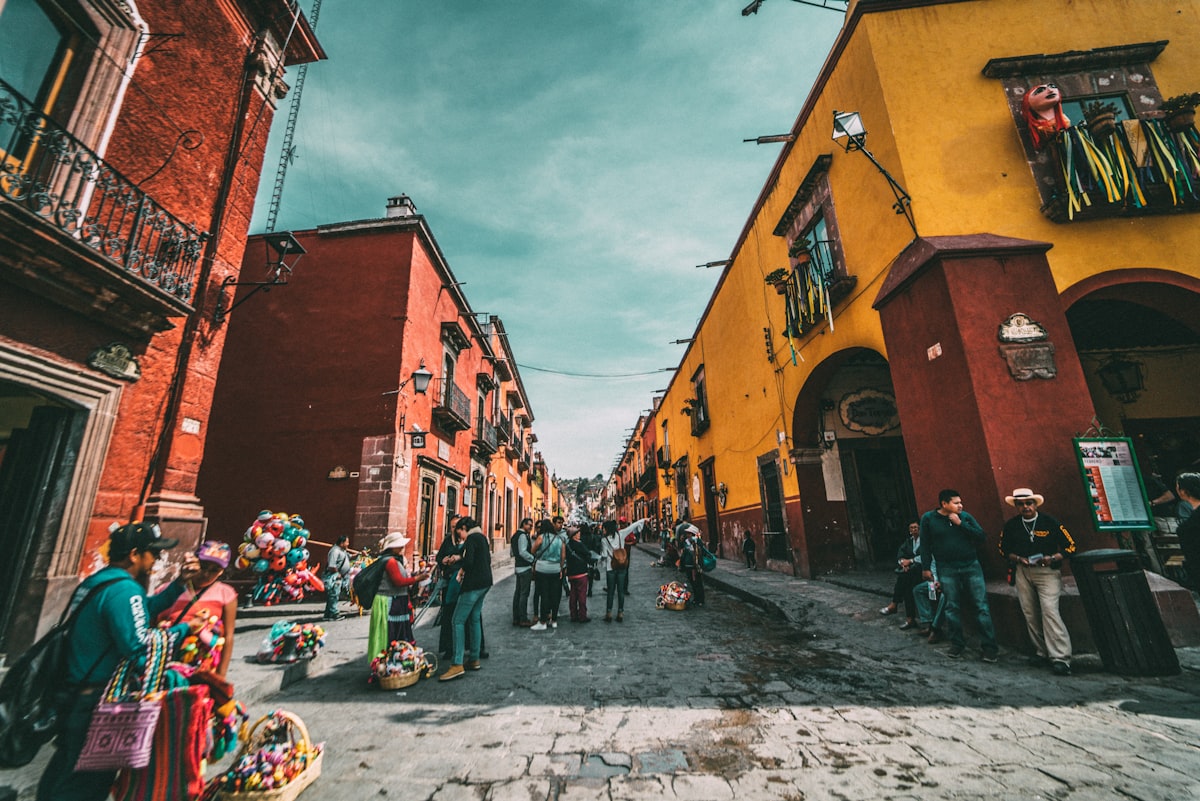
San José del Cabo sits at the tip of the Baja California peninsula, on the Gulf of California (Sea of Cortez) coast. The population is around 136,000, large enough to have proper infrastructure but small enough that you'll start recognizing faces within a week. The town has a colonial center with art galleries, restaurants, and a genuine Mexican small-city feel that hasn't been erased by tourism.
And critically for remote workers: fiber optic internet has rolled out across many neighborhoods in recent years, coworking spaces have opened, and the international airport (Los Cabos International, SJD) offers direct flights to dozens of US and Canadian cities.
Internet and Connectivity
This is the first thing any nomad asks, and San José delivers.
Fiber optic broadband is now available in many residential areas throughout the city. Providers like Telmex and local fiber companies offer plans with speeds ranging from 100 Mbps to 500 Mbps. If you're renting an apartment or house, ask the landlord specifically about the internet provider and speed before signing.
Mobile data is reliable in the urban areas. Telcel has the strongest coverage in Baja California Sur, followed by AT&T Mexico. A prepaid SIM with 10GB to 20GB of data runs about 200 to 400 MXN per month ($10 to $20 USD).
Backup options: For video calls and mission-critical work, having a mobile hotspot as a backup is always smart. Coverage can be spotty once you get outside the main town and into the more rural corridors between San José and Cabo San Lucas.

Coworking Spaces
The coworking scene in San José del Cabo is small but growing. It's not Mexico City with dozens of options, but you have solid choices:
Colab
Located in downtown San José del Cabo, Colab is the town's primary coworking space. It offers hot desks, dedicated desks, and private offices. Expect reliable WiFi, air conditioning (essential in Baja), printing, and a community of local entrepreneurs and remote workers.
Day passes typically run 300 to 500 MXN ($15 to $25 USD). Monthly memberships bring the cost down significantly.
Koral Desk
Situated along the Tourist Corridor (the highway strip between San José and Cabo San Lucas), Koral Desk caters to a mix of remote workers and traveling professionals. The space is newer and offers a more resort-adjacent vibe.
Cafe Working
Beyond dedicated coworking spaces, San José has a growing collection of cafes that welcome laptop workers. Look for spots in the downtown area near the Art District, where you'll find places with reliable WiFi, good coffee, and a relaxed atmosphere. Many of the health-focused cafes and brunch spots along Boulevard Mijares are nomad-friendly.
Neighborhoods and Where to Live
San José del Cabo is compact enough that most areas are livable for nomads, but each has a distinct character.
Centro (Downtown)
The heart of San José del Cabo. Colonial architecture, the main plaza, the Art District, and most of the town's restaurants and galleries. This is where you'll find the Thursday Art Walk, the organic market, and the best walkability.
Pros: Everything is within walking distance. Most social activity happens here. Strong sense of community. Cons: Tourist foot traffic during high season (November to April). Noise from bars and restaurants on weekends. Rent: One-bedroom apartments range from $800 to $1,200 USD/month furnished. Unfurnished options can be found for $500 to $800.
Zona Hotelera (Hotel Zone)
The beachfront area east of downtown. Closer to the water, with a mix of hotels, condos, and vacation rentals.
Pros: Beach access. Newer buildings with modern amenities. Quieter residential feel. Cons: More expensive. Less walkable to downtown dining and culture. Can feel isolated outside peak season. Rent: $1,200 to $2,000 USD/month for a furnished one-bedroom condo.
Puerto Los Cabos
A newer development area north of the traditional town center, with a marina, golf courses, and upscale housing.
Pros: Modern infrastructure. Quiet. Good for families or those wanting more space. Cons: Requires a car. Far from downtown action. Premium pricing. Rent: $1,500 to $2,500 USD/month for furnished apartments.
Tourist Corridor
The 33-kilometer stretch of highway between San José del Cabo and Cabo San Lucas. Lined with resorts, but also has some residential developments and newer condo projects.
Pros: Beach access. Resort amenities if you're in a condo development. Midpoint between both towns. Cons: Not walkable at all. Car dependent. Feels transient rather than residential.
Best bet for most nomads: Centro or the edges of the Zona Hotelera. You want walkability to cafes, restaurants, and coworking, plus reasonable rent.
Cost of Living
San José del Cabo is more expensive than interior Mexico (Mexico City, Oaxaca, Guanajuato) but cheaper than you might expect for a coastal Baja destination. The proximity to the US pushes some prices up, but the local economy keeps others grounded.
Monthly budget breakdown (one person, comfortable lifestyle):
| Category | Cost (USD) |
|---|---|
| Rent (furnished 1BR, Centro) | $800 to $1,200 |
| Groceries | $250 to $350 |
| Dining out (moderate) | $200 to $400 |
| Coworking (monthly) | $150 to $250 |
| Transportation | $50 to $150 |
| Mobile phone | $15 to $25 |
| Health insurance | $75 to $150 |
| Entertainment and activities | $100 to $200 |
| Total | $1,640 to $2,725 |
Groceries: The Mega Soriana and Chedraui supermarkets in San José have everything you need at Mexican prices. For imported and specialty items, there are smaller shops along the Tourist Corridor that cater to expats (at a markup). The weekly organic market downtown is excellent for fresh produce.
Dining: A casual meal at a local taqueria costs 80 to 150 MXN ($4 to $8). A sit-down dinner at a mid-range restaurant runs 300 to 600 MXN ($15 to $30) per person. The restaurant scene in San José is surprisingly strong for its size, with a mix of traditional Mexican, seafood, fusion, and international cuisine.

Lifestyle and Things to Do
This is where San José del Cabo really stands out from typical nomad destinations. The lifestyle here balances work, wellness, and outdoor adventure in a way that's hard to replicate.
Art and Culture
The San José del Cabo Art District runs along several blocks downtown and hosts the famous Thursday Art Walk from November through June. Galleries open their doors, artists set up in the streets, and the whole downtown takes on a festive, cultural atmosphere. It's one of the most distinctive weekly events in any nomad city in Mexico.
Beyond the Art Walk, there are permanent galleries, a growing contemporary art scene, and regular cultural events throughout the year.
Beaches
San José del Cabo has some of the best beaches in Los Cabos:
- Playa Palmilla: One of the few swimmable beaches in the area. Calm, clear water. Popular but not overcrowded.
- Costa Azul: The surf beach. Consistent waves for beginners and intermediates. Surf schools and board rentals available.
- Playa Hotelera: The main beach in front of the Hotel Zone. Swimmable in calm conditions.
- San José del Cabo Estuary: A protected freshwater estuary at the south end of town. Great for birdwatching (over 200 species) and nature walks. Not a swimming spot, but a beautiful escape.
Outdoor Activities
Baja California Sur is an outdoor playground:
- Snorkeling and diving in Cabo Pulmo National Marine Park (about 90 minutes north), one of the most biodiverse marine ecosystems in the Americas
- Whale watching from December through April (gray whales and humpbacks migrate through the Sea of Cortez)
- Hiking in the Sierra de la Laguna mountains
- Surfing at Costa Azul and nearby breaks
- Fishing (Los Cabos is one of the world's top sport fishing destinations)
Wellness
San José leans hard into the wellness angle. Yoga studios, meditation centers, healthy cafes, spa retreats, and holistic health practitioners are everywhere. If your remote work lifestyle includes a focus on health and balance, this town supports that more naturally than most nomad hubs.
Visa and Legal Considerations
Mexico makes it easy for most nationalities to visit and work remotely:
Tourist visa (FMM): Citizens of the US, Canada, EU, UK, Australia, and many other countries get 180 days on arrival. No prior application needed. This is technically a tourist visa, not a work visa, but Mexico does not restrict remote work for foreign employers while on a tourist visa.
Temporary Resident Visa: If you plan to stay longer than 180 days, you can apply for a Temporary Resident Visa at a Mexican consulate. This requires proof of income (approximately $2,500 USD/month or $42,000 in savings) and gives you one to four years of residency.
Taxes: Mexico taxes residents on worldwide income. If you stay fewer than 183 days per year, you're generally not considered a tax resident. As always, consult a tax professional familiar with both Mexican tax law and your home country's rules.
Getting There and Getting Around
Flights: Los Cabos International Airport (SJD) is one of the busiest airports in Mexico, with direct flights from Los Angeles, San Francisco, Dallas, Houston, Denver, New York (JFK), Chicago, Toronto, Vancouver, and many other North American cities. Flight times from the US West Coast are two to three hours.
From the airport to San José: The airport is about 15 minutes from downtown San José del Cabo. Shuttle services, taxis, and ride-share apps (Uber operates in Los Cabos) are all available. A taxi to Centro costs about 300 to 400 MXN ($15 to $20).
Getting around town: San José's Centro is walkable. For the Tourist Corridor, Zona Hotelera, or trips to Cabo San Lucas, you'll want a car. Rental cars are readily available at the airport and in town, starting around $25 to $40 USD per day. Uber and local taxi services cover most routes.
Day trips to Cabo San Lucas: The 33-kilometer drive takes about 30 to 40 minutes. Buses run regularly between the two towns for about 50 MXN ($2.50). Many nomads based in San José head to Cabo San Lucas occasionally for its more energetic nightlife and dining scene, then return to the calm of San José.
The Community Factor
The digital nomad community in San José del Cabo is still in its early stages. That's both a pro and a con.
Pro: You're not arriving into an oversaturated scene where nomads outnumber locals and drive up rents. The community is small, welcoming, and easy to break into. Coworking spaces and local events (Art Walk, farmers market, surf sessions) create natural connection points.
Con: If you thrive on large nomad meetups, organized events, and a busy social calendar of nomad-specific activities, San José will feel quiet compared to Playa del Carmen or Mexico City. There's no Nomad List meetup every week. The social life here is more organic and less structured.
For many nomads, especially those who've done the crowded hub circuit and want something more grounded, this is exactly the appeal.
Who Should Consider San José del Cabo?
This town works best for:
- Mid-career nomads who want quality of life over nightlife
- Wellness-focused workers who prioritize health, nature, and balance
- Surfers, divers, and outdoor enthusiasts who want easy access to world-class activities
- North American nomads who want to stay close to home (short flights, same time zones)
- Couples and families looking for a safe, manageable community
It might not be the best fit if you want a huge nomad community, the cheapest possible cost of living, or a location with nonstop social programming.
The Bottom Line
San José del Cabo is what happens when a beautiful Mexican coastal town upgrades its internet infrastructure and adds a few coworking spaces without losing its soul. It's not trying to be the next Tulum or Playa del Carmen. It's just a genuinely pleasant place to live and work, with great weather, strong connectivity, and a pace of life that makes the nomad lifestyle sustainable rather than exhausting.
If you're looking for a Mexico base that balances productivity with quality of life, San José del Cabo deserves a serious look in 2026.
Planning your next remote work base? Browse furnished apartments on RentRemote, with fast WiFi and flexible terms designed for digital nomads.