








The Top 10 Safest Cities for Digital Nomads
Discover the top 10 safest cities for digital nomads. Find your ideal destination for a secure and fulfilling remote work experience. Read more!
Safest Countries for Remote Workers: Why Safety Comes First
For digital nomads, choosing a base isn’t just about Wi-Fi speed or sunshine—it’s about personal safety and long-term peace of mind. The safest countries for remote workers share the same essentials: low crime, political stability, good healthcare, and a welcoming attitude toward foreigners. Whether you’re eyeing a quiet capital city or a coastal hub, knowing how secure your country is can shape your entire remote-life experience.
Safety matters for every remote worker—not just for your passport, but for your productivity and freedom to explore the world. Trusted resources like the Global Peace Index, Numbeo, and the OECD rank nations by how well they manage natural disasters and avoid political instability—crucial for anyone seeking a smooth path to citizenship or long-term benefits.
Essential information for staying secure:
-
Reliable healthcare access
-
Strong digital protection laws
-
Low natural disaster risk
What Makes a City in the Safest Countries Ideal for Remote Workers
Before packing your laptop and passport, every digital nomad should weigh what makes a city safe. The safest countries for remote workers share a few constants—predictable law, stable politics, and solid facilities for daily life. Many digital nomads rank personal safety and world class infrastructure right next to cost and climate when planning their next move.
In European countries like Ireland and Italy, a peaceful environment goes hand in hand with healthcare and easy access to insurance. And according to the 2024 Global Peace Index, 9 of the 10 safest countries also score among the highest for digital connectivity—proof that safety and productivity often live in the same nation.
Key Factors Every Digital Nomad Should Explore
1. Crime Rate and Political Stability
Pick a beautiful country with a low crime rate and transparent government. Foreign nationals in capital cities like Dublin or Rome often cite a relaxed rhythm and a genuine welcoming culture toward foreigners and tourists.
2. Healthcare Access and Insurance
For long term travelers, public healthcare isn’t enough—private coverage or insurance for travelers helps you stay covered for emergencies. In most european countries, expect private plans from €60–€150 per month.
3. Digital Safety and Connectivity
A secure online setup matters as much as street safety. Look for world class infrastructure—fiber Wi-Fi, co-living hubs, and cafes that understand laptop life.
4. Female and Solo-Traveler Friendly
A peaceful environment with visible police presence and 24/7 transport adds comfort for solo nomads. Cities like Copenhagen, Vienna, and Florence score high on situational awareness and social trust.
5. Digital Infrastructure and Coworking
Reliable coworking spaces mean predictable days. In Ireland’s capital city, try The Tara Building (€200/month); in Italy, Cana Coworking Rome offers ergonomic setups and community lunches (€180/month).
Essential checklist for safer living:
-
Good healthcare and insurance options
-
Reliable internet with data protection laws
-
Active local support for foreigners and tourists
In the end, safety isn’t just about avoiding risk—it’s about choosing a lifestyle that lets you work, wander, and feel at home anywhere in the world.
Top 10 Safest Cities for Digital Nomads in 2025
When digital nomads choose their next base, they’re not just chasing stunning landscapes or cheap food—they’re chasing safety and stability. Around the world, these ten cities stand out for low risks, high comfort, and a sense of order that lets remote workers focus on what they do best: living well and earning income from anywhere. Whether you crave Nordic calm or a tropical beach escape, these countries balance adventure and security better than most.
According to the 2024 Global Peace Index, the majority of these destinations rank in the top 20 globally for safety, political stability, and healthcare access. Many are in the European Union, offering visa free travel across borders—ideal for long-term stays or short hops between coworking hubs.
| City | Country | Global Peace Index Rank | Cost of Living (Est.) | Wi-Fi Speed (Mbps) |
|---|---|---|---|---|
| Tokyo | Japan | 9 | €1,800/month | 120 |
| Lisbon | Portugal | 6 | €1,400/month | 110 |
| Taipei | Taiwan | 20 | €1,200/month | 100 |
| Reykjavik | Iceland | 1 | €2,100/month | 130 |
| Singapore | Singapore | 10 | €2,300/month | 200 |
| Helsinki | Finland | 13 | €1,900/month | 120 |
| Vienna | Austria | 5 | €1,700/month | 100 |
| Copenhagen | Denmark | 4 | €2,000/month | 140 |
| Tallinn | Estonia | 11 | €1,400/month | 120 |
| Chiang Mai | Thailand | 31 | €950/month | 90 |
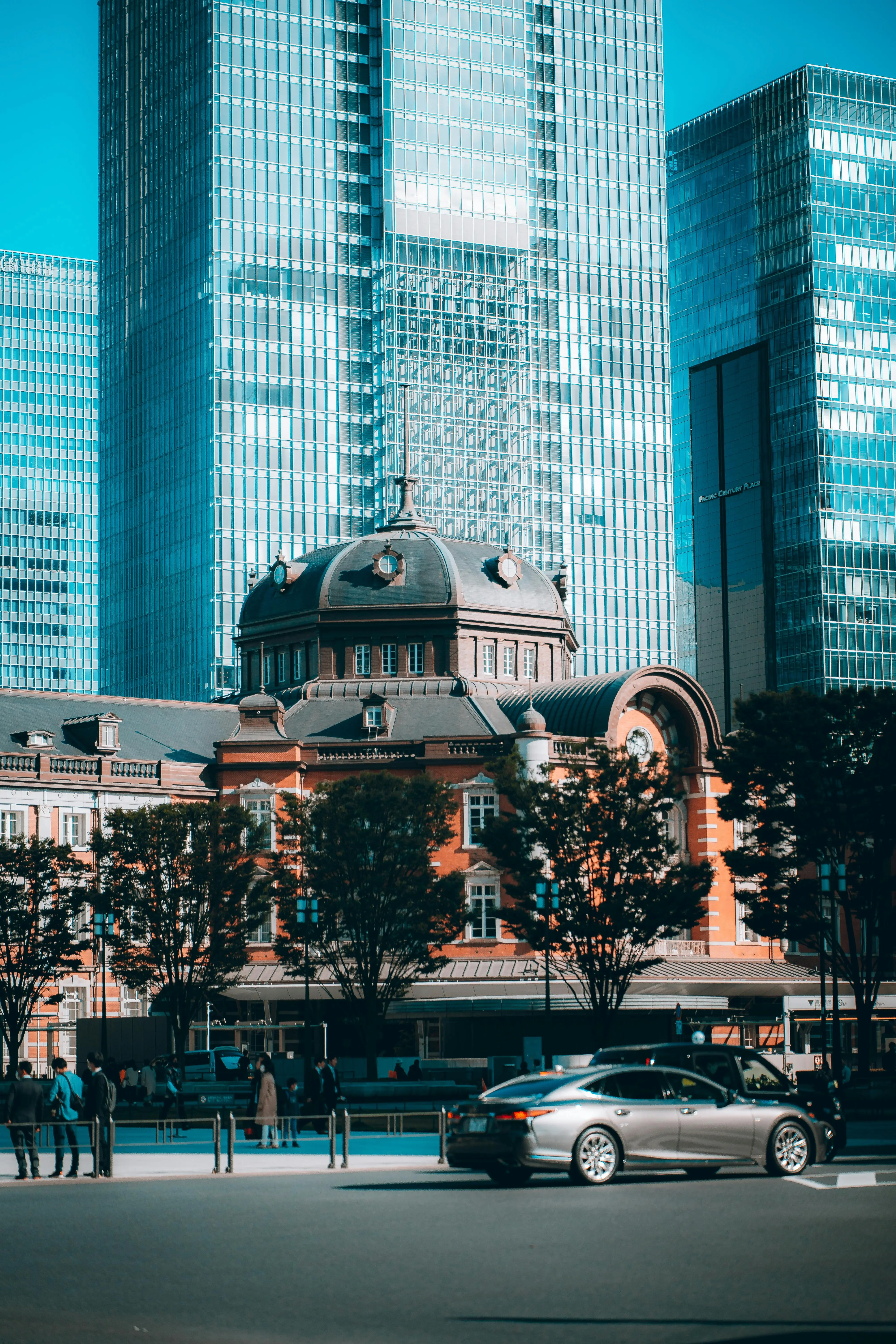
Tokyo, Japan: The Safe Metropolis That Never Sleeps
Tokyo redefines urban safety. Despite its size, the country’s strict weapons laws and strong social norms make it one of the world’s most peaceful capitals. Neighborhoods like Shimokitazawa and Nakameguro mix culture, tech, and calm. A bento lunch costs about €6, coworking day passes start around €15, and Wi-Fi clocks an average of 120 Mbps—world-class facilities for serious work.
Lisbon, Portugal: Sunshine, Sea, and Security
A destination where tourists and locals mingle without tension. Lisbon combines mild weather, beach life, and steady internet. For remote workers, it’s part of the European Union and offers an easy-to-navigate digital nomad visa. Enjoy sardines by the river for €10 or a cappuccino at Fauna & Flora (€3) while watching the city light up at sunset.
Taipei, Taiwan: Asia’s Friendliest Hub for Remote Workers
Taipei balances safety, affordability, and warmth. Crime rates are low, food is legendary, and the city’s transport network is spotless. You can plan your day around night markets, then work from The Hive Taipei (€180/month). Taiwan also protects online freedoms, which many digital nomads value as much as sunshine.
Reykjavik, Iceland: The Land of Fire, Ice, and Zero Stress
This beautiful country consistently tops global safety charts. Remote workers love its clean air, reliable infrastructure, and stunning landscapes. Living costs are high (about €2,100/month), but it’s hard to beat a city where crime is nearly nonexistent. Take your laptop to Kaffi Vinyl for €5 coffee and local beats.
Singapore: Small, Smart, and Secure
Singapore is where business meets balance. It’s spotless, efficient, and ranks among the safest places worldwide. Internet speeds average 200 Mbps, and you’ll never feel unsafe walking home late. Add an endless food scene and world-class healthcare, and it’s no wonder foreigners set up shop here.
Helsinki, Finland: Cool Design, Warmer People
In this European Union gem, safety is part of daily life. Locals trust each other, and foreigners are welcome. The culture values equality, privacy, and punctuality—perfect for digital nomads who want calm with creativity. Coworking spaces like Maria 01 (€220/month) make it easy to plug in and focus.
Vienna, Austria: Safe, Central, and Beautifully Predictable
Vienna offers stability wrapped in elegance. The city’s mix of music, order, and low risks makes it a magnet for remote workers and tourists alike. Rent hovers around €1,700/month, and trams always run on time. Spend weekends exploring palaces or working from Talent Garden (€250/month).
Copenhagen, Denmark: Design, Data, and Safety
This country runs on trust and bicycles. Copenhagen’s crime rates are among Europe’s lowest, and the coffee scene rivals any major business hub. Try Prolog Coffee Bar (€4 flat white) between coworking sessions at Nomad Workspace (€220/month). The facilities are modern, the vibe laid-back, the lifestyle unmatched.
Tallinn, Estonia: Where Tech and Tranquility Meet
Estonia is small but mighty. Its digital-first laws and startup culture protect both citizens and foreigners online. Tallinn is one of few countries offering e-residency, letting digital nomads manage business remotely. Wi-Fi speeds hit 120 Mbps, and coworking passes go for €150/month.
Chiang Mai, Thailand: Affordable Safety in the Tropics
For budget-conscious remote workers, Chiang Mai offers low cost, good facilities, and warm culture. Street food averages €2 per meal, monthly rents around €950, and the community vibe is unbeatable. Despite its popularity, safety remains strong thanks to the local sense of respect and calm.
Top reasons to choose these cities:
-
Strong healthcare and digital privacy laws
-
Visa free or easy visa access for digital nomads
-
Diverse culture and predictable facilities
Each destination proves you can explore the world, stay productive, and still feel completely safe—no matter your plan or pace.
What About the European Countries?
When it comes to personal security, Europe consistently ranks among the safest regions in the world. Digital nomads looking for balance between stability, culture, and community often identify this continent as a favored destination for long-term stays. From Portugal’s coast to Austria’s elegance, these countries offer solid healthcare, efficient transport, and reliable Wi-Fi—all essentials for a productive remote lifestyle. According to Eurostat’s 2024 Safety Report, over 80% of residents across the safest countries in Europe feel secure walking alone at night, proving that this nation group continues to protect both locals and visitors alike.
Lisbon, Portugal: Sunny, Safe, and Surprisingly Affordable
Lisbon might just be Europe’s most relaxed office with a view. The cost of living stays reasonable, families feel secure, and digital nomads can work from scenic cafés without stress. The country’s low violent crime rate, clear tax situation, and friendly locals make it easy to settle in.
Where to work: Heden Coworking (€200/month), bright, social, and minutes from the river.
Where to recharge: Café Janis, brunch for €10, calm mornings, and reliable Wi-Fi.
Insider tip: Locals say to maintain situational awareness in tourist zones—pickpocketing is rare but not impossible. Otherwise, Lisbon is one of Europe’s most favored destinations to stay safe while still enjoying city life.
Vienna, Austria: Polished, Peaceful, and Exceptionally Safe
Vienna blends imperial charm with modern business sense. As one of the safest countries globally, Austria enforces strict weapons regulations and prioritizes personal security in public spaces. The cost of living is higher than Lisbon’s, but the payoff is worth it—clean streets, punctual metros, and a healthcare system that rivals any world capital.
Where to work: Talent Garden Vienna (€250/month) – quiet, international, and designed for serious focus.
Where to unwind: Café Sperl, €4 espresso and old-world ambiance for deep thinking.
Local favorite: Take advantage of public transport passes (€17 weekly). They’re spotless, fast, and available 24/7—a true rarity in a cold climate.
Quick snapshot for Europe’s safest havens:
-
Low crime rates and strong healthcare systems
-
Transparent tax situation for digital nomads and expats
-
Proactive laws that protect against violence and weapons misuse
-
Communities that welcome foreigners, families, and freelancers alike
If your plan is to combine cultural depth with everyday safety, Europe’s safest countries—like Portugal and Austria—make it easy to stay safe, work efficiently, and live well.
Asia’s Safest Cities for Digital Nomads
If digital nomads crave a balance between affordability, adventure, and security, Asia delivers. From Japan’s precision to Taiwan’s warmth, these countries consistently rank among the safest places for both families and solo travelers. Daily life here runs on respect, strong community values, and efficient systems that make working abroad feel effortless. According to the 2024 Global Safety Index, Asia now hosts four of the top fifteen safest nations in the world—proof that safety and affordability can coexist beautifully.
Tokyo, Japan – Safe, Sleek, and Surprisingly Calm
Tokyo might be the world’s largest metropolis, but it’s also one of its most orderly. Japan is often cited as the safest country in Asia, with near-zero street crime and a culture rooted in mutual respect. Locals leave wallets on café tables without worry, and police boxes (“kōban”) dot every neighborhood for added peace of mind.
Cost of living: Around €1,800/month for a one-bedroom apartment. Taxes are transparent, and public transport runs with surgical precision. While business etiquette is formal, locals are polite and helpful to foreigners, especially women traveling alone.
Where to work: The Hive Jinnan (€250/month) – a stylish coworking office surrounded by cafés and boutiques in Shibuya.
Where to unwind: Turret Coffee Ginza – €5 flat whites, strong Wi-Fi, and plenty of quiet corners for deep work sessions.
Insider tip: Despite the image of a cold, high-tech city, Tokyo’s small bars and neighborhood diners are welcoming once you break the ice.
Taipei, Taiwan – Friendly Faces and Flawless Wi-Fi
Taipei is a gem for digital nomads who want security without spending a fortune. It’s not only affordable but also remarkably friendly, making it ideal for first-time travelers or families exploring long-term options. The nation’s healthcare ranks among Asia’s best, and its infrastructure supports a modern remote lifestyle with a warm human touch.
Cost of living: Around €1,200/month for central housing. Public taxes are modest, and daily expenses—like €3 bubble tea or €6 noodle bowls—keep budgets comfortable.
Where to work: FutureWard Taipei (€180/month) – creative coworking space with flexible desks and community lunches.
Where to recharge: Da’an Park – free public Wi-Fi, green spaces, and street musicians to soundtrack your break.
Local advice to stay safe:
-
Tap into the city’s open Wi-Fi network—it’s secure and government-run.
-
Avoid scooter-heavy alleys after midnight (not dangerous, just chaotic).
-
Generally, the risks here are minimal, even for solo women or business travelers.
Why Asia keeps winning for nomads:
-
Affordable cost of living and low taxes
-
Excellent public transport and 24/7 security presence
-
Reliable healthcare for families and long-term visitors
-
Respectful cultures that make life abroad stress-free
Whether you’re trading a beach view for a neon skyline or choosing a country that treats foreigners like locals, Asia’s safest countries let you work hard, rest easy, and still make the most of your income.
Underrated but Safe: Digital Nomad Gems
Not every safe haven makes the headlines. Some of the best digital nomad destinations fly quietly under the radar—offering strong security, affordability, and a lifestyle that just works. These smaller, well-connected countries combine high quality of life with low stress and an easy-going pace that appeals to long-term travelers.
Tallinn, Estonia – Secure, Digital, and Surprisingly Chill
Estonia might be small, but it’s a global leader in cybersecurity and one of the safest countries for remote professionals. Through its e-Residency program, digital nomads can legally run businesses from anywhere in the world—without setting foot in the country. Tallinn’s medieval charm meets modern tech: spotless streets, low crime, and a thriving coworking culture make this compact city a quiet powerhouse. Expect €1,400/month for rent and a strong Wi-Fi connection everywhere.
Chiang Mai, Thailand – Safe, Affordable, and Soulful
For those who value community and cost efficiency, Chiang Mai is a classic. It’s calm, walkable, and welcoming—especially for solo women travelers. Local families and expats coexist peacefully, and even at night, you’ll feel secure wandering through the Old City’s lantern-lit lanes.
Where to work: Punspace Nimman (€120/month) – open 24/7 with ergonomic desks and mountain views.
Where to recharge: Ristr8to Coffee (€3 cappuccino) – beloved by digital nomads for its strong espresso and reliable Wi-Fi.
Insider tip: Tap water isn’t for drinking, but the locals’ kindness is endless.
How Safety Affects Visa and Living Choices
Safety isn’t just peace of mind—it’s part of the plan. Digital nomad visa programs are popping up worldwide, and they’re almost always tied to countries with strong governance, good healthcare, and clear laws that protect both foreigners and locals. Governments know personal security and stability attract responsible travelers and business talent.
Portugal’s D8 visa, for example, requires proof of income, valid insurance, and confirmed accommodation—ensuring remote workers arrive with the means to stay safe and settle comfortably. Likewise, Estonia’s and Croatia’s nomad visas reward applicants choosing secure, digitally advanced nations.
Before applying, check each country’s healthcare options and facilities for emergency access. Having insurance that covers private hospitals isn’t a luxury—it’s an essential.
Visa-ready checklist for digital nomads:
-
Proof of accommodation and income
-
Valid travel and health insurance
-
Emergency contact registration with your embassy
-
Awareness of local laws and entry requirements
Tips for Staying Safe as a Digital Nomad
You can’t control every risk, but you can prepare like a pro. Digital nomads who balance adventure with security find it easier to enjoy the lifestyle they worked for.
-
Use local SIM cards for better network security and cheaper data.
-
Avoid public Wi-Fi for work or banking—always use a VPN.
-
Register with your local embassy and know where the nearest hospital is.
-
Keep your personal security tools—password managers, backups, emergency contacts—up to date.
-
In unfamiliar countries, maintain situational awareness without paranoia; trust instincts, not crowds.
Safe travel is smart travel. These habits protect your time, your business, and your peace of mind.
Work Where You Feel Safe
At the end of the day, safety equals freedom. The best digital nomad cities—whether Lisbon, Tokyo, or Chiang Mai—prove you don’t have to choose between inspiration and security. Each country offers its own rhythm, cost of living, and way of life—but the calm that comes from feeling protected is universal.
From high-tech capitals to tranquil beach towns, the safest countries let you build a life that’s stable, inspiring, and sustainable. Because when you feel safe, your best work—and your best self—show up.
Find your next work-ready apartment in a safe city with RentRemote.
FAQs
What are the safest cities in the world for digital nomads right now?
As of 2025, Reykjavik, Tokyo, and Lisbon top global safety rankings. These cities combine political stability, low crime, and excellent healthcare—everything a digital nomad or remote worker needs to focus and feel secure.
Which city offers the best balance between affordability and safety?
Chiang Mai in Thailand wins for its balance of low cost and high comfort, while Tallinn in Estonia offers European security with a manageable budget. Both cities maintain safe, walkable neighborhoods and reliable Wi-Fi, perfect for productive office days and easy living.
Are there female-friendly digital nomad destinations?
Absolutely. Vienna, Helsinki, and Taipei stand out for their respect-driven cultures, visible safety measures, and inclusive lifestyle. Solo women travelers can walk freely day or night—proof that these countries take personal security seriously.
How do I verify safety before moving to a new city?
Start by checking the Global Peace Index, Numbeo, and official government travel advisories. Join local digital nomad communities online to get real-world feedback from expats and foreigners already living there. Always look into laws, insurance requirements, and local healthcare facilities to stay safe before arrival.
Do safer cities also have good internet and coworking spaces?
In most cases, yes. The safest countries usually invest heavily in digital infrastructure. Cities like Lisbon, Tokyo, and Singapore have world-class Wi-Fi and coworking hubs that support serious business and creative collaboration. Safety and connectivity tend to go hand in hand for today’s digital nomads.