










For Remote Workers in Auckland, the Apartment Matters More Than the City
New Zealand now lets visitors work remotely for overseas employers. What Auckland rents, fibre and its new rail link mean for a one to three month stay.
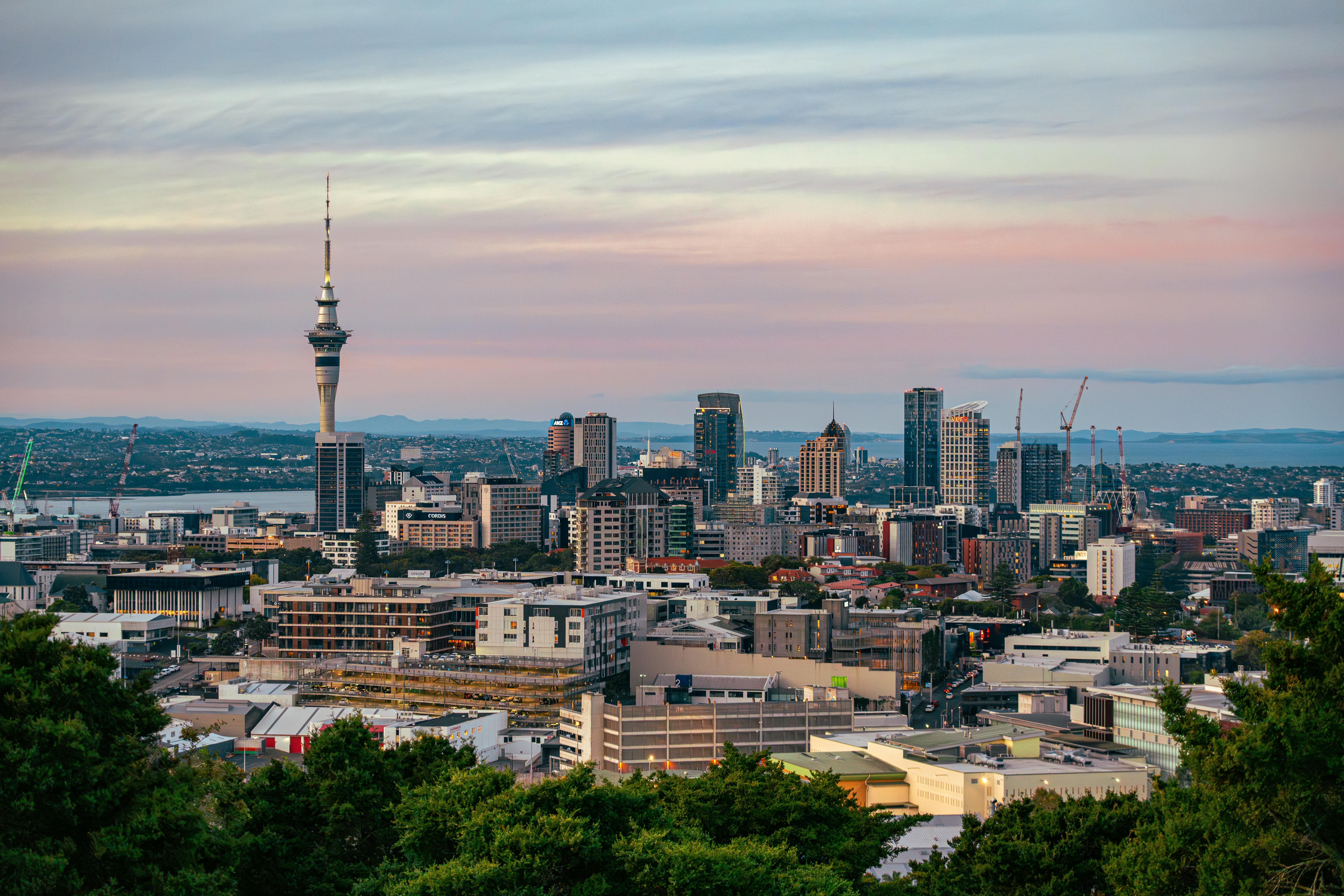
On September 13, 2026, Auckland opened the City Rail Link, a 3.45-kilometre twin tunnel under the city centre with three new stations: Te Waihorotiu, Karanga-a-Hape and Maungawhau. According to Auckland Council, a peak-hour trip from Ellerslie to Karangahape Road now takes 17 minutes, 19 minutes faster than before, and Panmure to Karangahape Road takes 21 minutes. The project took decades to deliver, and it changes how practical it is to live in the central city without a car.
The timing matters for a group the city rarely courted until recently: people who earn their income abroad and want to spend a few months working from New Zealand. Lisbon, Barcelona, Mexico City and Medellín still dominate remote-work rankings. Auckland has a different offer, built on a functioning business centre, a harbour within walking distance of most central addresses, and islands and beaches a short ferry ride away. Whether that offer works in practice depends less on the city than on the specific apartment a remote worker chooses.
A legal opening for remote workers
For years the main obstacle was legal rather than practical. That changed on January 27, 2025, when Immigration New Zealand began allowing visitor visa and NZeTA holders to work remotely for an overseas employer or client during their stay. The rule applies to tourists, people visiting family and partners on longer visitor visas.
The conditions are specific. Visitors may not work for a New Zealand employer, sell goods or services to people or businesses in New Zealand, or do work that requires physical presence at a New Zealand workplace. Tax is the other boundary. According to Immigration New Zealand, overseas income is generally exempt from New Zealand tax if the person spends no more than 92 days in the country in any 12-month period. For tax residents of the more than 40 countries with a New Zealand tax treaty, that limit can often extend to 183 days. Beyond the limit, income is taxed from the first day at resident rates.
In practice, those rules point toward stays of one to three months, or up to six for people covered by a treaty. That is the range in which hotels become expensive and impractical, and in which a furnished apartment becomes the logical choice.
What the rental market looks like
Auckland is not cheap, but it is no longer tightening the way it did earlier in the decade. Barfoot & Thompson, a major Auckland real estate agency, reported an average weekly rent of NZ$699.40 across the properties it manages in September 2026, up 0.9 percent on a year earlier. Listings at the end of the month were 10.1 percent lower than a year before, and the agency recorded 6,068 viewings, its highest monthly figure in at least five years.
Nationally, the Trade Me Rental Price Index put the median weekly rent at NZ$625 in August 2026, the first annual increase in 18 months. Taken together, the figures describe a market that is stable on price but competitive on supply, particularly for well-located, ready-to-live-in units. Those are the conditions in which arranging a furnished stay before arrival saves time.
Standard Auckland leases are also designed for long-term tenants. A remote worker staying ten weeks has little use for an unfurnished apartment, utility accounts in their own name and a fixed-term tenancy agreement. Serviced and furnished apartments fill that gap by bundling furniture, internet and utilities into one monthly arrangement.
Infrastructure that supports the work
New Zealand's fixed broadband network is a quiet advantage. The government-backed Ultra-Fast Broadband programme brought fibre to most urban areas, and residential gigabit plans with download speeds up to 1 Gbit/s are available across those areas. In central Auckland, a properly connected apartment should not be the limiting factor for video calls or large uploads.
What remains is the apartment itself. A reliable connection matters little if the only workspace is a bed or a kitchen counter. For someone on calls several hours a day, a desk, a supportive chair, adequate lighting and a room that is quiet during working hours determine whether a stay is productive. Laundry, a usable kitchen and a separate living area matter more over eight weeks than over a long weekend.
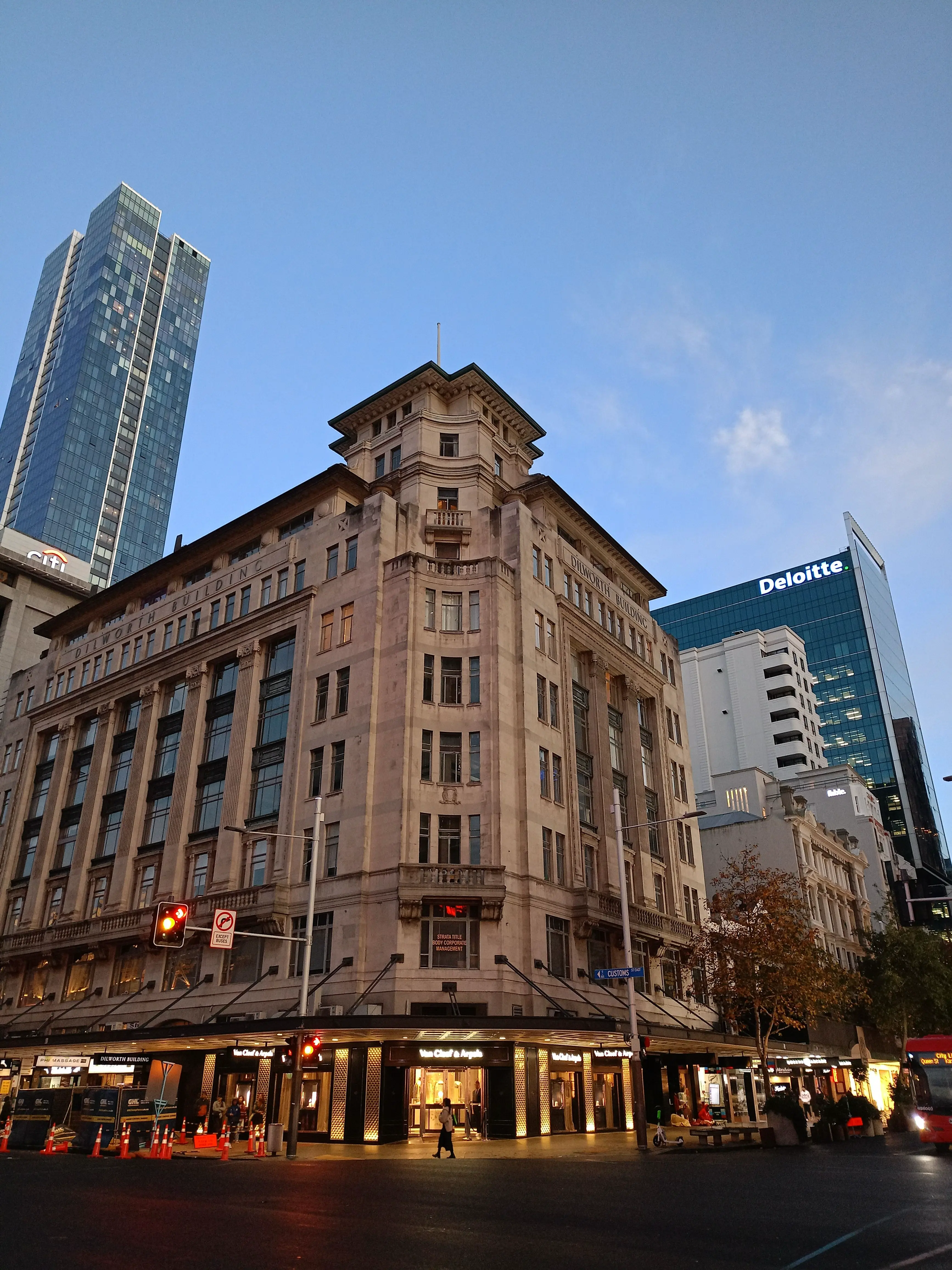
Location is the third factor. The central business district and the neighbourhoods around it put supermarkets, gyms, cafés, the waterfront and now the new rail stations within walking distance. Living close to that network reduces the small daily frictions that add up over a longer stay, and with the City Rail Link open, it is easier to reach suburbs and other parts of the region without driving.
Why local operators matter
Remote professionals arriving in a city they do not know face a basic information problem. Large booking platforms show thousands of listings but rarely say which ones are suitable for a full working week over several months. Photos do not reveal whether the desk is usable, whether the building is quiet during the day or how quickly a maintenance problem will be fixed.
This is where professional local operators earn their place. They know the buildings, the neighbourhoods and the practical details that decide whether a longer stay goes smoothly, and they are accountable for standards in a way a one-off host often is not. Some RentRemote listings in Auckland already describe dedicated home offices, desks and fast connections, which is the level of detail a remote worker needs before committing to a month or more.
For furnished, professionally managed apartments in Auckland, Zodiak Stays is one of the local operators connected to this kind of flexible accommodation. RentRemote's role is to make such stays easier to find and compare for people who work remotely, while the operator brings local knowledge and day-to-day reliability.
The case for Auckland as a base
Auckland will not replace Lisbon or Medellín as a default destination. It is distant from Europe and North America, and its rents are higher than those of most popular remote-work cities. But the 2025 visa change gave remote workers a clear legal basis to work while visiting, the fibre network supports demanding work, and the City Rail Link has made the central city easier to live in without a car.
For a professional planning a stay of one to three months, the decision that matters most is the apartment. A place with a real workspace, a dependable connection and a central location turns the city from a holiday into a workable base. This follows a wider shift toward longer stays in fewer places, which we covered in our analysis of why 2026 is the year of slow travel.
Remote workers considering Auckland, or comparing it with other cities, can browse furnished monthly rentals on RentRemote, which are listed with the workspace and stay-length details that longer visits require.