















Remote Work Productivity Hinges on Routine, Not Location
Research from Stanford and Microsoft suggests remote workers can match office output when focus time, routine and a proper workspace are protected.
When Stanford economist Nicholas Bloom and his colleagues let about 1,600 employees at the travel company Trip.com work from home two days a week, they found no measurable effect on productivity or promotions, while resignations among non-managers fell by a third. The results, published in Nature in June 2024, are among the strongest evidence yet that where people work matters less than many employers assume.
For people who work while traveling or living abroad, the finding is encouraging but incomplete. The Trip.com employees worked from their own homes, on familiar schedules. Someone who changes cities every few months faces a different set of obstacles: unfamiliar apartments, shifting time zones and the constant pull of a new place. Staying productive in that setting depends on a few practical conditions more than on willpower.
Focus time is the scarce resource
The biggest threat to remote productivity is not distraction from the surroundings but fragmentation of the day. In its 2023 Work Trend Index, Microsoft reported that 68 percent of people said they did not have enough uninterrupted focus time during the workday. Usage data from Microsoft 365 showed that workers spent 57 percent of their time communicating, through meetings, chat and email, and 43 percent creating documents, spreadsheets and presentations. The heaviest users of meetings spent 7.5 hours a week in them.
Those patterns travel with the laptop. A remote worker in a new city still has the same calendar, often with calls spread across more time zones. Protecting blocks of time for concentrated work, and declining meetings that do not require attendance, does more for output than any choice of destination.
Routine does the heavy lifting
Clear working hours are the simplest tool available. A consistent start and finish time separates work from the rest of the day and makes it easier to plan around calls in other time zones. Many remote workers schedule their most demanding tasks for the hours when they concentrate best, often the morning, and leave messages and administration for later in the day.
Some countries have written the boundary into law. Spain's Organic Law 3/2018 gives employees a right to digital disconnection outside working hours and requires employers to adopt internal policies on it, according to The Local Spain. Portugal's 2021 remote work law bars employers with more than 10 staff from contacting employees outside working hours except in emergencies, according to the consultancy Mercer. Whether or not such rules apply to a given worker, they reflect a broad view that both rest and focus depend on a defined end to the working day.
The workspace still matters
Location matters less than the specific place where the work happens. A café can be pleasant for an hour, but most are not designed for a full day of calls and writing, and a sofa or kitchen table is a poor substitute for a desk. About three in five workers in the European Union report musculoskeletal complaints, according to the European Agency for Safety and Health at Work, and prolonged sitting is one of the risk factors employers most often identify.
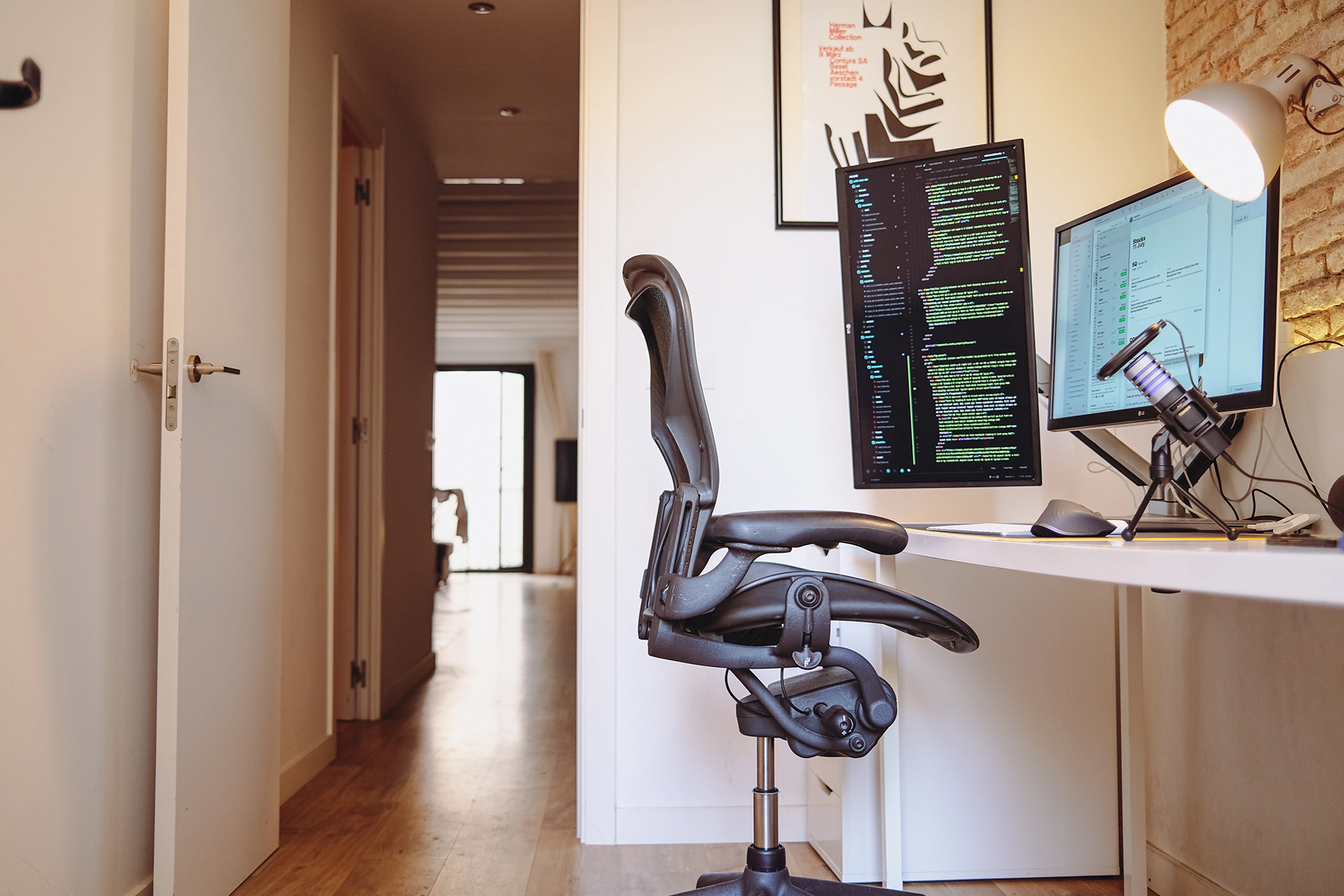
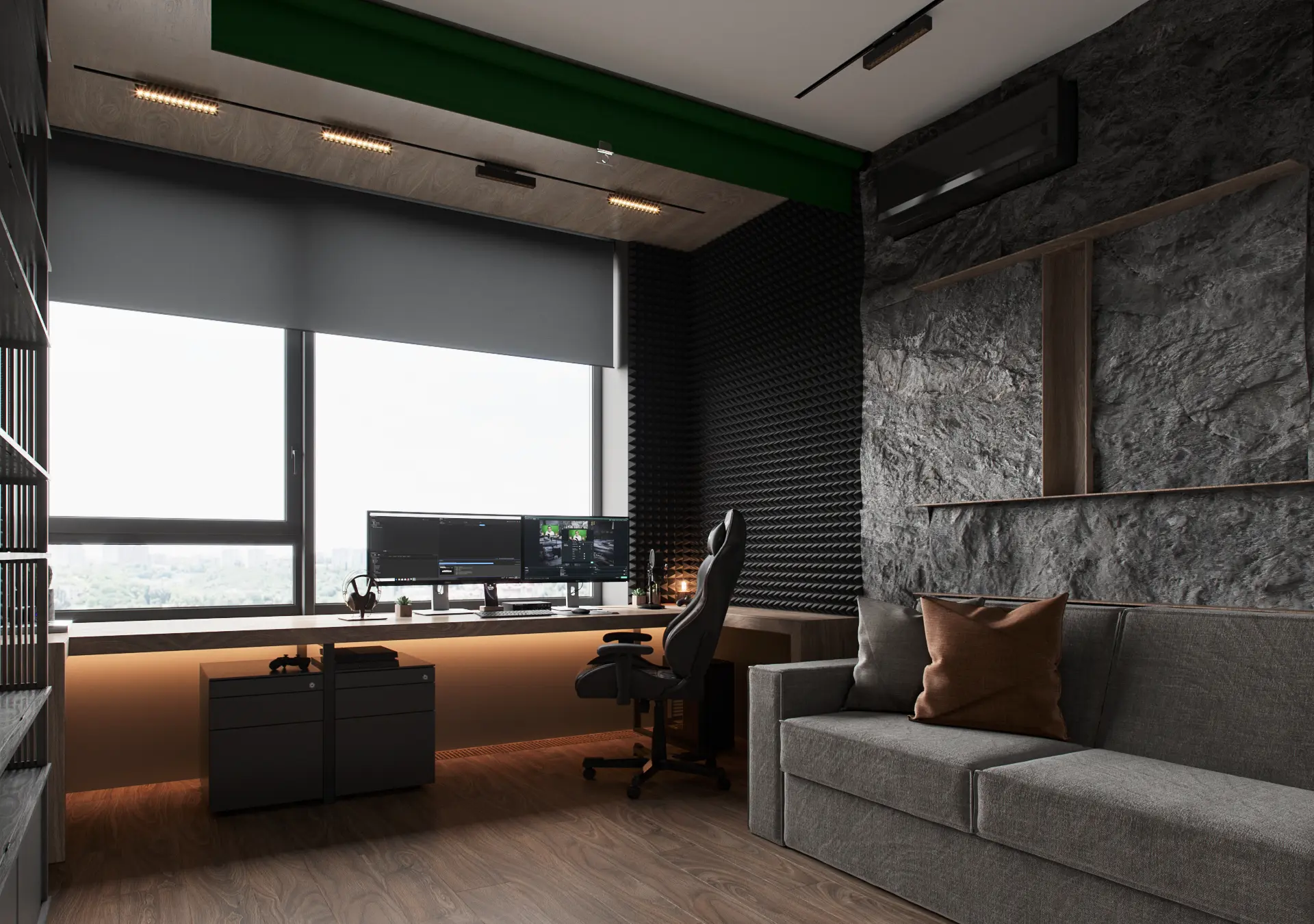
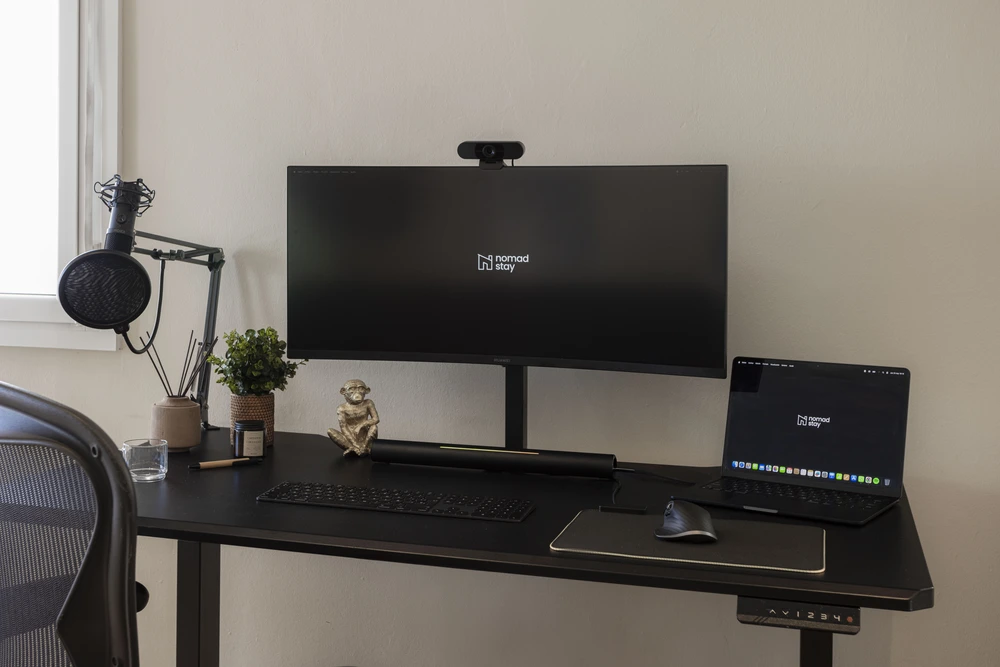
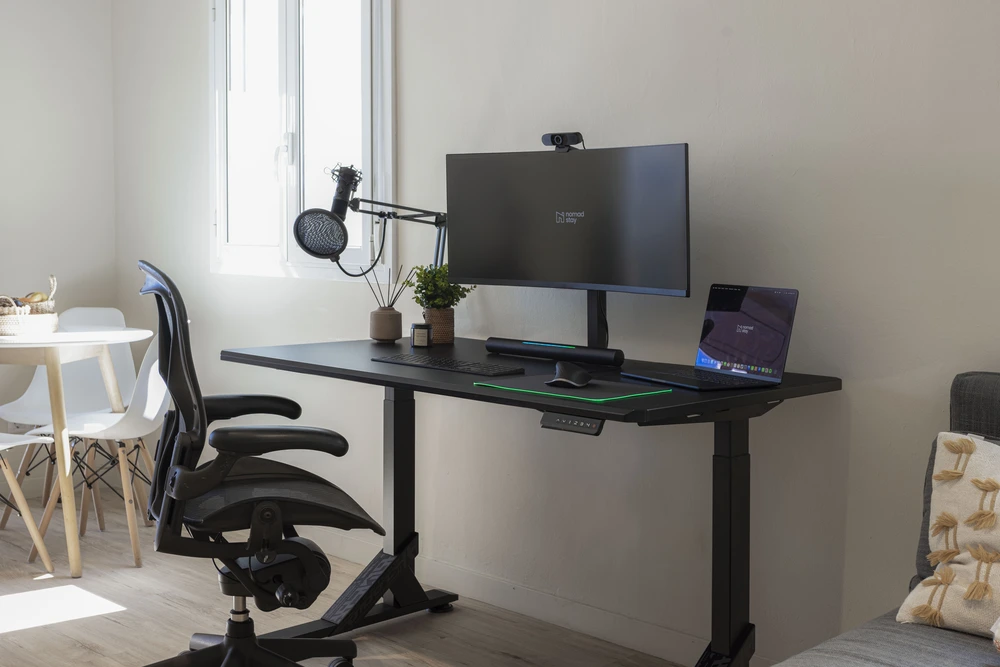
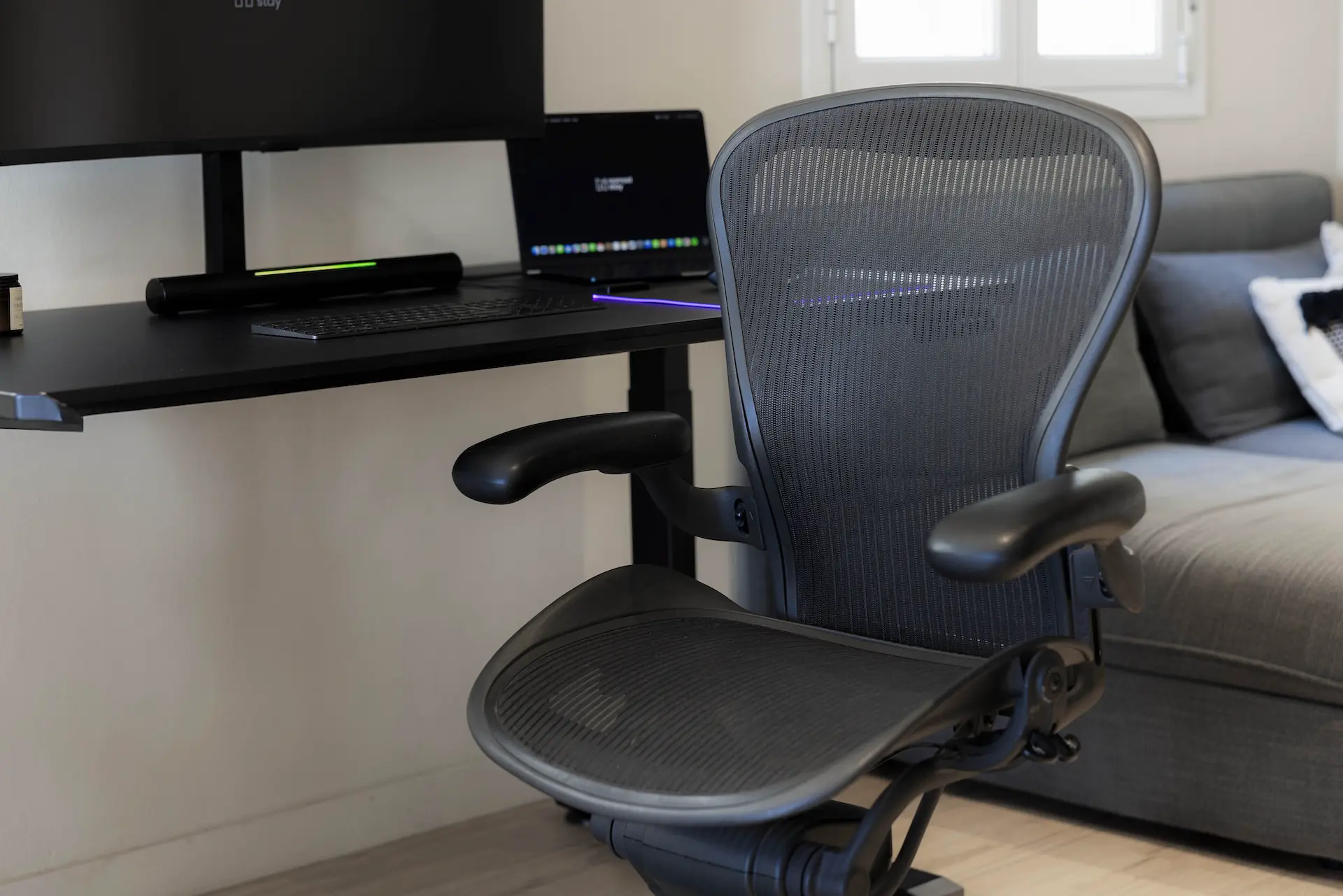
A dedicated workspace does not need to be an office. It needs a desk at a sensible height, a chair that adjusts, enough light, reliable power and a stable internet connection, ideally in a room that can be closed off for calls. Confirming these details before booking, for example by asking for a recent internet speed test, saves days of improvisation after arrival.
Tools and community
The right software helps keep distributed work organized. Project management tools, shared documents and written updates reduce the number of meetings needed to stay aligned, which in turn frees time for focused work. The aim is fewer, better-prepared conversations rather than a constant stream of messages.
Time zones deserve deliberate planning. A remote worker in Europe with colleagues in North America, or in Mexico City with a team in Madrid, can usually find a few overlapping hours each day. Concentrating calls in that window, and keeping the rest of the day for independent work, prevents the schedule from stretching across both time zones and eroding the evening.
Isolation is the other risk of working remotely in an unfamiliar place. Coworking spaces, local meetups and remote worker communities offer professional contact and a reason to leave the apartment, and many remote workers combine a home setup with occasional days at a shared space. The right balance differs from person to person, but regular contact with colleagues and peers supports motivation over a long stay.
Slower travel, steadier output
All of these conditions are easier to meet when stays are longer. A month or more in one place allows time to establish a routine, find a reliable coworking space and settle into a functional workspace. Constant movement, by contrast, turns each week into a logistics exercise that competes with work for time and attention.
That is one reason monthly rentals have become common among remote workers. RentRemote lists furnished apartments for monthly stays in cities such as Mexico City and Barcelona, with a work setup in place on arrival.