












The Home Desk Has Become a Work-Life Balance Issue
EU data on musculoskeletal complaints and right-to-disconnect laws in Spain and Portugal show why remote workers need a proper desk and clear limits.
When Portugal's parliament approved a new remote work law in November 2021, two of its provisions drew most of the attention. Employers with more than 10 staff would be barred from contacting employees outside working hours, except in emergencies, and they would have to contribute to remote workers' additional energy and internet costs, according to a summary by the consultancy Mercer. The law treated the home workplace as a matter of employment policy rather than a private arrangement.
That framing is useful for anyone who works remotely, including people living temporarily in another city. Work-life balance is usually discussed in terms of hours and attitudes. For remote workers it is also a question of physical space: where the work happens, how that space is equipped and whether it can be left behind at the end of the day.
The physical cost of a poor setup
The health evidence is strong enough to take seriously. About three in five workers in the European Union report musculoskeletal complaints, according to the European Agency for Safety and Health at Work, which cites the sixth European Working Conditions Survey. Back pain and upper limb disorders are the most common. In the agency's 2019 survey of workplaces across the EU, 65 percent of establishments identified repetitive hand or arm movements as a risk factor, and 61 percent identified prolonged sitting.
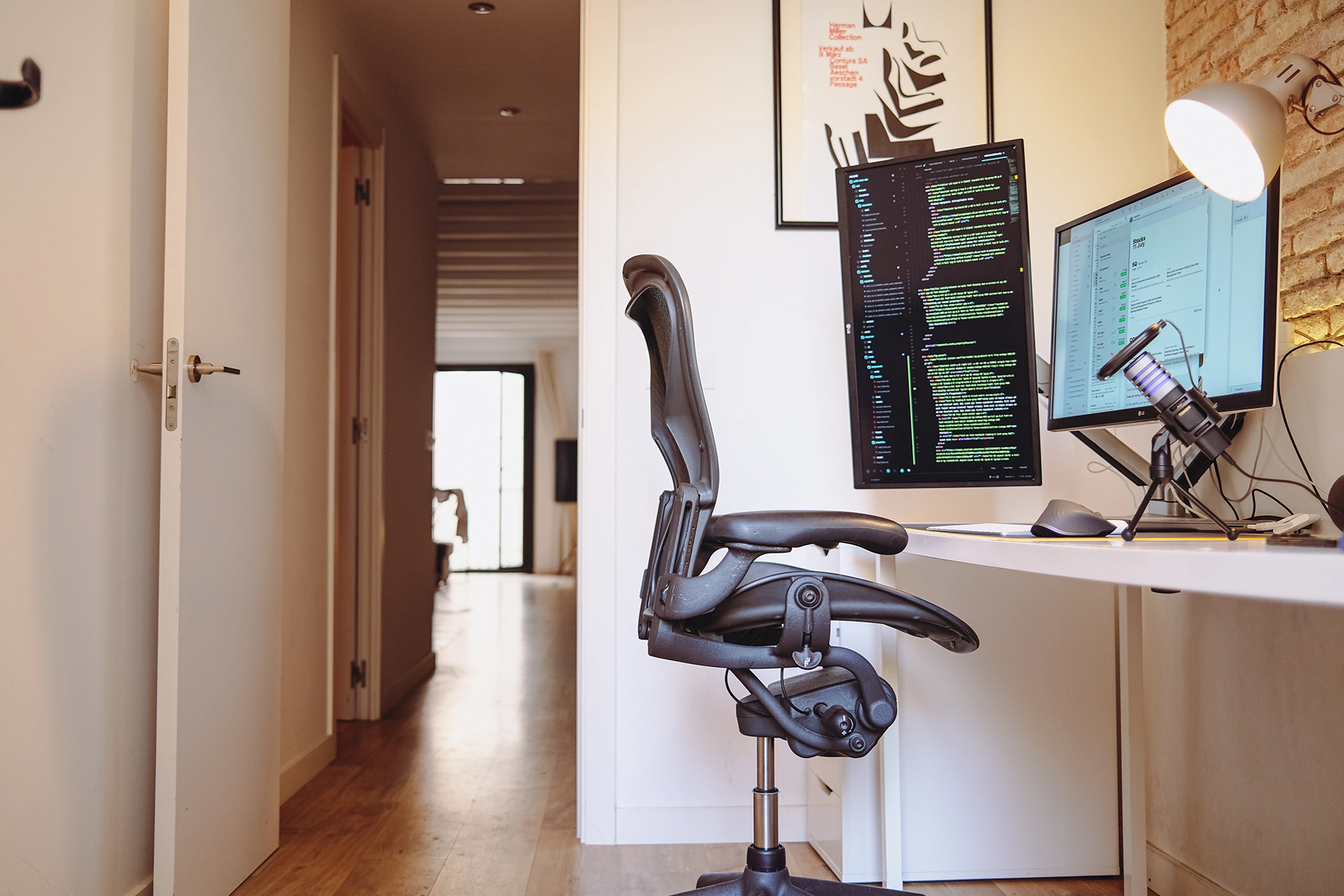
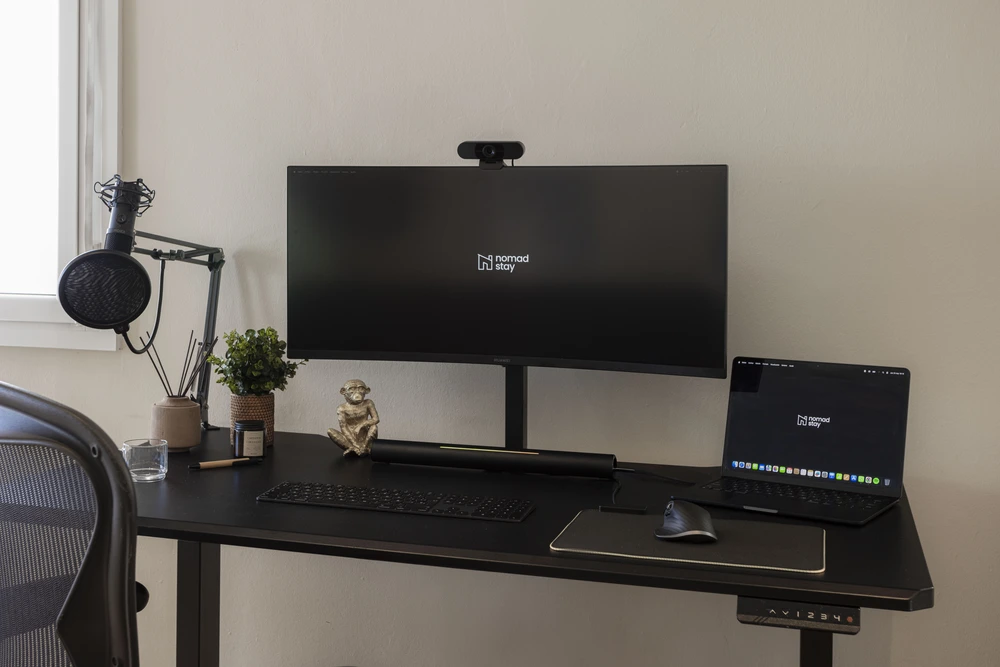
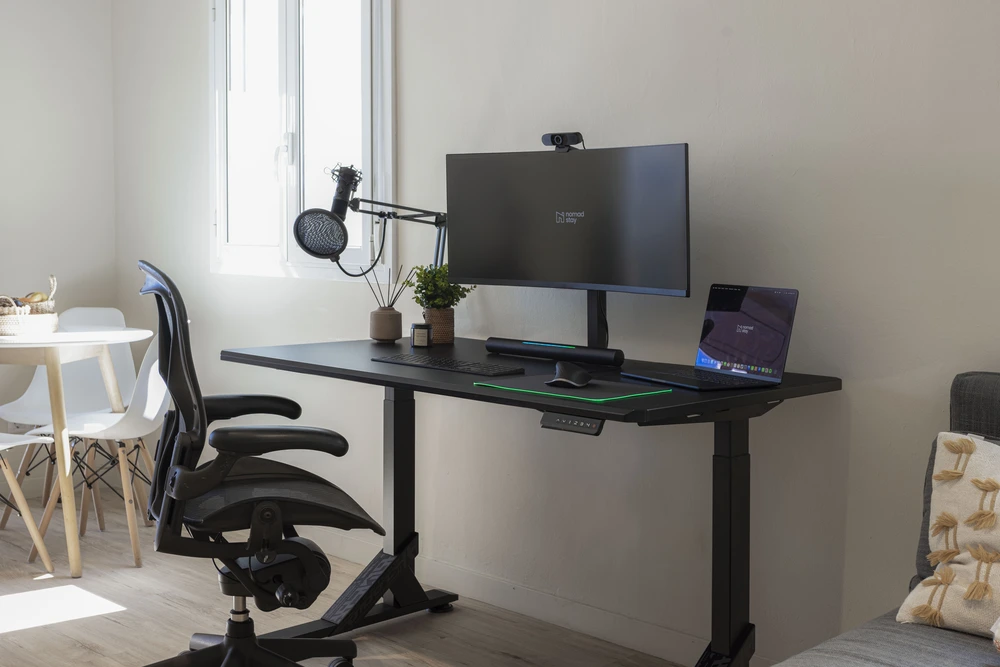
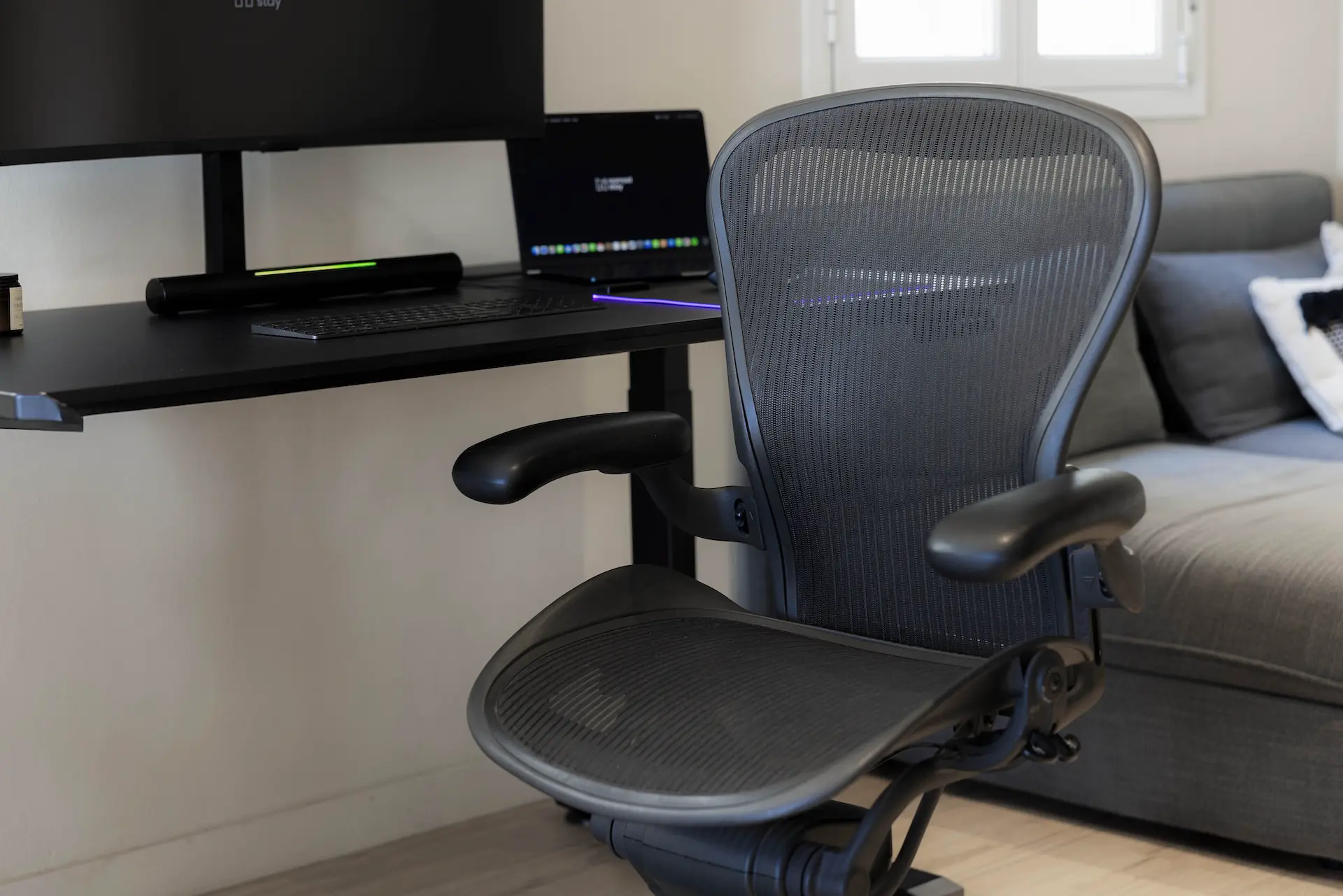
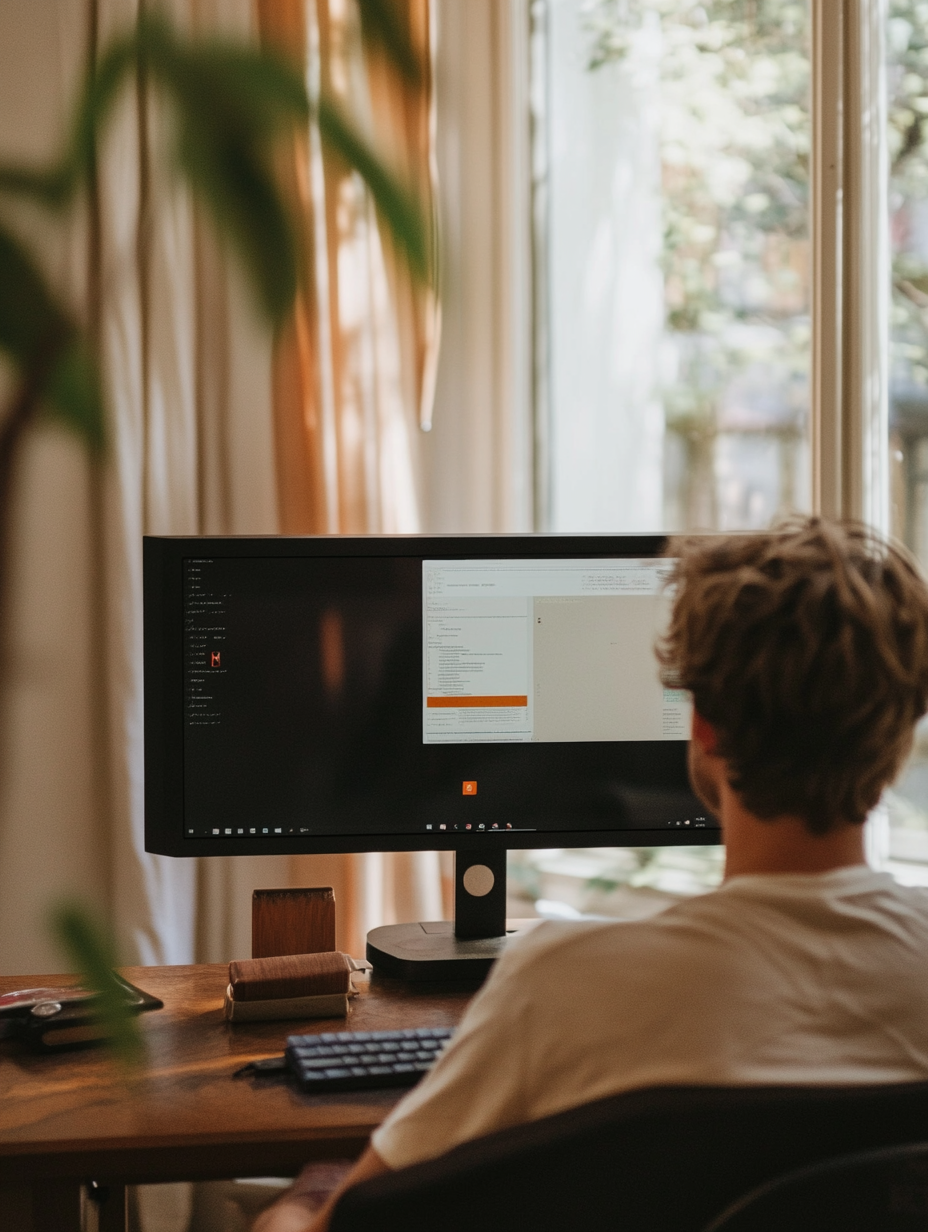
Remote work concentrates both risks in whatever furniture happens to be available. A laptop on a kitchen table pulls the neck down and the shoulders forward, and a dining chair offers no lumbar support. Over a week, the discomfort is a nuisance; over months, it can become a chronic problem. The remedies are well established: a desk at elbow height, a chair that adjusts, a screen raised to eye level with a monitor or laptop stand, and regular breaks from sitting.
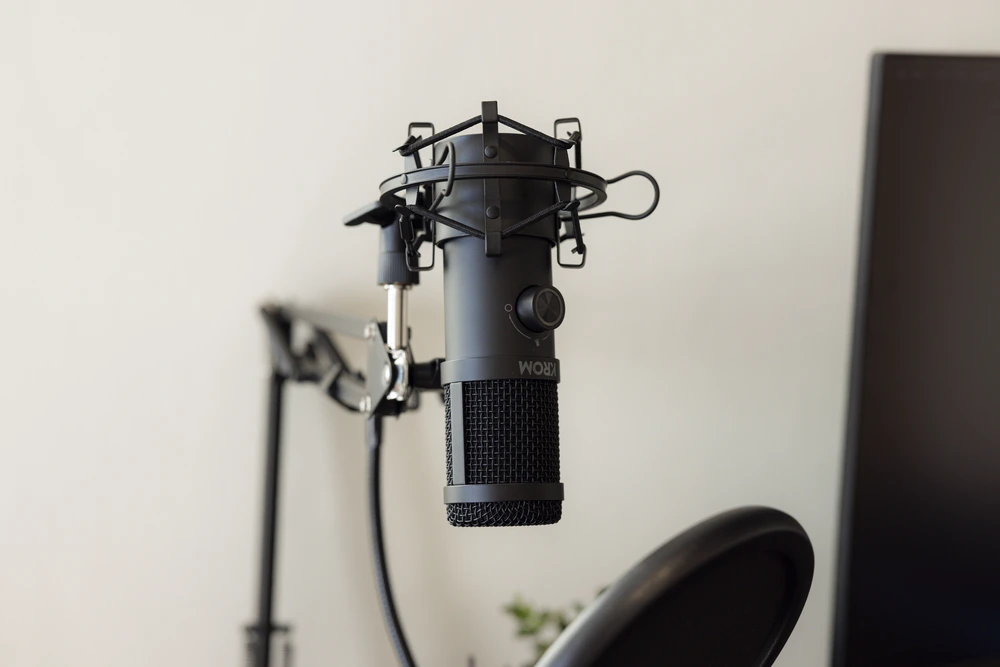
For people on the move, part of the solution can be portable. A folding laptop stand, a separate keyboard and mouse, and a pair of headphones with a decent microphone cost relatively little and fit in a suitcase. They do not replace an adjustable chair or a desk at the right height, which is why the furniture in the accommodation itself matters most for anyone staying more than a few days. The longer the stay, the more the quality of that furniture shapes how the body feels at the end of each working week.
Boundaries need a place
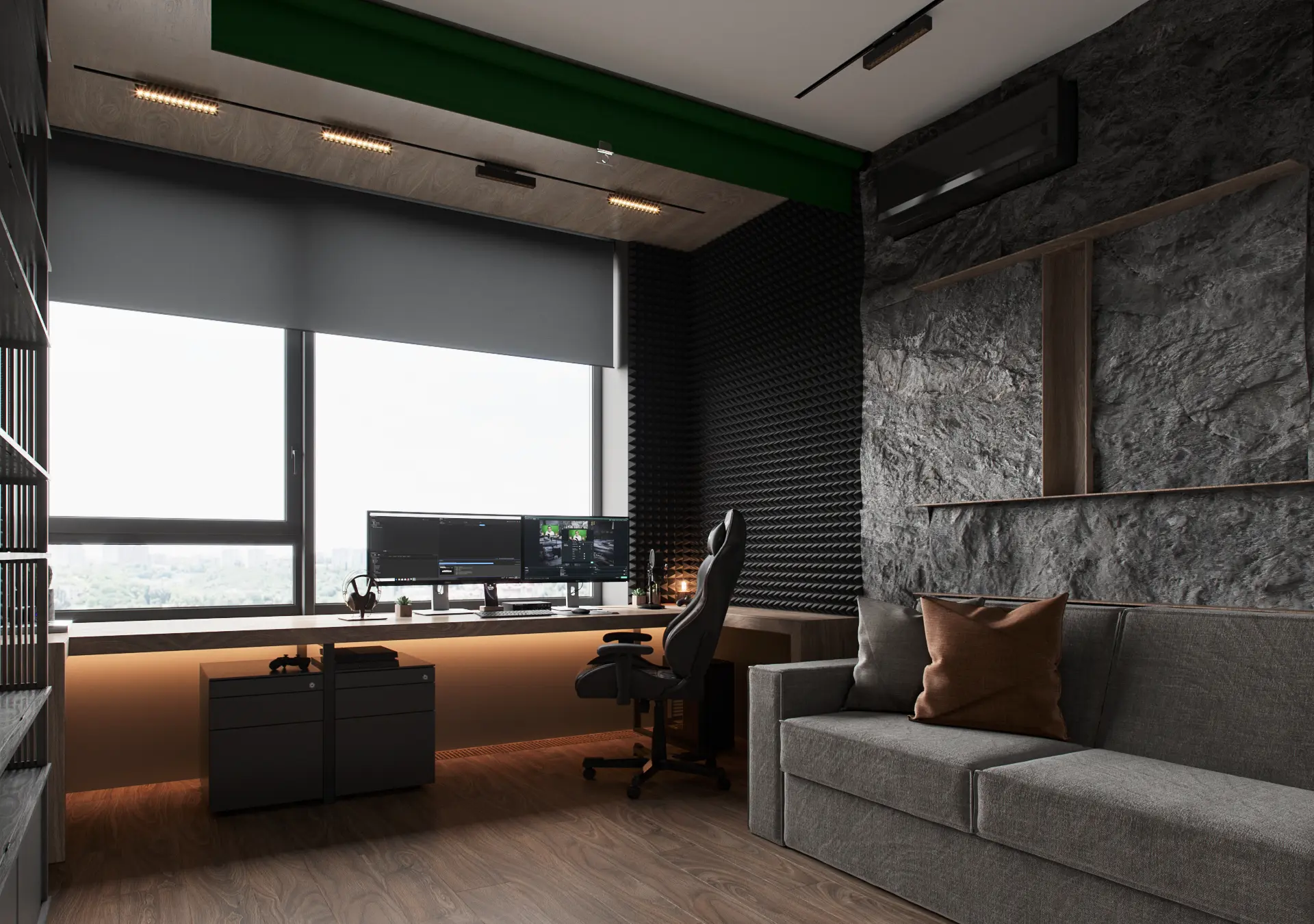
The second function of a dedicated workspace is psychological. When the desk is also the dining table, or the laptop sits on the bed, there is no point in the day at which work visibly stops. A separate desk, or a room whose door can be closed, gives the working day a physical end point that is harder to ignore than a reminder on a phone.
European law increasingly addresses the same problem from the employer's side. Spain's Organic Law 3/2018 establishes a right to digital disconnection outside working hours and requires employers, after consulting staff representatives, to set internal policies on how it is exercised, according to The Local Spain. The Portuguese law goes further for remote workers in particular: it requires remote work to be agreed in writing and obliges employers to meet remote staff in person at least once every 60 days, according to Mercer.
Focus and the length of the day
The design of the workspace also affects how much gets done within working hours, which in turn determines how much spills into the evening. Microsoft's 2023 Work Trend Index found that 68 percent of people did not have enough uninterrupted focus time during the workday. A quiet room, a stable internet connection and equipment that does not need constant adjustment make it easier to use the focus time that does exist.
Light and noise belong to the same calculation. Natural light near the desk makes long stretches of screen work more comfortable, and a room away from the street makes calls easier and concentration more sustainable. Individually these are small details, but together they determine whether a workspace supports a full day of work or quietly extends it.
Choosing accommodation with work in mind
For remote workers who move between cities, the workspace usually comes down to the apartment. Holiday rentals are furnished for leisure, and it shows in the chairs and tables. Before booking a stay of a month or more, it is worth confirming the size and height of the desk, the type of chair, the internet speed and whether there is a separate room for working.
That is the gap that rentals designed for remote work aim to fill. RentRemote lists furnished apartments for monthly stays with a working setup, in cities including Lisbon and Valencia, for people who want a place where the working day can start and stop at a fixed point.