



















Estonia e-Residency: Still the Best Digital ID for Remote Workers?
Explore the benefits and drawbacks of Estonia e-Residency to make an informed decision. Discover if it’s the right choice for you—read more now!
Estonia e-Residency Guide for Digital Nomads
The First Country to Go Fully Digital
On December 2014, the Estonian government did what few others dared: they turned paperwork into a product. Through their e-residency program, you can run a business or even register a company entirely online. No waiting rooms. No stamps. Just a secure card that works anywhere.
Why It Matters for Global Entrepreneurs
This isn’t a visa, and it won’t make you an Estonian citizen. But it’s a digital identity backed by law that opens the door to the EU market. Think of it as Estonia exporting its bureaucracy-free system to global entrepreneurs who want to move fast.
What You Can Do:
-
Register a fully legal EU company without stepping into the country.
-
Invoice clients worldwide and handle taxes under Estonian rules.
-
Access European payment providers and banking alternatives.
-
Sign contracts and manage your business operations entirely online.
In short: Estonia built a program that gives nomads the freedom to focus on work, not red tape.

What Is Estonia’s e-Residency Program?
Think of it as a government-issued digital toolkit. Estonia’s e-Residency program gives you a secure identity card that lets you create and run a completely legal Estonian company—without ever setting foot in the country. You can sign documents, manage banking, and access EU-wide services entirely online.
It’s important to clear up a common mix-up: this is not a visa, not citizenship, and doesn’t make you a tax resident. You won’t suddenly become one of Estonia’s physical residents or gain rights like local citizens. Instead, you’re tapping into the digital infrastructure the Estonian government built for the modern world.
Clearing the Misconceptions About Taxes
Plenty of people assume e-Residency is a shortcut to avoiding taxation or moving to Tallinn. It isn’t.
Running an Estonian company comes with rules, including the responsibility to pay income tax where you actually live. In fact, the program was designed as a tax avoidance scheme, looking to reduce shady practices like tax fraud, not encourage them.
The Benefits for E-Residents in Estonia
Here’s what you can do once you’ve joined the program:
-
Register a company and access EU markets, just like other foreign companies.
-
Sign documents online that are valid across the EU.
-
Handle accounting and banking with fully digital services.
-
Work with partners and clients worldwide while staying completely legal.
-
Pick up your e-Residency kit at an Estonian embassy anywhere in the world.

Why It Works
Estonia was the first country to roll out nationwide digital ID. Today, over 100,000 e-residents from 170+ countries have joined. Surveys show that 95% of them would recommend the program to others, proving that the system isn’t just functional—it’s trusted.
In short: e-Residency doesn’t give you a home in Estonia, but it does give you something just as valuable—a secure, EU-recognized identity that makes running a global business simpler.
Who Can Apply for the Estonian E-Residency Program?
The short answer: almost anyone. The e-residency program was designed so people from any foreign country can apply. You don’t need to live in Estonia, become a tax resident, or change where you pay income taxes. What you’ll get instead is a secure digital ID that gives you access to the EU market and tools to run a company remotely.
Ideal Candidates Around the World
If you’re building a small business, freelancing, or planning to open an EU company, this program was built with you in mind. It works especially well for:
-
Freelancers tired of messy payment setups.
-
Entrepreneurs looking to register an Estonian company and stay completely legal under EU law.
-
Consultants who want to offer e-residency-backed credibility to their global clients.
-
Startups that want to access other services like banking or accounting in one of the most digitally advanced countries.
-
Digital nomads who care more about Wi-Fi speeds than social security lines.

Estonia's E-Residency Program Restrictions
Not everyone gets a free pass. Every applicant is subject to background checks and security clearance. The Estonian government works with legal experts and law enforcement to make sure the system isn’t misused. If approved, you’ll collect your digital ID at an embassy, paid for by a state fee (usually around €100–120).
Why the Digital ID Works Globally
By 2023, over 100,000 residents from 170+ countries had joined the program, proving that Estonia isn’t just another EU state—it’s one of the most digitally advanced countries in the world. For nomads, it means being able to run a business with as much ease as ordering a flat white at your favorite café in Tallinn.
The Benefits of E-Residency for Digital Nomads
Estonia was the first country in the world to launch an e-residency program. Instead of flying in to file documents or deal with slow offices, you get a secure digital identity that works online. With it, you can run a business, send invoices, and use digital signatures that are recognized across the EU.
For many e-residents, the biggest perk is freedom. You don’t need to change your citizenship, become a local resident, or pay Estonian taxes unless your income is generated there. You keep your identity in one country but gain access to EU-level tools.
Run a Business Without Borders
Registering an EU company is simple, and the e-residency card lets you manage everything remotely. You can file documents, sign contracts, and handle accounting without a single visit to Tallinn. Starting costs: around €265 to set up your company, plus the state fee (about €100–120) for your card.
Real Benefits for E-Residents
Here’s what makes the program attractive:
-
Register a business and trade with foreign companies and local businesses.
-
Use digital signatures to sign binding contracts without leaving the café.
-
Manage taxation rules clearly—only paid when income is tied to Estonia.
-
Gain credibility by operating under EU law while based in developing countries or beyond.
-
Join a global network of 100,000+ e-residents working from every corner of the world.

Why It Matters Now
A recent survey found that 95% of e-residents would recommend the program to others, which shows trust in its benefits. For digital nomads, this means working from Bali, Barcelona, or Berlin, and still sending seamless EU invoices. With RentRemote, your workstation matches that same level of reliability—you can build your business while staying productive anywhere.
The Real Costs of Estonian e-Residency
Joining the Estonian e-Residency program is affordable compared to setting up shop in another country. The state fee for the card is around €100–120, and registering a company in Estonia costs roughly €265. Once approved, you can pick up your card—usually within two weeks of background checks—at an embassy or consulate during a quick visit.
For many e-residents, this small upfront payment unlocks a world of online tools, from digital banking to cloud-based accounting. But the real price isn’t the card—it’s the ongoing compliance.
Annual Services You’ll Need
Running an Estonian business remotely means staying in line with EU rules. Expect yearly costs of at least €1,000 for accounting, compliance, and a virtual office address. These services are what keep your documents valid and your business fully operational in the EU.
-
Accounting packages: €50–100/month
-
Virtual office address in Tallinn: ~€200/year
-
Compliance and reporting tools: included in most packages
-
Bank account alternatives (fintechs): fees vary, but usually cheaper than traditional banks
Access Isn’t Always Seamless
The digital infrastructure is world-class, but not every solution is instant. For example, opening a traditional EU bank account isn’t guaranteed, which is why most e-residents rely on fintech providers. A 2023 report found that over 60% of new companies registered through the program now use digital banks instead of legacy institutions—proof that the system is evolving with global demand.

What This Means for Digital Nomads
Setting up a business in Estonia is simple, but maintaining it requires discipline. Think of it as a subscription to credibility: you’re paid in legitimacy, but the invoice comes every year. The estonian model is still one of the most cost-effective ways in the world to access EU markets while staying mobile.
Applying for Estonian e-Residency
The whole process is designed to be online, fast, and simple. The Estonian e-Residency portal feels more like ordering a product than dealing with a government. You apply through the official website, pay the state fee, and wait for the background check to clear. Most residents are approved within 6–8 weeks, which is fast compared to similar programs elsewhere in the world.
Step 1: Submit Your Application
Head to the official website and fill out the form. You’ll upload your passport scan, a photo, and some basic documents. The fee is around €100–120, which is pretty standard for digital IDs worldwide.
Step 2: Background Check
The Estonian authorities run a security clearance. This isn’t just for formality—it’s part of why the program has a 95% satisfaction rating among citizens and residents.
Step 3: Pick Up Your Digital Identity Kit
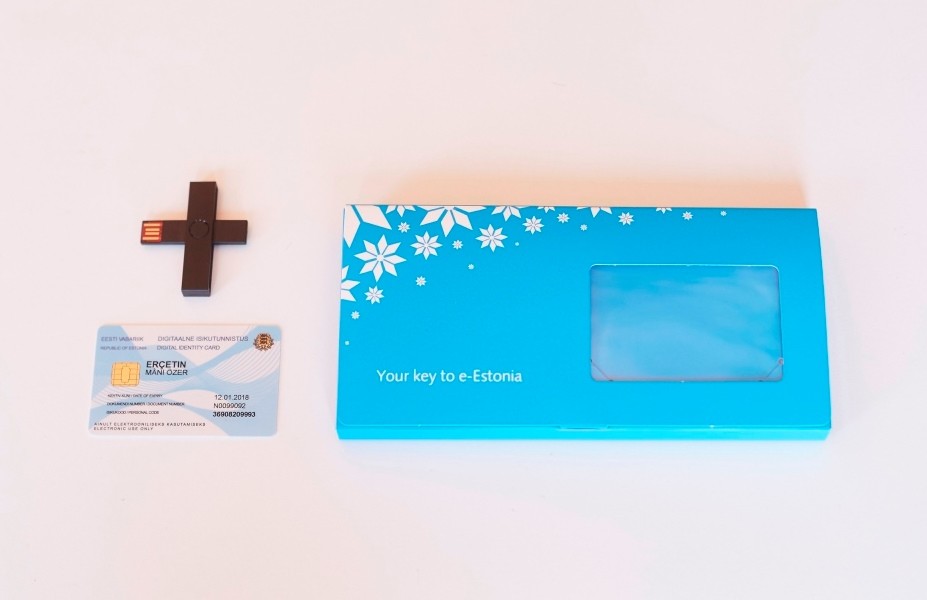
Once approved, you’ll need to visit an embassy or consulate. There you’ll collect your digital identity card, a reader, and two secret PIN numbers. This is what gives you access to Estonia’s digital infrastructure.
Step 4: Register Your Company in Estonia
If your goal is to run a company in Estonia, you can set it up right away. Filing is done online, and the cost is around €265. Within a couple of days, you’ll have a fully Estonian company ready to operate in the EU.
Step 5: Banking, Accounting, and Taxes
Next, set up a digital bank account or fintech solution, plus accounting services. It’s important to stay compliant with Estonian taxes and EU regulations. Don’t skip this step—it’s what keeps your company fully legal across borders.
Why This is Revolutionary for Nomads
The ability to get a government-backed digital identity from another country is groundbreaking. For citizens of developing countries, it means access to markets they couldn’t reach otherwise. For nomads, it means handling clients in Berlin while sitting in a café in Bali. And all of it starts with a few clicks on a website.
Taxes and Compliance for E-Residents
One of the biggest misconceptions is that residency through Estonia’s e-Residency means you’ll pay all your taxes there. Not true. Getting a company in Estonia doesn’t automatically make you a tax resident of the country. If you live in Spain, Bali, or anywhere else in the world, you may still owe income tax where you actually reside.
That said, Estonia has one of the most attractive corporate systems in Europe: 0% on retained profits and 20% only when dividends are distributed. For many digital nomads, this structure makes running a business online far easier than filing endless documents back home.
How Estonian Companies Handle Taxes
Running a company from abroad means you’ll need clear rules and reliable support. Estonia offers services to keep everything in line, but you should expect:
-
Corporate tax = 0% on reinvested profits, 20% on payouts.
-
Mandatory accounting for every company in Estonia (budget €50–100/month).
-
Use of digital signatures to submit reports and file official documents.
-
Local compliance partners to guide you through EU regulations.
-
Possible visit to your accountant or partner once a year—though most is handled remotely.
Why Compliance Matters
The Estonian system is transparent, but it doesn’t run on autopilot. Hiring an accountant or a compliance partner is almost non-negotiable. In fact, a 2022 survey found that 85% of foreign-owned Estonian companies rely on outsourced accounting services to stay compliant. It’s the difference between enjoying seamless access to EU markets and ending up with fines.
The Bottom Line for Digital Nomads
Estonia gives residents and global founders tools to run a business smoothly across borders. But remember: e-Residency ≠ tax residency. You’ll still need to declare where you live and where you earn. Think of the Estonian model as a clean foundation—powerful for building, but it still needs the right structure to stand.

The Fine Print of E-Residency
The Estonian e-residency program is a game-changer, but it’s not a golden ticket. You can run a business online and sign documents with digital signatures, but you don’t gain physical residency in Estonia or the EU. Many new e-residents assume the card comes with the right to live there—it doesn’t. Think of it as access to digital tools, not a new passport.
Banking Isn’t Always Smooth
Opening a bank account is often the trickiest part. Traditional banks in Estonia may require an in-person visit, and approval isn’t guaranteed. Most nomads rely on fintech providers instead, which offer smoother services but sometimes limited features. A 2022 survey found that over 60% of new e-Companies use fintech over traditional banks—a clear sign of where the world is heading.
Taxes Still Follow You
Running a business through the program doesn’t free you from taxes elsewhere. You’ll still owe income tax in the country where you actually live. Setting up in Estonia doesn’t make you a tax resident—it only sets the rules for your Estonian company.
Ongoing Compliance
This isn’t a one-off sign-up. Every company requires annual reporting, accounting, and paid services to stay compliant. You’ll need to keep your books in order, file reports, and occasionally prove legitimacy. That means outsourcing to professionals is almost inevitable.
Key obligations include:
-
Annual accounts submitted online with digital signatures
-
Accounting services: typically €50–100/month
-
Compliance checks and EU reporting rules
The e-residency card is a powerful tool for building a cross-border business, but it comes with strings attached. You’ll need to factor in taxes, compliance, and banking challenges. For nomads who want a plug-and-play solution, it’s brilliant. For those hoping for shortcuts, it’s not.

Is Estonia’s E-Residency Still Worth It in 2025?
For nomads, the short answer is yes—if your goal is to run a lean EU-based business and work globally. The e-residency program gives you access to trusted EU frameworks, the ability to manage everything online, and credibility that’s hard to get elsewhere. But if you’re mainly hunting for a visa or physical residency, this isn’t the solution. You’ll still need to visit Estonia only to collect your kit, not to live there.
Why Estonia Remains a Pioneer
Estonia built the services long before other countries caught on. It was the first to offer a fully digital system for registering companies, signing contracts, and paying taxes remotely. Today, over 100,000 people use e-Residency worldwide, and surveys show the majority would recommend it to others. That level of trust is rare in cross-border programs.
Alternatives to Consider
While Estonia paved the way, other options are worth comparing:
-
Portugal NHR – attractive for those wanting actual tax breaks tied to physical relocation.
-
Delaware LLC – simple and low-cost, but mostly useful for U.S.-based work.
-
Dubai Free Zone – tax-friendly and popular with larger startups, but higher setup costs.
-
Estonia e-Residency – best for nomads who want EU legitimacy without moving.
Example: Who It’s Right For
If you’re a freelance developer in Bali invoicing clients in Berlin, Estonia’s e-residency lets you build an EU company with minimal friction. But if your dream is to relocate to Lisbon for lifestyle perks, the Portuguese route may suit you better.
Other countries are experimenting, but none have matched Estonia’s blend of security, simplicity, and scale. For digital nomads, it remains one of the most practical ways in the world to run a borderless business with full EU access—as long as you accept the responsibilities that come with it.

Conclusion: A Passport for Your Business, Not Your Life
Estonia’s e-residency is brilliant at what it promises—and clear about what it doesn’t. It gives you the tools to set up and run an EU business entirely online, but it won’t grant you physical residency or a new passport. Think of it as a shortcut to credibility, not a shortcut through immigration lines.
For digital nomads serious about freelancing or entrepreneurship, it’s one of the smartest ways to keep your documents, taxes, and contracts tidy while you roam the world. You’ll get EU-level trust and services, without needing to anchor yourself in one country.
At RentRemote, we take the same approach: we make sure your workstation is as solid as your business foundation—so wherever you log in, you’re ready to work like a pro.
FAQs
What is Estonia e-Residency and how does it work?
It’s a digital identity issued by the Estonian government that lets you set up and manage a company online. With it, you can sign legally binding documents, access EU services, and run a business remotely.
Is e-Residency the same as a visa or residency permit?
No. It doesn’t give you the right to live in Estonia or the EU. It’s strictly a digital identity for business purposes.
Who can apply for Estonia e-Residency?
Anyone from any country can apply. It’s especially popular with freelancers, entrepreneurs, and startups looking for EU credibility.
How much does Estonia e-Residency cost?
The state fee is around €100–120 for the card, plus about €265 if you want to register a company. Annual accounting and compliance services usually start from €1,000.
How long does the application process take?
On average, 6–8 weeks, including background checks and collecting your card from an Estonian embassy or consulate.
Do I need to pay taxes in Estonia with e-Residency?
Not unless your company generates income in Estonia. Otherwise, you’ll pay taxes where you’re physically tax-resident.
Can I open a bank account with Estonia e-Residency?
Yes, but it can be tricky with traditional banks. Most e-residents use fintech solutions like Wise or Payoneer for smoother setup.
What are the downsides or risks?
You don’t get residency rights, compliance is ongoing, and banking isn’t always straightforward. It’s not a one-off purchase—you’ll need to maintain it yearly.
Is it worth applying in 2025?
For nomads who want to run an EU company and invoice globally, yes. If you’re only looking for a visa, no.
How does e-Residency help digital nomads specifically?
It gives you EU-level legitimacy while working from anywhere—invoice clients in Berlin while sipping coffee in Bali. Combine that with a solid workstation (like those at RentRemote), and you’re set to scale your business without borders.