







Dubai Rents Are Finally Cooling: What It Means for Remote Workers in 2026
Dubai rents doubled since COVID. 170k new apartments arriving in 2026 are bringing them down. Here is what the cooling market means for remote workers in Dubai.
Dubai rents have been climbing for five years. Since COVID, the cost of renting an apartment in the city roughly doubled, driven by a wave of wealthy arrivals, Golden Visa expansions, and a real estate market that seemed to have forgotten what correction meant. For remote workers considering Dubai as a base, the price tag had become a genuine barrier.
That is changing in 2026, and the timing matters.
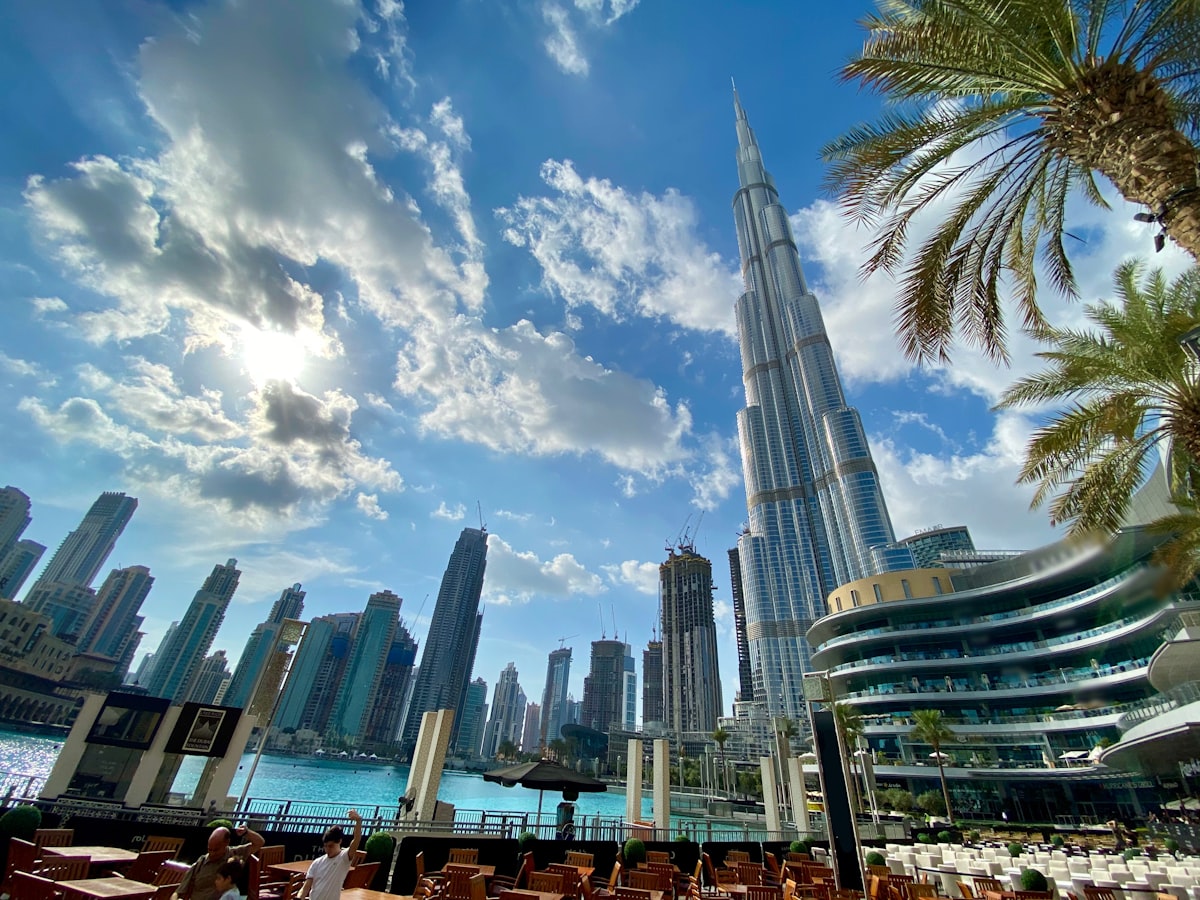
Why Rents Are Finally Coming Down
Two things are happening simultaneously, and together they point in one direction: a better deal for renters.
The first is supply. Approximately 170,000 new homes are completing in Dubai in 2026, and 88% of them are apartments. That is a substantial addition to a market that has been running tight for years. Moody's Ratings has specifically forecast modest outright price declines in the apartment segment as this supply arrives. ValuStrat and Savills are projecting that rental growth will stop by the end of 2026 in most submarkets.
The second is a more cautious buyer environment. Regional uncertainty has softened demand from investors, and with fewer buyers competing aggressively, the frenzied dynamic that pushed rents up is easing.
The areas most likely to see softening first are the ones most popular with remote workers: Business Bay, Jumeirah Village Circle, and Jumeirah Lake Towers. These are the apartment-heavy districts where nomads and remote professionals typically look first. They are also where the new supply is most concentrated.
Villa communities and more established luxury areas are likely to hold their values longer, since land constraints keep supply tighter there. But for a nomad looking for a furnished apartment in a well-connected, walkable part of the city, 2026 looks like the best entry point in years.
What Dubai Actually Offers Remote Workers
It is worth being clear about why Dubai keeps appearing on nomad shortlists despite the cost.
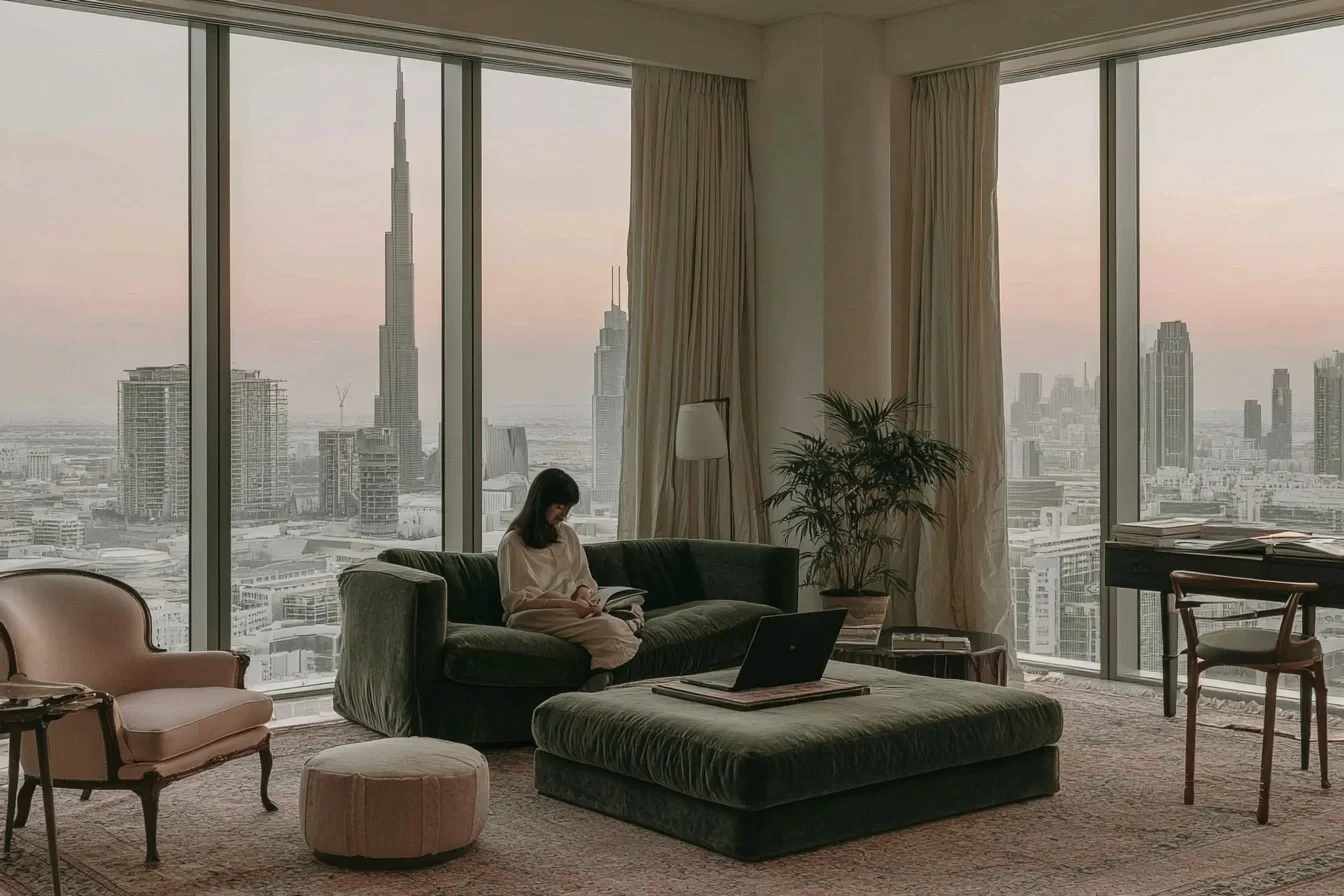
The UAE has no personal income tax. For someone earning well, that alone changes the financial calculation significantly compared to European bases with progressive tax rates. The infrastructure is genuinely excellent: internet speeds are fast, the city is modern and functional, transport is reliable, and the airport connects to practically everywhere.
The UAE introduced a remote work residency permit in 2021 and has expanded eligibility since. The Golden Visa programme has attracted a significant international professional community, which means Dubai is no longer just a destination for finance and energy sector workers. There are established expat and nomad communities across the city, coworking spaces that function at a high standard, and a concentration of skilled professionals across industries that makes networking and professional serendipity more likely than in many other nomad destinations.
The climate is a genuine consideration. Summers are extremely hot and most outdoor life moves inside. The months from October through April are the Dubai that nomads describe with enthusiasm: warm, sunny, and comfortable for everything from morning runs to outdoor working. If your nomad schedule gives you the flexibility to plan around seasons, Dubai in the cooler months is hard to match.
The Regional Context Worth Knowing
The regional picture in early 2026 is more complex than previous years. Tensions in the Middle East have created some uncertainty, and that has been visible in property transaction volumes and the enquiry levels of buyers. Dubai's market is resilient and transactions continue at a strong pace, but the context is not as stable as it was in 2023 or 2024. Nomads planning a Dubai stint should factor that into their planning, check current travel advisories, and have a clear sense of their own risk tolerance.
That said, the city's infrastructure and the UAE government's interest in attracting international residents has remained consistent through the regional turbulence. This is not a market retreating from international openness.
What the 2026 Window Means Practically
For remote workers who have had Dubai on a shortlist but kept pushing it back because of cost, the combination of new supply, rental market cooling, and a slightly less competitive market means 2026 is the year to reconsider.
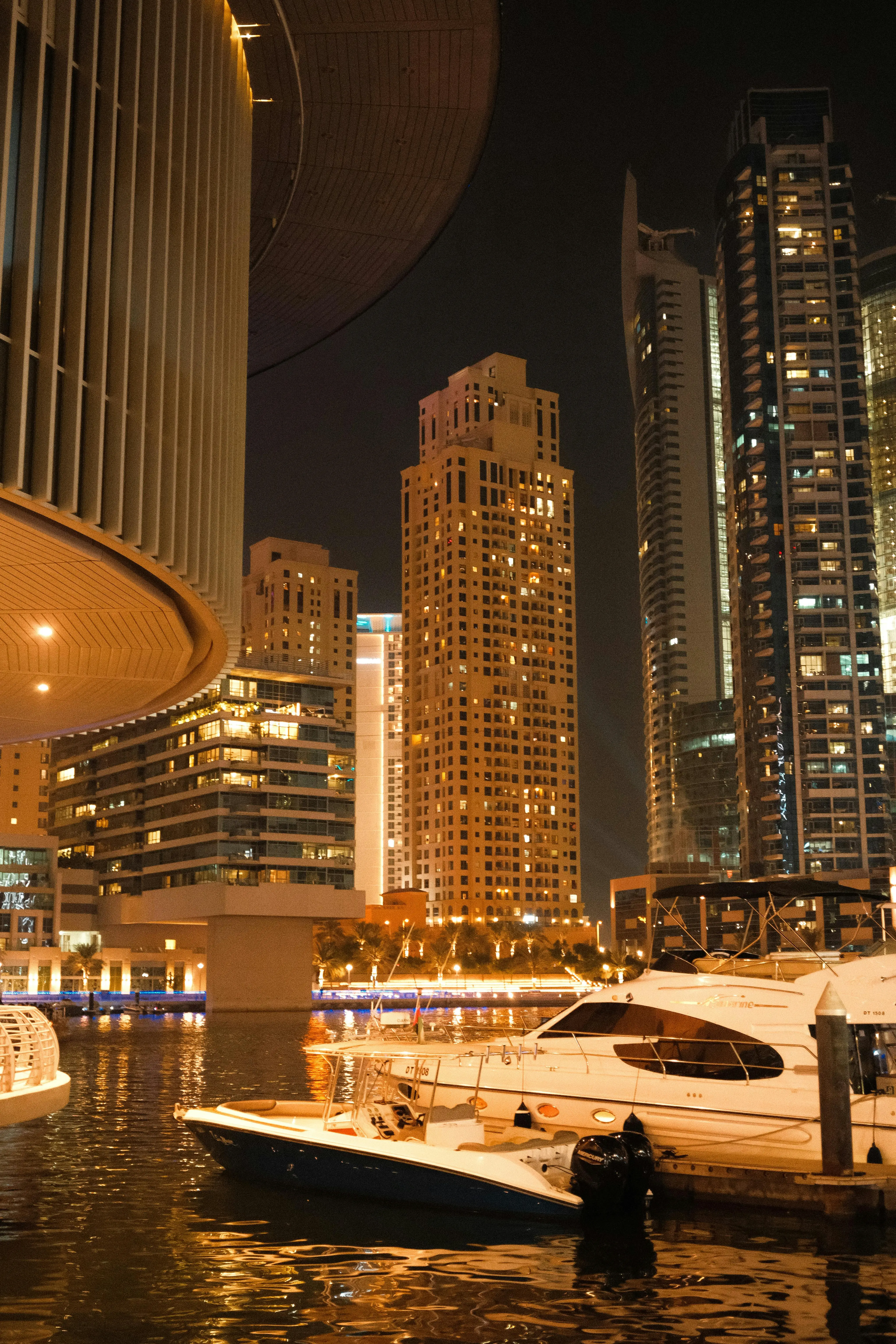
The districts worth looking at first are Business Bay for proximity to the business centre and walkability, JVC for value relative to quality, and Dubai Marina or JBR if waterfront living is part of the appeal. All three are seeing supply additions and price softening.
Mid-term rentals of one to three months in these areas are increasingly available and increasingly competitive. The experience of arriving with a lease already arranged and not needing to compete in a hot market is significantly different from the Dubai rental experience of 2022 to 2024.
Browse furnished apartments in Dubai to see available mid-term options. The window for catching Dubai at a more accessible price point is open now. It may not stay open indefinitely.