



















Crypto Staking as a Side Income for Digital Nomads: Worth the Risk?
Explore the benefits and risks of crypto staking to maximize your rewards. Understand the essentials and make informed decisions—read the guide now!
Crypto Staking for Nomads: A Smarter Way to Build Passive Income
The nomad life is freeing—until the client payments slow down. That’s when many start looking at crypto staking as a way to keep income flowing without logging more hours.
Unlike day trading, staking is simple. Crypto holders lock up their digital assets to support network security, and in return, earn rewards. Think of it as interest—without needing a traditional bank account. For crypto investors constantly on the move, it’s one of the few passive income streams that travels with you.
Why Nomads Are Staking Crypto
-
Portable: manage your assets from any exchange
-
Predictable: steady earnings over time
-
Low effort: once set up, it runs quietly in the background
For nomads, staking is less about chasing quick wins and more about building stability while chasing new places.
What Is Crypto Staking?
If you’ve been curious about crypto investments, here’s one that doesn’t require staring at charts all day. Staking crypto means locking up your tokens so the blockchain can validate transactions and keep the network secure. In exchange, you earn rewards—a bit like interest in a savings account, only powered by crypto innovation.
Unlike trading, where investors buy and sell assets hoping for quick gains, or mining, which demands heavy equipment and electricity, staking is lightweight. All you need is a wallet, internet, and access to one of the many crypto exchanges open to users worldwide. That accessibility makes it especially appealing for digital nomads who hop between countries and don’t want to rely on a traditional bank.
A 2023 report from Binance showed that over 55% of crypto investors now stake regularly, proving it’s become a mainstream security solution rather than a fringe experiment. For example, Ethereum’s proof-of-stake system has made staking one of the most trusted ways to support transactions while still getting paid.

Why Staking Is Seen as Passive Income
The main draw? Simplicity. You set it up, and the network does the work. Still, staking isn’t risk-free. Prices can drop, platforms can fail, and foreigners may face unclear tax rules depending on the country.
Here’s what makes staking stand out:
-
Predictable staking rewards that get paid regularly
-
Lower barrier to entry compared to mining (no rigs, no noise)
-
Fits into a nomadic lifestyle without complex transactions
In short, staking offers a shot at financial freedom without needing to gamble daily or lug hardware across borders. If there’s one word to remember, it’s this: balance. Combine staking with other income streams, and you’ve got a lifestyle that’s adventurous yet sustainable.
Why Staking Appeals to Digital Nomads
Life on the road is incredible, but it also forces you to rethink how money works. Constantly moving between countries makes it harder to open bank accounts, manage taxes, or keep a steady income. That’s why more nomads, entrepreneurs, and even early-stage crypto startups are exploring how crypto staking work in practice. It’s portable, predictable, and requires nothing more than an internet connection.
A recent survey by Finder found that around 27% of crypto investors worldwide already stake regularly, and the number is growing fast as more users seek incentives beyond regular trading. For digital nomads, this isn’t about chasing quick wealth—it’s about creating stability while still having the freedom to explore the world.
Portability and Global Access
With staking, you don’t need a bank in every city. As long as you hold tokens on a platform that supports multiple countries, you maintain access to your funds no matter where you are. It’s an infrastructure that moves with you, unlike traditional finance.
Predictable Rewards Without Extra Work
Forget waiting for the next freelance business gig to clear. With staking, you earn rewards consistently, often every few days, depending on the blockchain. Some platforms even let you trade staked assets if you need liquidity.
Flexibility That Fits the Nomad Lifestyle
From a café in Lisbon to a coworking spot in Bali, you can manage your staking dashboard in minutes. Just remember: not all cryptocurrencies offer staking, so choose wisely. Always check the regulatory framework in the country you’re in—some have favorable tax policies, others don’t.
Stability Without Sacrificing Adventure
-
Reliable rewards that add a layer of financial security
-
Platforms built with strong security to resist online attacks
-
A low-maintenance way to keep your assets working for you while you’re exploring
In short, staking crypto is less about risky investing and more about building a foundation that can support your lifestyle. It won’t replace your entire income, but it adds balance—a cushion that makes the adventure sustainable.

The Benefits of Staking Crypto for Nomads
For nomads, the beauty of staking crypto is that it turns your downtime into potential earnings. Once your digital assets are locked into a blockchain network, you start collecting staking rewards without needing to constantly check charts or hunt for the next client project. It’s predictable income in a lifestyle that’s anything but predictable.
A 2023 report from Staked estimated that investors earned more than $5 billion in staking rewards worldwide—proof that this isn’t just a niche strategy but a growing form of passive income for travelers, freelancers, and even entrepreneurs building a flexible business on the road.
Recurring Rewards That Fund Your Travels
For nomads moving between crypto friendly countries, these payouts can feel like incentives to keep exploring the world. Depending on the exchange and the coin, rewards might be issued daily, weekly, or monthly.
Low Maintenance, Secure Setup
Unlike mining, staking requires minimal infrastructure. Many platforms now offer lioquid staking so your funds aren’t completely blocked if you need liquidity. Major crypto exchanges also integrate security services like Cloudflare’s Ray I or other IP protections to keep you secure from online attacks.
Accessible Platforms Across Countries
With access to user-friendly apps, you can stake from Lisbon, Mexico City, or Bali. Just keep in mind: not al cryptocurrencies can be staked. Always check if the regulatory framework in your current countries has favorable taxes before committing too much.
Works Alongside Active Income Streams
Think of staking as a backup system that can resolve gaps between freelance payments. It doesn’t replace your work, but it helps you acquire steady side income that adds to your overall wealth.
-
Reliable staking rewards from any major exchange
-
Strong security services to protect your assets and network
-
Flexibility to run in parallel with your day job or client projects
Nomads aren't staking to get rich overnight, it’s about building small, consistent cushions of stability that make their life on the move sustainable.
Risks & Limitations Nomads Should Know
Staking looks simple on the surface—lock tokens, earn staking rewards, get paid. But like every business decision, there are risks. Making a mistake with your crypto assets can cost more than a late client invoice. The key is knowing where things can go wrong and how to protect yourself when living across the world.
Volatility: Rewards May Lose Value
Yes, you get rewards, but if the coin drops 30% overnight, those payouts don’t look as exciting. Even the strongest blockchain network can’t shield you from price swings.

Liquidity and Access to Funds
Many staking setups lock your accounts for weeks or months. Unless you’re using liquid staking, getting cash fast can be tough. For nomads, that’s a problem when expenses pop up in new forms—flights, visas, or even sudden rent hikes.
Scams, Hacks, and Security Gaps
There’s no shortage of shady platforms. Always check if a security service is in place to guard against online attacks. Remember: staking is often performed triggered by smart contracts, so double-check who you’re trusting to support your blockchain.
Taxes Across Borders
Moving between countries complicates things. Each one has its own subject rules around taxes on staking. Some demand proof of residency, others don’t. Keeping clean records is essential to resolve issues later.
Nomad-Specific Challenges
When you’re constantly in motion, it’s harder to prove where you live, open the right accounts, or even access a stable internet connection to manage your staking. That lack of stability makes several actions riskier—like pulling funds during a market dip.
Common risks include:
-
volatile assets
-
blocked access to funds
-
weak security
-
unclear taxes.
In short: staking can support your journey, but it’s not bulletproof. Take the time to research, diversify, and pick platforms that value security as much as you value freedom.
Best Coins and Platforms for Staking Abroad
When you’re on the move, choosing where to stake your crypto matters as much as choosing the right coworking space. Accessibility, liquidity, and network security are the big three. Pick the wrong platform and your assets could end up blocked, your funds stuck while you’re trying to book the next flight. For nomads and entrepreneurs, staking should be simple: earn rewards without constant worry.
A 2023 survey by Kraken found that over 40% of staking participants prioritize liquidity over high returns—proof that flexibility matters more than chasing maximum rewards when your lifestyle is built around travel.
Ethereum (ETH): Reliable but High Entry
Ethereum dominates the blockchain network for staking. It’s considered one of the safest for network stability and security, but minimum deposits can feel steep (32 ETH for solo validators). Many nomads use pooled staking through crypto exchanges to make it accessible.
Polkadot (DOT) and Cardano (ADA): Beginner-Friendly Options
If ETH feels out of reach, DOT and ADA are easier to acquire and more forgiving for first-timers. They let you stake smaller tokens and still earn rewards. These coins were designed with blockchain accessibility in mind, making them popular with travelers who want to test the waters without risking a mistake that drains their balance.
Stablecoins: Lower Risk, Lower Returns
Not the flashiest option, but they keep volatility low. Perfect if your main goal is stability rather than moonshot wealth. Just keep in mind: not al cryptocurrencies support staking, so check carefully before committing.
Nomad-Friendly Wallets and Apps
Global access matters. You don’t want to be unable to log in just because you crossed a border. Look for platforms with strong security service features like Cloudflare Ray I, IP monitoring, or two-factor protection. Options include:
-
Exodus: Simple UI for beginners, but several actions are performed triggered by third-party services.
-
Ledger: Hardware wallet, great to additionally resolve the risk of online security breaches.
-
Coinbase & Binance: Easy for business use, but keep an eye on taxes depending on where you live.
Tips to Avoid Common Mistakes
-
Always confirm the security measures a platform uses (look for a security service with strong IP protections).
-
Diversify across tokens and platforms so one blocked account doesn’t derail your plans.
-
Remember: different countries have different tax rules. Don’t let unclear taxes trip up your income streams.
-
If you see a platform promising outsized staking rewards, that’s often a red flag.
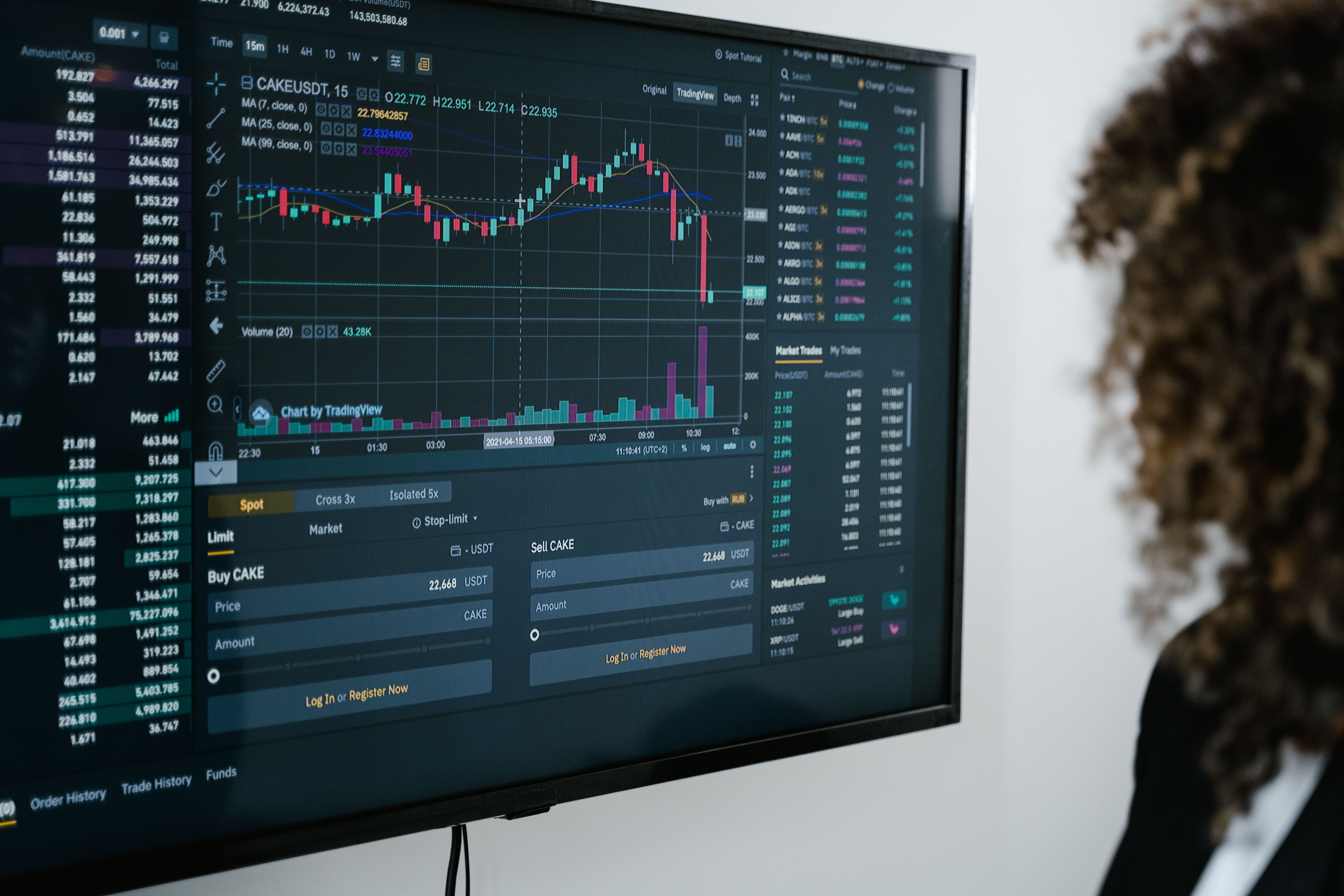
In short, staking abroad isn’t about finding the flashiest platform—it’s about choosing options that support your lifestyle and let you keep moving. The certain word here is balance: reliable staking rewards, steady liquidity, and solid security so you can focus on adventure, not spreadsheets.
Tax Considerations for the Nomadic Lifestyle
Here’s the hard truth: when it comes to staking rewards, the taxman travels with you. In most business setups, rewards are treated as taxable income. That means if you earn rewards on your tokens through a blockchain network, the government sees it as profit—no matter if you’re sipping coffee in Lisbon or working from Chiang Mai. For crypto nomads, the word to remember is: track everything.
A 2022 CoinTracker survey found that nearly 40% of crypto investors felt unable to keep up with their taxes across borders—example of how messy it can get when your assets move faster than you do.
Residency Rules and Double Taxation
Different countries classify staking income in different ways. In some, it’s regular income. In others, it’s a capital gains form. That can lead to double taxation if you don’t plan ahead.
Why Tracking Rewards Matters
The safest play is to log every payout from your staking activity. Keep screenshots from your network dashboards and crypto exchanges. Even if not all cryptocurrencies generate clear tax reports, building your own record can protect you later.
Local Regulations Can Block You
Some governments blocked access to certain assets or staking services until a proper security solution or legal framework is in place. That’s why nomads need to resolve their obligations locally—before they run into issues.
Pro Tips for Staying Compliant
-
Record all staking rewards (even small ones).
-
Check if your subject country offers a yield exemption for certain tokens.
-
Don’t assume your assets are invisible—online attacks aside, tax agencies are ramping up their ability to trace activity across the blockchain.
-
If confused, consult a local advisor who can translate the legal word into plain language.
In short, taxes may not be the most exciting part of nomad life, but ignoring them can do more damage than a lost passport. Treat your records as you’d treat your workstation—organized, secure, and ready to back you up when needed.Getting Started: A Step-by-Step for Nomads
-
Buy crypto → transfer to staking wallet → choose validator/pool → track rewards.
-
Emphasize: start small, test platforms.
-
Pro tip: always use hardware wallets for security when on the move.
Does Crypto Staking Work As A Reliable Passive Income Stream?
Staking can help you earn rewards on your crypto assets, but it’s not a magic paycheck. Think of it as a strong cushion, not a full mattress. Yes, it runs on a blockchain network that’s designed to be resilient, but even the best security solution can’t shield you from volatility or surprise online attacks. For nomads, the real question isn’t “does it work?”—it’s “how much can it support my lifestyle before I need to tap other income?”
More than 60% of stakers treat staking as supplementary income, proving it’s less about quitting your day job and more about creating balance.
Why Staking Alone Won’t Replace Work
While staking lets you lock tokens and grow them over time, payouts vary by project. Some may feel generous, but others get blocked by changing rules or restrictive policies. Add to that fluctuating prices and shifting regulations, and staking looks less like a salary and more like an occasional bonus.
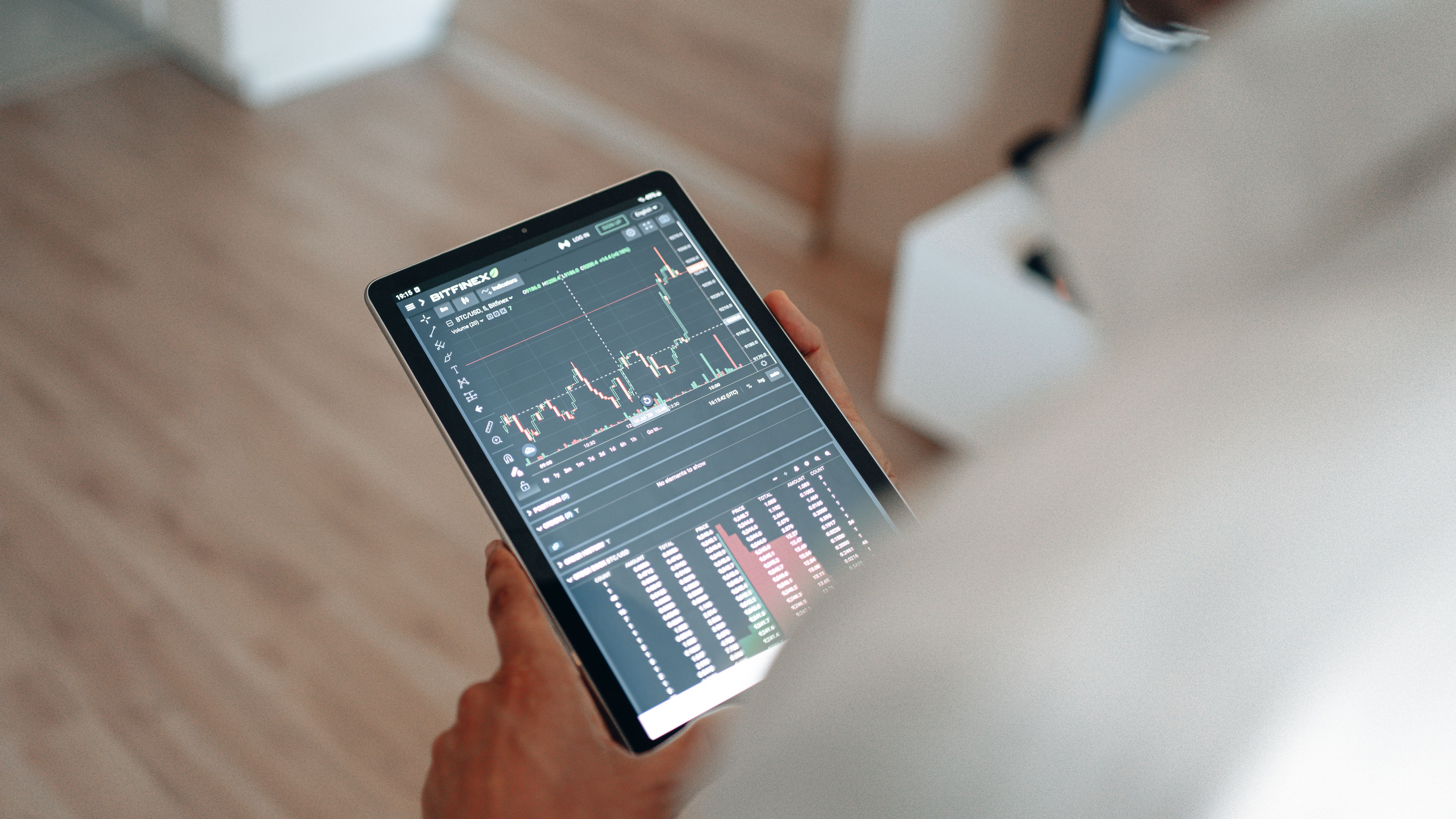
Supplementary Income for Nomads
For people running a freelance business or juggling remote contracts, staking works best as one of several streams. It fills the gaps between invoices, but you’ll still want a steady client base or side hustle to keep things flowing.
How to Protect Your Efforts
-
Diversify your assets across different projects so no single failure drains your wallet
-
Always protect your private keys and IP from breaches
-
If payouts stall, check if rules changed locally and resolve compliance quickly
The Balanced Approach
At the end of the day, staking is about stability, not extravagance. It’s a way to let your blockchain holdings work quietly in the background, while you focus on bigger things—client work, creative projects, or simply enjoying where you are.
Crypto Investments And Multiple Streams
For nomads, the real win isn’t about finding a single golden ticket. Crypto staking won’t replace your work overnight, but it can create a steady cushion—one that helps smooth out the bumps between projects, clients, or trips.
The smartest approach? Treat it as one income stream among many. Diversify, research, and only trust platforms that offer strong security and transparency.
It’s the same logic you’d apply to your work setup. You wouldn’t risk your career on a wobbly café chair and patchy WiFi. You’d choose a space built to keep you focused and productive. Staking works the same way: build it wisely, and it becomes a tool that supports—not dictates—your freedom.
At RentRemote, we make sure your workstation is as solid as your income strategy. Both are foundations for the lifestyle you’re building
FAQs: Crypto Staking for Digital Nomads
What is crypto staking for nomads?
It’s the process of locking crypto assets into a blockchain network to help validate transactions and keep it secure. In return, you earn staking rewards. For nomads, it’s a way to build side income that works anywhere with internet access.
Is staking safe for digital nomads constantly traveling?
It can be safe if you choose trusted platforms, use hardware wallets, and rely on strong security solutions. The main risks are volatility, scams, and region-blocked platforms.
What’s the best wallet for staking abroad?
Nomad favorites include Exodus (easy interface), Ledger (hardware-level security), and Coinbase or Binance (global reach). Always confirm if the wallet works in the countries you’re visiting.
Can staking rewards fund my travels?
They can help offset travel costs, but don’t expect staking alone to cover everything. Think of it as a travel fund that supplements your main income.
Do I need a lot of crypto to start staking?
No. While some coins (like Ethereum) require larger deposits for solo staking, most platforms offer pooled options where you can start with smaller amounts of tokens.
How do taxes on staking work for nomads?
Staking rewards usually count as taxable income. Rules vary by country, and nomads risk double taxation if they don’t track carefully. Always check the local framework or consult an advisor.
Which staking platforms work worldwide?
Big crypto exchanges like Binance, Coinbase, and Kraken generally work across borders. Hardware wallets like Ledger and Trezor also give nomads flexibility. Just remember: not all cryptocurrencies can be staked everywhere.
What are the risks of staking while living abroad?
Volatile prices, liquidity lock-ups, scams, and unclear tax rules. For nomads, add the challenge of keeping records when switching residency or crossing borders.
Can beginners start staking easily?
Yes. Many apps are built for new users with step-by-step guidance. Start small, test the waters, and avoid putting all your assets into one project.
Is staking a good passive income source for digital nomads?
It’s a useful supplement, not a full-time salary. Staking helps protect your financial stability while traveling, but it works best when combined with freelance, remote jobs, or other business streams.