













Where to Remote Work in Europe (2025 Guide for Digital Nomads)
Discover affordable and inspiring remote work destinations in Europe. Explore new places that boost productivity and creativity. Read the article now!
Remote Work Europe: More Than Just a Pretty View
Europe isn’t just weekend trips and wine in the plaza. It’s also home to some of the best cities for remote work, where your “office” comes with better coffee, faster WiFi, and actual inspiration.
Whether you’re chasing professional growth, lower living costs, or just trying to find a place that gets the digital nomad life—you’re in the right place.
We’ve put together a no-fluff guide to help you pick your next destination. These aren’t random pins on a map. We’ve lived here, worked here, and yes—probably spilled coffee on a café table here too.

Best Countries for Remote Jobs and Freelance Life
Here’s what we considered:
-
Internet speed and stability
-
Cost of living and lifestyle
-
Work-friendly cafés and coworking spots
-
Local vibe and visa options for freelance workers
Let’s find the next country you’ll call your office.
What Makes a City Ideal for Remote Work?
Not all postcard-perfect places are built for actual work. Some destinations look great on Instagram but leave you begging for better WiFi or a quiet place to take a call. When choosing where to remote work in Europe, think beyond scenery.

You’re not just a tourist—you’re here to live, freelance, and grow professionally. That means your next destination needs more than charming streets and good wine. It needs infrastructure that works as hard as you do.
According to a 2023 study by the European Commission, over 30% of EU workers now do remote jobs at least part-time. More cities are stepping up, allowing remote workers to settle in with fewer bureaucratic hurdles and better support.
Here’s what we look for—and what you should too.
High Speed Internet, Always

A café with oat milk and a view is great—but if the WiFi kicks you off every time someone streams a TikTok, you’re toast. Cities like Tallinn and Bucharest consistently rank at the top for broadband speed, with averages over 150 Mbps. That’s enough to run your Zoom calls, Notion docs, and ten Chrome tabs with room to spare.
Affordable Living Without Sacrificing Quality
Affordable living doesn’t mean cutting corners. It means paying €700 for a central flat in Porto instead of €2,000 in Paris—and still getting artisanal pastries on your block. For digital nomads on freelance incomes or startup salaries, cities like Budapest or Valencia offer a sweet spot between cost and quality of life.
Coworking, Cafés, and Community

Forget crowded hostels or silent libraries. Remote professionals need a mix of structure and soul. Look for cities with:
-
Flexible coworking spots (monthly passes under €150)
-
Café culture with power outlets and good espresso
-
Weekly meetups or Slack groups for expats, businesses, and remote creatives
Dublin, for example, has become a network hub for tech workers, while Tbilisi is earning a name for itself among solo founders and freelancers.
Easy Stays and Administrative Support
Visas matter. Countries like Ireland, France, and Portugal now offer digital nomad visas or simplified residency for remote workers. That means less paperwork and more headspace. Places with solid administrative support (think: clear processes, English-speaking help desks) make settling in smoother.
Safety, Walkability, and Local Culture
You’re not just working—you’re living. So a city’s local culture, safety, and layout matter too. Look for places where you can walk or bike everywhere, feel secure coming home late, and tap into a rhythm that supports both work and downtime.

If your daily routine includes morning emails, a midday museum stroll, and a dinner with new friends, you’re doing it right.
The best cities for remote work Europe aren’t just pretty. They’re practical, inspiring, and built for professional growth. Let’s find one that feels like home.
Top Cities to Remote Work in Europe (2025 Edition)
Your search for the perfect city to work from? Consider it over. Whether you're freelancing, building your own project, or balancing multiple remote jobs, these cities across Europe are redefining what a productive lifestyle can look like.
In a recent Eurostat study, 36% of professionals under 40 said they’d relocate for better amenities, stronger infrastructure, or better alignment with their sense of freedom. We’d argue that digital nomads aren’t just interested in working remotely—they want the right environment to maintain momentum, find community, and maybe even fall in love with a few new places along the way.

In terms of remote work, Europe is always a top destination. Let’s explore where remote workers are heading this year—and why these spots are your key to combining travel with real professional growth.
Lisbon, Portugal – Best for Sunny Productivity
Lisbon gets it. This isn’t just another European city with nice tiles—it’s built for the platform-hopping, café-working, Slack-slamming kind of remote life.

-
Rent: Around €1,100 for a one-bedroom
-
Coworking pass: ~€15/day
-
Strong D7 visa program and vibrant public spaces
Sense check: Go to LxFactory for industrial vibes, cold brew, and a mix of local freelancers and international teams.
Barcelona, Spain – Best for Work-Life Balance
Barcelona is the dream if your employer lets you work late and live even later. Beach before breakfast, tapas after deadlines. What’s not to love?

-
Affordable coworking services and great transport
-
Digital nomad visa launched in 2023
-
Companies and creatives mingle at events every week
Local tip: Get your spot at Cloudworks early. It fills up fast.
Berlin, Germany – Best for Creatives & Culture
Berlin gives structure to chaos. If you're chasing culture while building your next big project, this is it.
-
Rent: €1,200–€1,400 for a central apartment
-
Huge network of coworking spots
-
Great for startups, founders, and remote-friendly companies
Not to miss: Betahaus, where half the city’s side hustles are born.

Tallinn, Estonia – Best for e-Residents and Techies
Estonia’s capital is basically built for remote jobs. You can register a business without even being there, thanks to their e-residency program.

-
Rent: ~€700/month
-
Reliable fiber and forward-thinking
-
Visa options designed for digital nomads
Favorite feature: Telliskivi—culture, coworking, and food trucks in one block.
Split, Croatia – Best for Waterfront Focus
Imagine finishing a meeting, then swimming five minutes later. Split is that place. Peaceful but wired.
-
Rent: €700–€1,000/month
-
Croatia’s digital nomad visa is one of the easiest to get
-
Great food, walkable streets, and plenty of sea-facing workspaces
-
Vibrant nightlife and big expats community

Tip: Saltwater Workspace helps you maintain focus—without skipping the view.
Budapest, Hungary – Best for Budget-Friendly Quality
If you’re on a freelance budget but want comfort, Budapest is it. Gothic beauty meets Google Docs.

-
Rent: ~€550/month outside the city center
-
Modern coworking for less than €100/month
-
Low-cost amenities, high-impact lifestyle
Insider move: KAPTÁR is a cozy, central cowork with a strong sense of community.
Madeira, Portugal – Best for Island Lovers
Remote, peaceful, and surprisingly productive. Madeira is one of the few destinations where the locals want you to be a nomad.

-
Rent: ~€900/month
-
Europe’s first Digital Nomad Village
-
Built-in training sessions, meetups, and retreats
Stay sharp: Join the Nomad Island Fest in December. Everyone from solopreneurs to remote workers shows up.
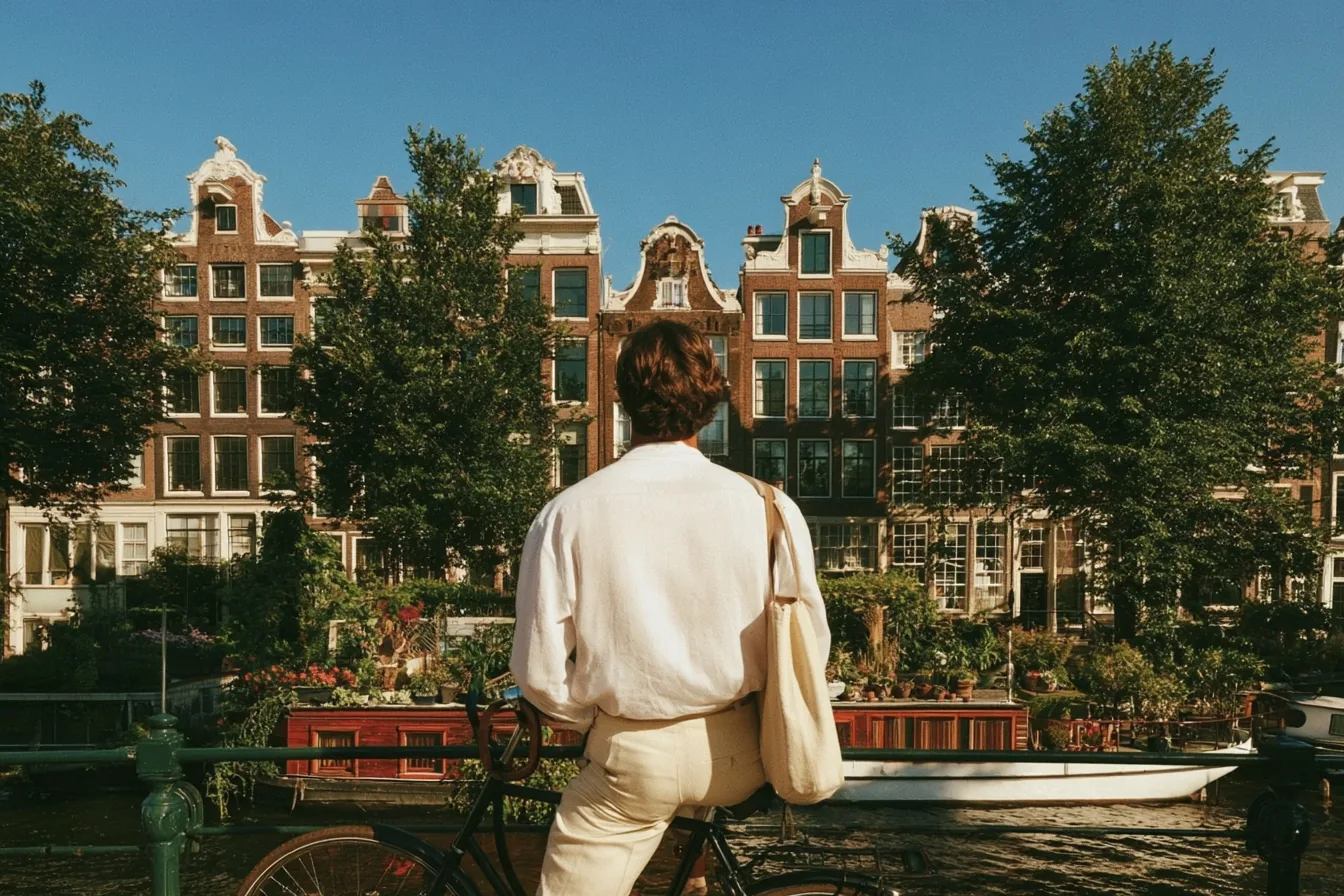
Amsterdam, Netherlands – Best for Urban Comfort
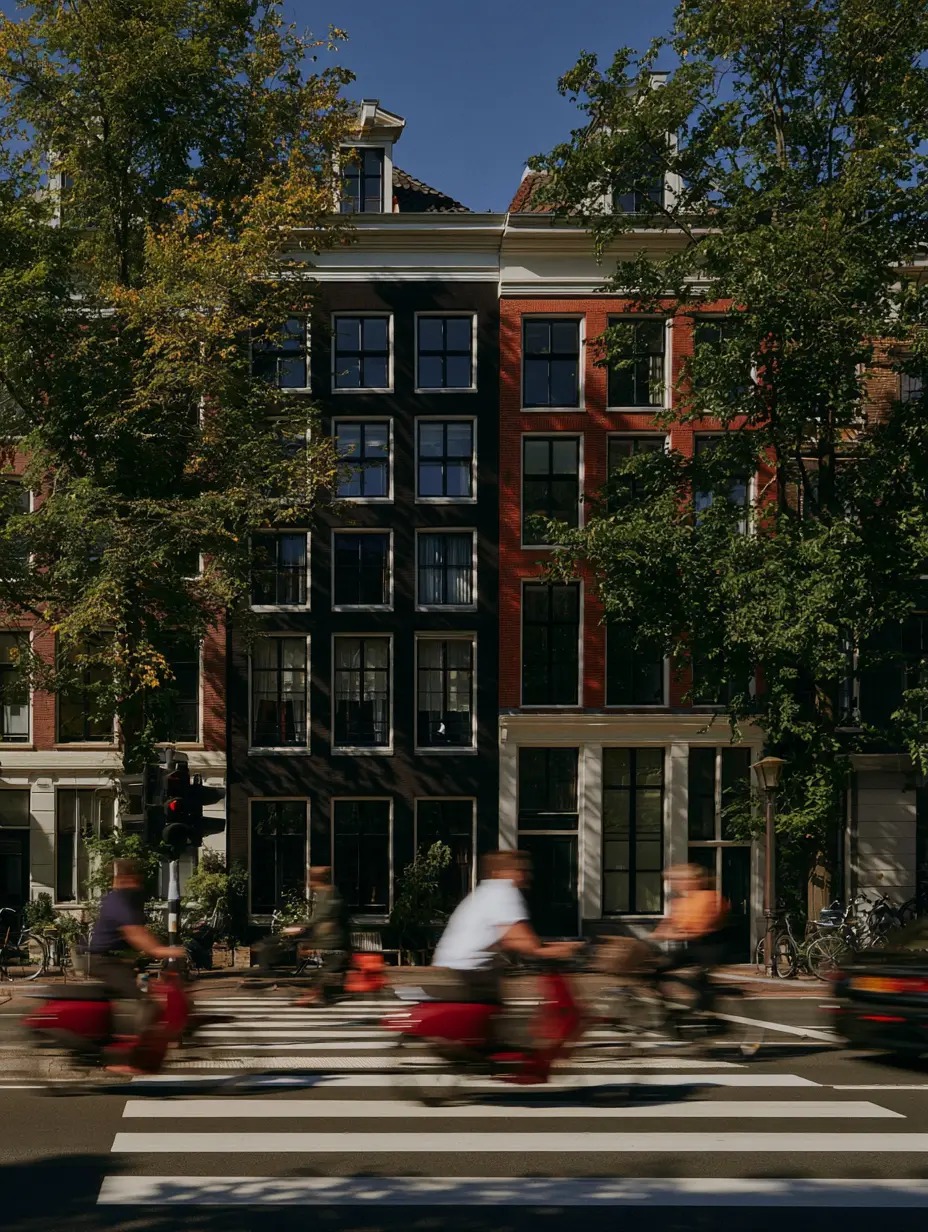
Amsterdam works. Every detail—from bikes to broadband—is designed to keep life running smoothly.

-
Rent: €1,800–€2,500 in the city center
-
Excellent public spaces and reliable infrastructure
-
A magnet for interested expats working remote or hybrid
Need a desk? Try TSH Collab in West. A solid mix of creatives, corporate folks, and wanderers.
In 2025, remote work isn’t just about logging on from anywhere—it’s about choosing a place that helps you thrive. These cities aren’t just stops on a map. They’re where jobs, life, and adventure intersect.
Where will you go next?
Lesser-Known Remote Work Havens to Watch
Not every remote worker dreams of crowds, queues, or the same four coworking spaces shared in every search result. If you’re the kind of digital nomad who likes to discover quiet gems before they become headlines, this one’s for you.
These four cities offer a wide range of perks for those ready to work remotely without the noise. Whether you're tackling creative tasks, closing sales, or managing a global team from afar, each location below has just enough infrastructure, charm, and calm to help you keep it together—and maybe even enjoy your lunch break.
According to Nomad List’s 2024 data, alternative cities across Europe saw a 42% increase in remote worker stays over the past two years. The desire to live well while staying responsible to deadlines is clearly growing.
Porto, Portugal – For Creatives Who Want Calm

Forget Lisbon’s buzz—remote jobs feel easier in Porto. The WiFi’s fast, the wine’s better, and you’ll pay around €900/month for a fully furnished one-bedroom with character. The Ribeira riverside gives you that postcard view, minus the Lisbon-level crowds.
Local favorite: Combi Coffee for heads-down mornings, and Base for outdoor, laptop-free afternoons.
Brno, Czech Republic – For Focused Founders and Techies

Prague gets the spotlight, but Brno quietly does the work. It's cheaper (think €600/month rent), has a tight-knit startup scene, and a no-fluff attitude that’s great for getting things done. Perfect for employees or founders with a long task list and no patience for distractions.
Underrated gem: Impact Hub Brno—strong community, fast internet, and locally roasted espresso.
Tbilisi, Georgia – For Budget-Friendly Boldness

Tbilisi is unlike anywhere else in Europe. It’s a bit wild, incredibly warm, and wildly affordable. You can live well here for under €600/month, visa-free for up to a year for many nationalities. Ideal if you’re present in 10 Slack channels but crave real-world connection too.
Don’t miss: Fabrika—part hostel, part cowork, part art project.
Bologna, Italy – For Food-Loving Remote Lifers

Rome and Milan are fine, but Bologna is where you go to eat like royalty and still hit your deadlines. You’ll find reliable WiFi, a growing number of coworks, and a walkable city that feels personal. It’s Italy, but more human-scale.
-
Best for: Foodies, freelancers, and anyone juggling client accounts
-
Coworking day pass: Around €20
-
Language barrier: Real, but part of the charm
These aren’t the usual suspects for remote work Europe. They’re slower, often sweeter, and just right for the kind of remote jobs that demand focus and life balance. So go ahead—skip Spain for a moment. The world is wide. Your next great work spot might be the one no one’s talking about... yet.
How to Choose the Right City for You
Picking the right city for remote work isn’t about scrolling until something looks “nice.” It’s about knowing what actually makes your day easier, your jobs more manageable, and your productivity less reliant on luck and decent WiFi.
Whether you’re in marketing, sales, product, or management, where you work remotely can make or break your routine. In fact, according to a 2023 report by Buffer, 52% of remote professionals say their location directly impacts their job success. That’s not just scenery—that’s strategy.

So before you book the next flight to France, Ireland, or Spain, ask yourself a few key questions.
Big City Buzz or Small Town Zen?
Do you feed off energy and connection, or do you need silence to function? If a strong network of people and coworking events keeps you motivated, go urban—think Barcelona, Amsterdam, or Berlin. Prefer quiet cafes and zero interruptions? Try Madeira, Tbilisi, or Brno.
What’s Your Real Budget?
Be honest. Are you flush with client retainers or stretching every euro between remote jobs? Cities like Budapest and Porto give you plenty of perks under €1,000/month. Others—like Paris or Dublin—might eat your savings before your coffee’s even cool.
Community or Solitude?

Some locations are built for meetups, partnerships, and spontaneous “want to grab lunch?” connections. Others are slower, quieter, and ideal if you're deep in a creative sprint. The difference will shape how much you actually enjoy the remote lifestyle—not just survive it.
Visa? Don’t Skip This Part.
Do you need a long-stay visa? Are you planning to contribute to the local economy through partnerships or taxes? Countries like Portugal and Croatia offer digital nomad visas with clear guidelines. Companies hiring remote staff should also consider where their team members can legally stay.
Your Mini Self-Checklist
-
Do I thrive in big cities or quiet towns?
-
What’s my budget?
-
Am I looking for community or solitude?
-
Do I need a visa?
-
Do I want to grow my network while I work remotely?
-
Am I working for myself, or under management at a remote-friendly company?
Need help comparing? Check out RentRemote’s Travel Guides to get insider info on the best cities for remote living. We’ve done the trial-and-error part—so you don’t have to.
Remote Work Logistics in Europe
Once you've picked a country, it's time to handle the boring—but integral—stuff. Yes, the WiFi, SIM card, and where you're going to take all those Zoom calls. Whether you're freelancing or working full-time remote jobs, setting yourself up properly can make the difference between thriving and rage-quitting your router.

Europe generally does remote-friendly well. According to a 2023 European Parliament report, more than 60% of companies across France, Ireland, and Spain now support some form of remote worj (yes, they typo it too). But “support” doesn’t mean flawless. You still need to be smart about your setup.
Check the Specs: WiFi Isn’t Always as Fast as It Claims
While most cities in Europe offer decent speeds (averaging 100 Mbps+ in urban areas), not every Airbnb or short-term rental delivers. Always confirm upload speeds—not just download. Need consistent calls and uploads? Ask your host for a screenshot of the latest speed test before booking.
SIM Cards, Data, and Staying Connected
If you plan to engage with the world outside your coworking space, you’ll need reliable mobile data. Local SIMs are usually the cheapest bet.
-
Spain: Lowi or Simyo, around €10/month for 20GB
-
France: Free Mobile offers €19.99 for 210GB (and yes, that’s real)
-
Ireland: Tesco Mobile has solid coverage and no-frills services
Pro tip: Get an eSIM-compatible phone and install regional SIMs before landing.
Coworking vs. Cafés vs. Workstations That Actually Work
Coworking spaces are great for structure and spontaneous collaboration—but they come at a price. A flexible monthly pass can range from €100 to €300 depending on the city. Cafés are cheaper (read: free with a €3 espresso), but come with noise, unreliable outlets, and the occasional side-eye from staff.

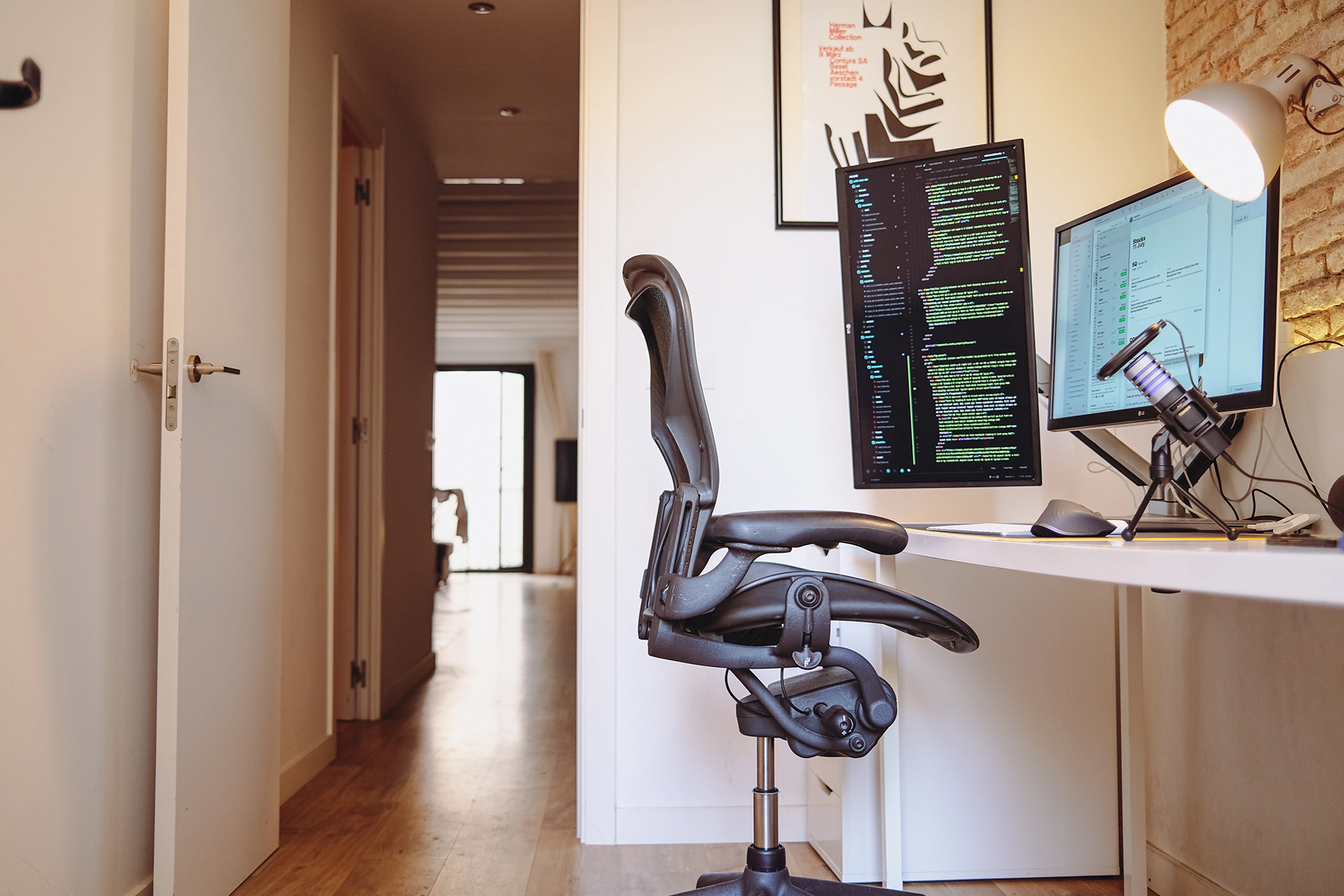
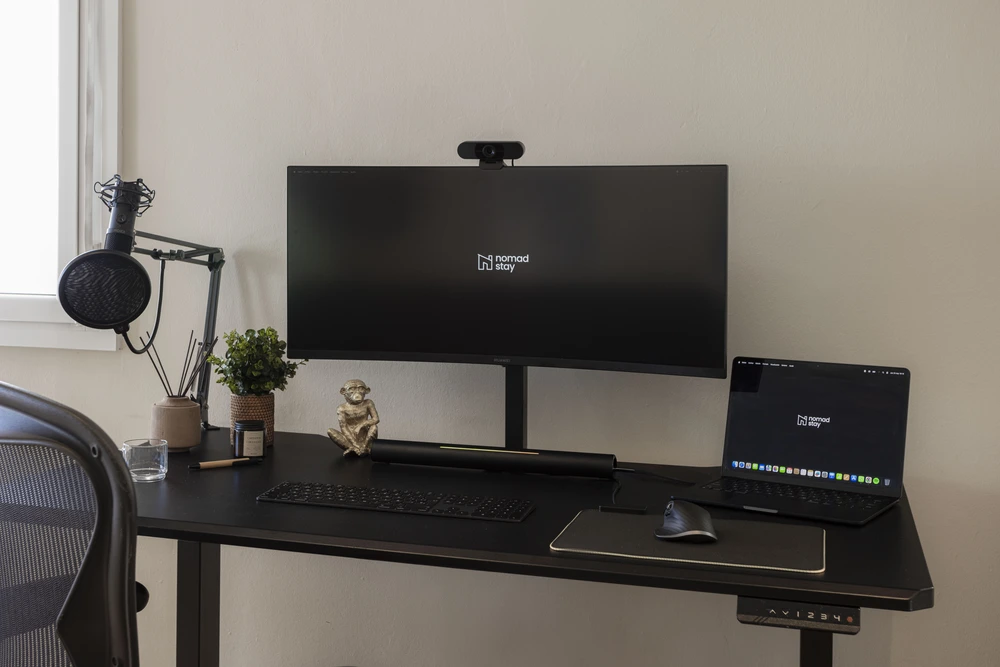
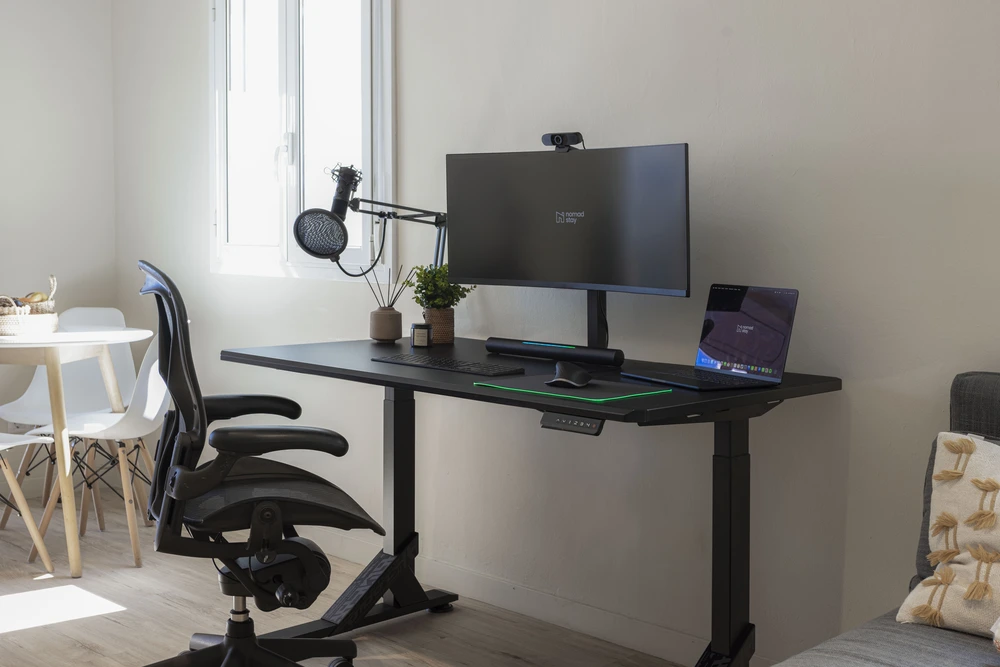
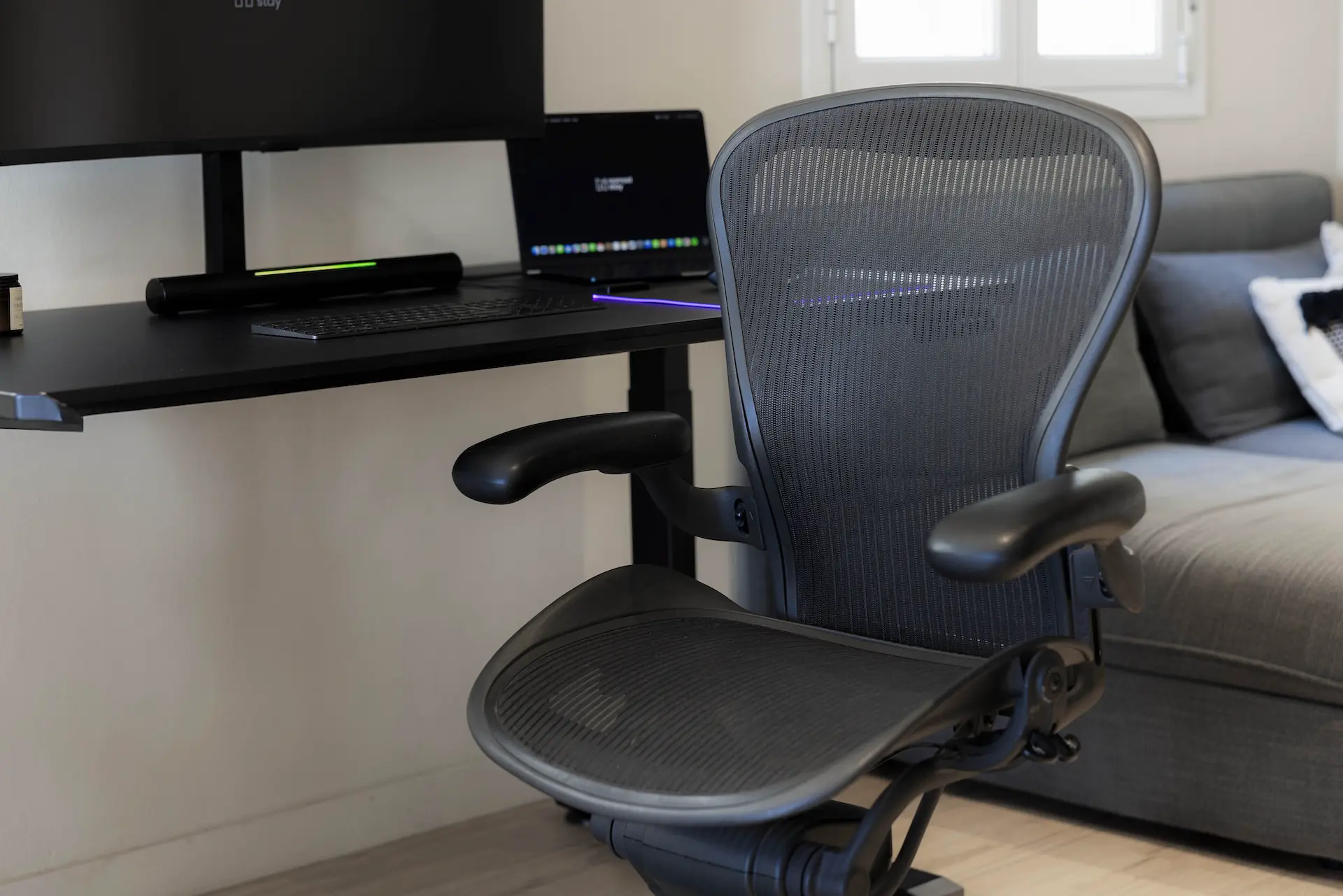
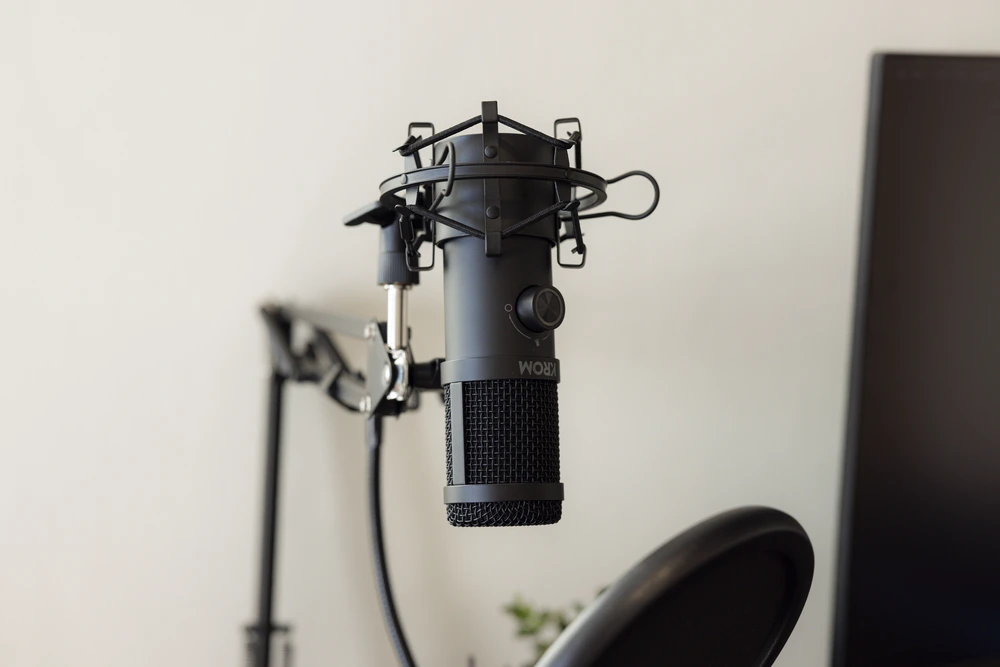
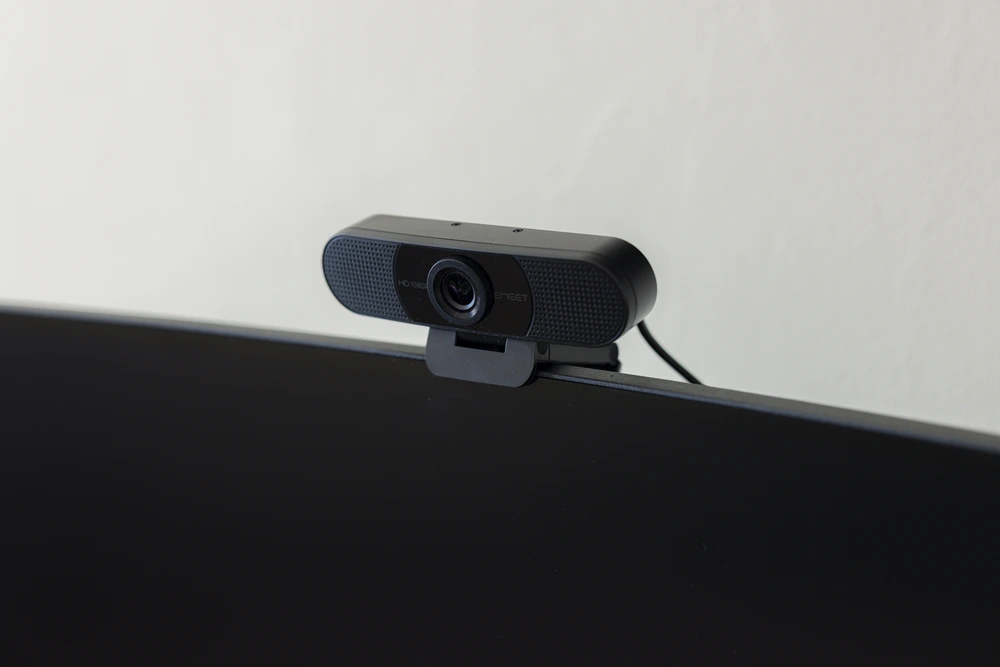
If you're serious about productivity, RentRemote’s fully equipped workstations—ergonomic chairs, ultra-wide monitors, podcast mics—beat them both. Especially when you’re trying to account for more than just good vibes.

Visa Rules: Don’t Wing It
Some countries roll out the welcome mat for remote employees. Others? Not so much. The good news: places like France, Spain, Ireland, and Croatia now offer digital nomad or remote worker visas with clear requirements.
Consult your local embassy for up-to-date info by country, including fees, processing time, and whether your type of jobs qualify.
Our Take: Where We’d Work From (If We Had to Choose)
At RentRemote, we’ve tested enough WiFi speeds, café pastries, and coworking chairs to give you the inside scoop. We live and breathe remote work, and yes—we argue (a lot) about the best cities to do it from. Our team is spread across time zones, job types, and coffee preferences, but we all account for the same thing: where can you actually get stuff done and feel like you’re living?
Turns out, we’re not alone. A 2023 Owl Labs survey found that 66% of workers in remote jobs choose destinations based on lifestyle first, infrastructure second. We think both matter. So here’s where we’d go if we had to pick—this month, anyway.
Our “Team Would Fight Over This” List
If we let the whole crew vote, here’s what we’d get:
-
Barcelona – Sunshine, surf, and a surprising number of founders
-
Tallinn – Quiet streets, blazing internet, zero fluff
-
Tbilisi – Budget-friendly, soulful, and great for deep work
-
Dublin – Pricey, but unmatched for collaboration and global remote jobs
Where you go says a lot about how you like to work—and live. The cities above tick the boxes for focus, freedom, and a little bit of magic. Want more ideas? Search our city guides and you might just discover your new favorite place to open your laptop.
Ready to Remote? Let’s Make It Simple
Choosing the right city is one thing. Finding a place that’s actually set up for remote work? That’s where we come in.
At RentRemote, we handpick apartments across Europe that go beyond just being “nice places to stay.” Each one comes with a fully equipped workstation—think ergonomic chairs, ultra-wide monitors, and real desks (not your average kitchen table situation). You’ll get fast WiFi, flexible stays, and the peace of mind that your setup won’t hold you back.
So whether you’re juggling remote jobs, launching your own project, or just trying to keep your inbox under control while exploring a new city—you’ll be ready from day one.
FAQs
Where can I work remotely in Europe with a digital nomad visa?
Several countries now offer digital nomad visas or similar programs. Portugal, Croatia, Estonia, and Spain are among the most popular, with clear application processes and stays ranging from 6 months to a year (or more). Each country has different income and insurance requirements, so check the embassy for up-to-date details.
Which European city is the cheapest for remote workers?
Budapest, Tbilisi, and Brno top the list for budget-friendly living without sacrificing comfort. You can find rent under €600/month, affordable coworking spaces, and low daily costs—ideal for freelancers or anyone looking to stretch their remote work budget without cutting corners.
What countries are safest for solo nomads?
Ireland, Portugal, and Slovenia consistently rank high for personal safety, healthcare access, and traveler-friendliness. Many cities in these countries also have tight-knit digital nomad communities, making it easier to find your people fast.
Where’s the best place in Europe for coworking?
If coworking is key to your routine, cities like Berlin, Barcelona, and Amsterdam have some of the most dynamic coworking scenes in Europe. Expect everything from hot desks and private offices to community events and free cold brew.
Do I need to speak the local language?
No, but it helps. In most European cities with a strong remote work scene, English is widely spoken—especially in coworking spaces and among younger locals. That said, learning a few basics goes a long way in building trust and connection with your new community. Think of it as part of the adventure.