
















Strategic Border Hopping: How to Skip U.S. Visa Hassles
Discover practical strategies for living near the U.S. without a visa. Navigate your options and learn what you need to know—read the guide now!
How to Live Near the U.S. Without a Visa
You don’t need a valid visa to stay close to U.S. time zones—or your clients. Between visa limits, expensive renewals, and unpredictable rules from citizenship and immigration services, many digital nomads are opting out of the stress.
Instead? They're setting up shop just outside the border.
Border Protection Can’t Stop Smart Planning
Think of it as the productivity loophole: spend a few months in the States, then hop over to foreign countries like Mexico for a 180-day reset. You stay legal, rested, and fully remote-ready.

Why RentRemote Works for Border Hoppers
We’ve got work-ready rentals in nomad hubs right across the border—so you can focus on your job, not entering the United States rules.
-
Near U.S. cities, but outside border protection drama
-
Designed for professionals—not tourists
-
A smart alternative to the digital nomad visa chase
Understanding the U.S. Visa Puzzle
Visa Waiver Program vs. Tourist Visa
If you're a remote worker planning to stay in the U.S. temporarily, your entry method matters. Most foreign visitors from many countries use the Visa Waiver Program (VWP), which permits citizens to stay in the U.S. for up to 90 days without a visa—for business or tourism purposes. But there’s a catch: you still need a valid passport and a travel authorization through the Electronic System for Travel Authorization (ESTA).
Others apply for a tourist visa, which allows a longer stay—up to 180 days—but requires more paperwork through a U.S. embassy or consulate.
90 Days, 180 Days, and Then What?
Here’s the simple breakdown:
-
Visa Waiver: 90 days max, no extensions.
-
Tourist Visa: 180 days, but once you leave, the reset isn’t instant.
And no, stacking both back-to-back doesn’t work. U.S. border protection keeps a close eye on frequent re-entries.

In 2022, CBP officers denied entry to over 20,000 people attempting to re-enter the U.S. too soon after a stay—many of them digital nomads with good intentions but bad timing.
Why Border Hopping Beats Overstaying
Once your time is up, you’ve got to go. Overstaying—especially on the VWP—can land you a multi-year ban. Not worth it.
Instead, step out, reset, and plan your return. Spend 3–6 months in Mexico, Costa Rica, or Colombia. Come back refreshed and legally clean.
Quick Visa Facts for Nomads
-
ESTA requires a valid passport and costs $21 (as of 2024).
-
Tourist visa fees run about $185 plus scheduling at an embassy or consulate.
-
ESTA is for business or tourism purposes—not employment.
-
Family members of visa holders can’t always join under the same status.
Pro Tip for Remote Workers
Before booking flights, check how long your country’s passport lets you stay. U.S. rules differ for many countries, and border agents don’t play around.
You’ll thank yourself later.

The Border Hop Strategy: How It Works
Not a Loophole—Just Smart Timing
For digital nomads who want to avoid applying for a new visa, border hopping is a fully legal and widely used strategy. As long as you’ve got a valid passport, you follow the rules, and you’re not working for a foreign employer in the U.S., this isn’t bending the system—it’s using it correctly.
U.S. immigration services and the Department of Homeland Security are strict about overstays, but they don’t prevent you from re-entering if you follow timelines and have the required documentation.
According to the Department of Homeland Security, over 800,000 people overstayed their visas in 2023. Most weren’t trying to break the law—they just didn’t have a strategy. You do.
Step-by-Step: How Digital Nomads Use Border Hopping
-
Stay in the U.S. for up to 90 days under the Visa Waiver Program or with a multiple entry visa.
-
Leave the U.S. before your time’s up—Mexico is the easiest choice.
-
Stay physically present in Mexico or another country for at least 30–90 days, depending on your situation.
-
Re-enter the U.S. when you’re eligible again. Bonus points if you can show a travel history and intent to return home.
Real-Life Example: Meet Sophie
Sophie is a British citizen working remotely for a UK-based startup. She enters the U.S. under the Visa Waiver Program and stays in Austin for 88 days. Before hitting the limit, she books a RentRemote short-term rental apartment in Mexico City (around $1,200/month) and heads south.

She spends two months in CDMX sipping matcha at Blend Station, hitting deadlines from a proper standing desk, and living in a space that feels like home. With no work visa needed (her foreign employer is based abroad), she stays productive, well-rested, and legal.
After 60 days, Sophie flies back to the U.S. with full required documentation, proof of onward travel, and a fresh ESTA. U.S. border protection gives her the green light—no hassle, no overstay, no problem.
Tips to Live Near the U.S. Without a Visa
-
Always leave the U.S. before your entry window ends.
-
Make sure your visa category and use match your intentions.
-
Keep a trail: flight receipts, bookings, and job contracts.
-
Never lie about your intentions—national security agents don’t mess around.
-
Don’t assume you can stay just because you have a return ticket.
Border Hopping Is a Strategy, Not a Gamble
Stay sharp, plan ahead, and use your flexibility to your advantage. RentRemote is here for the in-between moments—when you’re not in the U.S., but you still need to show up like a pro.

Why Mexico Is the Perfect Base
180 Days of Freedom for Foreign Nationals
Here’s the big win: foreign nationals from many countries can stay in Mexico for up to 180 days without a visa. That’s triple what the Visa Waiver Program offers in the U.S. And there's no need to obtain pre travel authorization—just show up with a passport valid for at least six months.
You don’t need to apply for a tourist visa, go through an application process, or deal with the kind of bureaucracy that trips up visa holders up north. Just don’t say you’re coming for medical treatment or work for a local company.
This is one of the reasons digital nomads love it here: it’s simple, legal, and the stay is generous.
In fact, Mexico ranked as the #1 destination for remote workers globally in 2023, according to NomadList’s annual survey.
Time Zones That Actually Work

Whether you’re freelancing for East Coast startups or managing West Coast teams, Mexico keeps you in sync. Cities like Mexico City, Guadalajara, and Oaxaca share U.S. Central Time—so you’re not taking calls at 3 a.m.
And if you’re on Pacific Time, just head to Baja or say hello to surf-and-slide life in Sayulita.
Flights, Flexibility, and Lower Costs
Mexico is close, cheap, and flexible. Flights between cities like Los Angeles and Mexico City can go as low as $150 round trip if you plan ahead.
Many remote workers also take advantage of low living costs:
-
Street tacos in CDMX? $1.
-
Private apartment with a RentRemote setup? Around $1,000–$1,500/month depending on city.
-
Airport transfers, co-working spaces, and cafés? Cheaper than your average Uber ride in New York.
Built for Digital Nomads
From cafes with fiber-optic Wi-Fi to coworking spaces like Homework in Oaxaca or The Nest in Playa del Carmen, this country gets what digital nomads need.
Local SIM cards are cheap and easy to get (around $10/month with Telcel). The expat and permanent resident community is huge—and welcoming.
If you ever need a temporary passport or need to open a bank account, major cities have consulates and English-speaking professionals to help. Just make sure you read up on such laws ahead of time and bring detailed information when needed.
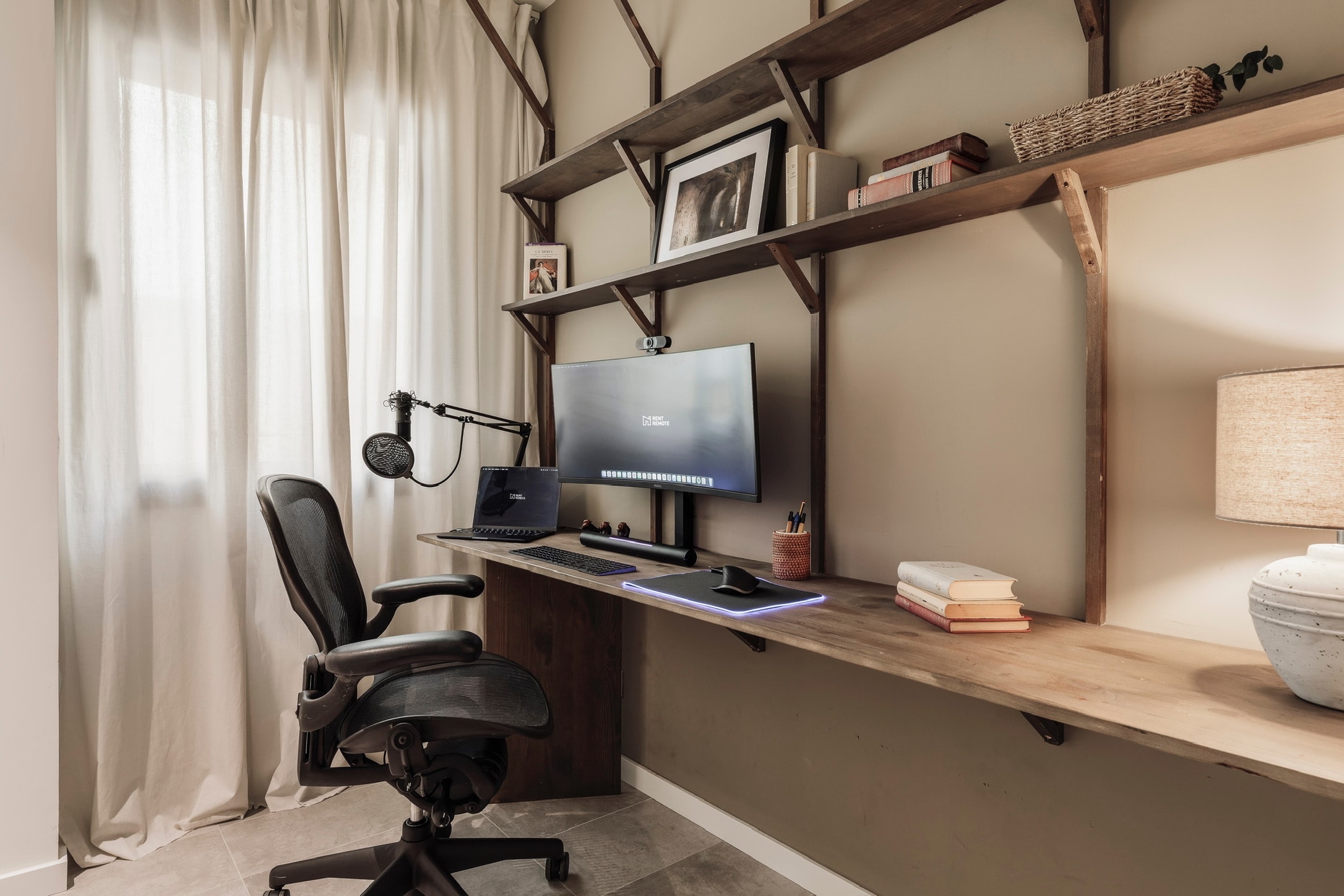
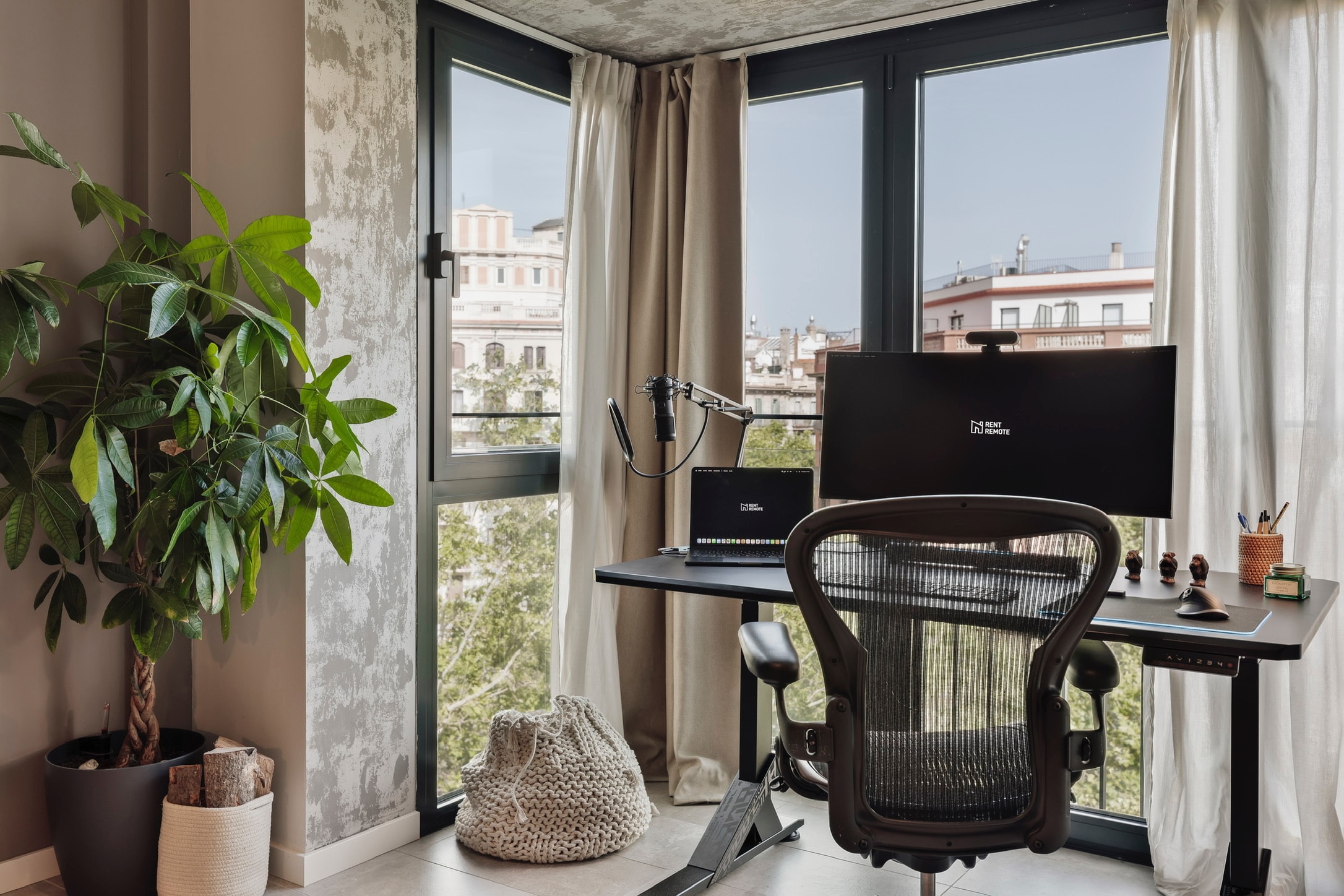
You can easily book a furnished apartment in Mexico City through RentRemote, equipped with premium workspaces. They are built with remote work in mind, with standing desks, ergonomic chairs, ultra wide screen monitor, podcast microphone and everything a nomad might need to get work done anywhere in the world.
Where to Base Yourself
-
CDMX – Endless coworking spots, culture, and international food scenes.
-
Oaxaca – Slower pace, great coffee, colonial charm.
-
Playa del Carmen – Beach living meets global connectivity.
-
Guadalajara – Mexico’s tech capital with a creative edge.
-
Puerto Escondido – Surf town with a growing nomad scene.
Border Relief, Not Burnout
Mexico isn’t just a place to crash between U.S. stays. It’s a lifestyle upgrade. You don’t need to fight for extensions, worry about customs and border protection, or memorize visa fine print.
Just land, settle in, and get to work—with better food and fewer rules.
Best Mexican Cities for Nomads Doing the U.S. Shuffle
When you’re bouncing between land borders and client calls, choosing the right base in Mexico makes all the difference. Whether you're just resetting the clock before you travel to the United States again or looking for a longer-term home, these cities let digital nomads stay productive—and inspired.
RentRemote makes it easy to work remotely in comfort, with premium workstations ready the moment you land.
Mexico City – The Power Base
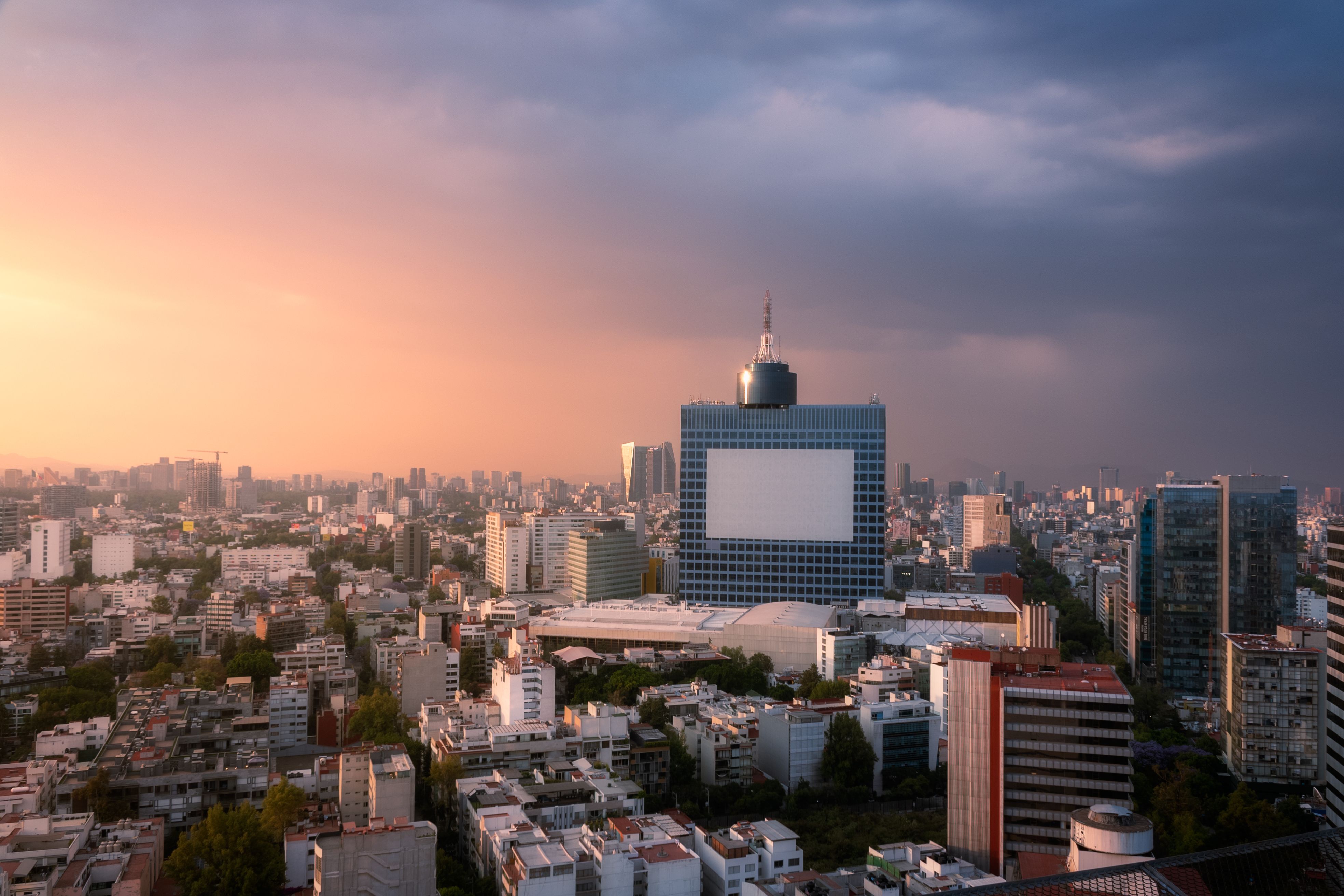
CDMX is fast-paced, full of life, and perfectly wired for remote workers. You’ve got coworking spaces in nearly every neighborhood, an international food scene that won’t break the bank, and daily life that costs a fraction of what you’d spend in New York or L.A.
A RentRemote apartment in Roma or Condesa starts around $1,200/month—and includes everything from a standing desk to reliable Wi-Fi to block out that mariachi band across the street.

Playa del Carmen – Caribbean Calm + Cowork
Steps from the Caribbean Sea, Playa del Carmen mixes beach life with business. It’s not just surfboards and mezcal. It’s also top-tier coworking hubs like Bunker or Nest and a huge nomad scene.
You’ll find RentRemote setups within walking distance to Fifth Avenue cafés, tacos al pastor, and the beach. That’s a lifestyle no visitor visa can buy.

Guadalajara – The Creative Underdog
Often overlooked, Guadalajara is a dream for those who want a bit more space and a lot less noise. It’s Mexico’s tech capital and home to rising startups, artisan markets, and lush parks.
RentRemote homes here come with the same premium workstations but at lower monthly rates (around $900–1,100). Great option if your minimum income doesn't stretch like it used to in SF or Austin.

Tijuana – Cross the Border, Keep the Workflow
Tijuana is built for quick travel to the United States. You’re one Uber ride away from San Diego, making it ideal for foreign workers with stateside meetings or projects.
Plus, it’s got some of Mexico’s best street food and an underrated art scene. RentRemote properties are designed for professionals who move fast—no waiting for a work visa to kick in. Just unpack and go.

San Miguel de Allende – Quiet, Creative, and Full of Charm
If you’re looking for stillness, cobblestone streets, and a tight-knit creative community, this is it. San Miguel draws writers, designers, and developers who want to escape the churn.
The city’s colonial charm pairs well with RentRemote’s luxury setups. Think slow mornings, good coffee, and a focused workflow. You’ll need travel insurance and maybe patience with the hills, but it’s worth every cobbled step.

Why These Cities Work for Nomads
-
Easy access to land borders and international airports
-
Plenty of English speakers and strong expat communities
-
Affordable, stylish apartments with RentRemote’s full setup
-
No need for a digital nomad visa or proof of bank account balance
-
Designed for serious remote workers—not tourists pretending to work
When A Digital Nomad Visa Isn't Enough
Whether you’re chasing sunshine, timezone alignment, or a reset between visas, these cities let you stay grounded while your plans stay flexible. You don’t need a visitor visa to feel at home—you just need a proper desk and good internet. We’ll handle that part.
Avoiding the Rookie Mistakes
Planning to work remotely while hopping between foreign countries and the U.S.? Great. Just don’t trip over the basics. Even well-meaning foreign nationals can run into trouble if they treat border rules like a casual suggestion.
The U.S. doesn’t rely on guesswork. Its immigration services use entry/exit data, and customs and border protection scans every passport. Overstaying—even by a few days—can trigger red flags and future denials. In fact, according to Homeland Security, nearly 850,000 travelers overstayed their visa in 2022 alone.
Don’t be one of them.

Citizenship and Immigration Services Don’t Mess Around
When you're dealing with border agents, being prepared isn’t optional—it’s survival. They're trained to spot patterns, ask questions, and assess eligibility requirements on the spot. If something feels off, you're out.
What Not to Do: Common Nomad Mistakes
-
Ignore visa validity: That date is not a suggestion. Stay past it, and you may be banned from future entry.
-
Forget proof of exit: Always carry a return or onward ticket to show intent to leave.
-
Repeat the pattern too often: If you’re going 90 in, 90 out, and repeating like clockwork, expect questions.
-
Lack of documentation: If you’re from VWP countries, they still might ask for additional documentation to prove your intentions.
-
Use the wrong visa: A digital nomad visa doesn’t let you enter the United States for work—it’s for use in other foreign countries.
-
Have a criminal record or past violation: This will likely show up and trigger a review under the Terrorist Travel Prevention Act.
-
Forget accommodation proof: Your RentRemote booking isn’t just for comfort—it’s evidence of your ties outside the U.S.
Keep These Handy (Always)
-
Flight confirmation leaving the U.S.
-
Proof of funds (some agents may ask about minimum income requirements)
-
A copy of your RentRemote stay or hotel reservation
-
Visa application receipts if you're applying somewhere next
-
Answers ready about what you do, why you work remotely, and where you’re headed next
Canadian Visitors, This Means You Too
Even Canadian visitors—who often get easier access—can face re-entry denials if they show signs of long-term stays without a proper work visa.
Final Advice
Respect the system. You don’t have to love it, but you do have to outsmart it—legally. A little paperwork beats being stuck in airport limbo. With the right documents, clear intent, and a well-timed RentRemote stay in Mexico, you’ll look like exactly what you are: a thoughtful traveler, not a border risk.
Just remember: national security isn’t known for its sense of humor.

Real-Life Nomad Scenarios
The rules around visa category and timing might seem abstract, but real digital nomads are already making it work—without breaking a sweat or running to an embassy or consulate every three months. Here are a few true-to-life snapshots of people who’ve cracked the system (and still managed to hit deadlines).
Sam – The UX Designer with a Tacos + Tech Routine

Sam is a freelance UX designer from Berlin. He enters the United States on a 90-day ESTA stay, sets up shop in Brooklyn, and handles design sprints with a fintech client. When his clock runs out, he heads to Mexico City and books a RentRemote stay in Roma Norte—complete with a standing desk, ergonomic chair, and a killer view.
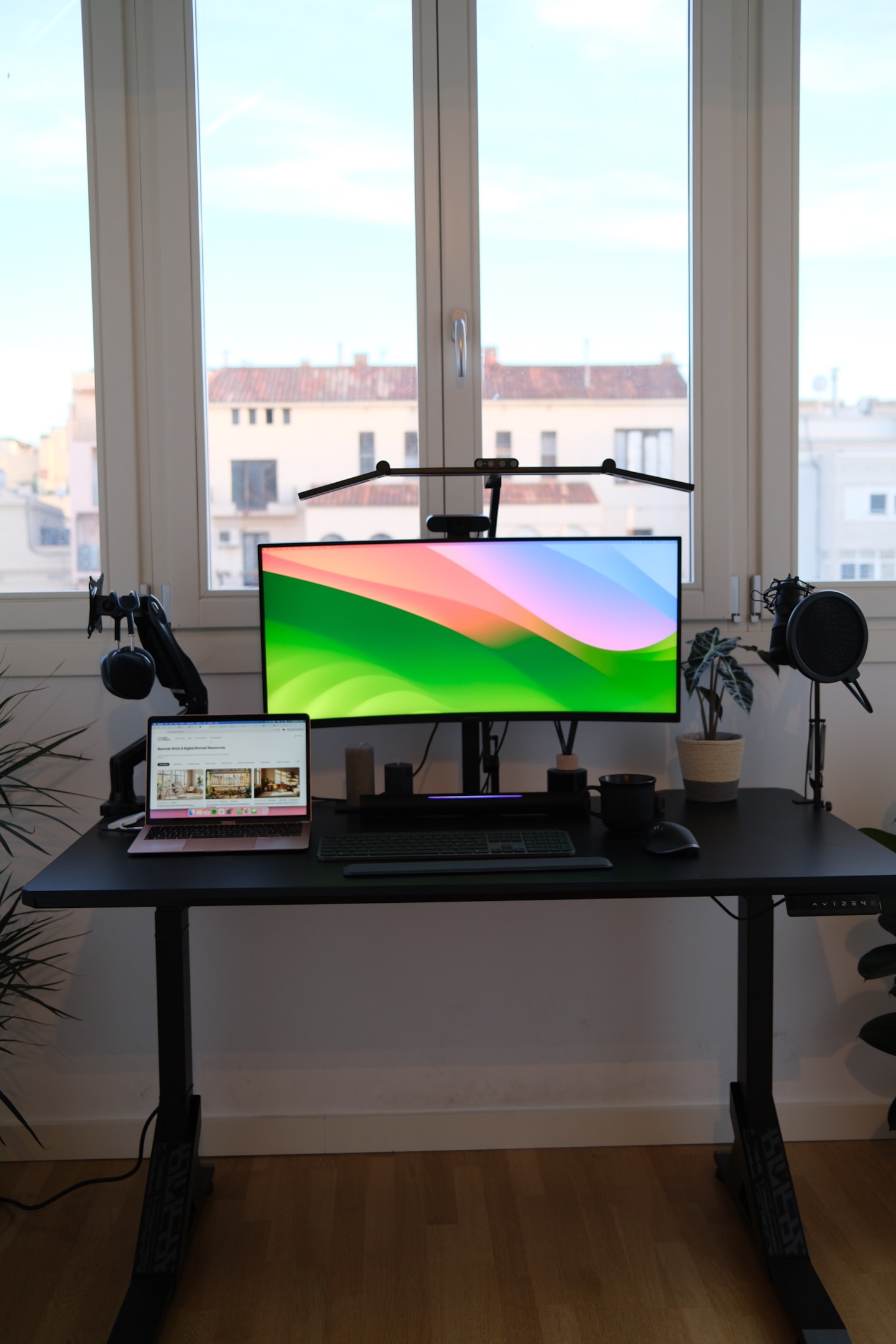
There’s no digital nomad visa to apply for, no change of visa category, no mess. He spends six months deep-diving into client projects and late-night tacos, then flies back to New York with proof of accommodation, a health insurance policy, and flight records that satisfy customs and border protection.
Lena – Podcasting from Guadalajara Between LA Meetings

Lena produces and hosts a podcast focused on Latinx creatives. Her listeners are mostly U.S.-based, but she lives outside the visa churn.
She spends every spring in LA conducting interviews and networking. The moment her 90 days wrap, she’s back in Guadalajara—where RentRemote provides her with a full production setup: podcast mic, monitor, quiet space, stable Wi-Fi. The cost? Around $1,000/month, far less than she'd pay in California for half the amenities.
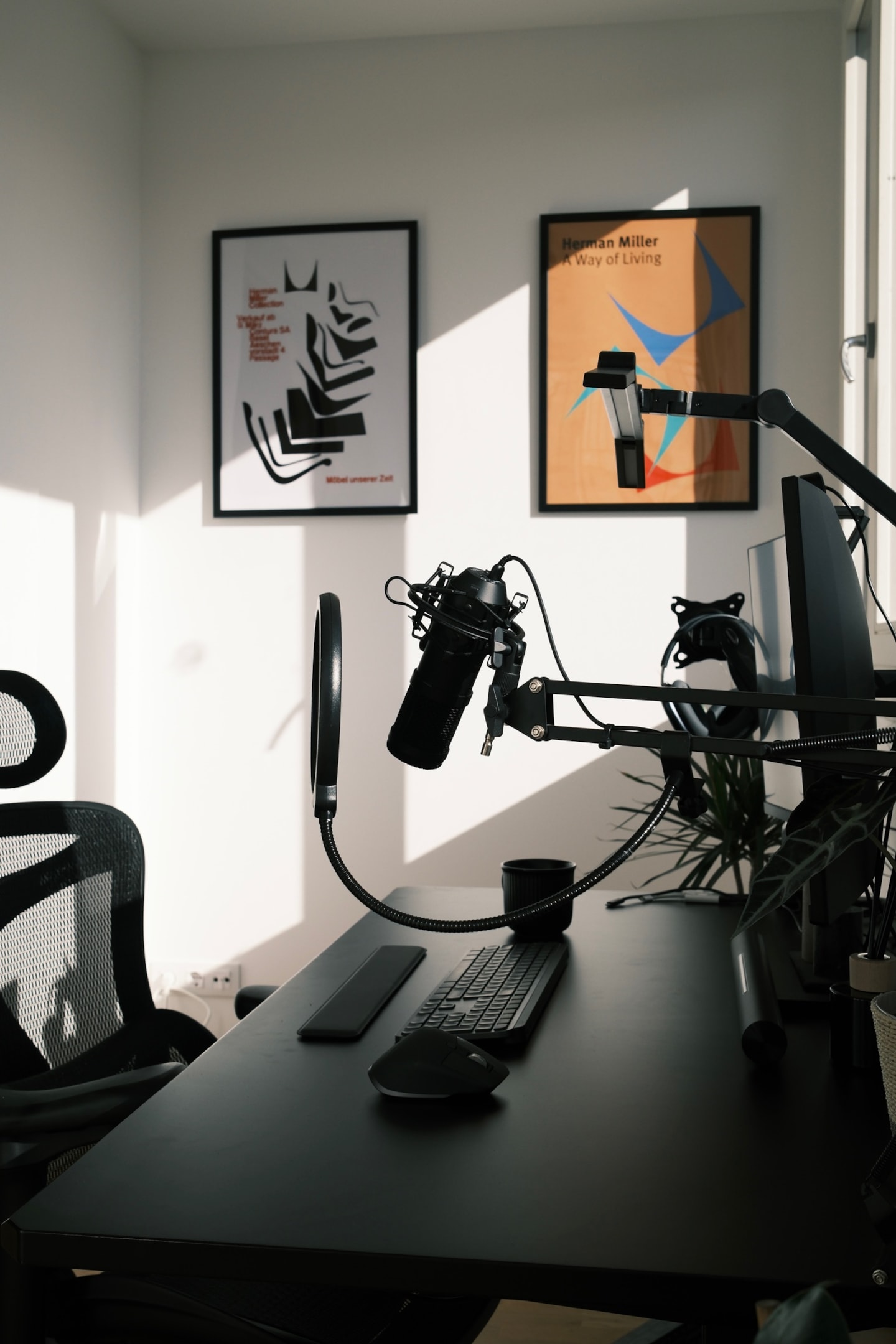
She invoices her U.S. clients for services rendered, and because her business is registered outside the U.S., she avoids the need for a new visa or work authorization.
Jay – The Developer Avoiding Burnout

Jay is a U.S. citizen, but his partner is Australian. They don’t qualify as permanent residents in either country yet. Instead, they meet in Mexico twice a year, spending three to six months in cities like Oaxaca or Puerto Escondido.
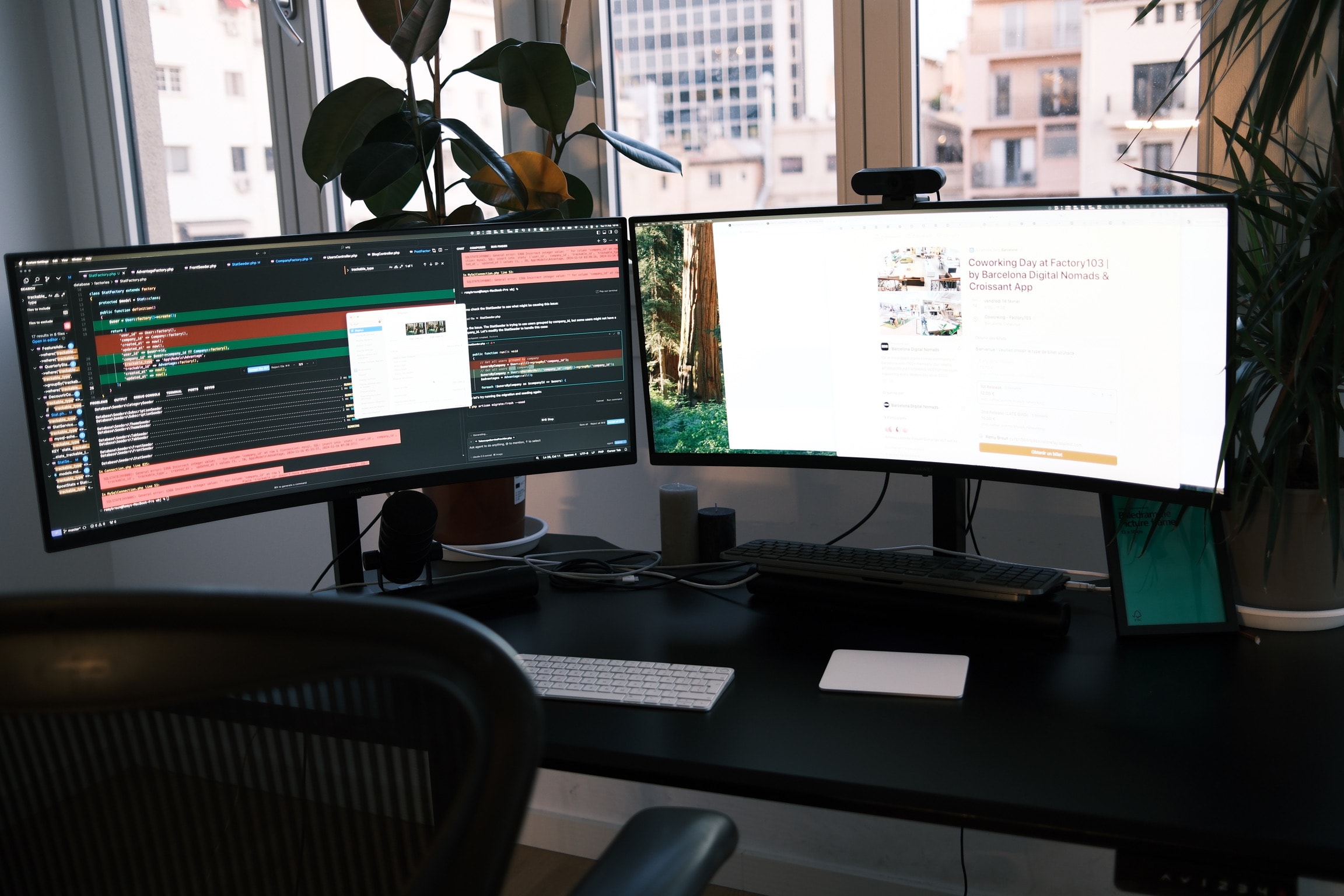
They split a RentRemote apartment with dual monitors and a kitchen that beats any hotel. Their only real challenge is finding the right mezcal spot, not worrying about embassy or consulate paperwork.
NomadList’s 2023 survey ranked Mexico as the #1 destination for digital nomads for affordability, internet reliability, and community support. These stories show why.
Smart Nomad Checklist
-
Track entries/exits to enter the United States again without flags
-
Book work-ready apartments through RentRemote for peace of mind
-
Use health insurance that covers both countries
-
Keep proof of services rendered for tax or immigration queries
-
Know when a digital nomad visa makes sense—and when it doesn’t
Bottom Line
You don’t need to rewrite the immigration rulebook—you just need to read it carefully. These nomads didn’t game the system. They learned how to live within it, comfortably and legally. And they’re still getting things done.
Wrap-Up: Visa Rules Change. Your Standards Shouldn’t
Just because citizenship and immigration services make the rules complicated doesn’t mean your life has to be.
Foreign nationals don’t need to settle for couch-surfing or guessing how long they can enter the United States. With the right timing, a solid plan, and a workspace that actually supports your career, you can move smarter—not just faster.
Skipping the hassle starts with rethinking the in-between. So don’t treat your “visa reset” like a pause. Treat it like a level-up.
And if you’re tired of planning your entire life around a visa application? RentRemote is ready when you are.
Looking for a place to base yourself between U.S. hops? Explore RentRemote’s Mexico stays and never miss a workday.
FAQ: How to Stay Near the U.S. Without a Visa
Can I live in Mexico without a visa if I’m from the U.S.?
Yes. U.S. citizens can stay in Mexico for up to 180 days without a visa for tourism or business. You just need a valid passport—no visa application required.
Is border hopping legal for digital nomads?
Absolutely. Digital nomads can legally cross borders and re-enter countries like the U.S. as long as they follow entry conditions, respect visa duration limits, and have the required documentation.
How long do I need to stay out of the U.S. before returning?
There’s no fixed rule from citizenship and immigration services, but staying out of the country for at least as long as your previous stay is a good rule of thumb. Frequent re-entries may trigger additional scrutiny at the border.
What are the best places to live near the U.S. without a visa?
Top options for foreign nationals include Mexico, Belize, Costa Rica, and Panama. These countries offer long stays without complex visa processes and are within easy reach of the U.S.
Can I work remotely from Mexico for U.S. clients?
Yes. You can work remotely in Mexico as long as you’re paid by a company outside of Mexico. Make sure to comply with any tax obligations in both countries.
Do I need a visa to re-enter the United States after staying abroad?
If you're from a Visa Waiver Program country, you’ll need an approved ESTA. Others may require a visa application through an embassy or consulate depending on your visa category and reason for travel.
What documents should I carry when border hopping?
Always have a valid passport, proof of onward travel, accommodation receipts (like your RentRemote booking), and any additional documentation required based on your nationality or past travel history.