







The Rise of the 'Slowmad': Remote Workers Trade Constant Travel for Longer Stays
Remote workers who travel are staying longer in fewer places. Data on stay lengths, visas and costs explain the slowmad shift and what it demands of housing.
The Rise of the 'Slowmad': Remote Workers Trade Constant Travel for Longer Stays
For most of the past decade, the popular picture of the digital nomad was someone on the move every few days, a laptop open in a different café each week. The data now describe a different person. According to MBO Partners, which publishes an annual study of American digital nomads, nomads spent an average of 6.4 weeks in each location in 2025, up from 5.4 weeks in 2023, and visited 6.2 places over the year instead of 7.2. The firm's report calls the trend "slomading": staying longer in fewer destinations.
The change is more than a lifestyle preference. It reflects who is traveling, what their jobs require and what it costs to settle in somewhere new. It also has consequences for the cities they choose, for landlords and for the market in furnished housing rented by the month rather than by the night.
Who the slowmads are
The number of people combining travel and remote work remains large. MBO Partners counted about 18.5 million American digital nomads in 2025, roughly 12 percent of the U.S. workforce. Most now hold traditional jobs: about 11.2 million worked for an employer, compared with 7.3 million independent workers. Before 2020, the independents were the majority.
An employee with a fixed team, a home time zone and regular meetings has less room for constant movement than a freelancer. Every relocation brings a day or two of disruption: packing, travel, a new internet connection, a new place to work. Spread across a week, that cost is heavy. Spread across two months, it becomes manageable. Slower travel is, in part, a way of making the arrangement compatible with a full-time job.
Why staying longer works
The practical case for slow travel rests on a few points that experienced remote workers raise repeatedly.
The first is the workspace. A short stay rarely justifies the effort of finding an apartment with a proper desk, a good chair and a reliable connection. A stay of a month or more does, and the difference shows up in the quality of the working day. The second is time zones. Moving between regions every few weeks means constantly renegotiating meeting times with colleagues. Choosing a base and staying there allows a stable schedule.
The third is cost. Monthly rentals are usually priced lower per night than short stays, and longer visits reduce spending on flights and transfers. The fourth is the experience of the place itself. A weekend is enough to see the landmarks of a city. It takes longer to find a regular café, a gym and a few people to meet for dinner, which is much of what makes a stay feel like living somewhere rather than passing through.
The pressures that remain
Slower travel does not remove the difficulties of the lifestyle. In the MBO Partners survey, nomads named being away from family and friends (26 percent), financial stress (26 percent), personal safety (25 percent), travel burnout (23 percent), working across time zones (21 percent) and loneliness (19 percent) as their main challenges. Between 19 and 22 percent return to a more settled life each year.
Some of these problems ease with longer stays. Burnout and time-zone strain both tend to fall when moves are less frequent. Others need deliberate attention. Loneliness is the clearest example. Coworking memberships, sports clubs, language classes and local meetups are the usual remedies, and they work better over a two-month stay than over a weekend.
Internet reliability is the most common practical failure. A listing that promises fast Wi-Fi is not proof of it, and experienced travelers ask hosts for a recent speed test and keep a local SIM card or mobile hotspot as backup. Coworking spaces nearby provide a second option on the days the apartment connection fails.
Visas have followed the trend
Governments have adjusted to long-stay remote workers. The 2025 Global Digital Nomad Report by Global Citizen Solutions evaluated 64 countries and found that 91 percent of the nomad and remote-worker visas it tracks were launched after 2020. Its index ranked Spain first, followed by the Netherlands, Uruguay, Canada and Czechia, with France and Portugal tied for sixth.
These visas typically ask applicants to show remote income and health insurance, and they allow stays measured in months or years rather than the 90 days typical of tourist entry in the Schengen area. They are designed for exactly the kind of traveler the slowmad trend describes: someone who wants a base for a season, not a stopover.
What it means for housing
Longer stays have created steady demand for a type of housing that sits between a hotel and a conventional lease. Airbnb reported that stays of 28 nights or more accounted for 20 percent of its gross nights booked in the third quarter of 2021, up from 14 percent in the same quarter of 2019. In its first-quarter 2025 shareholder letter, the company said growth in short stays was outpacing long stays in North America, a sign that the pandemic surge has normalized. Specialized mid-term rental platforms and operators have grown alongside it.
What slow travelers need from that housing is consistent: furnished apartments available by the month, flexible terms, a real workspace and a reliable connection, in neighborhoods with transport and daily services nearby. Price matters, but so does the confidence that the apartment will work on the first day.
A more durable model
The shift from fast to slow travel is a sign that remote work and travel have matured into something people intend to sustain. It trades novelty for stability, and in doing so makes it possible to keep a demanding job while living somewhere new.
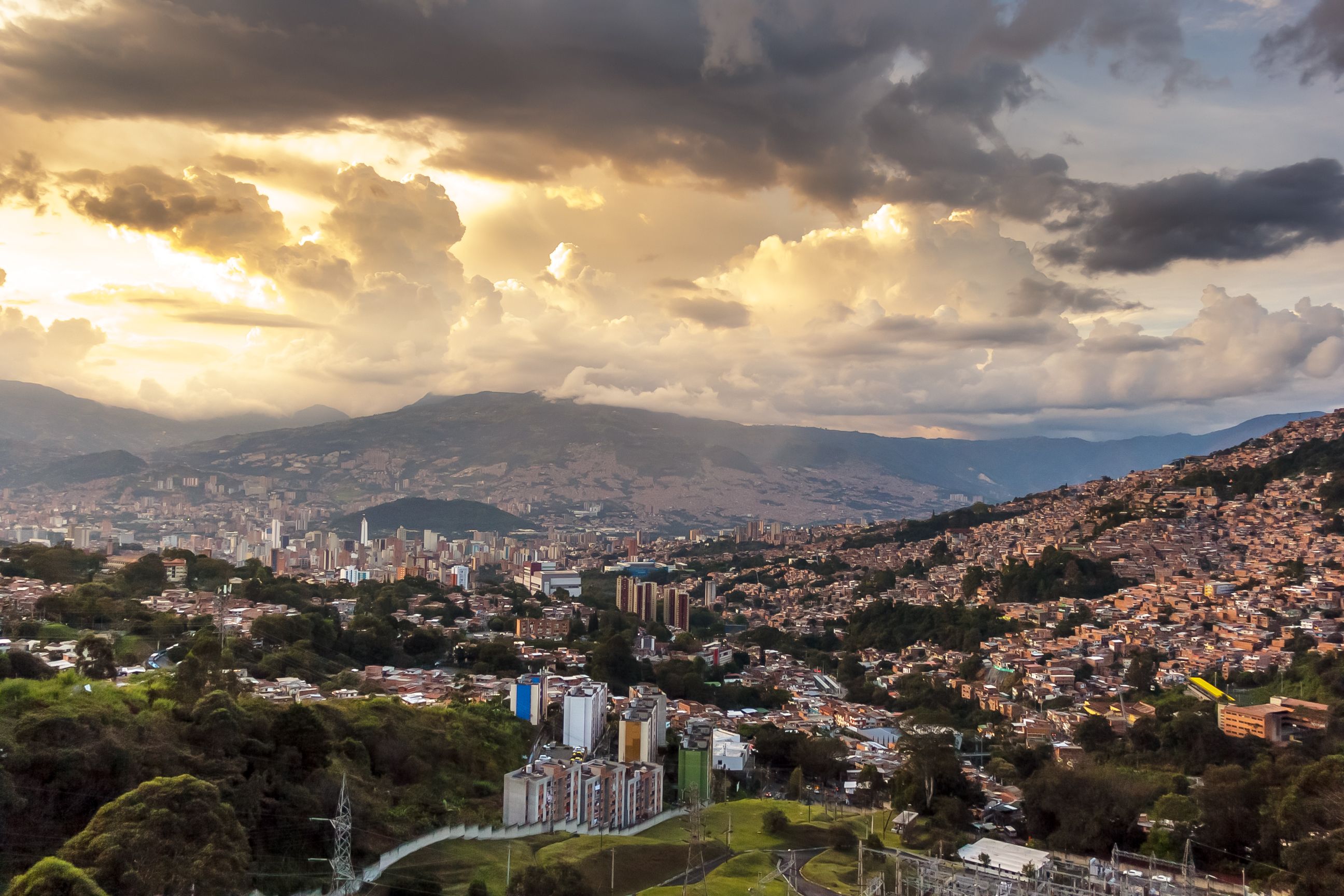
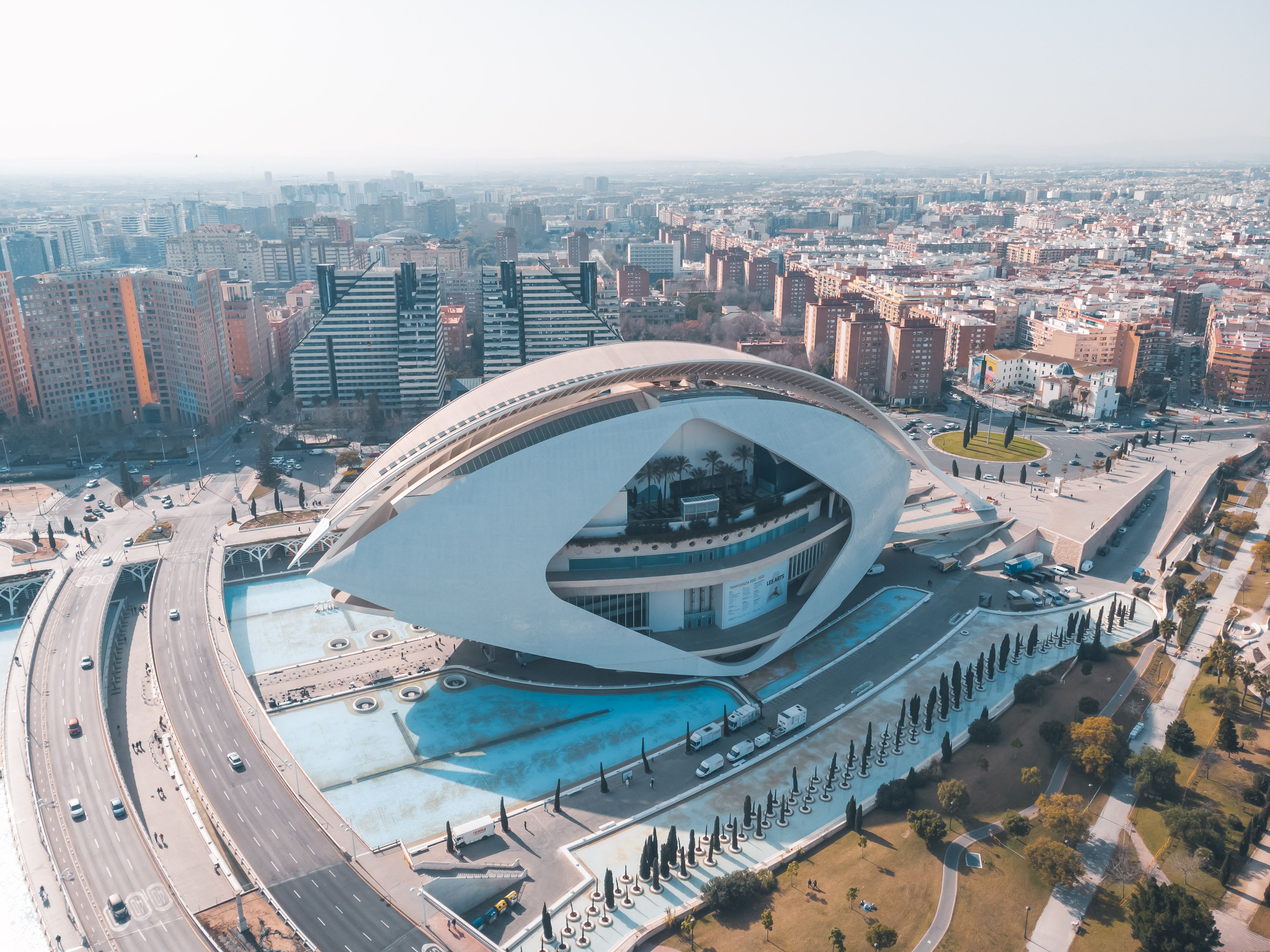
For remote workers planning a stay of a month or more, RentRemote lists furnished apartments for monthly rental, including in Valencia and Medellín.