
















How Much Money Do You Need As A Digital Nomad?
Discover essential strategies for building sustainable income as a digital nomad. Learn how to thrive financially while exploring the world. Read more!
Digital Nomad Money: What You Really Need to Know
Remote life looks dreamy on Instagram. But behind the beach views and coworking cafés, there’s a budget to build. Digital nomads make money in all kinds of ways—freelancing, remote jobs, passive income—but the real question is: how much is enough money to make it work?
With the right plan, this lifestyle isn’t just possible—it’s sustainable.
In this guide, we’ll break down:
-
How much digital nomad money you need to live well
-
Where in the world your budget stretches further
-
What costs often get overlooked (hint: it’s not just the internet connection)
-
Smart tips to earn money on the go
Whether you're a first-timer or seasoned freelancer, this is your roadmap to remote living without nasty surprises.
The Real Cost Of The Digital Nomad Lifestyle
There’s no fixed price for living the dream. Digital nomads make money in all sorts of ways—through a location independent business, freelancing, remote jobs, or passive income streams. But what does it really cost to live like this?

It depends on how you travel, where you go, and how much comfort you’re after. Over the last several years, the gap between budget and luxury nomad life has grown, especially with inflation creeping into many countries. Still, most people can find a setup that fits both their income and ambition.
1. Frugal Living: $1,000–$1,500/month
You’ll be surprised how far a thousand bucks can take you in parts of Southeast Asia, Latin America, or Eastern Europe.
Think: shared accommodations, local eats, and slow travel. It’s not glamorous, but it works.
Great for:
-
Early-stage freelancers still finding clients
-
Anyone building a specific niche or side hustle
-
Nomads looking to save money while they generate income
2. Balanced Budget: $1,800–$2,500/month
This is where most people land. Private rooms or studios, decent internet, coworking memberships, and regular flights to new places. The lifestyle feels sustainable here—you’re still being smart with money but enjoying the ride.

Popular hubs at this range:
-
Medellín, Colombia
-
Budapest, Hungary
3. Luxury Living: $3,000+/month
Digital nomads who make good money often choose comfort over compromise. Think high-end apartments, wellness routines, premium coworking spaces, and zero budget stress.
This bracket fits:
-
Remote workers in tech or business roles
-
Creators or consultants with high-paying clients
-
Those who run a well-oiled, location independent business
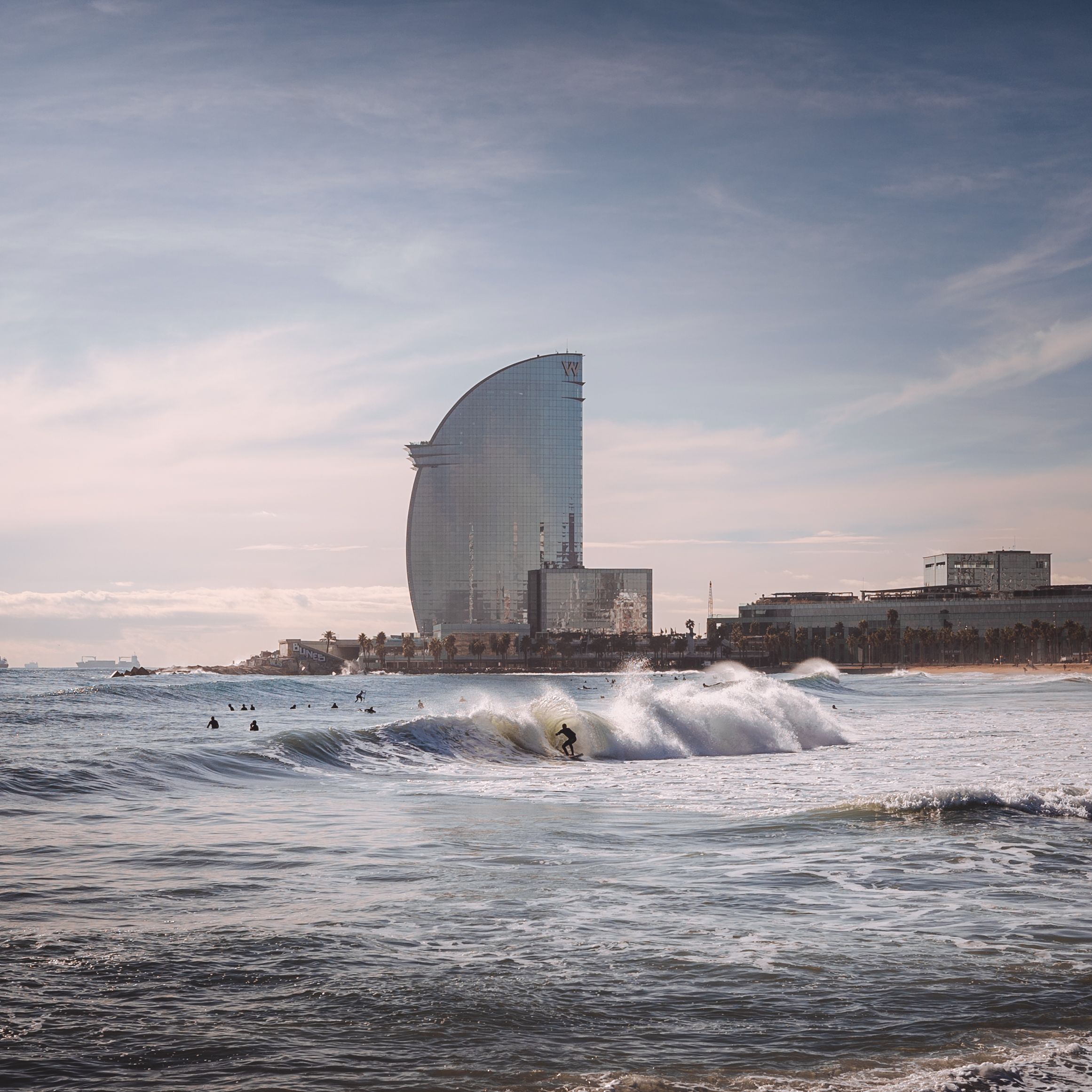
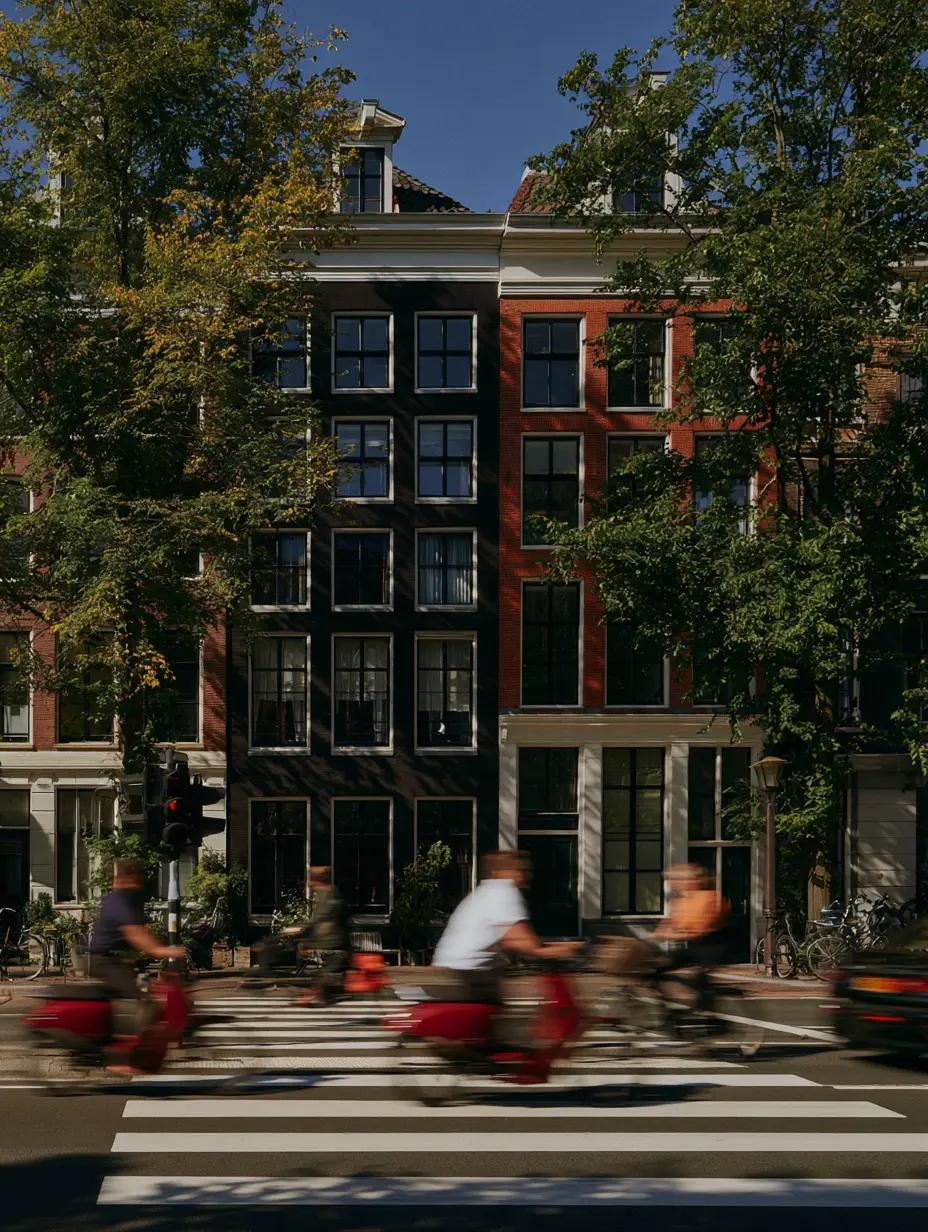
Cities like Barcelona, Tokyo, or Amsterdam fit the bill—great quality of life, but not cheap.

Quick Snapshot: What Impacts Your Cost
-
The country you chose: Thailand vs. Switzerland? Night and day.
-
Your travel pace: The slower you go, the more you save.
-
Your work setup: Do you need a dedicated desk, or can you work from a café?
-
Your type of income: Are you earning in USD while spending in pesos? Smart move.
-
Expertise level: New freelancer vs. seasoned pro? That affects how much digital nomads make money.
According to a 2023 report by MBO Partners, 17.3 million Americans now identify as digital nomads—a 131% increase from 2019. That means more options, better infrastructure, and more chances to make extra cash on the go.
Bottom line? You don’t need to be rich, just a plan that matches your priorities.
Where Does the Money Go in Digital Nomad Life?
Let’s talk numbers. The nomadic lifestyle can feel spontaneous, but your cash flow shouldn’t be. Whether you're living off an online business, offering services, or juggling multiple income streams, knowing your costs keeps you grounded.
Most digital nomads aren’t throwing money around. They’re planning ahead—balancing what they pay for now with how they earn money later. A bit of structure makes the difference between a trip and a lifestyle.
Here’s what you’ll actually spend on when you work remotely around the world:
Accommodation: Your Biggest Line Item
Rent isn’t just rent when you’re a nomad—it’s your home, your office, and your gym (on leg day).
-
Short-term rentals: Airbnbs and hotels can cost $800–$2,500/month depending on the city.
-
Long-term stays: Booking for 1–3 months often drops the price by 30–50%.
-
Work-ready apartments: Remote work-friendly spaces like RentRemote eliminate guesswork and reduce hidden costs (WiFi upgrades, desks, chairs). Think $1,200–$2,000/month with everything set.
Pro tip: If you're visiting mid-season, many digital nomads can negotiate lower monthly rates.
Transportation: From Jet Set to Scooter Set
Getting around isn’t free—but it doesn’t have to be wild either.
-
Flights: Intercontinental? $400–$1,200. Regional? $50–$200 with low-cost carriers.
-
Public transit: $20–$50/month in most cities.
-
Scooter or bike rentals: Great for Bali, Chiang Mai, or Lisbon. $40–$100/month.
Plan smarter by staying longer—less flying = more money for tacos.

Food & Groceries: One Meal Can Ruin a Budget
How you eat says a lot about your budget.
-
Groceries: $150–$300/month if you cook often.
-
Eating out: $5–$15 per meal in most nomad hotspots, though in places like Paris or Tokyo it’ll double.
-
Blended strategy: Cook for breakfast and lunch, eat out at night. It keeps your budget and your social life healthy.
Coworking & Internet: The Backbone of Working Remotely
Don’t gamble on café WiFi if you’ve got client calls.
-
Coworking spaces: $100–$300/month depending on city and plan.
-
Data plans: $10–$40/month for local SIMs with plenty of gigs.
-
Cafés: Free WiFi, $2 coffee—but noisy and not always secure.
Smart idea: Bundle your workspace with your accommodation and skip the guesswork.
Travel Insurance & Healthcare: Don’t Skip This
Getting sick abroad without insurance? Not the move.
-
Nomad-friendly plans: Providers like SafetyWing or Insured Nomads cost $40–$120/month.
-
Local clinics: In Mexico or Vietnam, a doctor visit may be $20–$40.
-
Emergency care: Without insurance, hospital stays can cost thousands.
About 64% of digital nomads now carry international health insurance, up from just 35% in 2020. It’s not a luxury—it’s peace of mind.
Visas & Legal Paperwork: The Cost of Staying Legal
-
Visa fees: $30–$150, depending on the country.
-
Visa runs: A last-minute round-trip flight? Around $100–$300.
-
Residency permits: Long-term stays often require legal help, which can cost more money than expected.
-
Tax prep: If your income comes from multiple countries, consult a pro. Not cheap, but worth it.

Leisure & Exploration: Because You Didn’t Travel to Stay Inside
-
Day trips and experiences: $20–$100 each, depending on the country.
-
Nightlife: $5 beers in Prague, $15 cocktails in NYC.
-
Fitness & wellness: Yoga studios, gym passes, massages—$30–$200/month.
This is the part where digital products and passive income really help—when your expenses include both spa days and coworking desks.
Quick List: Where You Might Overspend
-
Overpriced Airbnbs
-
Data roaming fees
-
ATM withdrawal charges
-
Cafés that charge for “working time”
-
Visa extensions and late applications
Digital nomad life is easier when you know where your money’s going—and harder when you don’t. Budget for the real things, and you’ll stay on the road longer, happier, and more successful.
Which Budget Fits You? Meet the 3 Digital Nomad Types
There are multiple ways to live the digital nomad life—and none of them are wrong. It all depends on your job, your priorities, and how you make money on the move. Whether you teach English, do content writing, or run an online store promoting products, you’ll find a path that fits your wallet and your workflow.
Below are the three most common digital nomad profiles, plus some tips on how to earn money, stay productive, and actually enjoy the ride.
According to a 2023 survey from FlexJobs, 36% of digital nomads spend less than $1,500/month—proof that this lifestyle isn’t just for the wealthy.
The Lean Nomad: Spend Less, See More
This nomad travels smart. They move slowly, eat local, and skip the frills. Think street food in Oaxaca, bunk beds in Bali, and free WiFi in every café.

Ideal for those just starting to become a digital nomad or looking to build passive income while they explore.
-
Monthly budget: $1,000–$1,500
-
Shared housing or hostels: $300–$600
-
Street food or home cooking: $150–$250
-
No coworking, just cafés and public libraries
-
Bus travel over flights
Great for:
-
ESL teachers, volunteer workers
-
New freelancers still selling services or content writing
-
Creators learning to generate passive income
-
Experts selling online courses
-
People who want time to build their expertise and test what clients demand
The Balanced Nomad: Work Hard, Live Well
This is the sweet spot for most digital nomads. It’s a balance of cost and comfort—private stays, reliable internet, and the occasional splurge. You might stay two months in Lisbon, then hop to Tbilisi or Medellín.
You make money consistently, have a few clients, or offer in-demand graphic design or content writing services.

-
Monthly budget: $1,800–$2,500
-
Rent for a full apartment: $800–$1,200
-
Mix of groceries and dinners out: $300–$500
-
Coworking membership: $100–$250
-
Flights every couple of months
Great for:
-
Freelancers with repeat clients
-
Remote employees with steady income
-
People selling digital products or promoting products on social media
-
Entrepreneurs still testing their online business idea
The Luxury Nomad: Comfort Is Non-Negotiable
This nomad skips budget flights and chooses first-class focus. You’ll find them in furnished lofts, sipping cortados at rooftop coworking spaces, and probably leading a team on Slack.
They’ve built multiple ways to earn money: long-term clients, coaching, speaking gigs, and polished services. They’ve got knowledge, and they know what it’s worth.

-
Monthly budget: $3,000+
-
Designer apartments in hubs like Barcelona or Singapore: $1,800–$3,000
-
Wellness routines, private gyms, and fine dining
-
First-rate coworking or a RentRemote setup with an ultra-wide screen
-
Direct flights, often business class
Great for:
-
High-level consultants
-
Remote execs or team leads
-
Creators with passive income from courses or books
-
Anyone who wants their workspace to match their ambition
No matter which tier fits you today, there’s room to shift. You might start lean, hit your stride, and level up your lifestyle. The key is knowing what you really need to do your best work—and planning for it.
Start Smart: The Real Cost of The Nomad Lifestyle
You’ve decided to chase location independence and work your way around the world. Amazing. But before you buy that one-way ticket, let’s talk about what it actually costs to get started.
Many digital nomads spend the first few months figuring out what gear they forgot, what services they still need, or how fast their savings are vanishing. Whether you're freelancing, building websites, selling digital products, or launching an online course, the first step to being successful is being prepared.
According to a 2023 Nomad List survey, most first-time digital nomads spent between $2,000 and $5,000 to get started—with some reporting even more if they replaced their gear or prepaid long-term stays.

Tech First: Your Office Travels With You
If your job depends on it, don’t cheap out. Invest in:
-
A reliable laptop ($800–$2,000)
-
Noise-canceling headphones ($100–$300)
-
Backup hard drive or cloud storage
-
Adapters, chargers, portable mouse
Planning to make money with a YouTube channel or online courses? Add a ring light, webcam, and mic to the list.
Insurance: Not Optional, No Matter Your Age
Location independence doesn’t cover hospital bills. Get a solid nomad insurance plan that travels with you.
-
SafetyWing or World Nomads: $40–$120/month
-
Add-on coverage if you're doing extreme sports or long-term stays
Bonus: Some plans now include mental health services and lost gear coverage.
First Flights & First Months
Your startup costs aren’t just stuff—they’re also movement.
-
International flight: $300–$900 depending on season and distance
-
First month’s rent: Often requires a deposit + payment upfront = $1,000–$2,000 in major cities
-
Transport, SIM cards, groceries, coworking: All add up fast
That’s why having a cushion helps you settle in before you need to hustle hard for clients.

Emergency Fund: Your Safety Net in Foreign Places
You don’t want your laptop to die in week two with $0 in the bank.
Set aside at least 3 months of basic living expenses—ideally closer to $5,000–$6,000—to give yourself breathing room while you test your expertise or launch those digital products.
What to Budget Before Your Nomad Trip
Here’s your short list:
-
Laptop + accessories
-
International flight
-
Deposit for accommodation
-
Emergency fund
-
SIM card or eSIM
-
Coworking pass or WiFi hotspot
-
First few weeks of expenses
Leaving home to chase freedom is thrilling. But being unprepared? That’ll kill the momentum fast. Set yourself up for success, and the rest becomes part of the story.
Unexpected Expenses That Can Derail You
Even the best budget can fall apart with one surprise. Many digital nomads learn this the hard way. A cracked screen in Chiang Mai, a visa rejection in Vietnam, or a burnout-fueled flight back to Europe—these things happen. You’re not just traveling. You’re living.
Seasoned Nomads Watch out for:

-
Last-minute flight changes: Weather, politics, or just a missed connection—rebooking can cost $200–$800.
-
Medical emergencies: A small clinic bill? Manageable. A hospital stay without insurance? Not so much.
-
Broken gear: Replacing a MacBook abroad is never cheap, especially if you’re far from an Apple store.
-
Visa denials: Sometimes the plan changes because the paperwork didn’t go through.
-
Burnout relocations: Sometimes you just can’t stay in one more Airbnb with tile floors and bad light.
Always leave some “oh no” cash in your account. Because when you least expect it—you’ll need it.

Is This Lifestyle Financially Sustainable?
Short answer: yes. But not by accident.
There’s no single path to make money as a nomad. Some lean on services like graphic design or writing. Others run websites, teach, or sell digital products. The most successful ones often combine several.
Let’s break it down:
-
Freelancing: You set your rates, choose your clients. But it can mean feast-or-famine income.
-
Remote jobs: Steady paycheck, benefits, less freedom. Great for planners.
-
Passive income: From online courses, affiliate links, or that niche YouTube channel. It takes time, but it pays you while you sleep.

Smart choices (like slow travel or using local SIMs) help your money stretch. So does house sitting, which eliminates rent for weeks at a time.
Bottom line: this life works if you treat it like a business, not just an adventure.
Budgeting Tips for First-Time Nomads
Think of your budget as your parachute. You hope you never have to pull it—but when things drop fast, it’ll save you.
Start with these basics:
-
Use budgeting tools like TravelSpend or Trail Wallet to track your daily expenses across currencies.
-
Stick to the 50/30/20 rule: 50% needs, 30% wants, 20% savings. Even if you’re earning less, the habit builds stability.
-
Build income buffers: Expect dry months. Set aside cash during good ones.
-
Don’t forget taxes: If you’re self-employed, pay attention to what’s owed where.
Nomad life feels free, but freedom without structure gets expensive fast.

Top Affordable Nomad Hubs for Every Budget
Not every city is friendly to your bank account. But many are.
Here’s a cheat sheet based on what you can afford—and what you want to experience.
Budget-Friendly ($1,000–$1,500/month)
-
Chiang Mai, Thailand – The OG nomad city. Great food, great WiFi, no stress.
-
Medellín, Colombia – Spring weather year-round, coworking-friendly, low rent.
-
Oaxaca, Mexico – Culture, color, and $3 tlayudas. Easy on the eyes and the wallet.
Mid-Range ($1,800–$2,500/month)
-
Lisbon, Portugal – Coworking meets coastline. Sunny, safe, and full of charm.
-
Bali, Indonesia – Villas with pools, wellness communities, and lots of creatives.
-
Cape Town, South Africa – Scenic, affordable, and fast-growing for remote work.
Premium ($3,000+/month)
-
Amsterdam, Netherlands – Design-forward, bike-friendly, and efficient.
-
Tokyo, Japan – High-tech, high-functioning, and surprisingly peaceful.
-
New York City, USA – Fast-paced, full of inspiration—and expensive as ever.
RentRemote is already in some of these cities, and growing fast. Keep an eye out.
Conclusion: Plan Well, Wander Freely
You don’t need to be rich to live this way—you just need to be intentional.
The digital nomad lifestyle is more accessible than ever, especially if you treat it like a long game. Budgeting doesn’t kill the vibe—it gives it legs. When your finances are solid, you get to say yes to more experiences, more people, and more places.
Want one less thing to worry about?
RentRemote offers fully-equipped, productivity-first apartments in cities around the world. No more wondering if there’s a desk or decent WiFi. Just focus on your goals—and go.
FAQs About Digital Nomad Costs and Budgeting
What’s the average monthly cost of living as a digital nomad?
The average monthly cost of living as a digital nomad ranges from $1,000 to $3,000, depending on the country, your travel pace, and comfort preferences. Budget nomads often spend under $1,500 in places like Chiang Mai or Medellín, while those living in premium cities like Tokyo or Amsterdam can expect to pay over $3,000/month.
How much should I save before becoming a digital nomad?
To become a digital nomad with confidence, aim to save 3–6 months of living expenses, plus startup costs for travel gear, deposits, and initial flights. A good target is $5,000 to $10,000 to give yourself a runway while you build up clients or income streams.
Can I live as a digital nomad on $1,000/month?
Yes, it’s possible to live on $1,000 per month as a digital nomad if you choose low-cost destinations, embrace slow travel, and avoid frequent flights or upscale coworking. Many digital nomads do this successfully in cities like Oaxaca, Tbilisi, and Da Nang.
What are the hidden costs digital nomads should plan for?
Hidden digital nomad costs often include visa fees, medical emergencies, gear replacement, coworking memberships, SIM cards, and burnout relocations. Budgeting for surprise expenses is key to staying on the road without financial stress.
Is the digital nomad lifestyle financially sustainable long-term?
Yes, the digital nomad lifestyle can be financially sustainable if you manage your cash flow, diversify how you make money, and build systems for stability—whether through freelancing, remote jobs, or passive income streams like digital products or online courses.