
















How Much I Spend in Barcelona as a Digital Nomad: Real Costs (2025)
A nomad's breakdown of what it really costs to live and work remotely in Barcelona—with no fluff, just numbers.
How much I spend in Barcelona as a single person
We'll start with the truth: Barcelona isn’t cheap. But compared to other major European cities, it’s still significantly cheaper to build a life here. I’ve been based in the city for five years, and I’m breaking down the real Barcelona cost for a single person working remotely.
You’ll get a full breakdown of what I spend each month—on rent, food, transport, workspace, and all the extras. I’ll also share tips on saving money, where to find the best local products, and how to avoid rookie expenses.
Spoiler: it’s doable. And for a city with this much rich history, beach access, and creative energy, it’s worth every cent.

What I pay for rent in Barcelona—and what you might spend
Let’s get the hard truth out first: living in Barcelona isn’t dirt cheap. It’s not Southeast Asia. But compared to other cities in Western Europe, the prices in Barcelona are generally lower. I’ve lived here for over five years and I’ve seen the full range—from student-style private rooms in Gràcia to premium rentals with full office setups in Eixample.
If you’re moving here, have realistic expectations. Rent will be your biggest monthly cost, but that doesn’t mean you can’t live comfortably. You just need to pick the right setup for the way you work and live.
What Locals and Nomads Actually Pay
Here’s a quick snapshot of what I spend, what my friends pay, and what you can expect:
-
Shared flat in Gràcia (private room): €680 / $750
-
1-bed in Sant Antoni: €1,100 / $1,200
-
Premium furnished with workstation (like RentRemote): €1,650–€2,000 / $1,800–$2,200
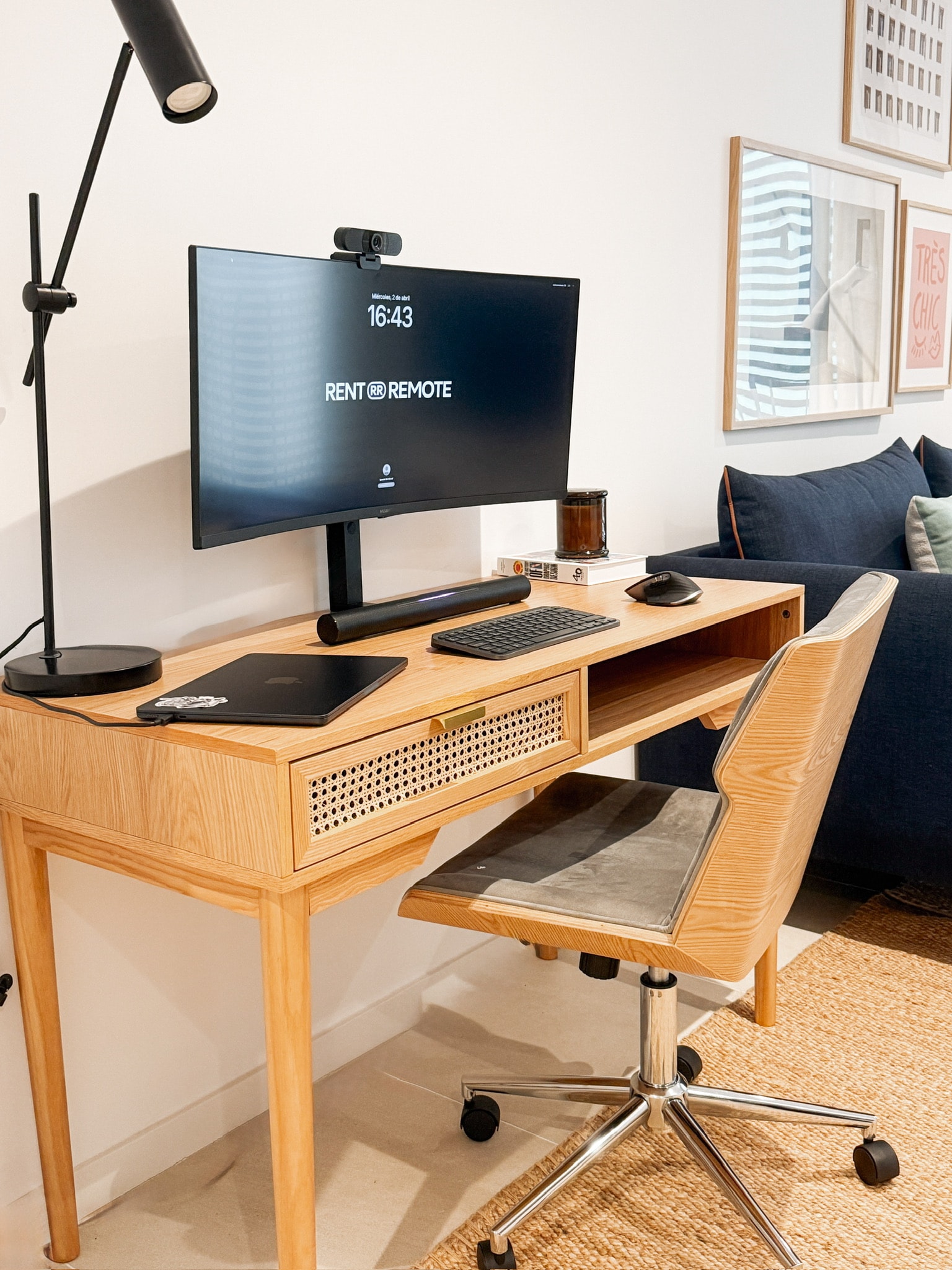
For reference, the average rent for a one-bedroom in the city center is around €1,320—this aligns with what I see on the ground, especially in popular central areas. But if you're coming in with work gear and need peace to focus, I'd always recommend paying for the upgrade.
Coliving vs Airbnb vs RentRemote
Prices vary depending on setup, but so does your sanity.
| Option | Avg Monthly Cost | Best For |
|---|---|---|
| Coliving space | €900–€1,200 | Social nomads, short stays |
| Airbnb (1-bed) | €1,500–€2,200 | Flexibility, but usually overpriced |
| RentRemote | €1,650–€2,000 | Remote workers with real needs |
| One more thing: Airbnb is on its way out. The city has announced that all short-term rentals in Barcelona will become illegal by 2029, and regulations are already tightening. That means fewer listings, higher prices, and a lot more friction for nomads relying on quick bookings. |
My Advice?
Decide what matters more: location or your workstation. I’ve had both, and trust me—when deadlines hit, that ergonomic chair wins over ocean views. Every time.
How I eat well in Barcelona: Groceries & Eating Out
Let’s talk food. Because if you're moving to Spain, you're not just chasing sunshine—you're chasing flavor.
As a Barcelona-based nomad, I’ve found that eating well doesn’t have to drain your wallet. But you do need to understand how prices in Barcelona work—especially when comparing tourist areas to local spots.

The cost of living here can spike fast if you're eating near Las Ramblas every day, but once you get the hang of where locals go, it’s easy to stay full and focused without overspending.
Grocery Prices: Local Over Labels
If you're cooking at home, expect to spend about $250–$350/month. Head to local markets like Mercat de Sant Antoni or Ninot for fresh produce, meats, and household staples like olive oil—cheaper and higher quality than most supermarkets.
Big chains like Mercadona and Bonpreu work fine for pantry basics, but the best cost effective options come from weekly market runs and seasonal buys.
Eating Out in Spain: The Menú Hack
Here’s the hack that locals live by: the menú del día.
Offered by many restaurants Monday to Friday, it usually includes three courses—starter, main, dessert or coffee—and sometimes even a drink, for €12–15. It’s one of the best ways to enjoy proper Spanish food at mid-range pricing.
Eating out every day isn’t sustainable, but doing a few menús a week can actually be cheaper than cooking.

My Food Routine (with Prices)
Here’s what a typical week might look like for me:
-
Café breakfast (croissant + espresso): €3.50
-
Menú del día (3 courses): €13
-
Takeout or dinner out 2–3x/week: €150–€200/month
-
Groceries (monthly): €300 average
Pro tip: Skip that glossy tapas bar in tourist areas and head into Eixample or Sant Antoni for better local flavors at half the prices.
Example Day of Eating (on a budget)
-
Morning: Homemade toast with tomato + olive oil, coffee from home
-
Lunch: Menú del día at a bodega-style spot in Poble Sec
-
Dinner: Veggie stir-fry or tortilla de patatas made at home

Final Thought
Food prices in Spain Barcelona aren’t the cheapest in Europe, but if you eat like a local and shop smart, you'll find balance. I still treat myself to a fancy dinner now and then—but I keep those for the nights that feel like a celebration.
Coworking or Workstation: Choose Your Setup
How I stopped working from a bar stool
If you’re a budget traveler trying to keep expenses low, you might think: “I'll just work from cafés, Barcelona has tons of them.” I did that. For about two weeks. Then my back gave up, the Wi-Fi cut out mid-client call, and I spent more on oat lattes than on groceries. Lesson learned.
Barcelona offers plenty of options for remote workers, but not all of them are equal. And in a major city like this, workspace becomes part of your lifestyle—your comfortable lifestyle, if you do it right.
The Café Fantasy: Nice Vibe, No Outlets
Working from a café in El Born sounds romantic—until you’re playing musical chairs for a power socket. Most places aren’t built for six-hour work sessions. You’ll spend money daily just to hold a table, and after a week, the noise will start messing with your head.
-
Daily spend: €2.50–€5
-
Monthly: €75–€150
-
Add bad posture, weak Wi-Fi, and spilled espresso
Cafés are great for short sprints or people-watching—not for productivity. Especially in low season, when locals reclaim the indoors and it gets loud fast.

Coworking Spaces: Stability, But at a Price
I’ve tested a few: La Vaca in Poble Sec (social, chill), OneCoWork by the marina (gorgeous, expensive), and Cloudworks (solid, but soulless).
Monthly fees range from €150 to €300 depending on the vibe and location. If you're new to the city and want to meet people, they’re great. But after a few months, I found myself paying for a desk I barely used. Plus, I prefer working barefoot. No coworking space lets you do that.
RentRemote: The Setup I Wish I Had From Day One
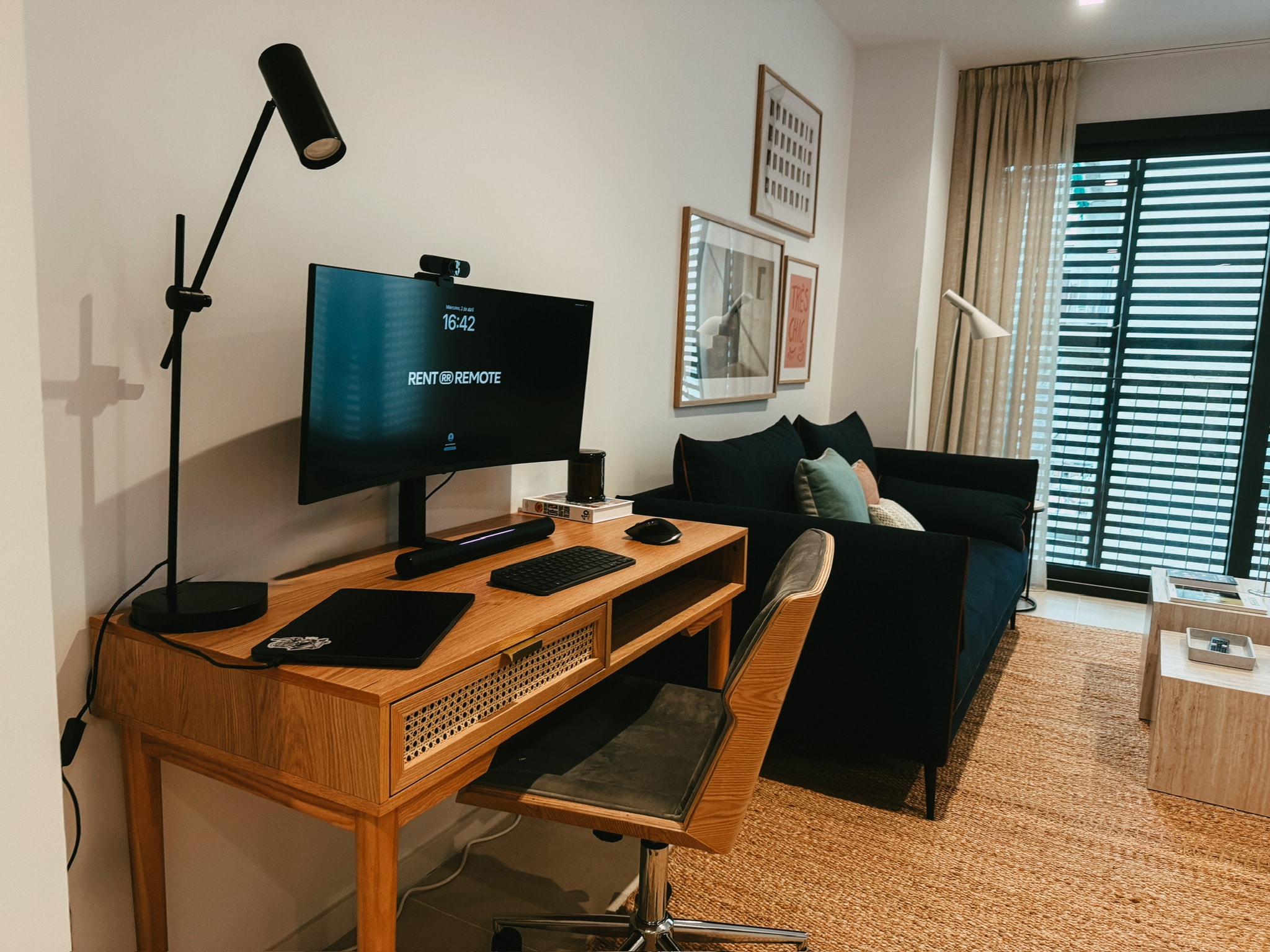
Now I work from home. Not just any home—one with a workstation that actually works.
My RentRemote apartment came with:
-
Ergonomic chair (goodbye back pain)
-
Standing desk
-
Ultra-wide monitor
-
Real keyboard + mouse
-
Fast internet that doesn’t make me beg the router gods
It’s all baked into the rent. No surprise monthly fees, no packing up at closing time, and no café guilt for ordering one coffee in four hours.
58% of remote workers say poor setups affect their health (Statista). I’m not surprised. Try working eight hours from a kitchen stool and tell me how your neck feels.
Here’s how the options compare, from someone who’s tried them all:
| Option | Average Monthly Cost | Pros | Cons |
|---|---|---|---|
| Café working | €75–€150 | Cheap-ish, flexible | Loud, unreliable, bad for your back |
| Coworking space | €150–€300 | Social, structured | Adds up quickly, no privacy |
| RentRemote workstation setup | Included with rent | Comfortable, pro-level gear | You’ll get spoiled fast |
My two cents on working remotely
I don’t think you need the fanciest setup in the world—but you do need one that works. Especially in Barcelona, where the cost of living isn’t outrageous, but the distractions are real. If your workspace is solid, everything else—focus, flow, even free time—gets better.
And look, if I’m going to spend money in this city, I’d rather it be on cava and weekend trips than on chiropractor bills.
Transport: Metro Is King
Why I barely touch taxis anymore
One thing you’ll notice after your first trip to Barcelona: this city is made for walking. If you’re living in Barcelona full-time, it’s even better. Between bikes, scooters, and public transport, it’s one of the most affordable major European capitals to navigate.
Whether you’re on a tight budget or just trying to keep your transportation costs under control, the setup here makes it easy to save money—without compromising on mobility.

Public Transport: The Best €20 You’ll Spend
Barcelona’s local transportation system is cheap, clean, and ridiculously efficient.
Get the T-usual card for €20/month and you’ll have unlimited access to the metro, bus, and tram in Zone 1—which covers pretty much all the areas you’ll want to be in. From restaurants in Sant Antoni to sunset hikes in Montjuïc, you’re covered.
Pro tip: You’ll rarely wait more than 5 minutes for a train. If you are coming from cities like Paris or London, that feels like a luxury.
Other Options: When You Want to Glide Instead of Walk
For short rides or days when the sun’s out and you’re feeling lazy:
-
Electric scooter rentals: €0.25–€0.35/min or €15–€30/month with subscription
-
City bike passes (like Bicing): about €35/year (locals only)
-
Taxis/Uber: €7–€12 for short trips, €20–€50/month depending on your habits
Average transportation costs for digital nomads here are among the lowest in Europe. A 2023 Eurostat report found Barcelona's transportation prices to be around 40% lower cost than those in most major European capitals. That’s a win for anyone balancing mobility with lower living expenses.

Here’s What I Typically Spend on Transport Each Month:
-
T-usual card (unlimited public transport): €20
-
Scooter or bike rental for quick errands: €25
-
Taxi/Uber for late nights or airport trips: €30
Total? Under €75/month—without even trying to cut back.
Why You’ll Never Miss Having a Car
You don’t need a car here. You don’t even need a fixed route. Whether you’re commuting to a coworking space or café-hopping between restaurants, Barcelona's transportation system lets you move with ease—and at a price that won’t mess with your mid range budget.
And if you're like me, you'll walk half the time anyway. It's free, and you'll discover the city block by block, the way it's meant to be seen.
Phone & Internet: Staying Connected
Because buffering mid-call is not a vibe
If you're living in Barcelona and working remotely, solid WiFi isn't a luxury—it's survival. Luckily, this is one of those cities where digital infrastructure is strong and average costs are manageable, even on a small budget. In fact, prices in Barcelona for connectivity are generally lower than in most Western European hubs.
That said, not all rentals come with the speed or reliability you need. And trust me—finding out your internet crashes during your first client pitch is one of those unexpected expenses that doesn't hit your wallet but definitely hits your stress levels.
SIM Cards: Cheap and Easy to Set Up
For mobile data, most nomads I know (myself included) go with Lowi or Simyo. Both offer competitive plans, easy top-ups, and solid coverage across Spain. Expect to pay about €10–€15/month for 20–30GB of data. No contracts, no nonsense.
If you’re planning to stay longer, Pepephone and O2 are great mid-tier options. They offer better speed and service packages if you’re also setting up fiber at home.

WiFi at Home or Coworking: Included, but Always Check
Most furnished rentals include internet in the cost, but don’t assume it’s fast. I’ve had places in the city center that lag behind beachside cafés. If you’re booking through RentRemote, speeds are tested and work-ready by default. Otherwise, always ask before signing anything.
Coworking spaces usually have high-speed fiber—because they have to. But if you're living in Barcelona long-term, it's worth testing your own setup. Download speeds of at least 300 Mbps are common in the center, according to Ookla’s 2023 report, which ranks Barcelona among the top 5 fastest cities in Spain for broadband.
Here’s What I Typically Spend Each Month:
-
Local SIM card (Lowi, 25GB): €12
-
Home internet (included in rent): €0
-
Coworking internet (if used): part of monthly membership
-
Total connectivity cost: around €12/month if your housing is smart
Why Good Internet Is Non-Negotiable
Forget about food, rent, or even location—bad internet is the one thing that’ll kill your work rhythm no matter where you are. And while Barcelona expensive is a thing people say, this is one of the few categories where the average person actually gets a good deal.
Smart nomads don’t cut corners here. Neither should you.
Leisure & Lifestyle: Because You’re Living Too
Work brought me here. Life made me stay.
Let’s be real—nobody moves to Barcelona for the tax breaks. We come for the life. The midweek vermut. The day trips to the Costa Brava. The fact that you can be in a gallery, a punk show, and a beach bar all in one day. And while this can be an expensive city, it doesn’t have to feel expensive.
I've been living in Barcelona for five years, and if you know where to look, the overall cost of fun here is a lot lower than you'd think. Especially compared to other major cities in Spain or Europe.
Culture Without the Price Tag
I bought a museum pass for €35 two years ago. Still one of the best things I’ve done. Free entry to Picasso, MACBA, MNAC… and no guilt if I just go for 20 minutes.
But here’s the move: go on the first Sunday of the month. Most museums are free, and the vibe is chill if you dodge the tourist crowds. And if museums aren’t your thing, walk into any random plaça on a Saturday—you’ll find music, food trucks, or an outdoor cinema. Barcelona offers a lot, and most of it is free if you show up.

Staying Active (Without Paying a Personal Trainer Named Bruno)
Gyms here are fine—I pay €45/month at BCN Fitness in Sant Antoni. No frills, good machines, lots of freelancers in tank tops.
But honestly? You can skip the gym. The beach has pull-up bars. Montjuïc has trails and stairs and epic views. Public transportation gets you to any hiking trail in under 40 minutes. You don’t need much to stay fit in this city—just shoes and a decent playlist.
What I Actually Spend on Enjoying Myself
Here's a typical month for me:
-
Museum pass (annual): €35 → let’s call it €3/month
-
Gym: €45
-
Weekend trips (Blanes, Sitges, Cadaqués): €20–€60 each
-
Random beers, rooftop nights, snacks from La Boqueria: €80–€150
-
Extra rides on public transport: already included in my T-usual card
That’s solid value. According to Expatistan, the average cost of leisure in Barcelona is about 30% lower than Amsterdam or Paris—and it feels that way too.
How I enjoy living in Barcelona
Get your cava at the supermarket. €3 bottle. Pair it with a bag of olives and a plastic cup, and suddenly you’re having a sunset picnic at el Parc de las Glòries. People will think you’re a local. Your expenses will thank you.
And really, that’s what life in Barcelona is about—finding joy in the simple stuff. Work hard. Roam often. Never overpay for sangría.
Total Monthly Breakdown: What You’ll Actually Spend
The numbers, straight from my bank app
Let’s talk real expenses. I’ve been living in Barcelona for five years, and if there’s one thing I’ve learned, it’s that the cost of living here isn’t one-size-fits-all. You can stretch it or splurge it. Depends on your habits, your setup, and how often you cave in to €9 cocktails in El Born.
Whether you're working on a tight budget, settling into something average, or going all-in on that premium lifestyle, here’s how your monthly cost might look. Spoiler: it’s still cheaper than a travel insurance claim for a broken back caused by working from a kitchen stool.
Low, Mid, and Premium: Pick Your Lifestyle
These ranges are pulled from my own expenses, my nomad circle, and some hard-earned mistakes.
| Expense Category | Low Budget (€) | Mid Budget (€) | Premium Setup (€) |
|---|---|---|---|
| Rent | 680 | 1,100 | 2,000 |
| Food & Dining | 300 | 450 | 600 |
| Workspace | 0 (café) | 200 | included |
| Transport | 20 | 50 | 70 |
| Lifestyle/Leisure | 100 | 200 | 300 |
| Monthly Total | 1,100 | 2,000 | 3,000+ |
| Some Notes to Read Before You Panic |
-
Rent is the big one. If you go for a private room or a shared flat, you’ll stay in the €600–€700 range. Go RentRemote or a full 1-bed with a view? You’ll hit €1,800–€2,000 fast.
-
Food prices vary wildly. Cook at home and shop local, and you’ll eat well on €300. Eat out daily in tourist zones, and food will devour your budget.
-
Workspace can be €0 if you café-hop (plus coffee), or €200–300 if you cowork. But honestly? Comfort pays off in focus and posture.
-
Prices for fun stuff—museums, cava, weekend trips—can be as low or high as you want. Just don’t confuse “budget” with “boring.”
My Tip: Budget Smart, Not Scared
Yes, the Barcelona cost can creep up if you're not watching. But if you’re intentional, it’s one of the best-value cities in Europe for remote work.
The secret isn’t to cut everything—it’s to choose what matters. A decent desk over fancy dinners. Time over taxis. Purpose over pressure.
And if your expenses swing a little one month? That’s part of the life.

Tips to Spend Smarter in Barcelona (And Still Live Well)
Save money without acting like you're on a diet
The Barcelona cost of living can swing wildly. One week you’re sipping €3 vermut by the sea, the next you're wondering how a rooftop cocktail ran you €16. Been there. But after five years of living here, I’ve learned that the best way to manage food prices, rent, and public transportation is simple: act like a local, not a tourist.
You can absolutely enjoy this lively atmosphere without blowing your budget. Here’s how I do it.
Eat Local, Not Instagrammable
Food is where a lot of nomads burn cash. Those tapas near Las Ramblas? Triple the prices and half the flavor.
Instead:
-
Do groceries at Mercat de Sant Antoni or Bonpreu—fresh, affordable, and real
-
Save restaurants for menú del día lunches (3 courses for €13 beats €20 dinners)
-
Skip the overhyped brunch places. €16 pancakes aren’t a personality
Weekend Escapes, Not Weekend Splurges
Yes, Barcelona is an expensive destination in summer. So get out of it.
Use BlaBlaCar or Renfe discounts to explore Costa Brava, Girona, or Tarragona. Trains can be as low as €8 if you book in advance, and the change of scenery resets your brain without wrecking your wallet.
Pro tip: If you plan to move around Spain often, grab a Renfe Spain Pass. It’s meant for tourists, but if you're clever about timing, it still saves you cash.
Connectivity Hacks That Actually Work
International plans are a trap. Don’t do it.
Instead:
-
Get a local SIM (Lowi or Simyo for €10–€15/month)
-
Use WiFi-first apps like Signal, WhatsApp, and Telegram for everything
-
Join nomad WhatsApp groups for housing deals, coworking swaps, or just random weekend hikes
Quick list: My money-saving moves
-
Tapas ≠ dinner every night
-
Use BlaBlaCar or Renfe promos for weekend escapes
-
Stick to local SIMs, avoid roaming fees
-
Join nomad WhatsApp groups for coworking deals or flatshares
-
Don’t pay for airport transfers—public transportation goes straight to T1
-
Say no to €7 coffees at hotels. Go to Satan’s Coffee Corner instead
Balance your budget
This city rewards those who slow down and look around. The cost of living doesn’t have to match your Instagram feed. Skip a few overpriced meals, walk instead of Uber, and you’ll find that Barcelona gives more than it takes—if you let it.
So, Is Barcelona Affordable for Remote Workers?
Short answer: yes. Long answer... still yes—with a plan.

If you're coming to Barcelona hoping to live like royalty on a ramen budget, you're gonna have a rough time. But if you’re realistic and willing to live like a local, this city delivers—prices here are lower than other big cities in Spain, and the quality of life is hard to beat.
I've done the €2 empanadas and the €200 tasting menus. I’ve lived in flats with no heating and in apartments with built-in workstations. The range is wide—but the cost of living stays manageable if you pick your priorities.
It’s Not About Spending Less—It’s About Spending Smart
Here’s an example:
You can eat out five times a week, or cook at home and spend the same money on a weekend escape. You can drop €500/month on a coworking space with craft beer, or rent a place through RentRemote and get your full work setup included.
It’s all about balance. And once you learn the local rhythm, you’ll see it too.
What You’ll Actually Get for Your Money
-
Rent: from €700 to €2,000+ depending on neighborhood and amenities
-
Food: €300–600 depending on how often you cook vs hit restaurants
-
Workspace: free (home café setup) to €200/month
-
Extras (transport, gym, weekend trips): €150–300/month
Why People Stay Longer Than They Planned
A trip to Barcelona often turns into a stay. The weather’s great, the food is better, and the work-life balance just feels easier here. It’s a city where you can focus, explore, and still have energy left at the end of the day.
And that, in my opinion, is the kind of cost worth investing in.
Wrap-Up: Work From Barcelona Cost
One last tip before you pack your bags
If you’re heading to Barcelona to get work done and actually enjoy your life, set yourself up right from the start. Skip the folding chairs, skip the flaky WiFi, skip the overpriced Airbnbs that look better in photos.
Find a place that lets you focus when you need to—and disconnect when you don’t.
That’s how you make this city work for you.
→ Browse Work-Ready Apartments in Barcelona
→ Compare Workstation Setups vs Airbnb
FAQ: Living in Barcelona as a Digital Nomad
How much does it cost to live in Barcelona as a digital nomad?
The cost of living ranges from €1,100 to €3,000 per month. It depends on your budget, your housing style, and how often you’re out eating food or booking weekend getaways.
Can I work remotely from cafés in Barcelona?
Yes, and many nomads do. Just know that some spots have time limits or expect you to keep ordering. If you're staying long-term, it's smarter to set up at home or find a proper workspace.
Is coworking space worth it in Barcelona?
It can be. You’ll get fast WiFi, community, and structure. But if you're renting a place through RentRemote, the workspace is already dialed in—no extra expenses or monthly fees.
What’s the cheapest neighborhood to stay in Barcelona?
El Clot, Poble Sec, and Sants are all solid choices with lower prices but great connections via public transportation. You’ll get more space and less noise compared to trendier central spots.
Are there any hidden costs for digital nomads in Barcelona?
Definitely. Think: workspace add-ons, local SIM cards, last-minute BlaBlaCars, and those sneaky tourist taxes. Plan ahead to avoid the unexpected expenses that pile up fast.