









The Downsides of Being a Digital Nomad (And How to Survive Them)
Thinking about going remote? Here are the biggest downsides of being a digital nomad—plus practical ways to deal with each one and thrive on the road.
The Real Downsides of Being a Digital Nomad
The digital nomad lifestyle sounds like a dream—until your “office” is a noisy café without good Wi Fi and your suitcase becomes your only piece of furniture.
Living in new places, hopping from country to country, sounds thrilling. And it is. But it’s also exhausting, disorienting, and lonely at times.
Before you pack your bags, let’s talk about the real problems of being a digital nomad. Not to scare you off—but to help you build a version of this journey that actually works.
The Fine Print of Daily Life on the Road
You’re not on vacation. This is your life. Which means your productivity, your routines, and your mental health matter—more than any postcard view.

What No One Tells You About Country-Hopping
New country, same burnout. The excitement fades if you’re not intentional.
In this guide, we’ll cover:
-
The 10 causes of digital nomad burnout
-
What daily life really looks like
-
How to find good Wi Fi before you need it
-
What pitfalls to expect—and how to lead your journey, not just survive it
1. Constant Relocation: Biggest Challenges in the Digital Nomad Journey
Every new destination feels like a fresh start—until you’ve done it ten times in six months.
What begins as personal growth can quickly turn into burnout. Finding a place to sleep, cook, and work (without balancing your laptop on a windowsill) takes real effort. Add language barriers, figuring out where to buy groceries, and spotty WiFi—and suddenly, that digital nomad glow dims.

The reality is this: constantly starting over wears you down. Studies show that frequent relocation is linked to increased stress levels and lower life satisfaction—especially when stability is missing from the equation.
Sure, making new friends in every city sounds romantic. But building routines, staying healthy, and getting real jobs done while always on the move? That’s the challenge most don’t talk about.
From Adventure to Exhaustion: How It Affects Your Physical and Mental Health
Relocating all the time chips away at your foundation. There’s no “normal” when everything keeps changing. And your body feels it.
You sleep worse. You eat whatever’s nearby. You skip the gym. Then comes decision fatigue. All of it affects your physical and mental health. The real kicker? You might not notice how tired you are until you stop.
What You’re Actually Managing (Besides Your Travel Plans)
-
Finding good WiFi before your next Zoom
-
Booking a place that doesn’t cost €200/night
-
Working a full schedule while changing time zones
-
Rebuilding a routine after every arrival
-
Making new friends from scratch—again
-
Juggling personal growth with the pressure to make it all look easy
The RentRemote Way: Plug In and Get to Work
You didn’t become a digital nomad to spend half your life searching for a solid desk or decent lighting. That’s why we created short-term rentals that don’t need setup time.
Just land, log in, and get to work. Real jobs deserve real workstations—even on the road.
RentRemote gives you more than a place to crash. It gives you the stability to keep going.
2. Loneliness: Top Downside of the Nomadic Lifestyle
Here’s what Instagram makes the digital nomad lifestyle look like: rooftop dinners, surfing before standups, endless new cultures.
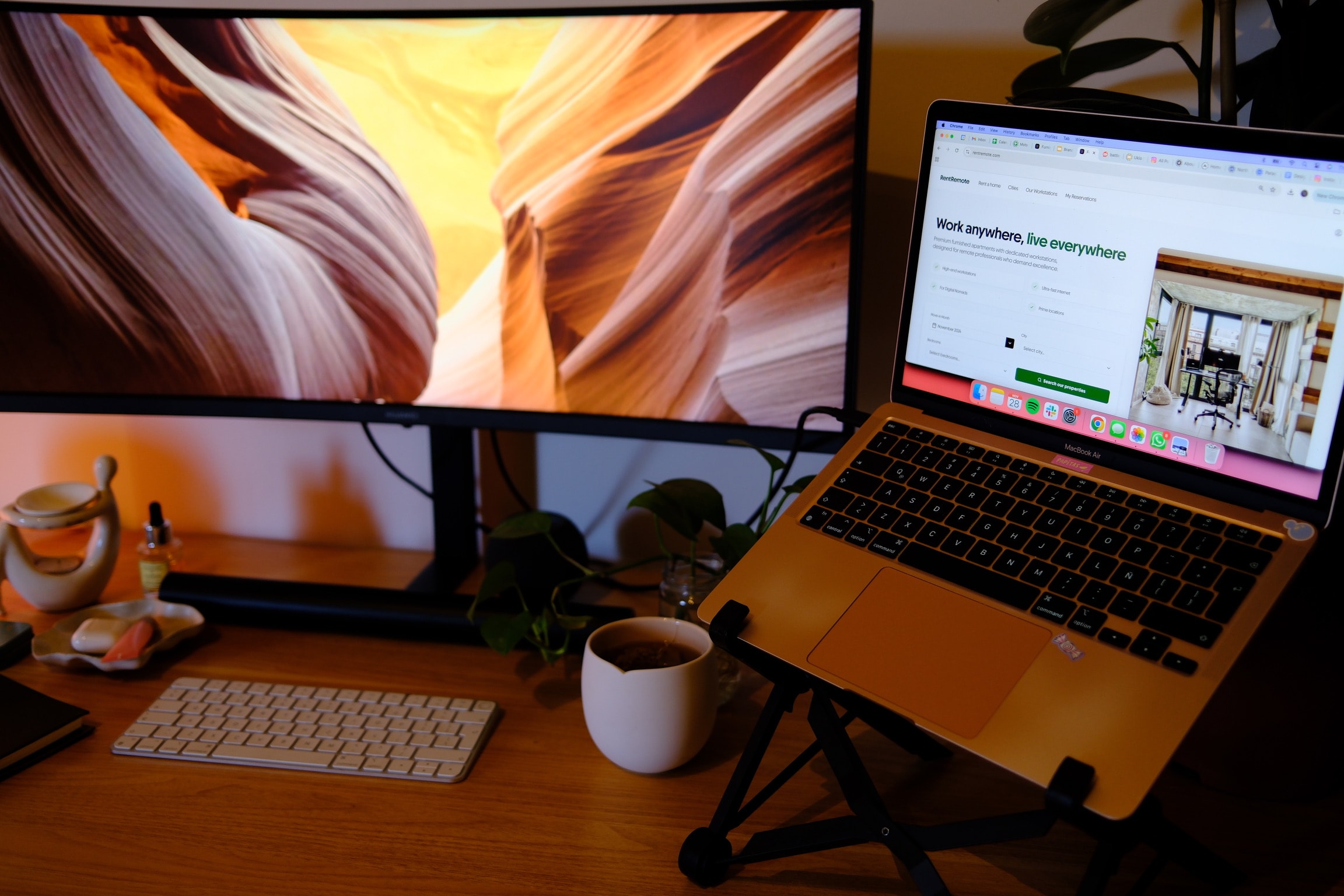
Here’s what life as a digital nomad actually feels like sometimes: arriving in a city alone, Googling “coworking space near me,” and wondering who you’ll talk to this week that isn’t a barista.
The truth? Loneliness is one of the biggest downsides—especially if it’s your first time navigating a new place solo.
Even with fast internet and social apps at your fingertips, staying connected takes real effort. Especially when you only stick around for a short period.
In a recent survey of over 1,000 digital nomads, more than 30% said loneliness was their top challenge—more than finding good WiFi or managing work hours.
You’re Always the New One
Making connections sounds easy until you’ve done it ten cities in a row. Small talk wears thin.
Locals often know you’re leaving. And fellow nomads might be gone before you even remember their name.

It’s Not Just About Dating—It’s About Community
Romance gets tricky, sure. But what really stings is the lack of consistent support.
No friends to call after a hard day. No family around the corner. You’re in Bali and your best friend’s getting married in Berlin. You can’t be two places at once.
Forging meaningful relationships is hard for most people, imagine how difficult it must be when you know no one and you barely speak the language.
Tips to Stay Connected in a New Place
-
Choose cities with strong coworking space scenes (like Lisbon, Medellín, or Chiang Mai)
-
Join meetups and WhatsApp groups for nomads—search “city name + digital nomads”
-
Book places with communal areas to bump into others naturally
-
Prioritize local culture: take a cooking class or join a walking tour to meet locals
-
Stay longer than a short period—it helps build trust and real connections
The RentRemote Difference: Built-In Community, No Forced Vibes
We place our homes in digital nomad hubs—places where connection happens naturally.
Host a coworking session from your living room. Grab coffee with a neighbor who gets your timezone chaos.
You’re not just booking a stay. You’re tapping into a network of people on the same journey.
Because traveling alone shouldn’t mean feeling alone.
3. The Dark Side of the Digital Nomad Lifestyle: No Off Switch
Here’s what most people don’t mention about digital nomadism: freedom without structure quickly turns into chaos.
One minute, you’re at the beach. The next, you’ve forgotten a client deadline and you’re answering emails during what was supposed to be a fun weekend trip with family.
Whether you’re doing freelance work or holding down a remote job, the lack of routine creates two common traps—burnout or aimlessness. And both are easy to fall into when your bed is your office.
A recent study by Buffer found that 27% of digital nomads struggle to unplug, even during personal time.

Freelance Doesn’t Mean Free Time
Especially for nomads relying on freelance work, saying “yes” to every project is tempting. More money, more security—right? But without being careful, your days blur together. There’s no boss telling you to clock out. Only the glare of your screen at 11 PM.
Working From Bed Is Not a Long-Term Plan
Sure, it’s cozy. But it's also the fastest way to build unhealthy habits. Bad posture. Lack of focus. And a mindset where your brain never truly knows when work ends and life begins.
Signs Your Productivity Isn’t Working for You
-
You visit a new city but barely leave your Airbnb
-
You promise yourself “just 30 minutes” on your laptop… and look up three hours later
-
You’ve forgotten what day it is—again
-
Your fun trip turns into catch-up time for missed deadlines
-
You feel guilty anytime you’re not working
The Fix: Separate Your Space from Your Headspace
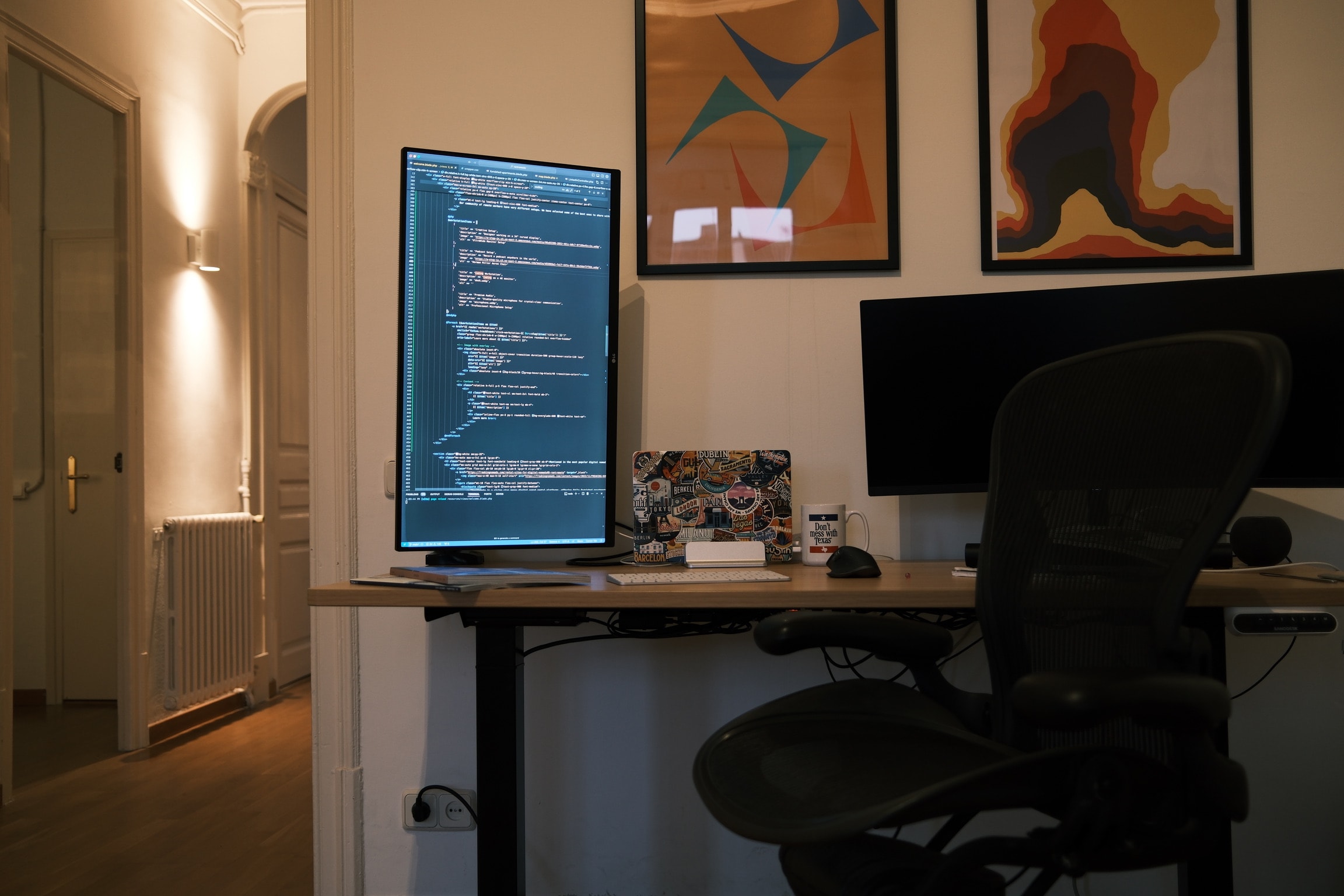
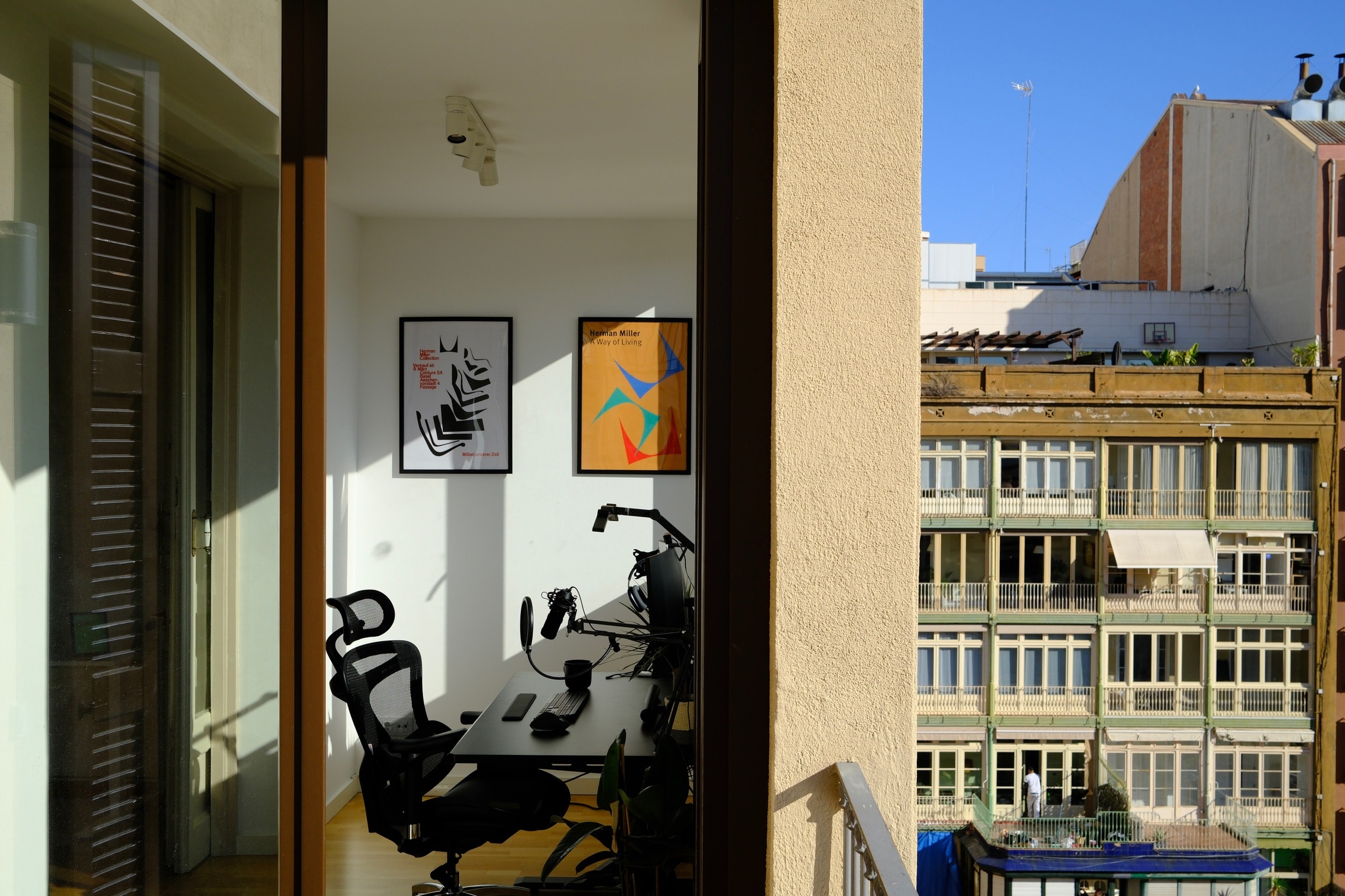
Structure isn’t the enemy of freedom—it’s what makes it sustainable. That’s why we designed every RentRemote home with an ergonomic workstation that signals work time, not nap time.
It’s not just about having a desk. It’s about having a rhythm. A way to enjoy the digital nomad lifestyle without falling into its dark side.
Get your work done. Then close the laptop, and actually enjoy the beach.
4. Wi Fi Struggles Are Still A Nightmare
One of the quiet truths of digital nomadism? Bad internet ruins your day faster than jet lag.
You can be living anywhere in the world, but if your Wi Fi cuts out during a call with a client—or worse, during an interview—you’re not living the dream. You’re losing money and missing important life events.
Even now, in 2025, this is still one of the biggest pain points for nomads. A study from Nomad List found that poor internet is among the top 5 complaints for remote workers traveling full-time.
Cafés Aren’t Workspaces (No Matter How Cute)
We’ve all done it. You order one overpriced cappuccino, plug in, and cross your fingers the signal holds. But cafés aren’t built for conference calls. There’s noise, power outlet battles, and an unspoken time limit.
It’s not a real solution. It’s a gamble.
The Hidden Cost of Chasing Signal
Searching for decent Wi Fi in every city adds up—not just in time, but in stress and living expenses. You waste hours testing coworking spaces, hopping cafés, or relying on shaky Airbnb promises.
Here’s what that scramble usually includes:
-
Booking an Airbnb because it “says” it has fast Wi Fi
-
Spending money on day passes to backup coworking spots
-
Losing connection during client calls
-
Rescheduling meetings you were really looking forward to
-
Missing out on fun because you’re stuck troubleshooting
The RentRemote Standard: Wi Fi That Just Works
We test our internet so you don’t have to. All RentRemote homes come with high-speed Wi Fi optimized for remote work—so you can upload files, run calls, and stream stress-free.
You chose this lifestyle to work from anywhere in the world. Let’s make sure “anywhere” actually works.
5. Health and Wellness Fall Through the Cracks
For many digital nomads, living the dream often means letting go of the basics: movement, food, sleep.
You’re constantly meeting new people, chasing the next destination, and adapting to someone else’s kitchen—or worse, no kitchen at all. And that can quietly wreck your daily life.
This lifestyle can make you less aware of what your body and mind need. You’re having fun, being that spontaneous person—but slowly, the fatigue creeps in.
One study found that many digital nomads report a noticeable drop in physical health within their first six months on the road. Add jet lag and unfamiliar grocery stores, and you’ve got a recipe for burnout.
Lower Cost Doesn’t Always Mean Better for You
Sure, $2 bánh mì and late-night noodles sound great. But if your routine becomes takeout and couch-scroll, it’s time to reassess. Living cheaply shouldn’t mean compromising your health.
Daily Life Deserves a Wellness Check
If your body feels off, your brain will follow. Foggy focus, low energy, mood swings. You’re not just tired—you’re running on empty.
That’s the hidden cost many digital nomads pay. They burn out in paradise.

Simple Habits That Keep You Human
-
Stick to a morning routine—even if it’s just stretching and coffee
-
Walk daily (most nomad cities are perfect for this: Lisbon, Buenos Aires, Valencia)
-
Prioritize places with a kitchen so you’re not eating out every meal
-
Find local markets. Eating well starts with fresh ingredients
-
Make time for movement—even 20 min of yoga or a $5 drop-in gym class helps
-
Stay in touch with old friends to feel like a person, not a tourist
The RentRemote Reality: Workspaces with a Wellness Backbone
We don’t just offer a desk—we offer a reset. Our homes come with kitchens, natural light, space to move, and neighborhoods built for walking.
Because many digital nomads love freedom—but real freedom means feeling good while you’re living it.
7. Financial Instability
The nomadic lifestyle gives you the world—but it rarely gives you predictable cash flow.
One month, you’re up. The next, you’re wondering if that payment from a client in Australia will ever arrive.
Currency fluctuations, surprise tax bills, and shifting rent prices make it hard to budget—especially when you’re crossing countries every few weeks.
It’s not just inconvenient. It’s unstable. And for many digital nomads, financial instability is the quiet stress that can lead to burnout or poor decision-making. A 2023 survey by SafetyWing found that 41% of remote workers list financial unpredictability as their top struggle with this lifestyle.
Feast-or-Famine: A Real Part of the Nomadic Lifestyle
You might land a big freelance contract and splurge a little. But what if next month’s pipeline is empty?
When your income is variable and your expenses are global, you’re not just managing a budget—you’re gambling with your lifestyle.
Why Your Budget Breaks Faster Across Countries
Different countries = different costs. That $12 sushi in Tokyo becomes a $2 lunch in Mexico City. Sounds fun—until your rent, groceries, coworking pass, and mobile data vary wildly with each border crossing.
Without a stable base, it’s hard to plan ahead or save with intention.

Budget-Smart Tips for a Global Lifestyle
-
Pick base cities with lower cost of living and stable expenses (e.g. Medellín, Budapest, Oaxaca)
-
Stay longer—monthly rentals are cheaper than weekly stays
-
Use budgeting apps that handle multiple currencies (like Trail Wallet or Nomad Wallet)
-
Always account for surprise taxes or bank fees when getting paid from abroad
-
If freelancing, set aside 30% of your income for taxes—yes, really
The RentRemote Lead: Stay Longer, Save Smarter
We’ve built guides to help you compare costs and find cities that suit your lifestyle and your wallet. RentRemote homes offer discounts for longer stays, helping you spend less without sacrificing quality.
Freedom is priceless—but that doesn’t mean your housing should be unpredictable. Plan ahead, pick wisely, and lead your own financial rhythm—even when the world doesn’t.
8. Harder to “Switch Off”: The Digital Nomad Trap
Here’s the paradox of digital nomad life: you escaped the 9–5, but now you’re working at 9 and 5... in three different time zones.
No boss? No boundaries. And that’s a problem.
You might be physically in paradise, but mentally, you’re still in Slack—answering pings while your dinner gets cold and your brain runs on fumes.
This isn’t just inconvenient. It’s draining. According to a recent Remote Work & Wellbeing Report, 40% of digital nomads say they struggle to mentally disconnect from work—even more than traditional remote employees.
Time Zone Chaos Is Real
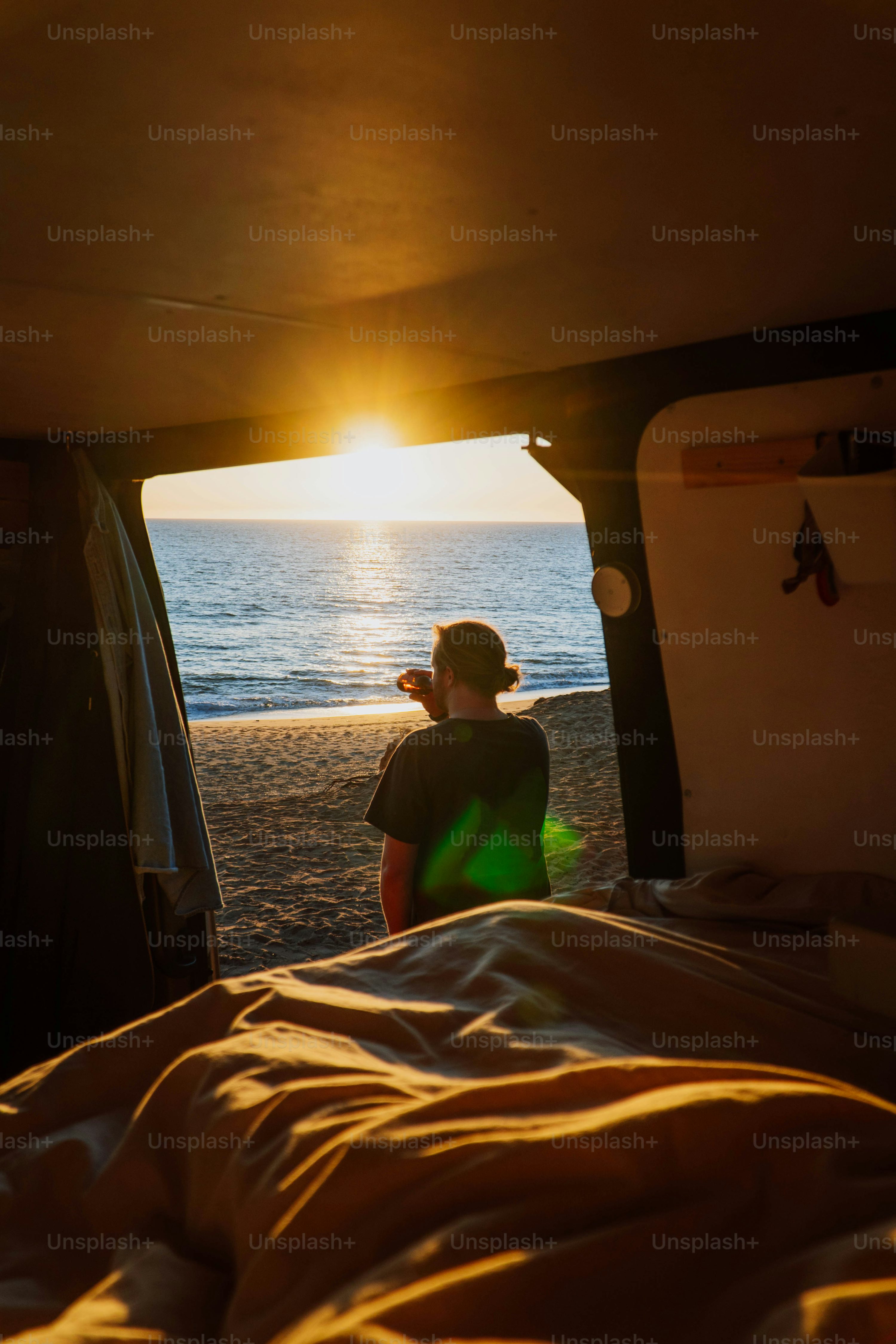
When your team’s in New York, your client’s in Berlin, and you’re living in Bali, your “flexibility” starts to feel like a juggling act. It’s not always the glamorous freedom you imagined—it’s just poor sleep.
Guilt Makes It Worse
You should be enjoying your life. That’s the point, right? But when you’re burned out, even a sunset hike feels like a to-do list item. The pressure to “make the most of it” is heavy—and guilt starts to replace joy.
-
Book apartments in time zones that align with your team or clients
-
Block calendar hours as no work zones—non-negotiable
-
Use tools like Clockwise or Google Calendar’s working hours feature
-
Create a visual boundary: close your laptop and leave your desk
-
Don’t work from bed—ever
Why Your Desk Setup Shapes Your Work-Life Balance
A cluttered couch is not a workspace. And when you blur the line between where you relax and where you hustle, your brain forgets how to switch off.
That’s why every RentRemote apartment includes a dedicated, ergonomic workstation. You walk away from your desk, and the workday ends—even if your office is technically your living room.
Want to enjoy the digital nomad lifestyle and your life? It starts with space. The mental kind and the physical kind.
9. Not All Remote Work Is Created Equal—And That’s Okay
Not every digital nomad job is designed for life on the move.
Some roles expect you to be glued to your laptop for eight hours straight, in a specific time zone, with perfect lighting and zero distractions. And if that’s your setup, bouncing between continents might not actually work.
Just because your company said “remote” doesn’t mean they meant “remote from a hammock in Thailand.”
Midnight meetings, unrealistic expectations, or having to fake a “stable home office” can wear you down fast.
It’s easy to feel like you’re failing the lifestyle when in reality—it just doesn’t fit your current job.
Signs Your Job Isn’t a Match for Full-Time Nomad Life
-
You’re working 9–5 in someone else’s time zone, while you’re 8 hours ahead
-
Your manager keeps asking when you’ll “settle down”
-
You’re expected to be available at all hours, regardless of where you are
-
Your role relies on in-person collaboration (even if it’s “remote”)
-
You feel more stressed than free
Be Honest With Yourself—and Your Boss
If you’re constantly compromising sleep, focus, or sanity, it’s time to rethink either the job or the way you’re doing nomadism.
You don’t have to quit your role or abandon the dream—but it might mean taking fewer trips, staying longer, or finding a company that truly supports location freedom.
There’s no one way to do this. The goal isn’t perfection—it’s alignment.

10. It’s Not Forever—And That’s Not a Failure
The digital nomad lifestyle isn’t a lifelong contract.
Most nomads don’t stay nomads forever—and that’s a sign of growth, not giving up. Burnout happens. Priorities change. You fall in love. You miss your family. Or maybe you just want to buy a rug and not leave it behind.
One day, the idea of living somewhere might sound more exciting than leaving again.
And that’s normal.
A survey from Nomad List shows that over 60% of long-term nomads eventually slow down or stop full-time travel within 5 years.
This lifestyle teaches you more than how to work from anywhere. It teaches you what you need, what you value, and how you want your life to actually feel.
What Comes After the Nomad Years?
-
Setting up a home base you love
-
Building deeper roots without losing your flexibility
-
Finding balance between adventure and comfort
-
Choosing to travel for inspiration, not escape
You don’t have to pick one identity and stick with it forever. The digital nomad chapter might just be one part of your story.
The Dream Works Better with Eyes Open
The digital nomad lifestyle is full of sunrises in new cities, Wi Fi near waterfalls, and mornings that don’t start with a commute.
But it’s also full of chaos, uncertainty, and real-life tradeoffs.
The freedom? It’s worth it. But only when you plan for the mess alongside the magic.
At RentRemote, we don’t promise paradise. We promise a damn good workstation, reliable internet, and a soft landing—so you can do the real work of figuring out how you want to live.
Wherever you go, we’ll be there. Desk included.