










The Freedom Paradox: Why Digital Nomads Are Lonely Inside the Life They Always Wanted
Research shows digital nomads have plenty of social contact — but still feel lonely. Here's the sociology behind it, and why community changes everything.
Nobody talks about this part.
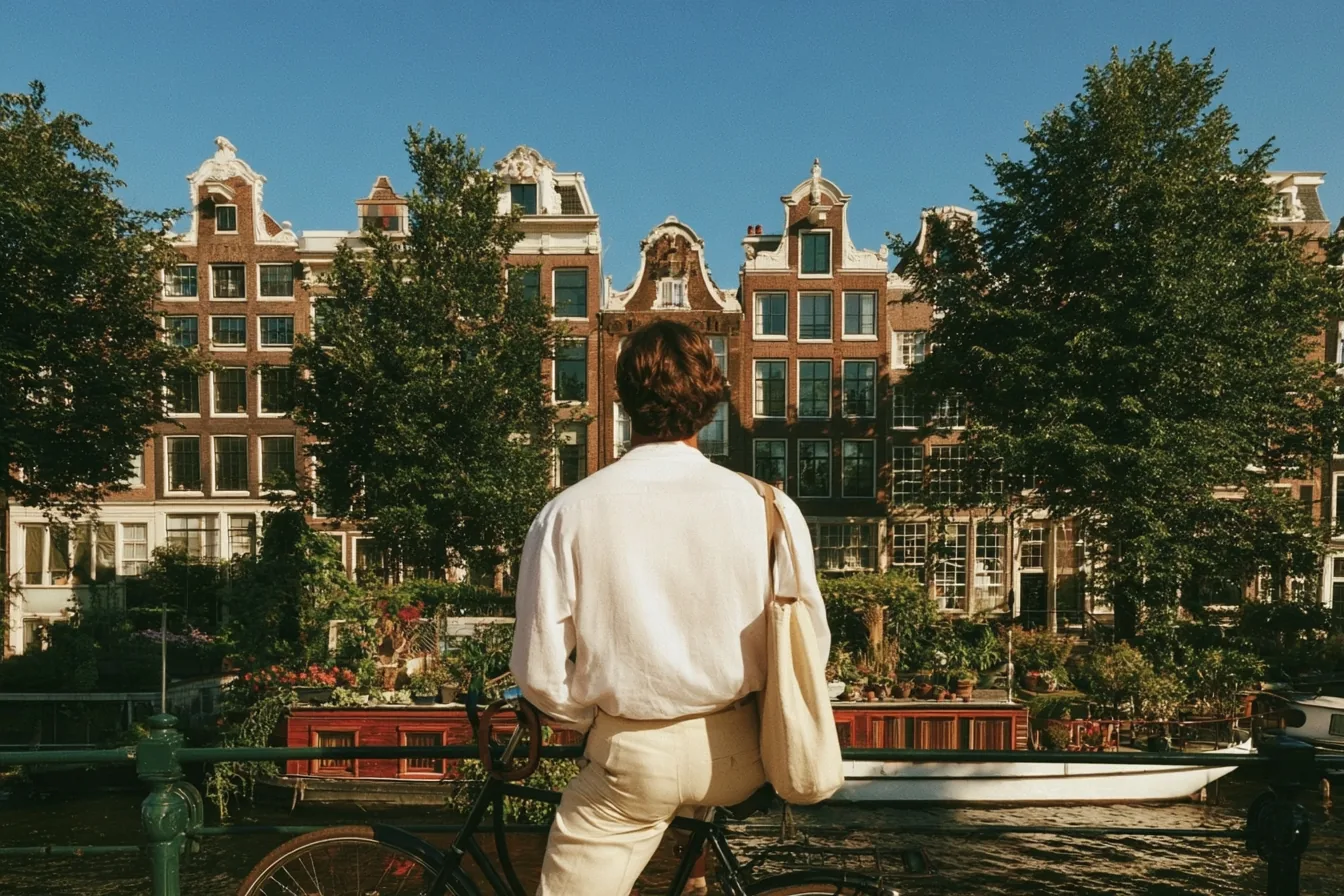
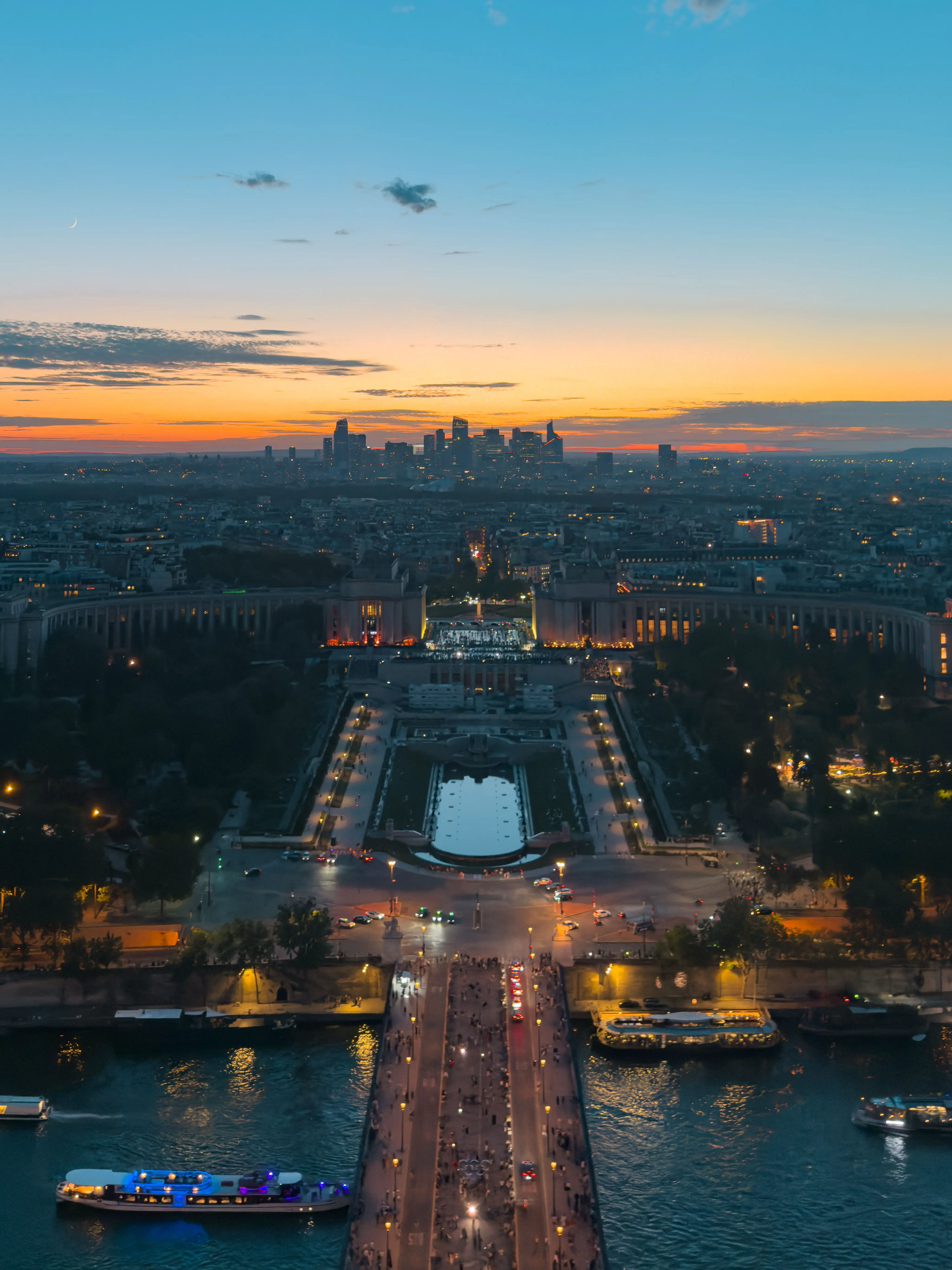
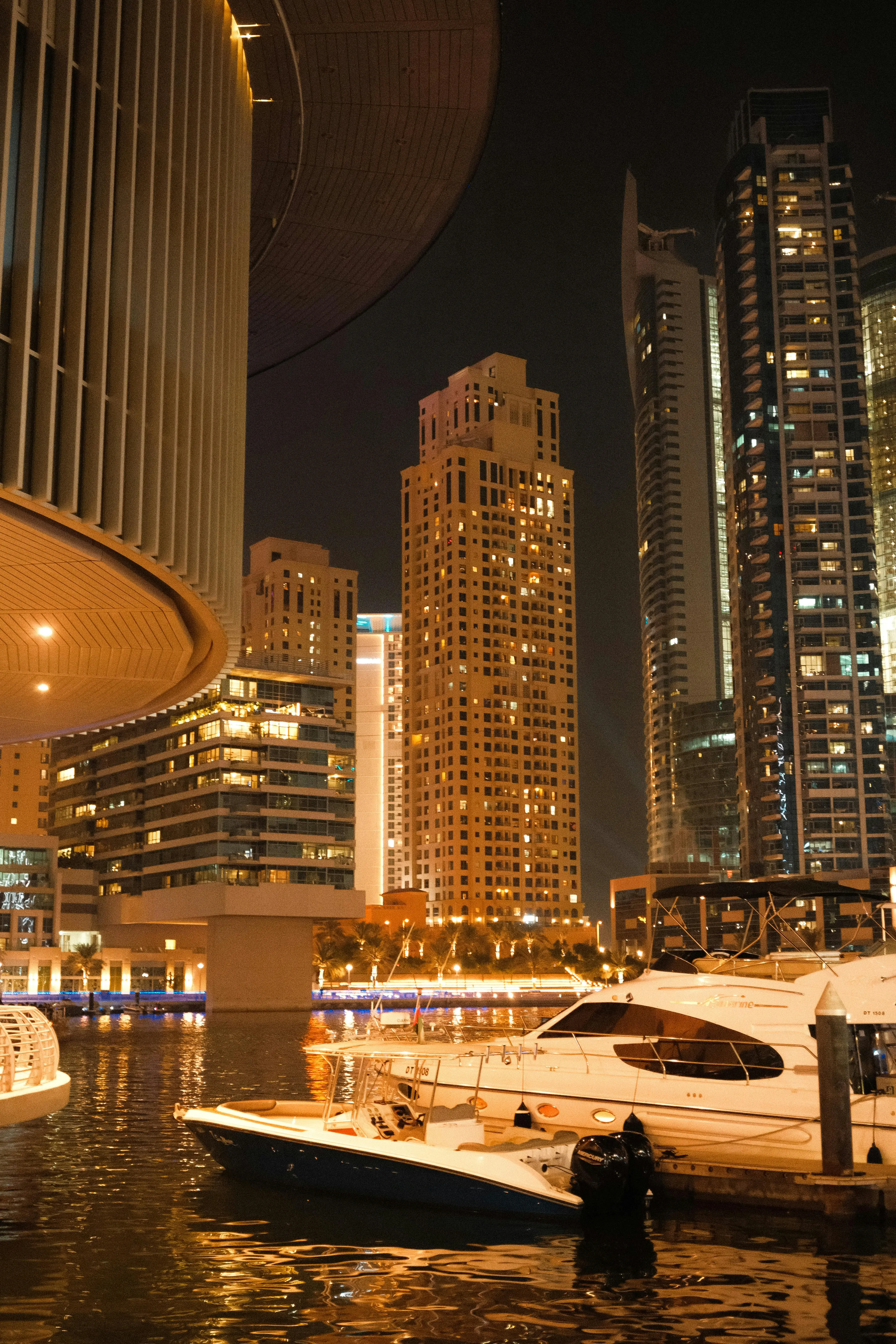
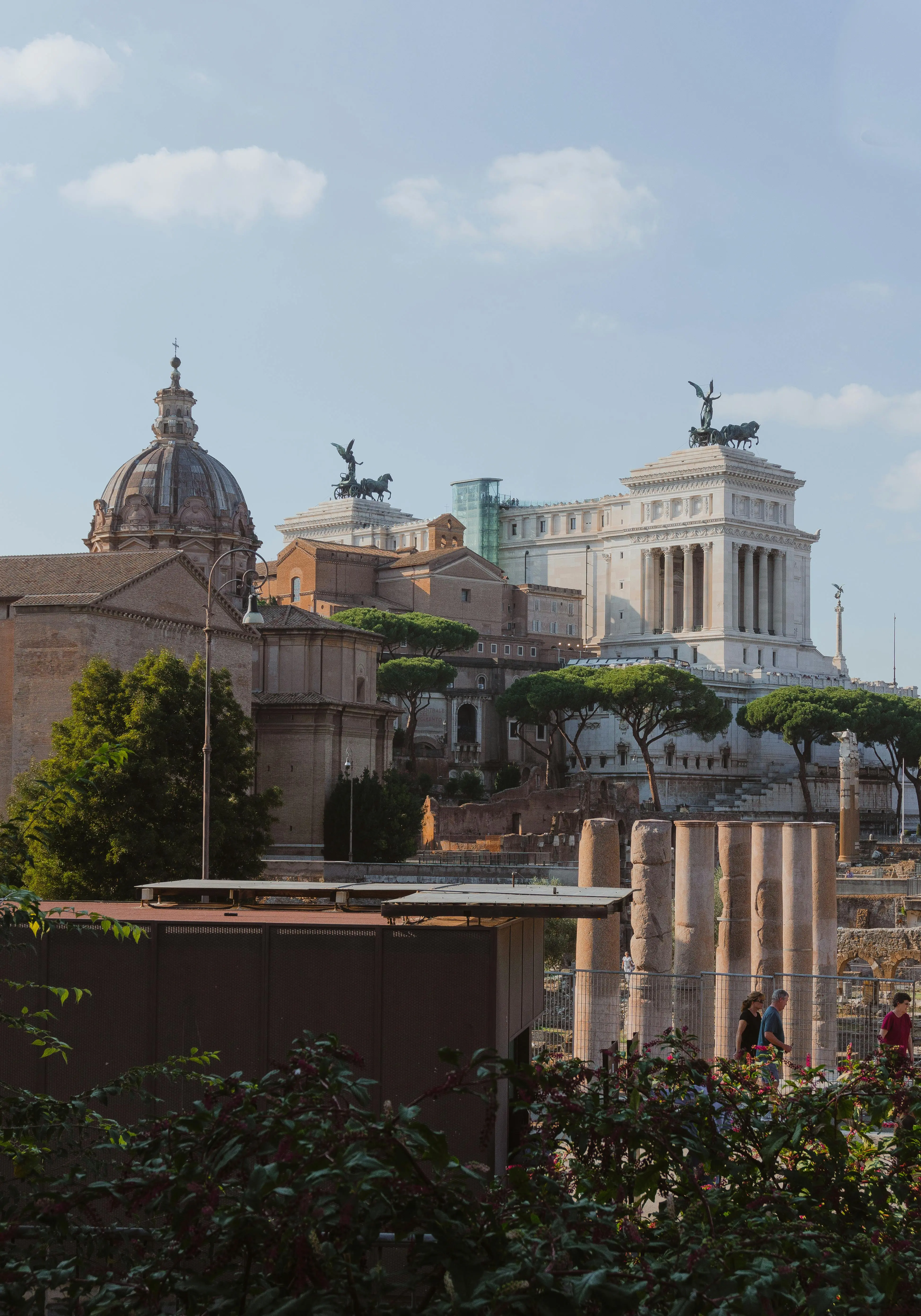
The photos show rooftop cafés and cobblestone streets and golden-hour laptops. The visa guides explain income requirements. The cost-of-living articles compare rent in Lisbon to rent in Buenos Aires. But somewhere between the flight and the furnished apartment and the third city in four months, something else happens — something the content doesn't cover.
A lot of digital nomads are lonely.
Not in the way that's easy to name. Not the loneliness of being alone on a Friday night with nothing to do. More like the loneliness of having plenty of social contact and still feeling untethered. Of meeting interesting people every week and not knowing any of them well enough to call when something goes wrong. Of living inside a life that looks exactly like the one you wanted, and wondering why it doesn't feel more like home.
The Research Nobody Puts in the Headline
Sociologists and psychologists have been studying the digital nomad experience more seriously over the past few years, and the findings are more nuanced than the lifestyle content suggests.
A 2025 study using in-depth interviews with digital nomads described the lifestyle as producing what researchers called "fluid social bonds" — connections that form quickly and dissolve just as quickly, shaped by the transient structure of a life always in motion. The participants in the study didn't lack social contact. In fact, many had more social interactions than they'd had in their previous settled lives. What they lacked was depth. The kind of relationship that builds over years, that survives an ordinary Tuesday, that involves being known rather than just met.
Research published in 2026 in the journal Behaviour & Information Technology found something counterintuitive: perceived freedom strongly predicted the desire to live as a digital nomad — but anticipated loneliness had an even stronger negative effect. Freedom pulls people toward the lifestyle. The fear of loneliness pushes them back. For the millions who make the move anyway, many discover that the fear was warranted, even if the life is still worth it.
A separate body of qualitative research found that participants in nomadic lifestyles consistently described being "in constant search of a sense of belonging, of a community to generate social solidarity." The result, for many, was a gradual shift toward what researchers called semi-nomadism — staying longer, moving less, choosing depth over breadth.
The Paradox at the Centre of It
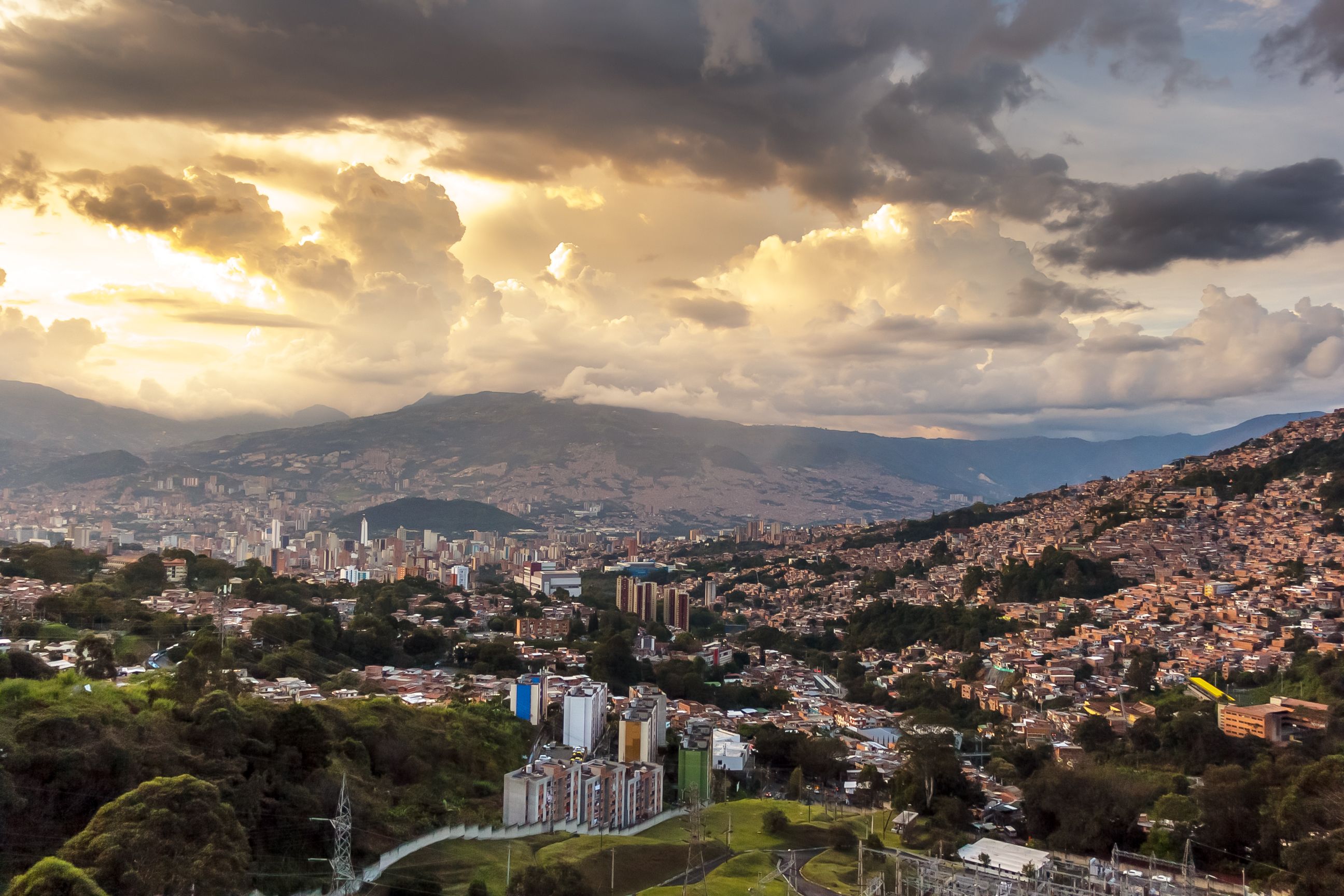
There is something philosophically interesting happening here. The digital nomad lifestyle is built on the idea of freedom — freedom from a fixed location, from a commute, from the particular constraints of settling down in one place. And that freedom is real. The ability to spend three months in Barcelona and three months in Medellin and decide in real time which feels right is not nothing. For many people it represents a genuine expansion of what their life can be.
But freedom and belonging pull in opposite directions. Belonging — the kind that's more than a weekend feeling — requires time. It requires returning to the same café until the barista knows your order. It requires showing up for someone through something difficult. It requires, at some level, being somewhere long enough that the place starts to know you back.
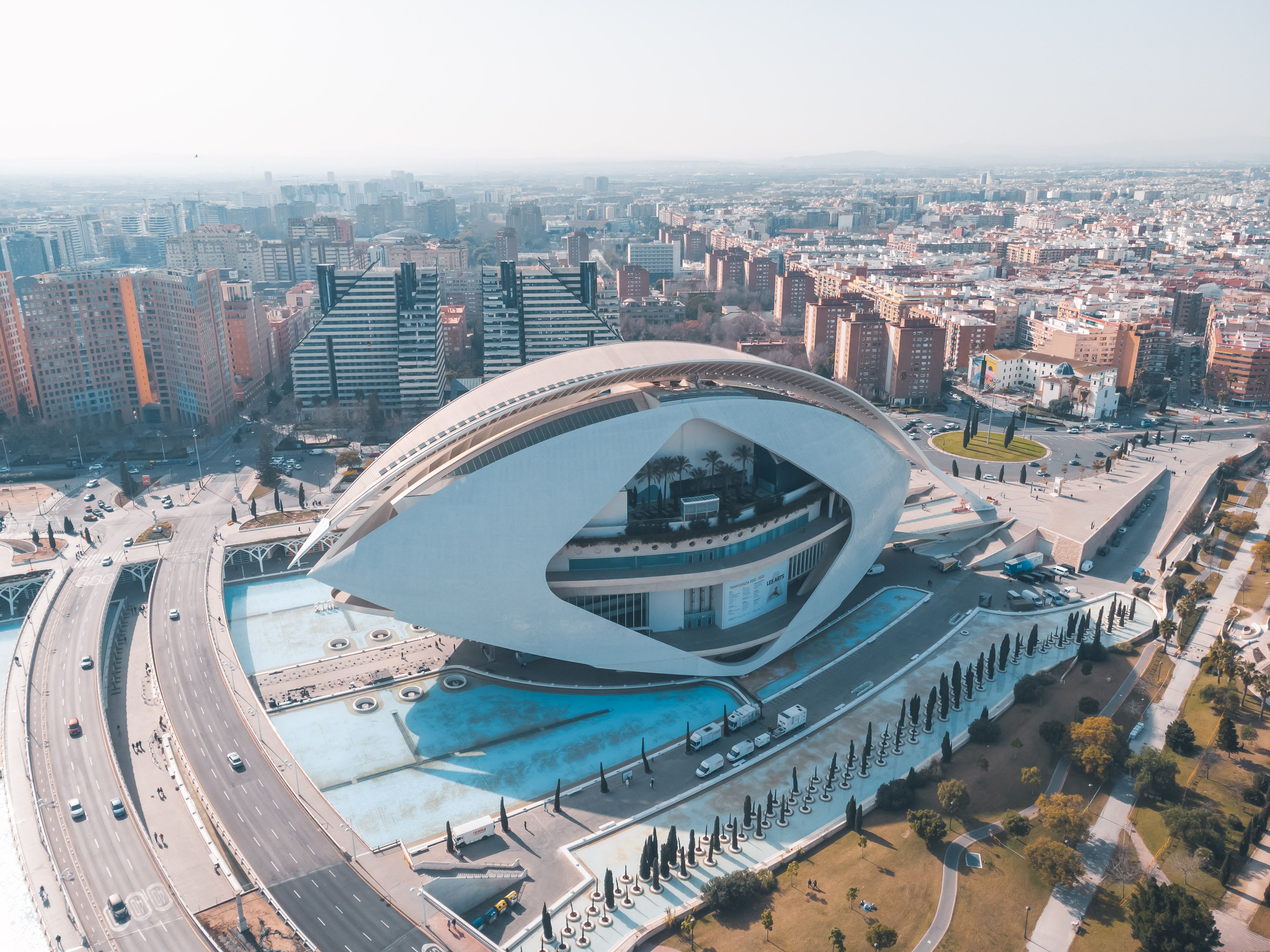
Movement, by contrast, resets the clock constantly. Every new city starts fresh. The social capital you built in Lisbon doesn't transfer to Valencia. The friendships you made in Medellín evaporate when the group disbands and everyone flies to their next destination. New places offer presence — the sharp aliveness of unfamiliar streets, new smells, a language you're only half-following. But presence is not the same as belonging. And for many nomads, at some point, the aliveness starts to feel thin.
Why Slow Travel Is Not Just a Budget Decision
The shift toward slow travel — staying two to six months in one place rather than two to three weeks — is often framed as a financial choice. Monthly apartment rates are lower than weekly ones. Fewer flights mean lower costs. These things are true.
But the deeper driver is something else. Nomads who stay longer in one place report stronger senses of community and belonging. Local neighbourhoods start to feel like home. Routines form. Faces become familiar. The barista stops asking your name. The research consistently shows that the capacity to stay in a place long enough to build a real network is one of the primary factors that determines whether a nomad experiences loneliness or not.
This is what "slomadism" — the emerging term for intentional slow nomadism — is really about. Not a retreat from the lifestyle, but a maturation of it. An acknowledgement that the freedom to move and the desire to belong are not mutually exclusive, but they do require deliberate management. You can have both. You just can't have both at maximum intensity at the same time.
What Community Actually Looks Like on the Road
The nomads who report the highest wellbeing are not necessarily the ones who move the least. They tend to be the ones who are most intentional about building connection wherever they are.
Coliving spaces are one answer — and a growing one. Around 16% of digital nomads are now using coliving arrangements, up from much lower numbers just a few years ago. The appeal is practical: WiFi works, the kitchen has equipment, someone already knows which market is worth going to. But the deeper appeal is structural. Coliving reverses the default social friction of nomad life. Instead of having to opt into every social interaction — finding the events, showing up with energy, introducing yourself again — coliving makes connection the default. You opt out of dinner when you want solitude, rather than having to opt in when you're already tired.
But coliving is not the only model, and it doesn't work for everyone. Many nomads build community through recurring visits — returning to the same cities, the same coworking spaces, the same neighbourhoods often enough that the relationships develop continuity. Others find it through professional communities that exist online but gather periodically in person: developer groups, design communities, founder networks that self-organise around a city for a few months at a time.
What all of these have in common is intentionality. The community doesn't happen automatically. It has to be chosen, and choosing it often means staying still for longer than feels instinctively comfortable.
Where RentRemote Fits Into This
At RentRemote, we think about this more than our apartment listings might suggest.
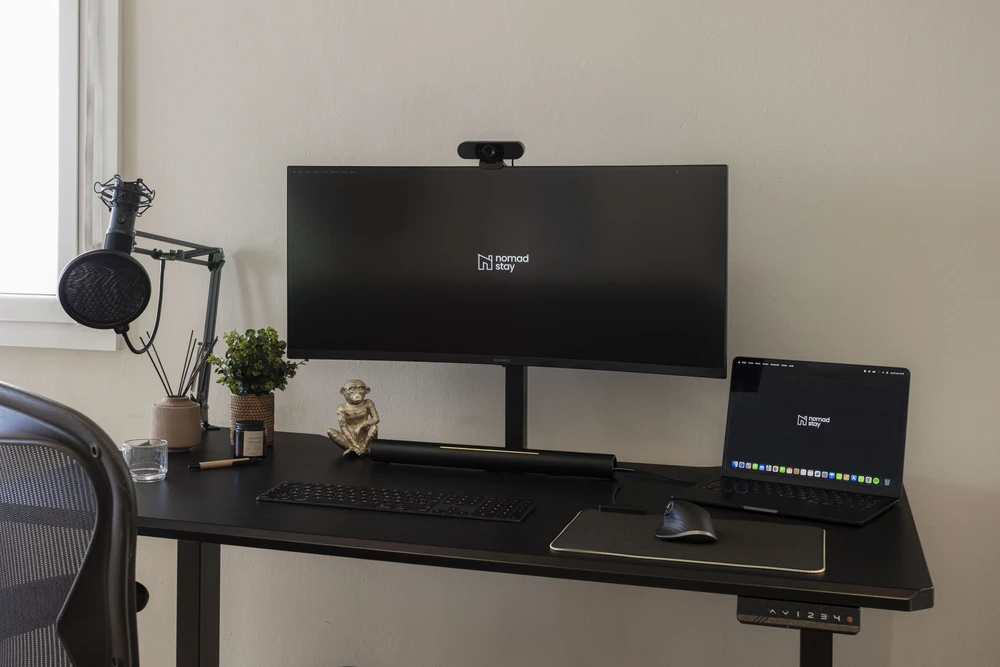
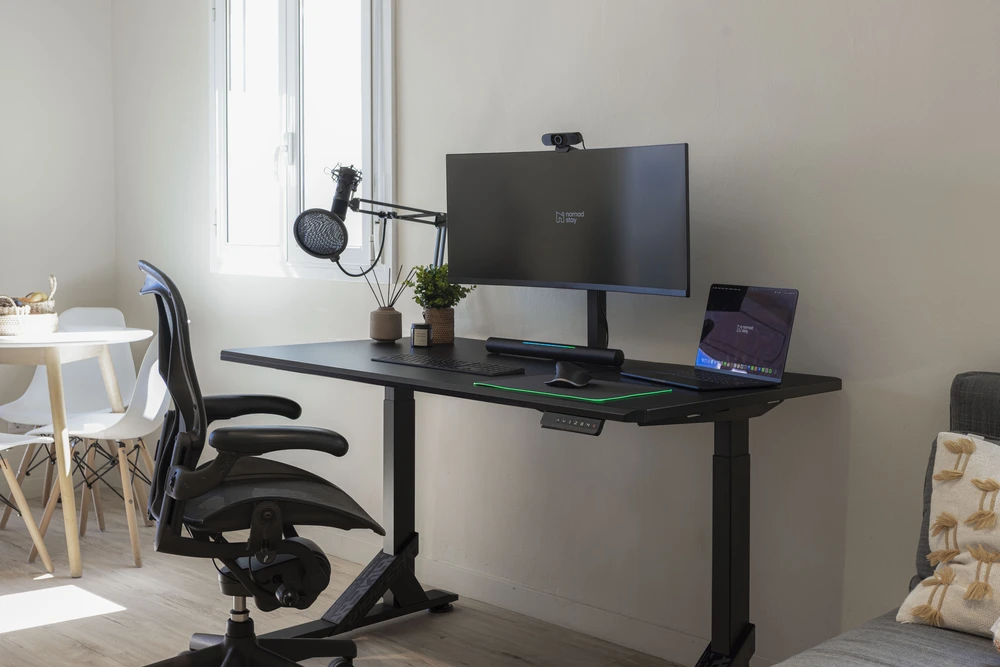
The practical side of what we do is straightforward: furnished apartments with real workstations, in cities people actually want to live in, for the amount of time that actually makes sense. Not three nights. Not twelve months. The middle — the stay that's long enough to matter.
But we're increasingly aware that housing is only part of what makes a city feel like somewhere you actually lived, rather than somewhere you passed through. The rest of it is harder to furnish. It's the Tuesday evening when you're not sure what to do with yourself. It's the first week in a new city before you've figured out where anything is. It's the slow-building question of whether the connections you're making will survive the next flight or dissolve like all the others.
We don't have a complete answer to this yet. What we do know is that the nomads who seem to thrive are the ones who find ways to stay connected to something beyond the next destination — whether that's a coworking community, a recurring city, a longer stay that lets them actually get to know a neighbourhood, or a deliberate choice to slow down and let a place catch up with them.
We're thinking about how RentRemote can be part of that — not just the apartment, but the layer of community around it. More on this soon.
In the meantime, the question worth sitting with isn't which city is next. It's what you want your life to feel like when you get there.
Frequently Asked Questions
Are digital nomads lonely?
Research suggests that loneliness is a common but not universal experience among digital nomads. Studies find that nomads often have plenty of social contact but struggle with depth and continuity — the kind of relationships that build over time. External factors like the capacity to stay in a place long enough to build a real network are among the strongest predictors of whether a nomad experiences loneliness. Nomads who stay longer in one place and build intentional community consistently report higher wellbeing.
What is slomadism?
Slomadism — a blend of "slow" and "nomad" — describes the practice of staying in one location for months rather than weeks. Rather than moving every two to three weeks, slomads typically stay two to six months in one place. The lifestyle prioritises stability, deeper community connections, and sustainable productivity while maintaining location independence. It is increasingly seen as a maturation of the nomad lifestyle rather than a retreat from it.
How do digital nomads build community on the road?
Digital nomads build community through several approaches: coliving spaces, which make social connection the default rather than something to opt into; recurring visits to the same cities and coworking spaces; professional communities that self-organise around locations; and simply staying longer in one place, which allows time for real relationships to develop. Research consistently shows that intentionality about building connection — rather than hoping it happens automatically — is the key differentiator between nomads who thrive socially and those who struggle.
Is the digital nomad lifestyle sustainable long-term?
Research suggests it is sustainable for many people, but often in a modified form. Studies find that many nomads gradually shift toward semi-nomadism — staying longer in fewer places, returning regularly to favourite cities, and building more intentional community structures. The fast-paced, city-hopping version of nomad life tends to produce burnout and loneliness over time. The slower, more deliberate version — described increasingly as slomadism — shows stronger indicators of long-term wellbeing and productivity.
What is the "freedom paradox" for digital nomads?
The freedom paradox refers to the tension between location freedom and the need for belonging. Freedom and belonging pull in opposite directions: belonging requires time, continuity, and staying in one place long enough to be known. Constant movement resets the social clock, making deep relationships difficult to maintain. Research found that perceived freedom strongly predicts nomadic intentions, but anticipated loneliness has an even stronger negative effect. Many nomads discover that managing this tension — rather than ignoring it — is the real skill the lifestyle requires.