








Bhutan Is Now Open to Digital Nomads, and It Is Unlike Any Visa You Have Seen Before
Bhutan launched a Digital Nomad Residence Programme in January 2026 through Gelephu Mindfulness City. Here is what it costs, who qualifies, and whether it is worth the investment.
Bhutan Is Now Open to Digital Nomads, and It Is Unlike Any Visa You Have Seen Before
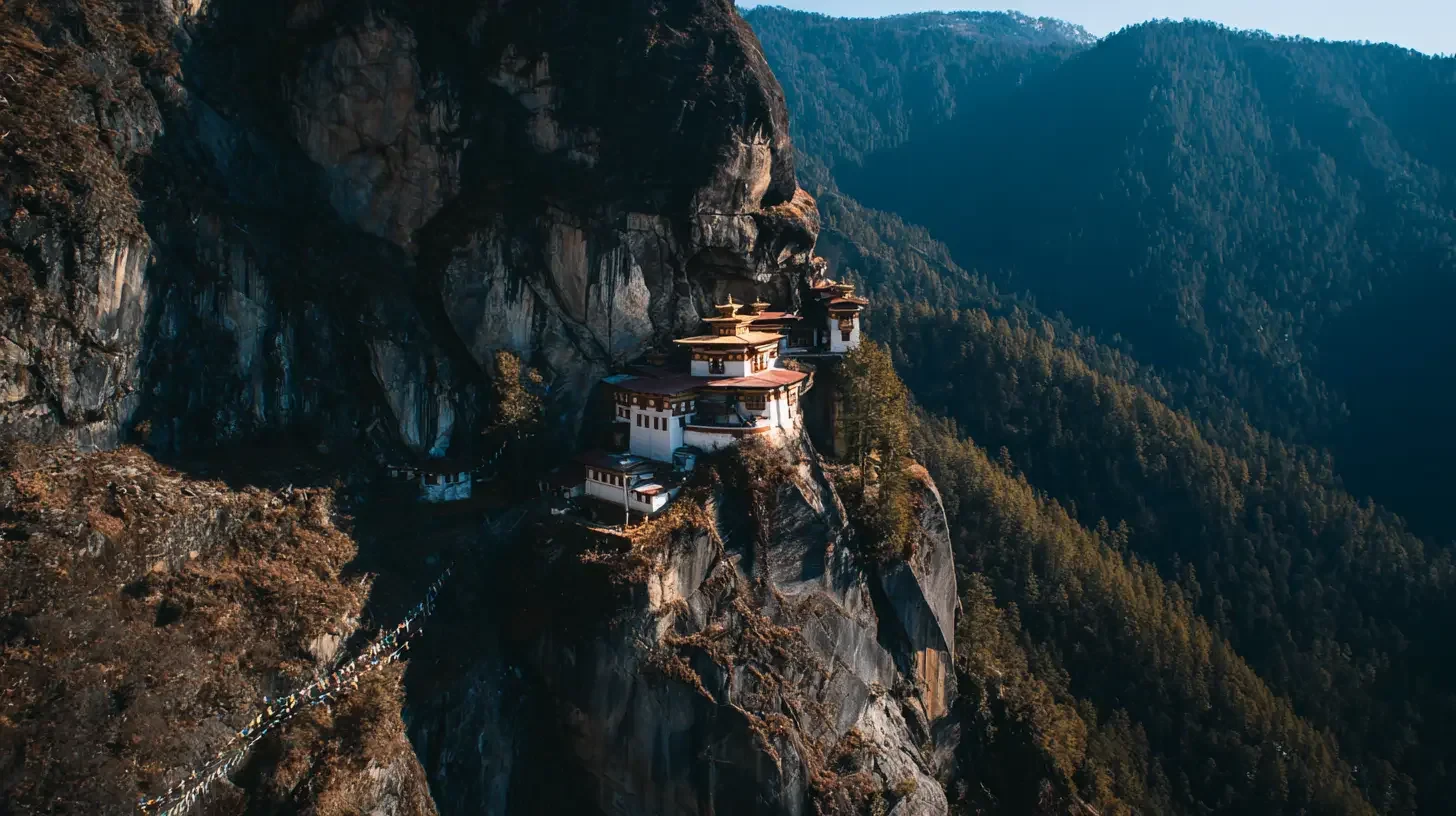
Bhutan has always been the country that said no.
No to mass tourism. No to backpackers. No to the kind of open-door policy that turned other Southeast Asian countries into crowded nomad hubs. For decades, the only way to visit was through an approved tour operator, paying a government-mandated daily fee that kept casual travelers out by design.
That is changing. In January 2026, Bhutan launched a Digital Nomad Residence Programme through Gelephu Mindfulness City, a royal urban development initiative in southern Bhutan. For the first time, remote workers can legally live in Bhutan for up to a year, potentially extendable to two.
The catch is that it is not cheap, it is not simple, and it is not for everyone. But for a specific kind of nomad, it might be the most interesting visa on the market right now.
What the Programme Actually Is
The Bhutan Digital Nomad Residence Programme is run in collaboration with NomadClub through Gelephu Mindfulness City (GMC), a large-scale development project near the Indian border in southern Bhutan. GMC is being positioned as a hub for sustainable innovation and conscious living, and the nomad programme is its first major international initiative.
The permit is for 12 months and renewable up to 24 months total. Once you have it, you can live and travel anywhere in Bhutan, not just in Gelephu. The programme is not restricting you to a single city or development zone.
Bhutan is reviewing applications individually based on professional background and stated alignment with the country's values around sustainability, mindfulness, and long-term impact. There is no strict income requirement listed, which is unusual among nomad visa programs and suggests they are being selective about who gets in rather than setting a financial floor.
The Numbers You Need to Know
The annual fee is USD 2,800.
That alone puts it in the premium tier of nomad visas. For comparison, Portugal's D8 Digital Nomad Visa runs around USD 90 in application fees (though you do need to show sufficient income). Most other established nomad visas are cheaper to enter.
But there is a second financial requirement that makes this genuinely unusual: applicants must hold a minimum balance of USD 10,000 in TER, a gold-backed digital asset used within the GMC financial system, held with DK Bank. This is the part that will make some applicants stop and reconsider.
TER is not a cryptocurrency in the speculative sense, but it is not a bank account in the traditional sense either. It is tied to a specific financial ecosystem built around Gelephu Mindfulness City, and like any financial instrument of this kind, it carries both opportunity and uncertainty. Anyone seriously considering the programme should consult a tax advisor and do their own research on the TER system before committing.
Why This Matters Beyond the Novelty Factor
There are a lot of digital nomad visas in the world now. Over 60 countries have launched some version of one since 2020. Most of them are variations on the same theme: show income over a threshold, pay a fee, get 12 months.
What makes Bhutan different is the question it is asking applicants to answer. Not just "can you afford to be here" but "are you the kind of person we want here?"
The country has spent decades being intentional about who it lets in and why. Its policy of measuring Gross National Happiness instead of GDP is not marketing material. It is actually how the government makes decisions. The nomad programme feels continuous with that philosophy.
For nomads who are frustrated with the homogenization of popular hubs, where Lisbon, Chiang Mai, and Medellin start to feel interchangeable because the same cafes, the same coworking spaces, and the same crowd show up everywhere, Bhutan is a genuinely different kind of offer. It is a country that has actively resisted being consumed by tourism, and now it is testing whether it can open carefully while staying true to that.
Who This Is Actually For
Be honest with yourself about the profile. This programme makes sense if you are:
A remote worker with stable, location-independent income who can absorb a USD 2,800 annual fee without strain. Someone who is drawn to a slower, quieter, values-driven way of living rather than a high-energy nomad scene. Comfortable with the TER financial requirement and willing to do the research to understand it properly. Interested in genuine immersion in a culture that is unlike anything else in Southeast Asia.
It is not the right move if you are cost-conscious, if you need a large English-speaking expat community around you, or if you want the convenience of major international airports and fast visa options.
The Bigger Picture
Bhutan opening to digital nomads is a significant moment. Countries that have historically been very restrictive about access are watching what works elsewhere and building their own versions. What makes the Bhutan model interesting is that it has not just copied the standard template. It has designed a programme around its own values and asked applicants to engage with those values, not just pay a fee.
Whether it works long-term depends on whether the financial infrastructure holds up, whether the TER requirement attracts or deters the right people, and whether Bhutan can maintain what makes it special while welcoming an influx of remote workers who may have very different expectations about daily life.
But as a concept, it is the most original nomad visa launched in years. And sometimes that is reason enough to pay attention.
If Bhutan has ever crossed your mind as a place you would like to spend real time in rather than just a few days on a guided tour, 2026 might be the year to look more seriously at what is now possible.