











Best Cities for Nomads Ranked by Internet Speed
Digital nomad cities ranked by internet speed: Bucharest, Seoul, Tokyo, Lisbon and more, compared on download, upload and cost of living.
Ranked by Internet Speed: Top Digital Nomad Cities
Why Internet Speed Makes or Breaks Remote Workers
Wi-Fi isn’t optional—it’s your career lifeline. For digital nomads, a call dropping mid-meeting or a file stuck in upload isn’t just annoying, it’s a deal-breaker. That’s why internet speed and reliability matter more than anything when choosing where to land next.
How We Ranked the Best Digital Nomad Hotspots
We pulled insights from Speedtest, Nomad List, and other sources to spotlight the best digital nomad cities, where strong WiFi is a given. From the European Union to Central America to the United Arab Emirates, some places have turned into true digital nomad hotspots because they pair lifestyle perks with internet speeds that actually let you work.
Most countries and cities that offer strong WiFi and a thriving community are where work and travel finally click.
Beyond Mbps: Work Smarter, Live Better
Internet speed is only part of the story. The best digital nomad cities give you reliable WiFi, but also coworking spaces, a supportive community, and the kind of lifestyle that keeps you inspired while you work.

The Rankings: Best Digital Nomad Cities by Internet Speed
Fast and reliable internet is the backbone of remote working. For digital nomads, it decides whether a day ends with a finished project or a frozen Zoom call. Recent Speedtest data shows that average global speeds have doubled in the last three years, making more vibrant cities around the world accessible for career-driven nomads. From Asian countries to the European Union, here are destinations where remote workers thrive on reliable internet and a lifestyle that balances cost, culture, and community.
Bucharest, Romania: Reliable Internet on a Budget
- Average speed: 260 Mbps download / 210 Mbps upload
Bucharest is often the first country in Europe digital nomads look at for speed-to-cost value. With internet among the fastest in the world, affordable rent (around $700/month for a central apartment), and plenty of coworking spots, it’s a magnet for other remote workers. Add vibrant cultures, hearty food, and easy access to the rest of the European Union, and you’ve got a solid base. Work from here with a workstation that matches the speed of the city.
Chiang Mai, Thailand: A Digital Nomad Hotspot
- Average speed: 120 Mbps download / 90 Mbps upload
Chiang Mai is a classic. Reliable internet, a strong community of digital nomads, and a cost of living under $1,200/month. The city is full of cafes that welcome laptops, and coworking memberships start around $100. Visa options are flexible, from a tourist visa to long-stay alternatives. Compared to Costa Rica or Mexico City, Chiang Mai still offers one of the most affordable lifestyles for nomads chasing strong WiFi.
Lisbon, Portugal: European Union Access with Style
- Average speed: 180 Mbps download / 120 Mbps upload
Lisbon has become one of the most vibrant cities in the European Union for digital nomads. Between coworking spaces in Alfama and surf breaks in Cascais, it’s where remote workers can live well and work better. The digital nomad visa adds another layer of accessibility, and while the cost of rent has risen ($1,500–$2,000/month for a one-bedroom), the lifestyle keeps people coming back.
Seoul, South Korea: Tech Powerhouse with Reliable Internet
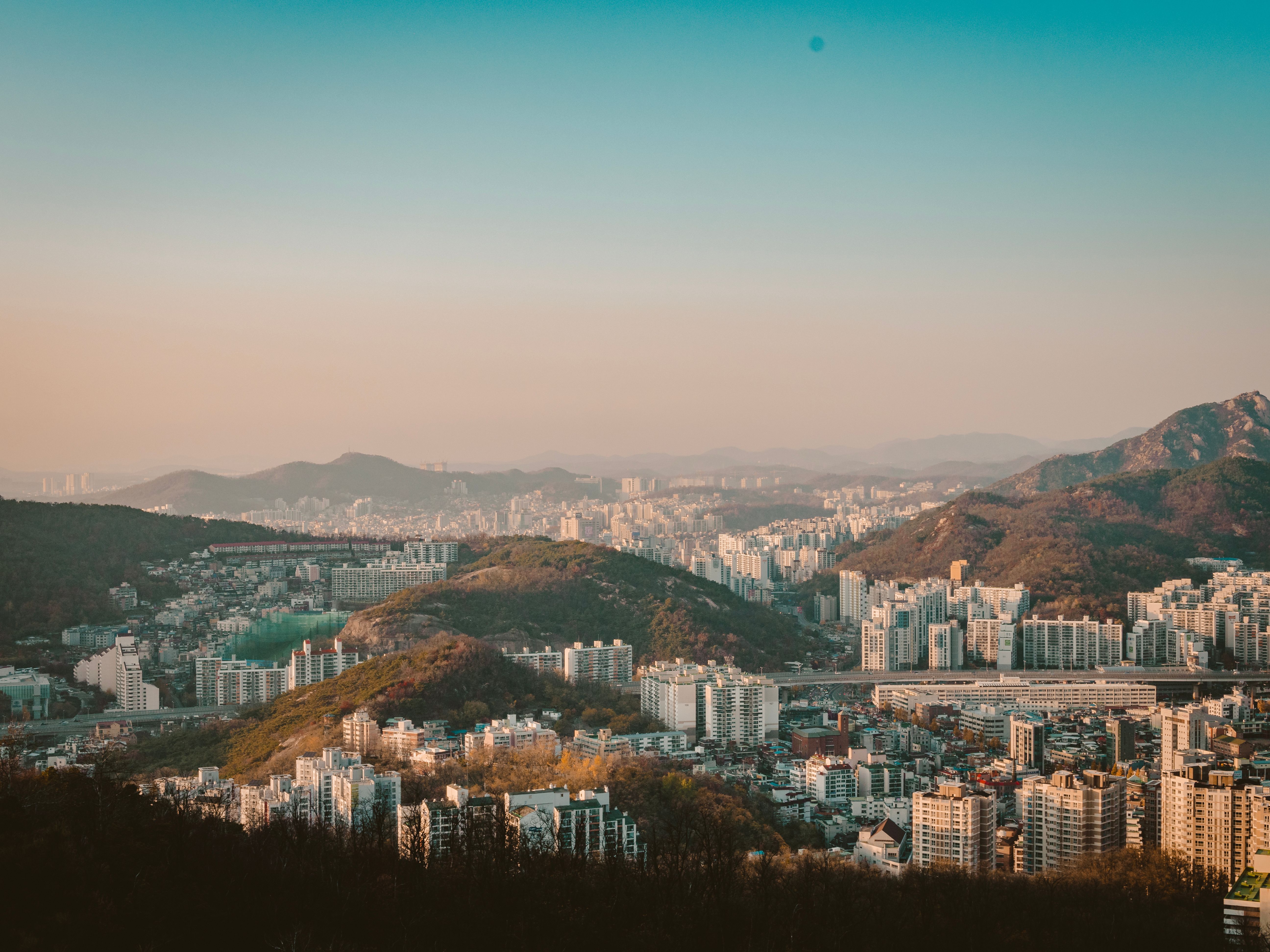
- Average speed: 250 Mbps download / 220 Mbps upload
Seoul ranks consistently among the fastest cities worldwide for internet speed. For digital nomads, that means reliable internet for calls, streaming, or heavy uploads. It’s one of the most modern and vibrant cities in Asia, though the cost of living is higher ($2,000+ per month). Still, the culture, food, and easy flights to other Asian countries make it worth it.
Tallinn, Estonia: The First Country to Embrace Remote Workers
- Average speed: 150 Mbps download / 100 Mbps upload
Tallinn became the first country to launch a digital nomad visa, proving how forward-thinking Estonia is. The city offers affordable rent ($1,000/month average), reliable internet, and a supportive tech ecosystem. For remote workers, it’s a smaller, quieter base, with easy access to the rest of the European Union.
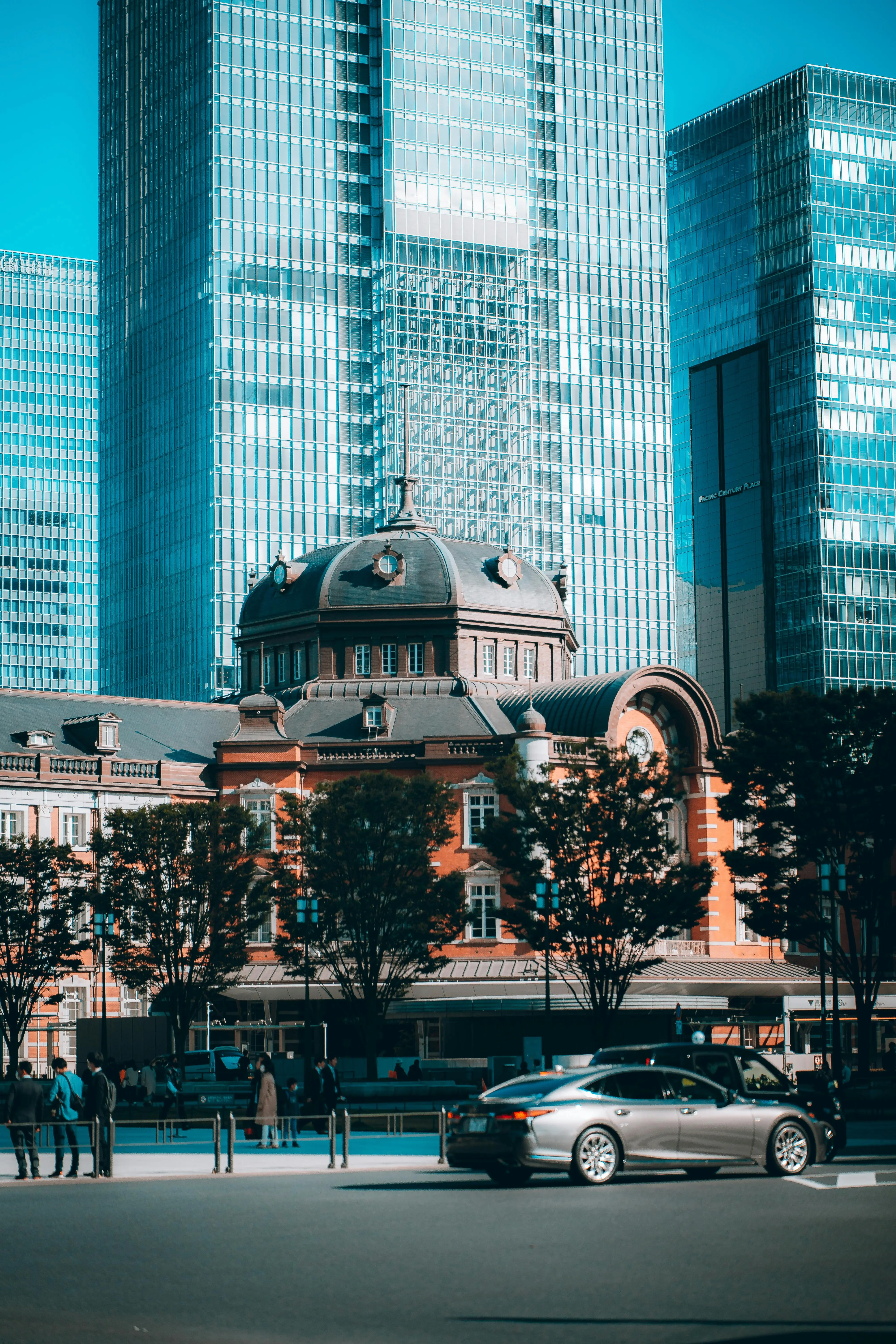
Tokyo, Japan: High-Speed in a World-Class City
- Average speed: 240 Mbps download / 210 Mbps upload
Tokyo blends cutting-edge tech with vibrant cultures. Reliable internet is everywhere, from coworking spaces to cafes. Rent can be high ($2,000–$2,500/month in central areas), but the lifestyle is unmatched. Tokyo is a prime example of Asian countries where remote working feels futuristic yet grounded in tradition.
Madrid, Spain: Vibrant Cities, Balanced Lifestyle
- Average speed: 200 Mbps download / 150 Mbps upload
Madrid offers the full package: reliable internet, a buzzing community of other remote workers, and a central hub in the European Union. Rent averages $1,500/month, but the city’s lifestyle—art, food, sunshine—makes the cost worthwhile. Spain’s digital nomad visa also allows remote workers to stay longer while avoiding local income tax on foreign income.
Tbilisi, Georgia: Visa-Free Living with Reliable Internet
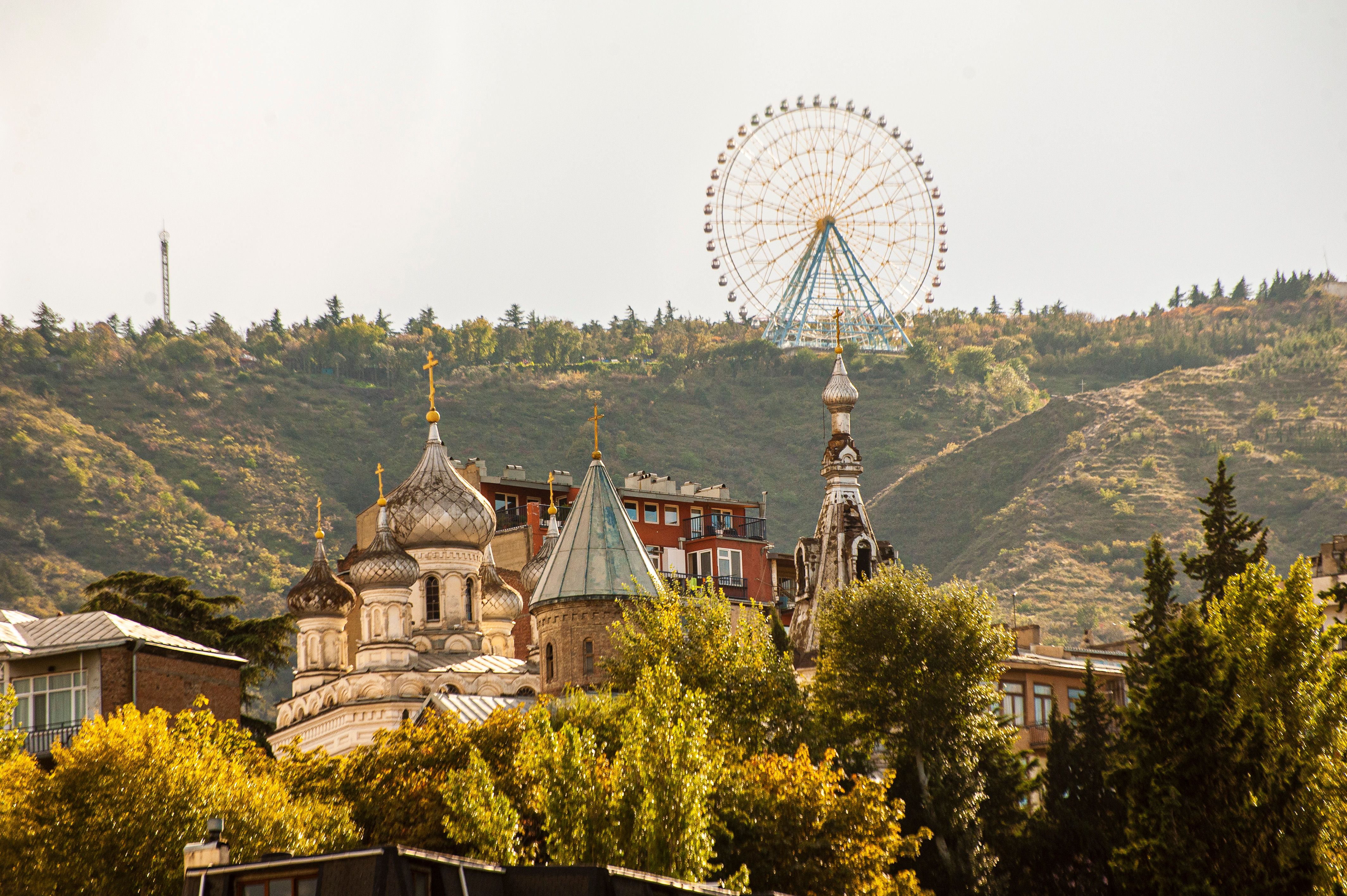
- Average speed: 80 Mbps download / 60 Mbps upload
Tbilisi isn’t the fastest on this list, but it offers stability, affordability ($800/month total living costs), and a one-year visa free stay for many nationalities. It’s quickly becoming a digital nomad hotspot, with a supportive expat community and low barriers to entry. Compared with North Macedonia, another up-and-coming option in the region, Georgia wins out on ease of entry and established nomad networks.
Ho Chi Minh City, Vietnam: Fast Growth, Strong WiFi
- Average speed: 110 Mbps download / 85 Mbps upload
This is one of the most vibrant cities in Southeast Asia for remote workers. Coworking memberships cost around $80/month, and the total cost of living can be as low as $1,000/month. Reliable internet is widely available, and the city’s energy makes it a natural fit for ambitious digital nomads.
Austin, USA: Culture Meets Connectivity
- Average speed: 230 Mbps download / 200 Mbps upload
Austin is a U.S. city that remote workers love for its music, tech culture, and strong WiFi. Rent isn’t cheap (around $2,500/month for a one-bedroom), and you’ll pay local income tax depending on your situation, but the city’s ecosystem of coworking spaces and networking opportunities makes it attractive for digital nomads.
Other Notable Mentions Around the World
-
Buenos Aires, Argentina: Affordable lifestyle ($1,000/month total), a vibrant culture, and reliable internet that rivals many European Union hubs.
-
Cayman Islands: Offers a special remote working visa for those with foreign income, attracting nomads who want Caribbean beaches with strong WiFi.
-
Costa Rica: A favorite in Central America, known for eco-living and a new digital nomad visa, though costs are higher than neighboring countries.
-
Mexico City, Mexico: One of the most vibrant cities in Latin America, blending culture, coworking, and reliable internet at a moderate cost.
-
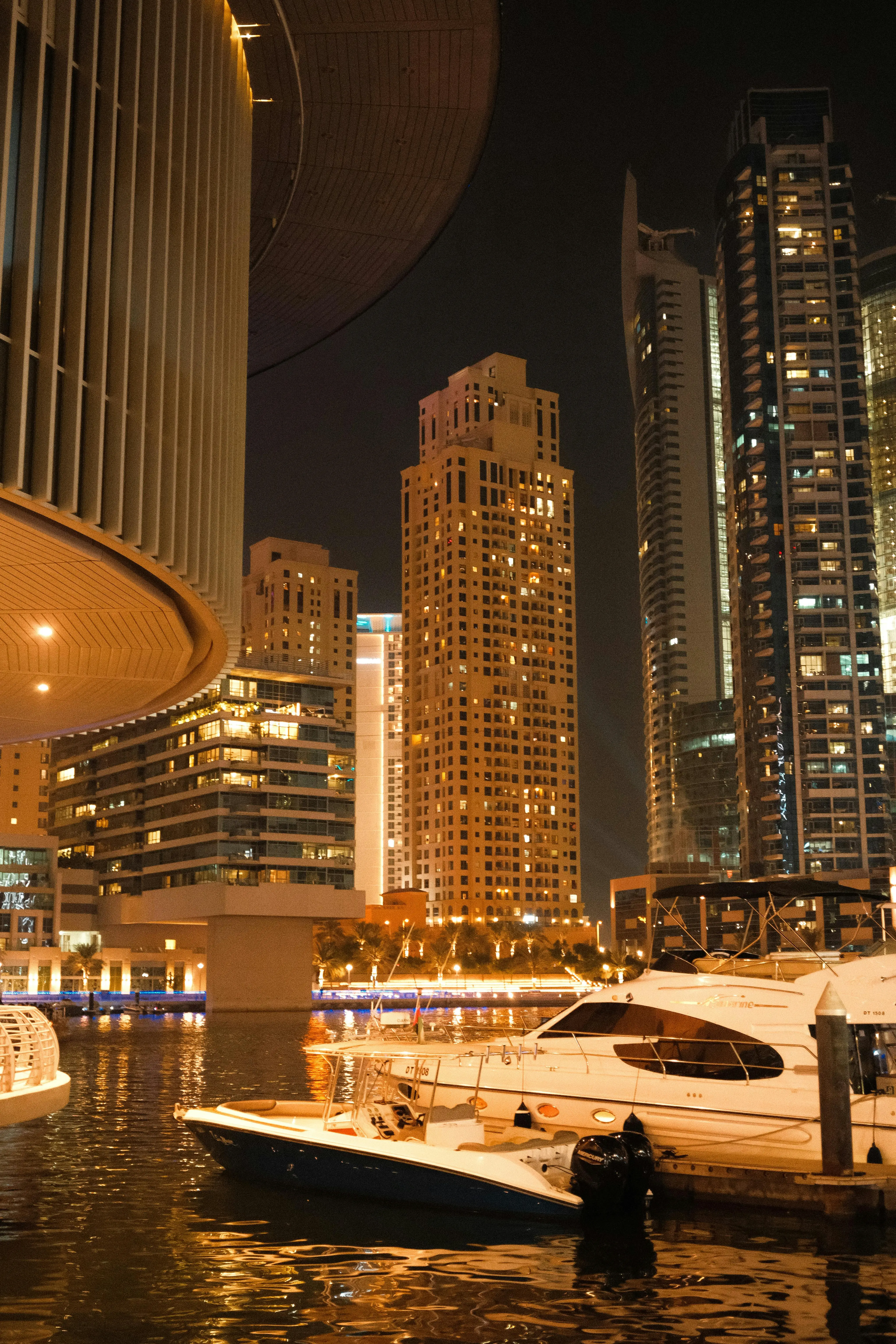
United Arab Emirates (Dubai, Abu Dhabi): High-speed connections and tax advantages, though costs can be steep. Perfect for nomads who want luxury paired with strong infrastructure.
Quick Picks for Remote Workers with Reliable Internet
-
Best for affordability: Bucharest
-
Best for community: Chiang Mai
-
Best lifestyle mix: Lisbon
-
Best tech hub: Seoul
-
Best visa options: Tallinn
-
Best culture-meets-tech: Tokyo
-
Best EU balance: Madrid
-
Best for visa free stay: Tbilisi
-
Best Asian growth city: Ho Chi Minh City
-
Best U.S. option: Austin
-
Best for Caribbean lifestyle: Cayman Islands
Nomad Internet Speed Comparison Table
| City | Avg. Download Speed | Avg. Upload Speed | Cost of Living (Nomad Avg.) | Coworking Density |
|---|---|---|---|---|
| Bucharest, Romania | 260 Mbps | 210 Mbps | $1,200 | High |
| Chiang Mai, Thailand | 120 Mbps | 90 Mbps | $1,200 | High |
| Lisbon, Portugal | 180 Mbps | 120 Mbps | $2,000 | High |
| Seoul, South Korea | 250 Mbps | 220 Mbps | $2,500+ | Very High |
| Tallinn, Estonia | 150 Mbps | 100 Mbps | $1,000 | Moderate |
| Tokyo, Japan | 240 Mbps | 210 Mbps | $2,500+ | Very High |
| Madrid, Spain | 200 Mbps | 150 Mbps | $1,800 | High |
| Tbilisi, Georgia | 80 Mbps | 60 Mbps | $800 | Moderate |
| Ho Chi Minh City, Vietnam | 110 Mbps | 85 Mbps | $1,000 | High |
| Austin, USA | 230 Mbps | 200 Mbps | $2,500+ | Very High |
| Buenos Aires, Argentina | 100 Mbps | 80 Mbps | $1,000 | Moderate |
| Cayman Islands | 150 Mbps | 120 Mbps | $3,000+ | Low |
| Costa Rica | 90 Mbps | 70 Mbps | $2,000 | Moderate |
| Mexico City, Mexico | 110 Mbps | 80 Mbps | $1,500 | High |
| United Arab Emirates (Dubai/Abu Dhabi) | 200 Mbps | 180 Mbps | $3,000+ | Very High |
Methodology: How These Cities Were Ranked
Internet Quality and Why It Matters for Remote Workers

When digital nomads choose their next destination, the first thing they ask is simple: how’s the WiFi? Internet quality can make or break the digital nomad lifestyle. A strong connection means video calls that don’t freeze, file uploads that don’t stall, and fewer wasted hours hunting for a café with working sockets. According to Speedtest’s 2023 Global Index, most countries have seen average speeds increase by more than 30% over the last two years—good news for many digital nomads who rely on reliable internet to keep their workday smooth.
Core Metrics: What We Measured
To highlight the best countries and cities, we looked at more than just speed. We compared developed infrastructure, availability of coworking spaces, and whether digital nomads can realistically set up life there.
-
Average internet speed and reliability (measured by Mbps download and upload)
-
Coworking availability (number of spaces per city, cost from $80–$300/month)
-
Lifestyle factors (monthly rent, food costs, transit)
-
Visa options (digital nomad visa, tourist visa, or visa-free entry in most countries)
-
Tax considerations (income tax exemptions for foreign workers in some locations)
-
Community (size of diverse communities of other nomads)
Secondary Factors That Shape Life Abroad
Internet speed alone doesn’t tell the full story. A city might score high in Mbps but low in affordability. Cost of living, ranging anywhere from $800/month in Tbilisi to $3,000+ in the United Arab Emirates, is a deciding factor for remote workers. Equally important is the presence of diverse communities and welcoming environments that make countries feel like home rather than a quick stopover.
Why the Best Countries for Digital Nomads Stand Out
The world is full of options, but not every country works equally well for remote working. Places with developed infrastructure, clear visa paths, and strong local networks consistently rise to the top. For digital nomads, choosing the right balance of cost, lifestyle, and internet quality is less about chasing the cheapest deal and more about finding where life and work can both thrive.
Beyond the Numbers: What Digital Nomads Should Weigh Up

Internet Speed Doesn’t Guarantee Stability for Those Who Work Remotely
Internet speeds look great on paper, but digital nomads quickly learn that reliability is another story. In many countries, outages or ISP bottlenecks can ruin your day, even if you’re paying for “high speed.” A 2022 survey of remote workers found that over 40% experienced at least one major outage per month while abroad. Backup options like mobile data or coworking memberships are worth the extra monthly income you set aside.
Time Zones and Life Balance Matter
Even if a city has reliable connections and low cost living, its time zone can make or break client work. Taking calls at 3 a.m. doesn’t make for a sustainable life, no matter how cheap the rent is. That’s why many digital nomads spend a few months testing regions until they find one that fits their schedule.
More Than Mbps: Lifestyle Beyond the Screen
Fast WiFi won’t keep you motivated if the city feels isolating. A friendly atmosphere, excellent food, and diverse communities matter just as much as infrastructure. Countries that offer affordable health insurance or an easy work permit also rise higher on the list, since those details shape daily life in ways internet speed can’t.
Key Things to Weigh Beyond Internet Speed
-
Backup connections (mobile data, coworking memberships, or local SIMs)
-
Monthly income vs. city costs (rent, food, transit)
-
Health insurance and access to care
-
Work permit or visa options that allow digital nomads to stay more than a few months
-
Friendly atmosphere and cultural fit in cities across the world
Tips for Digital Nomads: Staying Connected Anywhere
Why Backup Matters for Remote Workers in All Countries
The world is full of beautiful country destinations where digital nomads can live well on a low cost budget, enjoy delicious food, and still work remotely. But even in places with developed networks, internet can drop without warning. Many professionals know that a single outage can cost more than just patience—it can derail a client call or delay a deadline. A 2022 survey of remote workers found that 63% had experienced major connectivity issues in the past year, proving that backup plans aren’t optional.
Border Runs, Visas, and Connectivity
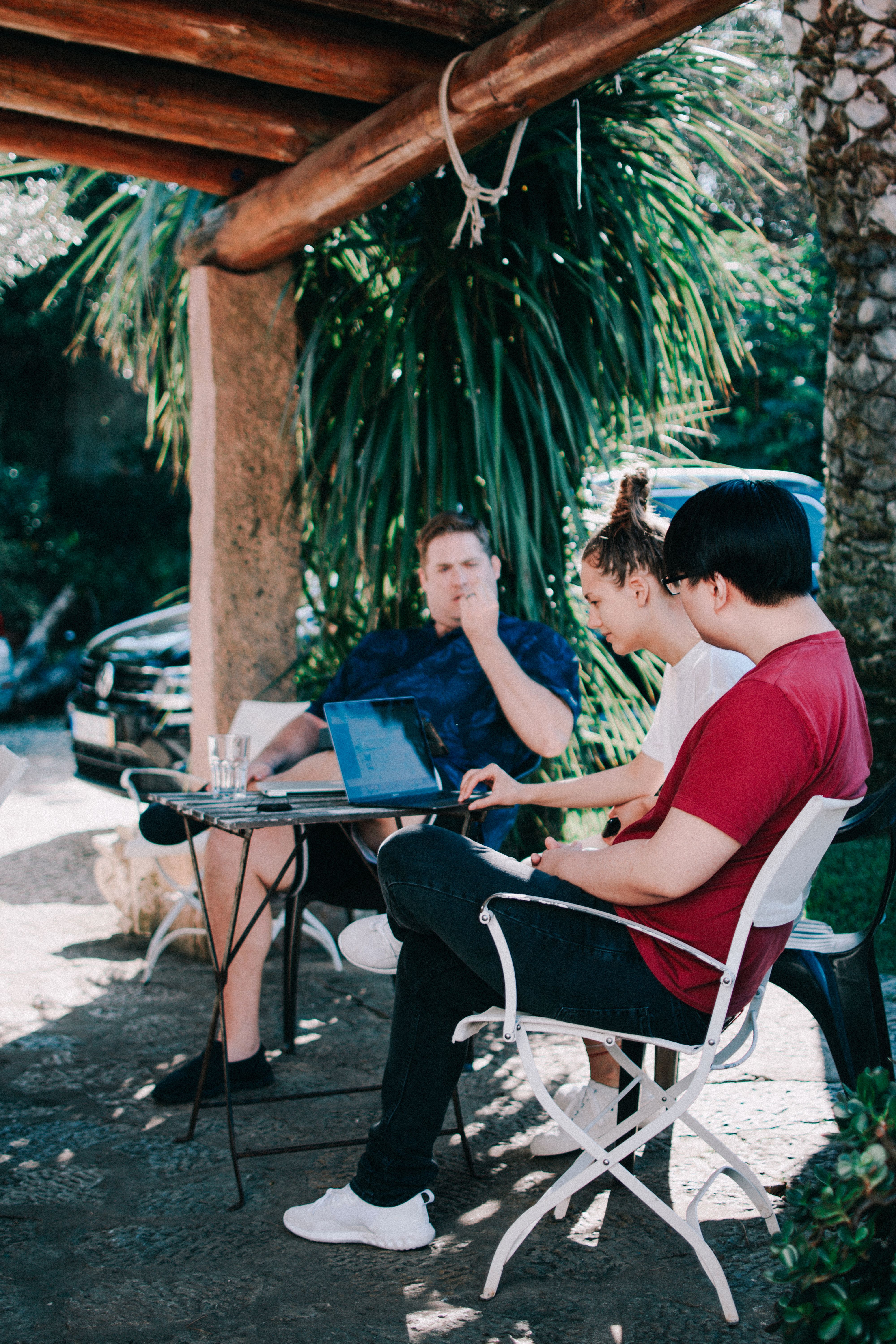
Some countries make it easy by allowing digital nomads or remote workers to stay long-term through a digital nomad visa. Others require border runs on tourist visas, which makes stable access to coworking spaces even more important. Before choosing your next base, check not only the visa rules but also how reliable the internet really is on the ground.
Practical Backup Options for Digital Nomads
Even in the best-connected countries, having a Plan B saves the day.
-
eSIMs: Instant data in most countries, often under $10/GB.
-
Starlink: Portable satellite internet, useful in rural or beach areas.
-
Portable routers: Shareable WiFi for teams or other digital nomads traveling together.
-
Coworking day passes: $10–$25/day in many coworking spaces, allowing remote workers to plug in fast without a monthly commitment.
RentRemote Angle: Workstations that Don’t Depend on Cafés
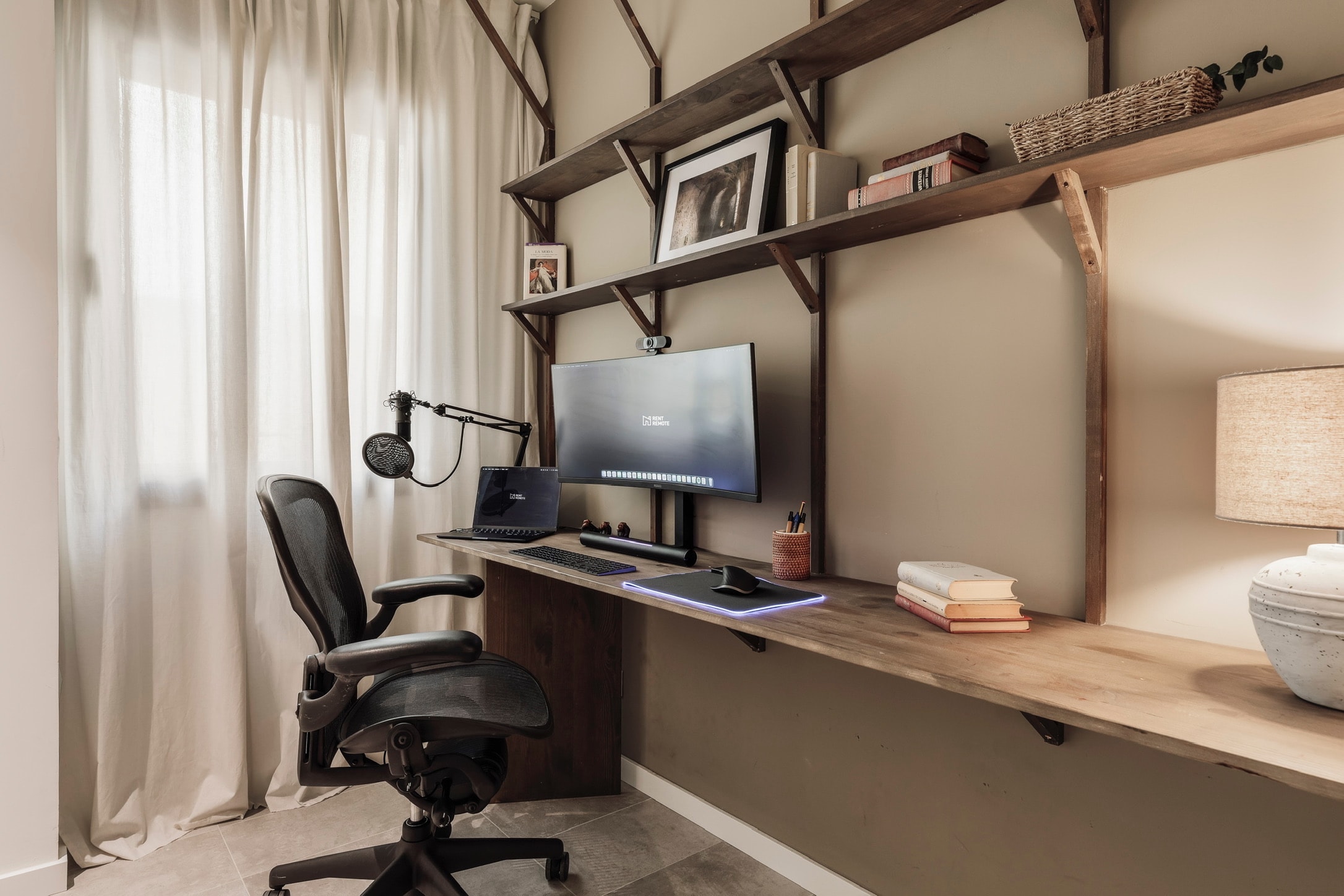
Internet backups help, but the real game-changer is starting from a base designed for productivity. RentRemote apartments come with workstations that ensure you’re not juggling café noise, bad chairs, or uneven connections. It’s the difference between squeezing work in and building a sustainable digital nomad lifestyle.
Conclusion: Fast Internet, Faster Lifestyle
The top cities for digital nomads prove that reliable internet can open doors to better work and better days. From developed infrastructure in Seoul to the low cost living in Tbilisi, these countries and cities show how remote workers can thrive anywhere in the world.
But connection speed is only half the story. What matters most is how you design your workday—balancing productivity with life, community, and the freedom to explore.
Wherever you go, RentRemote makes sure your workstation is as solid as your connection.

FAQs: Cities Ranked by Internet Speed
What are the best cities for nomads ranked by internet speed?
Cities like Bucharest, Seoul, Lisbon, Tokyo, and Madrid consistently rank high thanks to reliable internet, developed infrastructure, and large nomad communities.
Which city has the fastest internet for digital nomads?
Seoul and Bucharest often top global lists, with average speeds above 200 Mbps for both download and upload.
How reliable is Wi-Fi in Southeast Asia for nomads?
Southeast Asia has improved dramatically. Cities like Chiang Mai and Ho Chi Minh City now offer stable connections, though rural areas may still need backup options like eSIMs or portable routers.
Are coworking spaces better than home internet for speed?
In many countries, yes. Coworking spaces often invest in business-grade connections and backups, making them more reliable than rental apartments or cafés.
Which European cities have the best internet for remote work?
Bucharest, Lisbon, Tallinn, and Madrid are standouts in the European Union, offering both strong connections and thriving digital nomad communities.
Is mobile internet fast enough for working remotely?
In most countries, 4G and 5G speeds are fast enough for video calls and daily tasks. However, for heavy uploads or streaming, fixed broadband or coworking spaces are still safer bets.
How do I check internet speed before moving to a city?
Use tools like Speedtest’s Global Index or community reviews on Nomad List. Many digital nomads also recommend testing speeds with a local SIM upon arrival to confirm real-world performance.