









The Algarve Is No Longer Just for Holiday Rentals: Why Remote Workers Are Finally Taking It Seriously
The Algarve now has coworking spaces, fiber internet, and direct transatlantic flights. Here's why it deserves a second look as a remote work base in Portugal.
Most Portugal content sends you straight to Lisbon. The trams, the pasteis de nata, the trendy neighbourhoods in Mouraria and LX Factory. It is a great city, genuinely. But it has also become one of the more expensive places to rent in Western Europe, with median rents pushing past 1,700 euros a month in the city proper.
The Algarve used to be the answer to that, except the common wisdom was that the Algarve was a holiday destination, not a place to actually live and work. Sun, beaches, short-term Airbnbs. Not the kind of place you could build a productive remote work base.
That is changing fast.

The Infrastructure Has Finally Arrived
The Algarve has been rolling out fibre-optic connectivity across the region over the past two years. That sounds like a mundane infrastructure update, but for anyone who has tried to work remotely from a rural beach house on a sluggish ADSL connection, it matters enormously.
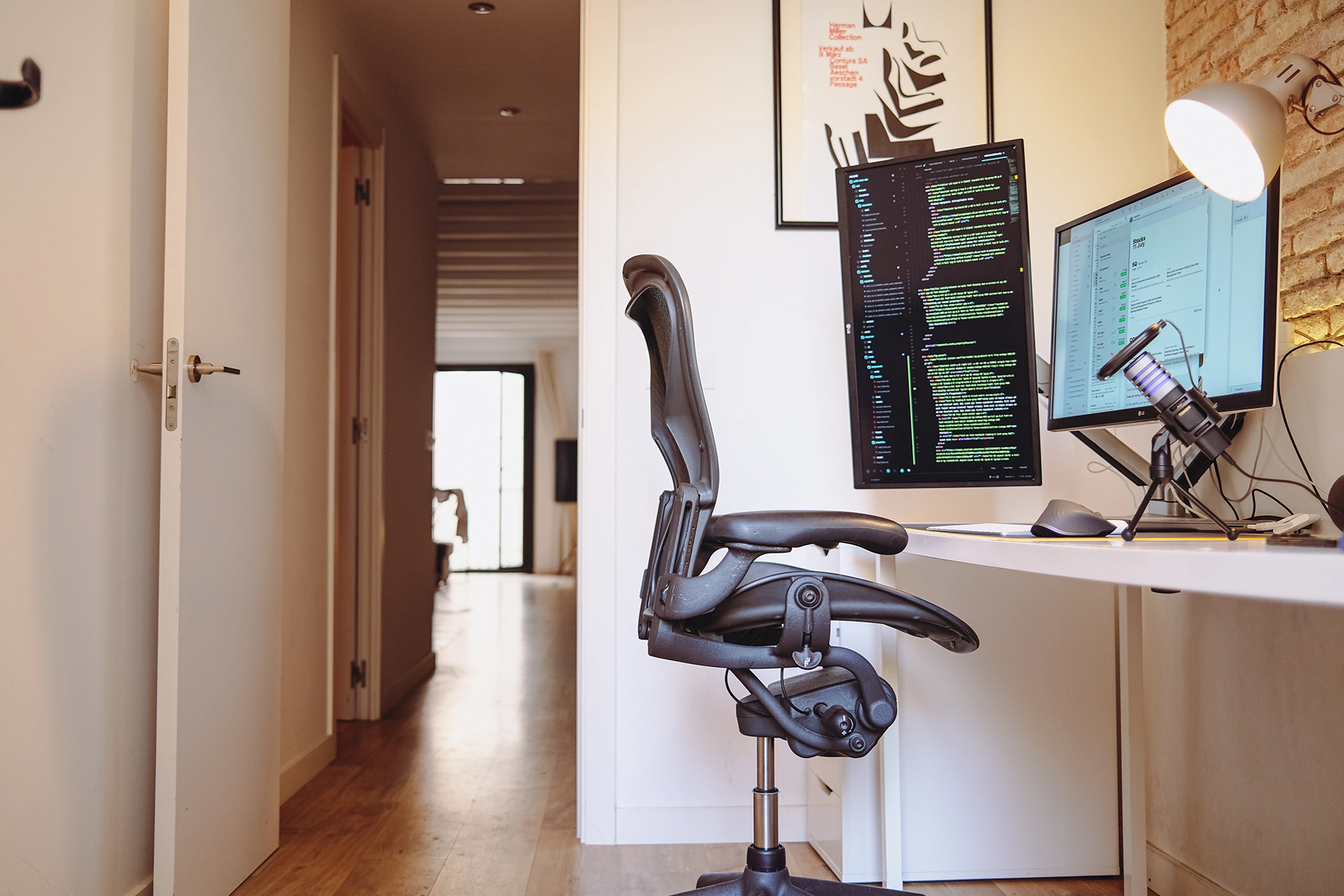
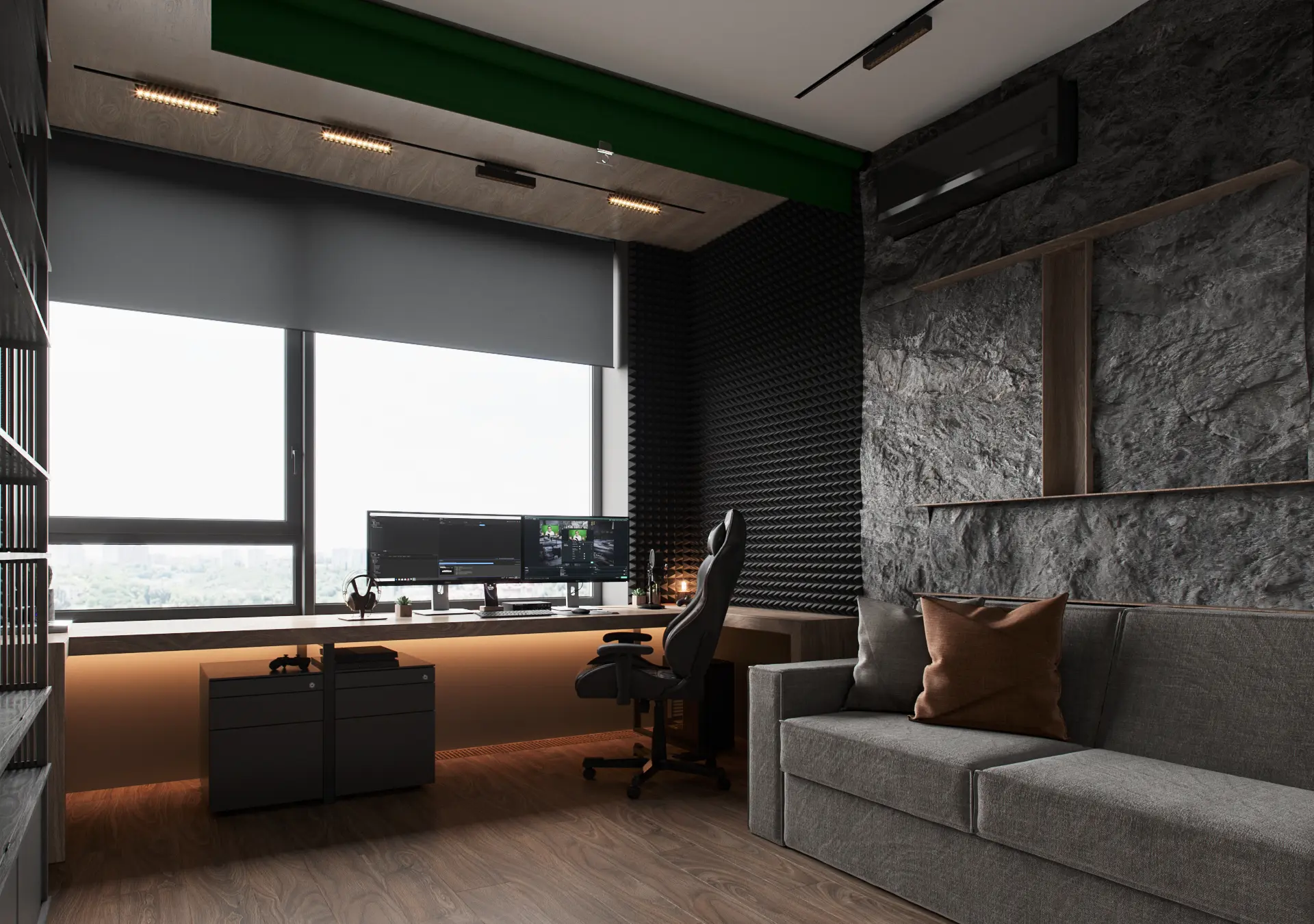
Alongside the fibre rollout, dedicated coworking spaces have appeared. CoLagos and LACO Business Hub in the Lagos area are the best-known examples, designed specifically for remote professionals and digital nomads rather than repurposed office space. These are actual community-focused workspaces with reliable connectivity, meeting rooms, and the kind of social ecosystem that makes working abroad less isolating.
TAP Air Portugal has also added direct routes from Faro International Airport to North America. This was arguably the biggest structural barrier to the Algarve as a long-term base: the extra internal leg from Faro to Lisbon before an international connection. That friction has reduced significantly for transatlantic nomads.
How the Costs Actually Stack Up
Rental data from Idealista puts the median rent in Faro, the regional capital, at around 1,710 euros a month. That is still high, and Albufeira and Olhão are similar. These are the tourist-facing parts of the coast and the pricing reflects that.
But the Algarve is much larger than the postcard version. Interior towns like Silves, Monchique, and Tavira offer a different proposition entirely: genuinely affordable rents, slower pace, and direct access to the same coast without the resort markup.
Silves, for example, has a functioning town centre, a moorish castle, a weekly market, and good road access to both the beaches and the motorway network. Rents for a decent furnished apartment are well below what you would pay in any of the coast-facing tourist towns.
Healthcare and Connectivity Gaps Are Closing
One of the traditional objections to the western Algarve as a long-term base was healthcare access. A new expansion at Lagos Health Centre is currently underway, and Hospital Particular do Algarve and LuzDoc clinic are within 30 minutes of most western Algarve locations. Not Lisbon-level provision, but genuinely adequate for most everyday healthcare needs.
Internet reliability has historically been the other pain point. The fibre rollout addresses the main towns and many suburban areas. If you are seriously considering a longer stay, it is worth verifying connectivity at a specific property rather than assuming, but the regional baseline has improved substantially.
Who Is Actually Moving Here
The Algarve is seeing a meaningful share of the larger wave of American and British arrivals in Portugal. Property investment materials from the region are explicitly citing CoLagos and the new TAP routes in their marketing to North American buyers, which tells you something about who is showing up.
American arrivals in Portugal as a whole rose 45 percent in 2022 alone, and the numbers have continued to grow. Some of these arrivals are holiday visitors. A growing number are people seriously evaluating a mid-term or permanent base.
The Algarve proposition makes sense for a specific profile: someone who wants the Portugal DNV or D7 lifestyle at lower cost than Lisbon, with reliable internet, some coworking community, and access to one of the best stretches of coastline in Europe.
The Honest Trade-Offs
The Algarve is not Lisbon. The cultural scene, restaurant variety, and urban energy you get in the capital are just not replicable in a coastal region with a population a fraction of the size. If you need a big-city feeling, this is not it.
The summer months (June through August) flip the character of the coast entirely. The remote worker infrastructure and the quiet off-season vibe give way to tourist-season pricing and crowds. Many nomads who base in the Algarve treat the summer as their travel period and the rest of the year as their anchored work season, which actually works extremely well.
Transport within the region also requires either a car or significant planning. The Algarve is not particularly walkable beyond town centres, and bus connections between interior towns are limited.
The Bottom Line
If your Portugal plan starts and ends with Lisbon, you are missing one of the better-value, better-weather, increasingly well-connected options in Southern Europe. The Algarve has been quietly building the infrastructure that remote workers actually need, and the pricing outside the tourist coast towns still compares favourably with any major European city.
Lagos, Tavira, and Silves are worth a serious look if you are planning a mid-term stay in Portugal in 2026. The coworking scene is young and growing, the fibre is genuinely there now, and the cliffs have not gotten any less spectacular.